

-
Trees
Trees
 Fruit Trees
 Ornamental
 Screening
 Palms
By FeaturesBy Shape
Palms
By FeaturesBy Shape -
Shrubs
Shrubs
 Large shrubs
 Hedging
 Bamboo
 Climbers
 Flowering
 Grasses & Ferns
 Popular
-
Pines & Conifers
Pines & Conifers
 Pines
Pines
 Spruce & Fir
 Cypress
 Thuja
Thuja
 Redwood | Sequoia
-
Specimen
FREE DELIVERY OVER £350
Search results
Search results
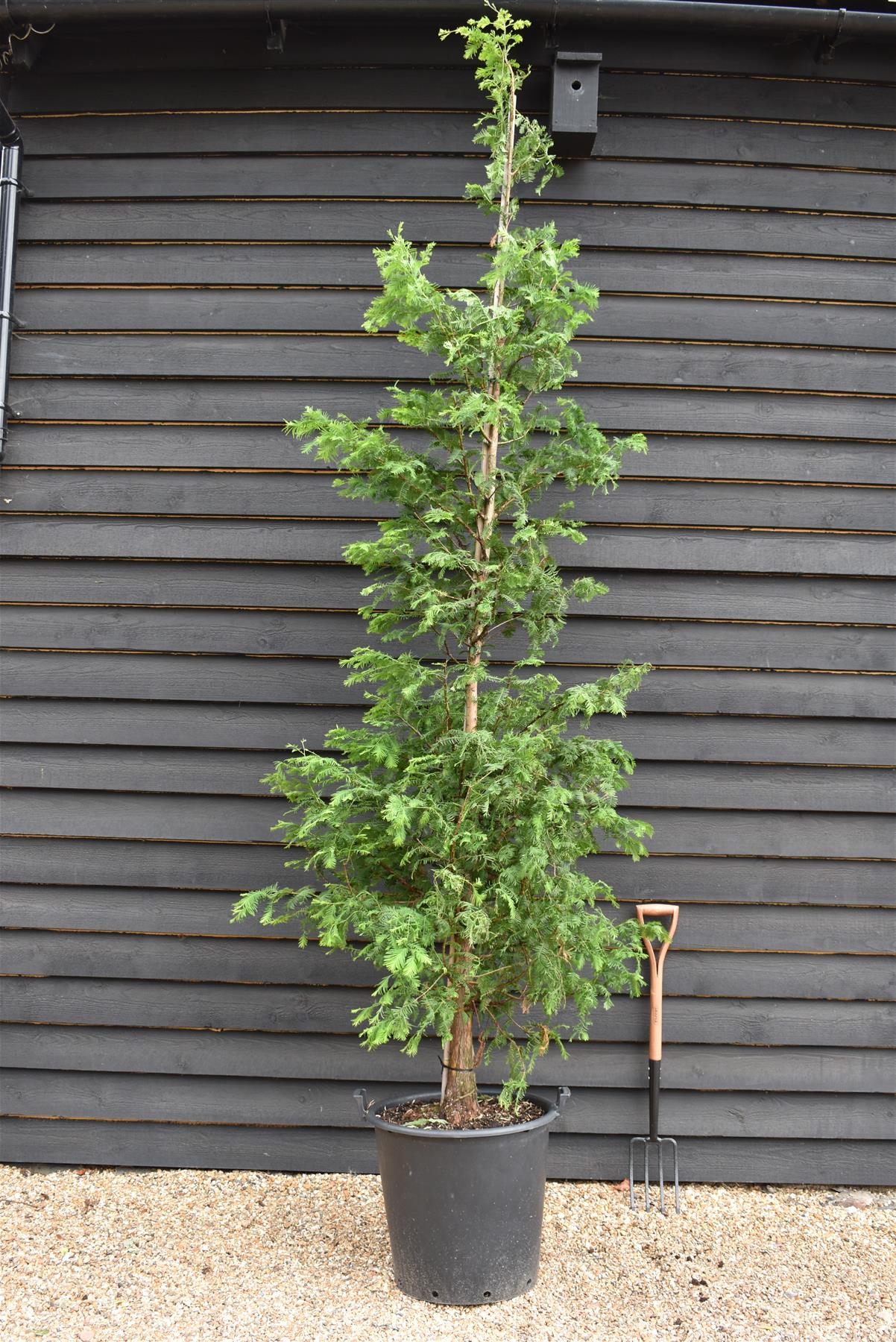

Metasequoia glyptostroboides | Dawn Redwood - Girth 10-12cm - Height 320-340cm - 70lt
£490.00
Unit price perMetasequoia glyptostroboides | Dawn Redwood - Girth 10-12cm - Height 320-340cm - 70lt
£490.00
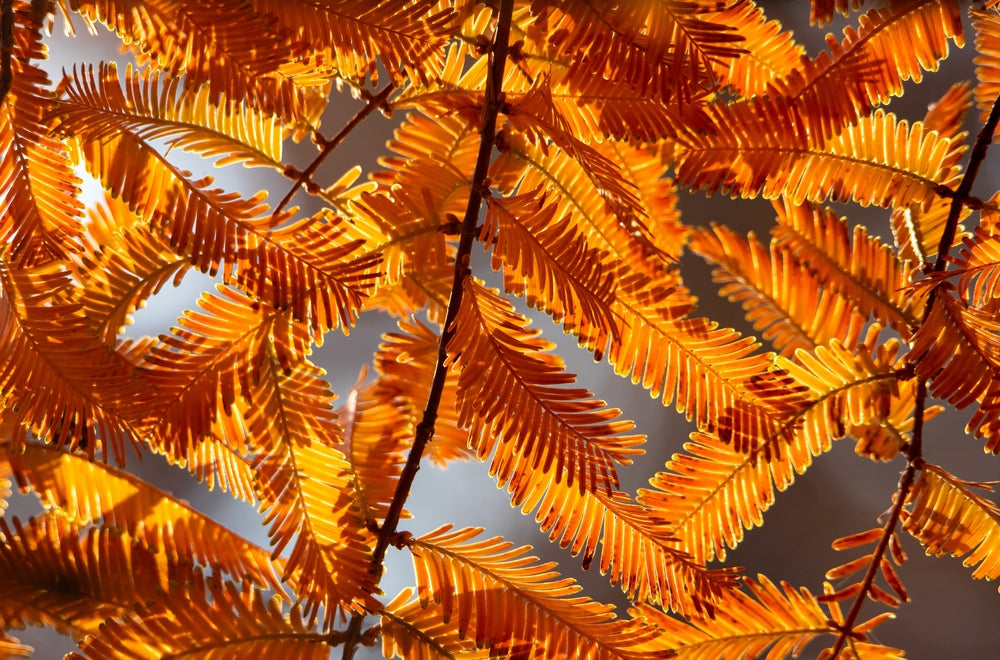
Unit price perThe Metasequoia glyptostroboides, commonly known as the dawn redwood, is a deciduous conifer belonging to the family Cupressaceae. It is one of only three species of redwood trees and is renowned for its prehistoric origins, often referred to as a "living fossil."
This remarkable tree can grow to impressive heights of up to 40 metres (130 feet) with a conical shape. The bark is reddish-brown, fibrous, and peels off in long strips, giving it a distinctive appearance. The leaves are needle-like, arranged oppositely on the branches, and turn a rich bronze or golden-brown before falling in the autumn. This seasonal shedding of leaves distinguishes the dawn redwood from its evergreen relatives.
Metasequoia glyptostroboides thrives in temperate climates and prefers moist, well-drained soils, often found near rivers and wetlands. Its growth rate is rapid, making it a popular choice for ornamental planting in parks and gardens worldwide. Despite its prehistoric lineage, the dawn redwood has adapted well to cultivation and can withstand urban conditions, including pollution and compacted soils.
The tree's history is fascinating, as it was once thought to be extinct and only known through fossil records until its rediscovery in the 1940s. Since then, efforts have been made to propagate and preserve this species, ensuring its survival and increasing its presence in both natural and managed landscapes.
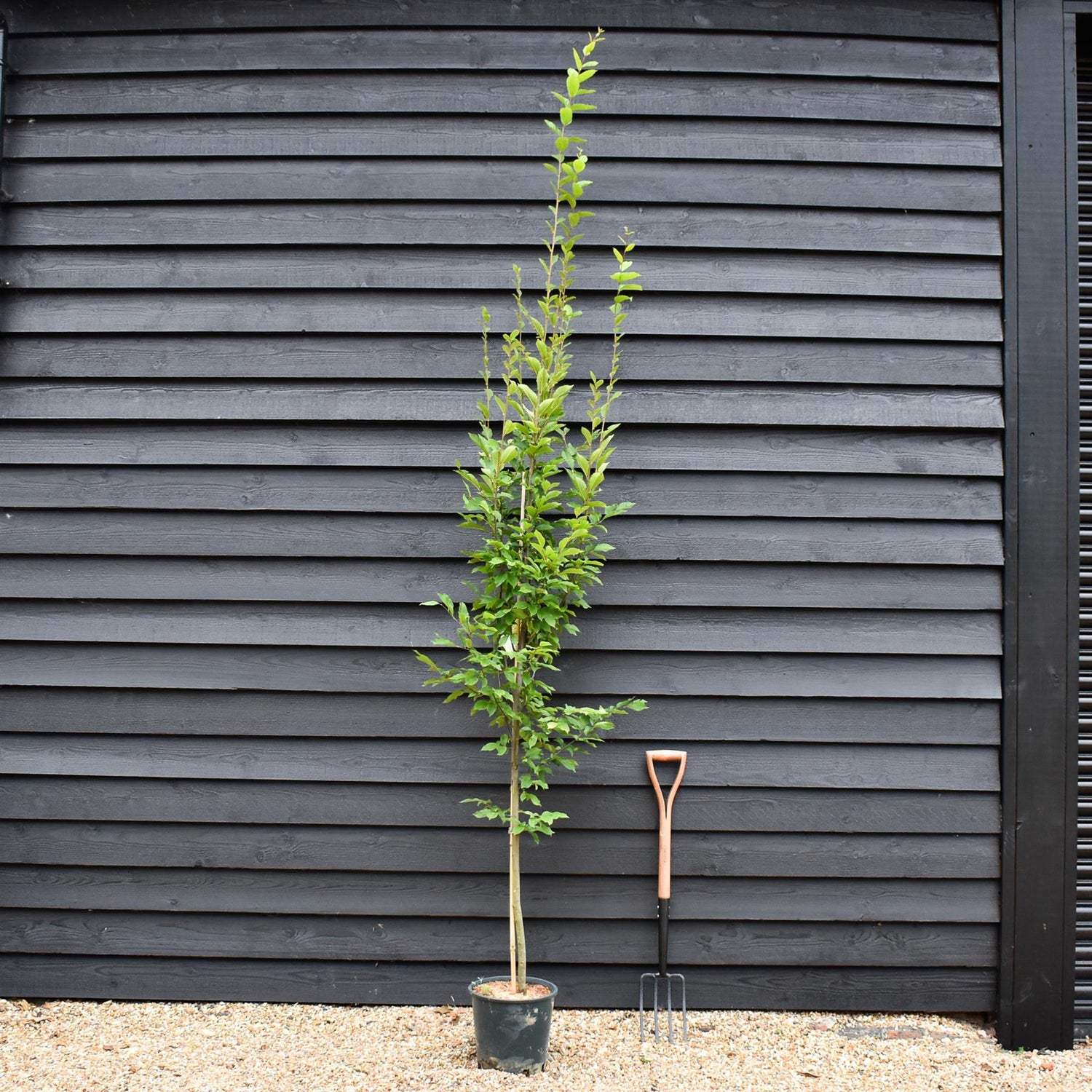


Carpinus betulus 'Fastigiata' | Hornebean Fastigata - Height 140-180cm - 10lt
£90.00
Unit price perCarpinus betulus 'Fastigiata' | Hornebean Fastigata - Height 140-180cm - 10lt
£90.00
Unit price per


Alnus Cordata - Alder tree - Clear Stem - Standard - Girth 10-12cm - Height 480-530cm - 70lt
£390.00
Unit price perAlnus Cordata - Alder tree - Clear Stem - Standard - Girth 10-12cm - Height 480-530cm - 70lt
£390.00
Unit price perAlnus cordata, commonly known as the Italian alder, is a medium to large deciduous tree native to southern Italy and parts of Corsica. It belongs to the Betulaceae family and is highly valued for its ability to thrive in poor soils and challenging environmental conditions. This species is often planted for ornamental purposes, soil improvement, and as a windbreak due to its robust growth and adaptability.
The tree can reach heights of up to 25-30 metres (82-98 feet) with a trunk diameter of about 1 metre (3.3 feet). It has a relatively narrow, conical crown, which makes it an attractive choice for landscaping in urban and rural environments. The bark is smooth and greyish-brown when young, developing shallow fissures with age.
Alnus cordata is noted for its distinctive heart-shaped (cordate) leaves, which are bright green and glossy, measuring 7-12 cm in length. Unlike some other alders, the leaves of A. cordata remain on the tree until late autumn, giving it an extended season of greenery. In spring, it produces small, inconspicuous catkins, with male catkins being pendulous and yellowish, and female catkins more compact and upright. These develop into small, woody cones that persist on the tree through winter.
One of the key characteristics of Alnus cordata is its nitrogen-fixing ability. Like other alders, it forms a symbiotic relationship with the bacterium Frankia, which allows it to fix atmospheric nitrogen into the soil. This quality makes it an excellent species for improving soil fertility, particularly in degraded or nutrient-poor areas.
Overall, the Italian alder is a resilient and versatile tree, well-suited to a variety of landscapes, including wet or compacted soils, and is an important species for ecological restoration projects.


Pinus sylvestris 'Watereri' | Scots pine - Height 30cm-40cm - Width 40cm-50cm - 15lt
£135.00
Unit price perPinus sylvestris 'Watereri' | Scots pine - Height 30cm-40cm - Width 40cm-50cm - 15lt
£135.00
Unit price per


Pinus sylvestris 'Sandringham' | Sandringham Scots Pine - Height 30-40cm - 15lt
£159.00
Unit price perPinus sylvestris 'Sandringham' | Sandringham Scots Pine - Height 30-40cm - 15lt
£159.00
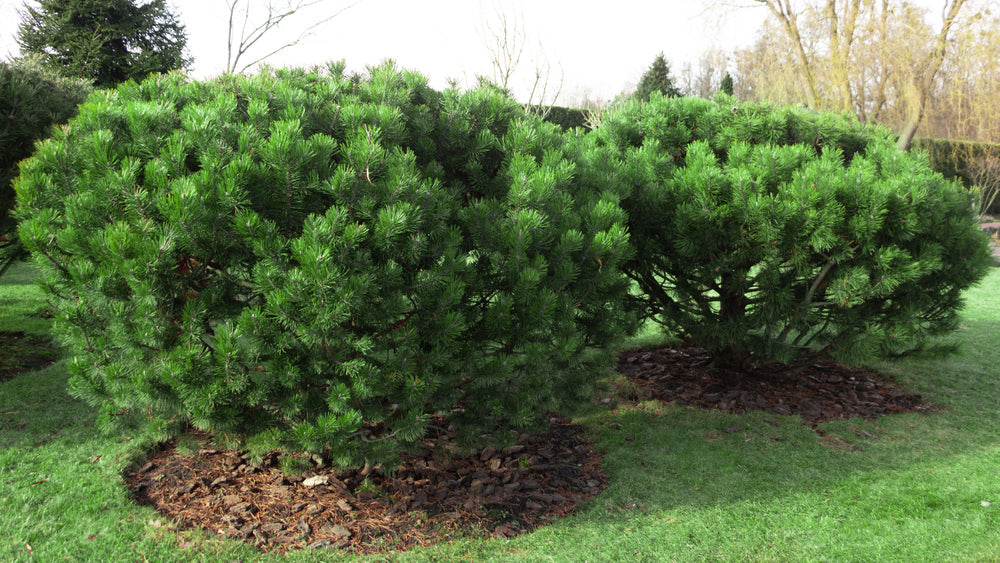
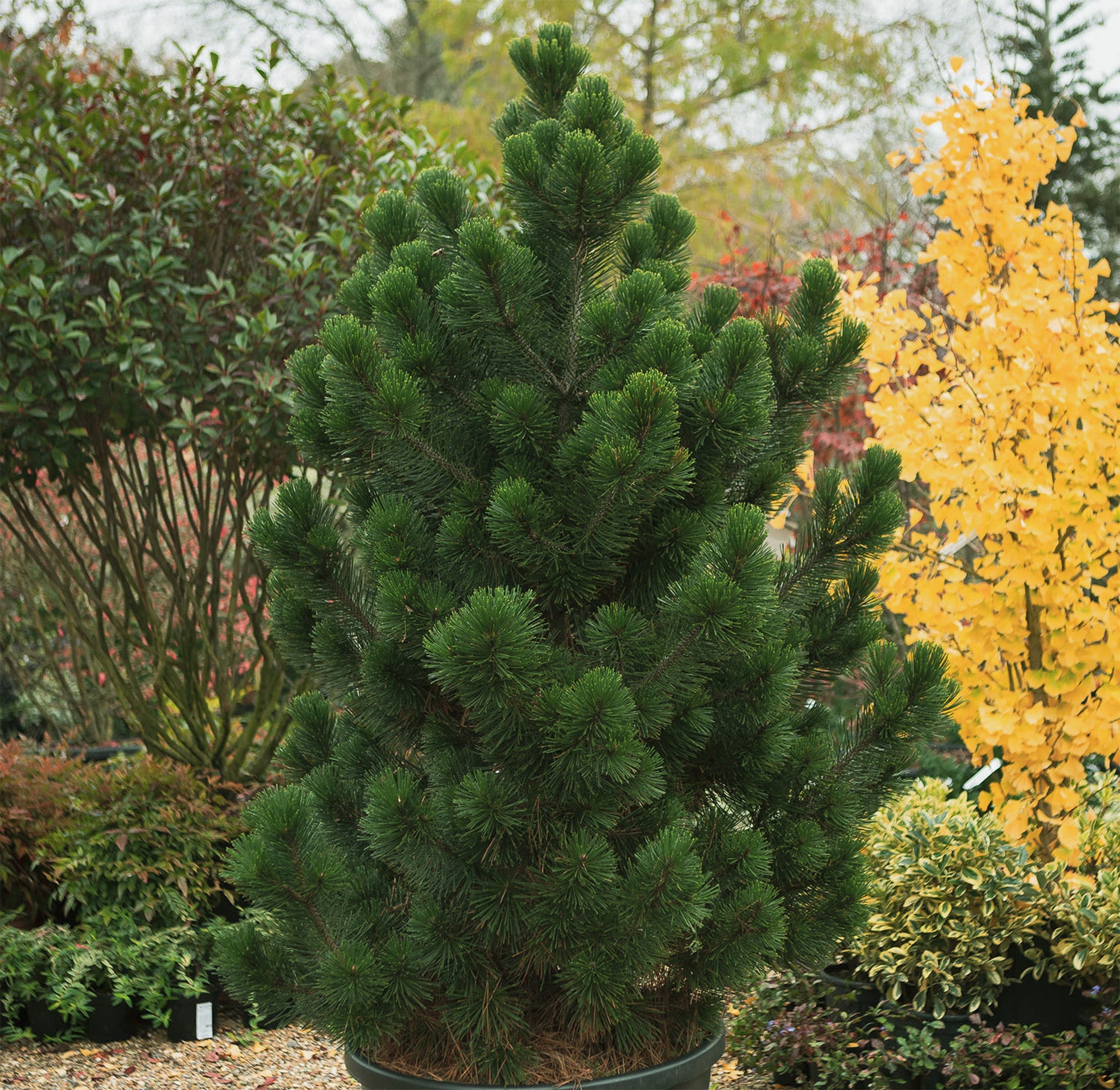
Unit price perPinus sylvestris 'Sandringham' is a distinctive variety of the Scots Pine, a well-known conifer species native to large parts of Europe and Asia. This specific cultivar is prized for its compact, bushy growth habit and its suitability for smaller gardens, rockeries, or as an ornamental specimen in landscaped areas. Unlike the typical Scots Pine, which can grow into a large tree, 'Sandringham' remains much more manageable in size, making it an ideal choice for spaces where a full-sized tree would be too imposing.
The needles of 'Sandringham' are a vibrant blue-green, densely packed, and held in clusters of two. These provide year-round interest, creating a striking contrast in gardens, especially during the winter months when many deciduous plants lose their leaves. As the tree matures, the bark develops an attractive reddish-brown, flaky texture, adding to its aesthetic appeal.
One of the standout features of this cultivar is its tolerance to poor soils and cold, windy conditions, making it particularly well-suited to the UK climate. It prefers full sun and can adapt to a variety of soil types, including sandy or gravelly soils, as long as they are well-drained. Once established, it requires minimal maintenance, with occasional light pruning to maintain its shape and remove any dead or damaged branches.
'Pinus sylvestris Sandringham' is often used in Japanese-style gardens, coastal settings, or as a feature plant in a mixed border. Its slow growth rate means it will not outgrow its space quickly, making it a long-term investment for gardeners seeking a hardy, attractive, and easy-to-care-for conifer that adds both texture and colour to their outdoor spaces throughout the year.
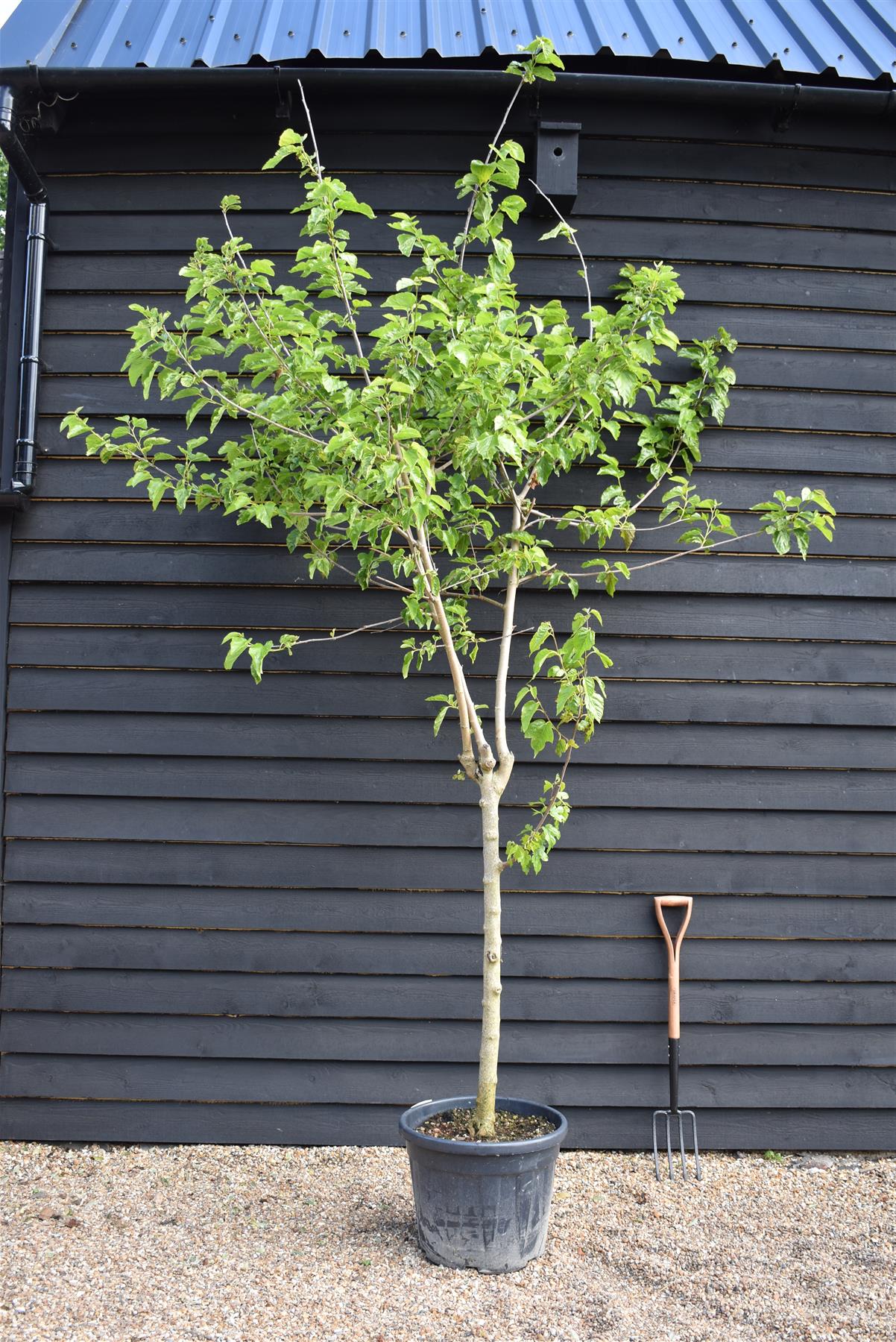


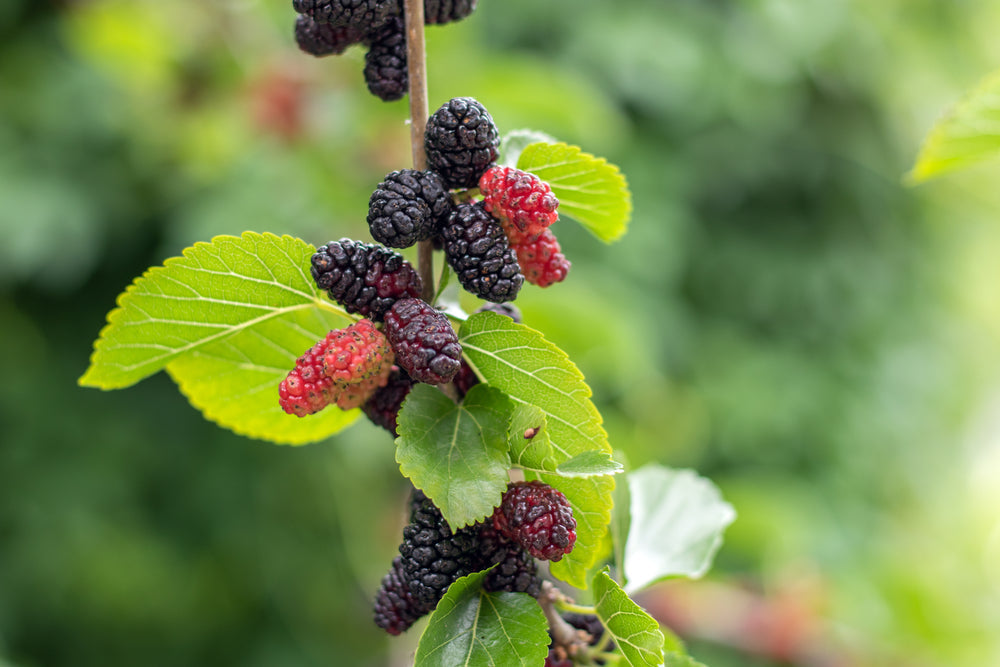
Morus alba | White Mulberry - Girth 14-16cm - Height 300-330cm - 35lt
£315.00
Unit price perMorus alba | White Mulberry - Girth 14-16cm - Height 300-330cm - 35lt
£315.00
Unit price per


Taxus baccata | Common Yew - Cone - 280-300cm, 350lt
£1,450.00
Unit price perTaxus baccata | Common Yew - Cone - 280-300cm, 350lt
£1,450.00
Unit price per

Taxus baccata | Common Yew - Bushy - Pot Grown - Height 80-90cm - 12lt
£72.00
Unit price perTaxus baccata | Common Yew - Bushy - Pot Grown - Height 80-90cm - 12lt
£72.00
Unit price per


Taxus Media 'Hillii' | Yew Tree/Large Shrub - Upright Taxus - Bushy - Height 160-180cm - 130lt
£420.00
Unit price perTaxus Media 'Hillii' | Yew Tree/Large Shrub - Upright Taxus - Bushy - Height 160-180cm - 130lt
£420.00
Unit price perTaxus x Media 'Hillii' is a cultivar of the Taxus x Media hybrid, which is a cross between Taxus baccata (English yew) and Taxus cuspidata (Japanese yew). It is a popular evergreen shrub in the horticultural industry, prized for its dense, upright growth habit and attractive appearance.
One of the defining characteristics of 'Hillii' is its dense, dark green foliage. The needle-like leaves are arranged in a spiral pattern along the branches, creating a lush and vibrant display. The foliage retains its color throughout the year, making it an excellent choice for providing year-round interest in the garden.
This cultivar is known for its compact and upright growth habit. It typically reaches a height of 6 to 10 feet (1.8 to 3 meters) and a spread of 4 to 6 feet (1.2 to 1.8 meters), forming a narrow columnar shape. The dense branching pattern contributes to its neat and formal appearance, making it an ideal choice for hedges, screens, or borders.
In addition to its ornamental value, Taxus x Media 'Hillii' also produces small, round berries. These berries start out green and eventually mature to a striking red color, adding a pop of color to the shrub. However, it's important to note that the berries are toxic if ingested, so caution should be exercised if there are children or pets in the vicinity.
One of the advantages of 'Hillii' is its versatility in various growing conditions. It can tolerate a wide range of soil types, including clay, loam, and sandy soils, as long as they are well-drained. It thrives in full sun to partial shade, although it prefers some protection from intense afternoon sun in hot climates. Once established, 'Hillii' is relatively low-maintenance and can withstand pruning to maintain its desired size and shape.
Overall, Taxus x Media 'Hillii' is a popular choice for those seeking an attractive, compact, and easy-to-grow evergreen shrub. Its dense, dark green foliage, upright growth habit, and small red berries make it a versatile and visually appealing addition to gardens, providing year-round interest and beauty.


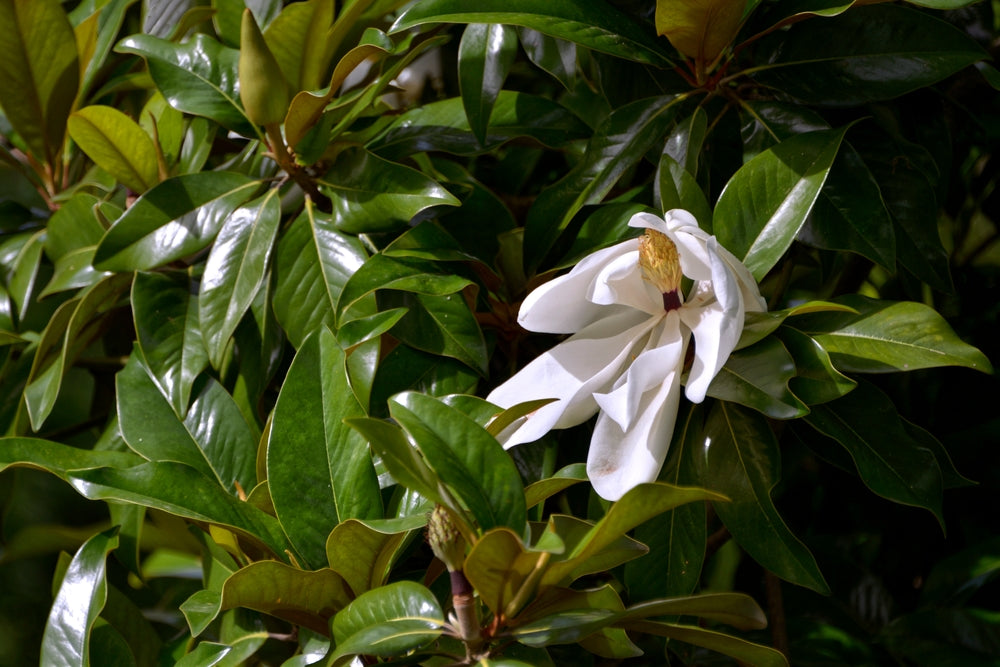
Magnolia Grandiflora | Evergreen Magnolia - Standard - Girth 30-32cm - Height 450-500cm - 250lt
£1,925.00
Unit price perMagnolia Grandiflora | Evergreen Magnolia - Standard - Girth 30-32cm - Height 450-500cm - 250lt
£1,925.00
Unit price per


Red Oak | Quercus Rubra - Established - Girth 6-8cm - Height 250-310cm - 30lt
£270.00
Unit price perRed Oak | Quercus Rubra - Established - Girth 6-8cm - Height 250-310cm - 30lt
£270.00
Unit price perQuercus rubra, commonly known as the Northern Red Oak, is a majestic deciduous tree native to North America, including parts of the United States and Canada. This oak species belongs to the Fagaceae family and is renowned for its striking appearance, impressive size, and ecological significance.
Mature Quercus Rubra trees can reach heights of up to 100 feet (30 meters) and possess a wide, rounded crown that provides ample shade during the summer months. Its leaves, which are alternately arranged along the branches, are deeply lobed with pointed tips and possess a vibrant green colour in the spring and summer. However, during the autumn season, they transform into a breath taking spectacle of crimson and red hues, making it a popular choice for ornamental landscaping.
The bark of the Northern Red Oak is dark brown, often becoming rough and deeply furrowed with age, adding to its visual appeal. The tree produces acorns as its fruit, which are an essential food source for numerous wildlife species, including squirrels, deer, and birds. This contributes to its ecological significance by supporting local ecosystems.
Quercus rubra prefers well-drained soils and can adapt to a variety of soil types, making it a hardy and resilient tree species. It thrives in full sun to partial shade, making it versatile in different environmental conditions.
Quercus rubra stands as a symbol of strength, resilience, and natural beauty. Its presence in North American forests and landscapes enriches the environment and provides valuable resources for both wildlife and human use. This iconic tree embodies the timeless beauty of nature and its vital role in sustaining the ecosystems it inhabits.


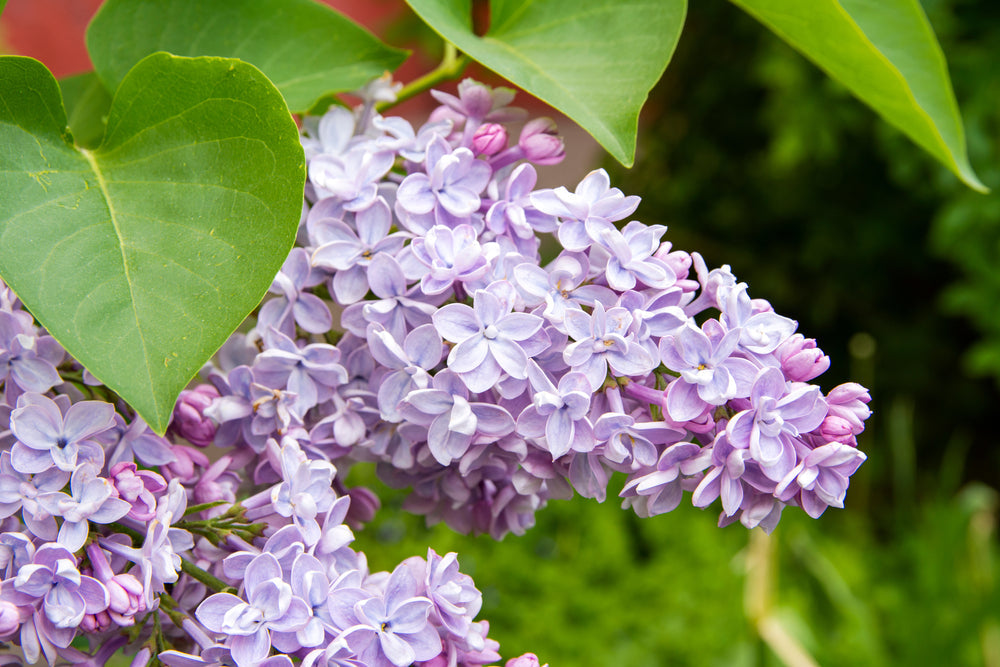
Syringa Vulgaris | Lilac - Shrub -Half Standard - Clear Stem 90cm - Height 220-240cm - 45lt
£385.00
Unit price perSyringa Vulgaris | Lilac - Shrub -Half Standard - Clear Stem 90cm - Height 220-240cm - 45lt
£385.00
Unit price perThe Syringa vulgaris, commonly known as the common lilac, is a deciduous shrub belonging to the Oleaceae (olive) family. Native to the Balkan Peninsula, it has been widely cultivated across Europe and North America for its fragrant, showy blossoms and ornamental appeal.
Growing to an average height of 4–6 metres (13–20 feet), Syringa vulgaris forms a dense, multi-stemmed thicket with an upright, spreading habit. Its dark green, ovate leaves are simple and arranged oppositely along the stems, providing lush foliage that remains attractive throughout the growing season.
The plant is best known for its spectacular blooms, which appear in mid to late spring. The conical panicles, measuring 10–20 cm (4–8 inches) long, consist of small, tubular flowers. The flowers are highly fragrant, making them a favourite for gardens and floral arrangements.
Thriving in temperate climates, Syringa vulgaris prefers well-drained, neutral to slightly alkaline soil and full sun for optimal blooming. It is cold-hardy and can withstand harsh winters, making it a popular choice for northern regions.
Historically, lilacs have symbolised love, renewal, and nostalgia, and they are often planted in cottage gardens, hedgerows, and public parks. They attract pollinators, such as butterflies and bees, while being relatively pest-resistant.


Pinus parviflora - Japanese white pine - Niwaki - Height 90-100cm - Width 90-100cm - 25lt
£1,980.00
Unit price perPinus parviflora - Japanese white pine - Niwaki - Height 90-100cm - Width 90-100cm - 25lt
£1,980.00
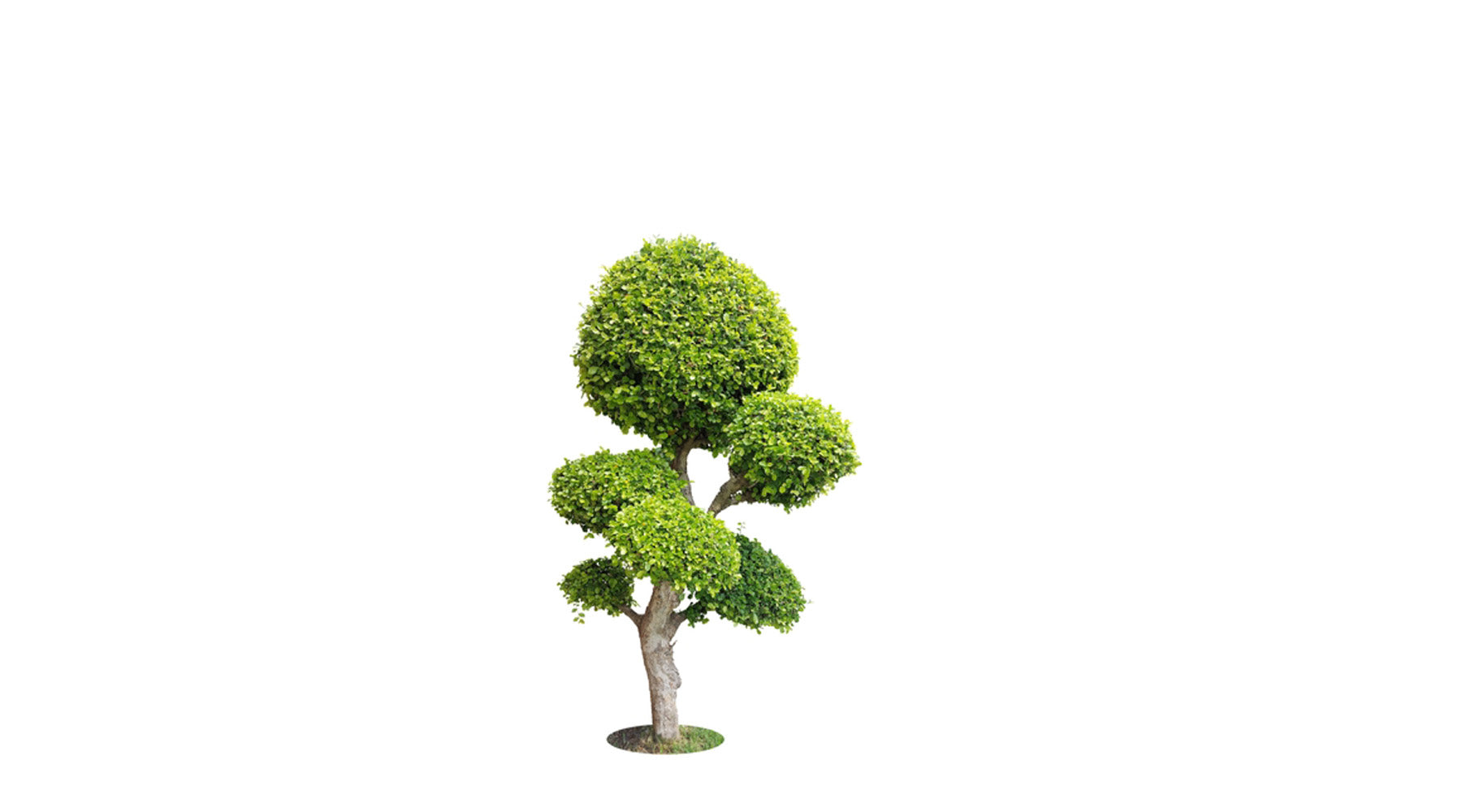
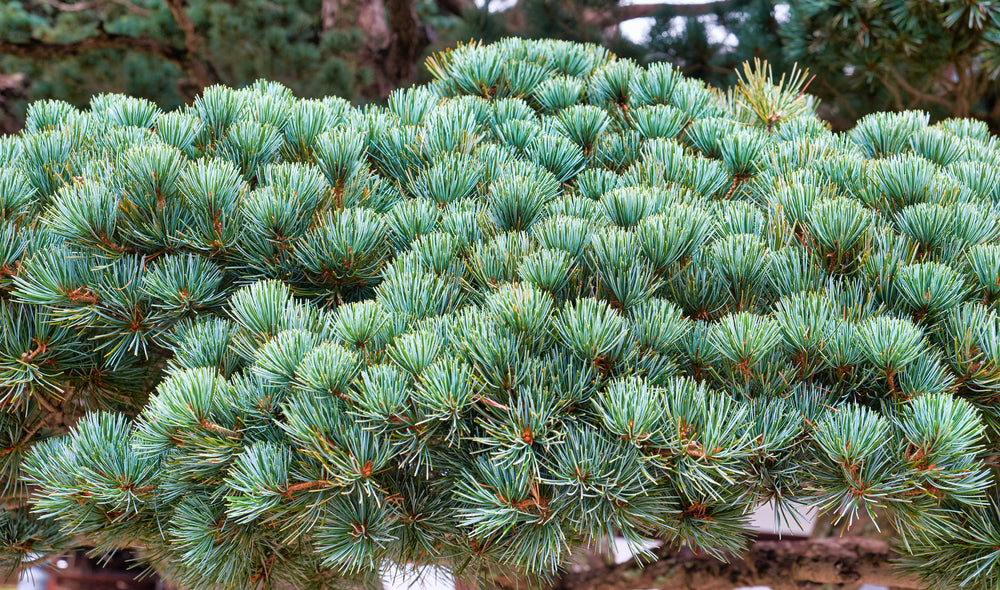
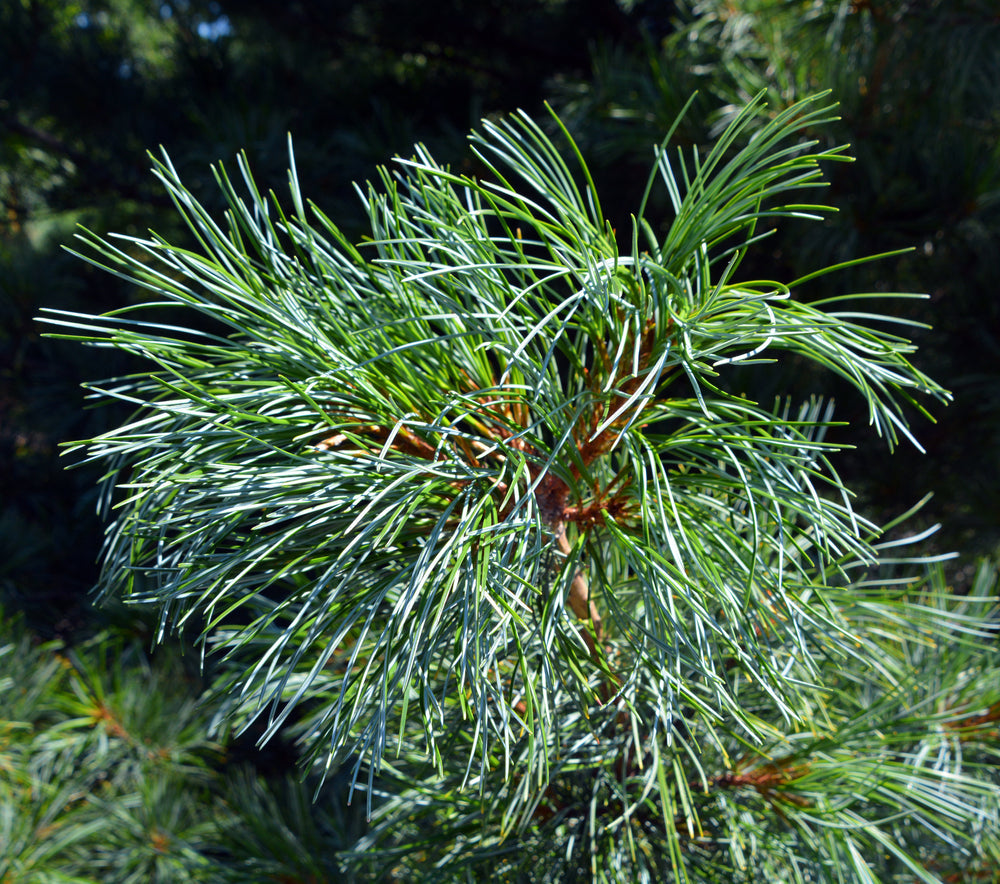
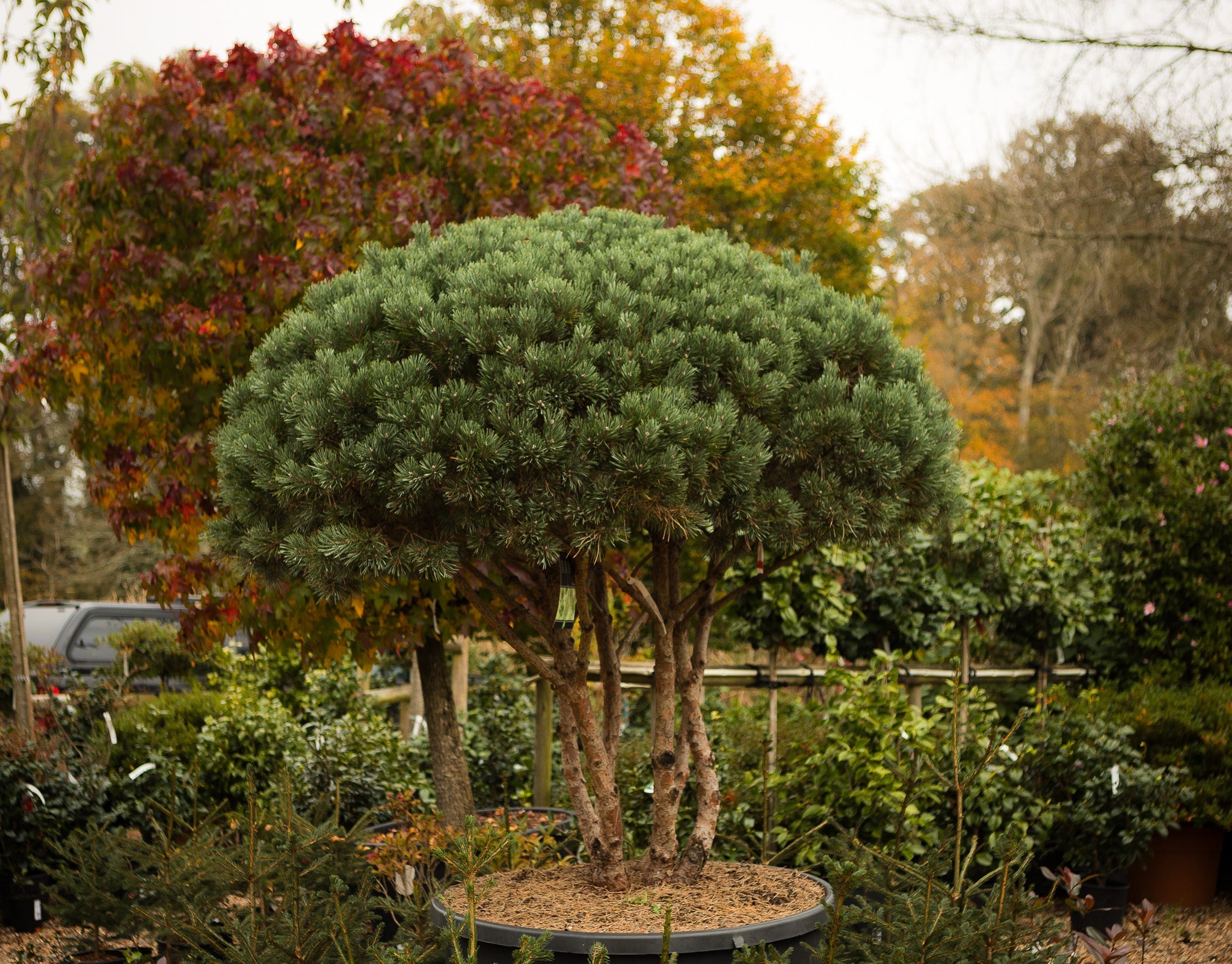
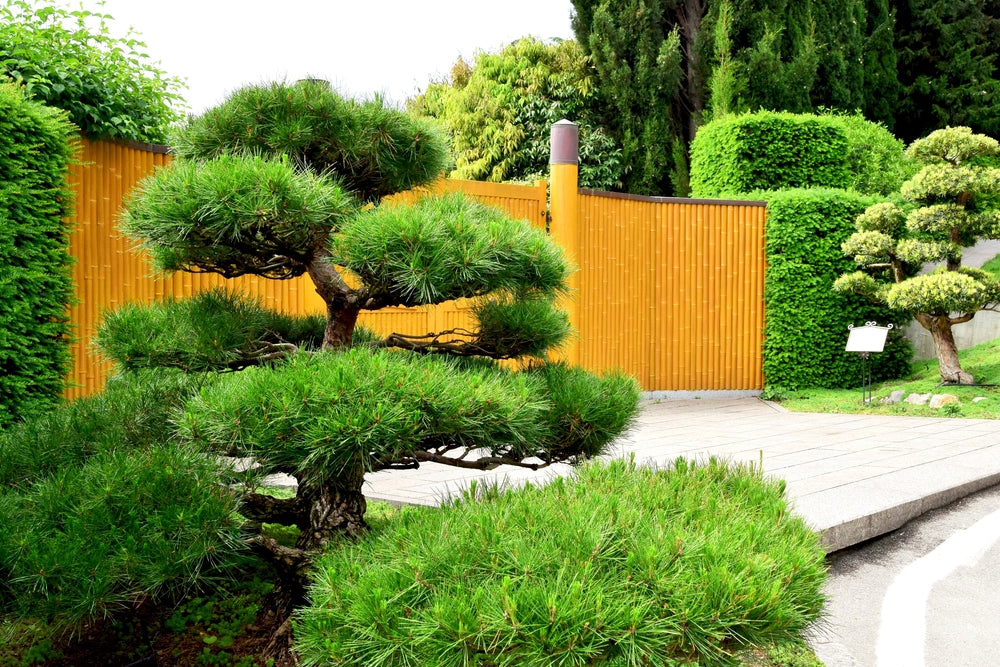
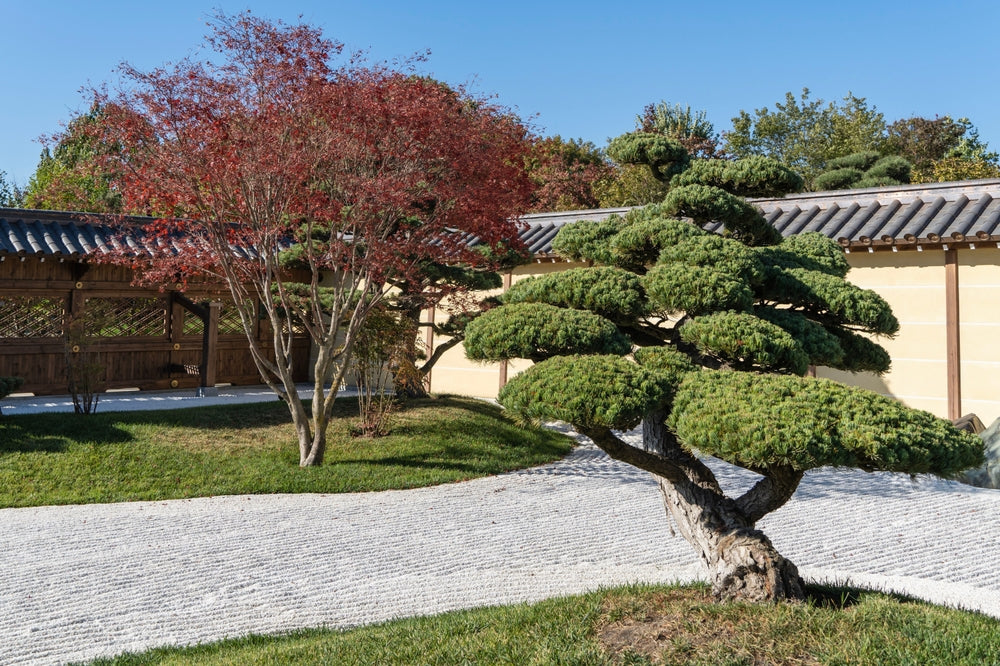
Unit price perA Pinus parviflora grown in a Niwaki style is a stunning living sculpture that brings the timeless elegance of Japanese garden design into any landscape. Carefully trained over many years, its branches are expertly shaped into distinctive cloud-like foliage pads, highlighting the tree's graceful structure and natural character. The soft, blue-green needles create a delicate texture that contrasts beautifully with the rugged, silver-grey bark, which becomes increasingly attractive as the tree matures.
Ideal as a feature specimen, this Niwaki pine provides year-round interest and works exceptionally well in Japanese-inspired gardens, contemporary landscapes or traditional planting schemes. Its sculptural form creates a sense of tranquillity and balance, making it a natural focal point beside pathways, water features or within gravel gardens.
Slow growing and highly valued for its refined appearance, Pinus parviflora thrives in a sunny position with well-drained soil. Once established, it is hardy and relatively low maintenance, requiring only occasional pruning to preserve its carefully crafted silhouette. Whether planted as a standalone specimen or incorporated into a thoughtfully designed garden, a Niwaki-trained Japanese white pine offers enduring beauty, architectural elegance and exceptional character throughout every season.
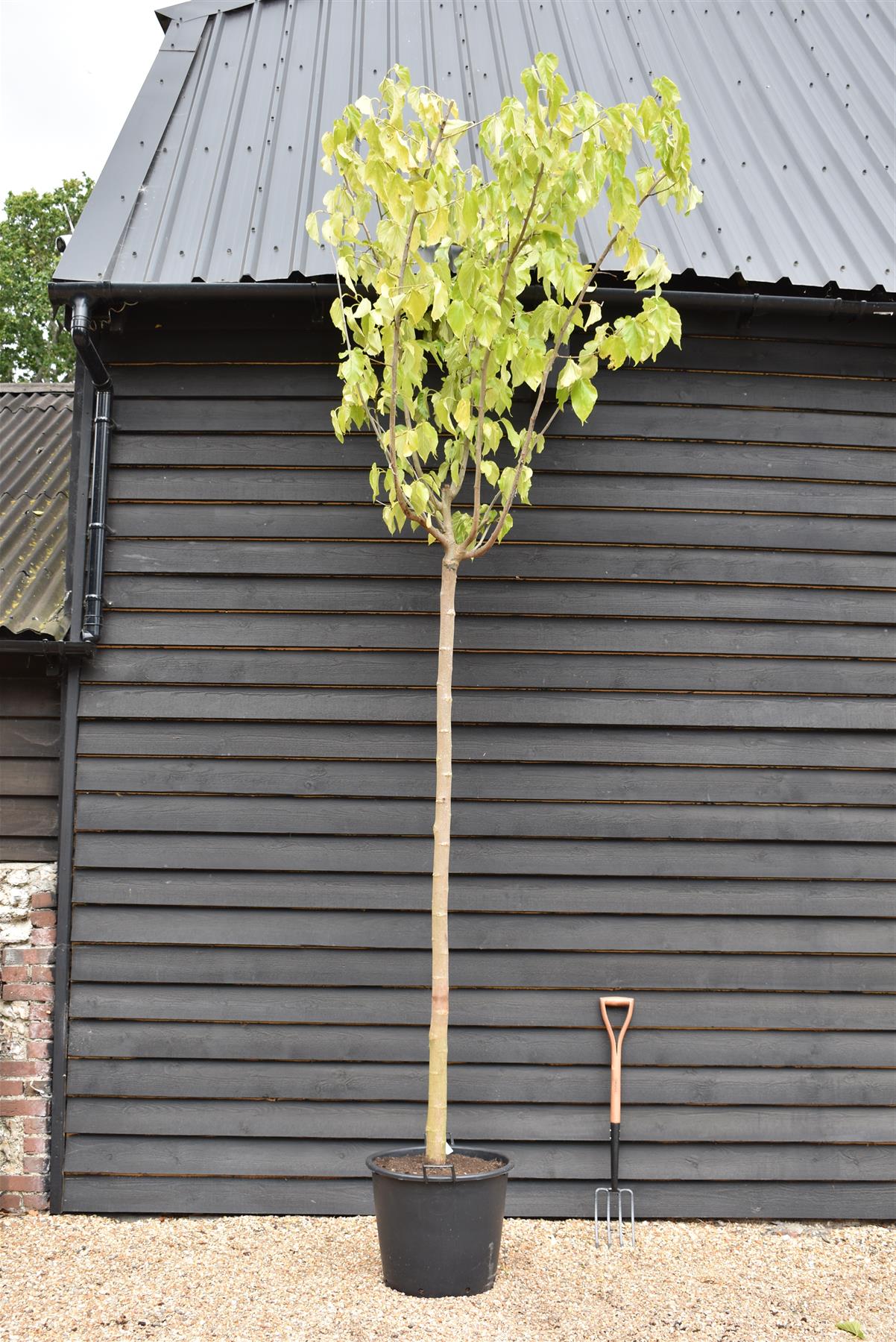


Morus Alba | White Mulberry - Clear Stem - Girth 14-16cm - 300-320cm - 70lt
£375.00
Unit price perMorus Alba | White Mulberry - Clear Stem - Girth 14-16cm - 300-320cm - 70lt
£375.00
Unit price per


Wisteria brachybotrys 'Iko yama fuji'' - Clear stem 140cm - Girth 10-12cm - Height 200-220cm - 55lt
£438.00
Unit price perWisteria brachybotrys 'Iko yama fuji'' - Clear stem 140cm - Girth 10-12cm - Height 200-220cm - 55lt
£438.00
Unit price perWisteria brachybotrys 'Iko yama fuji' is a captivating flowering plant that belongs to the pea family, Fabaceae. It is known for its elegant, cascading clusters of fragrant, violet-blue flowers that drape gracefully from its branches.
The term "half standard" indicates that the clear stem has been pruned to a specific height, typically around three to four feet (90-120 cm) above the ground. This pruning method creates a visually appealing feature, allowing the flowering portion of the Wisteria to be showcased more prominently. The clear stem also facilitates ease of maintenance and enhances the plant's overall form and structure.
The 'Iko yama fuji' Wisteria itself is a deciduous vine with pinnate leaves consisting of numerous leaflets. The foliage emerges in spring, creating a lush green backdrop for the spectacular floral display that follows. The violet-blue flowers, are highly fragrant which typically appear in late spring or early summer, are abundant and borne in pendulous racemes that can reach up to a foot (30 cm) or more in length. They attract pollinators like bees and butterflies, adding to the plant's ecological value. Additionally, the flowers give way to velvety, elongated seed pods that develop later in the season, contributing to the overall visual interest of the plant.
The 'Iko yama fuji' Wisteria, with its half standard clear stem, offers a captivating combination of structural elegance and abundant floral beauty. Whether used as a focal point in a garden or as a decorative feature in a landscape, this cultivar adds a touch of sophistication and charm to any setting. With proper care and maintenance, this extraordinary plant can provide years of enjoyment and become a cherished highlight of outdoor spaces.


Hornbeam Fastigata | Carpinus betulus 'Fastigiata' - Girth 10-12cm - Height 280-320cm - 70lt
£320.00
Unit price perHornbeam Fastigata | Carpinus betulus 'Fastigiata' - Girth 10-12cm - Height 280-320cm - 70lt
£320.00
Unit price per


Cherrybark Red Oak | Quercus falcata 'Pagodifolia' - Height 180-200cm - Pot Grown - 10lt
£135.00
Unit price perCherrybark Red Oak | Quercus falcata 'Pagodifolia' - Height 180-200cm - Pot Grown - 10lt
£135.00
Unit price perQuercus falcata 'Pagodifolia', commonly known as the Pagoda Leaf Southern Red Oak, is a distinctive native tree admired for its unusual, deeply lobed leaves shaped like the tiers of a pagoda. This variety of Southern Red Oak grows into a stately, broad-canopied tree that provides excellent shade and long-lasting beauty in landscapes. Its foliage emerges a fresh green in spring, matures to a rich summer canopy, and transforms into shades of red, orange, and bronze in fall, adding striking seasonal interest. The tree is highly adaptable, thriving in a wide range of soils, including sandy or clay conditions, and is tolerant of heat and drought once established. Strong and resilient, it supports native wildlife by offering acorns as a valuable food source for birds and mammals. Perfect for large landscapes, parks, or restoration projects, Quercus falcata 'Pagodifolia' combines ornamental appeal with ecological benefit.


Wisteria sinensis 'Alba' - White flower - Clear Stem 80cm - Height 130-150cm - 18lt
£96.00
Unit price perWisteria sinensis 'Alba' - White flower - Clear Stem 80cm - Height 130-150cm - 18lt
£96.00
Unit price perWisteria sinensis 'Alba' on an 80cm clear stem is an elegant, compact addition to any garden, ideal for adding vertical interest with minimal space requirements. This stunning white-flowering wisteria showcases graceful, cascading racemes of pure white blooms in late spring, creating a mesmerizing display with a light, pleasant fragrance. The clear stem highlights its delicate beauty, providing a clean, structured appearance that enhances patios, terraces, or small garden beds. Its lush, green foliage emerges after the flowers, adding texture and colour throughout the summer. Hardy and easy to care for, this wisteria thrives in full sun and well-drained soil, making it an ideal choice for gardeners seeking elegance and sophistication in a manageable, space-saving form.


Quercus robur | English Oak - Height 250-350cm - Girth 12-14cm - 30lt
£365.00
Unit price perQuercus robur | English Oak - Height 250-350cm - Girth 12-14cm - 30lt
£365.00
Unit price perQuercus robur, or English Oak, is a large, long-lived, deciduous tree with a majestic, broad-spreading crown and smooth silvery brown bark, rough and fissured when mature. The lobed, blue-green leaves turn reddish brown in autumn. The tree is monoecious. Inconspicuous, male, yellow-green flowers grow in long, hanging catkins while small, female, pink flowers are followed by brown acorns that grow in couples on long stalks and fall to the ground in autumn. English Oak grows best in average, loamy, medium moist, well-drained soils, but can adapt to a wide range of soil conditions. It prefers full sun to dappled shade. Once established, it is resistant to drought and frost. Low maintenance plant, doesn’t require pruning. English Oak is a stunning architectural tree, robust and sturdy, often found growing in woodland. It is perfect as a specimen tree in larger areas or grown as a hedge in smaller ones. It supports more wildlife than any other tree in the UK.
Note: Please note, British native trees are all slightly different sizes, girth and shapes. Email us for an actual pictures of individual trees should you wish to choose a specific shape and size, or leave it to us to select the best one for you.


Osmanthus Fragans |Sweet olive - Shrub - Height 180-200cm -150lt
£715.00
Unit price perOsmanthus Fragans |Sweet olive - Shrub - Height 180-200cm -150lt
£715.00
Unit price perOsmanthus is a genus of flowering plants in the family Oleaceae, commonly known as sweet olive or tea olive. It consists of about 30 species of evergreen shrubs and small trees, native to Asia and the Americas. The plant is well-known for its fragrant, small flowers that bloom in clusters, usually in the fall or early winter. The flowers come in various colors including white, yellow, orange, and reddish-orange, and are often used in perfumes, teas, and desserts due to their sweet scent.
Osmanthus plants are very popular in landscaping and gardening because of their versatile uses. They can be grown as hedges, screens, or as accent plants in mixed borders. They are also suitable for container gardening, bonsai, and indoor cultivation.
Osmanthus plants prefer well-drained soils and partial shade to full sun exposure. In traditional Chinese medicine, osmanthus has been used to treat various health issues such as coughing, sore throat, and digestive problems. The plant contains various active compounds including essential oils, flavonoids, and phenolics that have antioxidant and anti-inflammatory properties.