

-
Trees
Trees
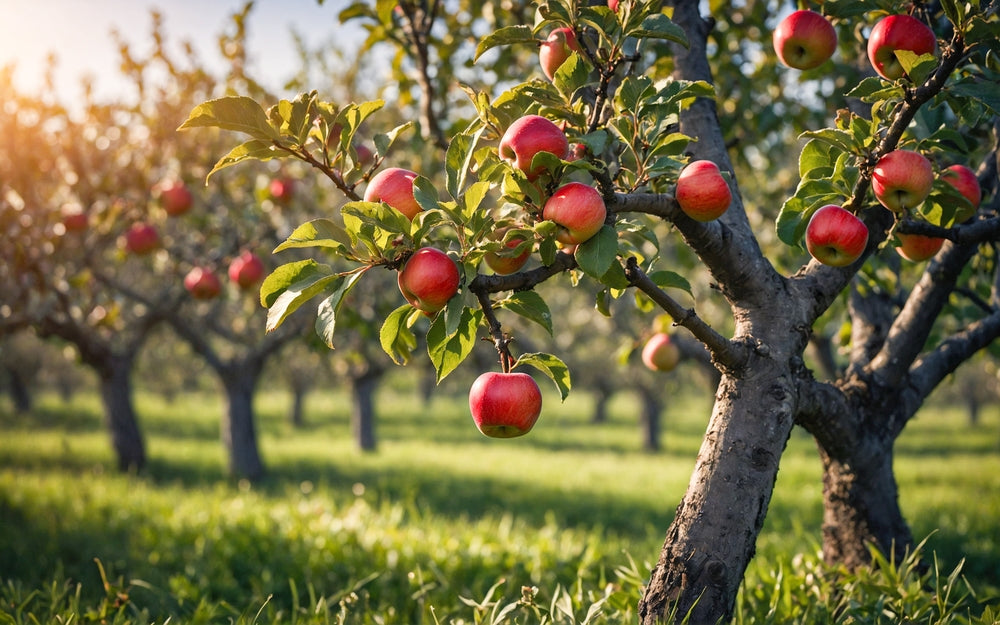 Fruit Trees
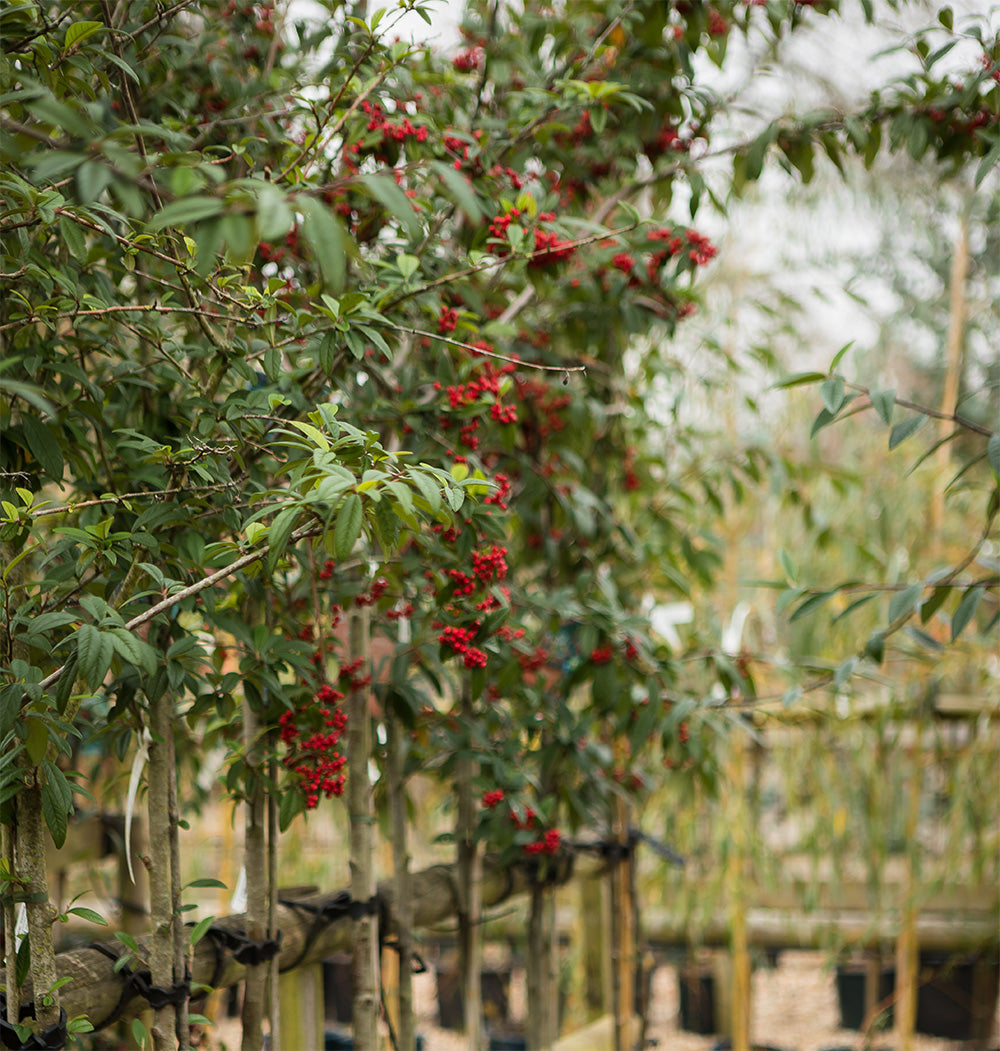 Ornamental
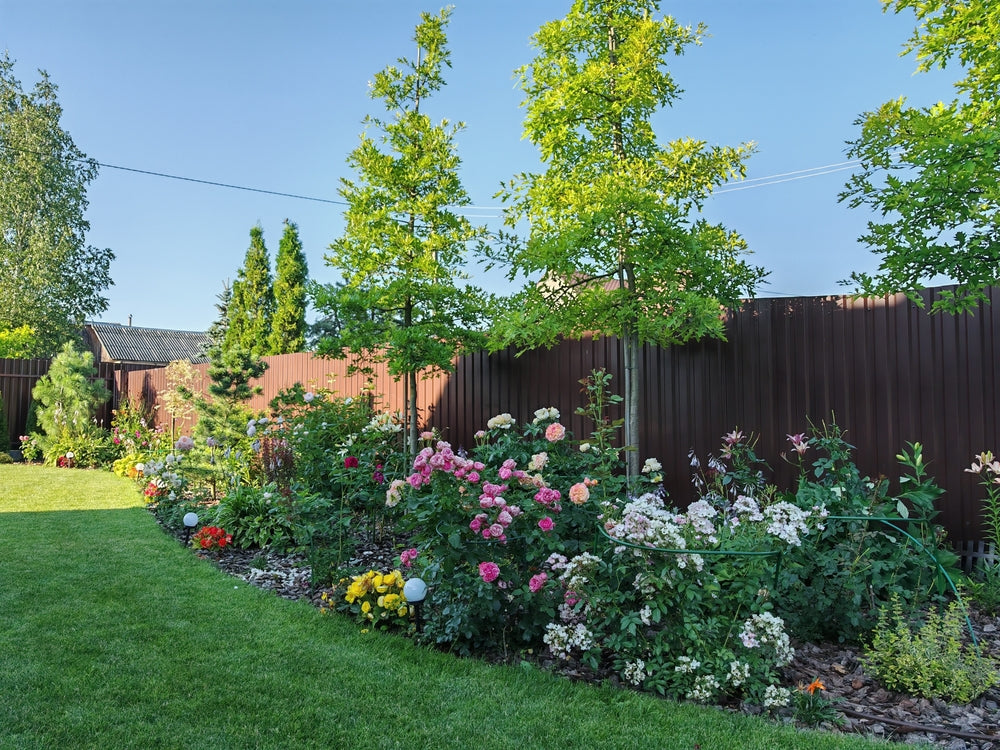 Screening
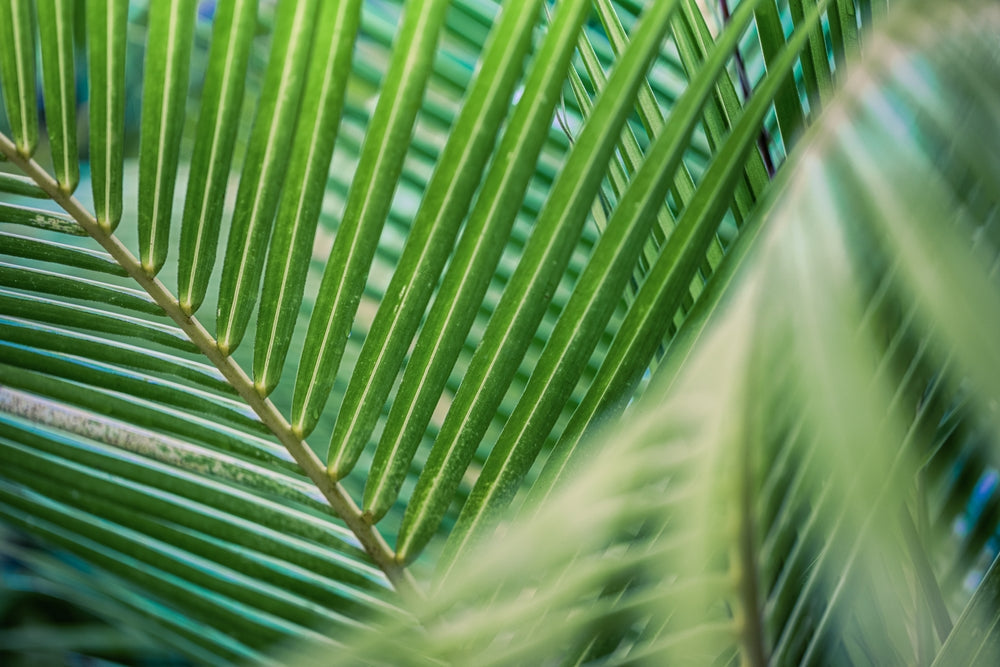 Palms
By FeaturesBy Shape
Palms
By FeaturesBy Shape -
Shrubs
Shrubs
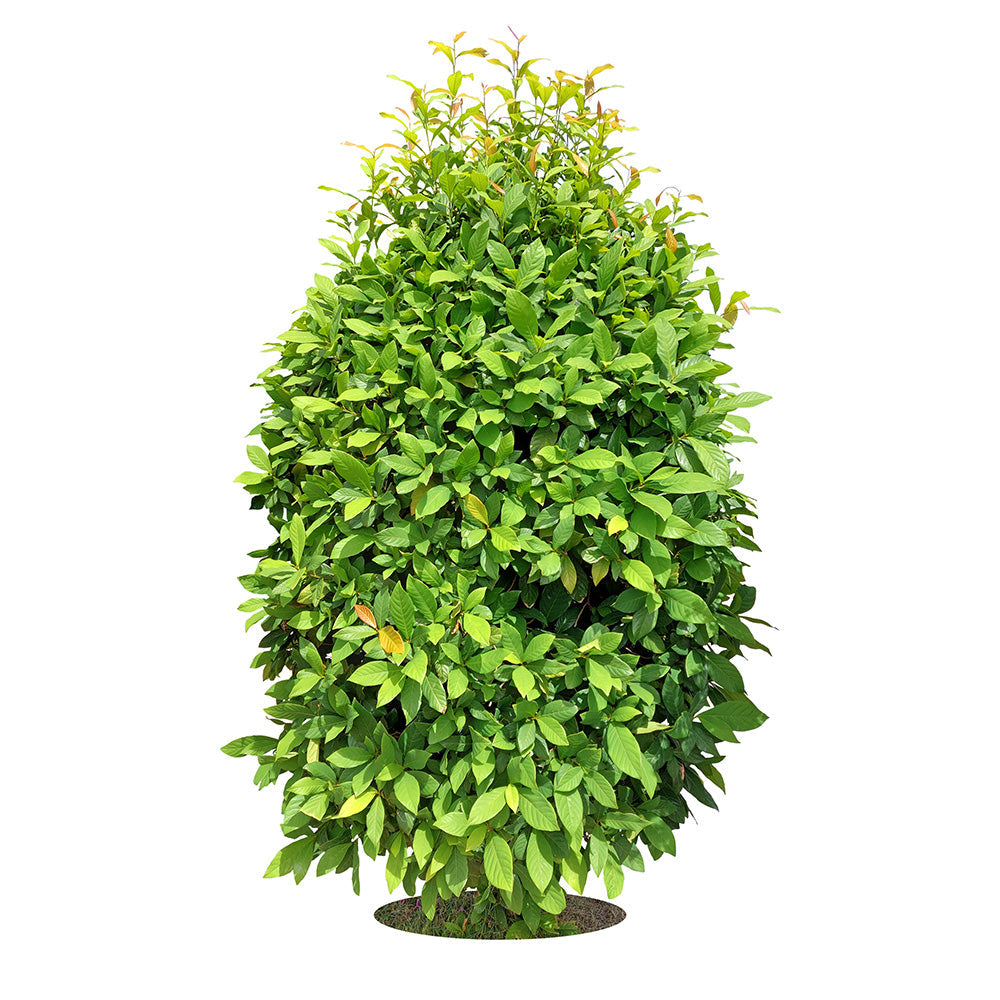 Large shrubs
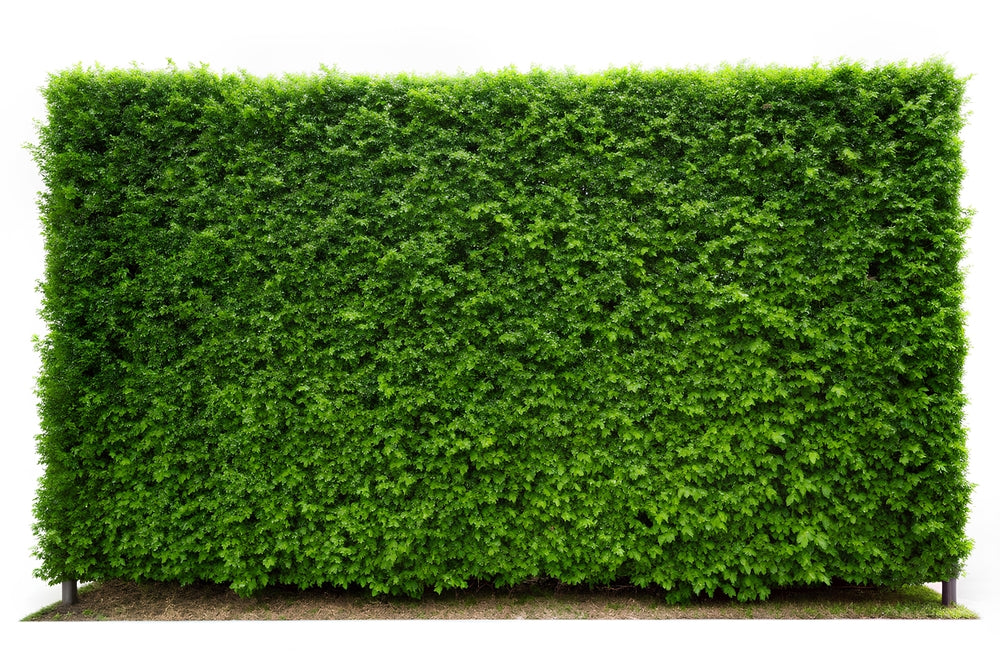 Hedging
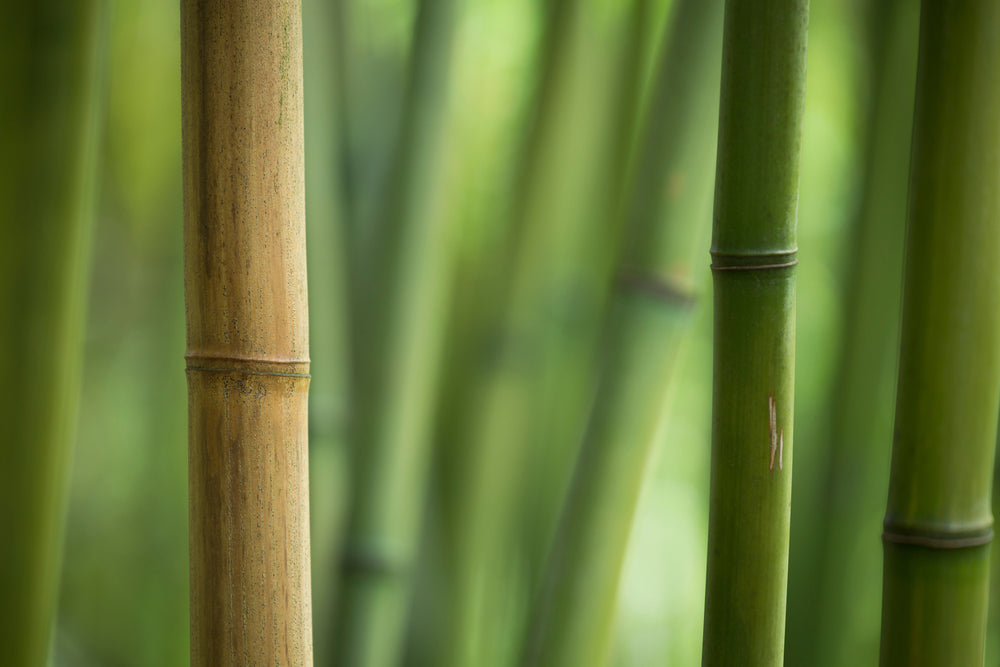 Bamboo
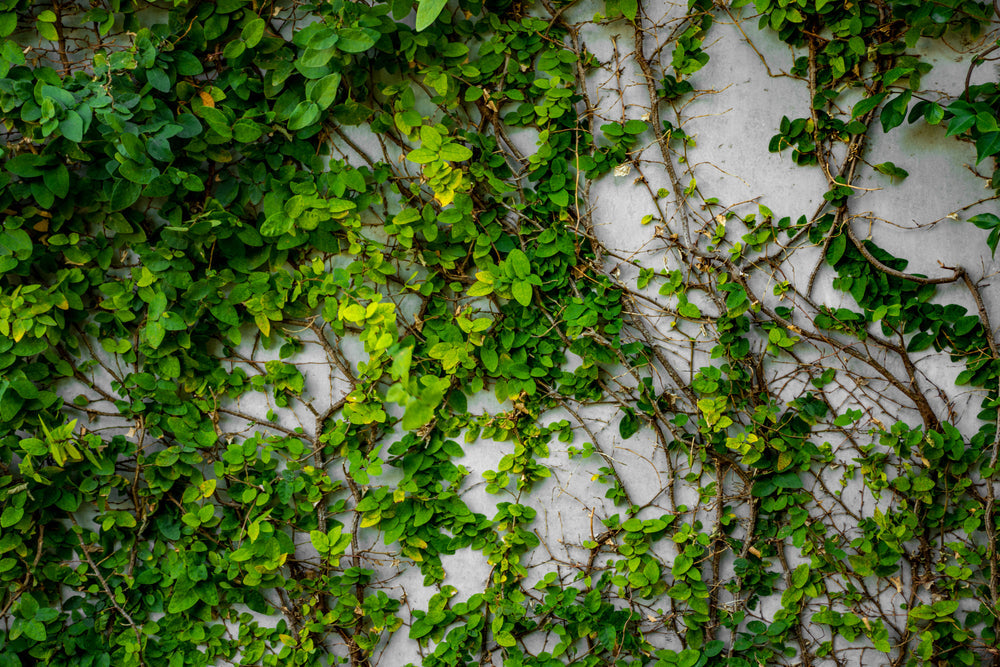 Climbers
 Flowering
 Grasses & Ferns
 Popular
-
Pines & Conifers
Pines & Conifers
 Pines
Pines
 Spruce & Fir
 Cypress
 Thuja
Thuja
 Redwood | Sequoia
-
Specimen
FREE DELIVERY OVER £350
Search results
Search results


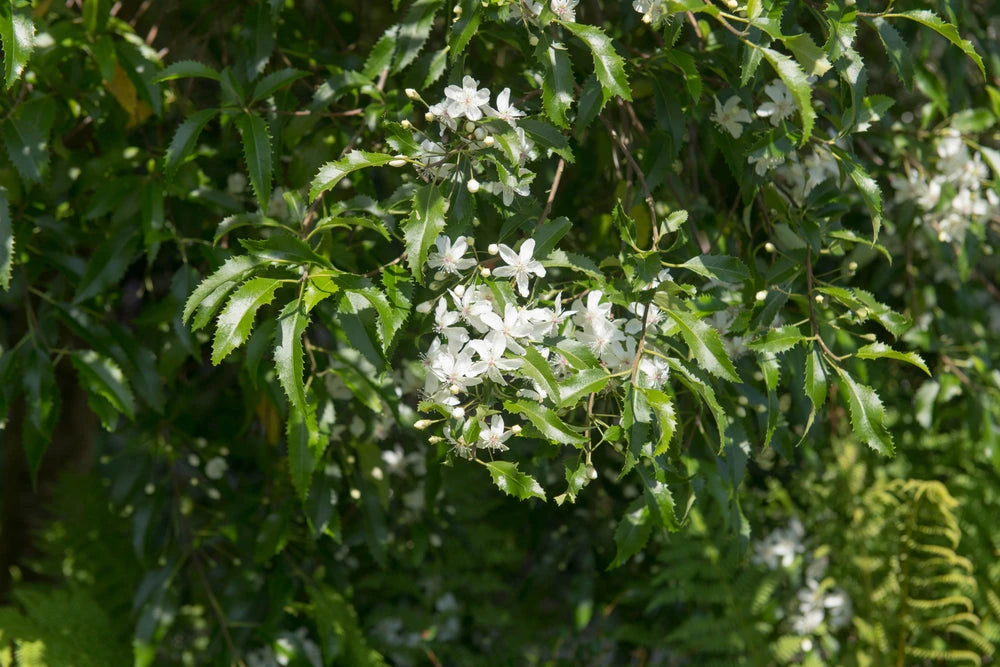
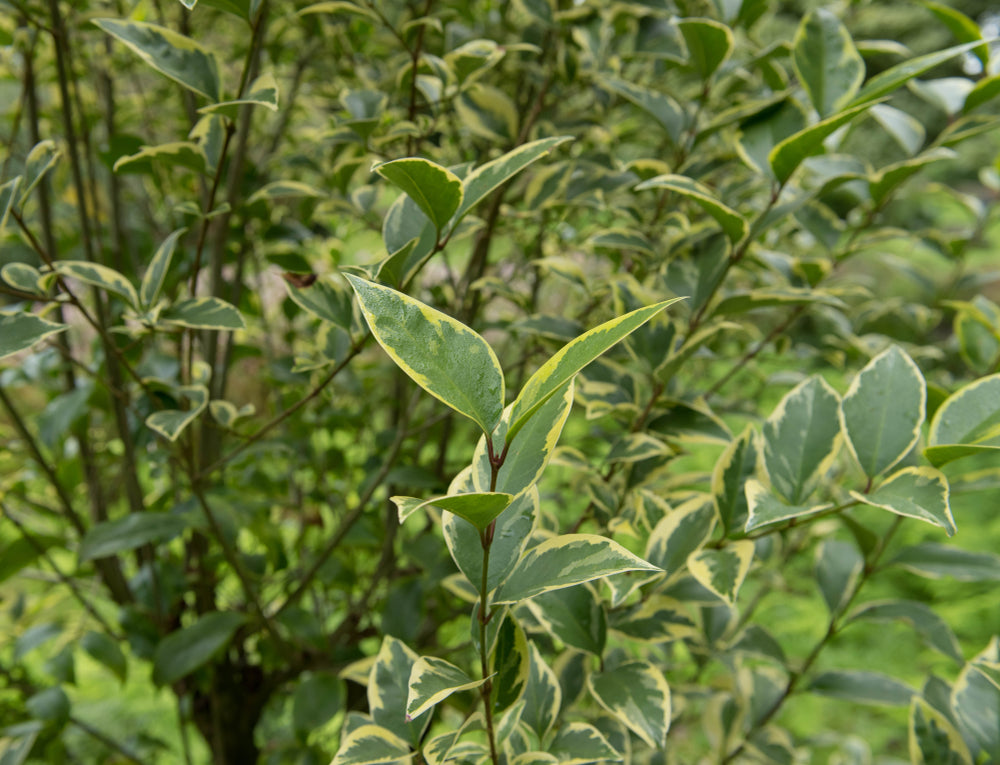
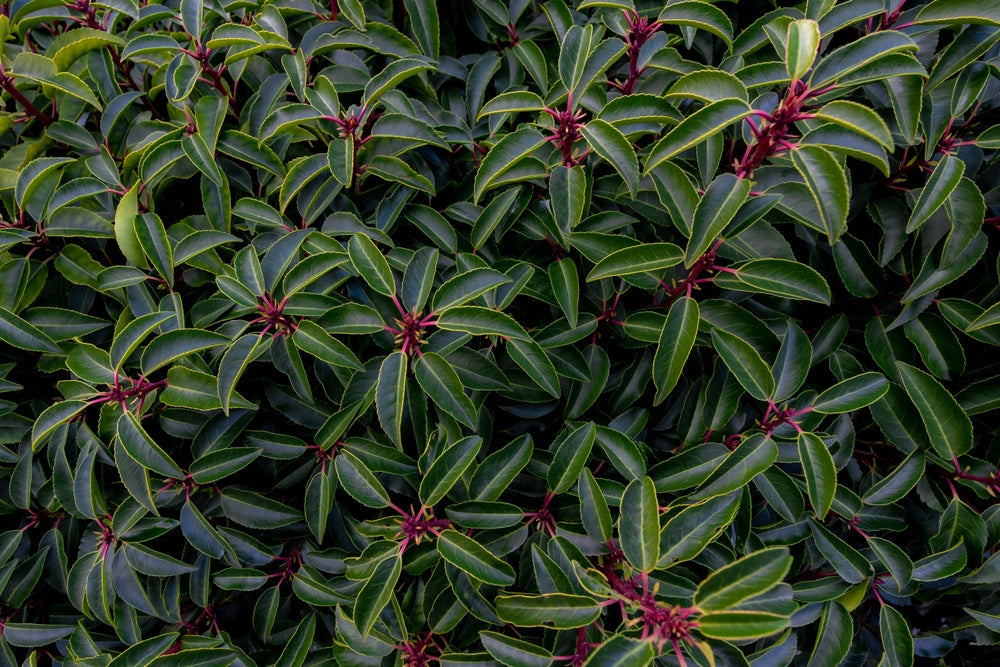
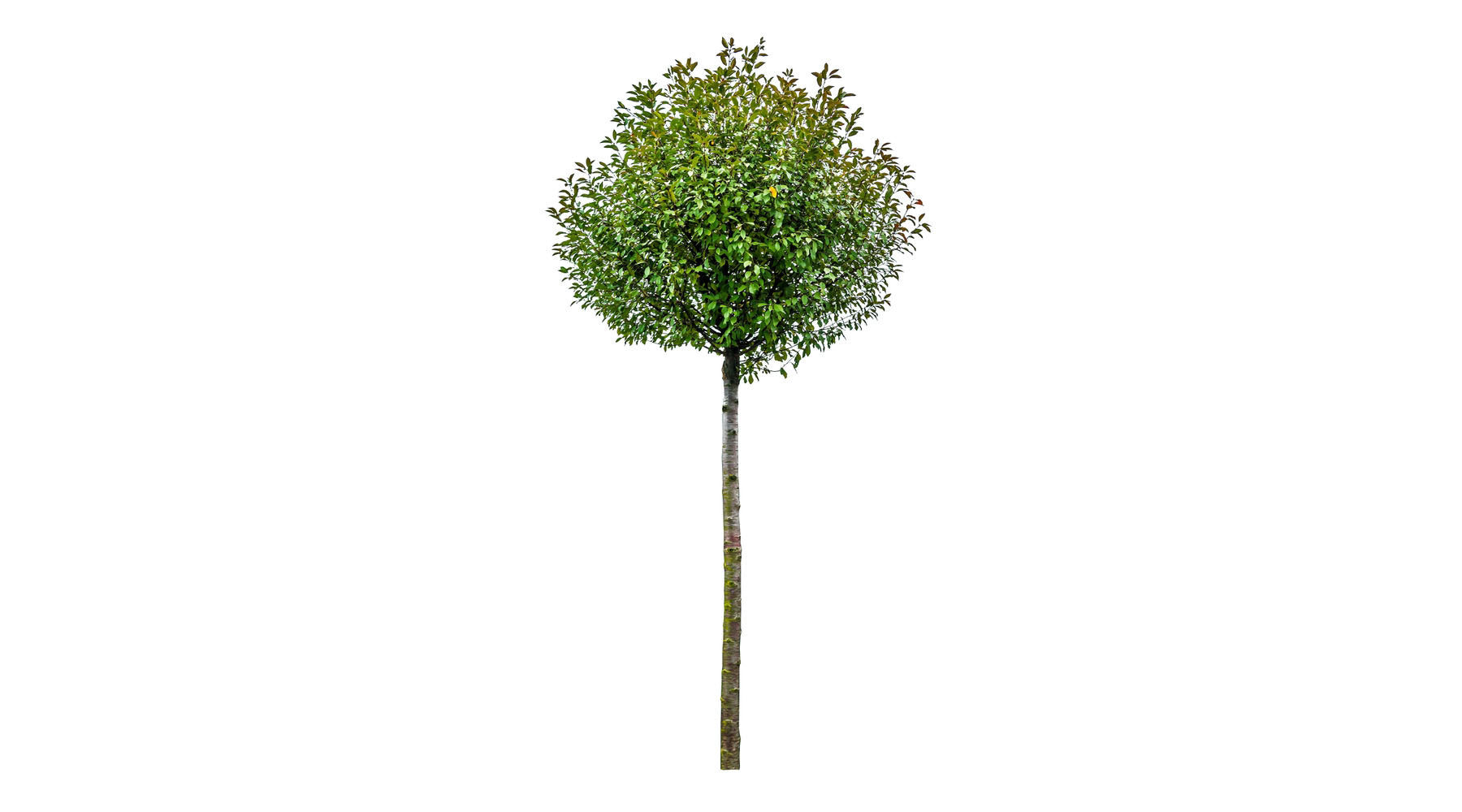
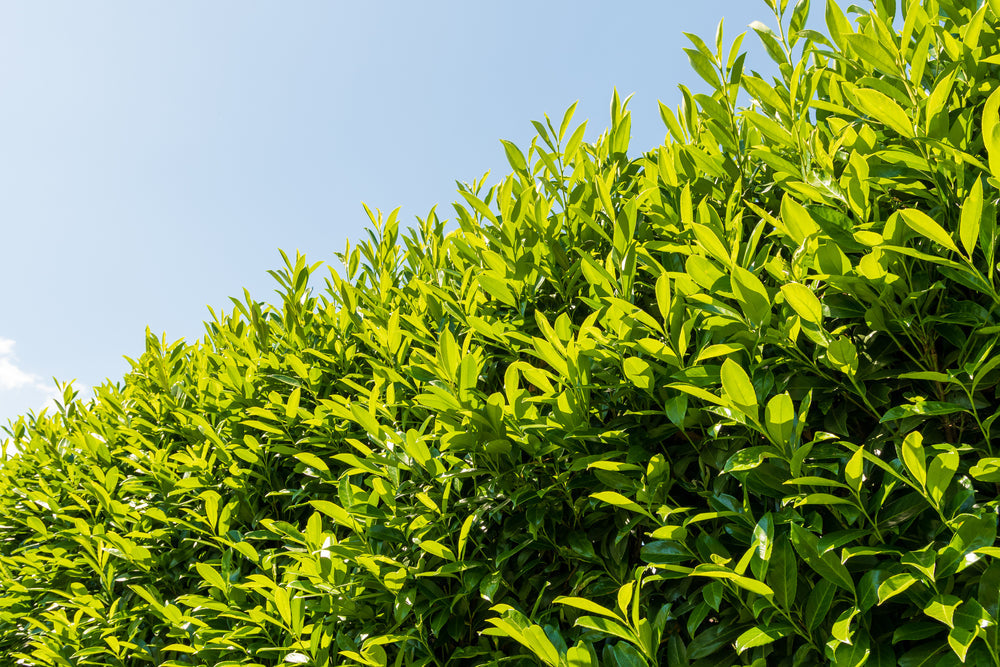
Ligustrum excelsum Superbum - is a small, evergreen tree with a great, rounded crown that retains its rounded shape if grown in full sun. Long, ovate, pointed, glossy, light-green leaves have attractive, greenish-yellow to creamy-yellow margins. Numerous clusters of scented, creamy-yellow flowers almost cover the leaves in summer and autumn, and are followed by small, black berries that remain on branches for a long time. Chinese privet 'Excelsum Superbum' - can thrive in wide range of soil types, except waterlogged. It prefers deep, fertile, moist, well-drained soils, in full sun, but it can tolerate some shade. Once established, it is resistant to drought. Tolerant of urban pollution and salty air. Low maintenance plant. In harsh winters, it may lose its leaves. Ligustrum excelsum Superbum – is a tough tree, perfect for restricted spaces as it can be planted very close to buildings, therefore, suitable for a street tree. Great for informal hedges and screens, or as an accent plant.


Alnus Incana Aurea - Grey Alder - Feathered - Height 240-250cm - 10lt
£138.00
Unit price perAlnus Incana Aurea - Grey Alder - Feathered - Height 240-250cm - 10lt
£138.00
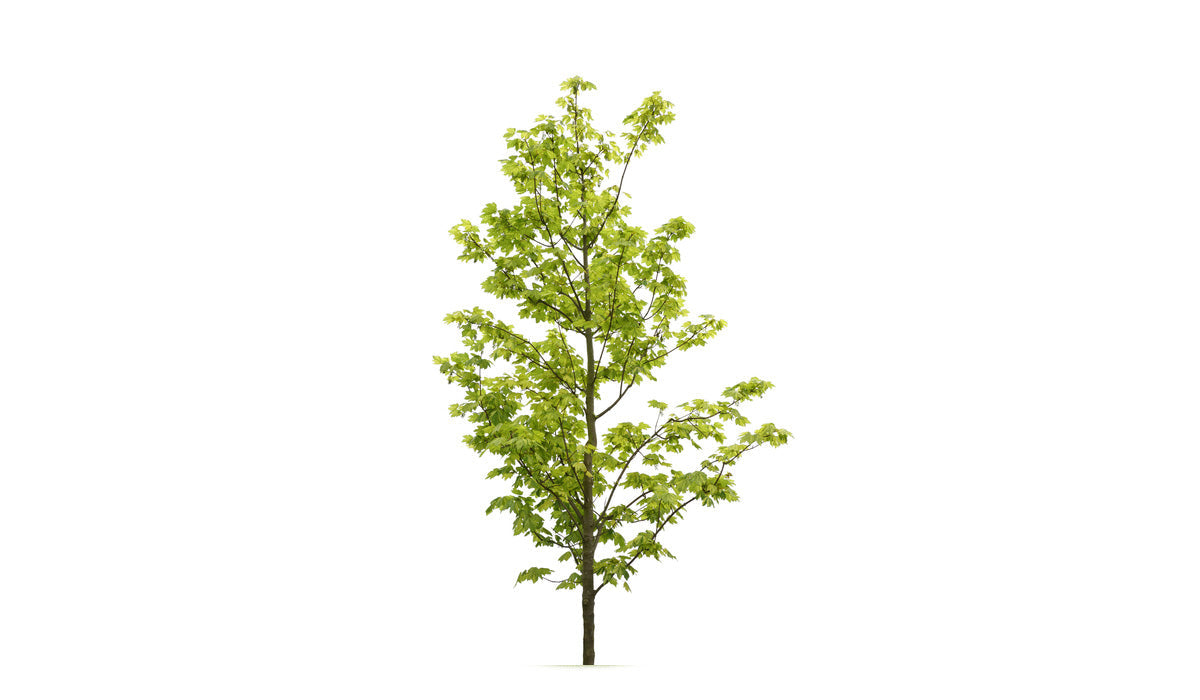
Unit price perAlnus incana 'Aurea', known as the Golden Alder, is a deciduous tree prized for its striking yellow foliage and adaptability to various growing conditions. This cultivar is a variation of the grey alder (Alnus incana), native to Europe, North America, and parts of Asia, and is widely cultivated for its ornamental appeal.
Reaching a height of 6 to 10 metres, with a spread of 4 to 6 metres, Alnus incana 'Aurea' is medium-sized, making it suitable for smaller gardens as well as larger landscapes. It is noted for its smooth, greyish bark, which contrasts beautifully with its bright golden-yellow leaves that emerge in early spring. As the season progresses, the foliage turns a lime green, maintaining a light and airy appearance. The leaves are ovate, serrated, and slightly sticky to the touch when young.
In winter, this tree adds visual interest with its small, cone-like fruits and hanging catkins that persist on the branches. The catkins are yellow-brown and appear before the leaves in early spring, contributing to the tree’s year-round appeal.
Alnus incana 'Aurea' is an extremely hardy tree, thriving in a variety of soil types, including wet and poorly drained soils. It is often planted in areas prone to flooding or along riverbanks, as it is highly tolerant of waterlogged conditions. The tree also fixes nitrogen in the soil through symbiotic relationships with root nodules, which improves soil fertility.
Though low-maintenance, the Golden Alder benefits from occasional pruning to maintain its shape and encourage healthy growth. This fast-growing tree is a great choice for those looking to introduce colour and texture to their garden while supporting local wildlife, as it provides shelter and food for birds and insects.


Alnus Incana Aurea - Grey Alder - Height 220-250cm - 30lt
£195.00
Unit price perAlnus Incana Aurea - Grey Alder - Height 220-250cm - 30lt
£195.00
Unit price perAlnus incana 'Aurea', known as the Golden Alder, is a deciduous tree prized for its striking yellow foliage and adaptability to various growing conditions. This cultivar is a variation of the grey alder (Alnus incana), native to Europe, North America, and parts of Asia, and is widely cultivated for its ornamental appeal.
Reaching a height of 6 to 10 metres, with a spread of 4 to 6 metres, Alnus incana 'Aurea' is medium-sized, making it suitable for smaller gardens as well as larger landscapes. It is noted for its smooth, greyish bark, which contrasts beautifully with its bright golden-yellow leaves that emerge in early spring. As the season progresses, the foliage turns a lime green, maintaining a light and airy appearance. The leaves are ovate, serrated, and slightly sticky to the touch when young.
In winter, this tree adds visual interest with its small, cone-like fruits and hanging catkins that persist on the branches. The catkins are yellow-brown and appear before the leaves in early spring, contributing to the tree’s year-round appeal.
Alnus incana 'Aurea' is an extremely hardy tree, thriving in a variety of soil types, including wet and poorly drained soils. It is often planted in areas prone to flooding or along riverbanks, as it is highly tolerant of waterlogged conditions. The tree also fixes nitrogen in the soil through symbiotic relationships with root nodules, which improves soil fertility.
Though low-maintenance, the Golden Alder benefits from occasional pruning to maintain its shape and encourage healthy growth. This fast-growing tree is a great choice for those looking to introduce colour and texture to their garden while supporting local wildlife, as it provides shelter and food for birds and insects.
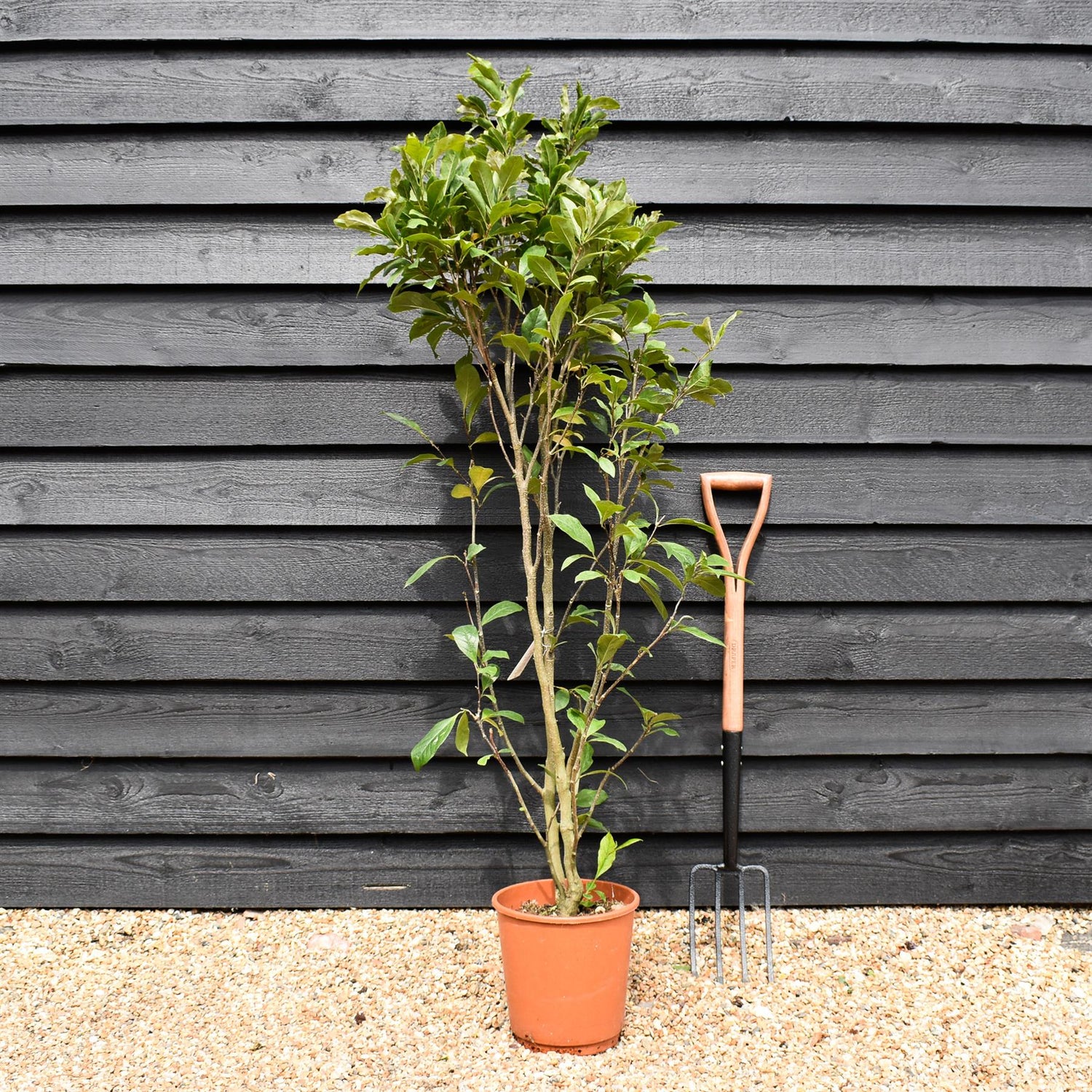
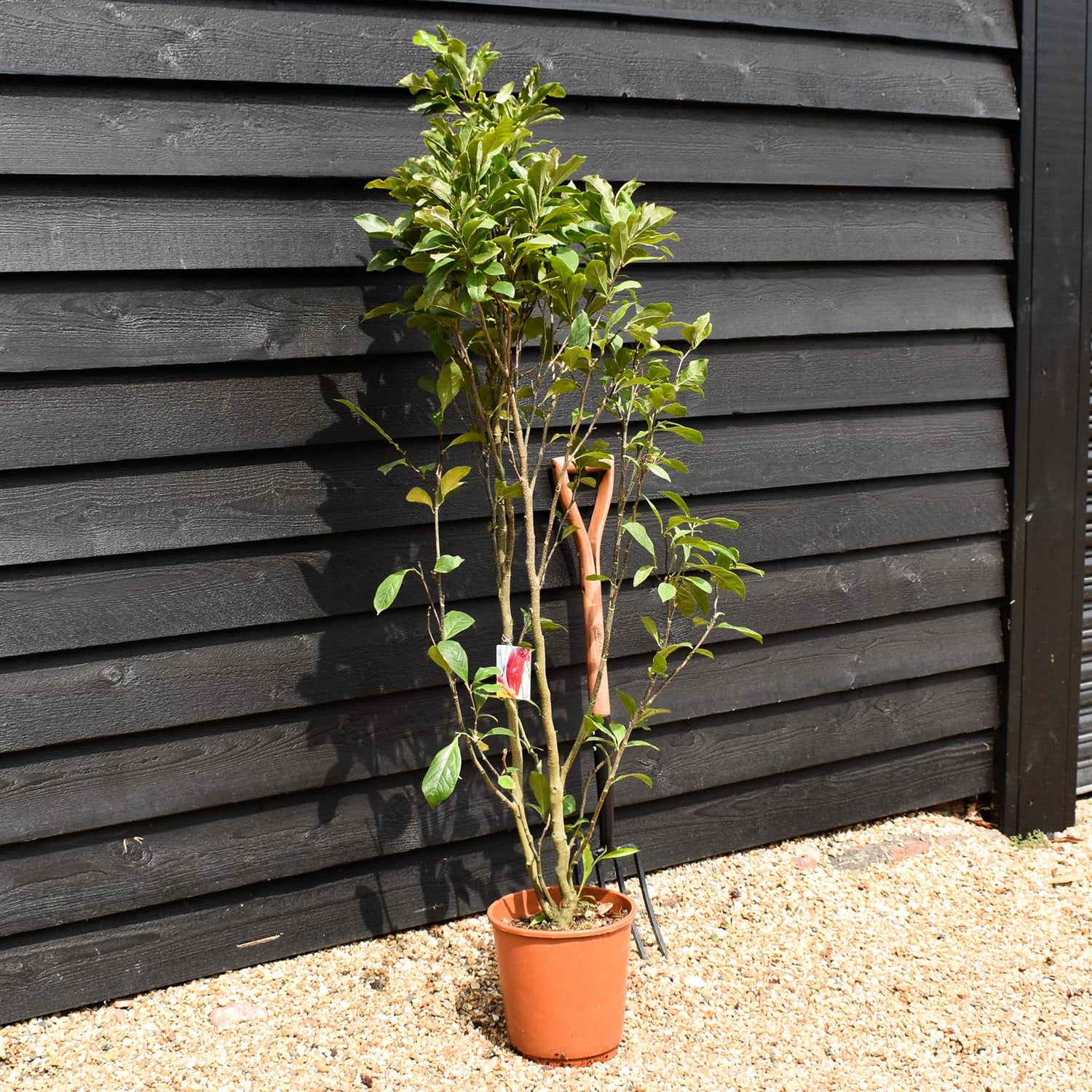
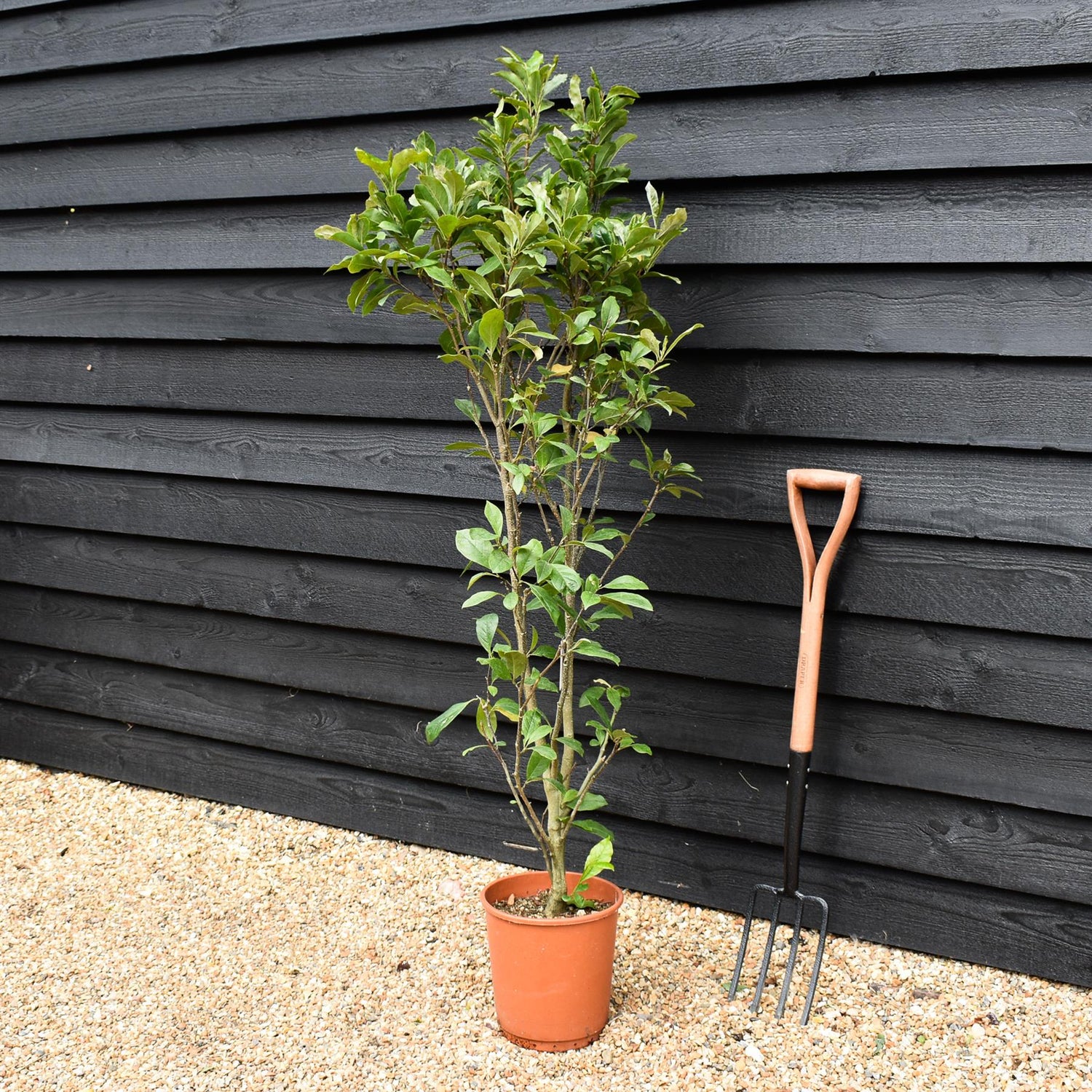
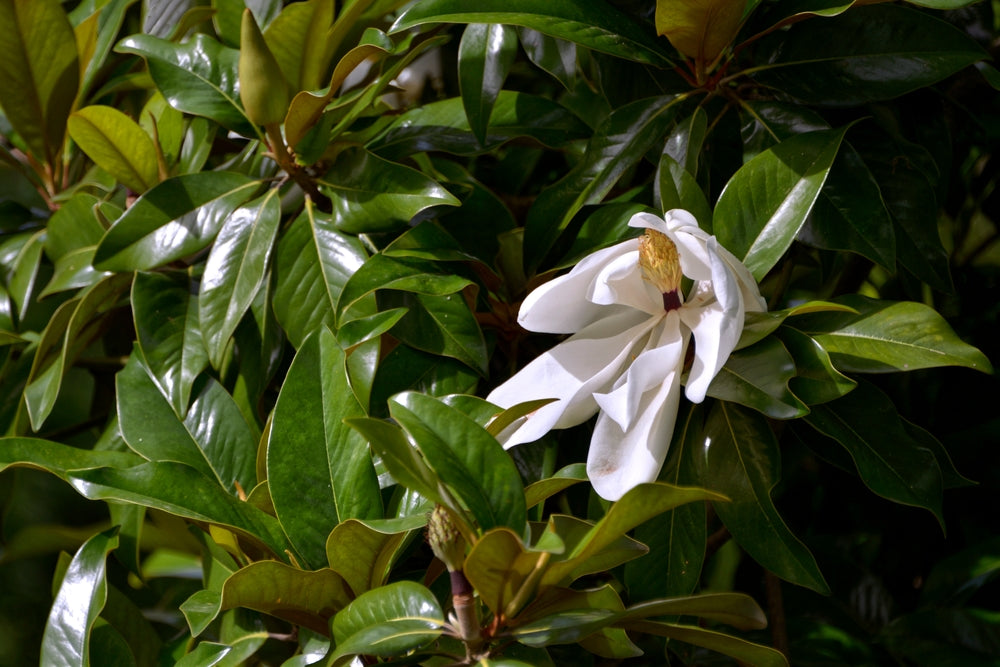
Magnolia Susan - 140-150cm - 10lt
£95.00
Unit price perMagnolia Susan - 140-150cm - 10lt
£95.00
Unit price per


Ceanothus 'Trewithen Blue' - Height 50-60cm - Bushy - 5lt
£33.00
Unit price perCeanothus 'Trewithen Blue' - Height 50-60cm - Bushy - 5lt
£33.00
Unit price perCeanothus ‘Trewithen Blue’, or California Lilac ‘Trewithen Blue’, is a large, vigorous, spreading, evergreen shrub with elegant, arching branches and oval, glossy, dark green leaves. A profusion of fragrant, rich blue flower panicles bloom from April to June, covering the whole shrub and creating a wonderful display. Attractive to bees, butterflies, and hummingbirds.
Ceanothus ‘Trewithen Blue’ can tolerate a wide range of soils, but prefers moderately fertile, slightly acidic, moist, well-drained soils. It thrives in full sun, but can tolerate light shade. In hot summer areas, it appreciates some afternoon shade. Once established, tolerant of drought. It can withstand frost, but needs to be sheltered from harsh, winter winds. May require pruning after flowering. Very difficult to transplant. Californian lilac 'Trewithen Blue' is a wonderful, abundantly flowering shrub, great as a specimen plant in cottage, urban, and rock gardens. Excellent for beds and borders and informal hedges and screens.


Yew | Taxus baccata - Height 90-100cm - 3lt
£25.00
Unit price perYew | Taxus baccata - Height 90-100cm - 3lt
£25.00
Unit price per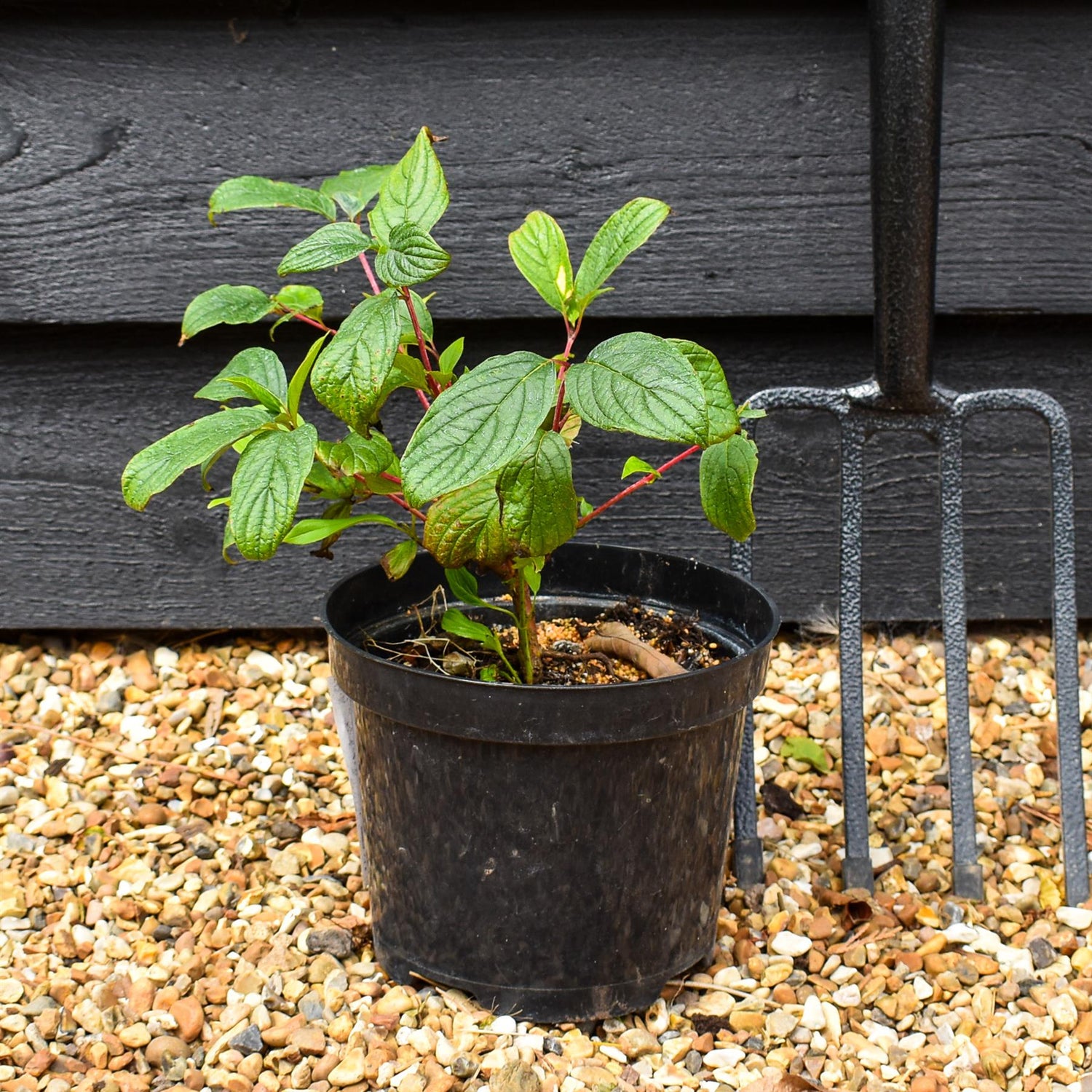


Cornus alba 'Sibirica' | Siberian Dogwood - 20-35CM - 3lt
£14.00
Unit price perCornus alba 'Sibirica' | Siberian Dogwood - 20-35CM - 3lt
£14.00
Unit price per


Tsuga canadensis 'Pendula' - Height 100-110cm - 35lt
£495.00
Unit price perTsuga canadensis 'Pendula' - Height 100-110cm - 35lt
£495.00
Unit price perTsuga canadensis ‘Pendula’, commonly known as weeping Canadian hemlock, is a highly ornamental, evergreen conifer prized for its graceful, cascading form and soft, dark green needles. Its distinctive weeping branches create a flowing, layered appearance that adds elegance and movement to the garden. Ideal as a specimen plant, it brings structure and year-round interest to shady borders, woodland gardens, or sloped landscapes where its draping habit can be showcased.
This cultivar is slow-growing and can be trained or staked to achieve various shapes, including upright with drooping branches or a spreading, ground-hugging form. It typically grows 5 to 15 feet tall and wide, depending on training and space. 'Pendula' thrives in partial to full shade and prefers moist, well-drained, acidic soils. It is hardy and benefits from shelter against harsh wind or strong sun, which can scorch its foliage.
Low-maintenance and deer-resistant, it requires little pruning beyond shaping and responds well to thoughtful training. Tsuga canadensis ‘Pendula’ is an elegant, versatile choice for gardeners seeking a dramatic yet refined evergreen focal point in shaded or naturalistic garden settings.


Carpinus betulus Fastigiata Ball | Common Hornbeam - 450cm, 130lt
£695.00
Unit price perCarpinus betulus Fastigiata Ball | Common Hornbeam - 450cm, 130lt
£695.00
Unit price perCarpinus betulus 'Fastigiata', trained as a standard ball, is an elegant and versatile ornamental tree that brings structure and year-round interest to gardens of all sizes. Grown into a clear stem and clipped into a neat, rounded crown, it creates a formal appearance that works beautifully in contemporary, traditional, and cottage-style landscapes.
This hardy hornbeam thrives in a wide range of soil types, including clay, loam, and chalk, provided the ground is reasonably well drained. It is well suited to the UK climate and tolerates exposed positions, urban pollution, and seasonal weather fluctuations. The dense foliage emerges fresh green in spring, deepens through summer, and turns rich shades of golden yellow before falling in autumn. In some sheltered locations, dried leaves may remain on the branches through winter, adding seasonal texture.
The compact canopy makes it ideal for lining driveways, framing entrances, creating symmetry in formal gardens, or adding height without occupying excessive ground space. Minimal pruning is required to maintain its rounded shape, making it a relatively low-maintenance choice.
Combining durability, architectural form, and attractive seasonal colour, a standard ball hornbeam is an excellent feature tree that provides lasting beauty and structure throughout the year.


Red Oak | Quercus rubra - Height 150-200cm - 12lt
£73.00
Unit price perRed Oak | Quercus rubra - Height 150-200cm - 12lt
£73.00
Unit price perQuercus rubra, commonly known as the Northern Red Oak, is a majestic deciduous tree native to North America, including parts of the United States and Canada. This oak species belongs to the Fagaceae family and is renowned for its striking appearance, impressive size, and ecological significance.
Mature Quercus Rubra trees can reach heights of up to 100 feet (30 meters) and possess a wide, rounded crown that provides ample shade during the summer months. Its leaves, which are alternately arranged along the branches, are deeply lobed with pointed tips and possess a vibrant green colour in the spring and summer. However, during the autumn season, they transform into a breathtaking spectacle of crimson and red hues, making it a popular choice for ornamental landscaping.
The bark of the Northern Red Oak is dark brown, often becoming rough and deeply furrowed with age, adding to its visual appeal. The tree produces acorns as its fruit, which are an essential food source for numerous wildlife species, including squirrels, deer, and birds. This contributes to its ecological significance by supporting local ecosystems.
Quercus rubra prefers well-drained soils and can adapt to a variety of soil types, making it a hardy and resilient tree species. It thrives in full sun to partial shade, making it versatile in different environmental conditions.
Quercus rubra stands as a symbol of strength, resilience, and natural beauty. Its presence in North American forests and landscapes enriches the environment and provides valuable resources for both wildlife and human use. This iconic tree embodies the timeless beauty of nature and its vital role in sustaining the ecosystems it inhabits.
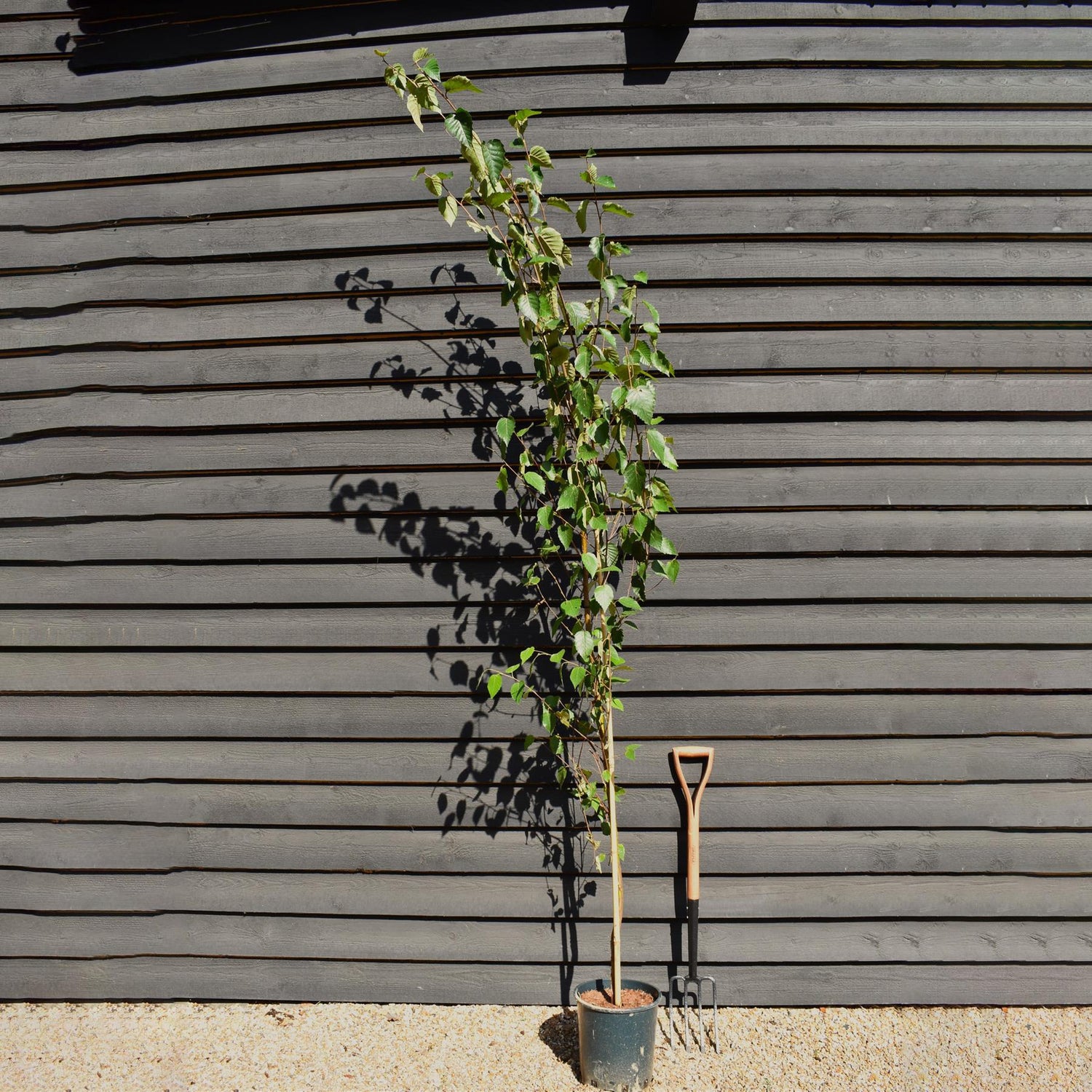


Chinese Red Birch | Betula albosinensis 'Fascination' - Height 160-200cm - 12lt
£96.00
Unit price perChinese Red Birch | Betula albosinensis 'Fascination' - Height 160-200cm - 12lt
£96.00
Unit price per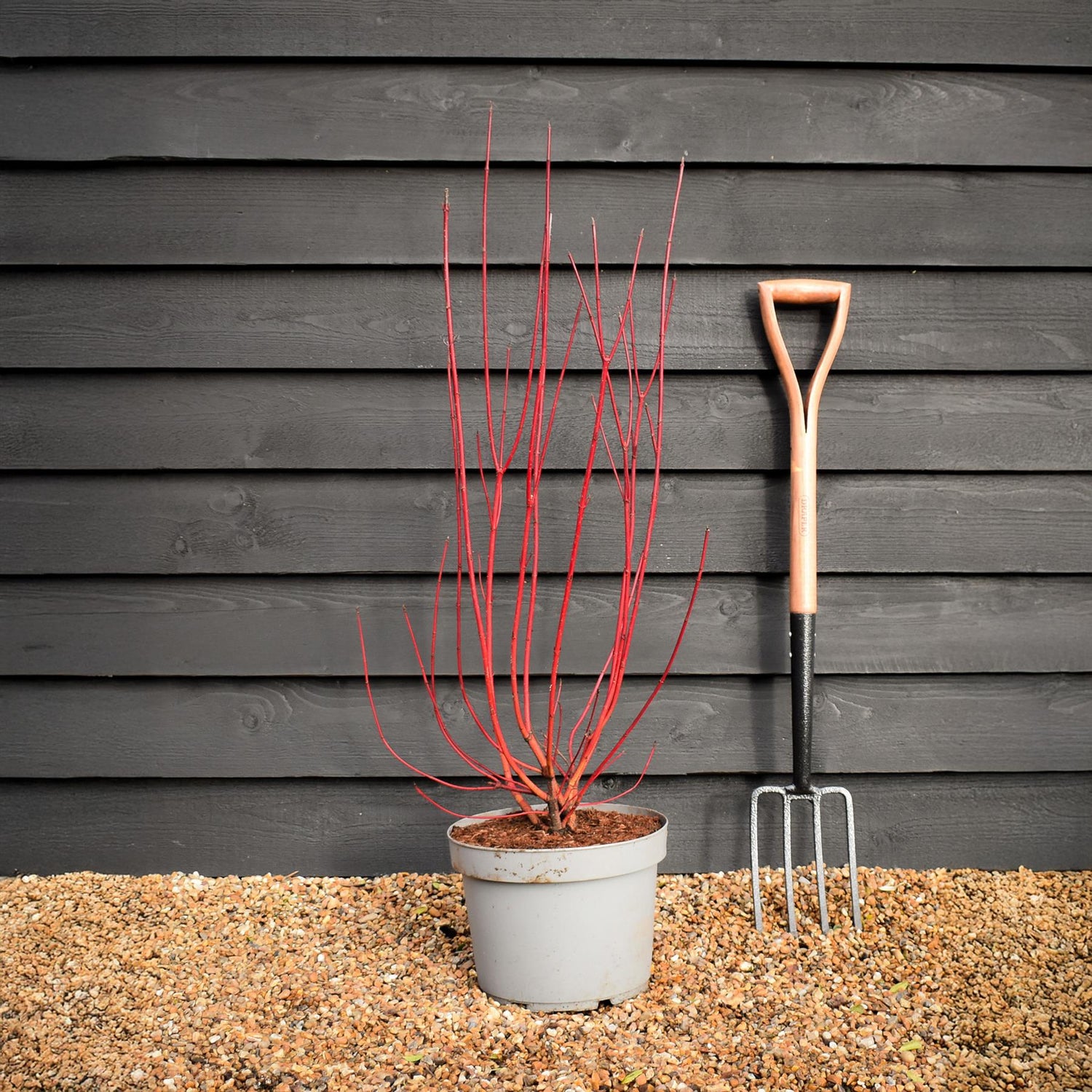


Cornus alba 'Sibirica' | Siberian Dogwood - Height - 95-100cm 10lt
£60.00
Unit price perCornus alba 'Sibirica' | Siberian Dogwood - Height - 95-100cm 10lt
£60.00
Unit price per


Griselinia littoralis - Height 180-200cm - 25lt
£210.00
Unit price perGriselinia littoralis - Height 180-200cm - 25lt
£210.00
Unit price per


Taxus baccata Fastigiata Aurea - Height 60-80cm - 10lt
£77.00
Unit price perTaxus baccata Fastigiata Aurea - Height 60-80cm - 10lt
£77.00
Unit price per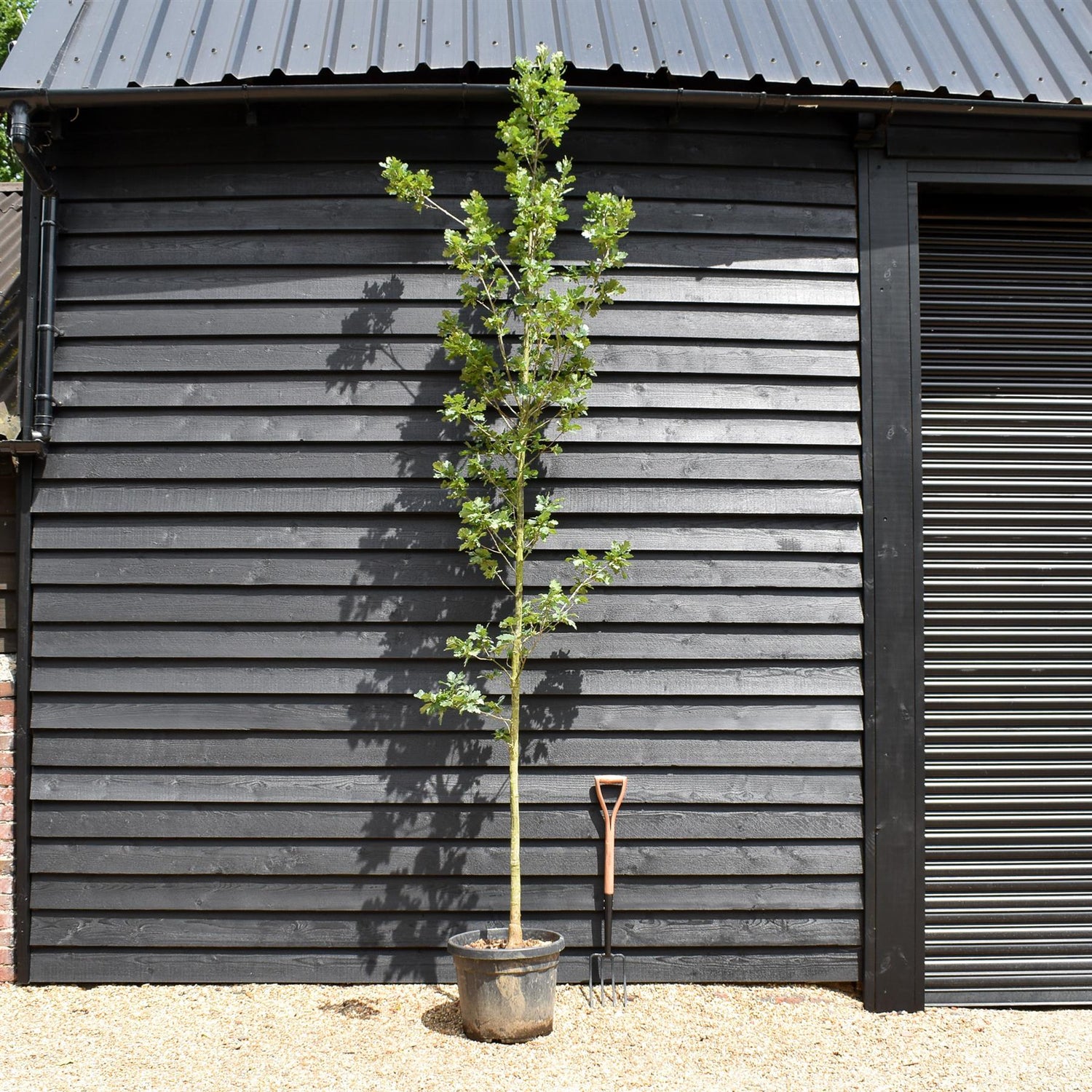


Turkey oak | Quercus cerris - Height 300-350cm - Girth 10-12cm - 45lt
£345.00
Unit price perTurkey oak | Quercus cerris - Height 300-350cm - Girth 10-12cm - 45lt
£345.00
Unit price perQuercus cerris, commonly known as the Turkey oak, is a robust and fast-growing deciduous tree native to southeastern Europe and Asia Minor. It is widely cultivated across Europe for its adaptability and ornamental value. The tree features deeply lobed, glossy green leaves that often persist into winter, and rough, deeply fissured bark that adds texture and character. One of its most distinctive features is its acorns, which are enclosed in a spiky, moss-like cup, giving the tree a unique appearance in autumn. Turkey oak can reach heights of 65 to 100 feet, making it suitable for large landscapes, parks, and avenues. It grows well in a variety of soils, including poor or dry conditions, and tolerates urban environments and pollution. While not native to the UK, it has been widely planted there since the 18th century. Quercus cerris also provides valuable habitat and food for wildlife, supporting biodiversity.


Taxus baccata Fastigiata Aurea - 80-90CM - 40lt
£66.00
Unit price perTaxus baccata Fastigiata Aurea - 80-90CM - 40lt
£66.00
Unit price per


Downy Oak | Italiak Oak | Quercus pubescens - Height 180-200cm - Girth 6-8cm - Pot Grown - 10lt
£132.00
Unit price perDowny Oak | Italiak Oak | Quercus pubescens - Height 180-200cm - Girth 6-8cm - Pot Grown - 10lt
£132.00
Unit price perQuercus pubescens, commonly known as the downy oak, is a majestic deciduous tree native to the warm, sunlit landscapes of southern Europe. It is instantly recognizable by its softly textured, velvety leaves when young, which later mature into a rich green canopy that shifts to golden tones in autumn. Its thick, rugged bark and deeply rooted strength make it a symbol of resilience, endurance, and natural harmony. The downy oak thrives in limestone-rich soils and sun-drenched environments, embodying adaptability and a close connection to the land. For centuries, it has been valued not only for its ecological importance but also for its cultural symbolism—representing longevity, stability, and balance. Quercus pubescens brings with it the essence of Mediterranean heritage and timeless nature, making it an inspiring element for sustainable, eco-conscious products that draw on tradition while embracing the future. A true emblem of strength and beauty.


Taxodium distichum | Bald Cypress - Standard - Clear Stem 180-190cm - Girth 12-14cm - Height 380-400cm - 70lt
£545.00
Unit price perTaxodium distichum | Bald Cypress - Standard - Clear Stem 180-190cm - Girth 12-14cm - Height 380-400cm - 70lt
£545.00
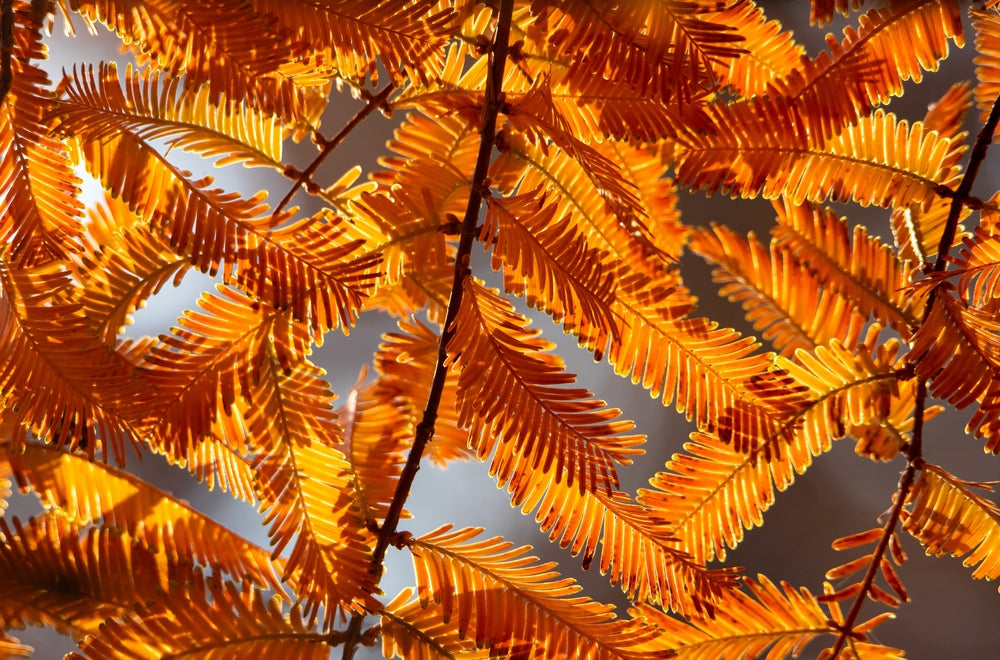
Unit price perTaxodium distichum, the Swamp Cypress, grown as a standard tree is a magnificent, long-lived specimen that brings grandeur and seasonal interest to larger gardens and parkland settings. With its straight trunk and gracefully conical crown, it develops soft, feathery, bright green foliage in spring and summer, which turns rich copper-orange in autumn before falling to reveal an attractive winter silhouette.
This tree is particularly suited to moist or water-retentive soils, thriving where many other trees struggle, including beside ponds, streams, and in low-lying ground. It will also adapt to ordinary garden soils provided they do not become completely dry. In very wet conditions it may produce characteristic “knees,” adding unique sculptural interest.
Taxodium distichum prefers full sun for best growth and colour, and once established it is hardy, wind-tolerant, and surprisingly resilient. As a standard tree, it makes an outstanding focal point in spacious gardens, creating light, dappled shade rather than a heavy canopy, allowing underplanting beneath.
With its elegant form, autumn colour, and tolerance of challenging damp conditions, Swamp Cypress is an excellent choice for gardeners seeking a stately, distinctive tree with strong year-round presence.
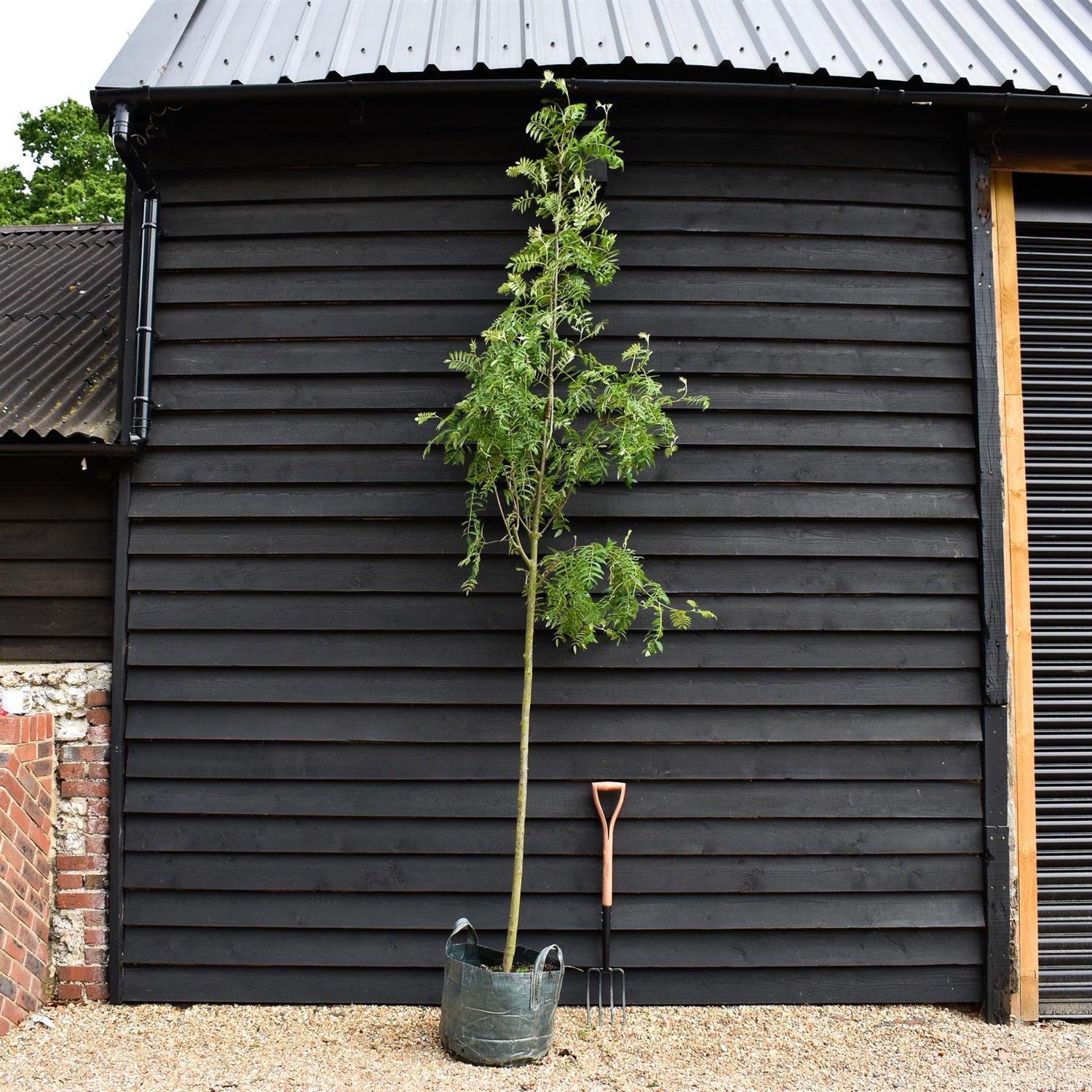


Sorbus aucuparia Asplenifolia - Clear Stem 140cm - Girth 10-12cm - Height 280-300cm - 45lt
£435.00
Unit price perSorbus aucuparia Asplenifolia - Clear Stem 140cm - Girth 10-12cm - Height 280-300cm - 45lt
£435.00
Unit price per


Swamp White Oak | Quercus bicolor - Height 140-160cm - Pot Grown - 10lt
£135.00
Unit price perSwamp White Oak | Quercus bicolor - Height 140-160cm - Pot Grown - 10lt
£135.00
Unit price perThe swamp white oak is a stately, long-lived tree native to North America, prized for both beauty and resilience. Its distinctive two-toned leaves—deep green above, silvery white beneath—create a striking display that shifts to rich golden hues in fall. Naturally thriving in wetlands and floodplains, this oak adapts easily to a wide range of soils and conditions, offering shade and strength in urban landscapes, parks, or natural settings.
Beyond its ornamental charm, the swamp white oak provides essential habitat and food for wildlife, with acorns that nourish birds and mammals alike. As it matures, it develops a broad, rounded crown that delivers reliable shade and an impressive presence in any landscape. Hardy, versatile, and ecologically valuable, Quercus bicolor is more than just a tree—it’s an investment in beauty, biodiversity, and sustainability for generations to come.