

-
Trees
Trees
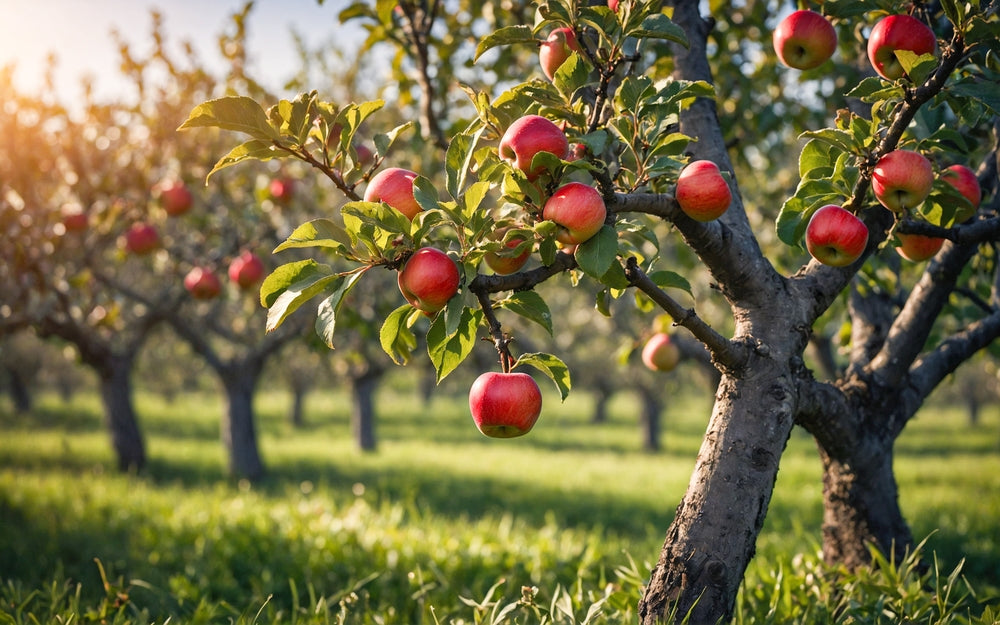 Fruit Trees
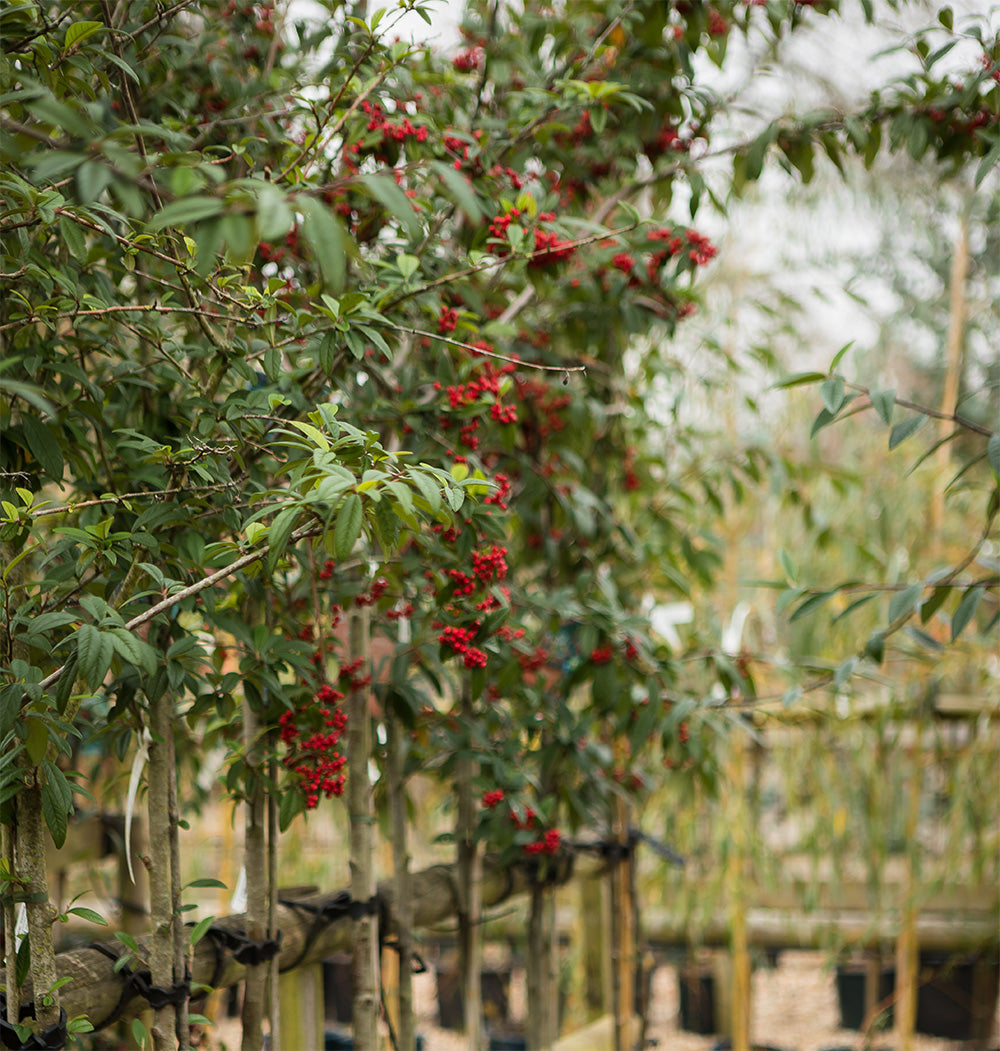 Ornamental
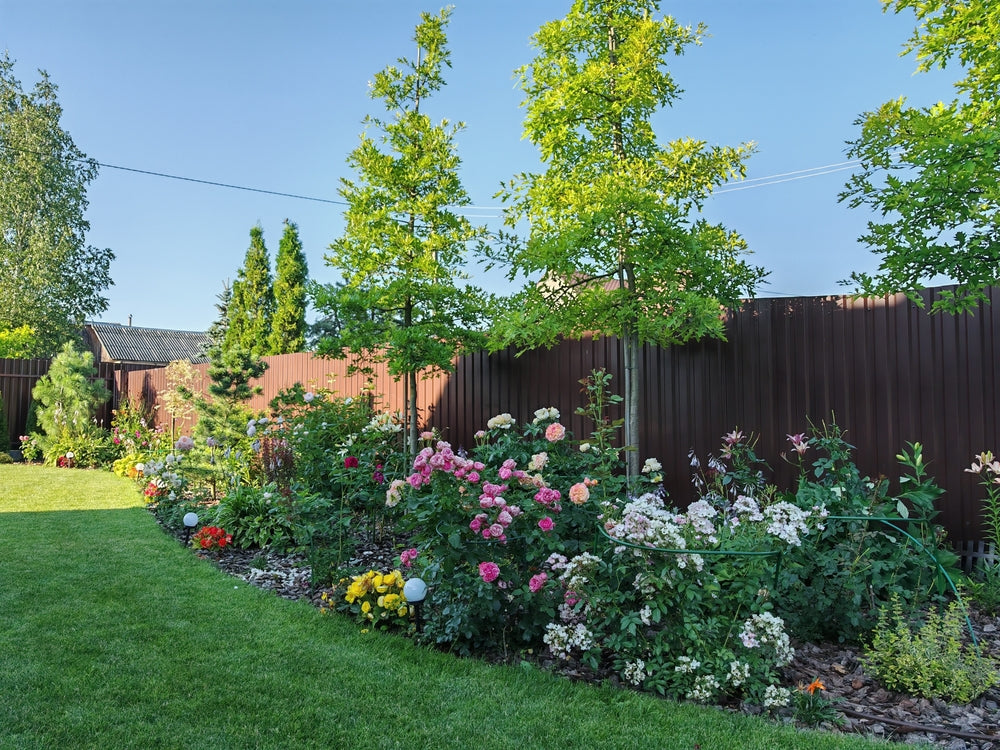 Screening
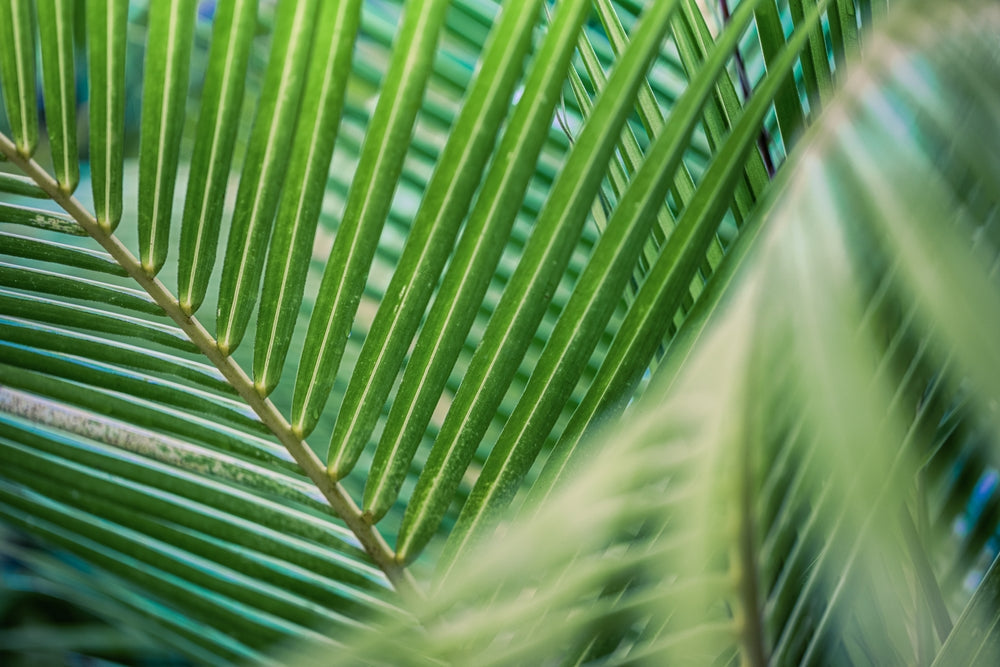 Palms
By FeaturesBy Shape
Palms
By FeaturesBy Shape -
Shrubs
Shrubs
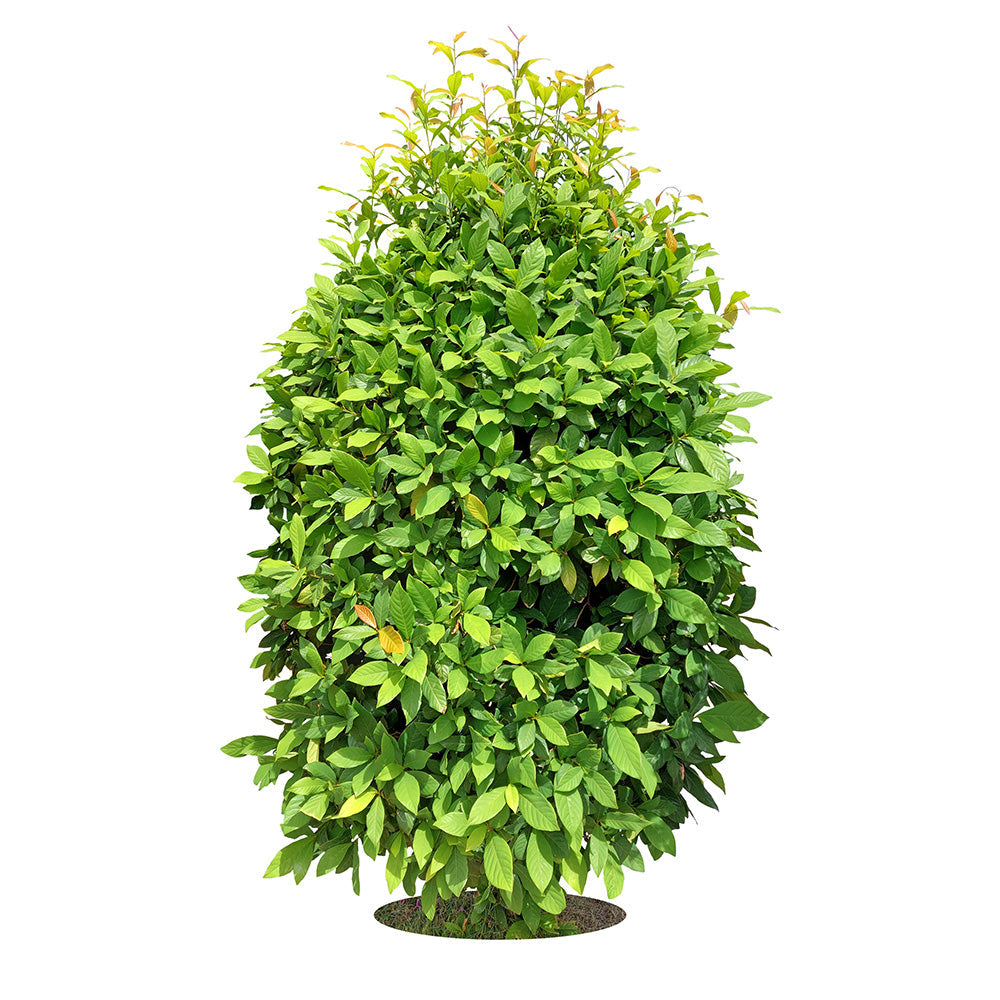 Large shrubs
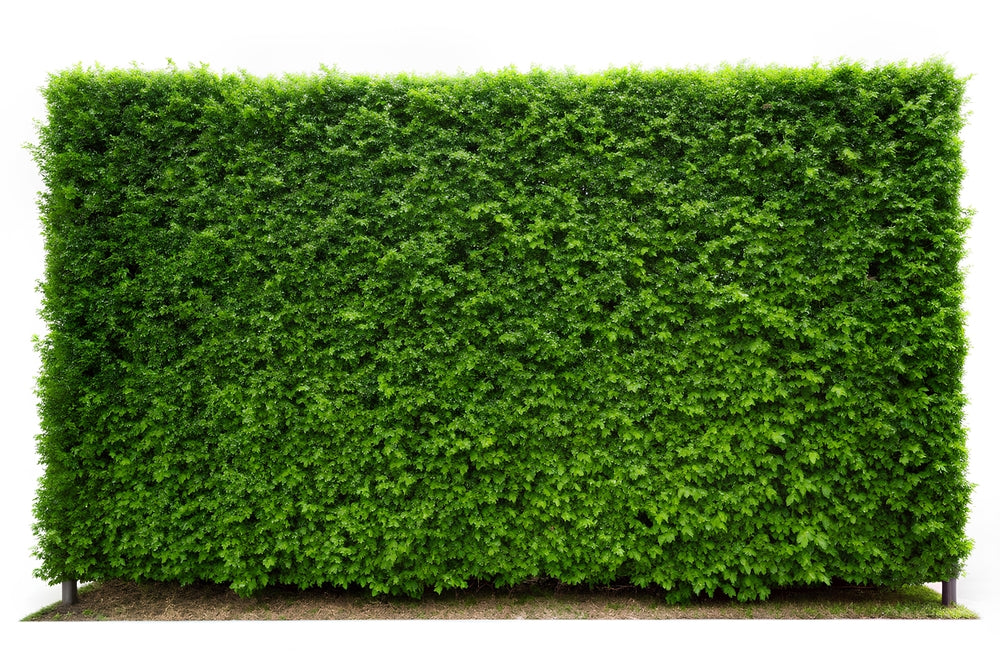 Hedging
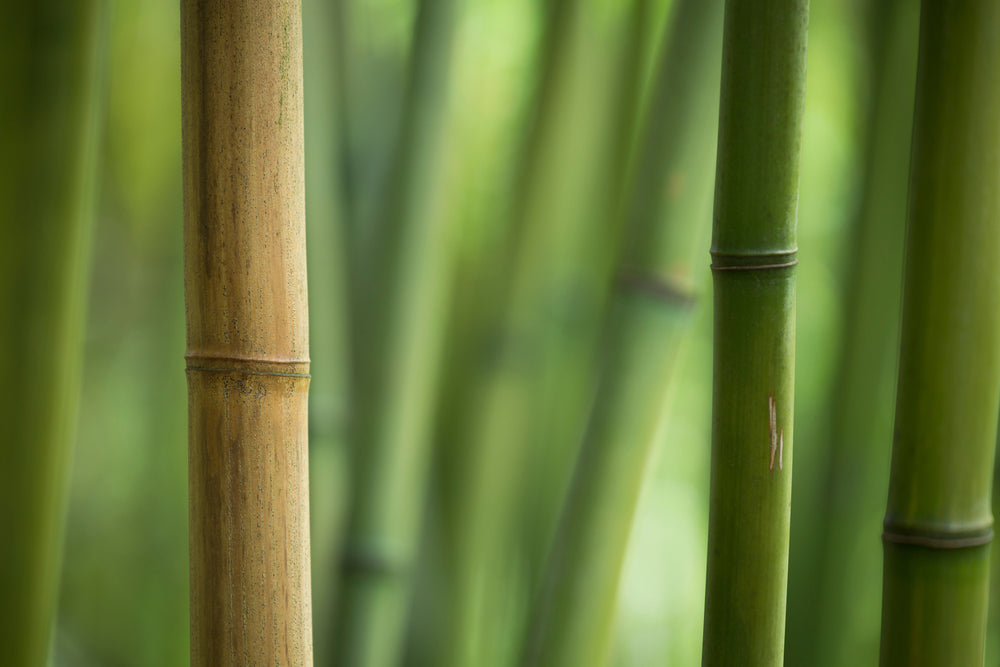 Bamboo
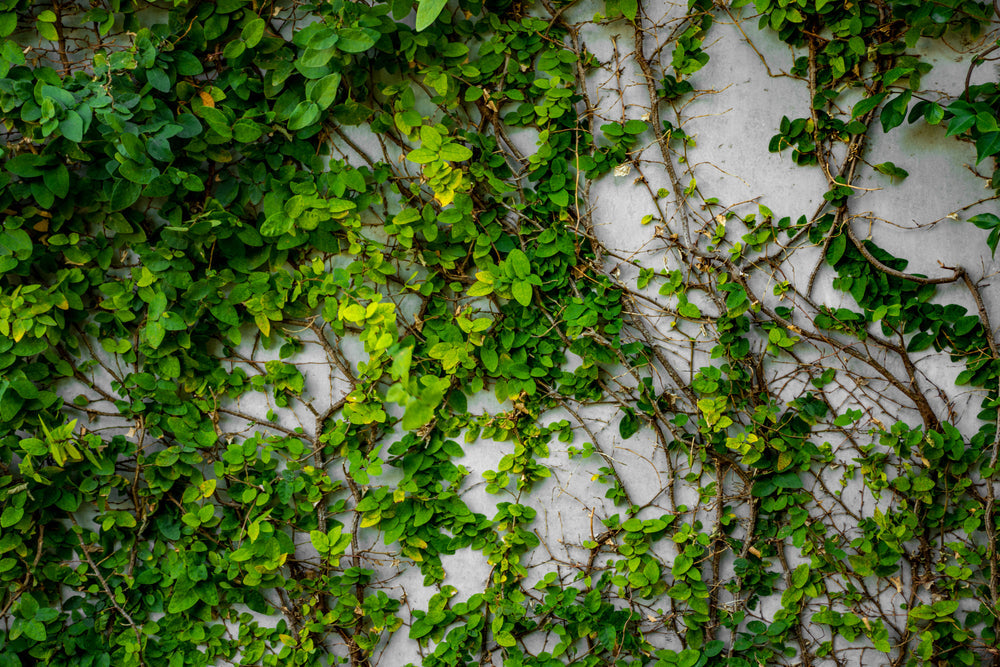 Climbers
 Flowering
 Grasses & Ferns
 Popular
-
Pines & Conifers
Pines & Conifers
 Pines
Pines
 Spruce & Fir
 Cypress
 Thuja
Thuja
 Redwood | Sequoia
-
Specimen
FREE DELIVERY OVER £350
Search results
Search results


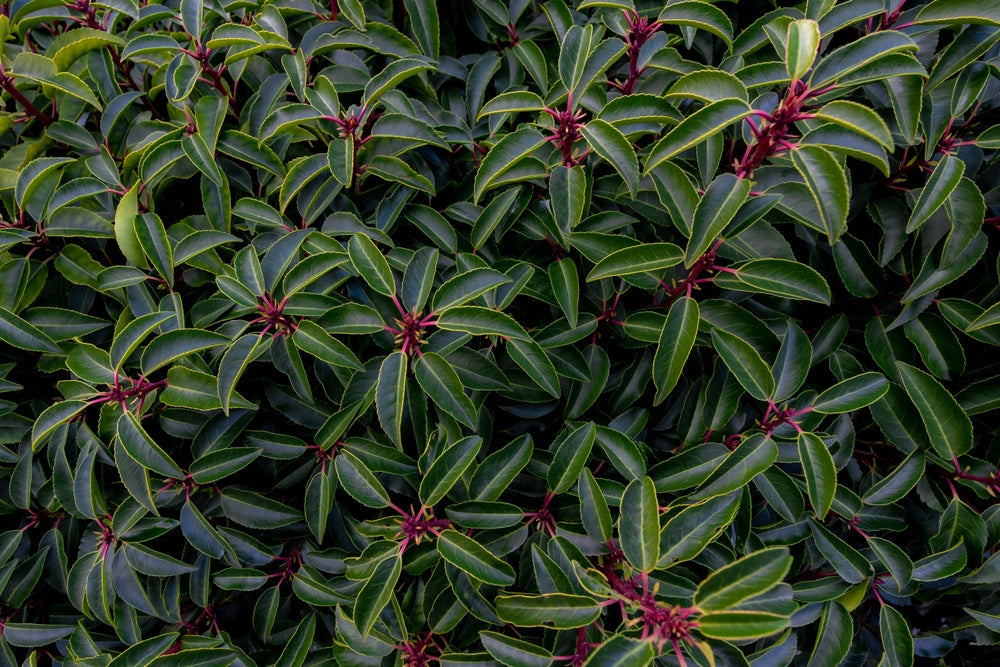
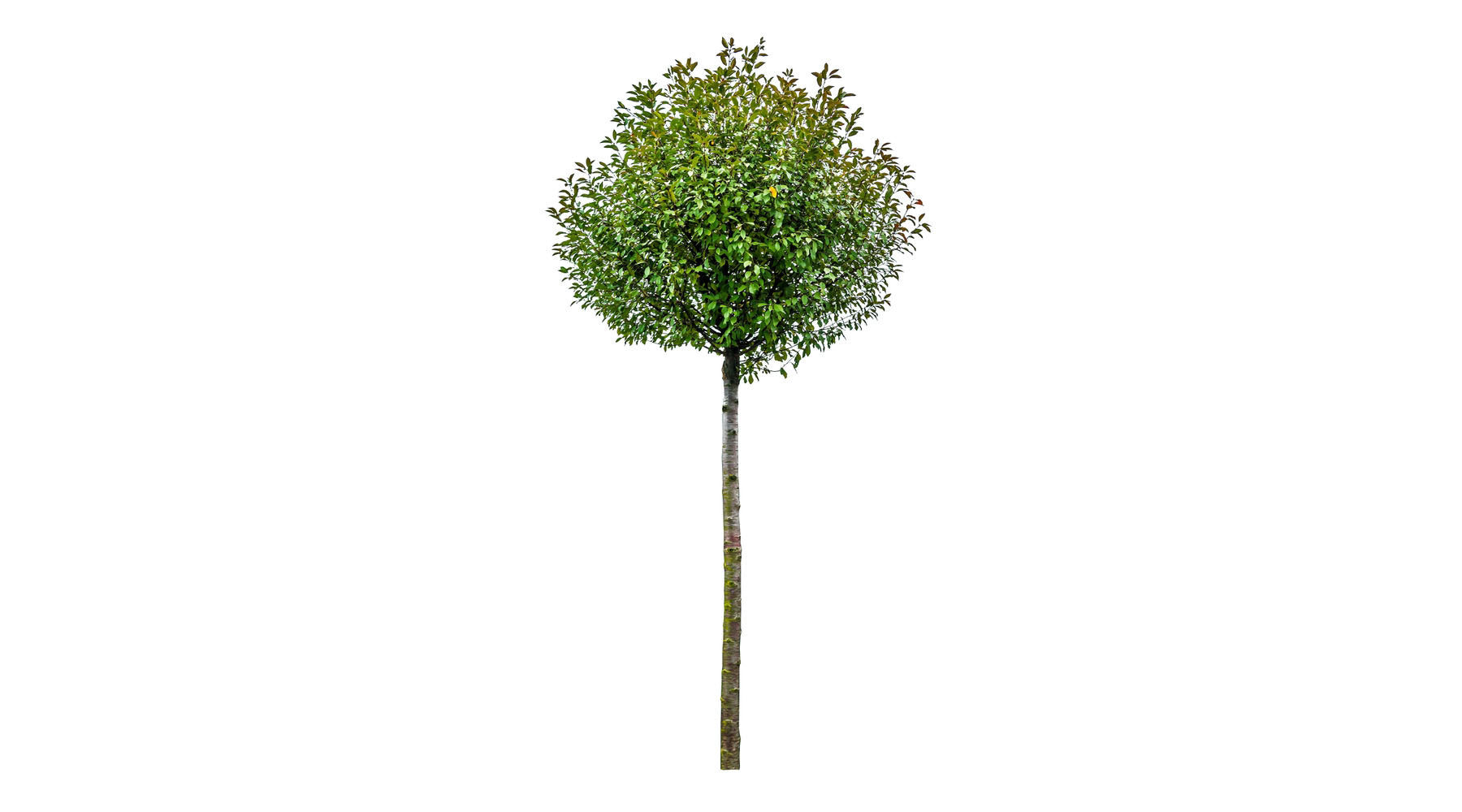
Photinia Red Robin | Christmas berry - Half Standard - Clear Stem 75-85cm - Height 160-170cm - 30lt
£160.00
Unit price perPhotinia Red Robin | Christmas berry - Half Standard - Clear Stem 75-85cm - Height 160-170cm - 30lt
£160.00
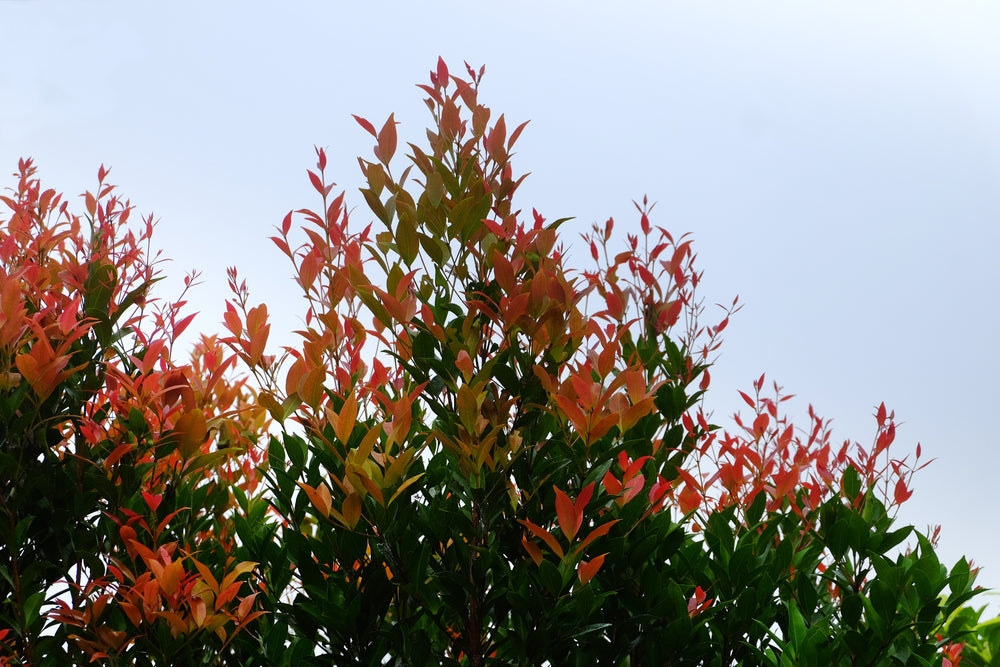
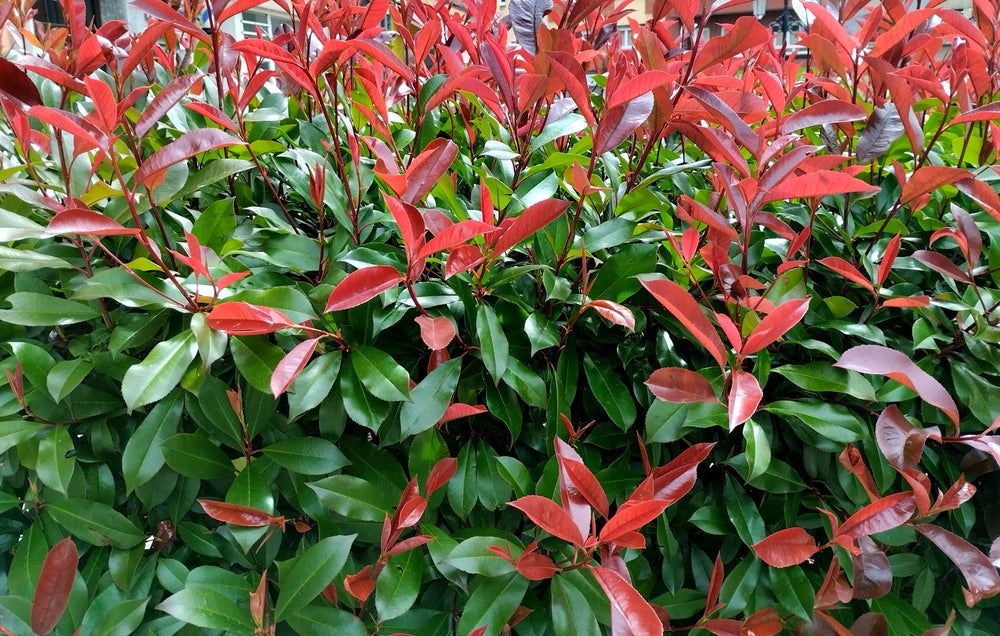
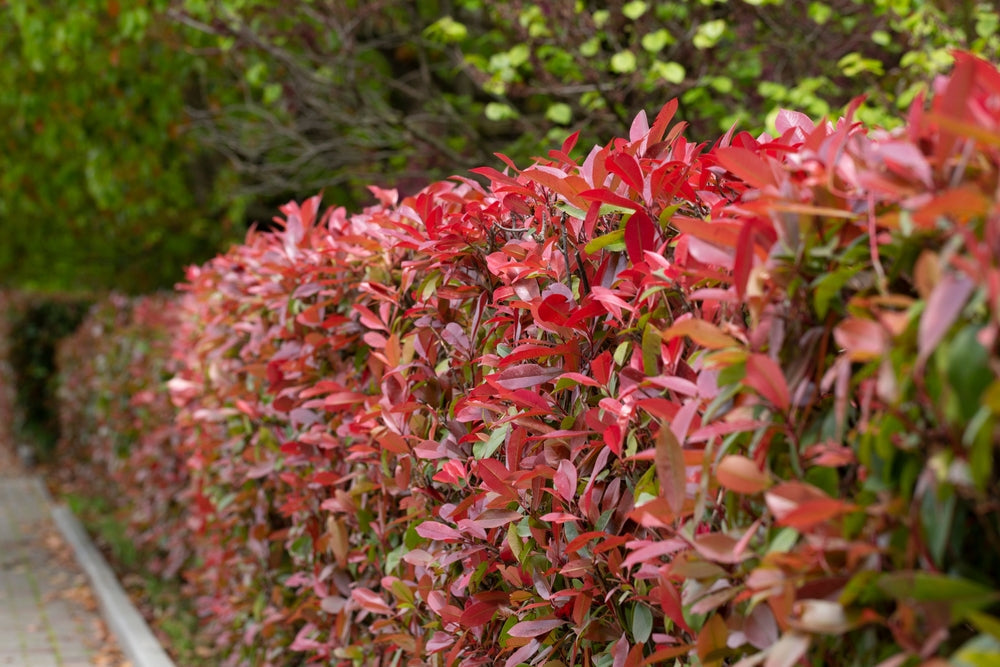
Unit price perPhotinia × fraseri ‘Red Robin Compacta’ grown as a multi-stem shrub is an excellent choice for adding dense, evergreen structure and vibrant seasonal colour to a garden. This more compact form retains all the ornamental qualities of the classic ‘Red Robin’, but with a tighter, bushier habit, making it ideal for smaller spaces or more controlled planting schemes.
Its standout feature is the brilliant red young foliage, which emerges in flushes throughout the growing season before maturing to a glossy dark green. This continual contrast brings long-lasting visual interest and works beautifully in mixed borders, courtyard gardens, or as a low screen.
Thriving in full sun or partial shade, it prefers fertile, well-drained soil and benefits from a sheltered position to protect new growth from cold or drying winds. As a multi-stem specimen, it offers a softer, more natural shape, adding depth and layering to planting designs.
Typically reaching around 2–3 metres in height, it remains manageable and responds well to pruning, which encourages fresh red growth. Hardy and low maintenance, it is a versatile option for adding year-round colour, structure, and privacy to both modern and traditional gardens.
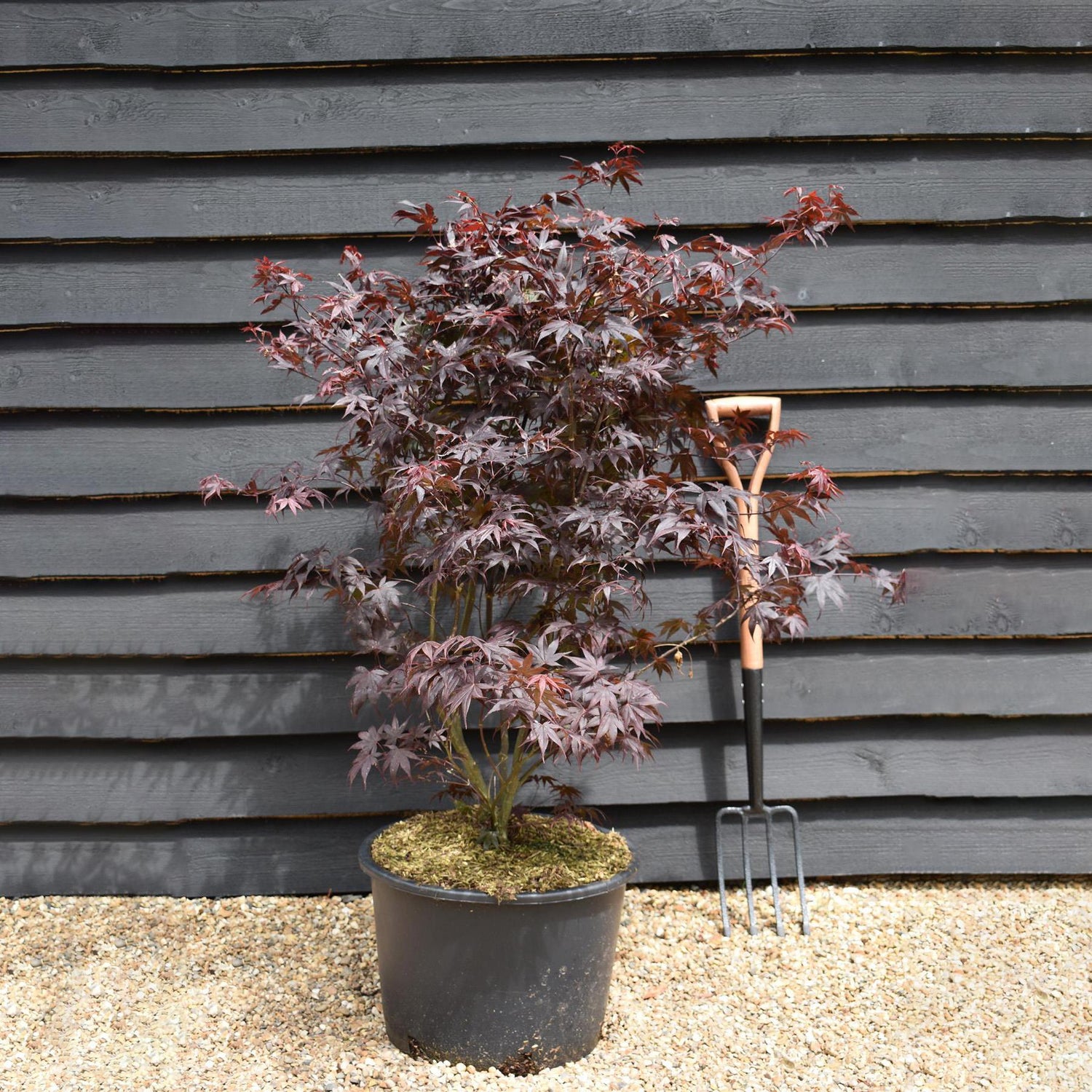
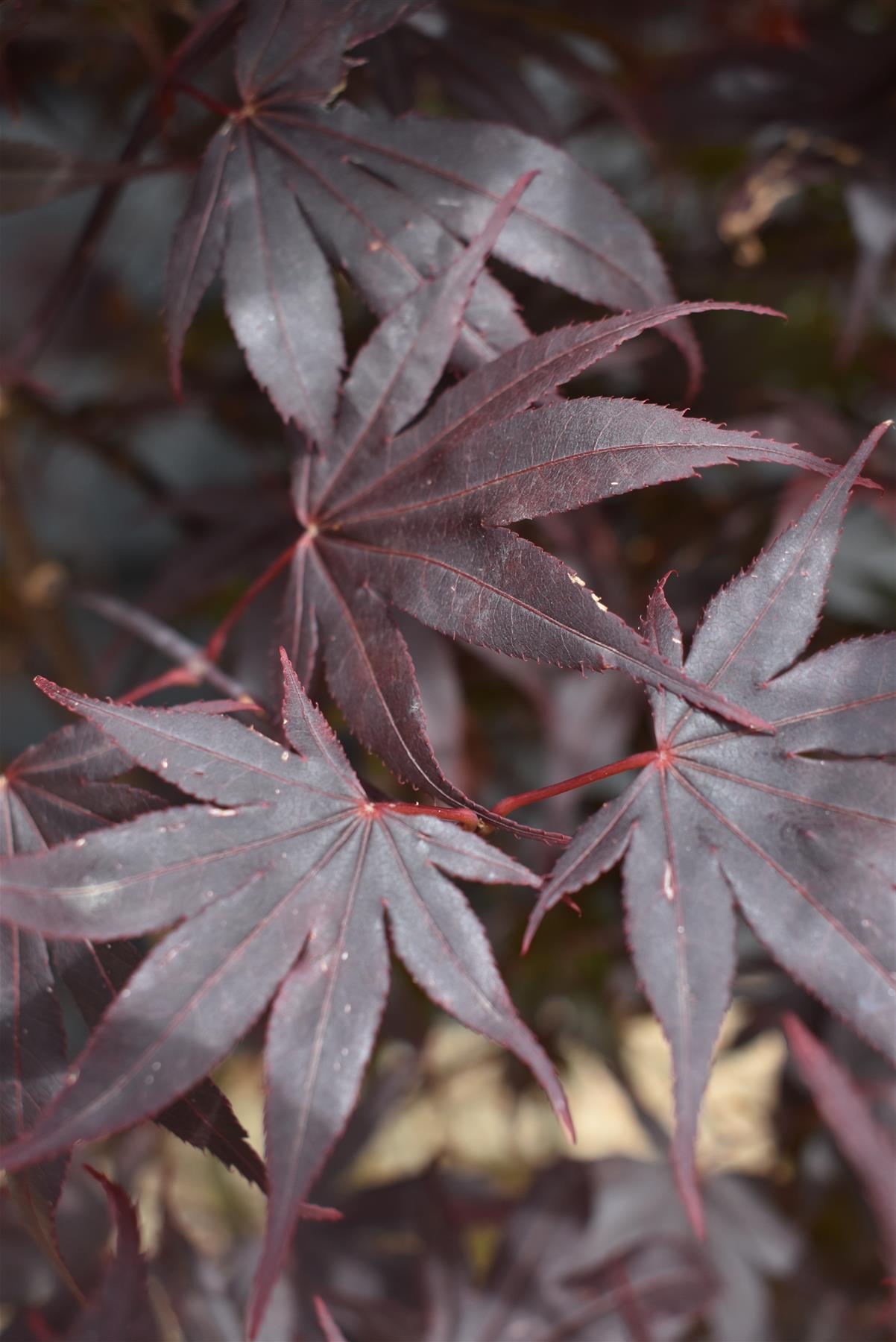
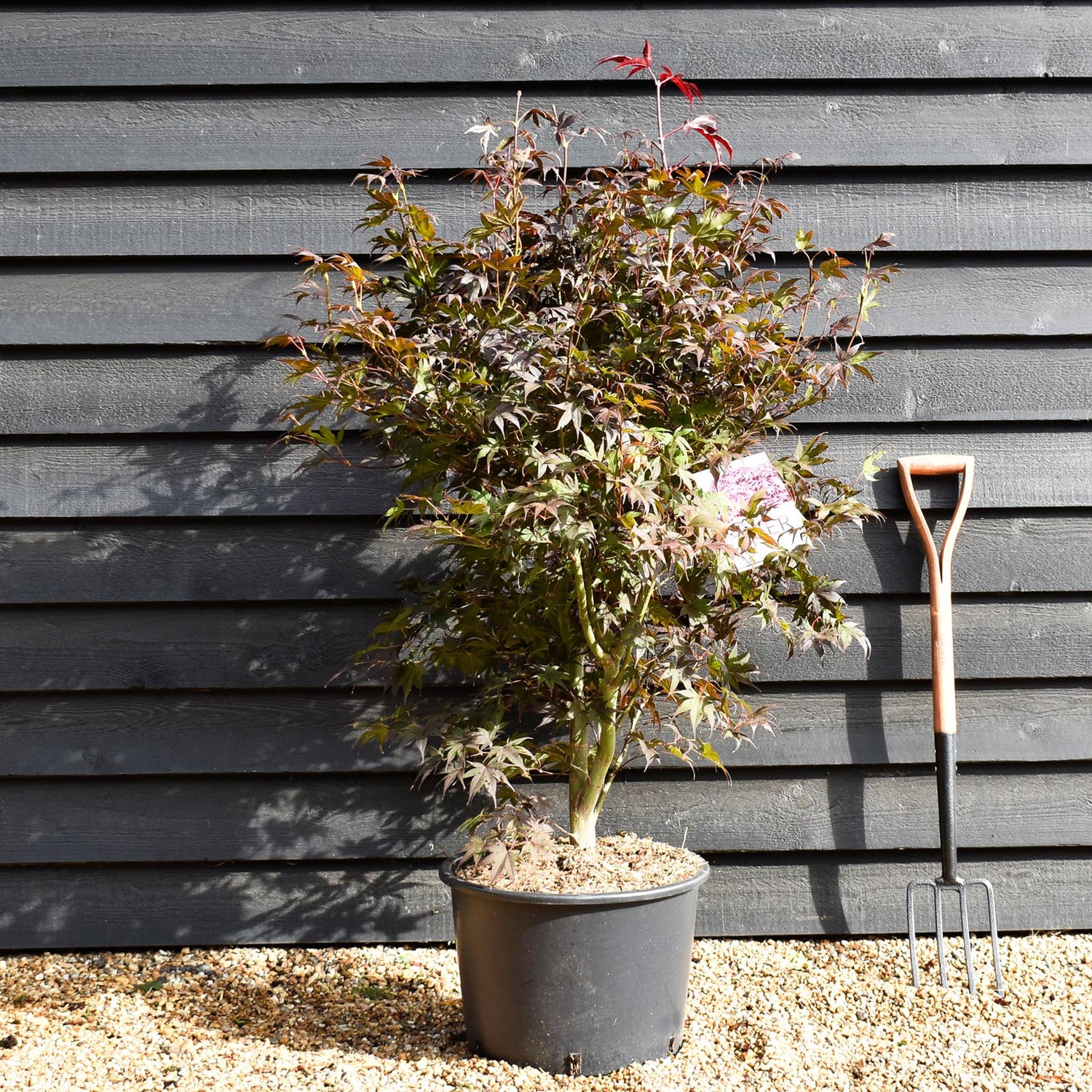
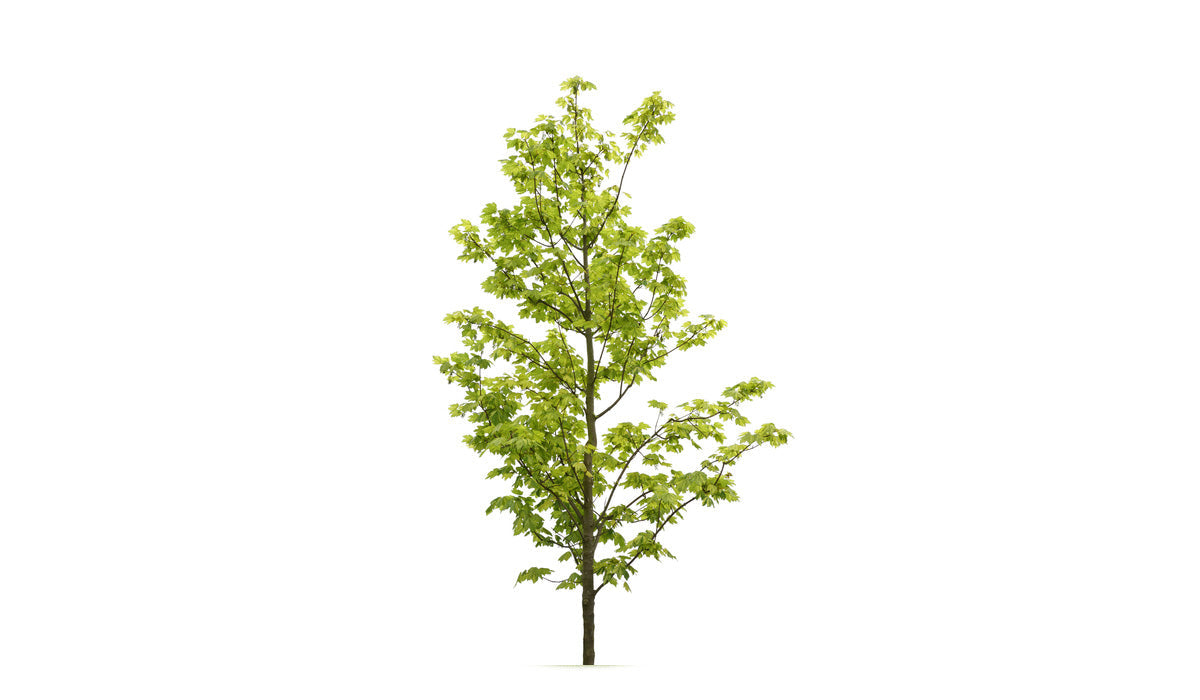
Acer palmatum 'Bloodgood' | Bloodgood Japanese Maple - Height 140-170cm - 30lt
£363.00
Unit price perAcer palmatum 'Bloodgood' | Bloodgood Japanese Maple - Height 140-170cm - 30lt
£363.00
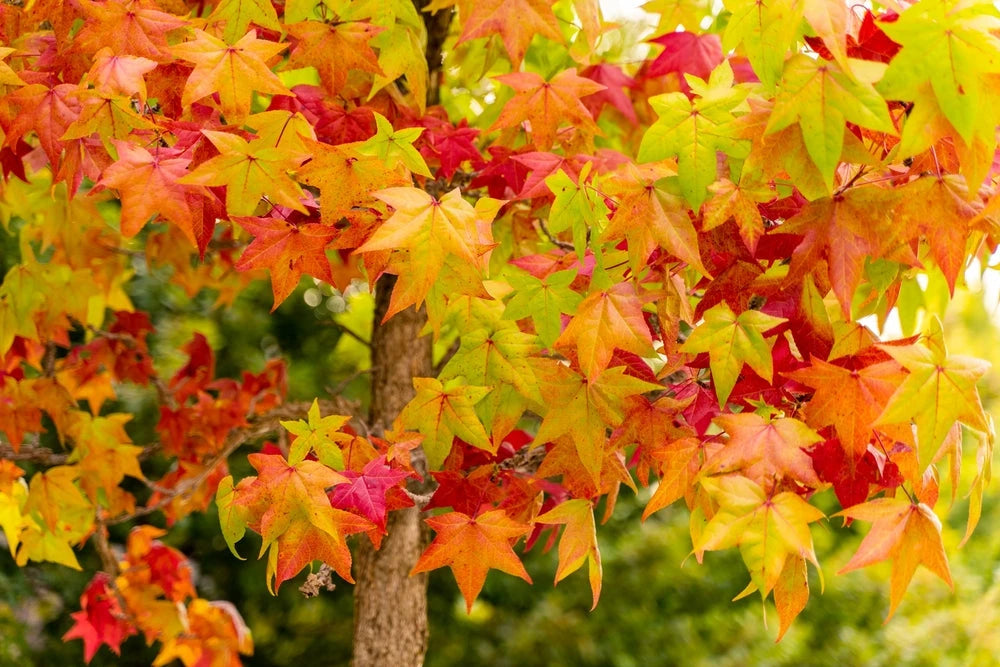
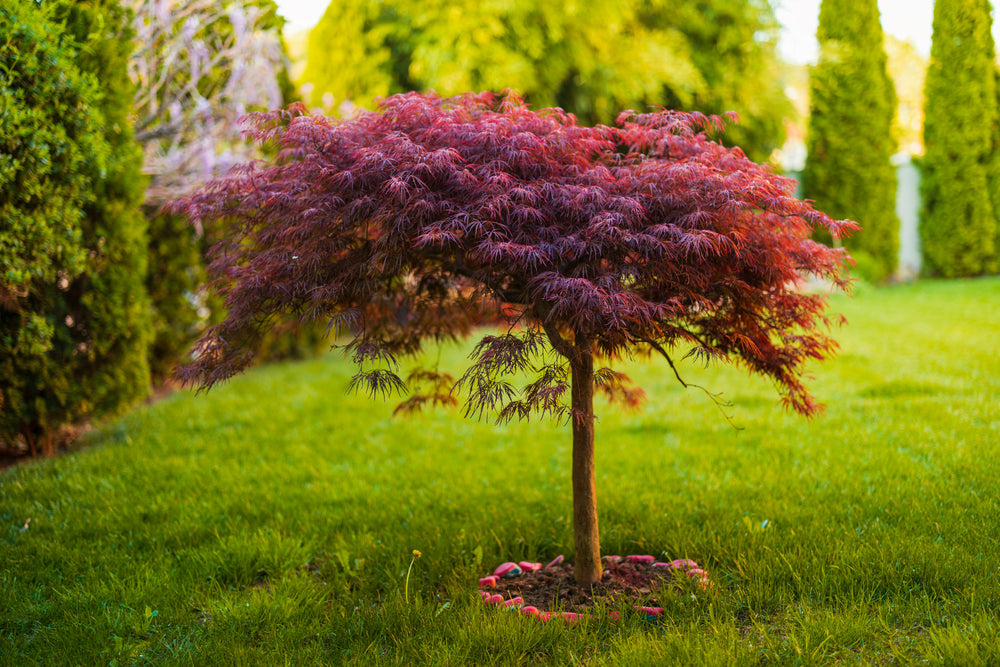
Unit price perThe Acer palmatum 'Bloodgood', commonly known as the Bloodgood Japanese Maple, is a stunning ornamental tree highly valued for its striking red foliage and elegant form. This deciduous tree typically reaches a height and spread of 4.5-6 metres, making it an excellent choice for small to medium-sized gardens. Its deep burgundy leaves emerge in spring, maintaining their vibrant colour throughout the summer before transitioning to a brilliant crimson in autumn. The Bloodgood is known for its hardiness and adaptability, thriving in RHS hardiness zones H5-H6. It prefers well-drained soil and partial to full sun exposure. This tree is not only aesthetically pleasing but also low-maintenance, requiring minimal pruning and care. Ideal for use as a focal point, in mixed borders, or as a specimen tree, the Bloodgood Japanese Maple adds year-round interest and elegance to any garden in the UK.


Betula Pendula 'Fuzzy Feathers' - Height 220-230cm - 12lt
£99.00
Unit price perBetula Pendula 'Fuzzy Feathers' - Height 220-230cm - 12lt
£99.00
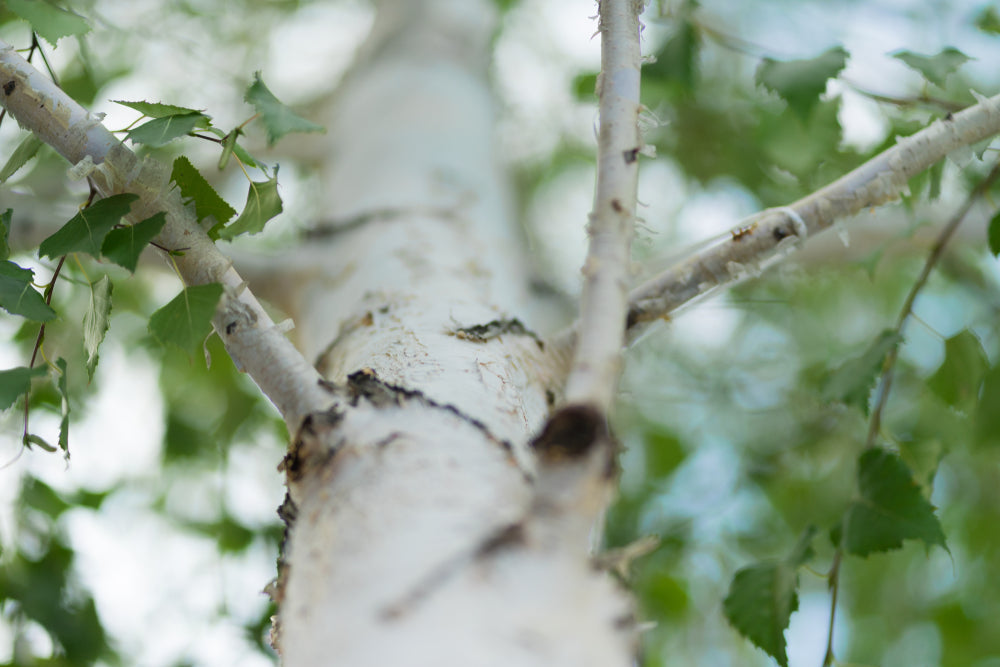
Unit price perBetula pendula ‘Fuzzy Feathers’ is an elegant and distinctive cultivar of silver birch, valued for its finely divided, feathery foliage and graceful overall form. Unlike the typical Betula pendula, this variety features delicately cut leaves that create a soft, almost fern-like texture, giving the tree a light and airy presence in the garden.
As it matures, ‘Fuzzy Feathers’ develops the classic white bark associated with silver birch, which peels attractively to reveal subtle tones beneath. This ornamental bark provides year-round interest, particularly in winter when the tree’s structure is fully visible. The slender branches often have a gently pendulous habit, enhancing its natural elegance and movement in the breeze.
This cultivar is relatively compact compared to standard silver birch trees, making it well suited to smaller gardens or landscaped spaces where a full-sized birch might be too large. It typically forms a narrow, upright canopy, allowing light to filter through and enabling underplanting with shade-tolerant plants or spring bulbs.
In spring, the tree produces small catkins that add further seasonal interest, followed by fresh green foliage that remains attractive throughout the growing season. In autumn, the leaves turn a soft yellow before falling, contributing subtle seasonal colour.
Betula pendula ‘Fuzzy Feathers’ is hardy and well adapted to the UK climate, thriving in a range of soil types provided they are reasonably well drained. It prefers a sunny position and benefits from adequate moisture, particularly when young.
Overall, this refined birch offers a combination of delicate texture, striking bark, and manageable size, making it an excellent choice for gardeners seeking a graceful, ornamental tree with year-round appeal.


Picea Omorika Nana | Dwarf Serbian Spruce - Height 80cm - 20lt
£258.00
Unit price perPicea Omorika Nana | Dwarf Serbian Spruce - Height 80cm - 20lt
£258.00
Unit price perPicea omorika ‘Nana’, commonly known as the dwarf Serbian spruce, is a beautiful compact evergreen conifer prized for its elegant shape, attractive foliage and excellent garden performance in the UK. This slow-growing variety is a smaller form of the native Serbian spruce, making it ideal for gardens where space is limited but year-round structure and interest are required.
Unlike the larger Serbian spruce, which can become a substantial tree, ‘Nana’ forms a dense, rounded to broadly conical shrub with a neat, architectural habit. It typically grows to around 1.5–3 metres in height and width over many years, making it well suited to smaller gardens, mixed borders, rockeries, Japanese-style planting schemes and large containers.
The foliage is one of its most appealing features. The short, fine needles are arranged densely along the branches, displaying a rich green colour on the upper surface with distinctive silvery-white bands underneath. This creates a shimmering effect as the branches move in the breeze, giving the plant a refined and elegant appearance throughout the year. The attractive colouring provides excellent contrast when planted alongside flowering shrubs, ornamental grasses or darker-leaved evergreens.
Picea omorika ‘Nana’ is a hardy and reliable plant, tolerating UK winters well and performing best in a sunny or partially shaded position. It prefers a moist but well-drained soil and is adaptable to a range of soil types, including clay soils, provided drainage is adequate. Once established, it requires very little maintenance and naturally maintains its attractive shape without regular pruning.
This dwarf Serbian spruce is also well suited to urban gardens, as it handles pollution and exposed conditions better than many conifers. It makes an excellent low-maintenance specimen plant, adding evergreen interest, texture and form to the garden all year round.
A versatile and elegant conifer, Picea omorika ‘Nana’ is an excellent choice for gardeners looking for a distinctive evergreen that offers beauty, structure and long-term reliability without becoming too large.


Abies koreana | Korean fir - Height 60cm - Width 30-40cm - 18lt
£94.00
Unit price perAbies koreana | Korean fir - Height 60cm - Width 30-40cm - 18lt
£94.00
Unit price perAbies koreana, commonly known as Korean fir, is an evergreen coniferous tree that belongs to the Pinaceae family. Native to the high mountains of South Korea, this tree species is renowned for its beautiful foliage, attractive cone clusters, and graceful habit. It is a popular ornamental tree grown in gardens, parks, and landscapes around the world.
Korean fir can grow up to 15-20 meters in height with a narrow pyramidal or conical shape. The bark is grayish-brown and smooth when young, becoming rough and scaly as the tree ages. The needles are 1-3 cm long, glossy dark green on the upper surface, and have two white stripes on the undersides. They are arranged in a spiral pattern around the branches, giving the tree a graceful and delicate appearance.
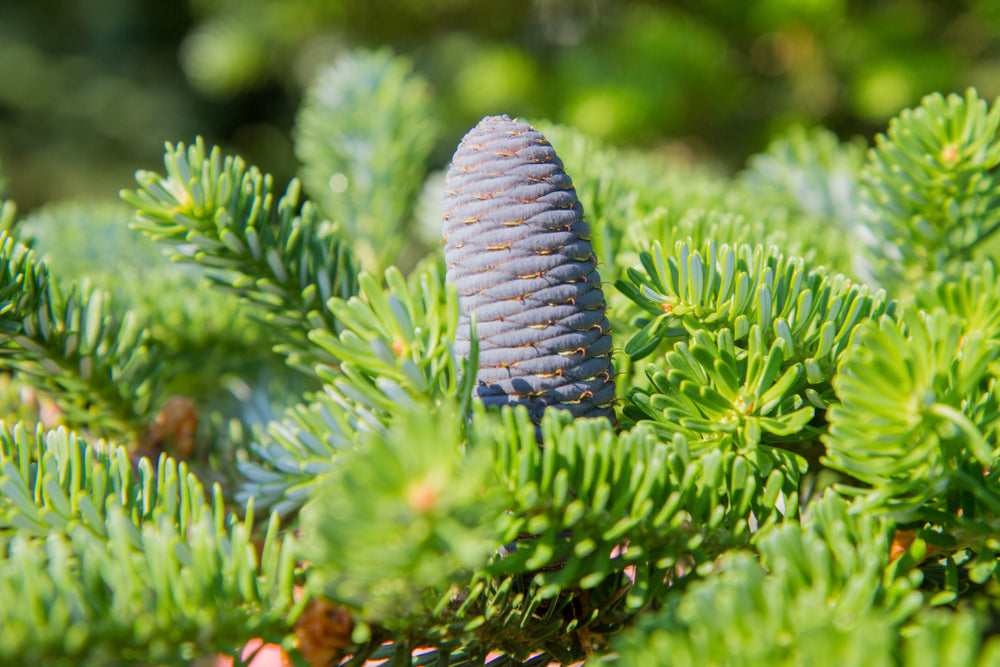
One of the most distinctive features of Korean fir is its stunning cones. They are upright and cylindrical, measuring 7-15 cm in length and 3-4 cm in width. The cones are green when young, but turn a beautiful purple or violet-blue as they mature. They also have unique, purplish bracts that protrude from the cone scales, adding to their aesthetic appeal. Korean fir is a hardy tree that prefers cool and moist conditions. It is best grown in full sun or partial shade in well-drained, acidic soils. It is relatively slow-growing, but can live for several decades with proper care. It is also resistant to most pests and diseases, making it a low-maintenance tree.
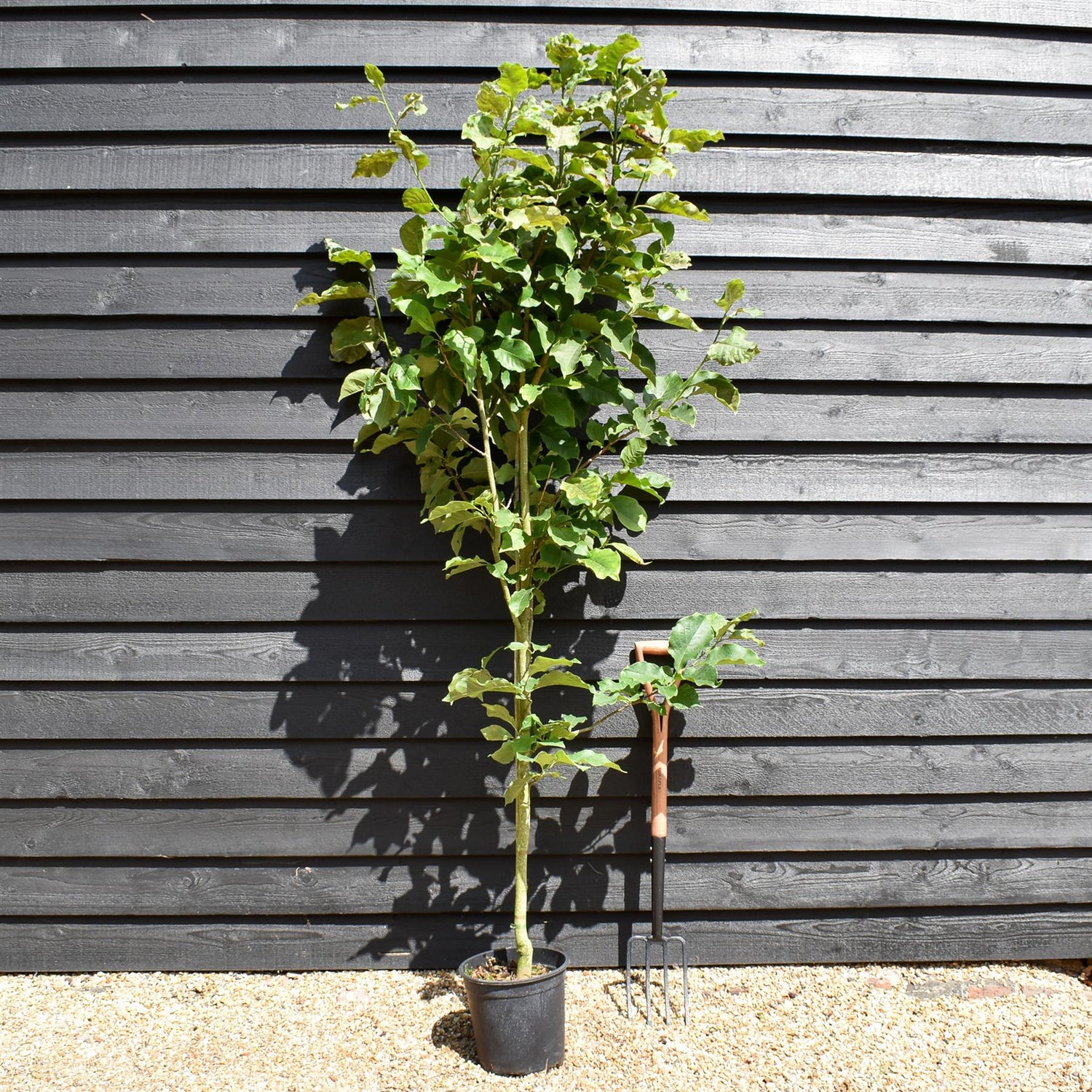
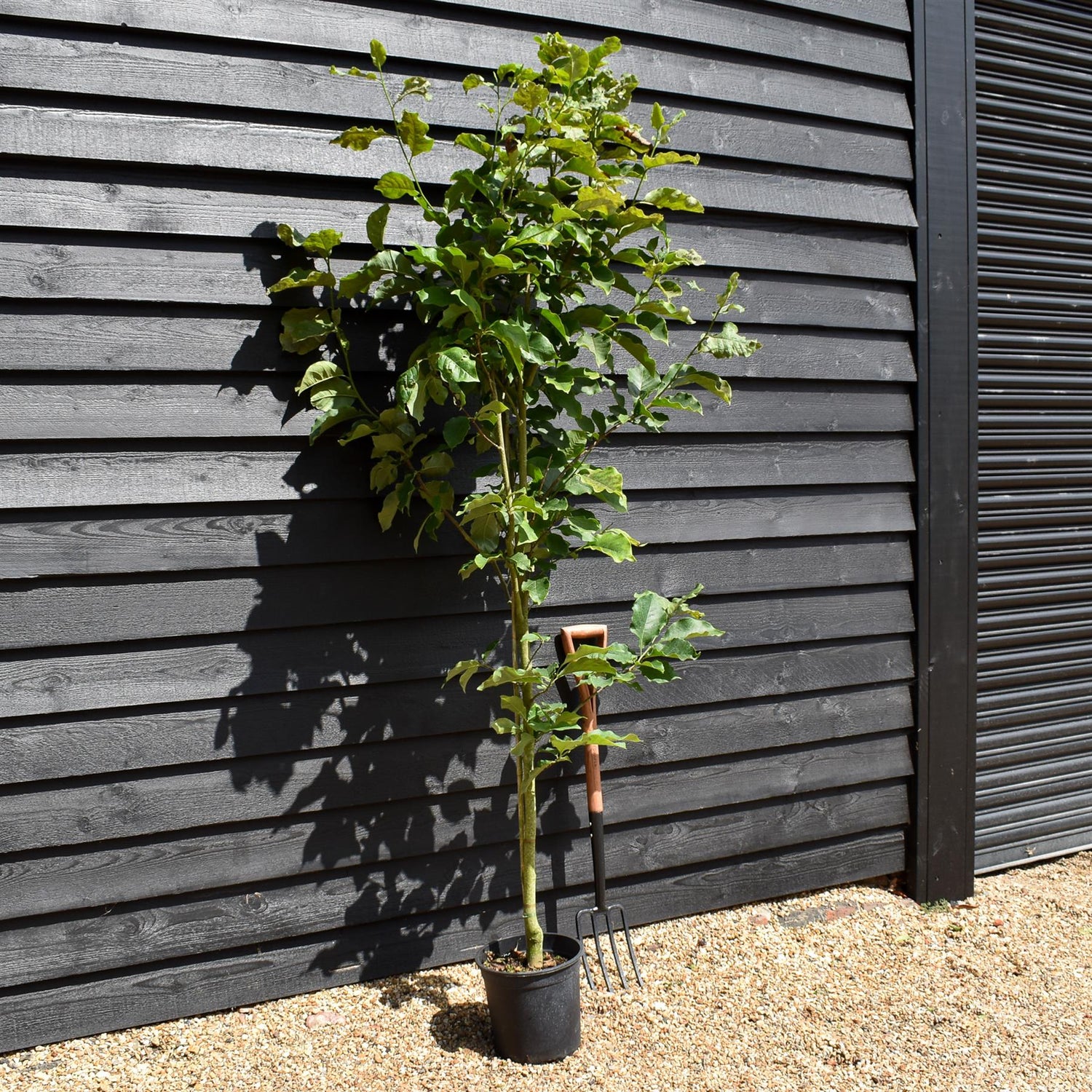
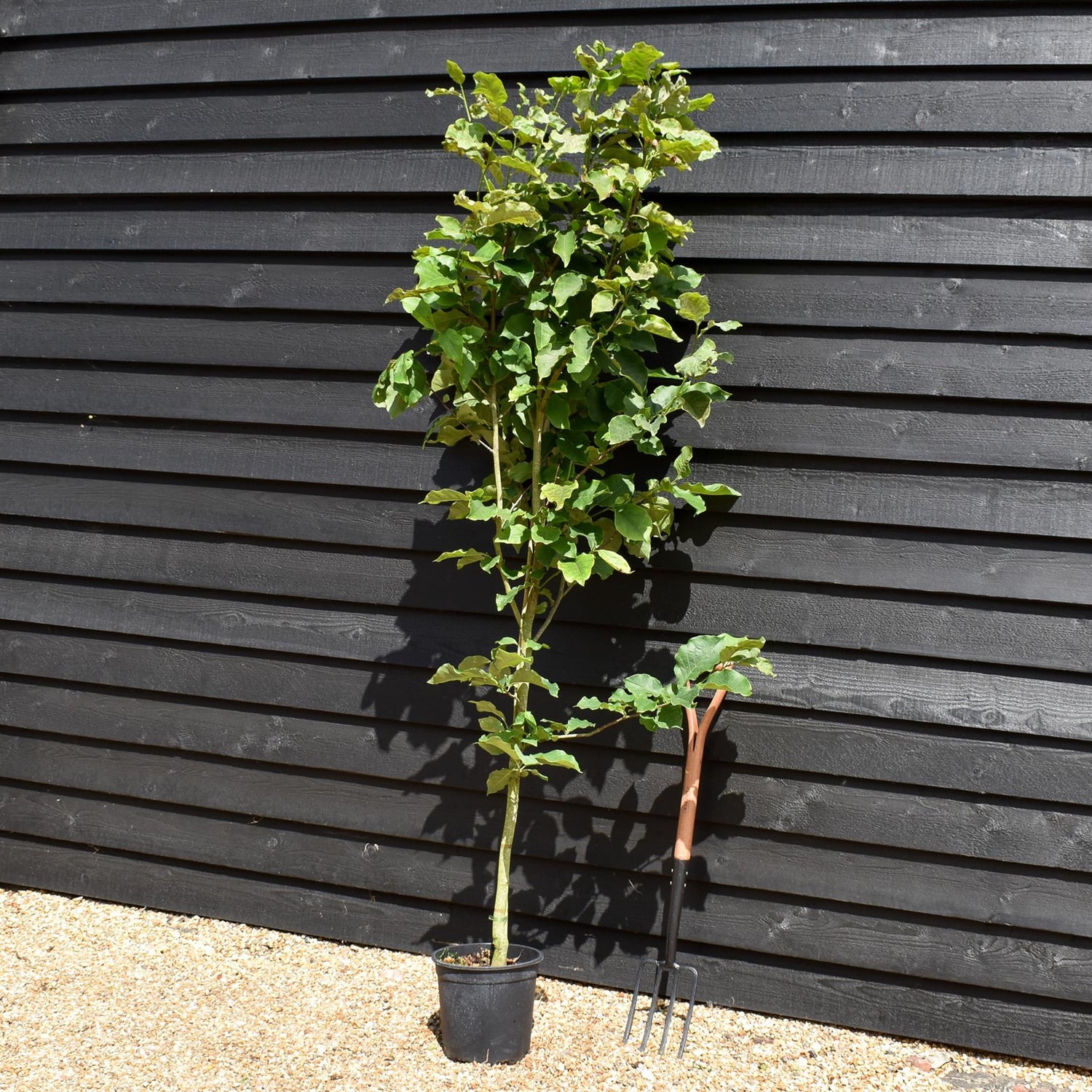
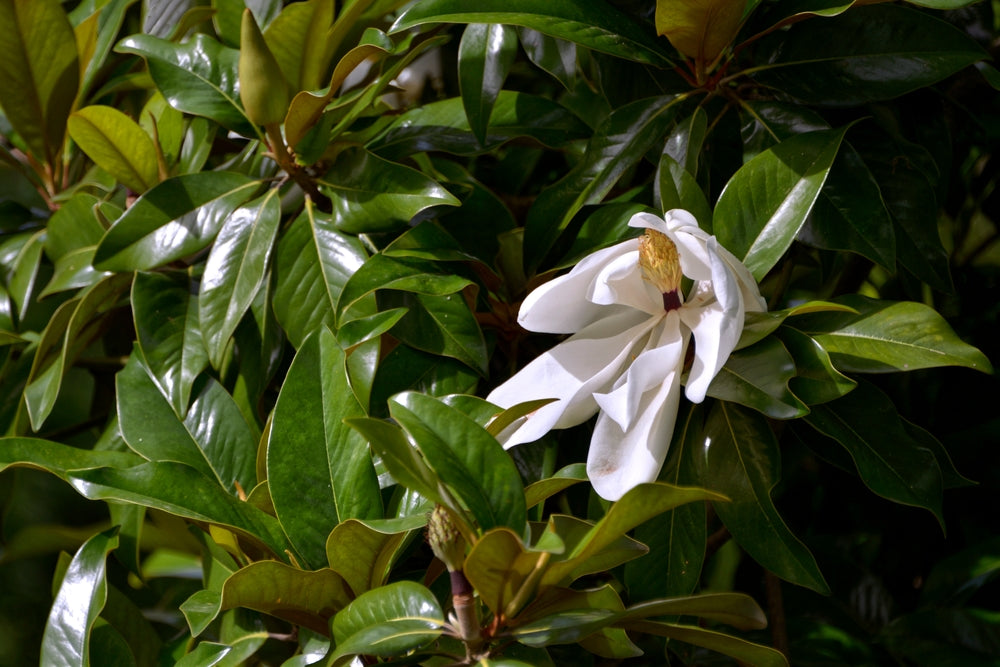
Magnolia Galaxy - 140-180cm, 10lt
£83.00
Unit price perMagnolia Galaxy - 140-180cm, 10lt
£83.00
Unit price per


Thuja occidentalis Danica | White Cedar 'Danica' - Height 20cm - Width 30cm - 7.5lt
£50.00
Unit price perThuja occidentalis Danica | White Cedar 'Danica' - Height 20cm - Width 30cm - 7.5lt
£50.00
Unit price per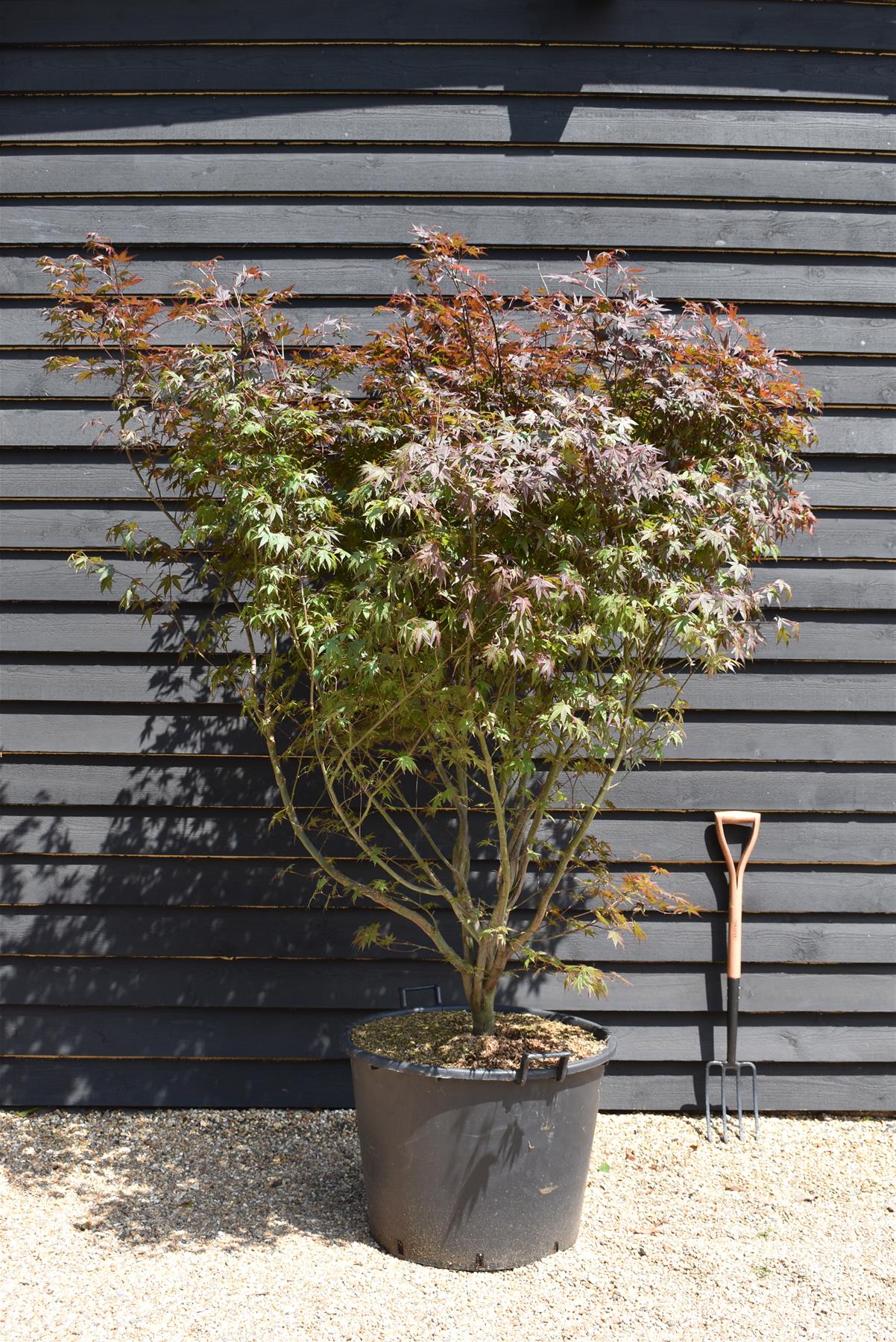
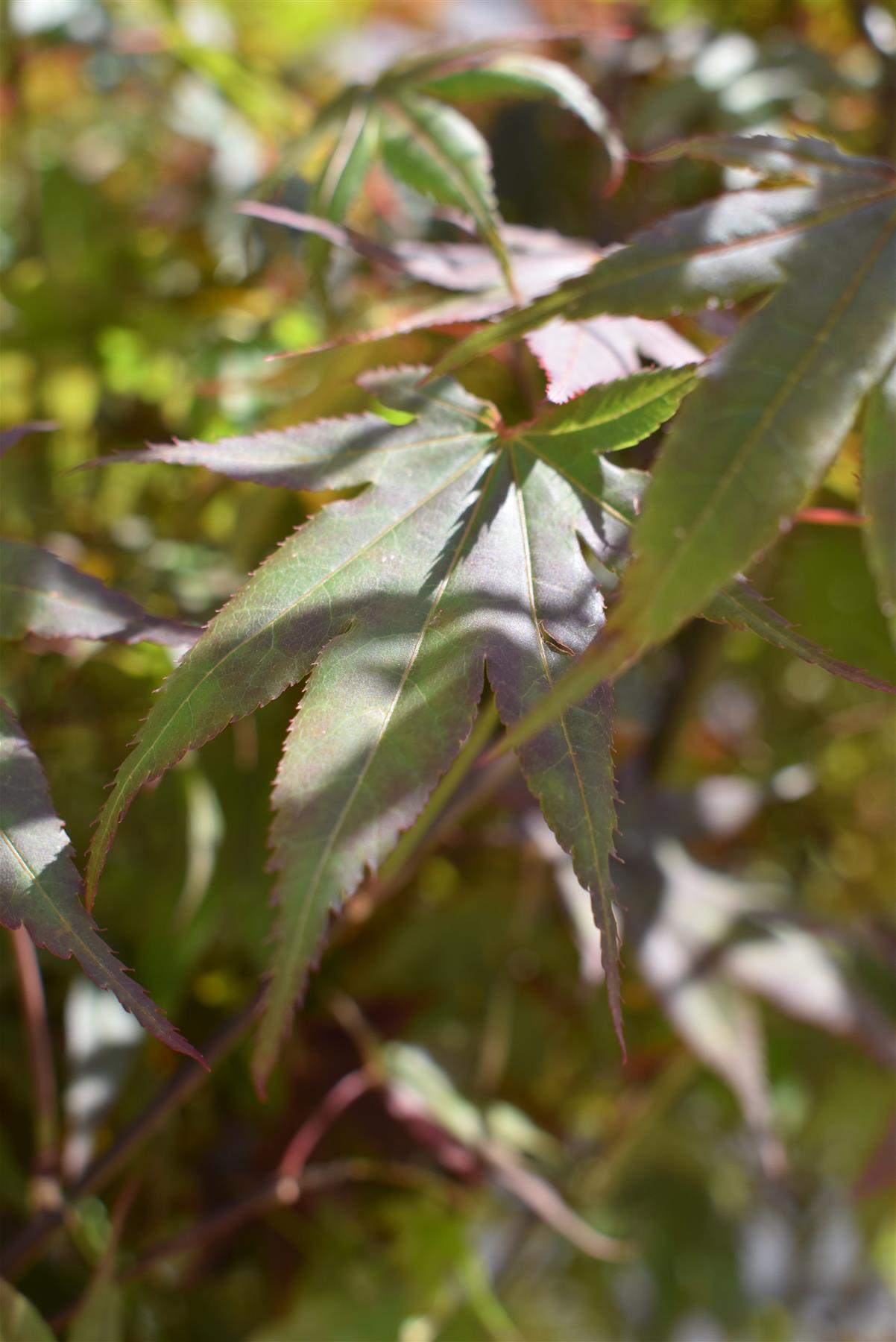
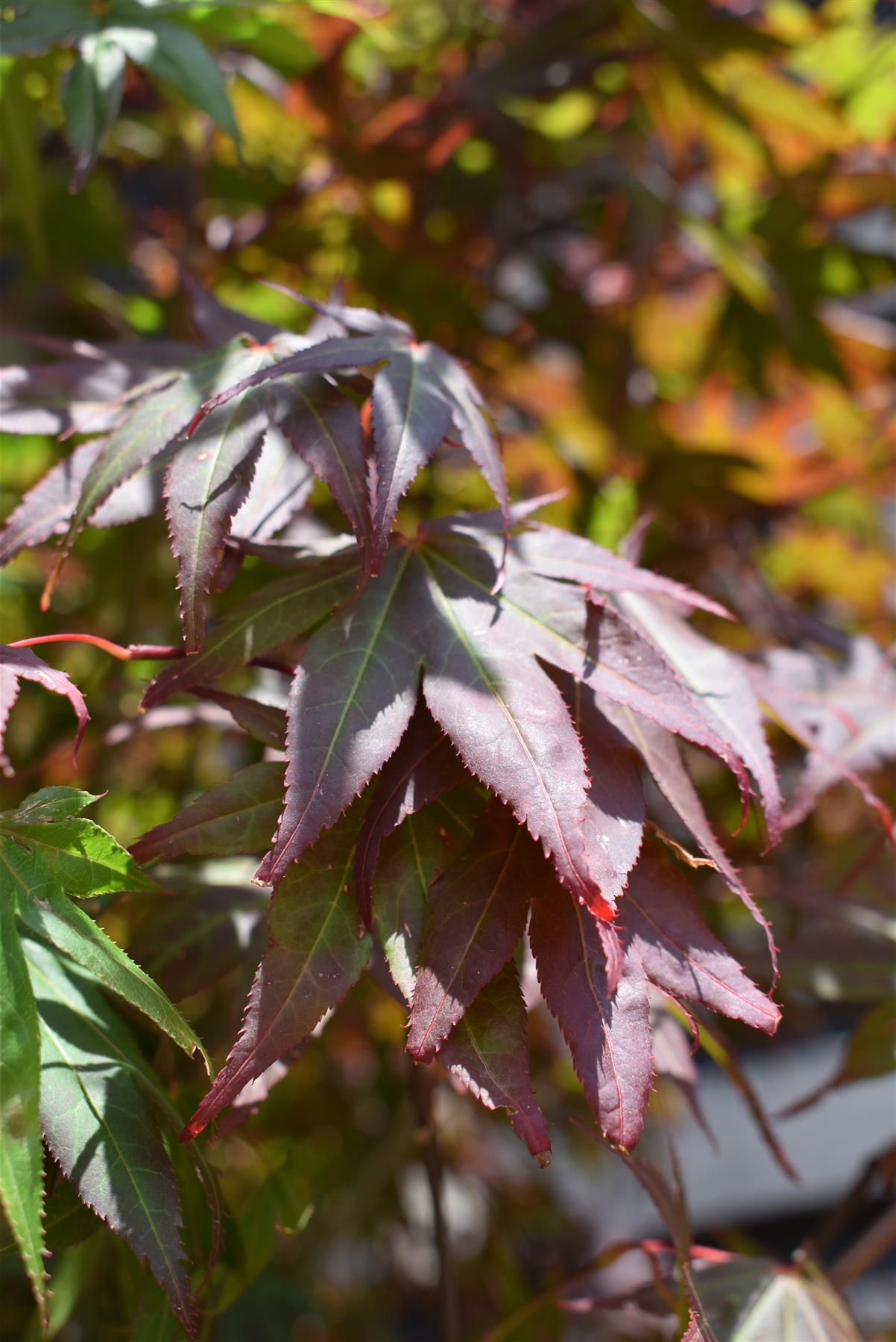
Acer palmatum 'Atropurpureum' | Purple Japanese maple - Bushy - 200-220cm - 130lt
£920.00
Unit price perAcer palmatum 'Atropurpureum' | Purple Japanese maple - Bushy - 200-220cm - 130lt
£920.00
Unit price per


Celtis Australis | European hackberry - Height 200-230cm - Girth 6-8cm - 20lt
£155.00
Unit price perCeltis Australis | European hackberry - Height 200-230cm - Girth 6-8cm - 20lt
£155.00
Unit price perCeltis australis, commonly known as the European nettle tree, is a deciduous tree native to southern Europe, western Asia, and northern Africa. It belongs to the family Cannabaceae, and it is closely related to the hackberry tree.
The Celtis australis tree can grow up to 25 meters tall and has a dense, rounded crown with a spreading habit. The bark is smooth and gray-brown when young, becoming rough and fissured with age. The leaves are alternate, simple, and oval-shaped with serrated edges. They are dark green on the upper side and paler on the underside, turning yellow in autumn before falling.
The tree produces small, inconspicuous flowers in late spring or early summer, followed by small, round, edible fruit that resembles a cherry in size and shape. The fruit is initially green, turning yellow or brown when ripe, and is sweet and juicy, with a taste similar to a fig.
The Celtis australis tree is adaptable to a wide range of soils and can tolerate drought, air pollution, and salt spray. It is often used as an ornamental tree in gardens, parks, and urban landscapes due to its attractive foliage and distinctive bark. It also provides food and shelter for wildlife, including birds and small mammals. Additionally, the tree has cultural significance and has been used for centuries in traditional medicine for various ailments.
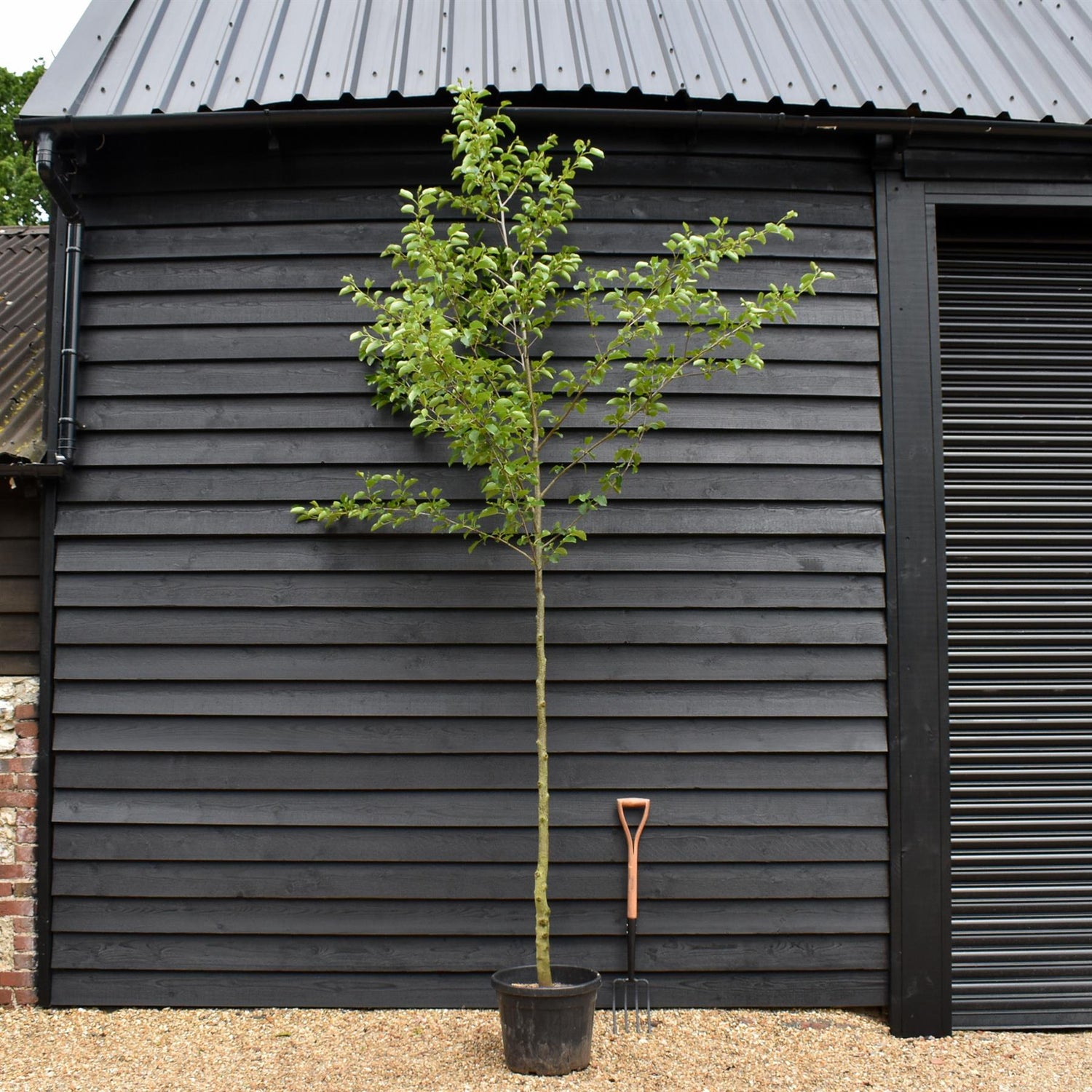


Alder tree | Alnus Cordata - Clear Stem - Height 300-350cm - Girth 8-10cm - 45lt
£255.00
Unit price perAlder tree | Alnus Cordata - Clear Stem - Height 300-350cm - Girth 8-10cm - 45lt
£255.00
Unit price perAlnus cordata, commonly known as the Italian alder, is a medium to large deciduous tree native to southern Italy and parts of Corsica. It belongs to the Betulaceae family and is highly valued for its ability to thrive in poor soils and challenging environmental conditions. This species is often planted for ornamental purposes, soil improvement, and as a windbreak due to its robust growth and adaptability.
The tree can reach heights of up to 25-30 metres (82-98 feet) with a trunk diameter of about 1 metre (3.3 feet). It has a relatively narrow, conical crown, which makes it an attractive choice for landscaping in urban and rural environments. The bark is smooth and greyish-brown when young, developing shallow fissures with age.
Alnus cordata is noted for its distinctive heart-shaped (cordate) leaves, which are bright green and glossy, measuring 7-12 cm in length. Unlike some other alders, the leaves of A. cordata remain on the tree until late autumn, giving it an extended season of greenery. In spring, it produces small, inconspicuous catkins, with male catkins being pendulous and yellowish, and female catkins more compact and upright. These develop into small, woody cones that persist on the tree through winter.
One of the key characteristics of Alnus cordata is its nitrogen-fixing ability. Like other alders, it forms a symbiotic relationship with the bacterium Frankia, which allows it to fix atmospheric nitrogen into the soil. This quality makes it an excellent species for improving soil fertility, particularly in degraded or nutrient-poor areas.
Overall, the Italian alder is a resilient and versatile tree, well-suited to a variety of landscapes, including wet or compacted soils, and is an important species for ecological restoration projects.


Black Ridge Oak | Quercus phillyreoides - Height 220-280cm - 30lt
£269.00
Unit price perBlack Ridge Oak | Quercus phillyreoides - Height 220-280cm - 30lt
£269.00
Unit price perQuercus phillyreoides, commonly known as the Ubame oak, Black Ridged Oak, is a versatile, evergreen oak prized for its dense foliage, compact size, and year-round interest. Typically reaching 6 to 10 meters in height with a spread of 5 to 8 meters, it forms a neat, rounded crown filled with small, leathery dark green leaves. The foliage remains vibrant throughout the year, making it an excellent choice for providing structure and greenery even in winter months. Highly adaptable,
Quercus phillyreoides thrives in a range of soils and shows strong tolerance to pruning, pollution, and drought once established. It is ideal for use as a specimen tree, clipped hedge, or screen in gardens and urban landscapes. Its resilience and tidy form make it a low-maintenance, attractive addition to any planting design.
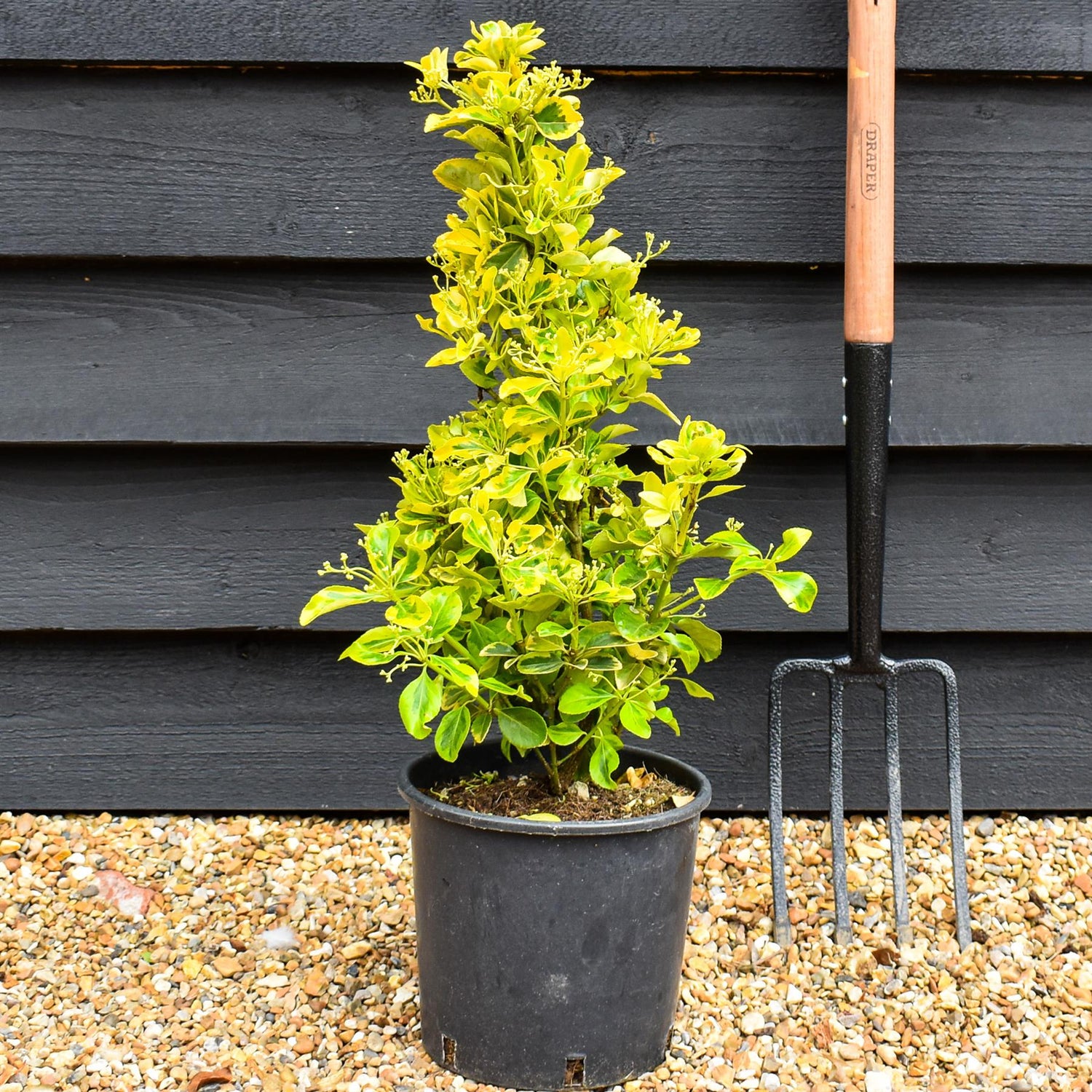
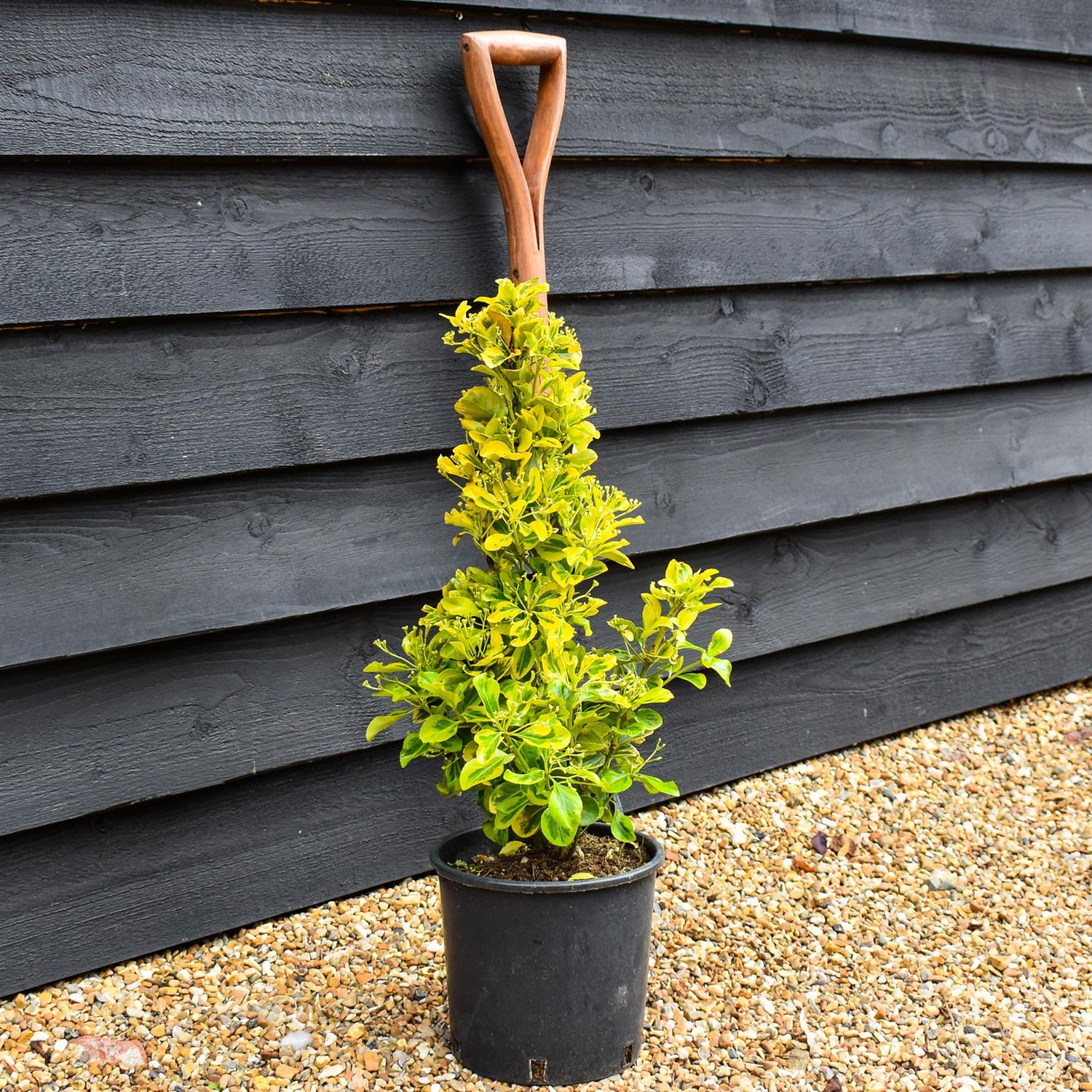
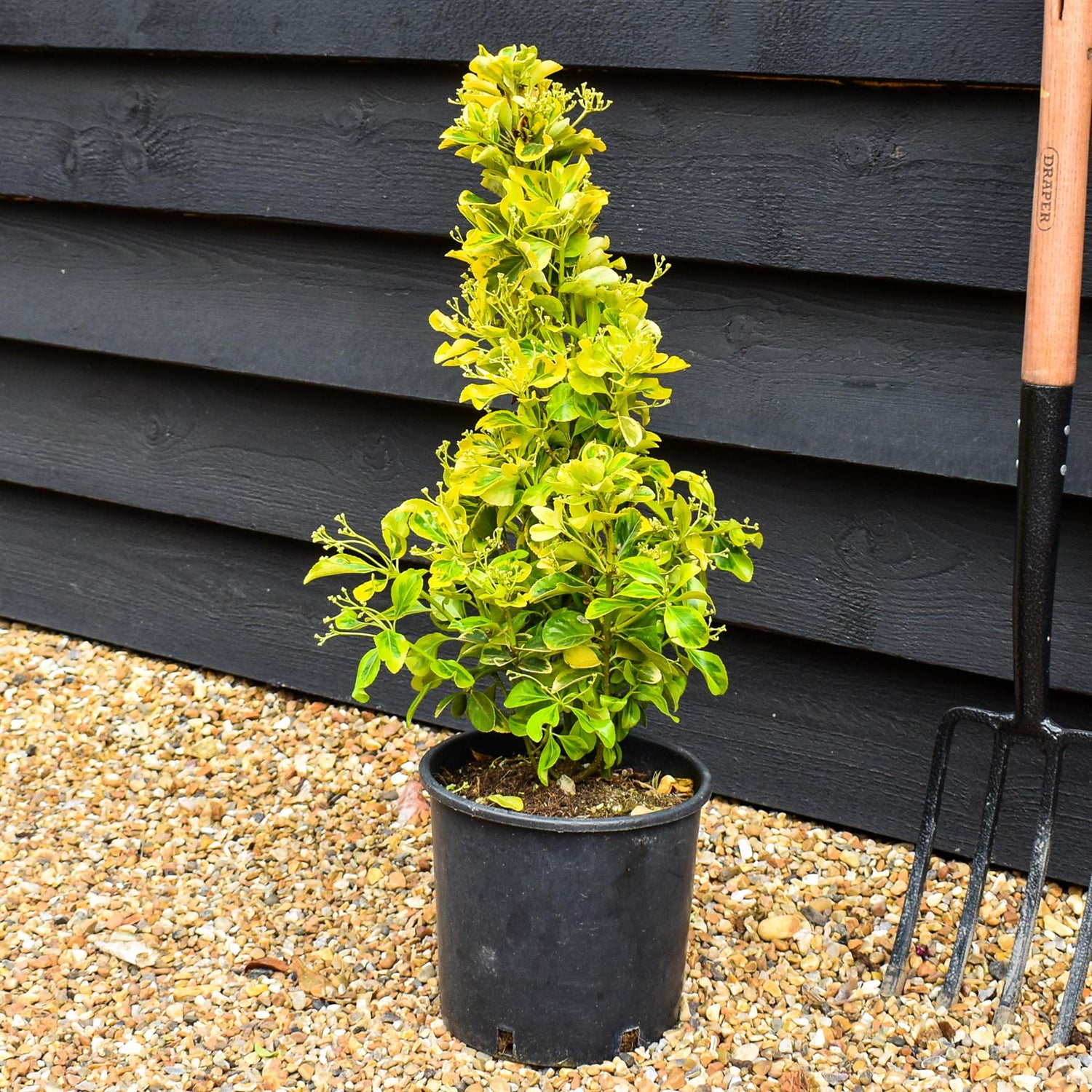
Euonymus japonicus 'Aureus' - Height 40-60cm - 3lt
£28.00
Unit price perEuonymus japonicus 'Aureus' - Height 40-60cm - 3lt
£28.00
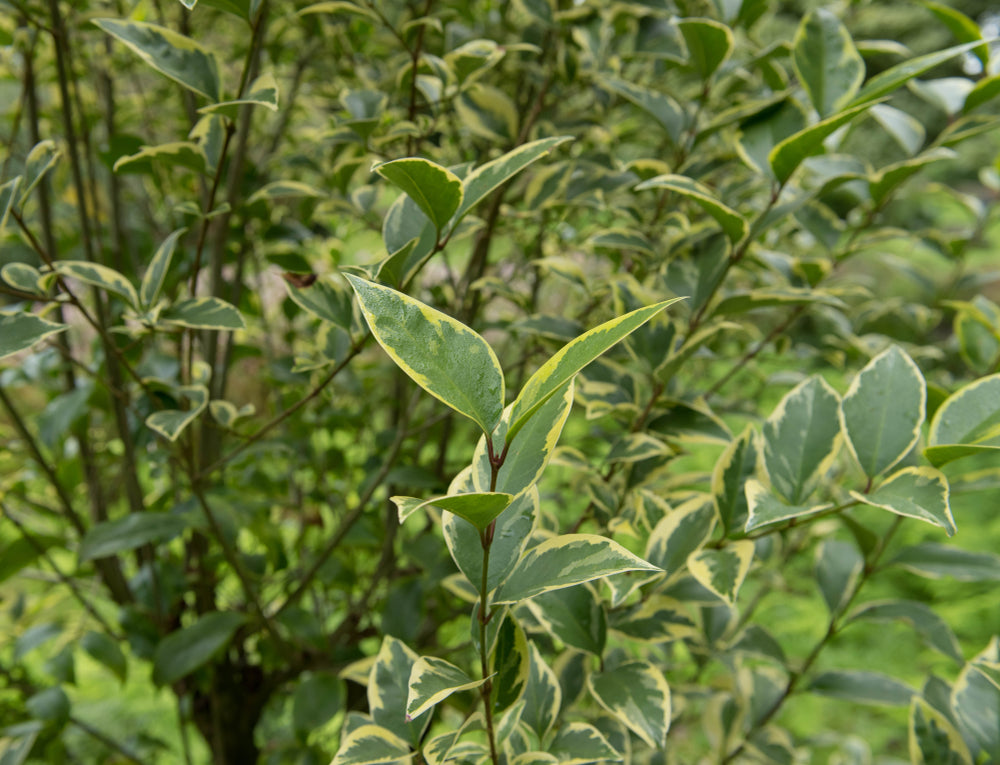
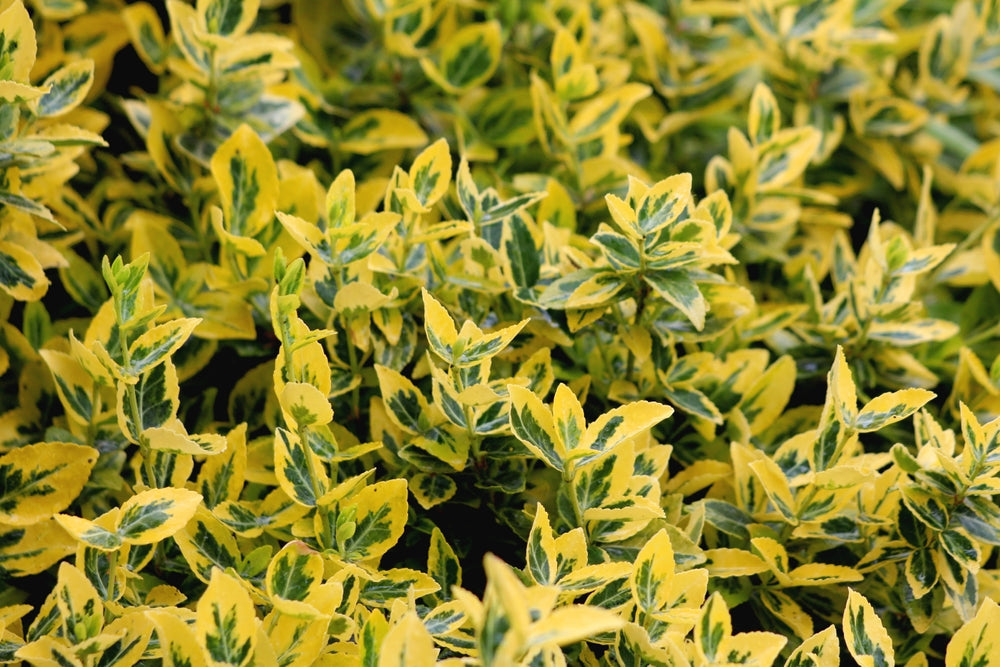
Unit price perEuonymus japonicus 'Ovatus Aureus' is a medium-sized, bushy, upright, evergreen shrub with lovely, variegated foliage. Broad, oval, glossy leaves are light green when young and dark green when mature, with broad golden-yellow margins. Flowers are small, inconspicuous, greenish and bloom in summer. Sometimes, they are followed by pink fruit in autumn. Euonymus japonicus 'Ovatus Aureus' thrives in average, moist, well-drained soils, in full sun or partial shade, but is adaptable to various types of soils, except extremely wet. It is very tough and resilient, tolerant of heat, cold, salt, wind, and urban pollution. Low maintenance plant and easy to grow. Great for shady garden corners. This small, adaptable plant is a great addition to any garden – informal, cottage, urban, or coastal. It is perfect as a ground cover, for shrub borders and mixed borders, hedges and screens. It is easy to shape and can be formed into a nice topiary. Suitable for growing in containers.


Euonymus alatus Shrub | Winged Spindle Small Tree - - Clear Stem 100cm - Height 140-150cm - 15lt
£44.00
Unit price perEuonymus alatus Shrub | Winged Spindle Small Tree - - Clear Stem 100cm - Height 140-150cm - 15lt
£44.00
Unit price per


Acer pseudoplatanus Prinz Handjery - Height 200-220cm - 20lt
£105.00
Unit price perAcer pseudoplatanus Prinz Handjery - Height 200-220cm - 20lt
£105.00
Unit price perThe Acer pseudoplatanus 'Prinz Handjery' is a striking cultivar of the sycamore maple, prized for its unique and ornamental foliage. Originating from the broader Acer pseudoplatanus species, this particular variety stands out due to its distinctive purple and green leaves, making it a favourite among gardeners seeking an eye-catching addition to their landscapes.
This medium-sized deciduous tree typically grows to a height of 10 to 15 metres, with a spread of around 8 to 10 metres, making it a suitable choice for medium to large gardens. The tree's overall shape is broadly conical or rounded, and it features a dense canopy, providing ample shade beneath. The bark of the 'Prinz Handjery' is smooth when young, developing into a more rugged and fissured texture as it matures, with patches of grey and brown that add to its visual appeal, particularly in winter.
The standout feature of this cultivar is its foliage. The leaves emerge with a bronze or purple tint in spring before maturing to a dark green with striking purple undersides. This dual-tone effect creates a beautiful contrast, especially when the wind catches the leaves, revealing flashes of colour. In autumn, the foliage transitions to golden yellow, adding seasonal interest to the garden.
In addition to its ornamental value, the Acer pseudoplatanus 'Prinz Handjery' is a hardy tree, able to tolerate a wide range of soil conditions, including clay and chalk, and is resistant to pollution, making it well-suited to urban environments. It is relatively low maintenance, requiring minimal pruning and proving resilient to pests and diseases.


Acer palmatum 'Crispifolium' - Specimen Tree - Height 200-230cm - 375lt
£3,885.00
Unit price perAcer palmatum 'Crispifolium' - Specimen Tree - Height 200-230cm - 375lt
£3,885.00
Unit price per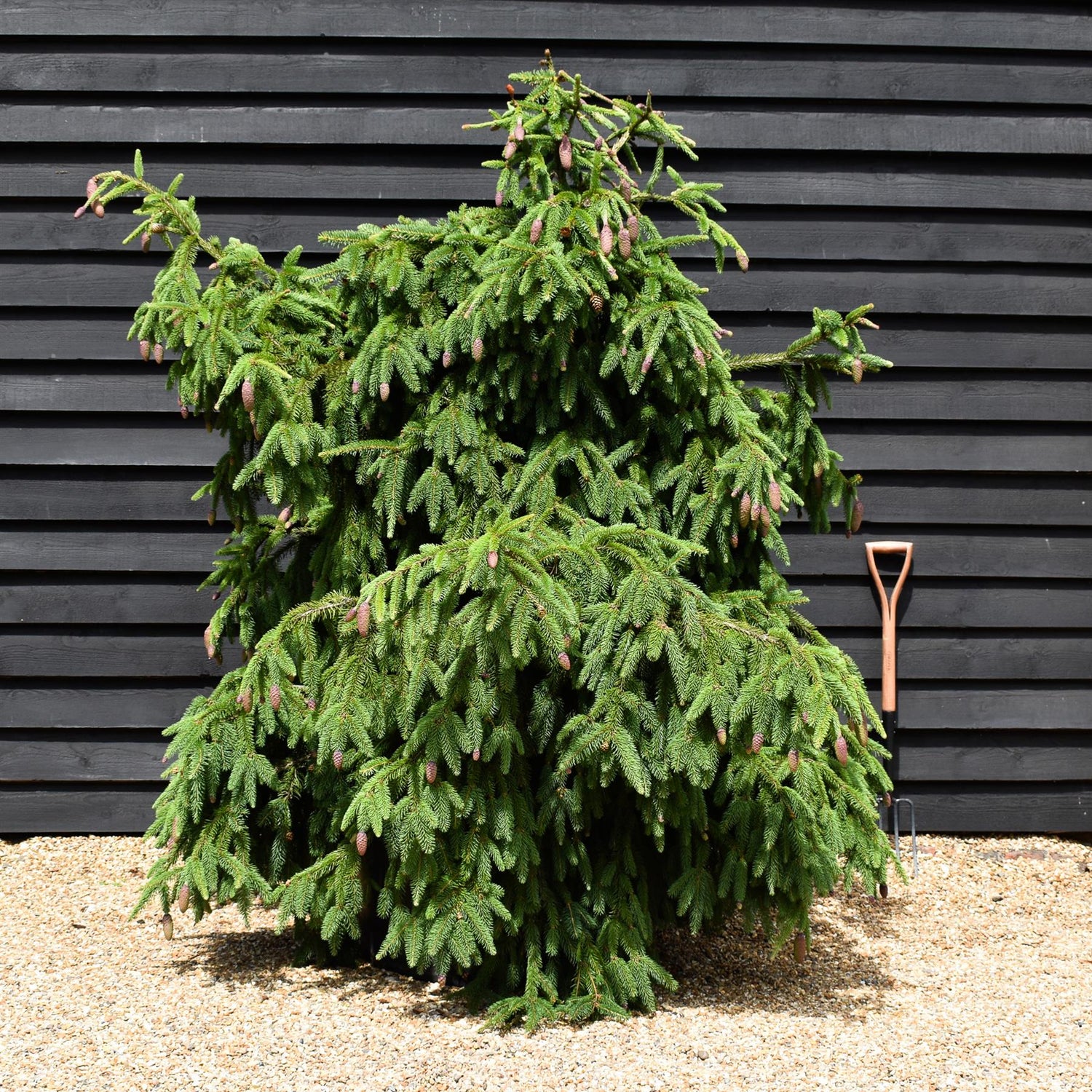


Picea abies 'Acrocona' - Height 160cm - Height to Ground 220cm- 230lt
£2,145.00
Unit price perPicea abies 'Acrocona' - Height 160cm - Height to Ground 220cm- 230lt
£2,145.00
Unit price perPicea abies ‘Acrocona’ is an excellent choice for garden landscapes due to its unique form, ornamental features, and manageable size. This dwarf cultivar of Norway spruce typically grows 10–15 feet tall and wide, making it ideal for smaller gardens or as a focal point in larger spaces. Its irregular, somewhat sprawling shape adds a touch of character and visual interest throughout the year. One of its most striking features is the production of abundant, showy, reddish-purple cones at the ends of branches in spring, which mature to brown and persist through the seasons, offering long-lasting decorative appeal.
‘Acrocona’ thrives in full sun and prefers moist, well-drained, slightly acidic soil. It is hardy and tolerates cold winters and a range of soil types once established. Minimal pruning is required, making it low-maintenance. Due to its moderate growth rate and unique cone display, it is well-suited for rock gardens, specimen plantings, or woodland-themed gardens. Its dense foliage also provides shelter for birds, enhancing biodiversity in the landscape. Overall, Picea abies ‘Acrocona’ combines beauty, hardiness, and versatility, making it a superb addition to many garden styles.


Dwarf Hinoki Cypress | Chamaecyparis obtusa 'Nana Gracilis' -Shrub - Height 40-45cm -7lt
£150.00
Unit price perDwarf Hinoki Cypress | Chamaecyparis obtusa 'Nana Gracilis' -Shrub - Height 40-45cm -7lt
£150.00
Unit price perChamaecyparis obtusa 'Nana Gracilis' is a slow-growing evergreen shrub that belongs to the family Cupressaceae. It is also commonly known as Dwarf Hinoki Cypress. This cultivar is a popular choice for gardeners looking for a low-maintenance plant with a compact growth habit that can fit in smaller gardens or containers.
The 'Nana Gracilis' cultivar has a unique, pyramidal shape that reaches a height of 2-3 feet and a width of 1-2 feet at maturity. Its dense foliage is comprised of delicate, flattened sprays of feathery, blue-green needles that emerge in a tiered arrangement, giving it an elegant and refined look. The foliage of this cultivar emits a distinct, pleasant scent when crushed, which adds to its appeal.
Chamaecyparis obtusa 'Nana Gracilis' thrives in a variety of growing conditions, but prefers moist, well-draining soil with a slightly acidic pH. It is also relatively tolerant of full sun exposure, but will benefit from some protection in hotter climates. This cultivar is known to be relatively disease and pest-resistant, making it a great option for low-maintenance gardens.


Larix decidua 'Little Bogle' | European larch - Height 50-60cm - Width 70cm - 18lt
£143.00
Unit price perLarix decidua 'Little Bogle' | European larch - Height 50-60cm - Width 70cm - 18lt
£143.00
Unit price perLarix decidua 'Little Bogle' is a compact, deciduous conifer tree that is well-suited for small gardens and landscapes. It belongs to the Pinaceae family and is commonly known as the European larch. The 'Little Bogle' cultivar is a dwarf version of the species, reaching a mature height of only 2-3 meters with a spread of 1-1.5 meters. It has a slow to moderate growth rate, making it an excellent choice for gardeners who want a low-maintenance, small tree.
The 'Little Bogle' has a distinctive conical shape with a narrow, upright growth habit. The branches are densely covered with short, bluish-green needles that turn golden-yellow in the fall before dropping. The tree produces small, brown cones that are approximately 2-3cm long and have a papery texture. The cones persist on the tree into the winter months, adding an element of interest to the landscape.
This tree prefers full sun to partial shade and moist, well-drained soil. It is tolerant of a wide range of soil types, including sandy, loamy, and clay soils. However, it does not tolerate waterlogged or poorly drained soil. The 'Little Bogle' is hardy, which makes it suitable for a wide range of climates.
This cultivar is a low-maintenance tree that requires minimal pruning or shaping. It is also resistant to many common diseases and pests, making it a reliable addition to any garden. The tree can be used as a specimen plant or as part of a mixed border. Its compact size makes it an excellent choice for small gardens or urban landscapes, where space is at a premium.
In conclusion, Larix decidua 'Little Bogle' is a beautiful and versatile tree that is well-suited for small gardens and landscapes. Its distinctive conical shape, bluish-green needles, and golden-yellow fall color make it a standout in any garden. It is easy to care for, hardy, and resistant to pests and diseases, making it an excellent choice for both novice and experienced gardeners alike.


Cotoneaster 'Cornubia' - 160-200cm, 10lt
£80.00
Unit price perCotoneaster 'Cornubia' - 160-200cm, 10lt
£80.00
Unit price per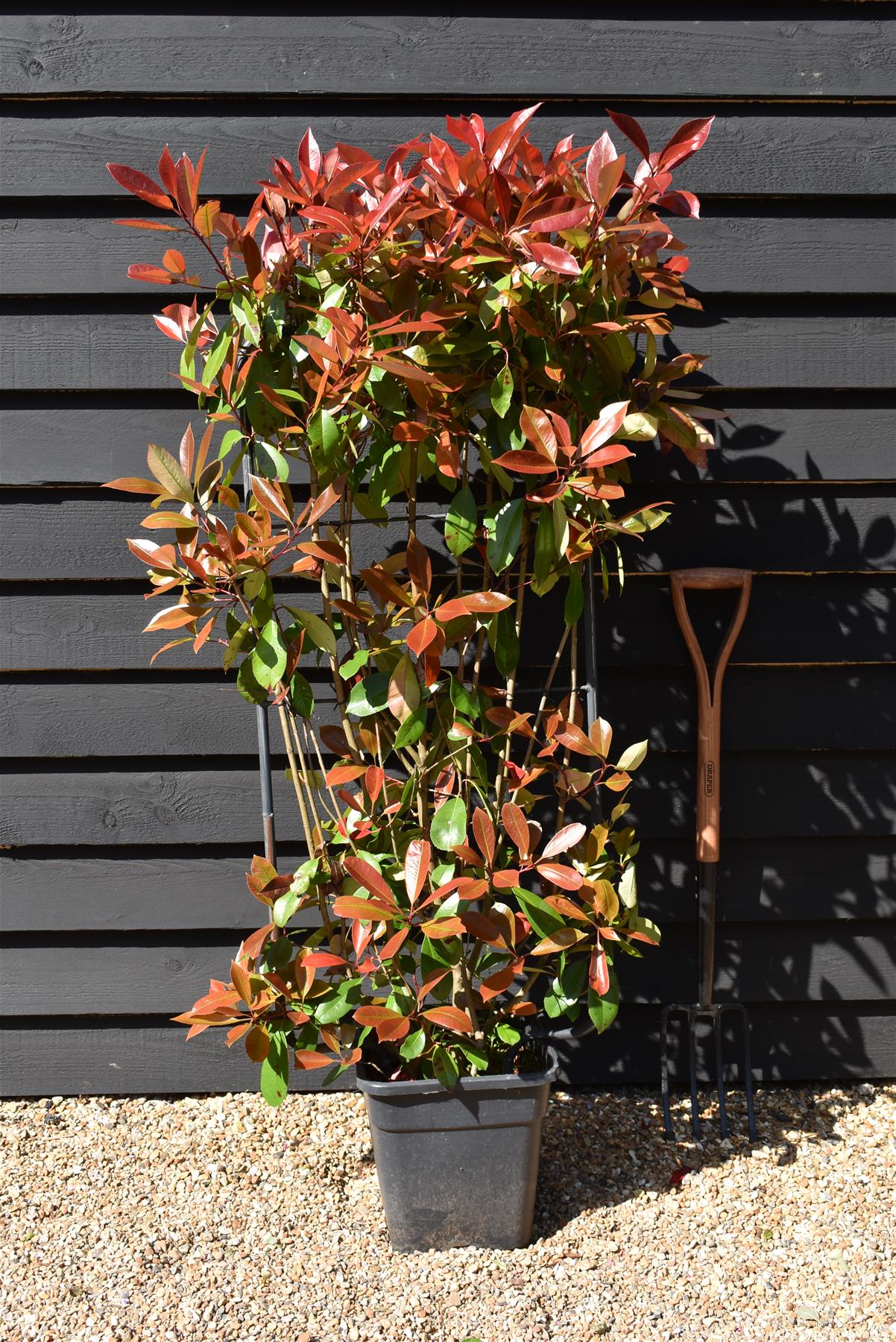
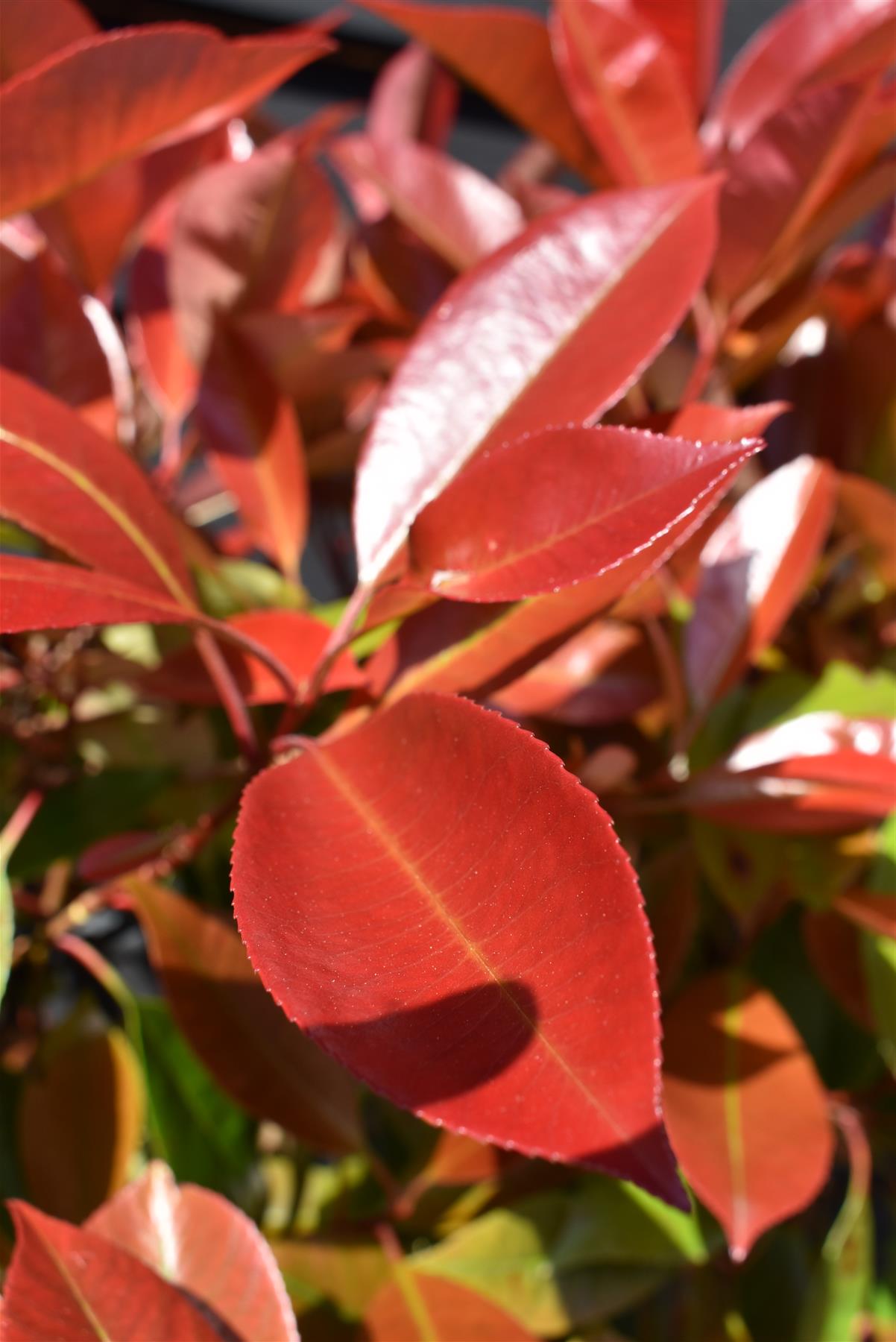
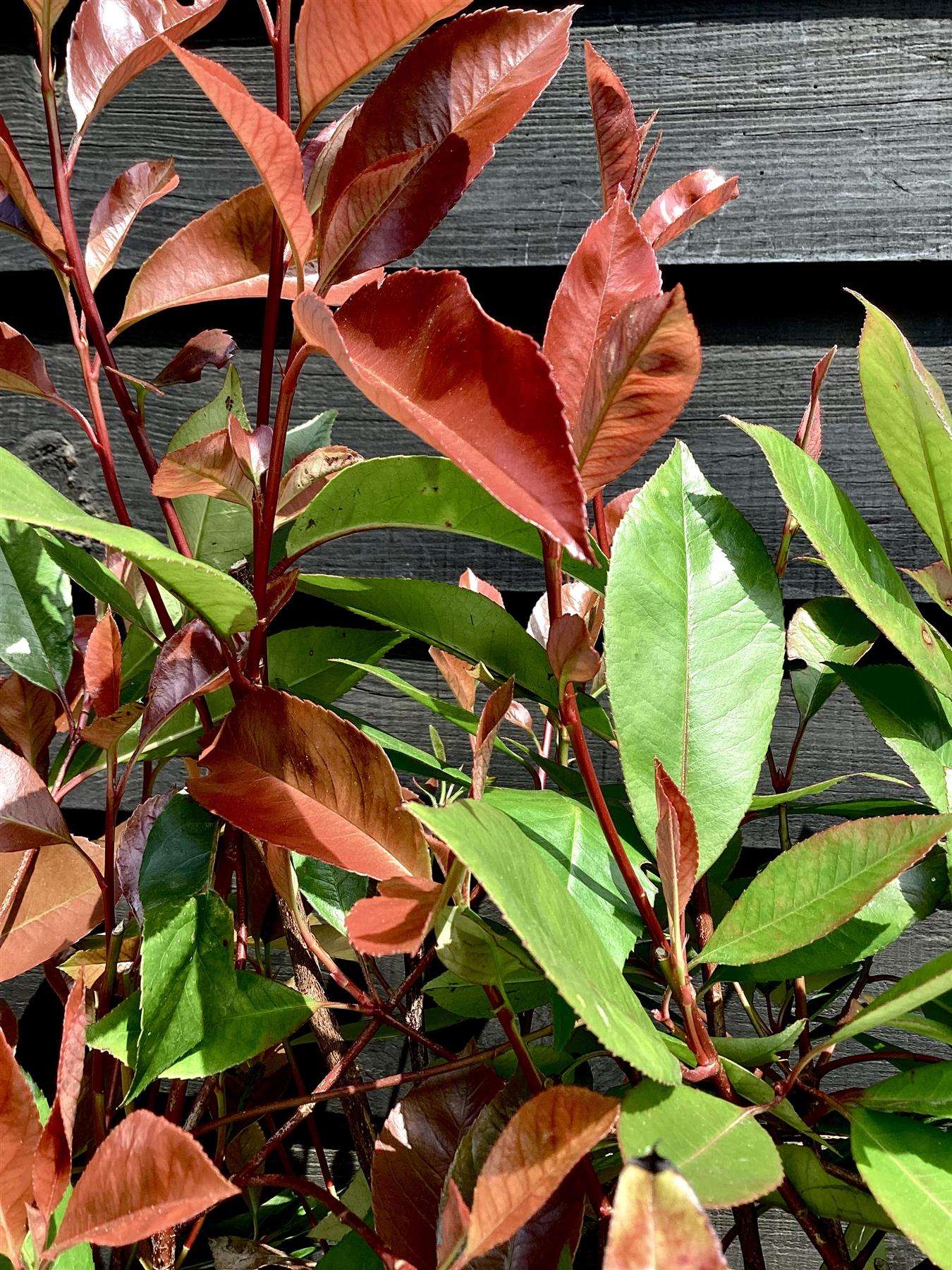
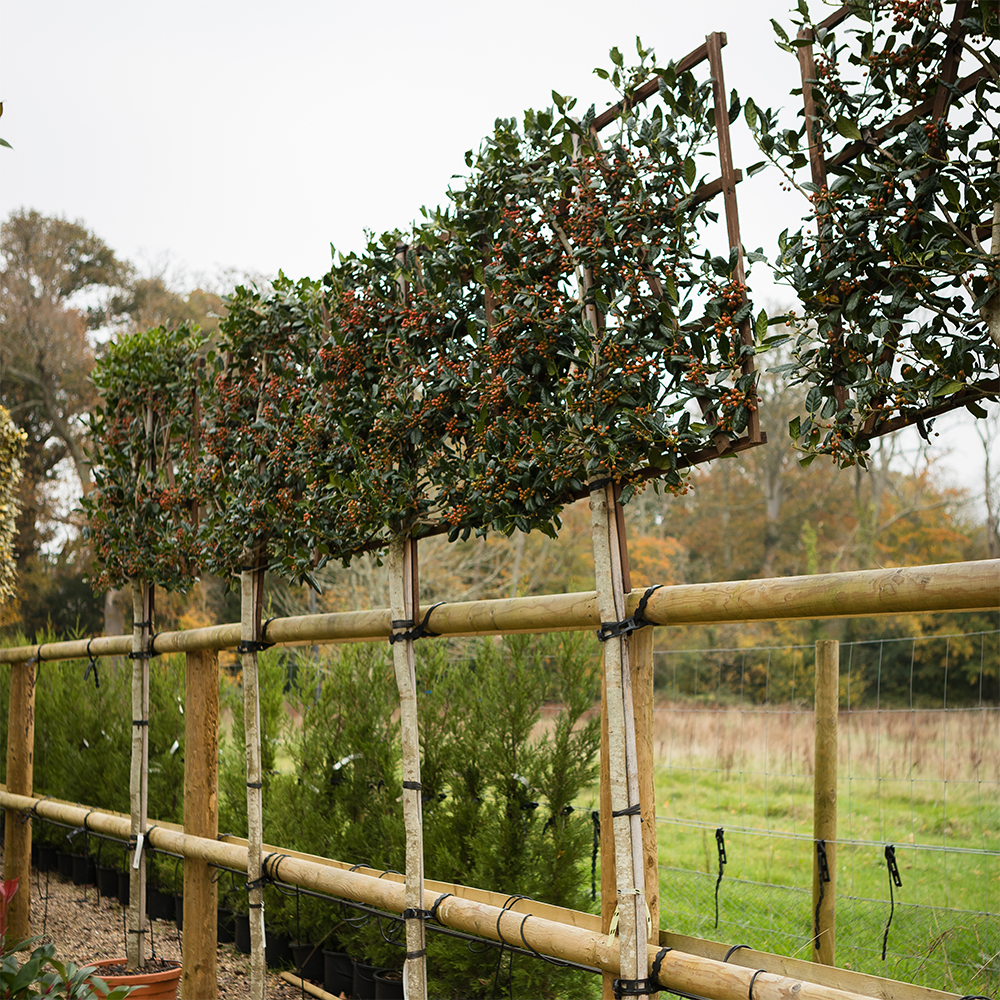
Photinia Red Robin | Christmas berry 'Little Red Robin' - Frame - 140-150cm, 18lt
£119.00
Unit price perPhotinia Red Robin | Christmas berry 'Little Red Robin' - Frame - 140-150cm, 18lt
£119.00
Unit price per