

-
Trees
Trees
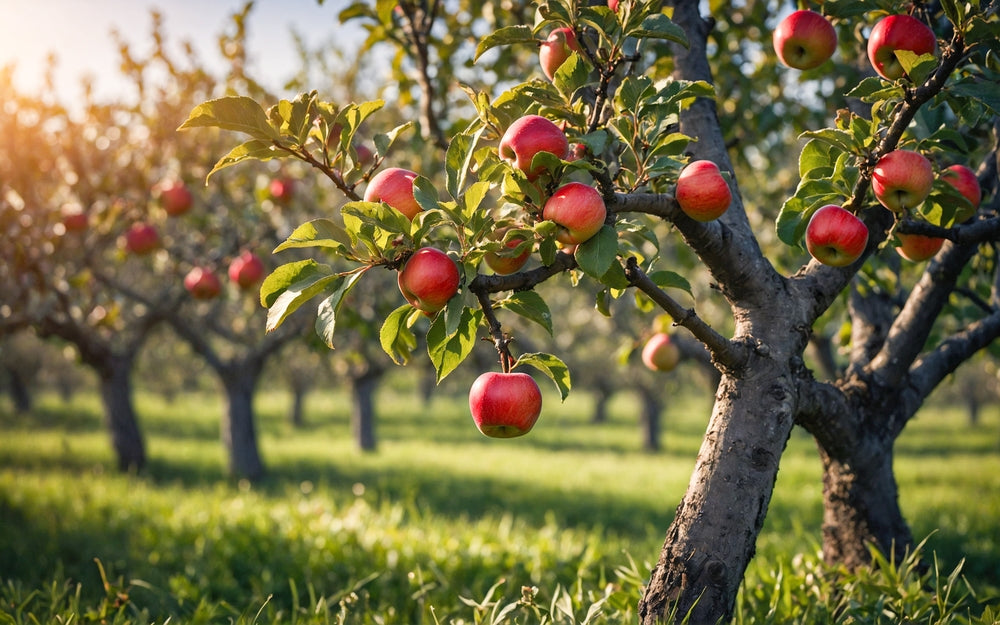 Fruit Trees
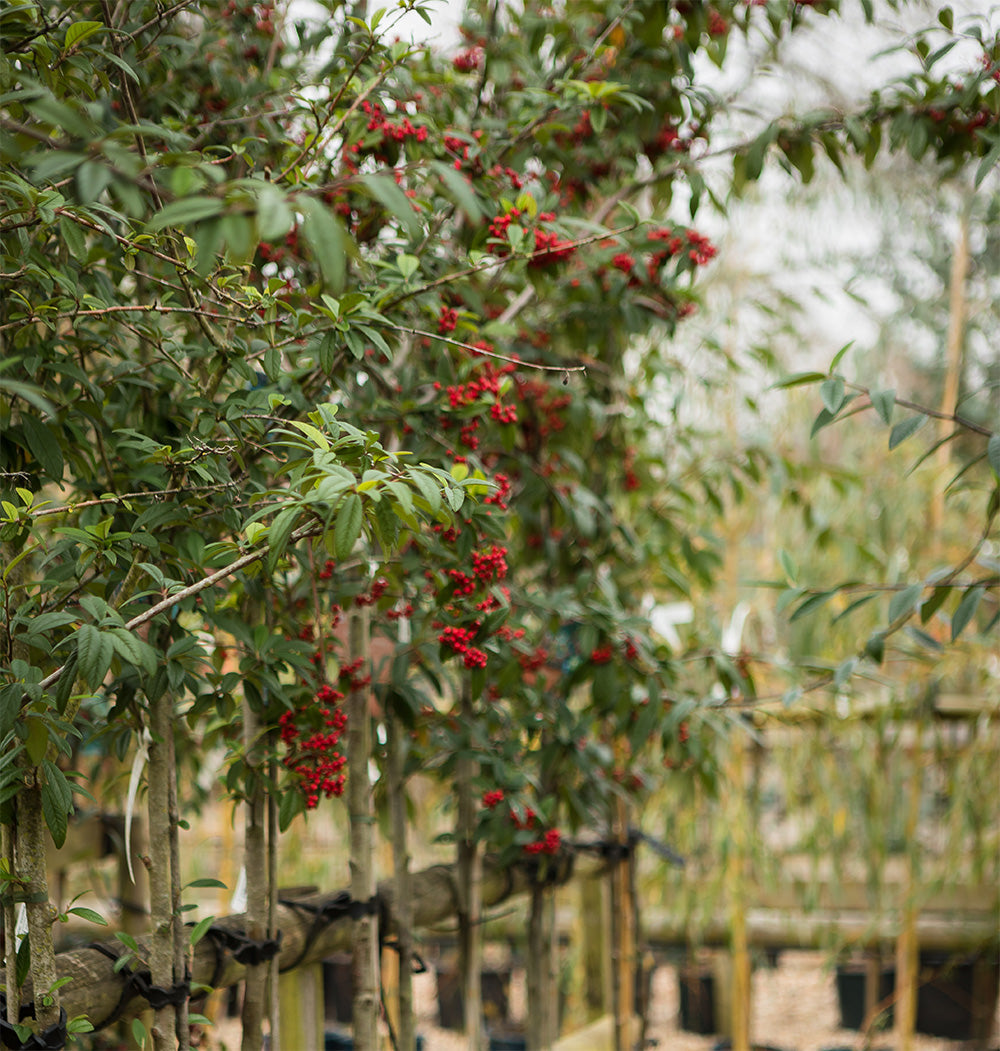 Ornamental
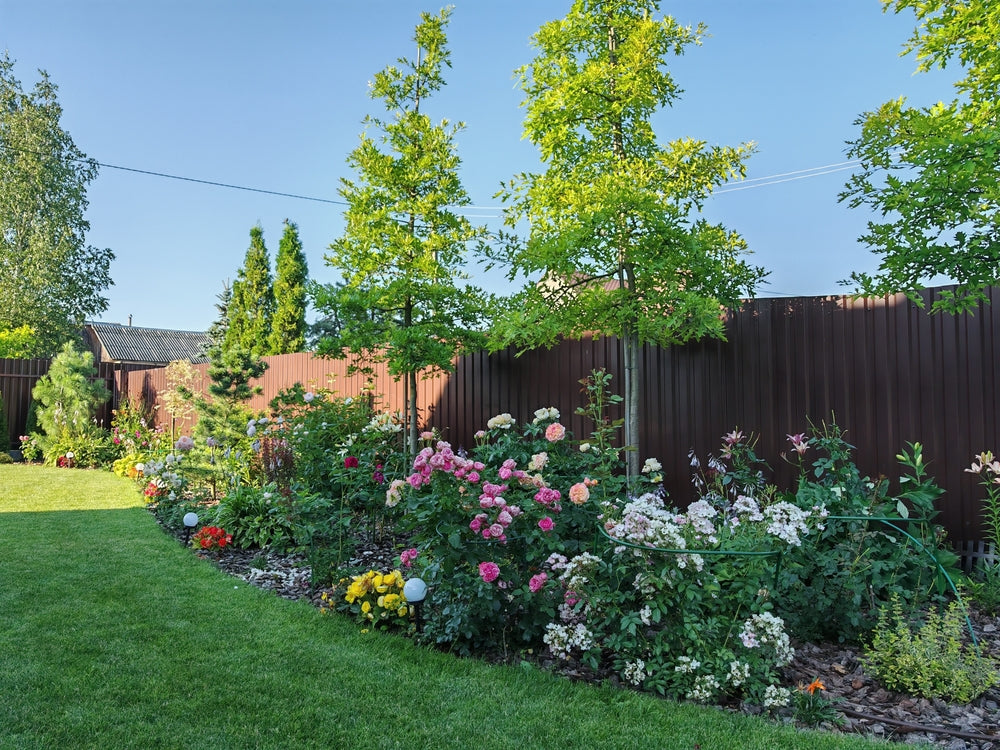 Screening
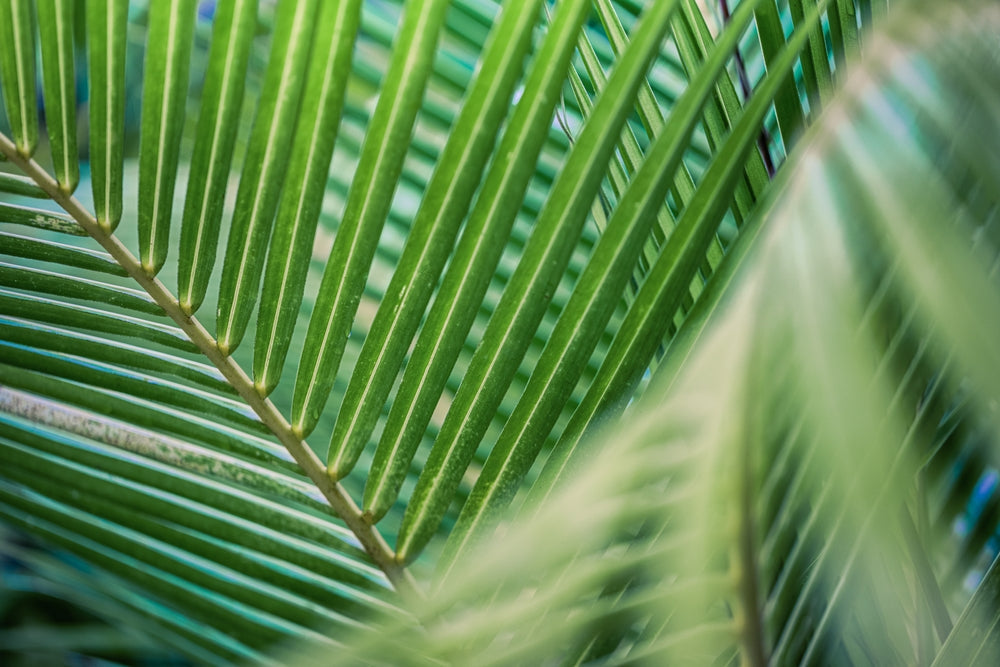 Palms
By FeaturesBy Shape
-
Shrubs
Shrubs
 Large shrubs
 Hedging
 Bamboo
 Climbers
 Flowering
 Grasses & Ferns
 Popular
-
Pines & Conifers
Pines & Conifers
 Pines
 Spruce & Fir
 Cypress
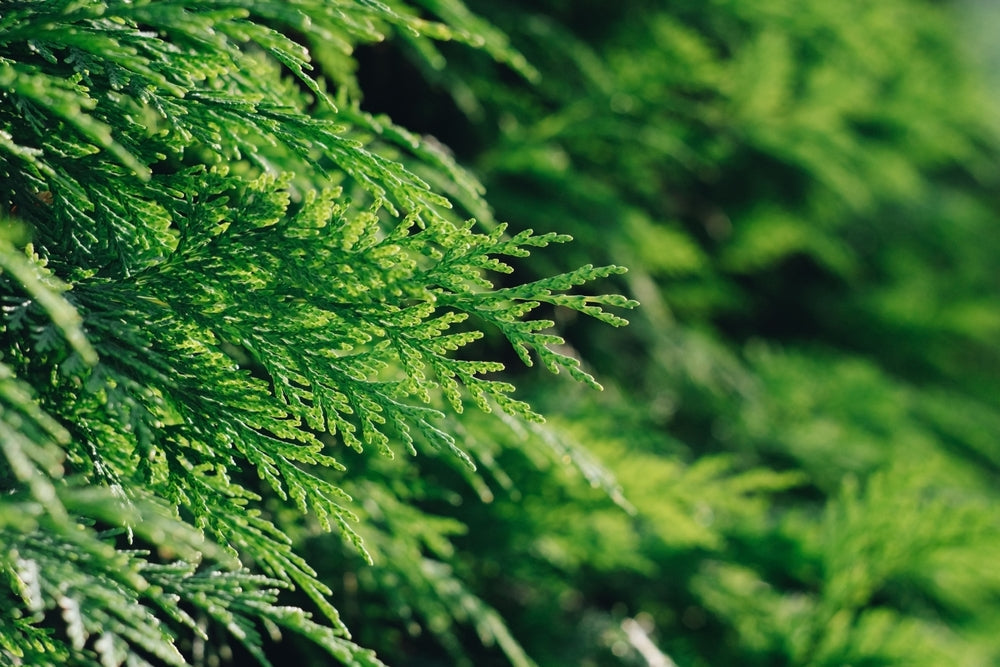 Thuja
 Redwood | Sequoia
-
Specimen




FREE DELIVERY OVER £350
Search results
Search results


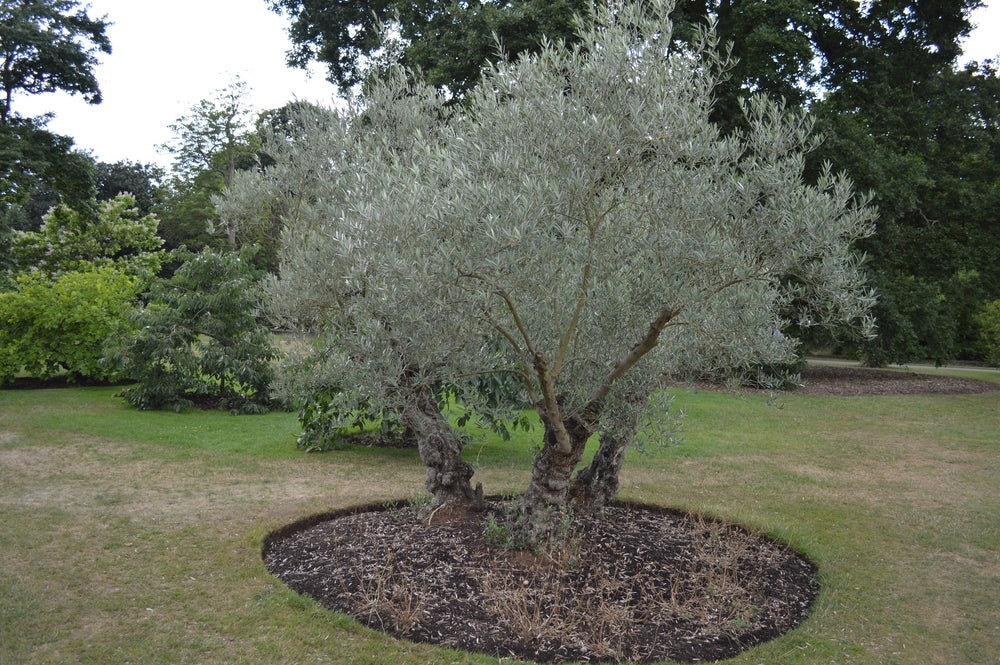
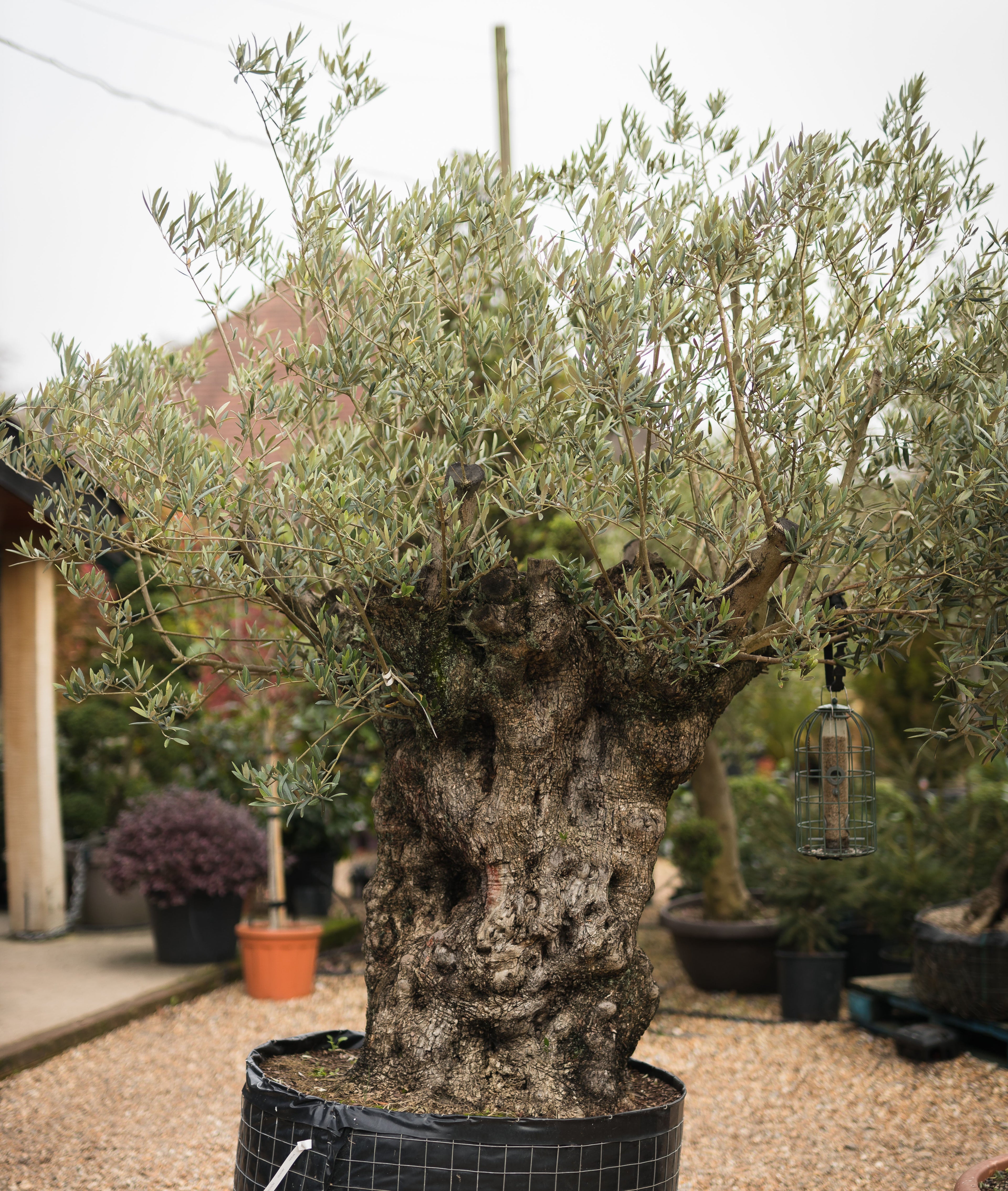
Olive Tree |Olea Europea - Specimen - Straight double branch - Trunk height 80cm - Height 200cm - Girth 56cm - 160lt
£890.00
Unit price perOlive Tree |Olea Europea - Specimen - Straight double branch - Trunk height 80cm - Height 200cm - Girth 56cm - 160lt
£890.00
Unit price per


Olive Tree | Olea Europea - Specimen 6 - Triple Branched - Height 250-300 cm - 280lt
£1,290.00
Unit price perOlive Tree | Olea Europea - Specimen 6 - Triple Branched - Height 250-300 cm - 280lt
£1,290.00
Unit price perOlea Europea is one of the world’s oldest cultivated plants with Mediterranean origin. It’s a wonderful, slow-growing, long-lived, evergreen tree of very attractive habit and spreading crown, with gnarled, twisted trunk and silvery foliage. The elliptic leaves are grey-green, silvery underneath. Tiny, fragrant, white flowers are followed by small, olive-rich, plum-like fruits, harvested when they are green or purple. Fruits are not edible directly from the tree, but after a special treatment. Common Olive grows best in fertile, loamy, moist, well-drained soils, in full sun, but can tolerate partial shade. Once established, it is drought-tolerant. It thrives in warm climates. If grown in colder areas, it should be planted in containers and brought inside during the winter. Generally, disease-free. Olea Europea is mostly grown for its tasteful fruits, but it is also an attractive-looking addition to urban, coastal, Mediterranean, or rock and gravel gardens. It is suitable for growing in pots and containers.


Olive Tree | Olea Europea - Spiral Topiary - Height 220-230 cm - 55lt
£580.00
Unit price perOlive Tree | Olea Europea - Spiral Topiary - Height 220-230 cm - 55lt
£580.00
Unit price perA spiral olive topiary tree, standing at an impressive height of 220-230 cm, is a striking and sophisticated addition to any garden, patio, or entranceway. Its elegantly twisted form showcases meticulous pruning, creating a captivating spiral shape that highlights the tree’s natural evergreen beauty. The silvery-green, narrow leaves contrast beautifully with the textured, gnarled trunk, evoking a classic Mediterranean aesthetic. This topiary thrives in full sun and well-drained soil, offering drought tolerance and year-round interest. Ideal as a statement piece, it works well in both contemporary and traditional garden designs. Regular, light pruning maintains its defined shape, while its moderate growth rate ensures long-lasting structural appeal. Perfect for framing doorways, enhancing pathways, or serving as a focal point.


Olive Tree | Olea Europea - Specimen - Straight - Trunk height 60cm - Height 190cm - Girth 55cm - 160lt
£890.00
Unit price perOlive Tree | Olea Europea - Specimen - Straight - Trunk height 60cm - Height 190cm - Girth 55cm - 160lt
£890.00
Unit price per


Olive Tree | Olea Europea - Specimen - Leaning gnarly - Trunk height 110cm - Height 200-220cm - Girth 70cm -160lt
£890.00
Unit price perOlive Tree | Olea Europea - Specimen - Leaning gnarly - Trunk height 110cm - Height 200-220cm - Girth 70cm -160lt
£890.00
Unit price per


Olive Tree | Olea Picual - Specimen 25A - Triple branch - Height 270-290 cm - 375lt
£3,150.00
Unit price perOlive Tree | Olea Picual - Specimen 25A - Triple branch - Height 270-290 cm - 375lt
£3,150.00
Unit price perThis specimen has a gnarly trunk which forks into a neat two branched tree with heavy top. Amount of foliage may vary depending on the season and pruning requirement.
Olea Europea is one of the world’s oldest cultivated plants with Mediterranean origin. It’s a wonderful, slow-growing, long-lived, evergreen tree of very attractive habit and spreading crown, with gnarled, twisted trunk and silvery foliage. The elliptic leaves are grey-green, silvery underneath. Tiny, fragrant, white flowers are followed by small, olive-rich, plum-like fruits, harvested when they are green or purple. Fruits are not edible directly from the tree, but after a special treatment. Common Olive grows best in fertile, loamy, moist, well-drained soils, in full sun, but can tolerate partial shade. Once established, it is drought-tolerant. It thrives in warm climates. If grown in colder areas, it should be planted in containers and brought inside during the winter. Generally, disease-free. Olea Europea is mostly grown for its tasteful fruits, but it is also an attractive-looking addition to urban, coastal, Mediterranean, or rock and gravel gardens. It is suitable for growing in pots and containers.


Olive Tree | Olea Europea - Specimen - Trunk height 120cm - Height 220-250cm - Girth 70cm - Leaning gnarly - 160lt
£995.00
Unit price perOlive Tree | Olea Europea - Specimen - Trunk height 120cm - Height 220-250cm - Girth 70cm - Leaning gnarly - 160lt
£995.00
Unit price per


Olive Tree | Olea Europea - Mature Old - Girth 63cm - 225-235cm, 160lt
£890.00
Unit price perOlive Tree | Olea Europea - Mature Old - Girth 63cm - 225-235cm, 160lt
£890.00
Unit price per


Olive Tree | Olea Europea - Specimen - Leaning gnarly - Trunk height 80cm - Height 180-200cm - Girth 115cm - 240lt
£1,500.00
Unit price perOlive Tree | Olea Europea - Specimen - Leaning gnarly - Trunk height 80cm - Height 180-200cm - Girth 115cm - 240lt
£1,500.00
Unit price per


Elaeagnus angustifolia | Bohemian oleaster tree - Girth 36cm - Height 400-450cm - 230lt
£1,350.00
Unit price perElaeagnus angustifolia | Bohemian oleaster tree - Girth 36cm - Height 400-450cm - 230lt
£1,350.00
Unit price perElaeagnus angustifolia, commonly known as the Russian olive or silverberry tree, is a deciduous tree native to Eurasia that has been widely introduced to other parts of the world as an ornamental plant and for erosion control.
The tree can reach up to 30 feet (9 meters) in height and has a rounded, spreading canopy with silvery-gray branches and leaves that are dark green above and silvery-gray beneath. The leaves are lance-shaped and have a wavy margin, growing up to 4 inches (10 cm) long.
The tree produces fragrant, small, yellow flowers in the spring, which are followed by small, oval-shaped fruits that mature in the fall. The fruit is edible and has a sweet and tart flavor, often used for making jellies or jams.
Elaeagnus angustifolia is a hardy and adaptable tree that can tolerate a wide range of growing conditions, including drought, salt spray, and poor soil. It is often used for windbreaks, erosion control, and as an ornamental tree in parks and gardens. However, it can also be considered invasive in some regions, particularly in North America, where it has escaped cultivation and can outcompete native plants.


Hoary willow | Salix elaeagnos - Height 60-80cm Width 100-140cm - 10lt
£50.00
Unit price perHoary willow | Salix elaeagnos - Height 60-80cm Width 100-140cm - 10lt
£50.00
Unit price per


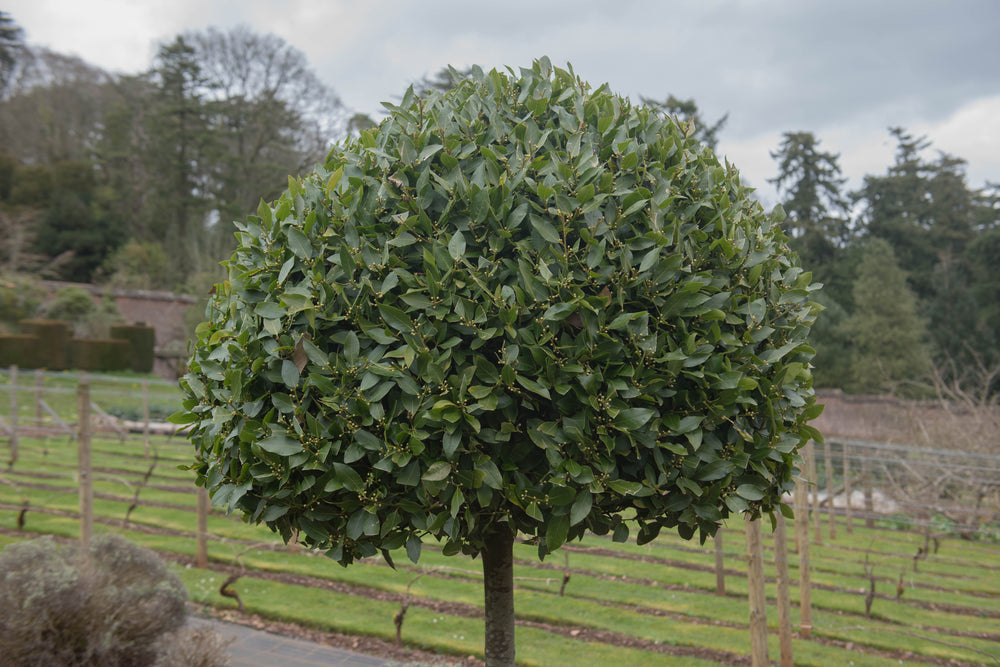
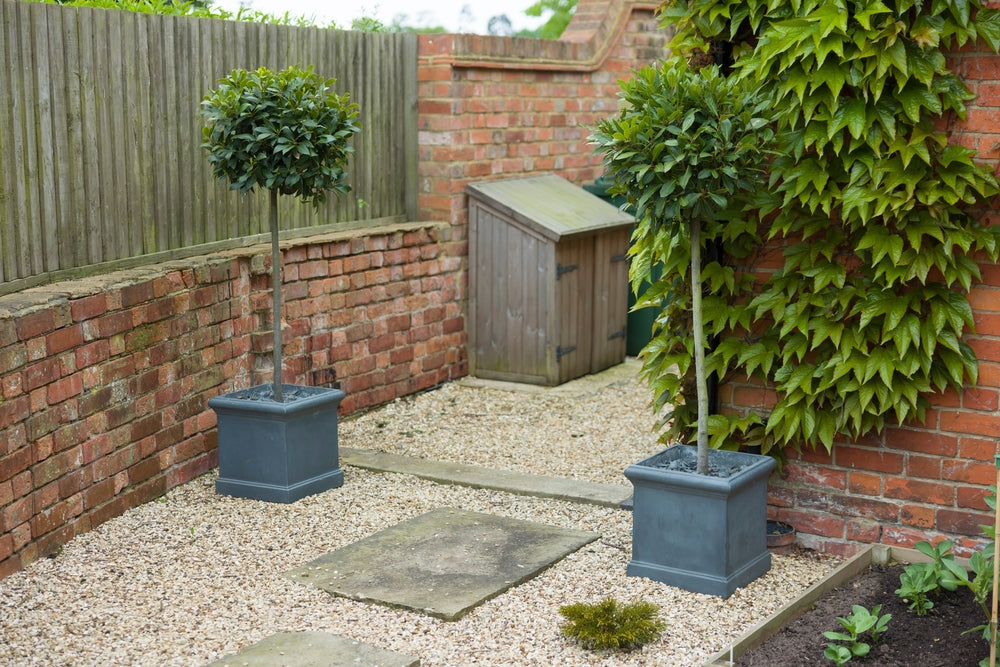
Laurus Nobilis - Clear Stem (65cm)| Bay laurel tree - Height 130-135cm - 18lt
£105.00
Unit price perLaurus Nobilis - Clear Stem (65cm)| Bay laurel tree - Height 130-135cm - 18lt
£105.00
Unit price per


Syringa Vulgaris | Lilac Flowers - Shrub -Half Standard - Clear Stem 90cm - Height 300-310cm - 45lt
£385.00
Unit price perSyringa Vulgaris | Lilac Flowers - Shrub -Half Standard - Clear Stem 90cm - Height 300-310cm - 45lt
£385.00
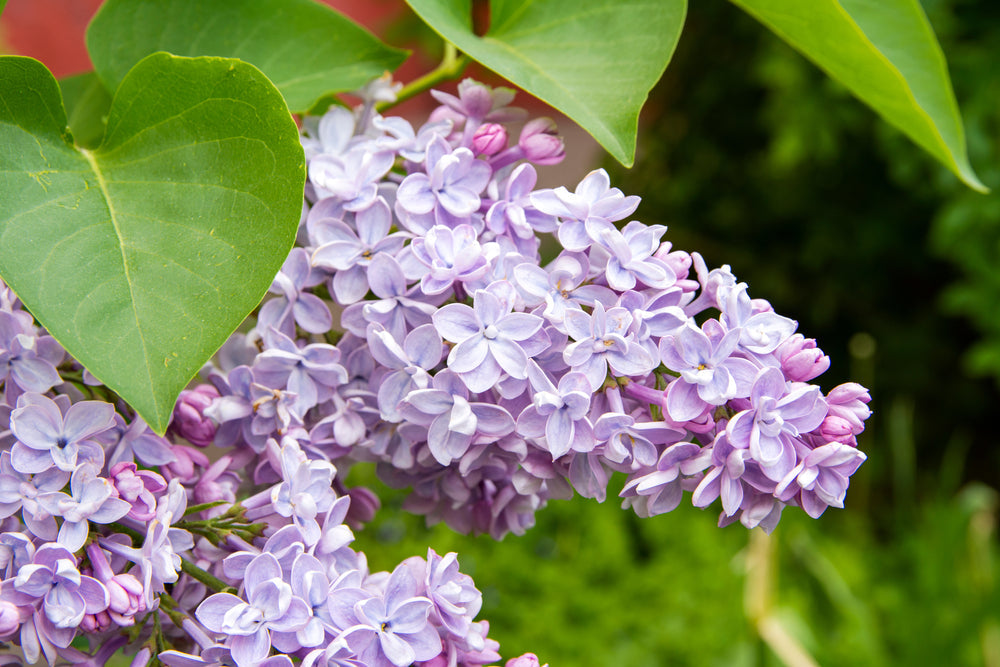
Unit price perThe Syringa vulgaris, commonly known as the common lilac, is a deciduous shrub belonging to the Oleaceae (olive) family. Native to the Balkan Peninsula, it has been widely cultivated across Europe and North America for its fragrant, showy blossoms and ornamental appeal.
Growing to an average height of 4–6 metres (13–20 feet), Syringa vulgaris forms a dense, multi-stemmed thicket with an upright, spreading habit. Its dark green, ovate leaves are simple and arranged oppositely along the stems, providing lush foliage that remains attractive throughout the growing season.
The plant is best known for its spectacular blooms, which appear in mid to late spring. The conical panicles, measuring 10–20 cm (4–8 inches) long, consist of small, tubular flowers. The flowers are highly fragrant, making them a favourite for gardens and floral arrangements.
Thriving in temperate climates, Syringa vulgaris prefers well-drained, neutral to slightly alkaline soil and full sun for optimal blooming. It is cold-hardy and can withstand harsh winters, making it a popular choice for northern regions.
Historically, lilacs have symbolised love, renewal, and nostalgia, and they are often planted in cottage gardens, hedgerows, and public parks. They attract pollinators, such as butterflies and bees, while being relatively pest-resistant.


Pittosporum tenuifolium 'Glo Ball' - Height 30-40cm - 5lt
£24.00
Unit price perPittosporum tenuifolium 'Glo Ball' - Height 30-40cm - 5lt
£24.00
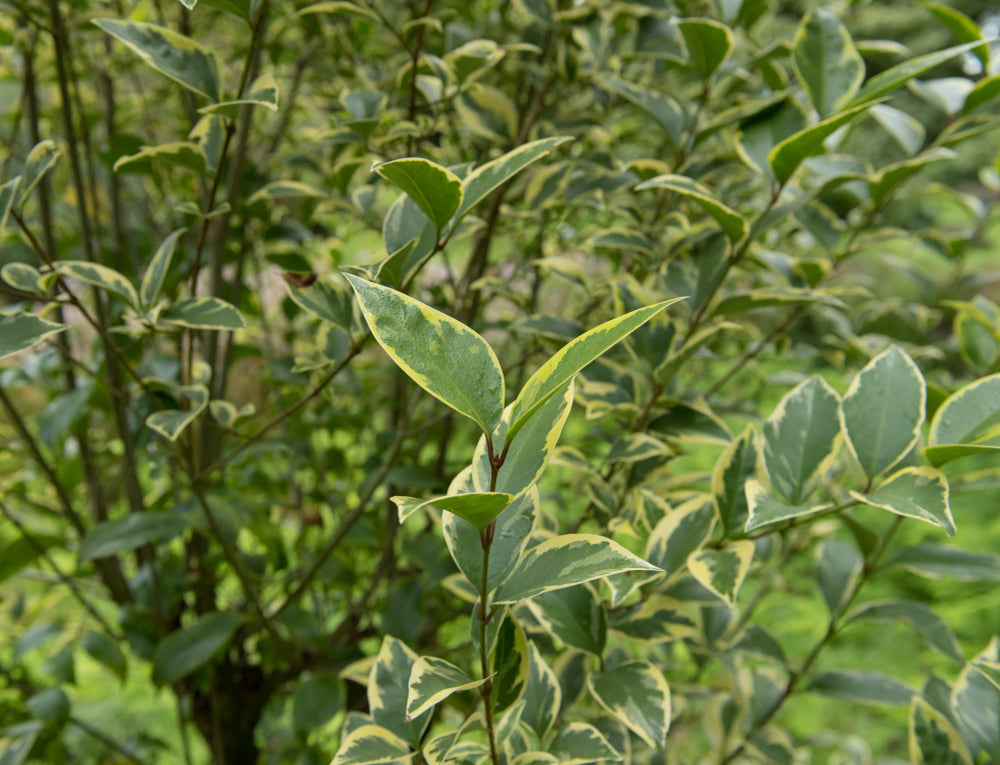
Unit price perPittosporum tenuifolium 'Glo Ball' is a delightful and compact evergreen shrub, cherished for its unique and eye-catching ornamental features. Hailing from the Pittosporum genus, this cultivar is known for its striking spherical shape, which sets it apart from other members of the species.
This shrub's botanical name, Pittosporum tenuifolium, gives a nod to its slender, narrow leaves ('tenuifolium' referring to "thin leaves"), which are glossy, small olive green leaves with a creamy - yellow margin. These foliage characteristics lend a touch of elegance to any garden or landscape.
'Glo Ball' is truly distinctive due to its compact, rounded form, which resembles a perfectly manicured green globe. Its dense growth habit makes it an ideal choice for hedges, borders, or as an attractive stand-alone specimen plant. This rounded shape is easily maintained with light pruning to help it retain its appealing spherical appearance.
In spring, 'Glo Ball' surprises with tiny, inconspicuous maroon flowers that release a subtle, sweet fragrance. These blooms, while not showy, attract pollinators and add an extra layer of charm to the shrub.
One of the key advantages of Pittosporum tenuifolium 'Glo Ball' is its adaptability to a range of soil types and its ability to thrive in both full sun and partial shade, making it suitable for various garden settings. Its hardy nature also makes it relatively low-maintenance, requiring minimal attention once established.


Syringa Vulgaris | Lilac - Shrub -Half Standard - Clear Stem 90cm - Height 220-240cm - 45lt
£385.00
Unit price perSyringa Vulgaris | Lilac - Shrub -Half Standard - Clear Stem 90cm - Height 220-240cm - 45lt
£385.00
Unit price perThe Syringa vulgaris, commonly known as the common lilac, is a deciduous shrub belonging to the Oleaceae (olive) family. Native to the Balkan Peninsula, it has been widely cultivated across Europe and North America for its fragrant, showy blossoms and ornamental appeal.
Growing to an average height of 4–6 metres (13–20 feet), Syringa vulgaris forms a dense, multi-stemmed thicket with an upright, spreading habit. Its dark green, ovate leaves are simple and arranged oppositely along the stems, providing lush foliage that remains attractive throughout the growing season.
The plant is best known for its spectacular blooms, which appear in mid to late spring. The conical panicles, measuring 10–20 cm (4–8 inches) long, consist of small, tubular flowers. The flowers are highly fragrant, making them a favourite for gardens and floral arrangements.
Thriving in temperate climates, Syringa vulgaris prefers well-drained, neutral to slightly alkaline soil and full sun for optimal blooming. It is cold-hardy and can withstand harsh winters, making it a popular choice for northern regions.
Historically, lilacs have symbolised love, renewal, and nostalgia, and they are often planted in cottage gardens, hedgerows, and public parks. They attract pollinators, such as butterflies and bees, while being relatively pest-resistant.


Phyllostachys nigra | Black Bamboo - 350-400cm, 110lt
£365.00
Unit price perPhyllostachys nigra | Black Bamboo - 350-400cm, 110lt
£365.00
Unit price per