

-
Trees
Trees
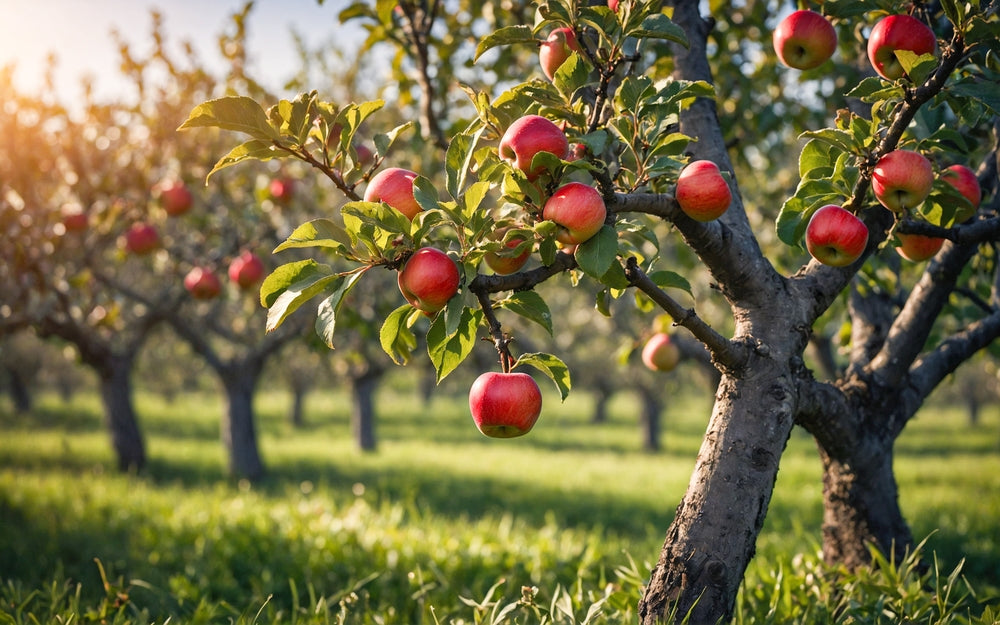 Fruit Trees
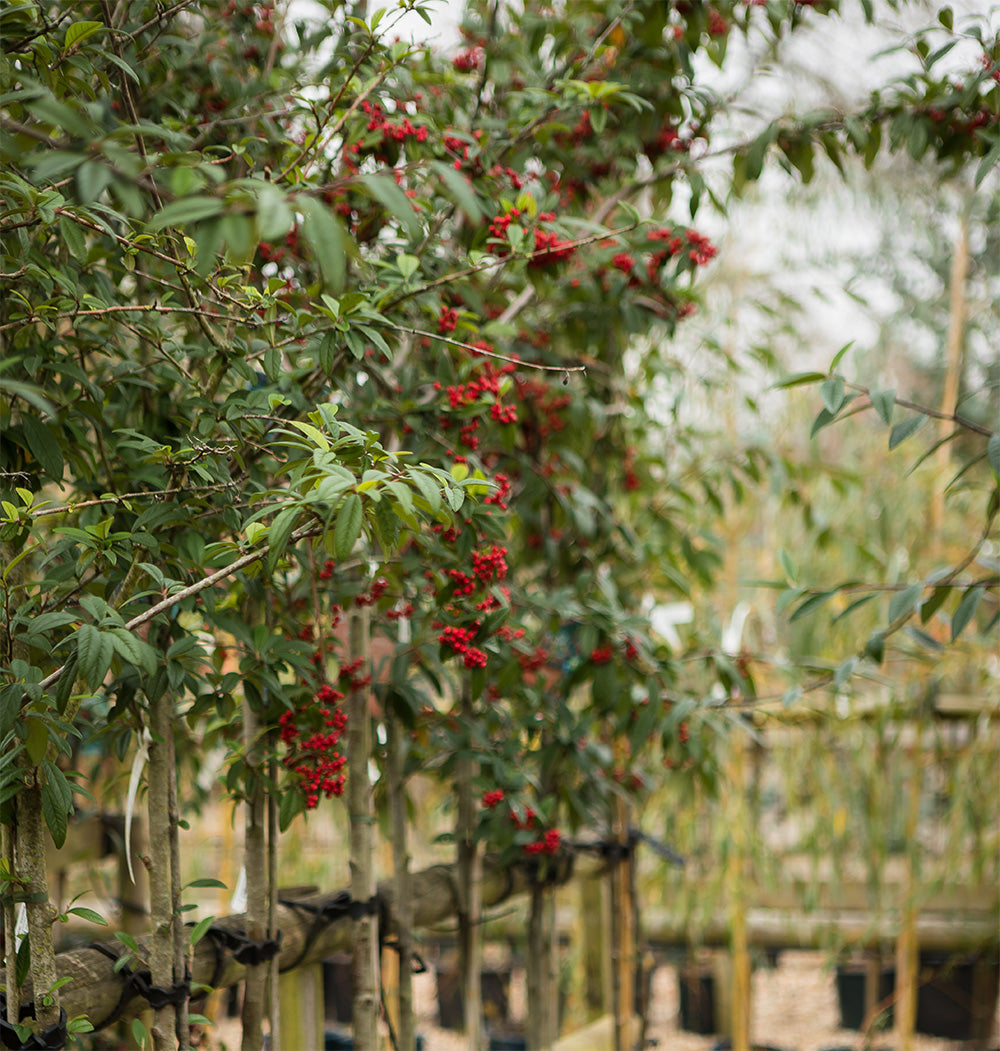 Ornamental
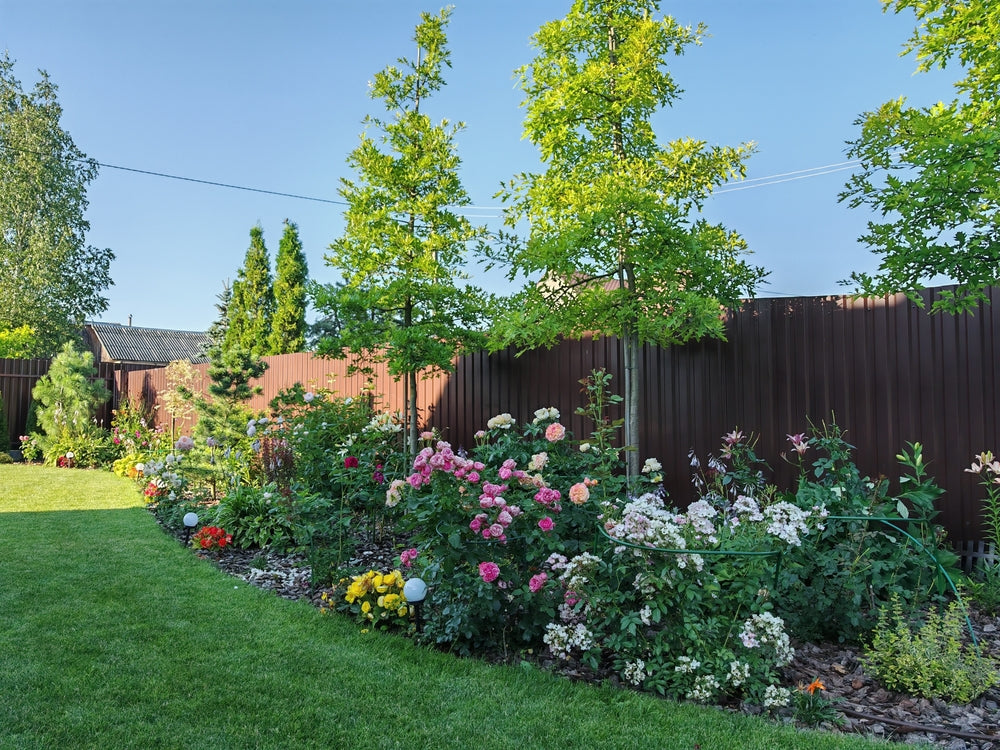 Screening
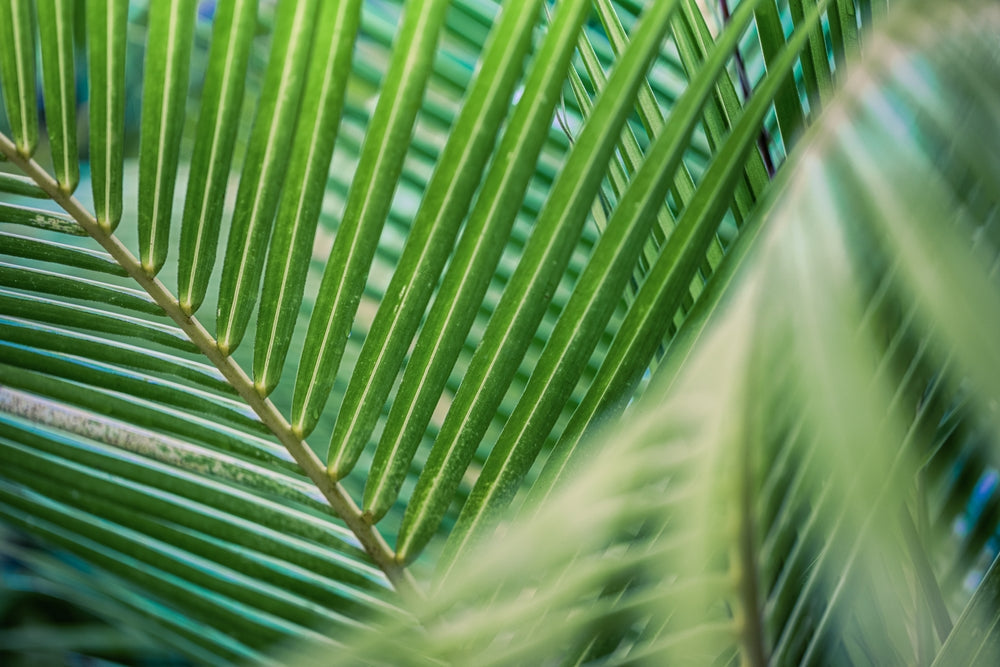 Palms
By FeaturesBy Shape
Palms
By FeaturesBy Shape -
Shrubs
Shrubs
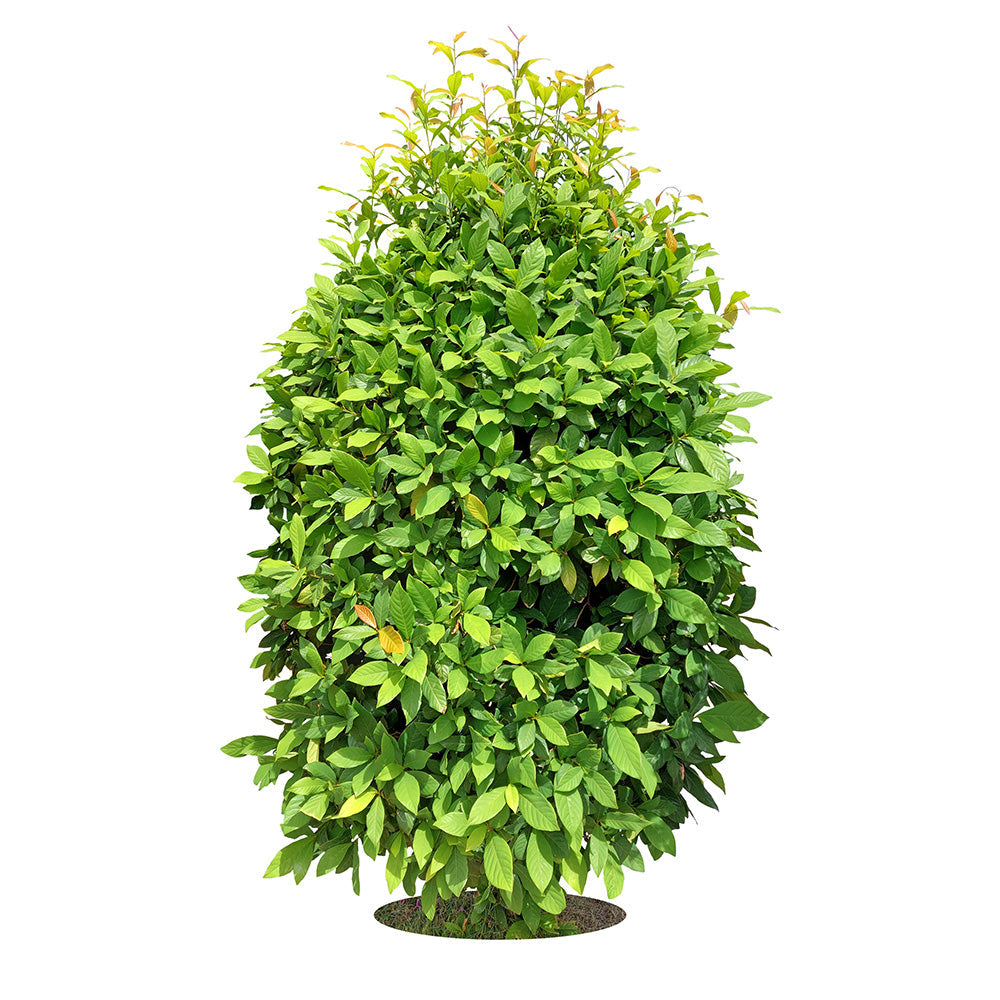 Large shrubs
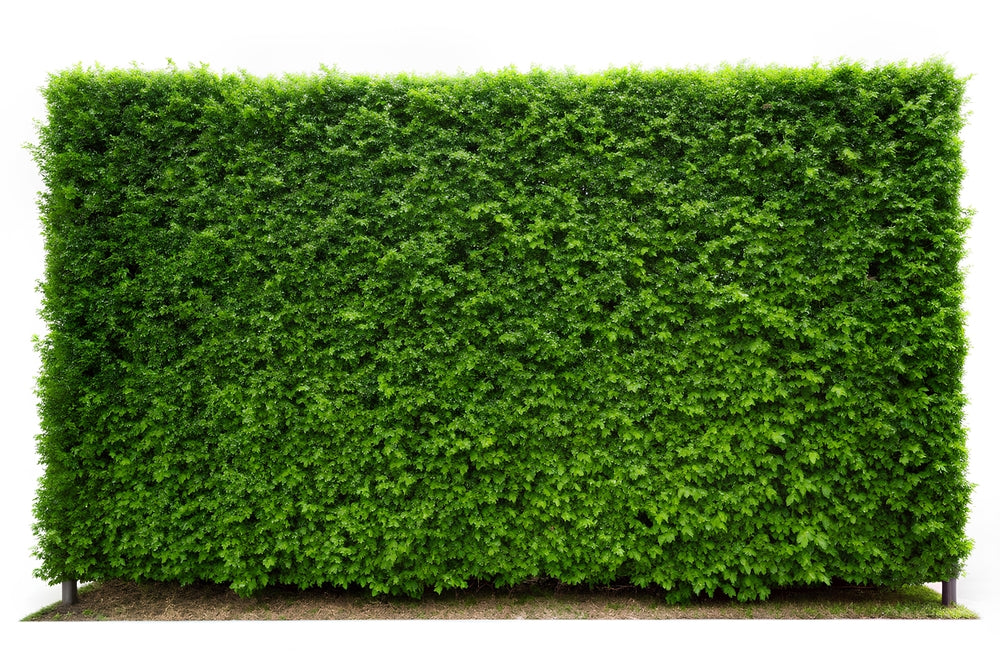 Hedging
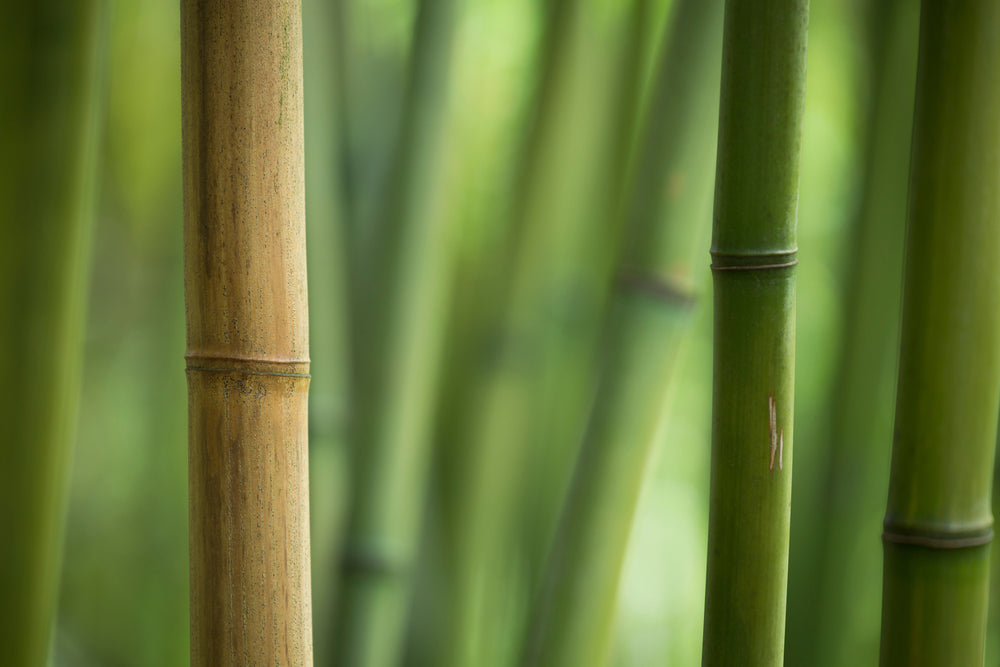 Bamboo
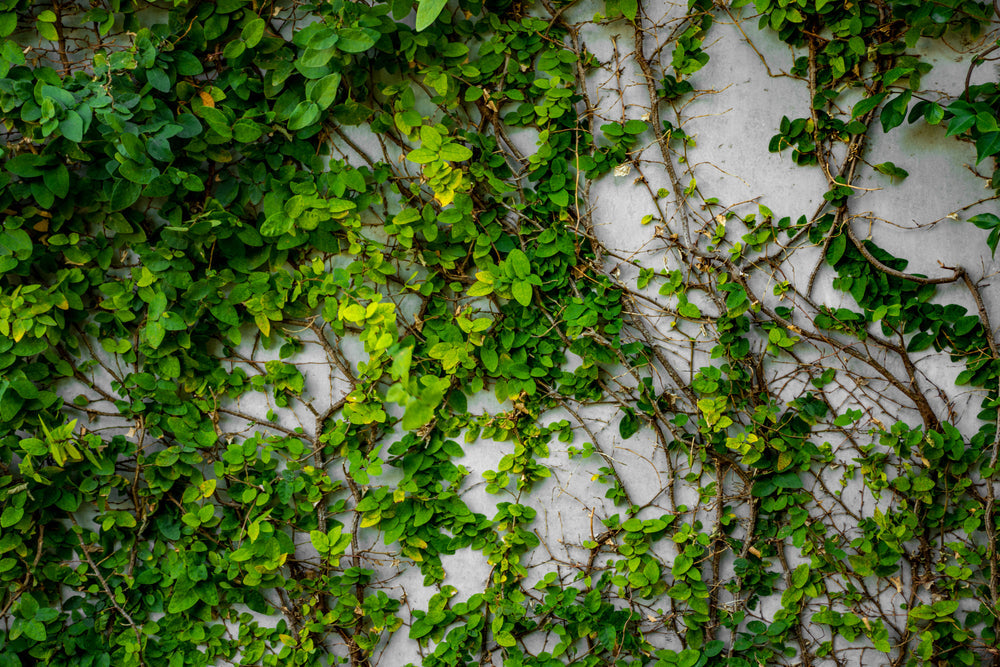 Climbers
 Flowering
 Grasses & Ferns
 Popular
-
Pines & Conifers
Pines & Conifers
 Pines
Pines
 Spruce & Fir
 Cypress
 Thuja
Thuja
 Redwood | Sequoia
-
Specimen
FREE DELIVERY OVER £350
Search results
Search results
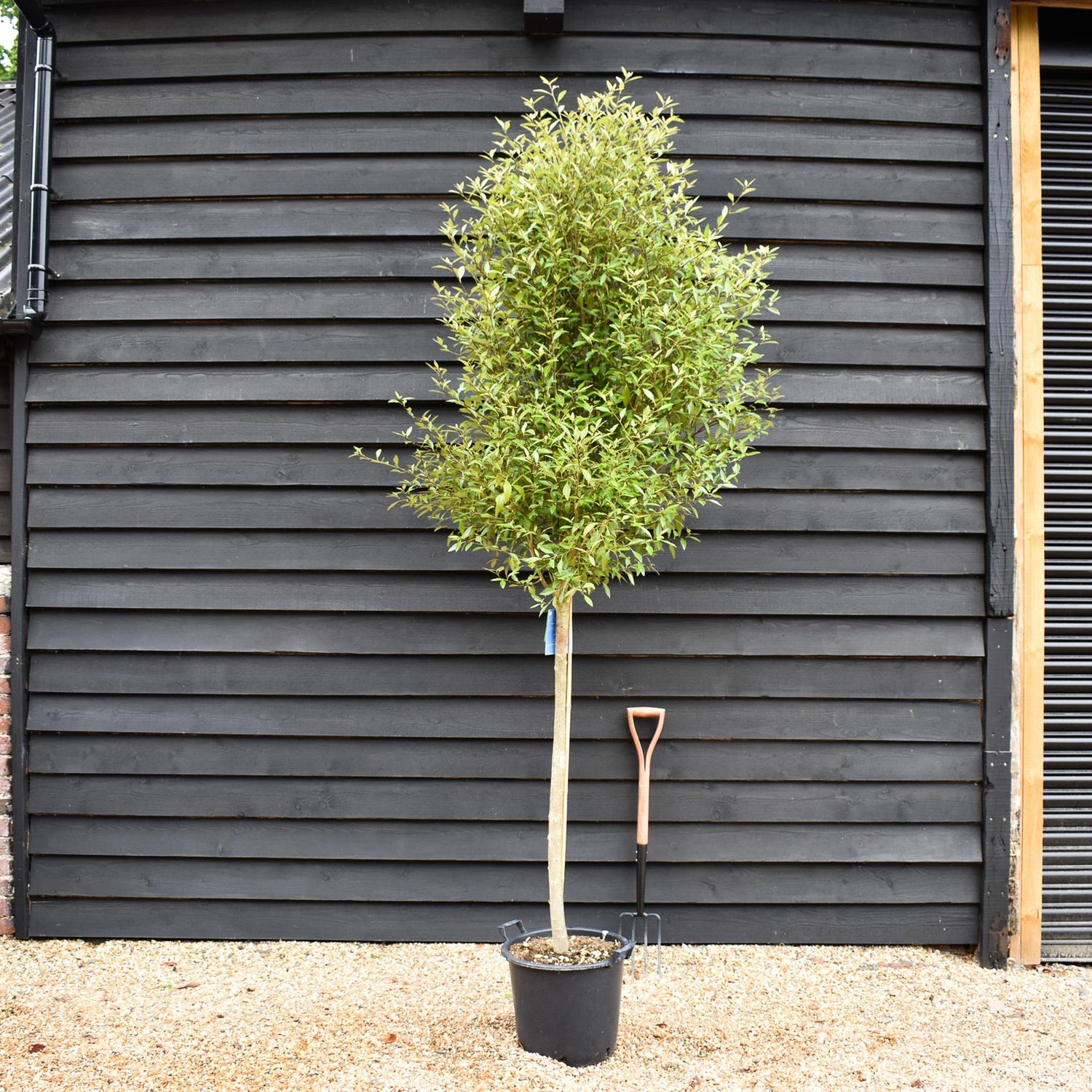


Hoheria sexstylosa Snow White | Ribbonwood - Clear Stem 130-140cm - Girth 8-10cm Height 250-270cm - 30lt
£325.00
Unit price perHoheria sexstylosa Snow White | Ribbonwood - Clear Stem 130-140cm - Girth 8-10cm Height 250-270cm - 30lt
£325.00
Unit price per


Salix Chrysocoma | Golden Weeping Willow - Clear Stem - Standard - Girth 10-12cm - Height 350-390cm - 45lt
£425.00
Unit price perSalix Chrysocoma | Golden Weeping Willow - Clear Stem - Standard - Girth 10-12cm - Height 350-390cm - 45lt
£425.00
Unit price per


Cornus alba 'Gouchaultii' | Dogwood - Shrub - Height 90-120cm - 20lt
£72.00
Unit price perCornus alba 'Gouchaultii' | Dogwood - Shrub - Height 90-120cm - 20lt
£72.00
Unit price per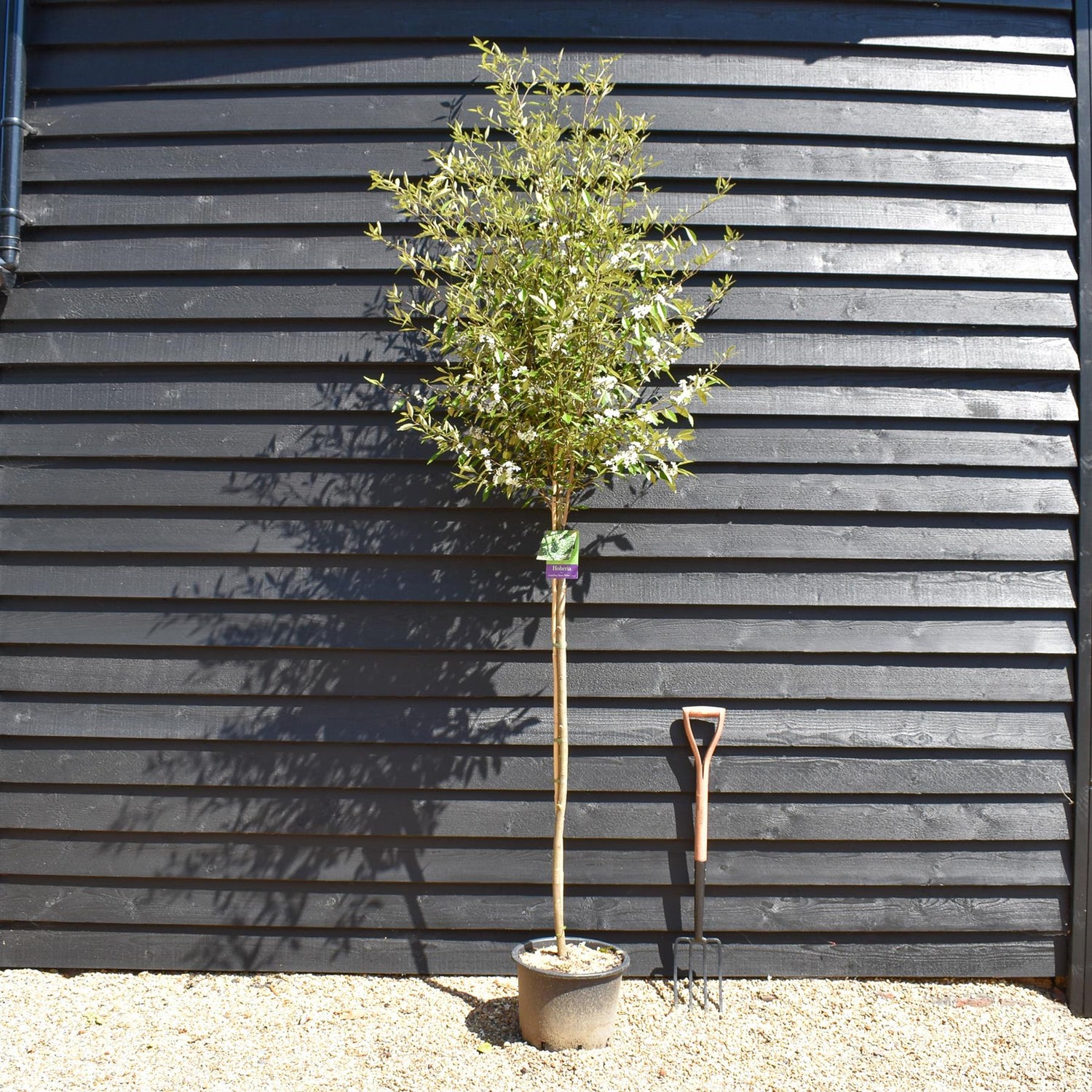


Red Alder | Alnus rubra - Height 300-350cm - Girth 10-12cm - 55lt
£255.00
Unit price perRed Alder | Alnus rubra - Height 300-350cm - Girth 10-12cm - 55lt
£255.00
Unit price perAlnus rubra, commonly known as red alder, is a fast-growing deciduous tree native to the west coast of North America, from Alaska to California. It is easily recognized by its smooth, gray bark and broad, ovate leaves with serrated edges that turn yellow in the fall. Red alder typically grows 40 to 80 feet tall and thrives in moist, well-drained soils, often along rivers, streams, and in disturbed areas. One of its most notable ecological traits is its ability to fix atmospheric nitrogen through a symbiotic relationship with bacteria in its root nodules. This natural enrichment improves soil fertility and supports forest regeneration, making it an important pioneer species in reforestation and ecological restoration projects. Red alder also provides habitat and food for various wildlife species, including birds and insects. In addition to its ecological value, its light-colored wood is used in furniture, cabinetry, and paper production due to its workability and smooth finish.
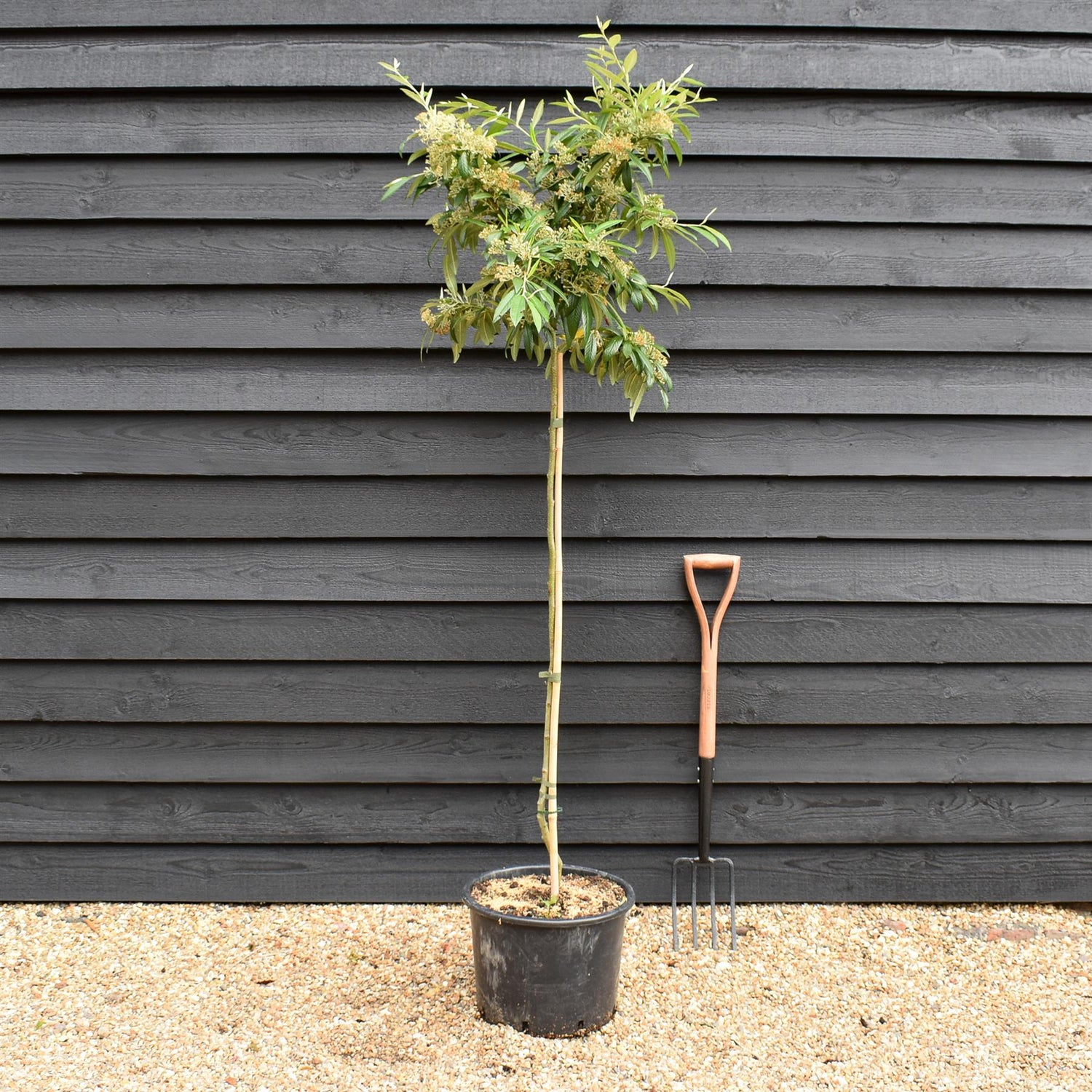


Cotoneaster x watereri - Clear Stem - Height 200-220cm - 20lt
£138.00
Unit price perCotoneaster x watereri - Clear Stem - Height 200-220cm - 20lt
£138.00
Unit price perCotoneaster x watereri, often referred to as Waterer's Cotoneaster, is a popular and versatile shrub that has become a cherished addition to many gardens and landscapes in the United Kingdom. This deciduous hybrid shrub is renowned for its attractive appearance, hardiness, and adaptability.
One of the standout features of Cotoneaster x watereri is its elegant form and foliage. It typically grows to a height of 2 to 3 meters, forming a dense and arching habit. The leaves are small, oval-shaped, and glossy green, providing a lush backdrop to its other ornamental features.
One of the most captivating aspects of this shrub is its profusion of flowers and berries. In late spring and early summer, Cotoneaster x watereri bursts into a display of delicate white or pale pink blossoms. These small, star-shaped flowers attract pollinators such as bees and butterflies, contributing to local biodiversity.
As summer progresses into autumn, the shrub transitions into another phase of beauty. It produces an abundance of small, round, and brightly colored berries, typically red or orange. These berries not only add visual interest but also serve as a valuable food source for birds during the colder months, enhancing its ecological significance.
Cotoneaster x watereri is known for its adaptability to various growing conditions. It thrives in well-drained soil and can tolerate both full sun and partial shade, making it a versatile choice for different garden settings. It is also remarkably hardy and resistant to many common pests and diseases, reducing the need for intensive maintenance.
Maintenance for this shrub is generally straightforward. Pruning can be done to shape the plant or remove dead or diseased branches, but it is often not required. Regular watering during dry spells, especially during its establishment phase, helps ensure its healthy growth.
In conclusion, Cotoneaster x watereri, or Waterer's Cotoneaster, is a cherished shrub in the UK that offers year-round appeal. Its graceful form, glossy foliage, profuse blossoms, and colourful berries make it a versatile and visually pleasing addition to gardens and landscapes. Whether used as a specimen plant, a hedge, or ground cover, this adaptable shrub adds beauty and ecological value to outdoor spaces in the United Kingdom.


Alnus Incana Aurea - Grey Alder - Feathered - Height 240-250cm - 10lt
£138.00
Unit price perAlnus Incana Aurea - Grey Alder - Feathered - Height 240-250cm - 10lt
£138.00
Unit price perAlnus incana 'Aurea', known as the Golden Alder, is a deciduous tree prized for its striking yellow foliage and adaptability to various growing conditions. This cultivar is a variation of the grey alder (Alnus incana), native to Europe, North America, and parts of Asia, and is widely cultivated for its ornamental appeal.
Reaching a height of 6 to 10 metres, with a spread of 4 to 6 metres, Alnus incana 'Aurea' is medium-sized, making it suitable for smaller gardens as well as larger landscapes. It is noted for its smooth, greyish bark, which contrasts beautifully with its bright golden-yellow leaves that emerge in early spring. As the season progresses, the foliage turns a lime green, maintaining a light and airy appearance. The leaves are ovate, serrated, and slightly sticky to the touch when young.
In winter, this tree adds visual interest with its small, cone-like fruits and hanging catkins that persist on the branches. The catkins are yellow-brown and appear before the leaves in early spring, contributing to the tree’s year-round appeal.
Alnus incana 'Aurea' is an extremely hardy tree, thriving in a variety of soil types, including wet and poorly drained soils. It is often planted in areas prone to flooding or along riverbanks, as it is highly tolerant of waterlogged conditions. The tree also fixes nitrogen in the soil through symbiotic relationships with root nodules, which improves soil fertility.
Though low-maintenance, the Golden Alder benefits from occasional pruning to maintain its shape and encourage healthy growth. This fast-growing tree is a great choice for those looking to introduce colour and texture to their garden while supporting local wildlife, as it provides shelter and food for birds and insects.


Cornus alba ' 'Nightfall'' | Dogwood - Shrub - Height 20-30cm - 2lt
£18.00
Unit price perCornus alba ' 'Nightfall'' | Dogwood - Shrub - Height 20-30cm - 2lt
£18.00
Unit price perCornus alba 'Nightfall' is a striking deciduous shrub valued for its dramatic seasonal changes and strong architectural presence in the garden. It is particularly noted for its dark purple-black foliage, which provides an intense contrast to surrounding planting throughout spring and summer. In late spring, it produces small clusters of white flowers, followed by white berries that add further seasonal interest.
In winter, the plant reveals its vivid red young stems, which stand out strongly against frosty or evergreen backdrops, making it a useful choice for winter structure and colour. It performs best in full sun to partial shade, where its foliage colour is richest, although it will tolerate a range of light conditions.
It prefers moist, well-drained soil and is adaptable to most garden types, including heavier soils if they are not waterlogged. Regular pruning in early spring encourages vigorous new growth, which enhances the intensity of winter stem colour. As a cultivar of Cornus alba, it is fully hardy and low maintenance once established. It works well in mixed borders, wildlife-friendly planting schemes, or as part of a seasonal interest hedge.


Alnus Glutinosa Imperialis - Height 400-420cm - 50lt
£325.00
Unit price perAlnus Glutinosa Imperialis - Height 400-420cm - 50lt
£325.00
Unit price perAlnus glutinosa 'Imperialis,' commonly known as the Imperial Alder, is a cultivar of the European alder (Alnus glutinosa) renowned for its striking ornamental qualities. This deciduous tree is a favoUrite among landscape enthusiasts and horticulturists for its impressive appearance and adaptability.
Imperial Alder typically reaches a height of 40 to 50 feet (12 to 15 meters) and forms a broadly pyramidal shape. Its dark green, glossy leaves are deeply cut and serrated, measuring about 4 to 6 inches (10 to 15 cm) in length. During the growing season, the foliage provides a lush and vibrant backdrop to garden landscapes.
One of the standout features of Alnus glutinosa 'Imperialis' is its stunning catkins. In late winter or early spring, long, pendulous catkins emerge, adding a unique and captivating element to the tree's appearance. These catkins sway gracefully in the wind, creating a charming visual effect. Additionally, this cultivar displays a lovely yellow fall coloUr, which adds to its overall aesthetic appeal.
Imperial Alder is highly adaptable to various soil types and moisture conditions, making it suitable for a wide range of environments. It thrives in full sun to partial shade, making it a versatile choice for gardens and parks. Its ability to tolerate wet soil and even occasional flooding makes it an excellent choice for riparian zones or areas prone to seasonal waterlogging.
Beyond its aesthetic value, Alnus glutinosa 'Imperialis' also contributes to the ecosystem by supporting various wildlife species. Its catkins provide a source of food for birds and insects, and its roots help stabilize soil along riverbanks and wetland areas.
In summary, Alnus glutinosa 'Imperialis' is a captivating cultivar of the European alder celebrated for its striking appearance, adaptability, and ecological contributions. Whether used as a focal point in a garden or to enhance riparian habitats, this tree adds a touch of elegance and functionality to its surroundings.


Hoheria sexstylosa Snow White | Ribbonwood - Clear Stem - Girth 10-14cm Height 220-270cm - 50lt
£445.00
Unit price perHoheria sexstylosa Snow White | Ribbonwood - Clear Stem - Girth 10-14cm Height 220-270cm - 50lt
£445.00
Unit price per


Vitex agnus-castus 'Latifolia'| Chaste tree - Height 90-110cm - 10lt
£70.00
Unit price perVitex agnus-castus 'Latifolia'| Chaste tree - Height 90-110cm - 10lt
£70.00
Unit price perVitex agnus-castus, also known as the chasteberry tree, is a species of small deciduous tree belonging to the Verbenaceae family. It is native to the Mediterranean region and can be found in various countries, including Greece, Italy, and Turkey. The tree typically reaches a height of 3 to 6 meters (10 to 20 feet) and has a spreading, rounded crown.
The leaves of Vitex agnus-castus are palmate, meaning they are divided into multiple lobes that resemble a hand with outstretched fingers. The foliage is aromatic, with a pleasant herbal scent. The tree produces showy, fragrant flowers in dense clusters known as panicles. The flowers are typically lavender, violet, or pale blue in colour, and they bloom during the summer months.
Following the flowers, Vitex agnus-castus develops small, dark berries that are roughly the size of peppercorns. These berries are a prominent feature of the tree and can persist well into the winter months. They are edible but have a bitter taste and are not typically consumed directly.
In addition to its medicinal uses, the chasteberry tree is also valued for its ornamental qualities. It is often planted in gardens and parks for its attractive flowers and foliage. The tree prefers well-drained soil and full sun exposure, making it adaptable to various climatic conditions.
Overall, Vitex agnus-castus is a versatile tree that offers both aesthetic appeal and potential health benefits. Its delicate flowers, aromatic leaves, and unique berries make it a noteworthy addition to any landscape, while its historical use in traditional medicine continues to intrigue researchers and practitioners alike.
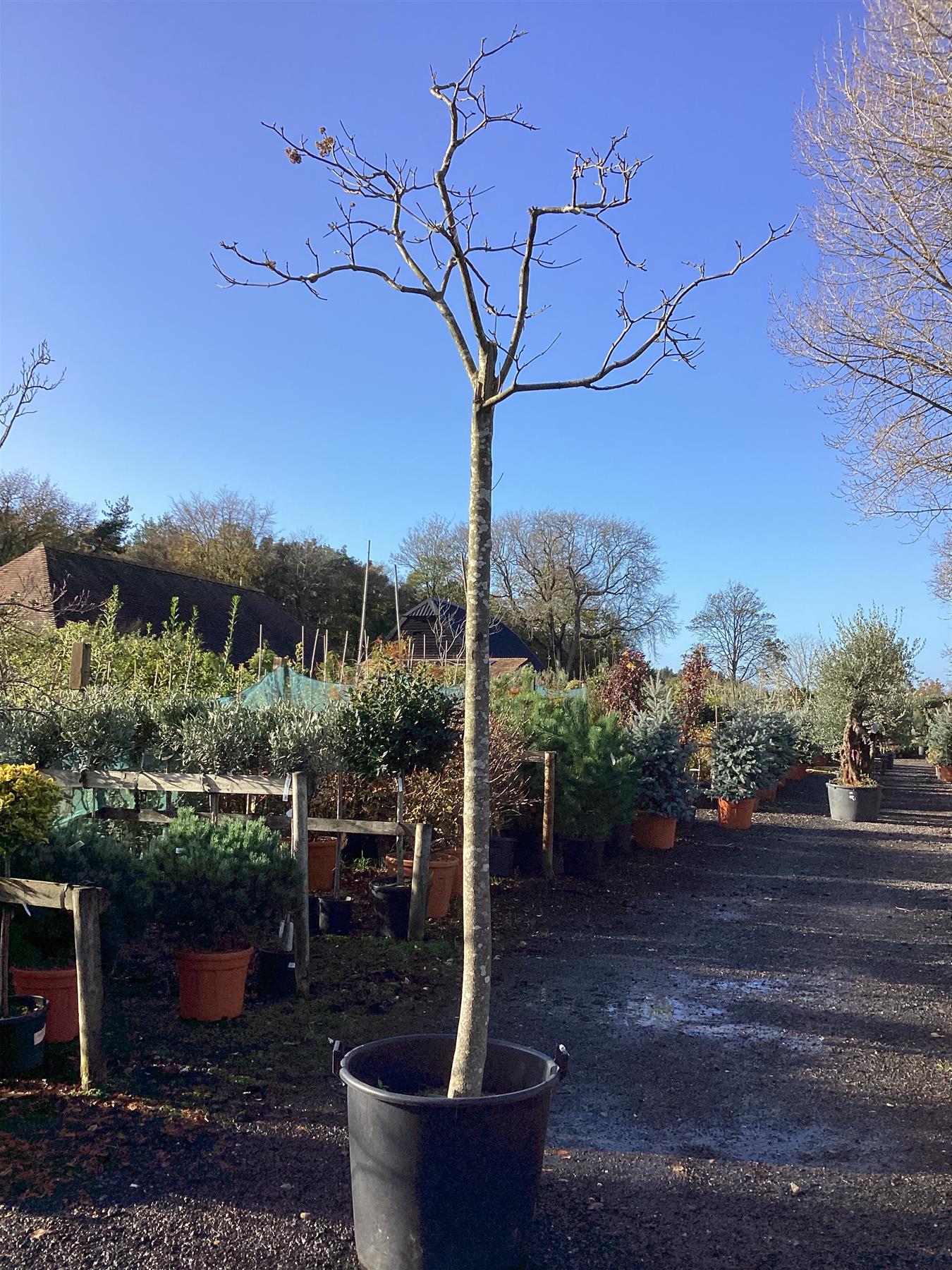
Halesia | Carolina silverbell - 300-350cm, 90lt
£365.00
Unit price perHalesia | Carolina silverbell - 300-350cm, 90lt
£365.00
Unit price perHalesia, or Silverbell, is a small genus of five species (H. carolina, H. diptera, H. macgregorii, H. tetraptera, and H. monticola) of large, deciduous shrubs or small trees with grey bark, and simple, ovate, green leaves, that turn yellow in autumn and fall off early. Attractive, hanging, bell-shaped, white to pale pink flowers grow in clusters and bloom in spring. Flowers are followed by four-winged (or two-winged), nut-like fruits in autumn and often remain on branches long into winter. Attractive to bees and squirrels. Halesia grows best in average, organically rich, slightly acidic, lime-free, moist but well-drained soils. It prefers partial shade, but tolerates full sun. Doesn’t have any serious pest or disease problems. Low maintenance plant, no routine pruning necessary. Halesia is a wonderful shrub or small tree perfect as an understory plant, for shrub borders, stream banks, or woodland gardens. Great as a specimen plant for the lawn.


Wier maple, Silver Maple | Acer saccharinum 'Laciniatum Wieri' - Clear Stem - Height 350-400m - Girth 12-14cm - 70lt
£455.00
Unit price perWier maple, Silver Maple | Acer saccharinum 'Laciniatum Wieri' - Clear Stem - Height 350-400m - Girth 12-14cm - 70lt
£455.00
Unit price perAcer saccharinum 'Pyramidale', also known as the Pyramid Silver Maple, is a striking, fast-growing deciduous tree known for its strong, upright form and elegant foliage. Reaching a mature height of 20 to 25 meters with a spread of 10 to 15 meters, it forms a tall, narrowly oval canopy, making it ideal for spaces needing vertical emphasis. Its deeply lobed green leaves shimmer with silvery undersides, creating a beautiful, dynamic effect in the wind. In early spring, small red flowers appear before the leaves, offering subtle seasonal interest. 'Pyramidale' thrives in a wide range of soils, including wetter areas, and is highly adaptable to urban conditions. It provides quick shade, adds architectural interest, and brings year-round texture and movement to landscapes and parks.
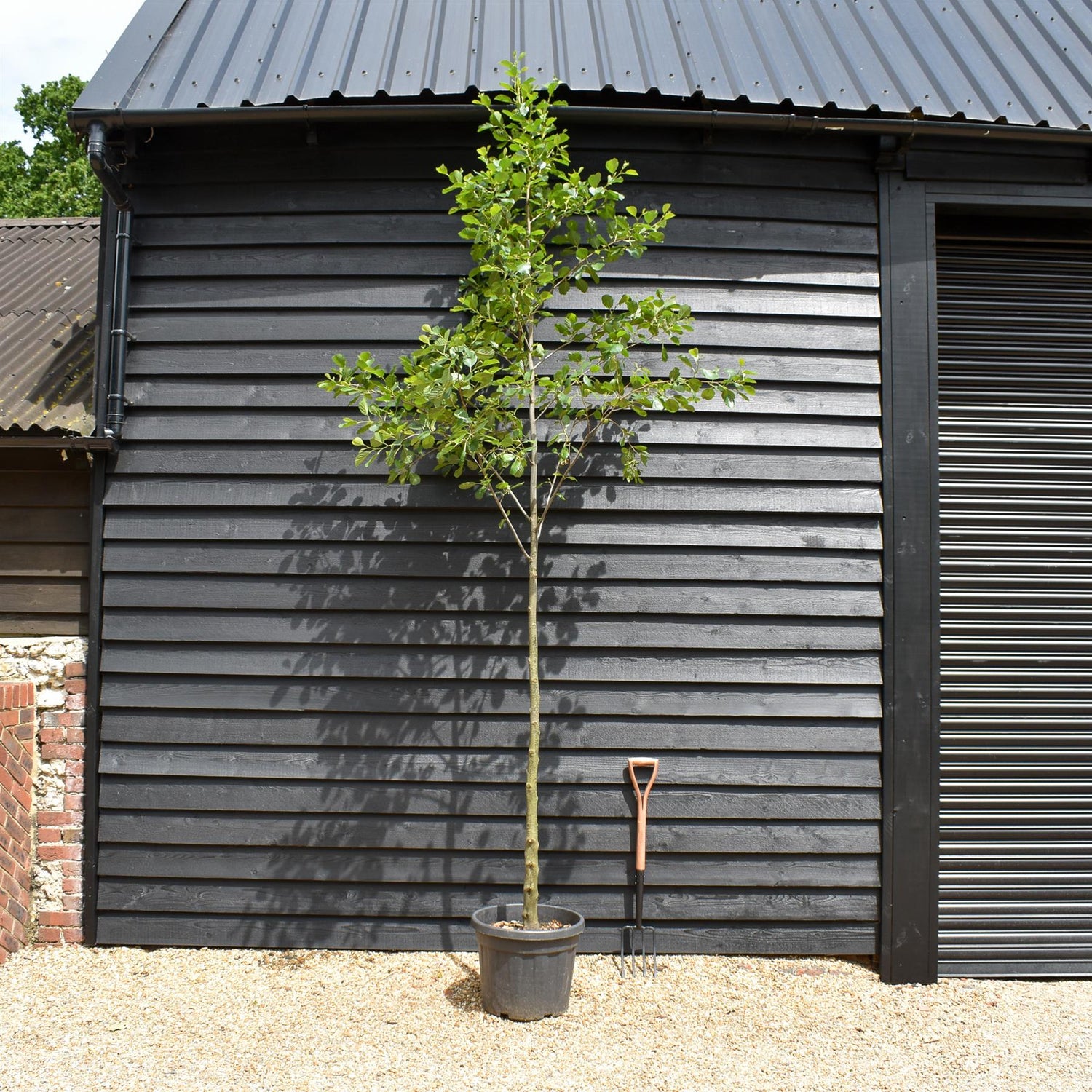


Alder tree | Alnus Glutinosa - Height 300-400cm - Girth 14-16 - 30-50lt
£365.00
Unit price perAlder tree | Alnus Glutinosa - Height 300-400cm - Girth 14-16 - 30-50lt
£365.00
Unit price perAlnus glutinosa, commonly known as the black alder, is a deciduous tree native to Europe, including the British Isles. It is a versatile and resilient species, often found thriving in wetland areas, riverbanks, and marshes, where its roots can help stabilise the soil and prevent erosion.
The black alder typically grows to a height of 20-30 metres, with a broad, conical crown that becomes more rounded with age. Its bark is dark brown and fissured, often developing a distinctive, almost black hue as the tree matures. One of its most notable features is its leaves, which are rounded with a slightly serrated edge and a glossy, dark green surface that turns yellow in the autumn.
In early spring, Alnus glutinosa produces catkins – the male catkins are long and yellowish, while the female ones are shorter and reddish. These mature into woody, cone-like fruits that persist on the tree throughout the winter, providing a valuable food source for wildlife. The black alder also forms symbiotic relationships with nitrogen-fixing bacteria in its root nodules, enriching the soil and benefiting neighbouring plants.
Due to its adaptability and ecological benefits, Alnus glutinosa is often used in reforestation and habitat restoration projects. It supports a wide range of wildlife, including insects, birds, and aquatic species, making it a vital component of the British natural landscape.


Cotoneaster x watereri - Half standard - H:260-300cm W:220-260cm G:10-12cm S:140-180cm - 30lt
£193.00
Unit price perCotoneaster x watereri - Half standard - H:260-300cm W:220-260cm G:10-12cm S:140-180cm - 30lt
£193.00
Unit price perCotoneaster x watereri, often referred to as Waterer's Cotoneaster, is a popular semi evergreen versatile shrub that has become a cherished addition to many gardens and landscapes in the United Kingdom. This deciduous hybrid shrub is renowned for its attractive appearance, hardiness, and adaptability.
One of the standout features of Cotoneaster x watereri is its elegant form and foliage. It typically grows to a height of 2 to 3 meters, forming a dense and arching habit. The leaves are small, oval-shaped, and glossy green, providing a lush backdrop to its other ornamental features.
One of the most captivating aspects of this shrub is its profusion of flowers and berries. In late spring and early summer, Cotoneaster x watereri bursts into a display of delicate white or pale pink blossoms. These small, star-shaped flowers attract pollinators such as bees and butterflies, contributing to local biodiversity.
As summer progresses into autumn, the shrub transitions into another phase of beauty. It produces an abundance of small, round, and brightly colored berries, typically red or orange. These berries not only add visual interest but also serve as a valuable food source for birds during the colder months, enhancing its ecological significance.
Cotoneaster x watereri is known for its adaptability to various growing conditions. It thrives in well-drained soil and can tolerate both full sun and partial shade, making it a versatile choice for different garden settings. It is also remarkably hardy and resistant to many common pests and diseases, reducing the need for intensive maintenance.
Maintenance for this shrub is generally straightforward. Pruning can be done to shape the plant or remove dead or diseased branches, but it is often not required. Regular watering during dry spells, especially during its establishment phase, helps ensure its healthy growth.
In conclusion, Cotoneaster x watereri, or Waterer's Cotoneaster, is a cherished shrub in the UK that offers year-round appeal. Its graceful form, glossy foliage, profuse blossoms, and colourful berries make it a versatile and visually pleasing addition to gardens and landscapes. Whether used as a specimen plant, a hedge, or ground cover, this adaptable shrub adds beauty and ecological value to outdoor spaces in the United Kingdom.


Acer palmatum 'Summer Gold' - Bushy - 190-200cm - 55lt
£495.00
Unit price perAcer palmatum 'Summer Gold' - Bushy - 190-200cm - 55lt
£495.00
Unit price perAcer palmatum 'Summer Gold' is a stunning cultivar of Japanese maple that is highly sought after for its unique golden-yellow foliage. This deciduous tree typically grows to a height of about 1.5 meters and has a bushy, rounded habit, making it an excellent choice for smaller gardens or patio containers.
The leaves of Acer palmatum 'Summer Gold' are deeply lobed, giving them a delicate and airy appearance. The foliage emerges as a bright golden-yellow color in the spring and maintains this striking hue throughout the summer months. As autumn approaches, the leaves turn a subtle green before taking on shades of orange and red, creating a beautiful contrast against the autumn landscape.
This cultivar is relatively low maintenance and easy to grow, making it a popular choice for gardeners of all levels of experience. It prefers partial shade and well-draining soil that is kept consistently moist. Occasional pruning can help maintain its compact size and shape.
Overall, Acer palmatum 'Summer Gold' is a stunning and versatile tree that can add a touch of elegance to any garden or landscape.
At maturity, Acer palmatum 'Summer Gold' typically reaches a height of around 1.5 to 2 meters, with a similar spread. However, this can vary depending on growing conditions and the specific cultivar. The plant has a slow to moderate growth rate, and it may take several years to reach its full size. In general, Japanese maples are known for their elegant and graceful appearance, and 'Summer Gold' is no exception. Its compact size and bushy habit make it an excellent choice for smaller gardens or as a focal point in a larger landscape. With proper care and maintenance, this beautiful tree can provide years of enjoyment and beauty in your outdoor space.


Japanese maple 'Skeeter's Broom' | Acer palmatum | - Bushy - Height 120-140cm - 35lt
£362.00
Unit price perJapanese maple 'Skeeter's Broom' | Acer palmatum | - Bushy - Height 120-140cm - 35lt
£362.00
Unit price per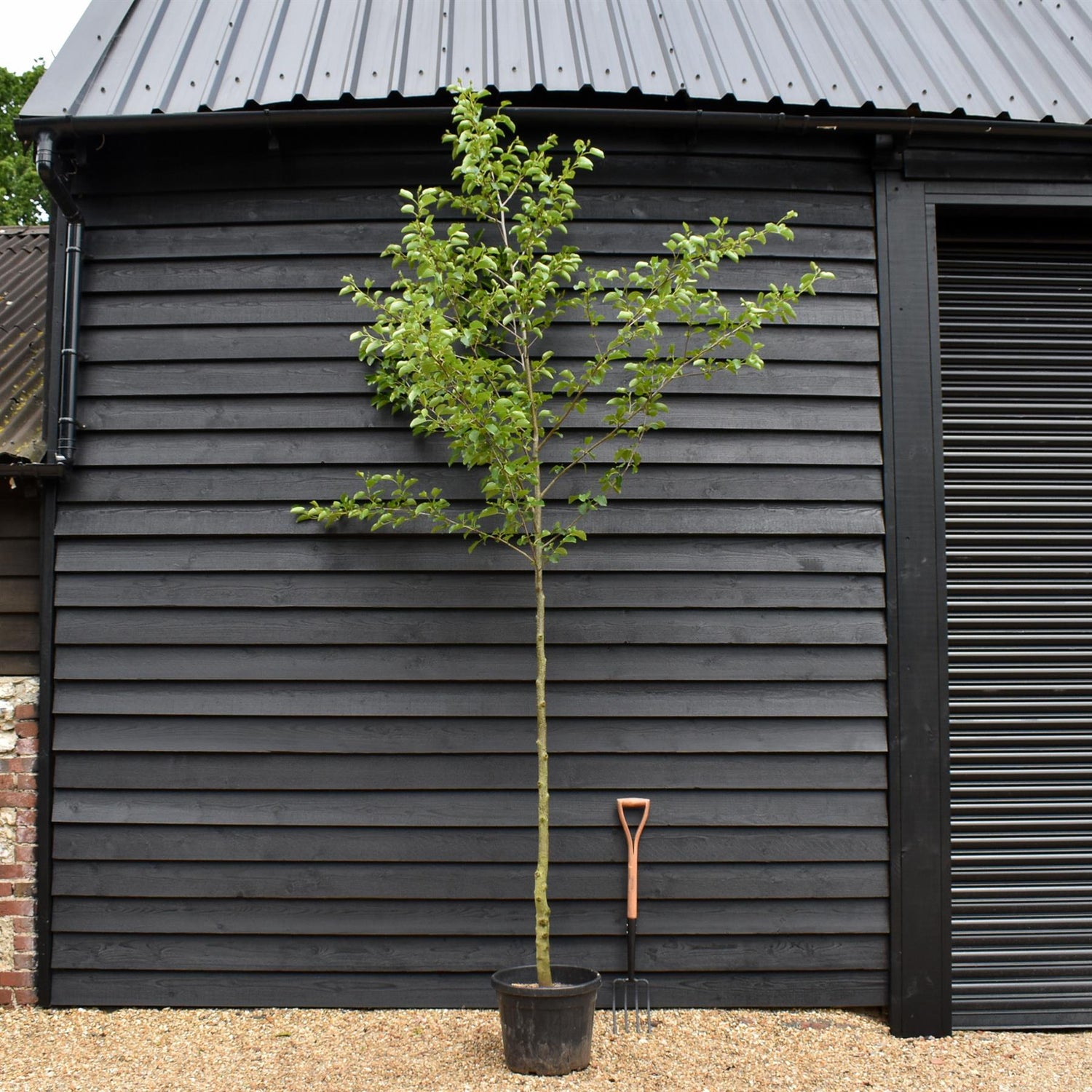


Alder tree | Alnus Cordata - Clear Stem - Height 300-350cm - Girth 8-10cm - 45lt
£255.00
Unit price perAlder tree | Alnus Cordata - Clear Stem - Height 300-350cm - Girth 8-10cm - 45lt
£255.00
Unit price perAlnus cordata, commonly known as the Italian alder, is a medium to large deciduous tree native to southern Italy and parts of Corsica. It belongs to the Betulaceae family and is highly valued for its ability to thrive in poor soils and challenging environmental conditions. This species is often planted for ornamental purposes, soil improvement, and as a windbreak due to its robust growth and adaptability.
The tree can reach heights of up to 25-30 metres (82-98 feet) with a trunk diameter of about 1 metre (3.3 feet). It has a relatively narrow, conical crown, which makes it an attractive choice for landscaping in urban and rural environments. The bark is smooth and greyish-brown when young, developing shallow fissures with age.
Alnus cordata is noted for its distinctive heart-shaped (cordate) leaves, which are bright green and glossy, measuring 7-12 cm in length. Unlike some other alders, the leaves of A. cordata remain on the tree until late autumn, giving it an extended season of greenery. In spring, it produces small, inconspicuous catkins, with male catkins being pendulous and yellowish, and female catkins more compact and upright. These develop into small, woody cones that persist on the tree through winter.
One of the key characteristics of Alnus cordata is its nitrogen-fixing ability. Like other alders, it forms a symbiotic relationship with the bacterium Frankia, which allows it to fix atmospheric nitrogen into the soil. This quality makes it an excellent species for improving soil fertility, particularly in degraded or nutrient-poor areas.
Overall, the Italian alder is a resilient and versatile tree, well-suited to a variety of landscapes, including wet or compacted soils, and is an important species for ecological restoration projects.


Apple tree 'Fiesta' | Malus domestica - M26 - Semi-Dwarfing - Height 160-180cm - 12lt
£86.00
Unit price perApple tree 'Fiesta' | Malus domestica - M26 - Semi-Dwarfing - Height 160-180cm - 12lt
£86.00
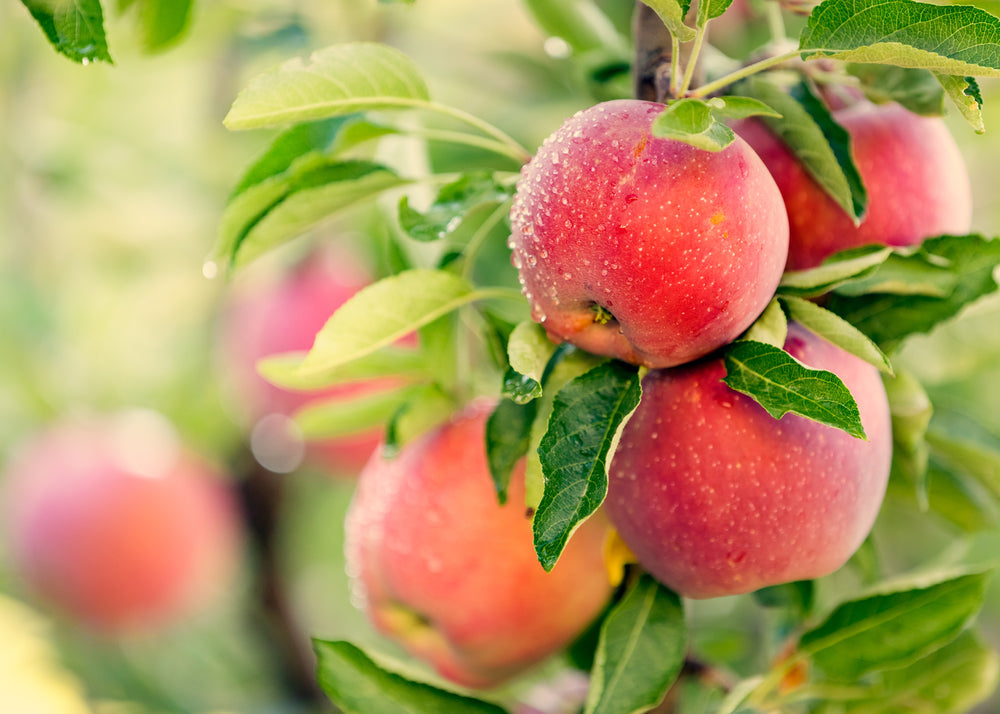
Unit price perMalus domestica 'Fiesta' is a medium-sized, upright to spreading, heavy-cropping, deciduous, dessert apple tree with ovate, toothed, grey-green leaves, yellow and orange in autumn. Pale pink flowers fade to white, bloom in spring, and are followed by heavy crops of red-flushed, yellow-orange apples ready for harvesting in September. The apples are rich in flavour, juicy, sweet and crisp. Malus domestica 'Fiesta' grows best in moderately fertile, neutral, moist, well-drained soils. It prefers full sun, but can tolerate some shade. It is resistant to frost, but late frosts may damage the flower buds. Partially self-fertile, it requires another pollinator planted near-by. It needs regular pruning and thinning. Apple 'Fiesta' is a popular dessert apple. The tree is ornamental and suitable for informal, cottage, and urban gardens. It’s a reliable and heavy cropper. The apples can be eaten fresh, but are also used for culinary purposes. Since very juicy, they are perfect for making apple juice.
M26 is a semi-dwarfing rootstock (smaller than MM106) used for apple trees, particularly in orchards and home gardens. It produces trees 10-12 feet in height, making them easier to manage and harvest. M26 ensures early fruit production, good anchorage, and medium vigor. However, it requires staking during early years and is moderately susceptible to fire blight.


Corylus avellana 'Twister' | Corkscrew Hazel -Shrub - Height 150-160cm - 15lt
£150.00
Unit price perCorylus avellana 'Twister' | Corkscrew Hazel -Shrub - Height 150-160cm - 15lt
£150.00
Unit price perCorylus avellana 'Twister' is an unusual, deciduous, multi-stemmed, suckering shrub, well-known for its stunning contorted and twisted branches that curl and spiral in all directions. Long, golden yellow catkins appear in late winter or early spring, before the foliage, and hang loosely from the branches like ornaments. The leaves are ovate, dark green in summer, yellow in autumn. Usually does not produce fruit.
Corylus avellana 'Twister' likes rich, moist but well-drained soils, but tolerates average garden soil. Heavy clays should be avoided. It thrives in full sun to part shade. Root suckers should be removed to maintain its appearance. Generally, pest-free. It can withstand frost and wind. Corylus avellana 'Twister', with its unusual appearance, makes a stunning specimen plant, especially in winter garden. It is a great choice for hedges and screens, shrub borders, patio edges, or along sidewalks. Perfect for informal and cottage gardens. Suitable for containers and growing on roof gardens.