

-
Trees
Trees
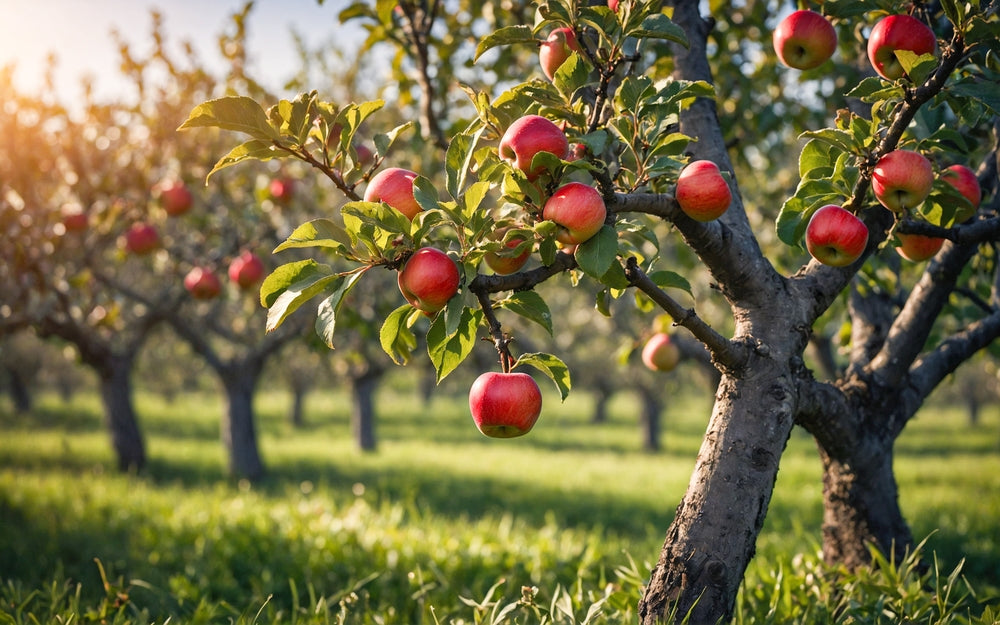 Fruit Trees
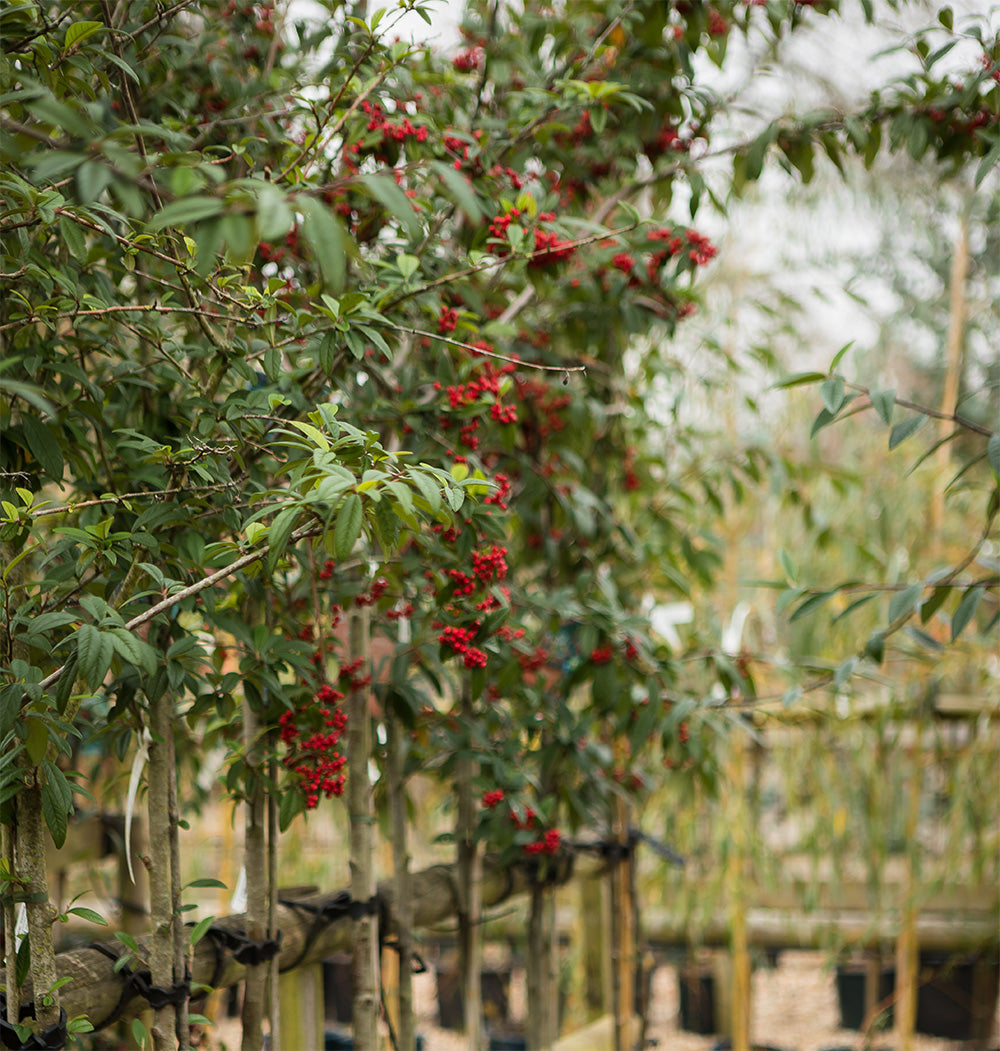 Ornamental
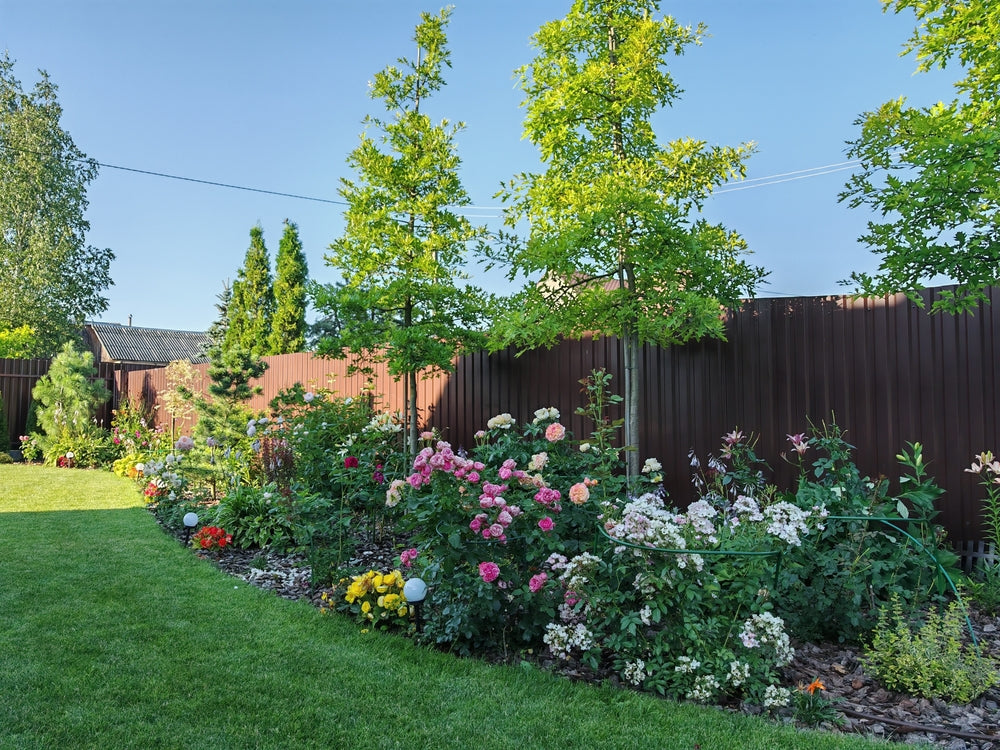 Screening
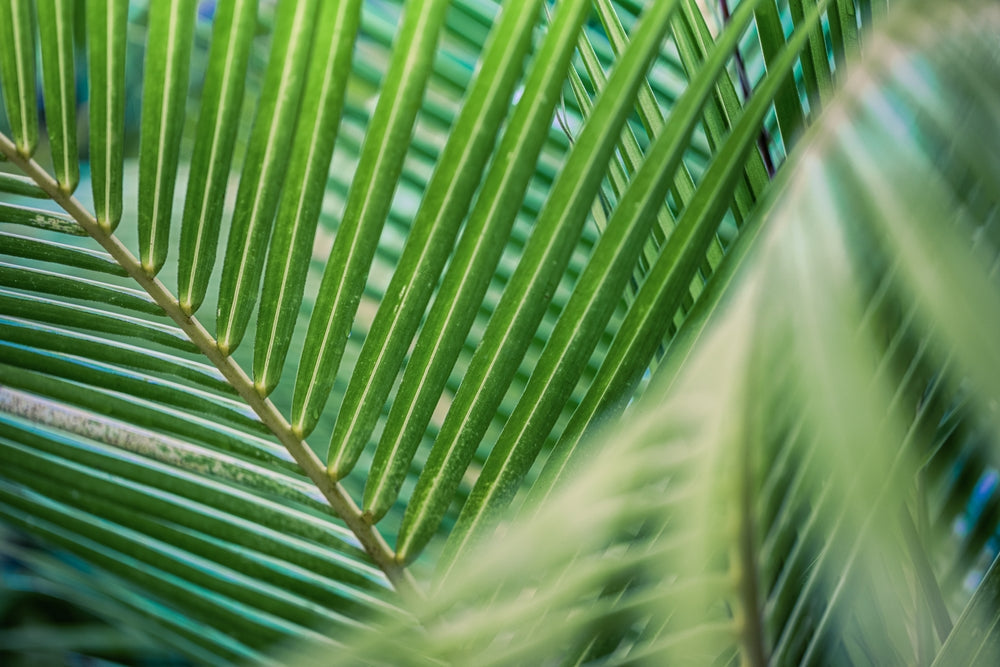 Palms
By FeaturesBy Shape
Palms
By FeaturesBy Shape -
Shrubs
Shrubs
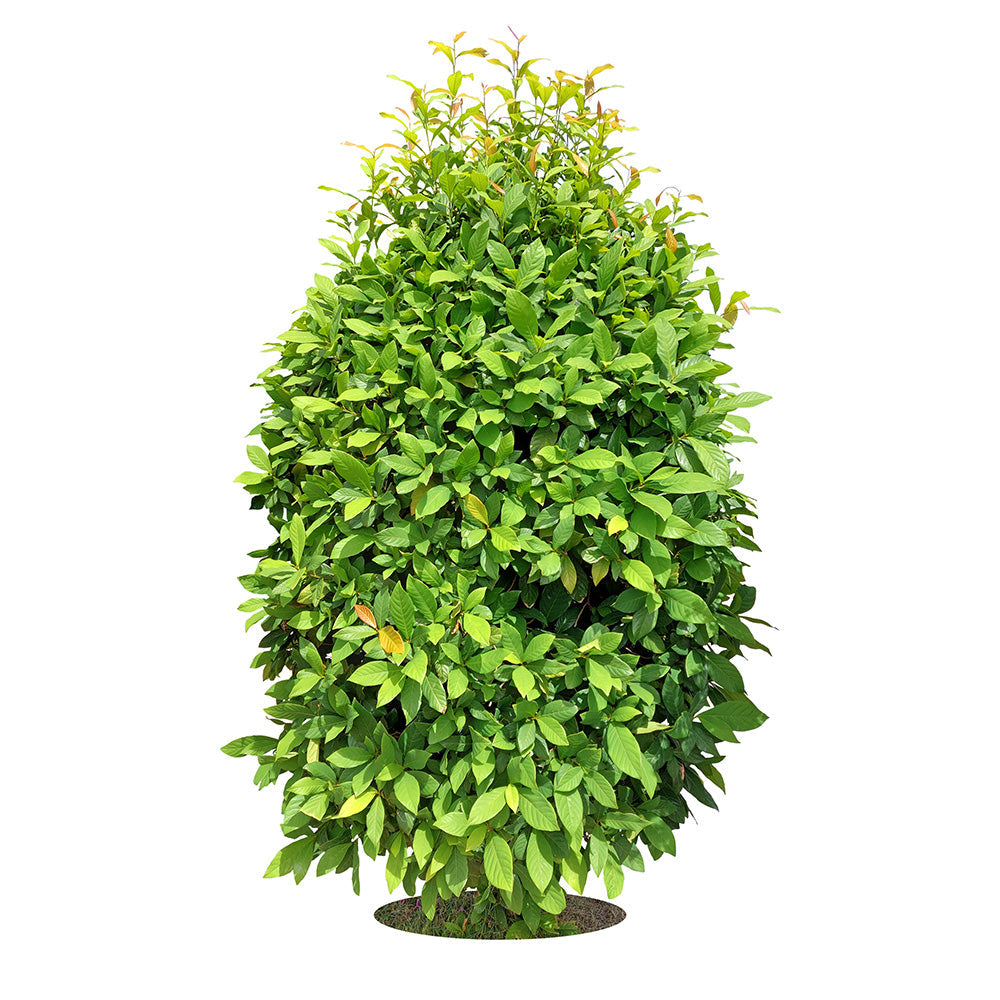 Large shrubs
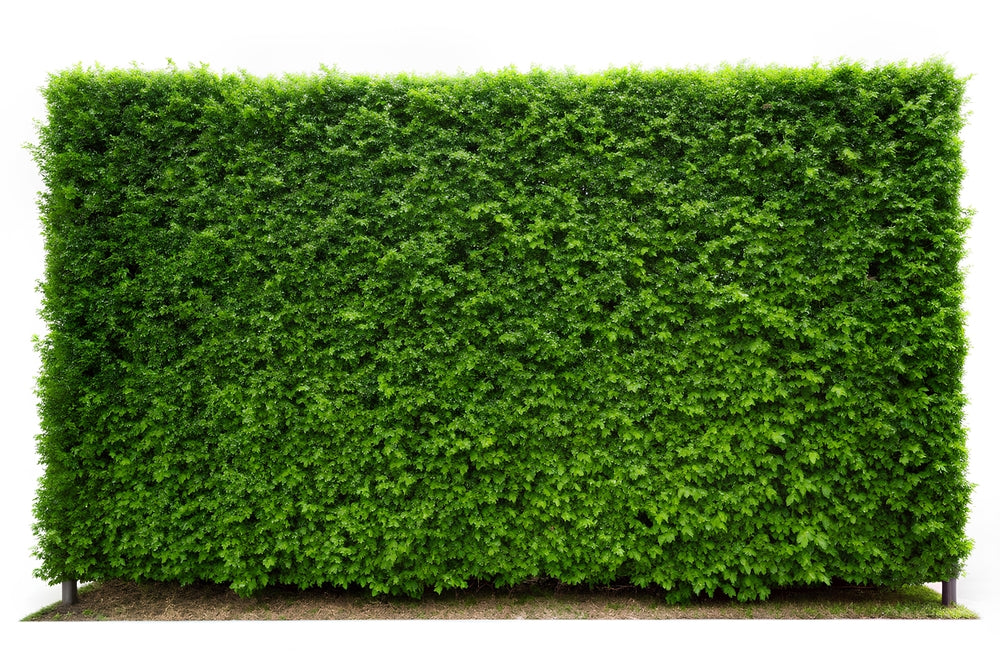 Hedging
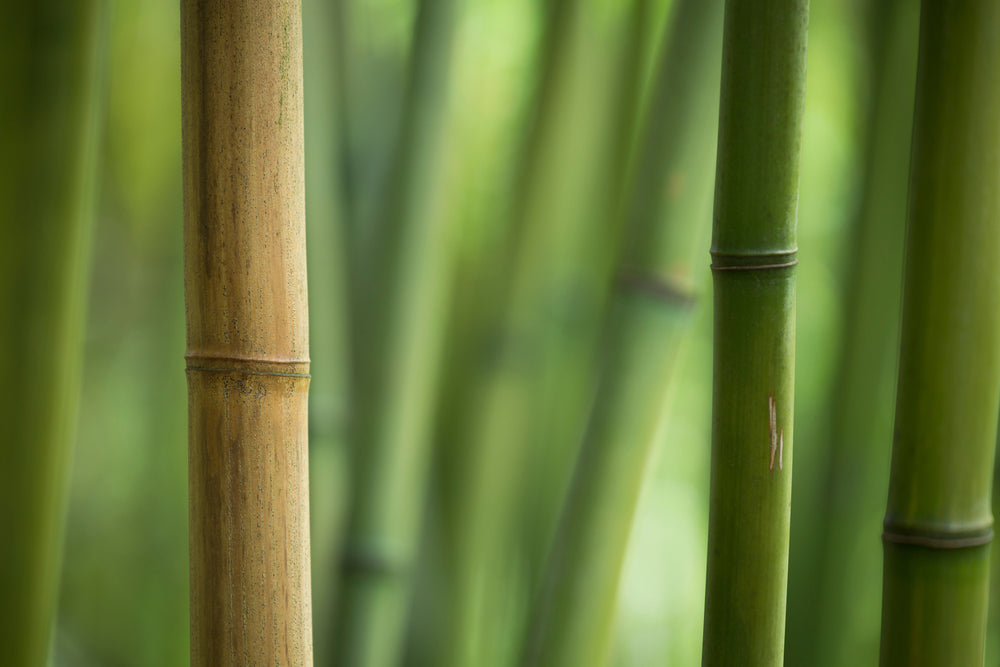 Bamboo
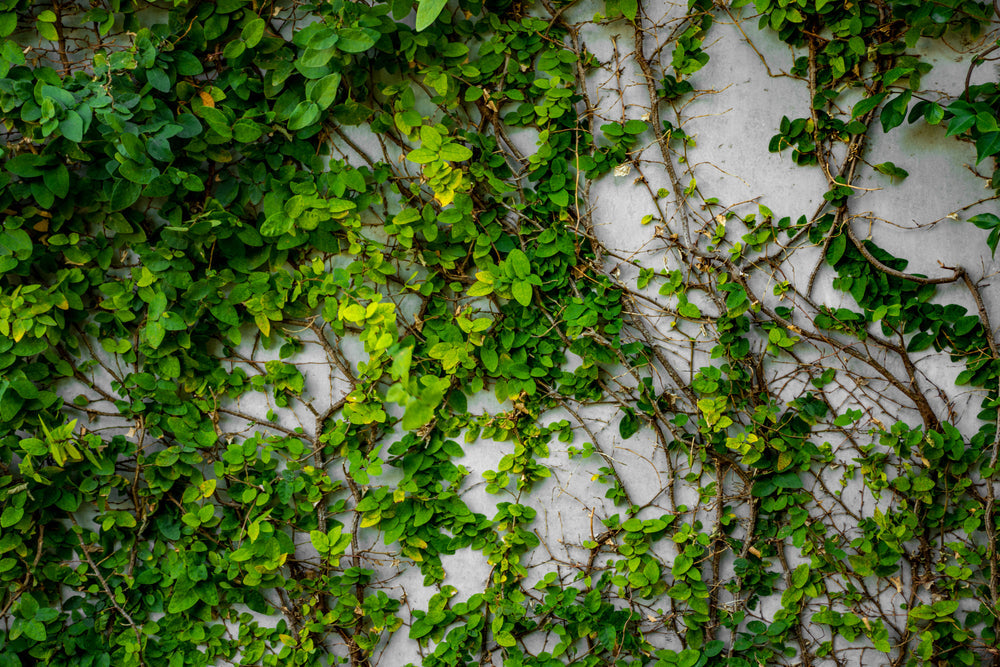 Climbers
 Flowering
 Grasses & Ferns
 Popular
-
Pines & Conifers
Pines & Conifers
 Pines
Pines
 Spruce & Fir
 Cypress
 Thuja
Thuja
 Redwood | Sequoia
-
Specimen
FREE DELIVERY OVER £350
Search results
Search results


Cornus kousa 'Milky Way' | Dogwood 'Milky Way' - Bush - Height 160-180cm - 50lt
£540.00
Unit price perCornus kousa 'Milky Way' | Dogwood 'Milky Way' - Bush - Height 160-180cm - 50lt
£540.00
Unit price per


Cornus alba 'Gouchaultii' | Dogwood - Shrub - Height 90-120cm - 20lt
£50.00
Unit price perCornus alba 'Gouchaultii' | Dogwood - Shrub - Height 90-120cm - 20lt
£50.00
Unit price per


Cornus Rutgersensis Stellar Pink | Beni-Fuji Dogwood - 50-80cm - 7lt
£85.00
Unit price perCornus Rutgersensis Stellar Pink | Beni-Fuji Dogwood - 50-80cm - 7lt
£85.00
Unit price perCornus kousa 'Beni-fuji' is a captivating cultivar of the Japanese dogwood, admired for its stunning seasonal display and manageable size, making it a versatile addition to gardens large and small. This deciduous small tree or large shrub is native to East Asia, where it thrives in woodlands and temperate climates. 'Beni-fuji' is celebrated for its graceful form, vibrant foliage, and striking flowers.
In late spring to early summer, the tree showcases an impressive display of star-shaped bracts that surround its small, inconspicuous green flowers. These bracts, a hallmark of Cornus kousa, emerge in shades of pink to rosy red, deepening as they mature. The blooms sit atop horizontal branches, creating a layered, tiered effect that adds structural elegance to its appearance.
As the seasons progress, 'Beni-fuji' transforms further. By late summer, the tree produces small, strawberry-like fruits, which are edible and can attract birds to the garden. In autumn, its foliage takes centre stage, turning rich shades of crimson, orange, and scarlet, providing a final burst of colour before winter dormancy.
This cultivar prefers well-drained, fertile soil and thrives in full sun to partial shade, making it relatively easy to accommodate in a range of garden settings. It has a compact growth habit, typically reaching a height of 3-4 metres, making it suitable for smaller gardens or as a specimen plant in borders.
Cornus kousa 'Beni-fuji' is not only ornamental but also resilient, tolerating a range of soil types and proving relatively disease-resistant. Its year-round appeal—flowering in summer, fruiting in autumn, and showcasing vibrant foliage—ensures its popularity among gardeners seeking a dynamic and visually rewarding plant for their landscape.
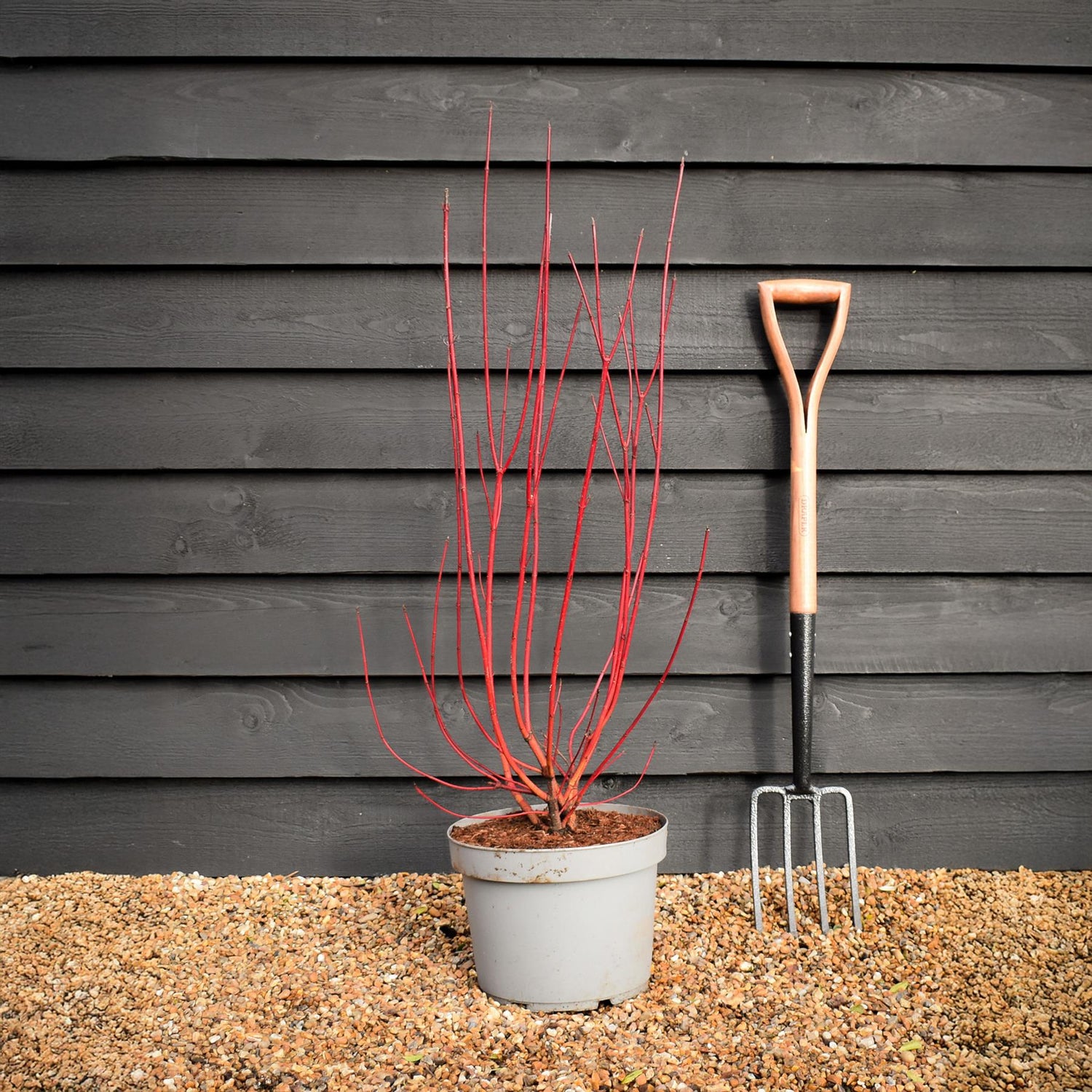


Cornus alba 'Sibirica' | Siberian Dogwood - Height - 95-100cm 10lt
£60.00
Unit price perCornus alba 'Sibirica' | Siberian Dogwood - Height - 95-100cm 10lt
£60.00
Unit price per


Cornus alba 'Sibirica' | Siberian Dogwood - Shrub - Height 90-100cm - 20lt
£94.00
Unit price perCornus alba 'Sibirica' | Siberian Dogwood - Shrub - Height 90-100cm - 20lt
£94.00
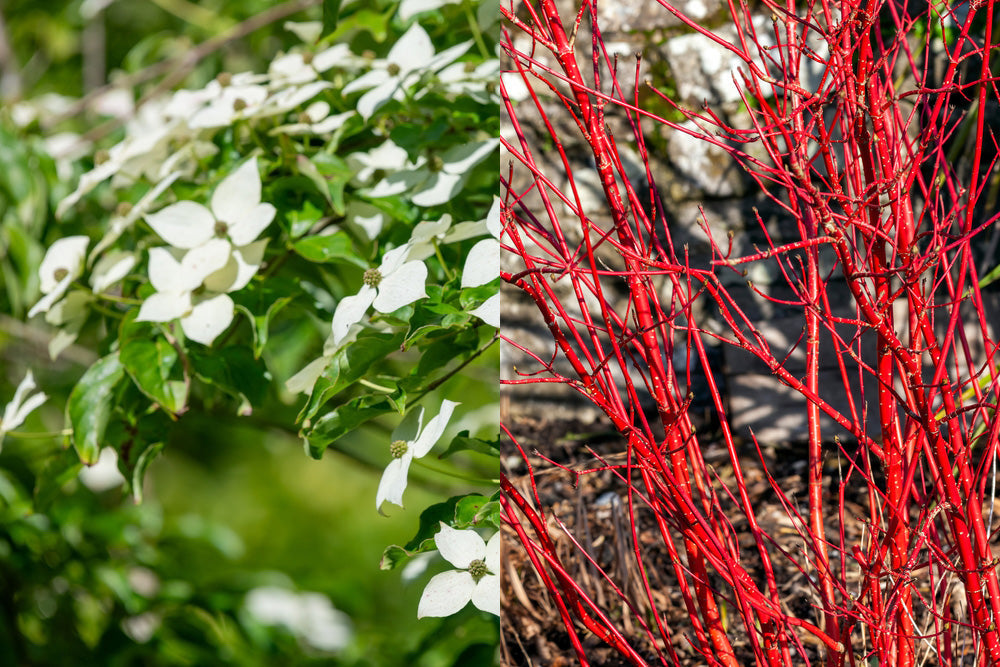
Unit price perCornus alba 'Sibirica' is a medium-sized, suckering, fast-growing, multi-stemmed, deciduous shrub famous for its red stems, especially spectacular in winter, when they turn bright coral red. It has ovate, greyish-green leaves with white margins and small, creamy white flowers that bloom in spring and summer and are followed by bluish-white berries in autumn. Attractive to birds and butterflies.
Cornus alba 'Sibirica' thrives in fertile, medium moisture, well-drained soils, in full sun to partial shade. It can tolerate, wet, dry, and poor soils. Pruning is not required but it can stimulate the growth of new stems. Young stems have the best colour.
Cornus alba 'Sibirica' is most attractive during the winter when its fiery red stems bring colour to a winter garden and beautifully contrast the whiteness of the snow. It looks best when planted in groups or beside water. It is great for shrub borders, hedging and screens, or as an accent plant.


Cornus alba ' 'Nightfall'' | Dogwood - Shrub - Height 20-30cm - 2lt
£18.00
Unit price perCornus alba ' 'Nightfall'' | Dogwood - Shrub - Height 20-30cm - 2lt
£18.00
Unit price perCornus alba 'Nightfall' is a striking deciduous shrub valued for its dramatic seasonal changes and strong architectural presence in the garden. It is particularly noted for its dark purple-black foliage, which provides an intense contrast to surrounding planting throughout spring and summer. In late spring, it produces small clusters of white flowers, followed by white berries that add further seasonal interest.
In winter, the plant reveals its vivid red young stems, which stand out strongly against frosty or evergreen backdrops, making it a useful choice for winter structure and colour. It performs best in full sun to partial shade, where its foliage colour is richest, although it will tolerate a range of light conditions.
It prefers moist, well-drained soil and is adaptable to most garden types, including heavier soils if they are not waterlogged. Regular pruning in early spring encourages vigorous new growth, which enhances the intensity of winter stem colour. As a cultivar of Cornus alba, it is fully hardy and low maintenance once established. It works well in mixed borders, wildlife-friendly planting schemes, or as part of a seasonal interest hedge.
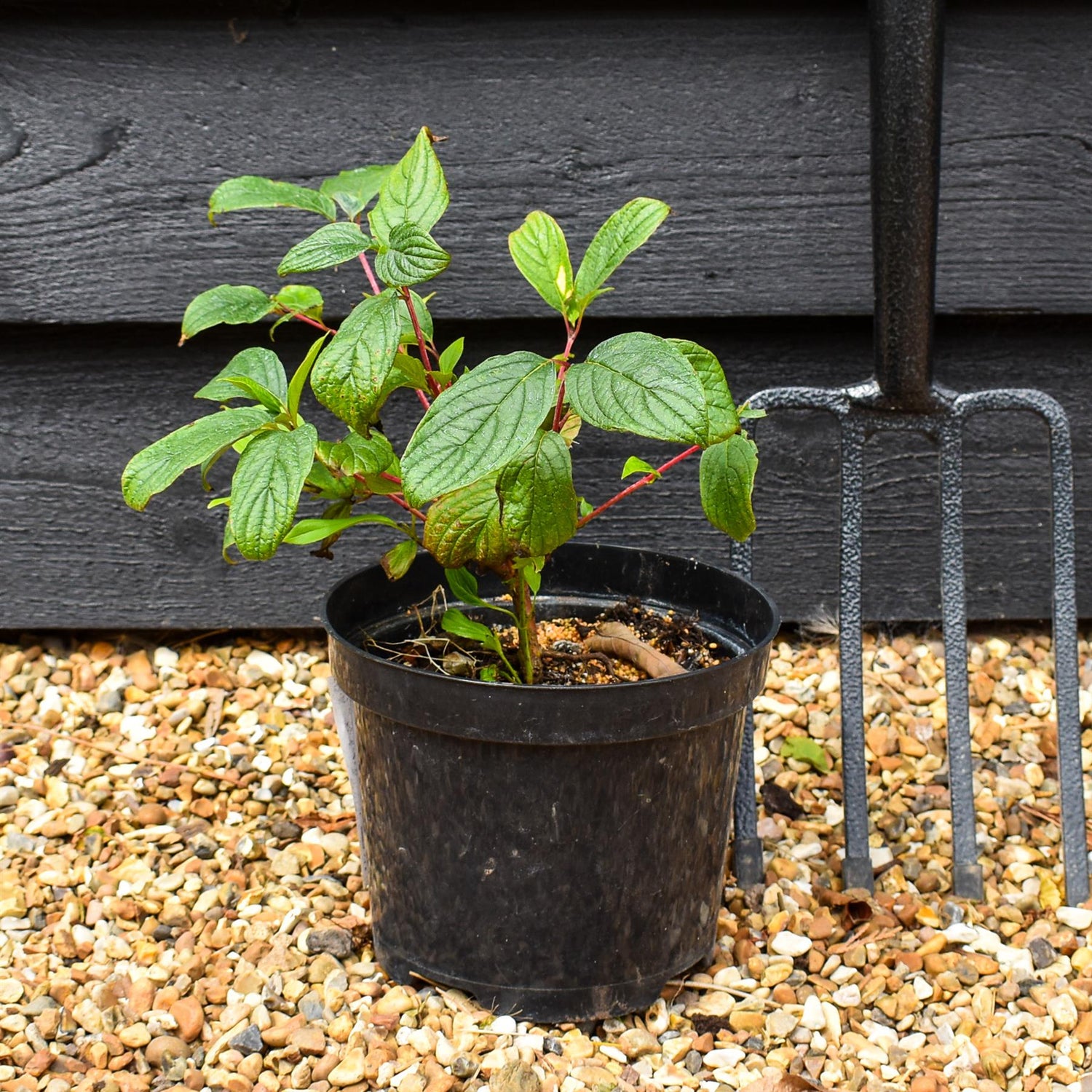


Cornus alba 'Sibirica' | Siberian Dogwood - 20-35CM - 3lt
£14.00
Unit price perCornus alba 'Sibirica' | Siberian Dogwood - 20-35CM - 3lt
£14.00
Unit price per


Cornus controversa 'Variegata' | Wedding Cake Tree - Feathered - Height 190-210cm - 25lt
£423.00
Unit price perCornus controversa 'Variegata' | Wedding Cake Tree - Feathered - Height 190-210cm - 25lt
£423.00
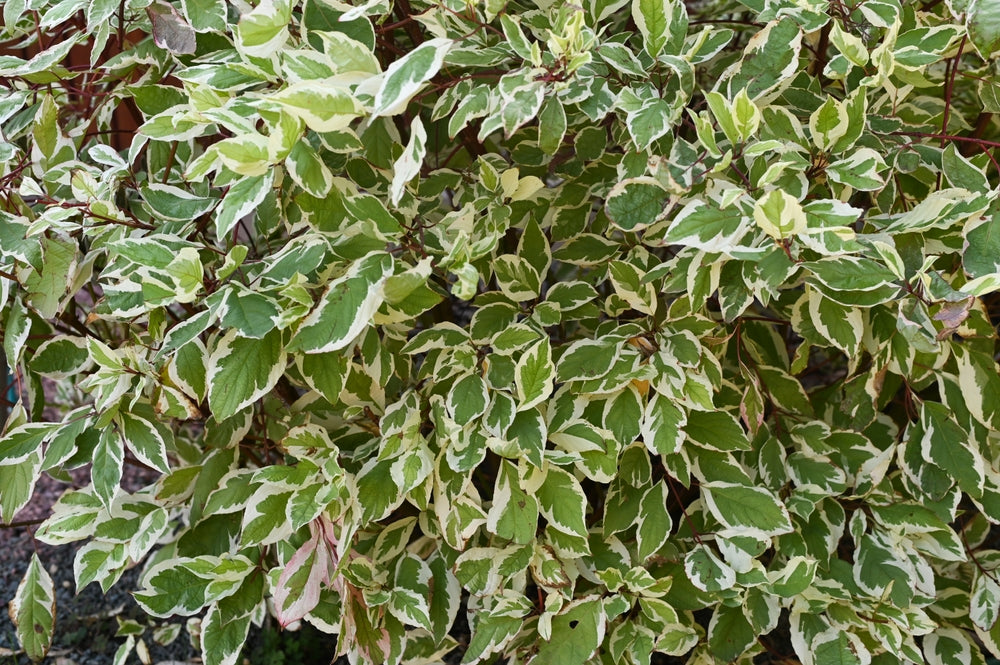
Unit price perCornus controversa ‘Variegata’, often called the Wedding Cake Tree, is a highly ornamental choice for gardens where its layered, tiered branching can be fully appreciated. Its standout feature is the elegant horizontal structure of its branches, which create a striking, architectural silhouette throughout the year. The variegated foliage—green leaves edged with creamy white—adds brightness and contrast, making the tree particularly effective as a focal point in borders, lawns, or larger mixed plantings.
This cultivar prefers moist, well-drained soil and thrives in full sun to partial shade. In hotter regions, a bit of afternoon shade helps protect the variegated leaves from scorch. While it can tolerate a range of soil types, it performs best in slightly acidic to neutral conditions. Although not fast-growing, it steadily matures into a medium-sized tree, making it suitable for medium to large gardens where its distinctive shape has room to develop.
Maintenance needs are minimal. Apart from light pruning to maintain its layered form, the tree grows naturally into its characteristic structure. In autumn, the foliage often develops soft pink and red tones, adding seasonal interest. With its refined shape, striking leaves, and year-round appeal, Cornus controversa ‘Variegata’ is an excellent choice for gardens seeking elegance and structure.
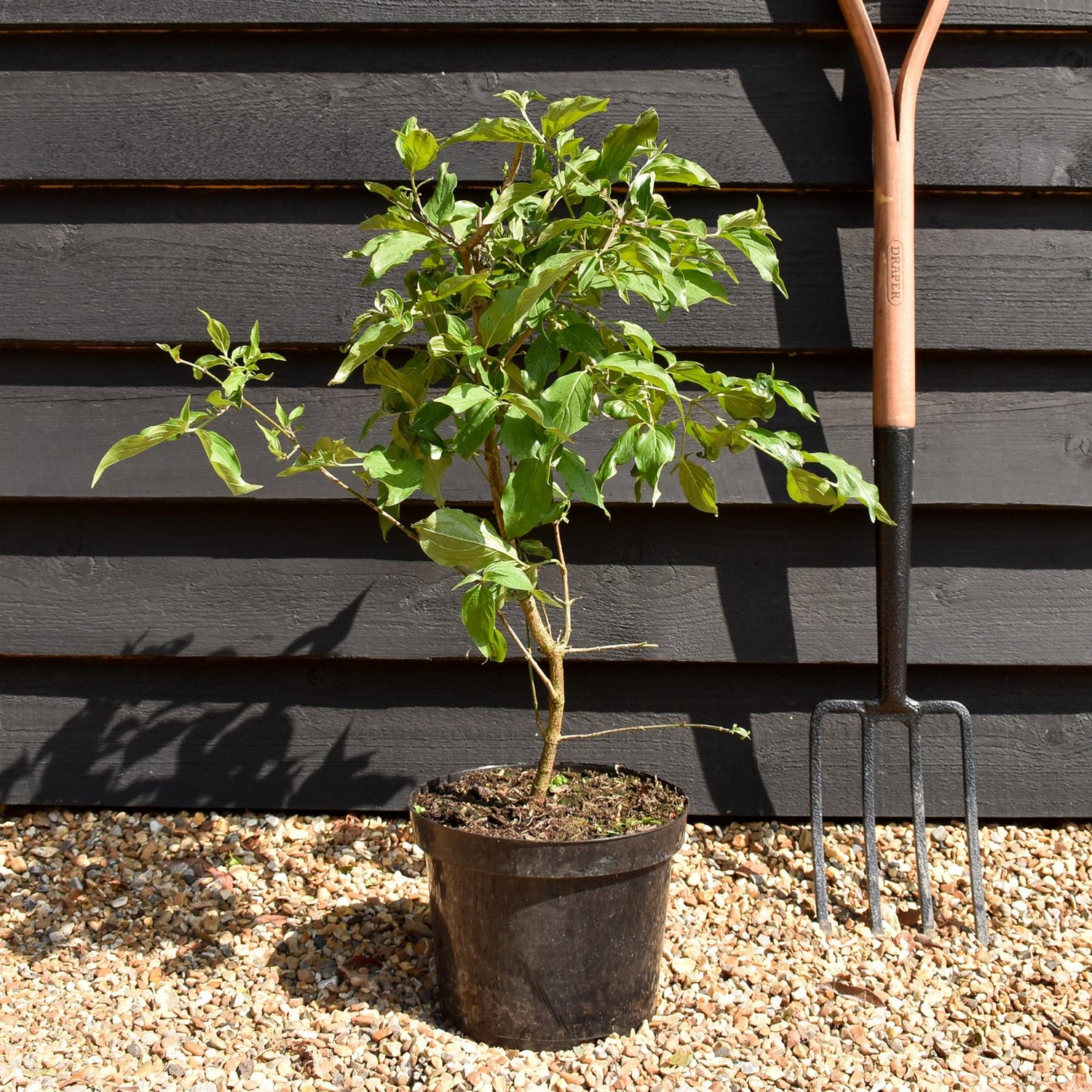


Cornus Mas - Height 50-60cm - Bushy - 5lt
£27.00
Unit price perCornus Mas - Height 50-60cm - Bushy - 5lt
£27.00
Unit price per


Cornus Mas | Cornelian Cherry - Height 220-250cm, 90lt
£475.00
Unit price perCornus Mas | Cornelian Cherry - Height 220-250cm, 90lt
£475.00
Unit price per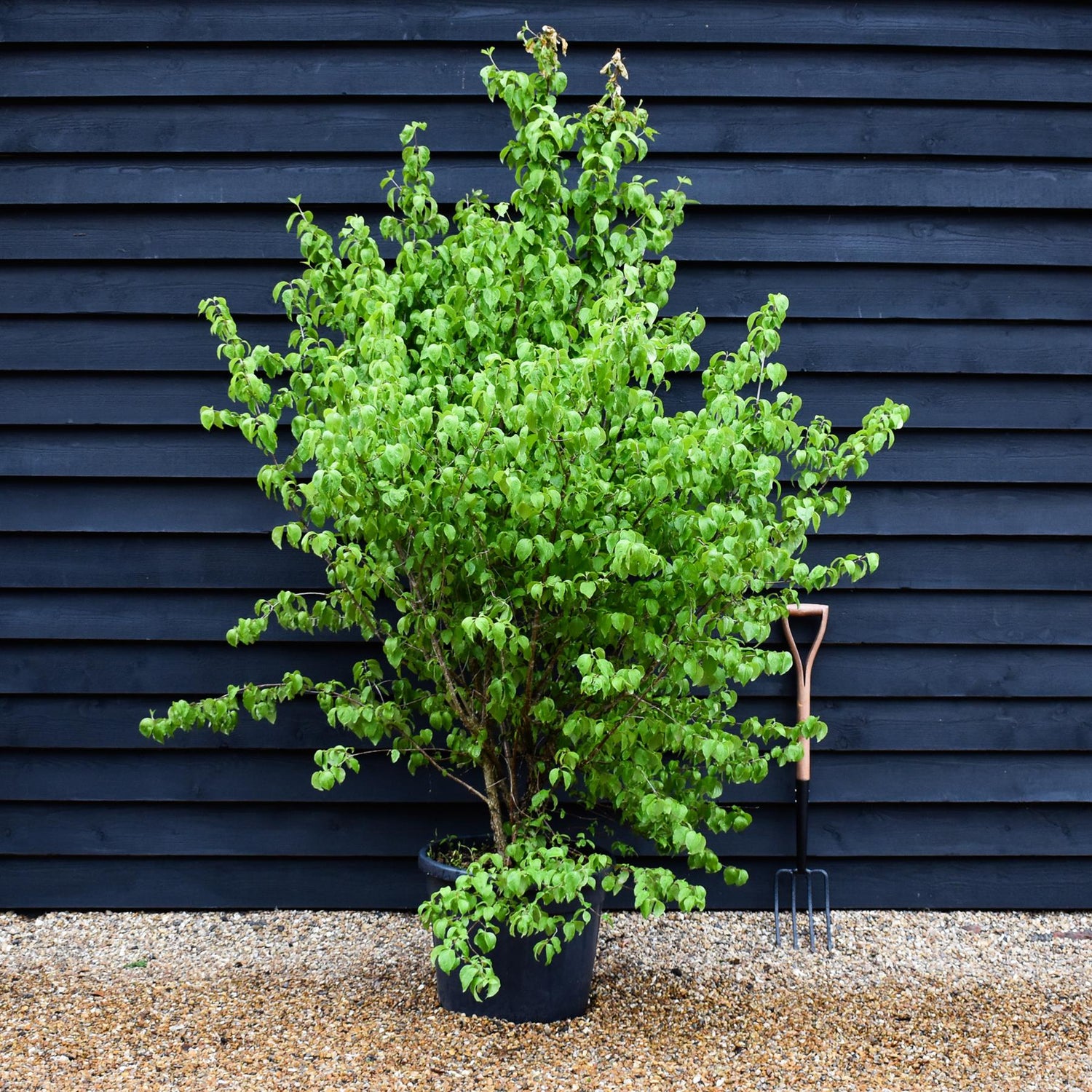


Cornus Mas | Cornelian Cherry - Height 180-200cm -55lt
£385.00
Unit price perCornus Mas | Cornelian Cherry - Height 180-200cm -55lt
£385.00
Unit price per

Cotoneaster 'Cornubia' 3/4 std Clear Stem - 300-350cm, 50lt
£165.00
Unit price perCotoneaster 'Cornubia' 3/4 std Clear Stem - 300-350cm, 50lt
£165.00
Unit price per


Alnus Cordata - Alder tree - Height 300-350cm - 30lt
£260.00
Unit price perAlnus Cordata - Alder tree - Height 300-350cm - 30lt
£260.00
Unit price perAlnus cordata, commonly known as the Italian alder, is a medium to large deciduous tree native to southern Italy and parts of Corsica. It belongs to the Betulaceae family and is highly valued for its ability to thrive in poor soils and challenging environmental conditions. This species is often planted for ornamental purposes, soil improvement, and as a windbreak due to its robust growth and adaptability.
The tree can reach heights of up to 25-30 metres (82-98 feet) with a trunk diameter of about 1 metre (3.3 feet). It has a relatively narrow, conical crown, which makes it an attractive choice for landscaping in urban and rural environments. The bark is smooth and greyish-brown when young, developing shallow fissures with age.
Alnus cordata is noted for its distinctive heart-shaped (cordate) leaves, which are bright green and glossy, measuring 7-12 cm in length. Unlike some other alders, the leaves of A. cordata remain on the tree until late autumn, giving it an extended season of greenery. In spring, it produces small, inconspicuous catkins, with male catkins being pendulous and yellowish, and female catkins more compact and upright. These develop into small, woody cones that persist on the tree through winter.
One of the key characteristics of Alnus cordata is its nitrogen-fixing ability. Like other alders, it forms a symbiotic relationship with the bacterium Frankia, which allows it to fix atmospheric nitrogen into the soil. This quality makes it an excellent species for improving soil fertility, particularly in degraded or nutrient-poor areas.
Overall, the Italian alder is a resilient and versatile tree, well-suited to a variety of landscapes, including wet or compacted soils, and is an important species for ecological restoration projects.


Alnus Cordata - Alder tree - Clear Stem - Standard - Girth 10-12cm - Height 480-530cm - 70lt
£390.00
Unit price perAlnus Cordata - Alder tree - Clear Stem - Standard - Girth 10-12cm - Height 480-530cm - 70lt
£390.00
Unit price perAlnus cordata, commonly known as the Italian alder, is a medium to large deciduous tree native to southern Italy and parts of Corsica. It belongs to the Betulaceae family and is highly valued for its ability to thrive in poor soils and challenging environmental conditions. This species is often planted for ornamental purposes, soil improvement, and as a windbreak due to its robust growth and adaptability.
The tree can reach heights of up to 25-30 metres (82-98 feet) with a trunk diameter of about 1 metre (3.3 feet). It has a relatively narrow, conical crown, which makes it an attractive choice for landscaping in urban and rural environments. The bark is smooth and greyish-brown when young, developing shallow fissures with age.
Alnus cordata is noted for its distinctive heart-shaped (cordate) leaves, which are bright green and glossy, measuring 7-12 cm in length. Unlike some other alders, the leaves of A. cordata remain on the tree until late autumn, giving it an extended season of greenery. In spring, it produces small, inconspicuous catkins, with male catkins being pendulous and yellowish, and female catkins more compact and upright. These develop into small, woody cones that persist on the tree through winter.
One of the key characteristics of Alnus cordata is its nitrogen-fixing ability. Like other alders, it forms a symbiotic relationship with the bacterium Frankia, which allows it to fix atmospheric nitrogen into the soil. This quality makes it an excellent species for improving soil fertility, particularly in degraded or nutrient-poor areas.
Overall, the Italian alder is a resilient and versatile tree, well-suited to a variety of landscapes, including wet or compacted soils, and is an important species for ecological restoration projects.


Abies koreana 'Tordis' | Korean fir 'Tordis' - Height - 80-90cm - 20lt
£270.00
Unit price perAbies koreana 'Tordis' | Korean fir 'Tordis' - Height - 80-90cm - 20lt
£270.00
Unit price perAbies koreana ‘Tordis’ is a beautiful, compact Korean Fir valued for its distinctive shape, attractive foliage and excellent year-round interest. This relatively slow-growing conifer forms a neat, upright plant with dense, rich green foliage, making it an excellent choice for smaller gardens, borders and specimen planting.
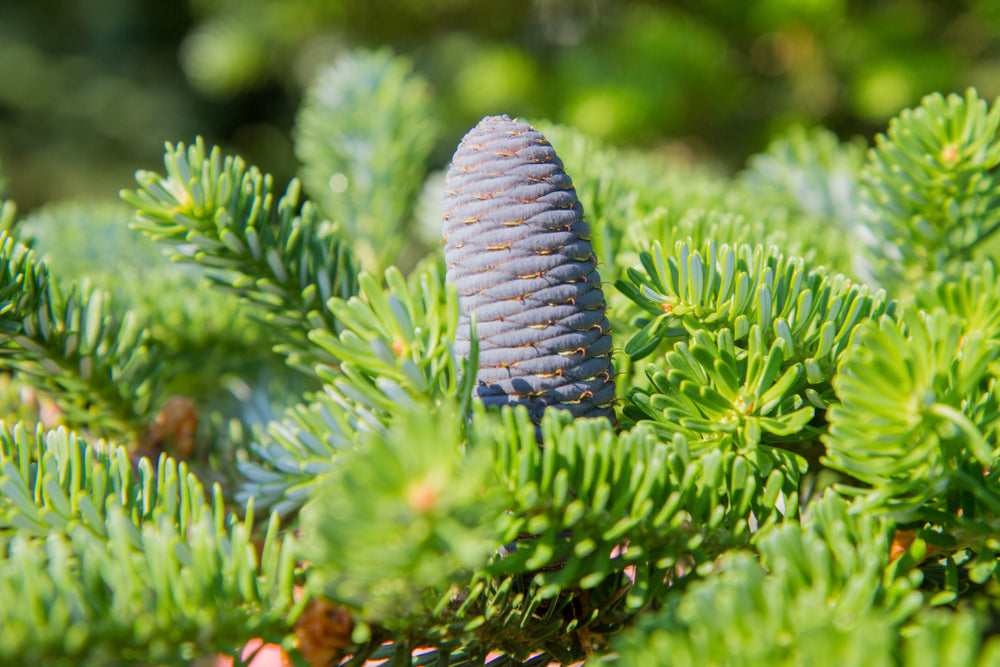
The short, soft needles are arranged densely along the branches, with their silvery-white undersides adding an attractive contrast when viewed from different angles. Like other Korean Firs, ‘Tordis’ can also produce attractive purple-blue cones on mature plants, which develop upright on the branches and provide an additional ornamental feature.
Its naturally tidy habit means it requires little or no pruning, making it a particularly low-maintenance choice for gardeners looking for structure without regular trimming. It is also an excellent plant for providing winter interest, retaining its foliage throughout the year.
‘Tordis’ is well suited to a sunny or partially shaded position and prefers a fertile, well-drained soil that does not become excessively dry or waterlogged. Once established, it is generally hardy throughout the UK and copes well with typical British winters. Providing good drainage is particularly important, especially on heavier soils.
Its compact growth makes it a useful alternative to larger firs where space is limited. It works particularly well as a standalone specimen, in a mixed border, or as part of a collection of ornamental conifers. Its elegant form and contrasting foliage also make it an attractive choice for contemporary and more traditional garden styles.
With its neat habit, attractive evergreen foliage and distinctive cones, Abies koreana ‘Tordis’ is a superb choice for adding year-round structure and interest to the garden without becoming overly dominant
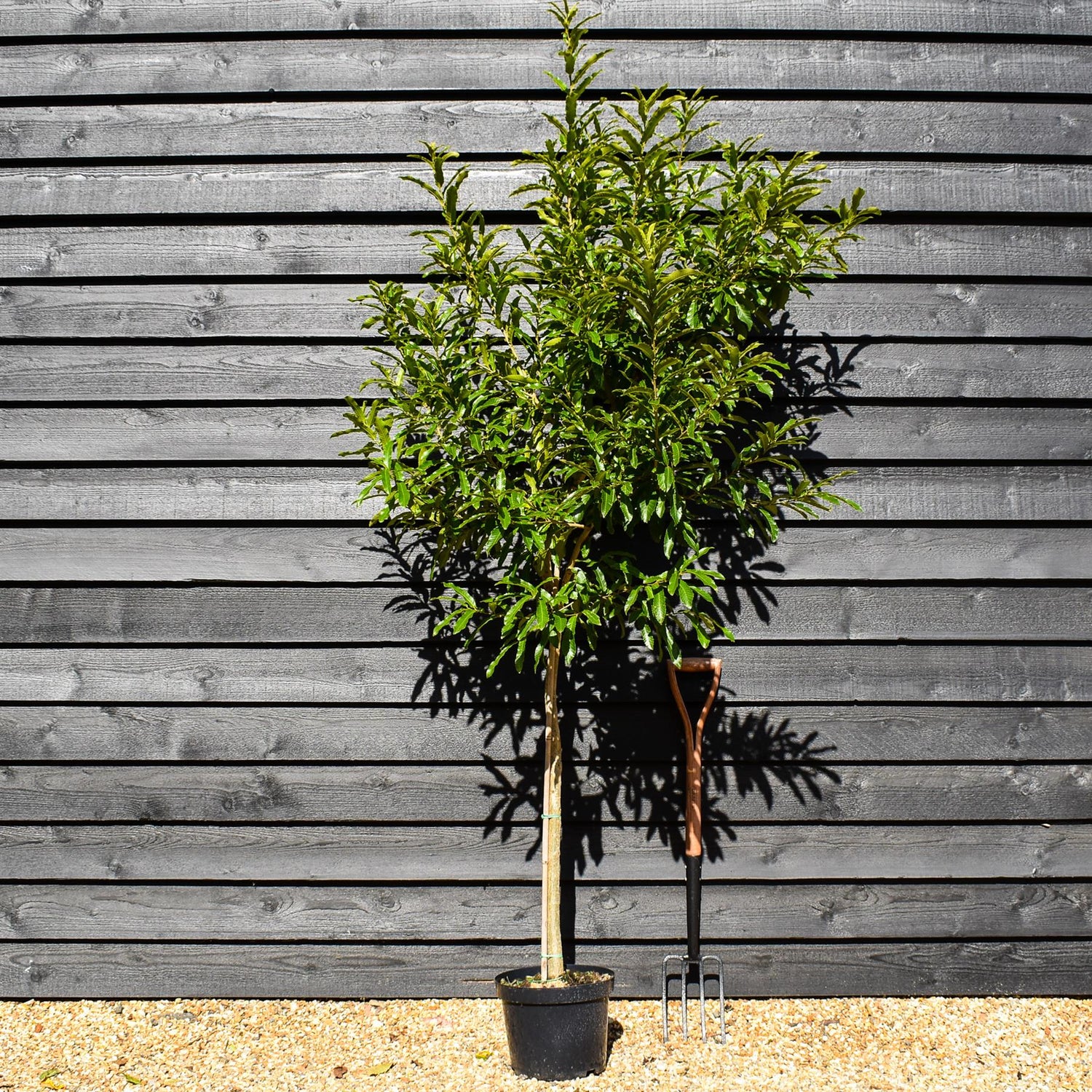


Sawtooth Oak | Quercus acutissima - Pot Grown - Height 160-180cm - 10lt
£155.00
Unit price perSawtooth Oak | Quercus acutissima - Pot Grown - Height 160-180cm - 10lt
£155.00
Unit price perQuercus acutissima, commonly called the sawtooth oak, is a striking deciduous tree native to East Asia and widely appreciated for its adaptability and elegance. Named for its distinctive long, narrow leaves with sharply serrated edges, it brings a bold texture to landscapes. In spring and summer, the tree displays rich green foliage, which turns golden-yellow in autumn, creating a brilliant seasonal highlight. Growing up to 25 meters tall, the sawtooth oak forms a broad, spreading crown that offers generous shade and a commanding presence. Hardy and fast-growing, it thrives in a wide range of soils and climates, making it a versatile choice for parks, gardens, and reforestation projects. Traditionally valued for its durable timber, Quercus acutissima also supports wildlife with its acorns and sheltering canopy. Symbolizing resilience, longevity, and natural harmony, the sawtooth oak embodies both practical utility and timeless beauty, making it ideal for sustainable landscapes and crafted products.
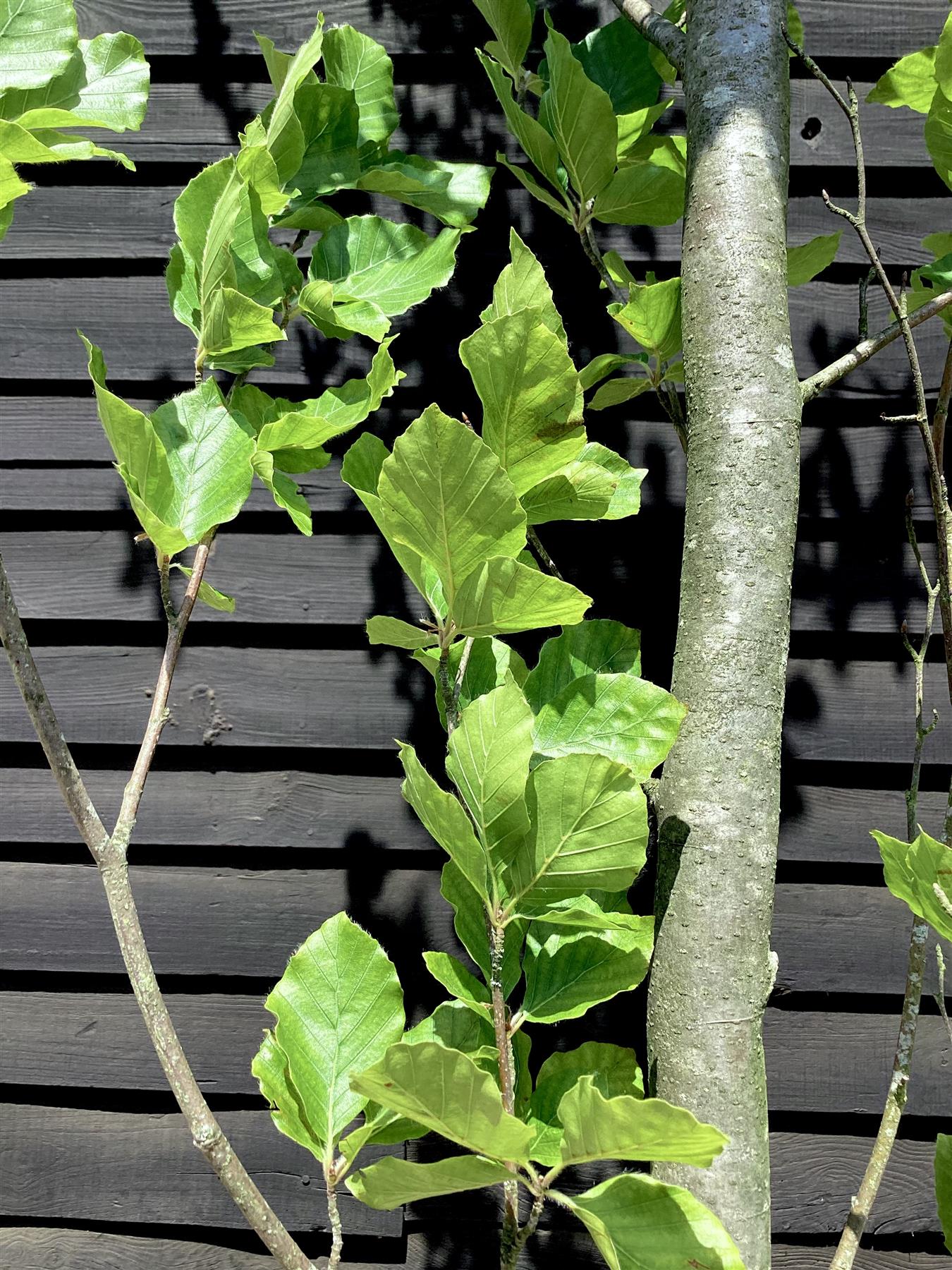


Fagus Sylvatica Dawkye | Dawyck Beech - 450-500cm, 50lt
£260.00
Unit price perFagus Sylvatica Dawkye | Dawyck Beech - 450-500cm, 50lt
£260.00
Unit price per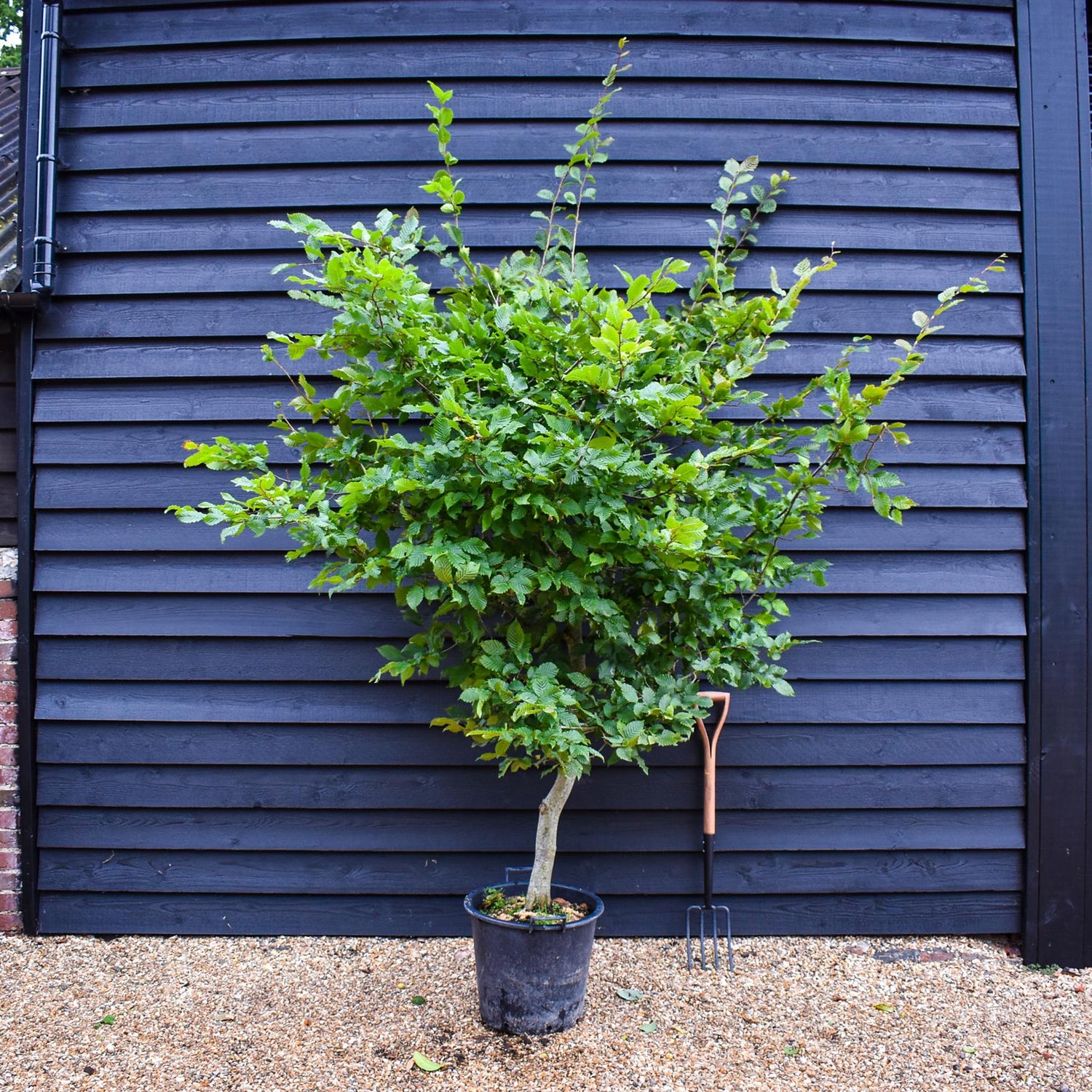


Carpinus betulus | European Hornbeam - 200-220cm, 30lt
£135.00
Unit price perCarpinus betulus | European Hornbeam - 200-220cm, 30lt
£135.00
Unit price per


Cotoneaster 'Cornubia' - 160-200cm, 10lt
£80.00
Unit price perCotoneaster 'Cornubia' - 160-200cm, 10lt
£80.00
Unit price per


Carpinus betulus Fastigiata Ball | Common Hornbeam - 450cm, 130lt
£695.00
Unit price perCarpinus betulus Fastigiata Ball | Common Hornbeam - 450cm, 130lt
£695.00
Unit price perCarpinus betulus 'Fastigiata', trained as a standard ball, is an elegant and versatile ornamental tree that brings structure and year-round interest to gardens of all sizes. Grown into a clear stem and clipped into a neat, rounded crown, it creates a formal appearance that works beautifully in contemporary, traditional, and cottage-style landscapes.
This hardy hornbeam thrives in a wide range of soil types, including clay, loam, and chalk, provided the ground is reasonably well drained. It is well suited to the UK climate and tolerates exposed positions, urban pollution, and seasonal weather fluctuations. The dense foliage emerges fresh green in spring, deepens through summer, and turns rich shades of golden yellow before falling in autumn. In some sheltered locations, dried leaves may remain on the branches through winter, adding seasonal texture.
The compact canopy makes it ideal for lining driveways, framing entrances, creating symmetry in formal gardens, or adding height without occupying excessive ground space. Minimal pruning is required to maintain its rounded shape, making it a relatively low-maintenance choice.
Combining durability, architectural form, and attractive seasonal colour, a standard ball hornbeam is an excellent feature tree that provides lasting beauty and structure throughout the year.