














How to Grow Hydrangeas in the UK: Care, Pruning and Best Varieties
Hydrangeas are one of the most reliable and beautiful shrubs for UK gardens, offering colour and structure from early summer through to autumn. They have a remarkable way of turning overlooked corners into a full display of colour, and there’s a variety to suit almost every garden. This hydrangea care guide for UK gardens covers everything you need to know about growing hydrangeas, choosing the right varieties, pruning, watering, and solving common problems.
Are Hydrangeas Suitable for the UK Climate?
Hydrangeas do very well in the UK and will grow happily in most parts of the country. In the South and South West, mild winters and longer growing seasons help hydrangeas thrive, while many varieties are just as comfortable in the cooler conditions of the North and Scotland.
In most parts of the UK, regular rainfall helps keep the soil moist, which suits hydrangeas well. But in colder areas, late frosts can affect new growth, and in drier or more exposed spots, they may need a bit of extra watering or some shelter to thrive
Where to Plant Hydrangeas in the UK
Best Position for Hydrangeas
Most hydrangeas prefer partial shade, where they can enjoy morning sun but are protected from the stronger afternoon heat. This kind of position helps keep the soil from drying out too quickly and prevents the leaves from scorching. East-facing borders or lightly shaded areas are usually ideal. This tends to be the safest option in most UK gardens.
Can Hydrangeas Grow in Full Sun?
Some hydrangeas can handle full sun, especially tougher varieties like paniculata and in cooler parts of the UK. However, strong sun can dry them out quickly, so they’ll still need consistently moist soil. In warmer or drier areas, most will do better with a little shade during the afternoon.
How to Protect Hydrangeas from Wind and Exposure?
Hydrangeas are happiest in a sheltered spot because strong winds can damage their large leaves and heavy flower heads. Wind can also dry out the soil more quickly, which puts extra stress on the plant. Here’s how to protect them:
Avoid very exposed or windy areas
Plant near a wall, fence or hedge
Use nearby planting for natural protection
Keep the soil well-watered and mulched
Can Hydrangeas Grow in Pots or Containers?
Hydrangeas grow very well in pots or containers. They are a great choice for patios, courtyards and smaller gardens. In our experience, many varieties perform just as well in containers as they do in the ground, as long as they are properly watered and fed.
How to Grow Hydrangeas in Containers
Container-grown hydrangeas will need just a little more attention. It’s important to recreate the conditions they would have in the ground as much as possible. Here are a few tips for growing hydrangeas in pots and containers:
Choose a large pot with good drainage
Use a quality compost that holds moisture
Water regularly, especially during warm periods
Feed during the growing season
Repot every few years as the plant grows
Nothing too complicated. Consistent care is what makes the biggest difference.
Growing Hydrangeas in Pots vs. Ground
If you can’t decide whether to grow hydrangeas in the ground or in containers, here are some key differences to have in mind.
In the ground, hydrangeas:
have more stable moisture
tend to grow larger
need minimal maintenance once established
In pots, they:
are easier to move and position well
are ideal for smaller spaces
but need more frequent watering and feeding
There’s no single right answer. It usually comes down to your space and routine.
Best Soil for Hydrangeas in the UK
Hydrangeas grow best in moist, well-drained, slightly acidic to neutral soil rich in organic matter. Many UK gardens naturally provide good conditions, but improving the soil slightly before planting saves a lot of effort later on.
How to Improve Clay Soil for Hydrangeas?
This is a common problem in UK gardens. Clay soil holds moisture very well, but can be heavy and slow to drain. To improve clay soil:
Avoid planting in waterlogged areas or low spots
Break up compacted soil before planting
Add compost or well-rotted organic matter
Mix in horticultural grit to help improve drainage
Apply mulch every year to improve structure
In very heavy clay, planting slightly raised can also help improve drainage.
How to Improve Sandy or Light Soil for Hydrangeas?
Sandy or light soils drain quickly, which means they dry out faster, especially in warm weather. As hydrangeas prefer consistently moist soil, this is where many people struggle during warmer periods. To improve sandy or light soils:
Add compost or well-rotted organic matter
Mix in materials like leaf mould to improve structure
Apply a thick mulch each spring to reduce water loss
Water deeply and regularly instead of little and often
Choose a slightly more sheltered or partially shaded position
Does Soil pH Affect Hydrangea Colour?
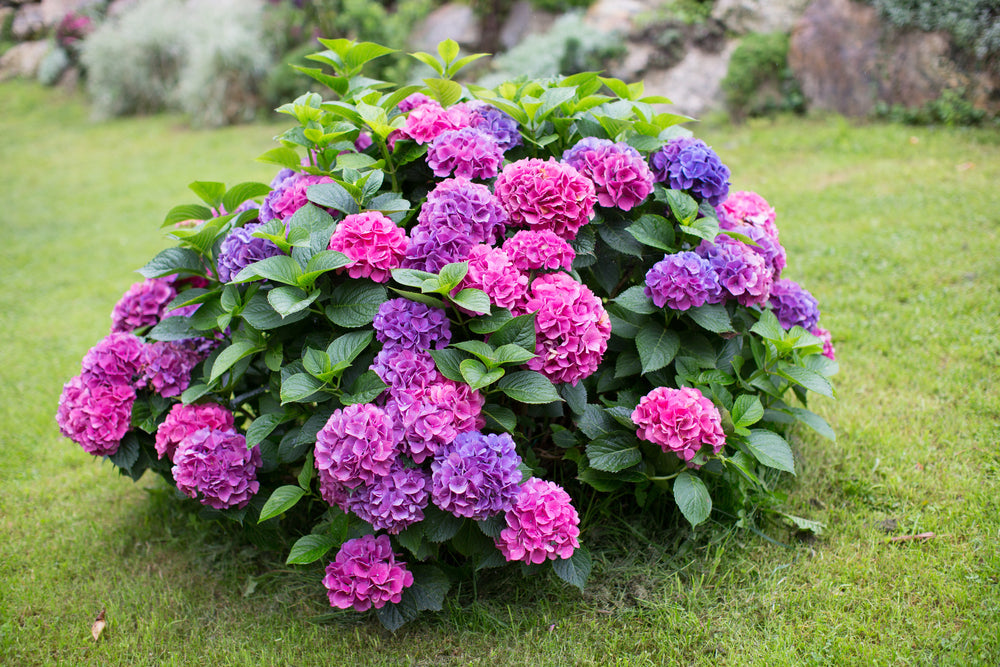
This is one of the most common questions we’re asked at the nursery. Not all hydrangeas respond to soil pH in the same way. Soil pH affects the colour of Hydrangea macrophylla (mophead and lace-cap types).
Flowers are blue in acidic soil (pH 5.5–6).
Flowers are pink in neutral to alkaline soil (pH 7+).
Acidic soil allows the plant to absorb aluminium, which then gives flowers the blue colour.
Flowers of other hydrangeas, such as paniculata and quercifolia, are not affected by soil pH.
Hydrangea Varieties for UK Gardens: Choosing the Right Type
Choosing the right type makes a big difference to how well it grows. Here are the hydrangeas we grow at our nursery, along with their key features to help you find the right fit for your garden:
Hydrangea macrophylla (Mophead and Lacecap):
Best for partial shade and sheltered spots
Large, rounded or flat flower heads
Flower colour can be pink or blue depending on soil pH
Flowers on old wood
Ideal for borders, containers, and traditional gardens
Hydrangea paniculata
Tolerates more sun and more open areas
Cone-shaped flowers that often change colour as they age
Flowers on new growth
Very hardy and reliable
Good for larger borders or as a focal point
Hydrangea quercifolia (Oakleaf hydrangea)
Prefers partial shade and sheltered positions
Oak-shaped leaves
Excellent autumn colour
White flowers that age to pink
Ideal for woodland-style or informal gardens
Hydrangea aspera
Best in partial shade and sheltered areas
Large, velvety leaves
More unusual, delicate flowers
Needs space to grow
Ideal for more natural or less formal areas
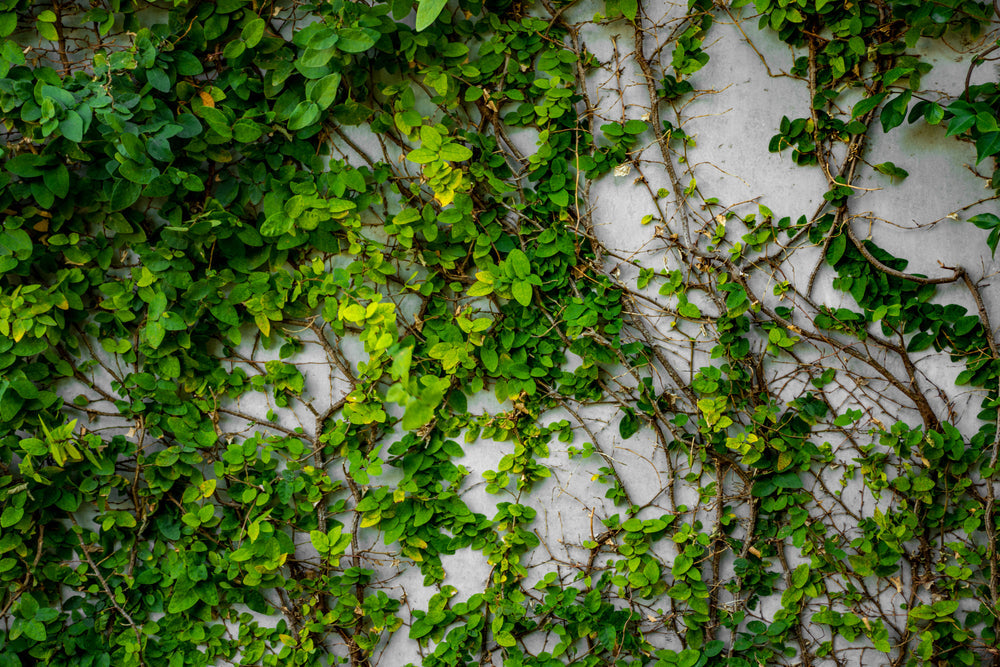
Hydrangea anomala subsp. petiolaris (Climbing hydrangea)
Grows well in shade, even north-facing walls
Self-clinging climber. It doesn’t need support.
White flower heads in early summer
Slow to start, but strong and easy to care for later
Ideal for covering walls and fences
How to Plant Hydrangeas in Your UK Garden
The best time to plant hydrangeas is spring or autumn, when the soil is naturally moist and temperatures are mild. Avoid planting during very hot, dry spells in summer or when the ground is frozen in winter.
Step-by-Step Planting Guide
You don’t need to overthink this. Follow these simple steps and give your hydrangea the best possible start:
Dig a hole twice as wide as the root ball and about the same depth
Improve the soil with compost or organic matter if needed
Water the plant well in its pot before planting
Place the plant so it’s level with the soil around it. Not too deep or too high.
Fill the hole with soil and gently press it down around the plant
Water thoroughly to help it settle
After planting:
Add a layer of mulch to help keep the soil moist
Keep the plant well-watered, especially in the first growing season
How to Water Hydrangeas UK
Hydrangeas don’t really like drying out, so they need consistently moist soil. However, they also don’t tolerate waterlogged soil. Here’s how to water them properly:
Water deeply so the moisture reaches the roots.
Check the soil regularly. If the top few centimetres feel dry, it’s time to water.
Water at the base of the plant, not over the leaves.
Keeping the soil evenly moist will help your hydrangea stay healthy and flower well.
How Often to Water Hydrangeas in the UK
In the UK, rainfall helps a lot, but during dry spells, your hydrangeas will still need a bit of extra watering.
In normal weather: water once or twice a week if needed
In warm or dry spells: water more often, especially newly planted hydrangeas
In the first year: water regularly to help the plant establish
It’s always better to water thoroughly and less often than little and often.
Watering Hydrangeas in Pots vs. Ground
Hydrangeas in pots dry out much faster than those in the ground, so they need more attention.
Check daily in warm weather
Water whenever the compost starts to dry out
Make sure excess water can drain away
In the ground:
Water during dry spells
Once established, they are low maintenance
How to Feed Hydrangeas (Best Fertiliser & Timing)
Feeding hydrangeas will support healthy growth and reliable flowering but overdoing it can actually cause problems. Here is how to do it correctly:
Best Fertiliser for Hydrangeas UK
Hydrangeas don’t need anything too specialised. You can use a balanced, general-purpose fertiliser for healthy growth and good flowering.
A general fertiliser works well
Organic options like fish, blood and bone or garden compost are also a good choice
Slow-release fertilisers can be useful if you prefer something longer-lasting
It’s best to avoid feeds that are too high in nitrogen, as these can lead to lots of leafy growth but fewer flowers.
When to Feed Hydrangeas
The best time to feed hydrangeas is the early spring, just as the new growth starts. This gives them a good boost at the start of the season. Feed once in spring as growth begins
If your soil is poor, you can give a light second feed in early summer
Hydrangeas in containers can also be given a liquid feed every couple of weeks during the growing season, from late spring through summer, especially while they are in flower.
When and How to Prune Hydrangeas
Pruning hydrangeas can feel a bit confusing at first, but it becomes much simpler once you understand how your plant flowers. Some bloom on older stems from the previous year, while others flower on new growth each season.
If you’re ever unsure, it’s best to keep it simple. Just remove any dead or damaged stems and avoid cutting back too much.
Hydrangeas That Flower on Old Wood
Hydrangeas that flower on old wood are macrophylla and aspera. They form their flower buds on stems from the previous year, which is where many people accidentally remove next year’s flowers without realising. So with these hydrangeas, it’s best to:
Prune lightly after flowering
Remove any dead or weak stems
Avoid cutting back too hard, as this can remove next year’s flowers
Hydrangeas That Flower on New Wood
Hydrangeas that flower on the current season’s growth, like paniculata, are much easier to manage. Prune in late winter or early spring. Cut back more firmly to shape the plant.
This helps encourage strong new growth and plenty of flowers
Hydrangeas That Need Minimal Pruning
Some hydrangeas are best left mostly alone and only need a little tidying now and then.
Remove dead, damaged, or crossing stems
Lightly shape if needed
Avoid heavy pruning
This includes quercifolia and climbing hydrangeas, which usually keep a good natural shape on their own.
Common Hydrangea Problems (UK Gardeners)
Hydrangeas are generally easy to grow, but like any plant, they can run into a few common problems. Most issues are easy to fix once you know what to look for.
Why Is My Hydrangea Not Flowering?
In most cases, it’s not one big issue but a combination of small ones. If your hydrangea isn’t flowering, this might be the cause:
You pruned at the wrong time (cut off flower buds)
Too much shade or not enough light
Late frost damaging new growth
Too much nitrogen-rich fertiliser
Making a few small adjustments is often enough to get it flowering again.
Why Are My Hydrangea Leaves Wilting?
Wilting is usually a sign that the plant is struggling with water.
Soil is too dry (most common)
Very hot weather or strong sun
Newly planted hydrangeas settling in
Give the plant a good, deep watering and check the soil regularly.
Why Are Hydrangea Leaves Scorched?
Scorched or brown leaves are often caused by too much sun or dry conditions.
Strong afternoon sun, especially in summer
Not enough moisture in the soil
Exposure to drying winds
Moving the plant to a slightly shadier spot or improving watering can usually solve the problem.
Why Does My Hydrangea Have Lots of Leaves but Few Flowers?
If your hydrangea is full of leaves but not flowering much, it’s usually down to a few simple things:
Too much fertiliser (especially high in nitrogen)
Too much shade
Pruning at the wrong time
In our experience, overfeeding is the most common cause.
Reduce feeding, give it a little more light, and avoid heavy pruning. This is usually enough to encourage flowering again.
Where to Buy Hydrangeas - Arundel Arboretum
If you’re looking for the right hydrangea for your garden, we’d love to welcome you to our Arundel Arboretum nursery, located in the heart of West Sussex, in the historic town of Arundel. You can take your time to look around, compare varieties, and get friendly, practical advice.
If you can’t visit us, you can also explore our online store, where you’ll find a wide selection of hydrangeas and other plants grown here at the nursery and available for delivery across the UK.
We’re here to help you choose the right hydrangea with confidence and get the best results in your garden.