

-
Trees
Trees
 Fruit Trees
 Ornamental
 Screening
 Palms
By FeaturesBy Shape
Palms
By FeaturesBy Shape -
Shrubs
Shrubs
 Large shrubs
 Hedging
 Bamboo
 Climbers
 Flowering
 Grasses & Ferns
 Popular
-
Pines & Conifers
Pines & Conifers
 Pines
Pines
 Spruce & Fir
 Cypress
 Thuja
Thuja
 Redwood | Sequoia
-
Specimen
FREE DELIVERY OVER £350
Abies koreana | Korean Fir

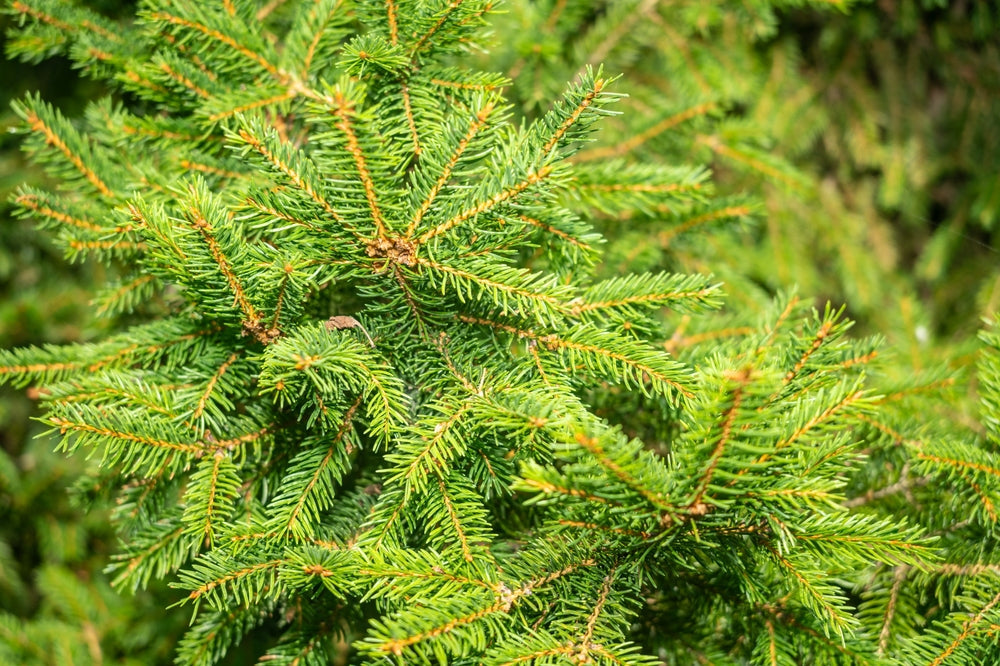
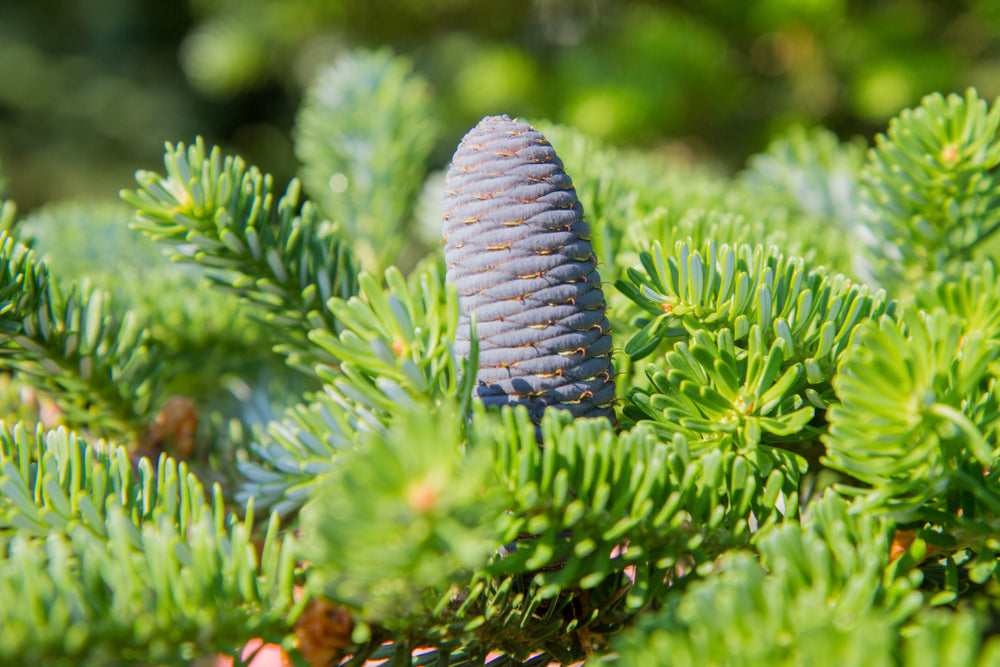
A compact, ornamental evergreen with dense, dark green needles and striking purple-blue cones. Ideal for gardens, it offers year-round beauty, resilience, and a distinctive, elegant presence in landscapes.
6 products
6 products
Sort by:


Abies koreana 'Brilliant'| Korean fir 'Brilliant' - Height 20-30cm - 10lt
£126.00
Unit price perAbies koreana 'Brilliant'| Korean fir 'Brilliant' - Height 20-30cm - 10lt
£126.00
Unit price per


Abies koreana 'Tordis' | Korean fir 'Tordis' - Height - 80-90cm - 20lt
£270.00
Unit price perAbies koreana 'Tordis' | Korean fir 'Tordis' - Height - 80-90cm - 20lt
£270.00
Unit price perAbies koreana ‘Tordis’ is a beautiful, compact Korean Fir valued for its distinctive shape, attractive foliage and excellent year-round interest. This relatively slow-growing conifer forms a neat, upright plant with dense, rich green foliage, making it an excellent choice for smaller gardens, borders and specimen planting.
The short, soft needles are arranged densely along the branches, with their silvery-white undersides adding an attractive contrast when viewed from different angles. Like other Korean Firs, ‘Tordis’ can also produce attractive purple-blue cones on mature plants, which develop upright on the branches and provide an additional ornamental feature.
Its naturally tidy habit means it requires little or no pruning, making it a particularly low-maintenance choice for gardeners looking for structure without regular trimming. It is also an excellent plant for providing winter interest, retaining its foliage throughout the year.
‘Tordis’ is well suited to a sunny or partially shaded position and prefers a fertile, well-drained soil that does not become excessively dry or waterlogged. Once established, it is generally hardy throughout the UK and copes well with typical British winters. Providing good drainage is particularly important, especially on heavier soils.
Its compact growth makes it a useful alternative to larger firs where space is limited. It works particularly well as a standalone specimen, in a mixed border, or as part of a collection of ornamental conifers. Its elegant form and contrasting foliage also make it an attractive choice for contemporary and more traditional garden styles.
With its neat habit, attractive evergreen foliage and distinctive cones, Abies koreana ‘Tordis’ is a superb choice for adding year-round structure and interest to the garden without becoming overly dominant
Korean fir | Abies koreana - Height 40-50cm - Pot Grown - 5lt
£39.00
Unit price perKorean fir | Abies koreana - Height 40-50cm - Pot Grown - 5lt
£39.00
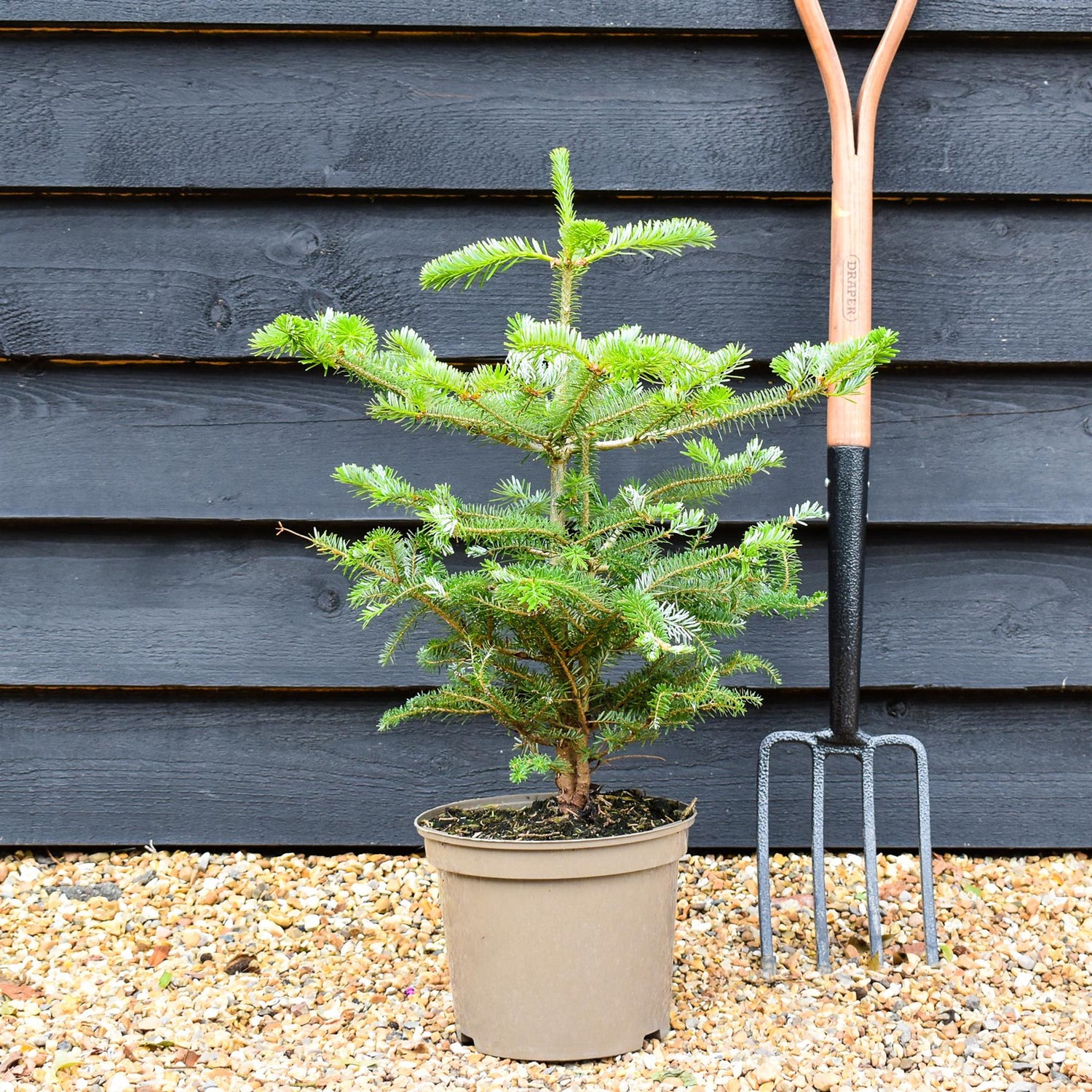
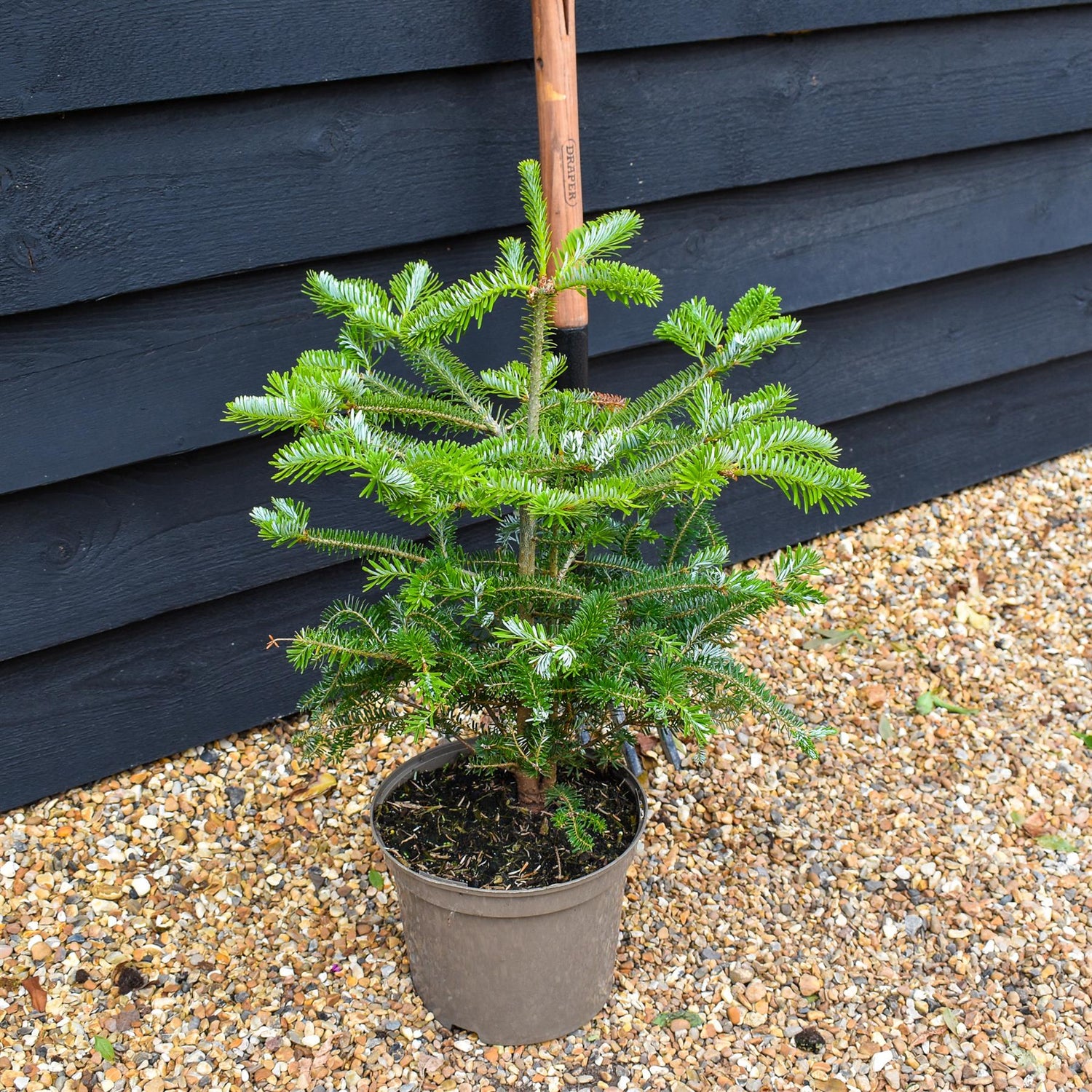
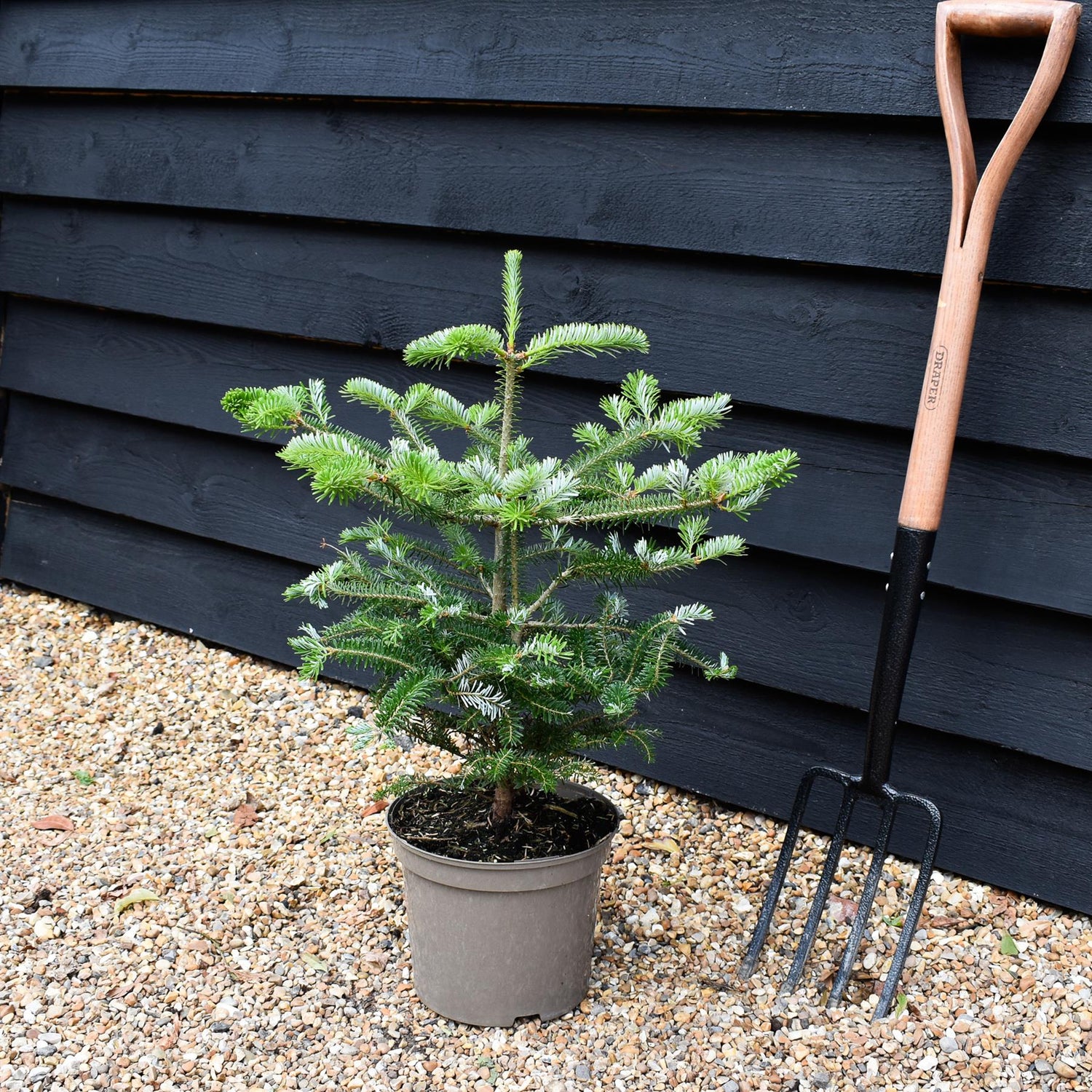
Unit price perAbies koreana, commonly known as the Korean fir, is a striking, compact evergreen conifer native to the mountainous regions of South Korea. It is prized for its dense, upward-growing branches, dark green needles with shimmering silvery undersides, and distinctive purple-blue cones that often appear even on young trees, adding year-round ornamental appeal. This slow-growing species typically reaches a mature height of 6 to 12 metres, making it ideal for smaller gardens or as a feature tree in larger landscapes.
At Arundel Arboretum, our Korean firs have been lovingly pot-grown from seed, ensuring strong root development and careful cultivation from the very beginning. This method promotes healthier, more resilient trees that are well-suited for successful transplanting into a variety of garden settings. Grown with expertise and attention to detail, our Abies koreana trees offer not only exceptional beauty but also the assurance of quality and care from seed to sale.


Abies koreana | Korean fir - Height 60cm - Width 30-40cm - 18lt
£94.00
Unit price perAbies koreana | Korean fir - Height 60cm - Width 30-40cm - 18lt
£94.00
Unit price perAbies koreana, commonly known as Korean fir, is an evergreen coniferous tree that belongs to the Pinaceae family. Native to the high mountains of South Korea, this tree species is renowned for its beautiful foliage, attractive cone clusters, and graceful habit. It is a popular ornamental tree grown in gardens, parks, and landscapes around the world.
Korean fir can grow up to 15-20 meters in height with a narrow pyramidal or conical shape. The bark is grayish-brown and smooth when young, becoming rough and scaly as the tree ages. The needles are 1-3 cm long, glossy dark green on the upper surface, and have two white stripes on the undersides. They are arranged in a spiral pattern around the branches, giving the tree a graceful and delicate appearance.
One of the most distinctive features of Korean fir is its stunning cones. They are upright and cylindrical, measuring 7-15 cm in length and 3-4 cm in width. The cones are green when young, but turn a beautiful purple or violet-blue as they mature. They also have unique, purplish bracts that protrude from the cone scales, adding to their aesthetic appeal. Korean fir is a hardy tree that prefers cool and moist conditions. It is best grown in full sun or partial shade in well-drained, acidic soils. It is relatively slow-growing, but can live for several decades with proper care. It is also resistant to most pests and diseases, making it a low-maintenance tree.


Abies koreana 'Ice Breaker' - Height 15cm - Width 20-25cm - 8lt
£126.00
Unit price perAbies koreana 'Ice Breaker' - Height 15cm - Width 20-25cm - 8lt
£126.00
Unit price per


Abies koreana 'Oberon' | Korean Fir - Bushy - Height 20-30cm - 8lt
£105.00
Unit price perAbies koreana 'Oberon' | Korean Fir - Bushy - Height 20-30cm - 8lt
£105.00
Unit price perAbies koreana ‘Oberon’ is a beautiful compact form of Korean Fir, prized for its neat, architectural shape, slow growth and attractive evergreen foliage. This charming conifer is an excellent choice for smaller gardens, contemporary planting schemes, rockeries, alpine gardens, containers and areas where a full-sized tree would be unsuitable.
‘Oberon’ remains naturally compact, developing a dense, rounded to broadly conical habit over many years. It typically grows slowly, making it ideal for gardeners looking for a low-maintenance evergreen that provides year-round structure without becoming overpowering. Its tidy growth habit means it requires little, if any, pruning to maintain its shape.
The foliage consists of short, glossy green needles that are arranged neatly along the branches, creating a soft yet refined appearance. The undersides of the needles have a silvery-white colouring, giving the plant a subtle shimmering effect when viewed from different angles. It may produce attractive upright cones when mature, adding further seasonal interest.
Abies koreana ‘Oberon’ prefers a sheltered position in full sun or partial shade and thrives in fertile, moist but well-drained soil. It performs particularly well in slightly acidic to neutral soils but will tolerate a range of garden conditions provided drainage is good. Avoid planting in areas that become waterlogged during winter. A mulch around the base of the plant will help retain moisture and protect the roots, especially during dry summer periods.
This hardy evergreen is well suited to the UK climate and requires minimal care once established. It is generally resistant to pests and diseases and benefits from protection from strong, drying winds, particularly when young. Its compact size and year-round interest make it a versatile choice for small gardens, mixed borders or as an elegant specimen plant in a decorative container.
Related blog posts


