
British Native Trees
Most popular native trees
English oak | Quercus robur - Feathered - Height 140-180cm Width 60-80cm - 12lt
7300
£73.00
Unit price perEnglish oak | Quercus robur - Feathered - Height 140-180cm Width 60-80cm - 12lt
7300
£73.00
Unit price per {
Alpine.store('xUpdateVariantQuanity').updateQuantity('template--24326043337082__product-grid', '/products/quercus-robur-english-oak-180-220cm-10lt');
});">
The English Oak is a deciduous tree, well known for its longevity and eventual imposing size. This feathered specimen retains its lateral branches from ground level upwards, giving a fuller, more natural silhouette than a traditional standard tree, with growth extending right down the trunk rather than being lifted to a clear stem.
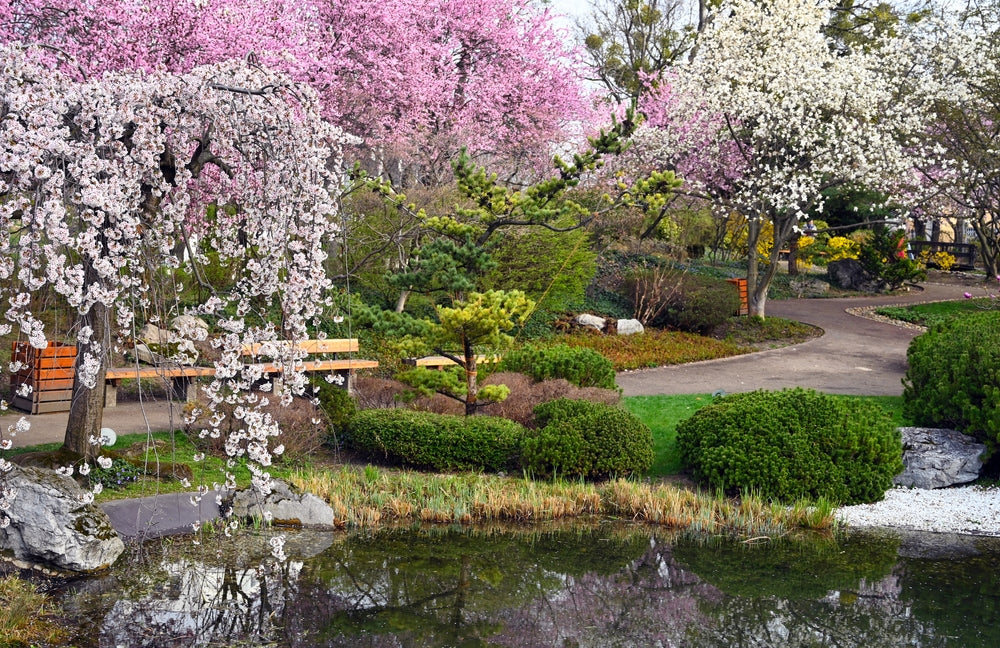
The lobed, dark green leaves emerge with a bronze tinge in spring before maturing to a deeper green through summer, then turning golden-brown in autumn. Foliage is often retained into winter on younger growth, giving some seasonal interest even after leaf fall on other trees.
In spring, yellow-green catkins appear, followed later in the year by the familiar acorns, held singly or in small clusters on long stalks. These acorns provide a valuable food source for birds and small mammals, while the tree's canopy and bark support a wide range of insect life, making it one of the most ecologically valuable native trees for gardens and larger landscapes.
The English Oak is tolerant of a wide range of soil types, including heavier clay and loamy soils, and once established is a resilient, low-maintenance tree suited to parkland, large gardens, and rural or semi-rural settings where its eventual size can be accommodated.
Field maple | Acer campestre - Feathered - Height 140-180cm Width 40-50cm - 10lt
8800
£88.00
Unit price perField maple | Acer campestre - Feathered - Height 140-180cm Width 40-50cm - 10lt
8800
£88.00
Unit price per {
Alpine.store('xUpdateVariantQuanity').updateQuantity('template--24326043337082__product-grid', '/products/acer-campestre-common-maple-120-150cm-10lt');
});">
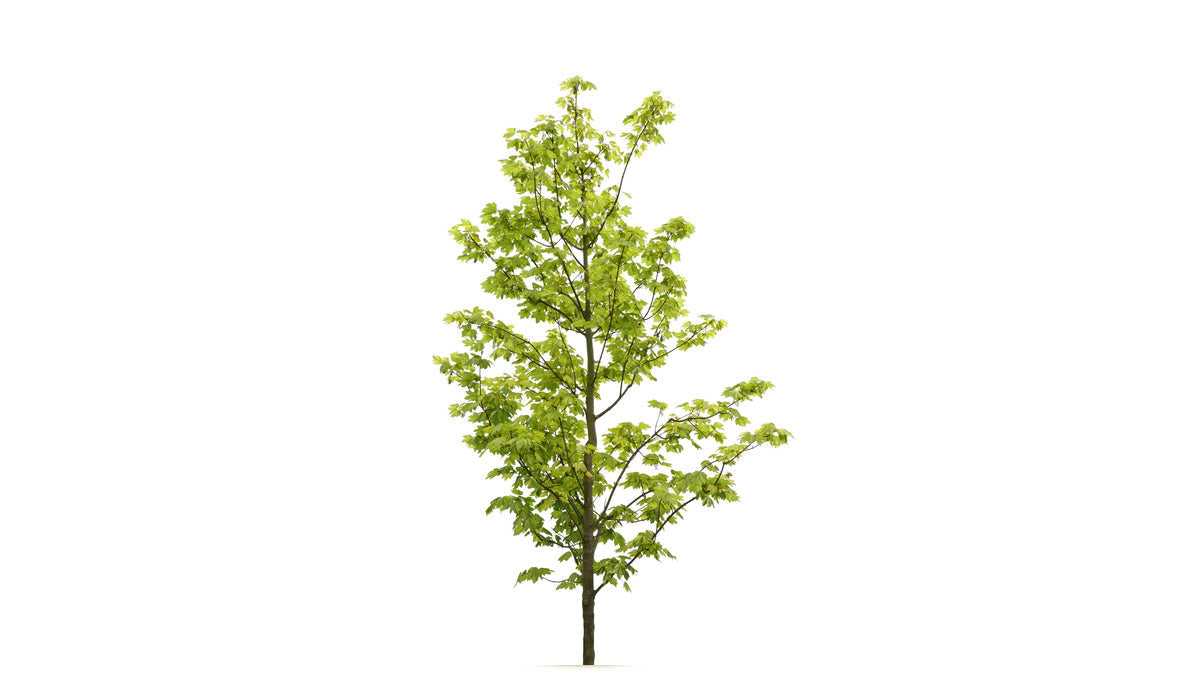
Field Maple is a deciduous tree with a feathered form, retaining its lower branches down to ground level for a full, softly layered silhouette. The lobed, five-pointed leaves emerge fresh green in spring, matures to a deeper green through summer, and turn a rich golden-yellow in autumn, providing good seasonal colour.
Small, yellow-green flowers appear in spring, followed by distinctive winged seeds (samaras) that ripen in autumn, often taking on a reddish tinge before turning brown.
This tree supports a range of wildlife, with its flowers providing an early source of nectar and pollen for bees and other pollinating insects. The foliage serves as a food source for the caterpillars of several moth species, while the seeds are taken by birds and small mammals. As a native species, it contributes positively to local biodiversity and integrates well into mixed hedgerows and woodland planting schemes.
Field Maple is adaptable and tolerant of a wide range of conditions, including chalky, clay and loamy soils. It copes well with exposed and coastal sites, and its tolerance of pollution makes it a reliable choice for urban gardens. Its dense, feathered habit also makes it useful as a screening tree or for naturalistic boundary planting.
Rowan 'Autumn Spire' | Sorbus aucuparia Autumn Spire - Feathered - Height 140-180cm Width 60-80cm - 12lt
9900
£99.00
Unit price perRowan 'Autumn Spire' | Sorbus aucuparia Autumn Spire - Feathered - Height 140-180cm Width 60-80cm - 12lt
9900
£99.00
Unit price per {
Alpine.store('xUpdateVariantQuanity').updateQuantity('template--24326043337082__product-grid', '/products/sorbus-aucuparia-autumn-spire-200-250cm-10lt');
});">
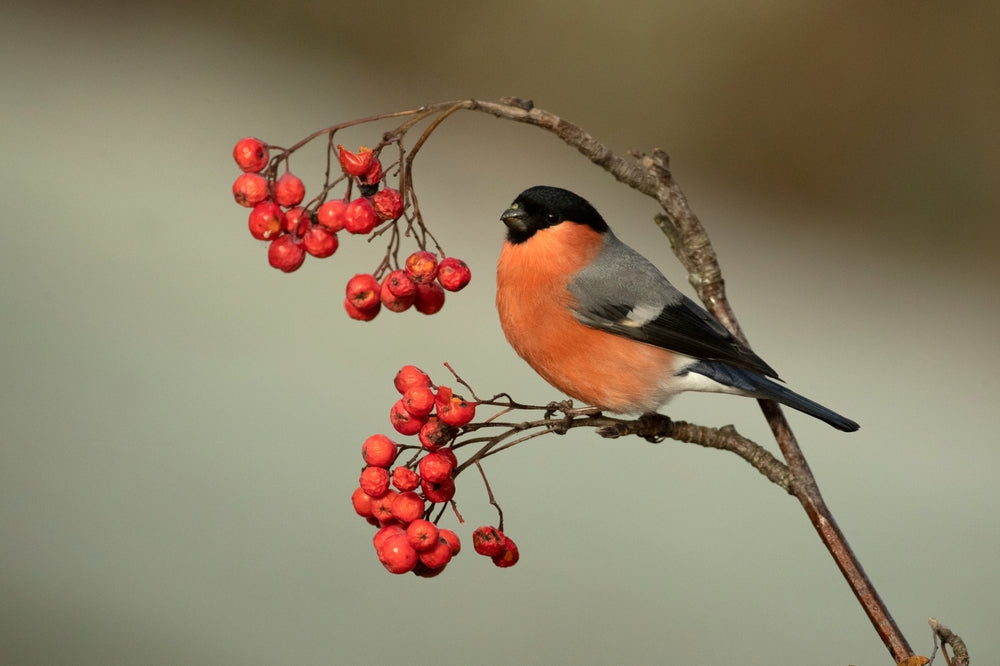
Rowan 'Autumn Spire' is a deciduous tree with a distinctly upright, narrow habit and a feathered form, retaining its lateral branches from ground level to create a dense, uniform outline. The foliage consists of slender, pinnate leaves divided into narrow leaflets with a fine, fern-like texture, emerging fresh green in spring before turning rich shades of red, orange and purple in autumn. Clusters of creamy-white flowers appear in late spring, providing an attractive display against the foliage, followed by bunches of orange-red berries that persist into autumn and winter. The berries are a valuable food source for birds, particularly thrushes and waxwings, while the flowers attract pollinating insects, making this tree a useful addition for wildlife-friendly gardens. Its compact, columnar growth habit makes it particularly suitable for smaller gardens, narrow borders or avenue planting where space is limited but vertical interest is desired. This rowan is tolerant of a range of soil types, including clay and loamy soils, and performs well in exposed or coastal locations due to its resilience to wind. It is also suited to urban planting schemes, tolerating pollution and a variety of challenging growing conditions.
{
Alpine.store('xUpdateVariantQuanity').updateQuantity('template--24326043337082__product-grid', '/products/sorbus-aucuparia-european-mountain-ash-200-250cm-10lt');
});">
Rowan is a deciduous tree, grown here as a half standard with a lightly branched, open crown that gives it a graceful, airy structure well suited to smaller gardens. The foliage is pinnate, made up of slender toothed leaflets that emerge fresh green in spring and turn shades of red, orange and yellow in autumn, providing good seasonal interest. In late spring, clusters of creamy-white flowers appear, followed in autumn by bright orange-red berries that persist into the colder months. These berries are a valuable food source for birds such as blackbirds, thrushes and waxwings, while the flowers attract pollinating insects earlier in the year. The tree supports a range of wildlife through the seasons, offering nectar for pollinators and fruit for birds, making it a useful addition to a garden aiming to encourage biodiversity. Rowan is tolerant of a wide range of soil types, including poor, thin or slightly acidic soils, and copes well in exposed or upland positions, making it a reliable choice for coastal or windswept sites. It also performs well in cooler climates and is generally hardy, adapting to various garden conditions with minimal maintenance once established.
{
Alpine.store('xUpdateVariantQuanity').updateQuantity('template--24326043337082__product-grid', '/products/field-maple-acer-campestre-height-300-350cm-girth-12-14cm-30-50lt');
});">
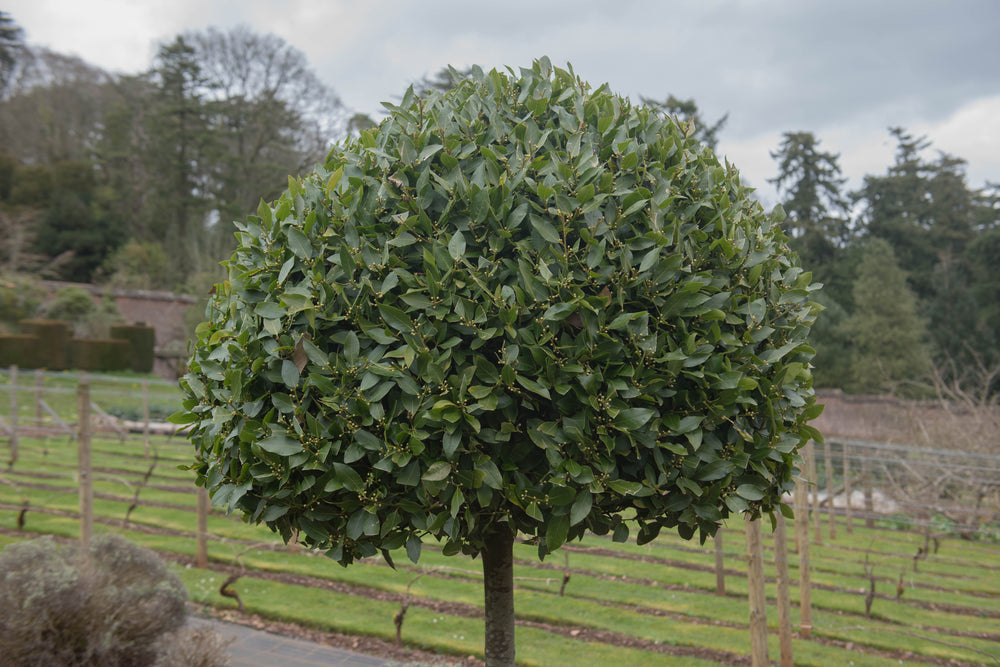
Field Maple is a deciduous tree, grown here as a full standard with a clear, upright trunk supporting a rounded, well-proportioned crown. The lobed leaves are a fresh mid-green through spring and summer, turning an attractive buttery yellow in autumn before falling. Small, inconspicuous greenish-yellow flowers appear in spring, followed by the familiar winged fruits (samaras) that develop through summer into autumn.
As a full standard, this tree is well suited to use as a specimen planting in parks, gardens, and along streets, where its clear stem and defined canopy provide shade and structure without obstructing views beneath. Field Maple is a robust and adaptable native tree, tolerant of a wide range of soil types including clay and chalky conditions, and copes well with exposed or coastal sites due to its wind resistance.
The tree offers good value for wildlife, with flowers providing an early nectar source for bees and other pollinating insects. The foliage supports a range of moth caterpillars, and the seeds are eaten by birds and small mammals. Its dense twiggy growth also provides nesting opportunities for birds. Field Maple is a hardy, low-maintenance choice for those seeking a native tree with multi-season interest and strong ecological value.
Sweet cherry 'Stella' | Prunus avium Stella - Height 140-180cm Width 60-80cm - 12lt
8600
£86.00
Unit price perSweet cherry 'Stella' | Prunus avium Stella - Height 140-180cm Width 60-80cm - 12lt
8600
£86.00
Unit price per {
Alpine.store('xUpdateVariantQuanity').updateQuantity('template--24326043337082__product-grid', '/products/cherry-stella-1-2-std-clear-stem-150-200cm-10lt');
});">
Prunus avium 'Stella', commonly known as Stella cherry, is a deciduous fruit tree trained as a feathered standard, with a single central leader and evenly spaced lateral branches growing down the trunk. This form gives the tree a naturally balanced, conical shape from an early stage.
In spring, the tree produces an abundance of white blossom, appearing in clusters before the leaves fully emerge, creating a striking display. The blossom is followed by the development of sweet, dark red to almost black cherries, ripening in mid to late summer. As a self-fertile variety, Stella is able to produce fruit without the need for a pollinating partner nearby, making it a reliable choice for gardens with limited space for multiple trees.
The foliage is mid to dark green through the growing season, turning shades of orange and red in autumn before leaf fall, providing a further point of seasonal interest.
The blossom provides an early source of nectar and pollen for bees and other pollinating insects, while the ripening cherries are attractive to birds. Stella cherry grows well in a sunny, sheltered position and is tolerant of a range of soil types, including loamy and clay soils, provided drainage is reasonable.
English oak | Quercus robur - Feathered - Height 140-180cm Width 40-50cm - 10lt
4800
£48.00
Unit price perEnglish oak | Quercus robur - Feathered - Height 140-180cm Width 40-50cm - 10lt
4800
£48.00
Unit price per {
Alpine.store('xUpdateVariantQuanity').updateQuantity('template--24326043337082__product-grid', '/products/quercus-robur-english-oak-2-3-year-old-120-160cm-10lt');
});">
The English Oak is a large deciduous tree, well known for its longevity and imposing presence in the landscape. As a feathered specimen, it retains branches down to ground level, giving a naturally full and informal silhouette rather than the clear stem seen in standard forms. This growth habit creates a dense, rounded crown from an early age, providing excellent screening and structural interest as the tree matures.
The foliage consists of deeply lobed, dark green leaves with a distinctive rounded shape, turning attractive shades of yellow-brown before falling in autumn. In spring, yellow-green catkins appear alongside the emerging leaves, followed later in the year by the familiar acorns held in shallow cups, a feature that adds seasonal interest and value.
This tree is of significant benefit to wildlife, supporting an exceptionally wide range of insects, birds and mammals. Acorns provide a valuable autumn food source for birds and small mammals, while the dense canopy and rough bark offer habitat and shelter for numerous invertebrate species. Its long-term ecological value makes it one of the most important native trees for biodiversity in the British landscape.
English Oak is highly adaptable, tolerating a wide range of soil types including heavy clay and loamy soils, and performs well in both open and semi-shaded positions.
Aspen | Populus tremula - Feathered - Height 100-140cm Width 40-50cm - 10lt
4800
£48.00
Unit price perAspen | Populus tremula - Feathered - Height 100-140cm Width 40-50cm - 10lt
4800
£48.00
Unit price per {
Alpine.store('xUpdateVariantQuanity').updateQuantity('template--24326043337082__product-grid', '/products/aspen-populus-tremula-height-130-160cm-2-3-years-old-pot-grown-10lt');
});">
Aspen is a deciduous tree, supplied here as a feathered specimen with branches growing right down to the base for a naturally full, bushy outline from ground level. The rounded, finely toothed leaves are held on flattened stalks, causing them to tremble and flutter in even the lightest breeze, creating a distinctive rustling sound and constant movement within the canopy. Foliage emerges with a bronze tint in spring, matures to grey-green through summer, and turns to shades of yellow and gold in autumn, providing good seasonal interest. Before the leaves appear, grey-brown catkins are produced in late winter to early spring, adding early seasonal interest. The tree has a light, airy structure with an upright habit, making it useful as a specimen tree or for informal screening. Aspen is valuable for wildlife, supporting numerous species of moth caterpillars and providing food and habitat for various insects, which in turn benefit birds. The bark and foliage can also support lichen growth, adding to its biodiversity value. It is tolerant of a wide range of soil types, including damp or poorly drained ground, and copes well with exposed or coastal positions, making it a versatile choice for challenging planting sites.
Common hornbeam | Carpinus betulus - Feathered - Height 140-180cm Width 60-80cm - 10lt
9000
£90.00
Unit price perCommon hornbeam | Carpinus betulus - Feathered - Height 140-180cm Width 60-80cm - 10lt
9000
£90.00
Unit price per {
Alpine.store('xUpdateVariantQuanity').updateQuantity('template--24326043337082__product-grid', '/products/carpinus-betulus-european-hornbeam-150-200cm-10lt');
});">
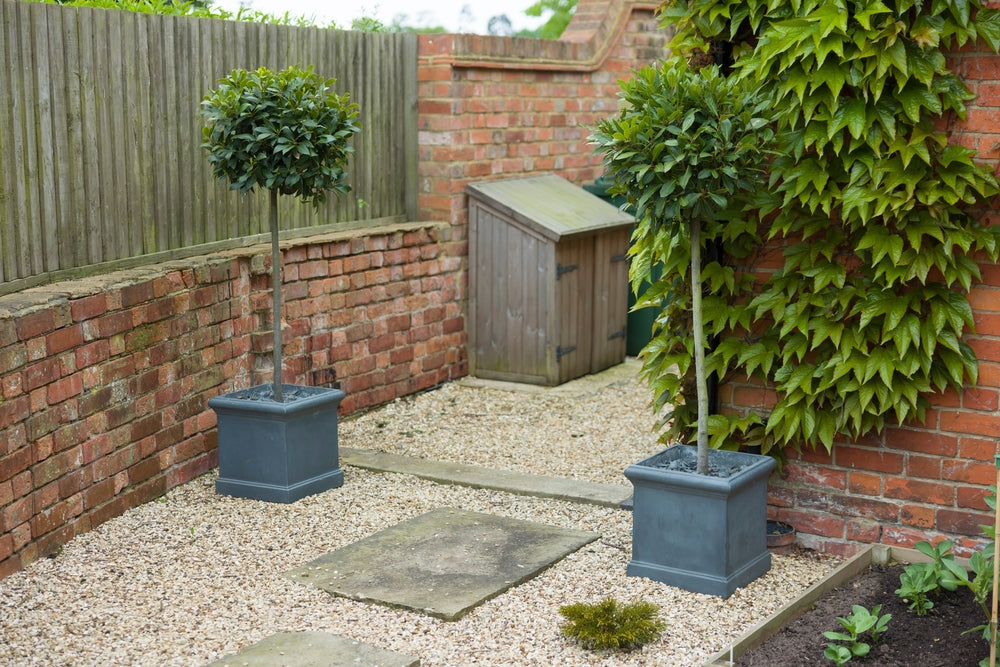
Common Hornbeam is a deciduous tree valued for its strong, upright growth habit, here trained as a feathered specimen with branches extending down to near ground level. The foliage is ovate, sharply toothed and deeply veined, emerging fresh green in spring and maturing to a richer dark green through summer before turning yellow to orange in autumn. Young trees often retain their withered brown leaves through winter, providing structure and interest during the colder months. The tree develops a dense, twiggy crown, making it a popular choice for screening and windbreaks as well as a handsome standalone specimen.
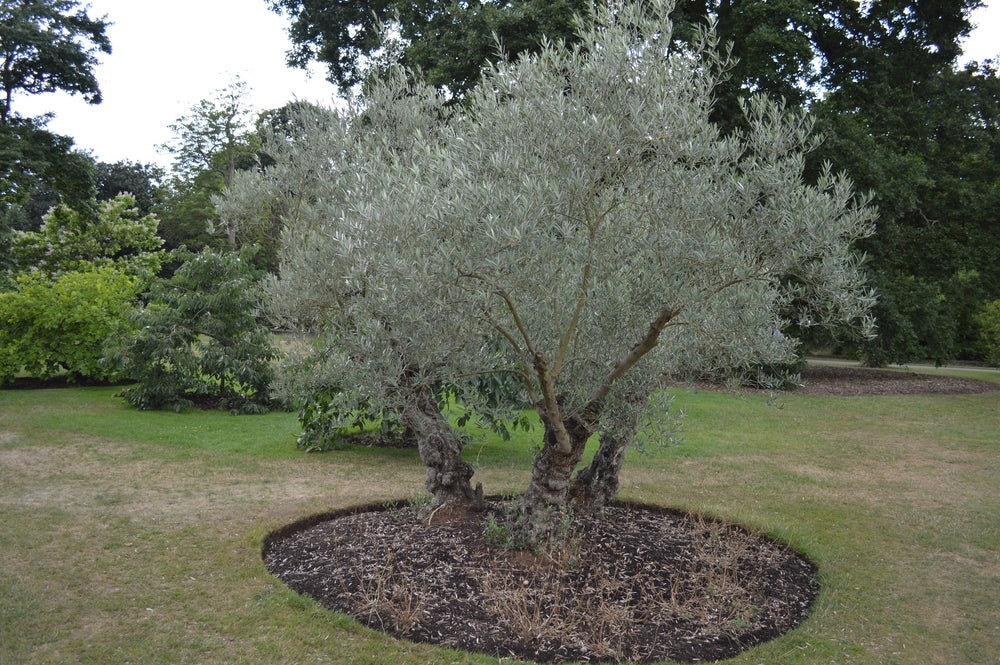
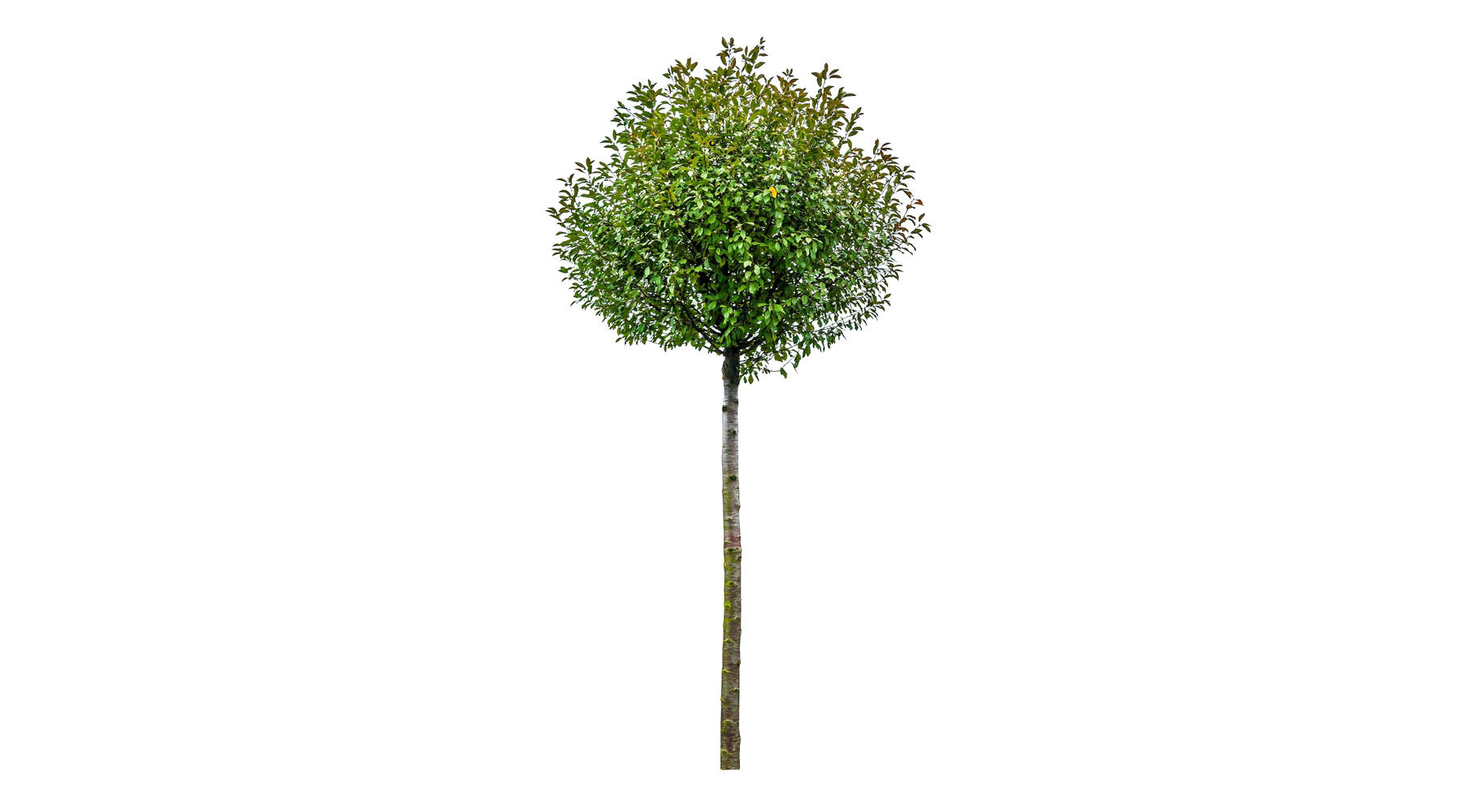
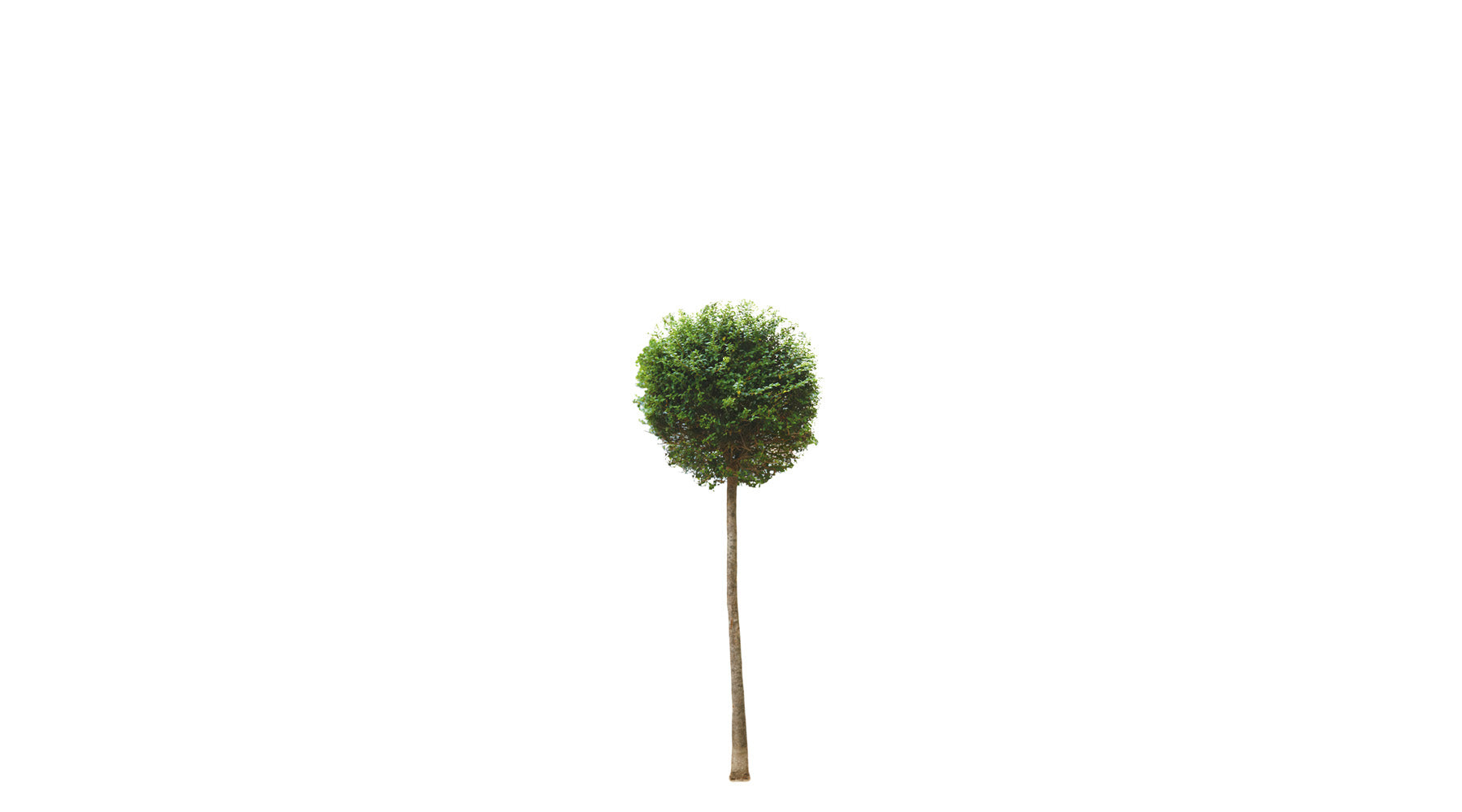
In spring, Common Hornbeam produces small, inconspicuous yellow-green catkins, with male and female flowers appearing on the same tree. These are followed by distinctive clusters of winged nutlets that hang from the branches, maturing in autumn and adding further seasonal interest.
The flowers and seeds provide a food source for various birds and small mammals, while the dense branching structure offers shelter and nesting opportunities for birds. Common Hornbeam is tolerant of a wide range of soil conditions, including heavy clay, and copes well with both sun and partial shade, making it a versatile and resilient choice for many garden settings.
English oak 'Fastigiata' | Quercus robur Fastigiata - Feathered - Height 140-180cm Width 40-50cm - 10lt
13500
£135.00
Unit price perEnglish oak 'Fastigiata' | Quercus robur Fastigiata - Feathered - Height 140-180cm Width 40-50cm - 10lt
13500
£135.00
Unit price per {
Alpine.store('xUpdateVariantQuanity').updateQuantity('template--24326043337082__product-grid', '/products/quercus-robur-fastigiata-feathered-height-175-200cm-10lt');
});">
Quercus robur 'Fastigiata', commonly known as the Fastigiate English Oak, is a deciduous tree as a feathered form, retaining lateral branches down to ground level. It displays a distinctly narrow, upright, columnar habit, making it a useful choice where a strong vertical accent is required without the wide spread of the common oak. The foliage consists of the typical lobed, dark green leaves of English Oak, turning russet-brown before falling in autumn. In spring, inconspicuous yellow-green catkins appear, followed by acorns in autumn, held singly or in small clusters on long stalks. The tree provides good value to wildlife, with acorns offering a food source for birds and small mammals, while the foliage supports a range of insect species. As a native species, it contributes positively to local biodiversity and supports a long-established ecological network of associated fauna. Its compact, upright form makes it particularly suitable for use in avenues, parks and larger gardens where space is limited but height and a strong architectural form are desired. It tolerates a wide range of soil types, including clay and loamy soils, and adapts well to most situations once established.
{
Alpine.store('xUpdateVariantQuanity').updateQuantity('template--24326043337082__product-grid', '/products/ilex-aquifolium-argentea-marginata-silver-margined-holly-140-180cm-10lt');
});">
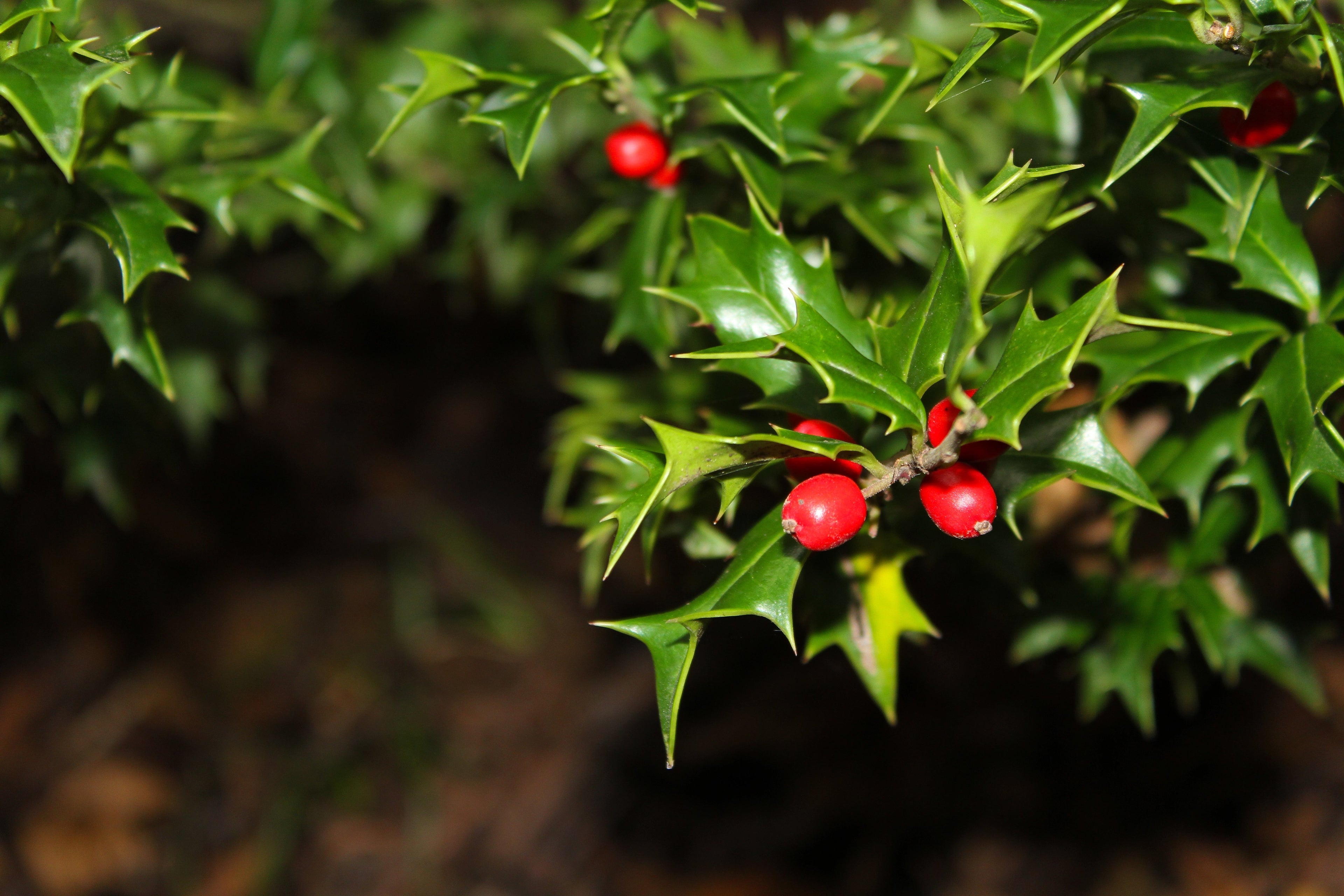
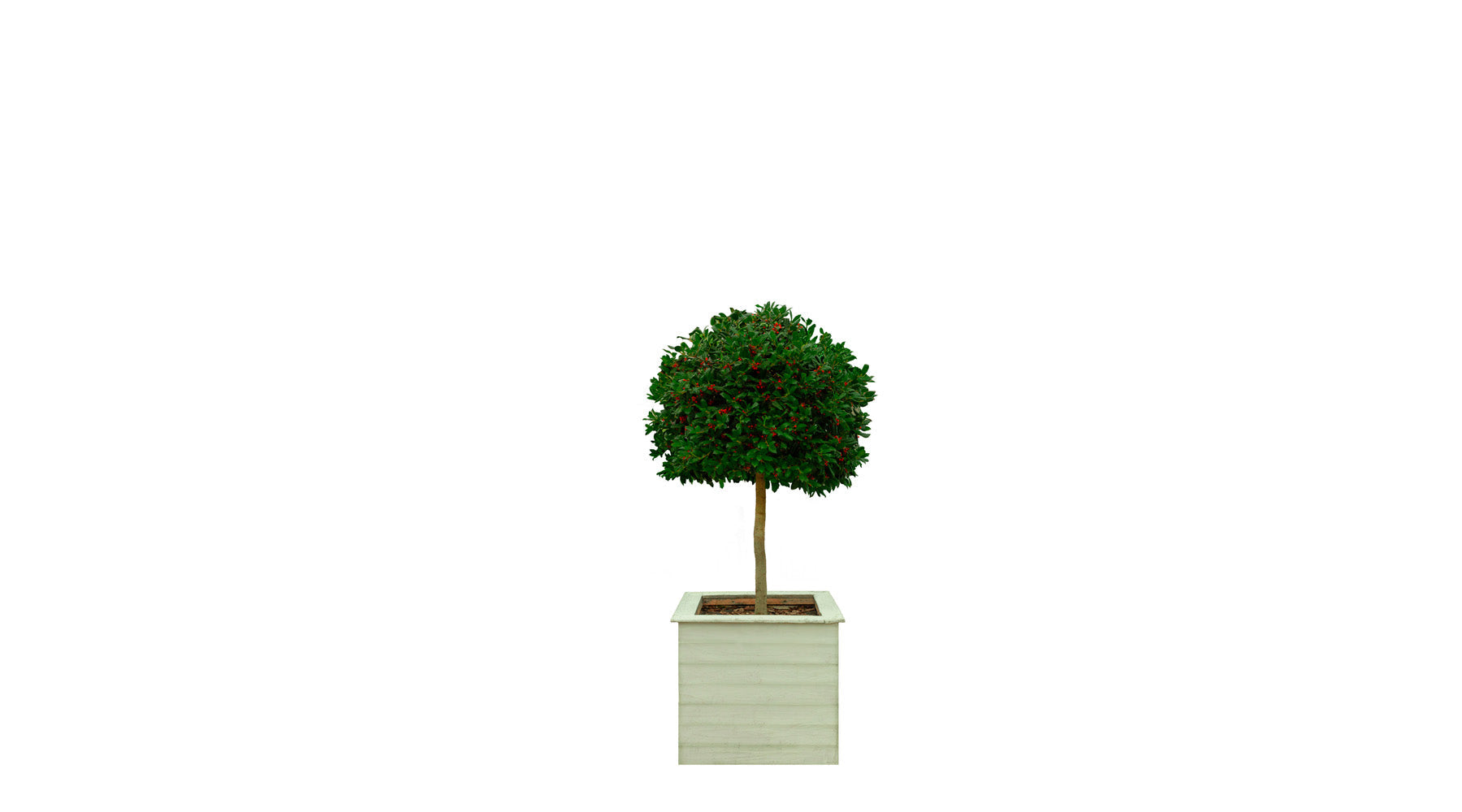
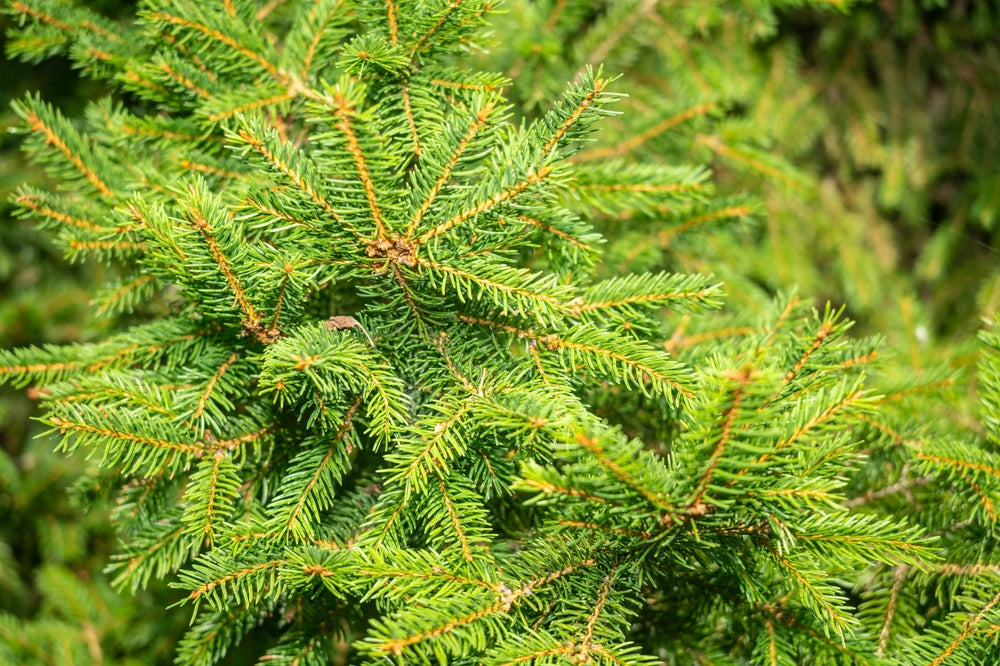
Silver Margined Holly is an evergreen tree valued for its striking variegated foliage. The glossy, dark green leaves are edged with a broad creamy-white to silver margin, and the spiny-edged leaves give the plant year-round interest and a distinctive appearance. As a feathered tree, branches are retained from near ground level upwards, creating a dense, well-furnished pyramidal form that provides excellent screening and structure throughout the seasons.
Small white flowers appear in late spring, offering a modest but welcome source of nectar for bees and other pollinating insects. Being a female cultivar, it produces bright red berries in autumn that persist into winter, adding seasonal colour and interest against the variegated foliage. These berries provide a valuable food source for garden birds during the colder months, while the dense evergreen growth offers shelter and nesting opportunities for wildlife throughout the year.
This holly is tolerant of a wide range of conditions, including shade, making it a versatile choice for planting in areas with reduced light. It also copes well with exposure, including coastal positions, and adapts to most well-drained soils. Its dense, feathered habit makes it particularly useful as a specimen tree, windbreak, or boundary planting where year-round structure and wildlife value are desired.
Pear 'Williams' | Pyrus communis Williams - Height 140-180cm Width 80-100cm - 20lt
9400
£94.00
Unit price perPear 'Williams' | Pyrus communis Williams - Height 140-180cm Width 80-100cm - 20lt
9400
£94.00
Unit price per {
Alpine.store('xUpdateVariantQuanity').updateQuantity('template--24326043337082__product-grid', '/products/pear-tree-williams-bon-chretien-pyrus-communis-semi-dwarfing-height-160-180cm-20lt');
});">
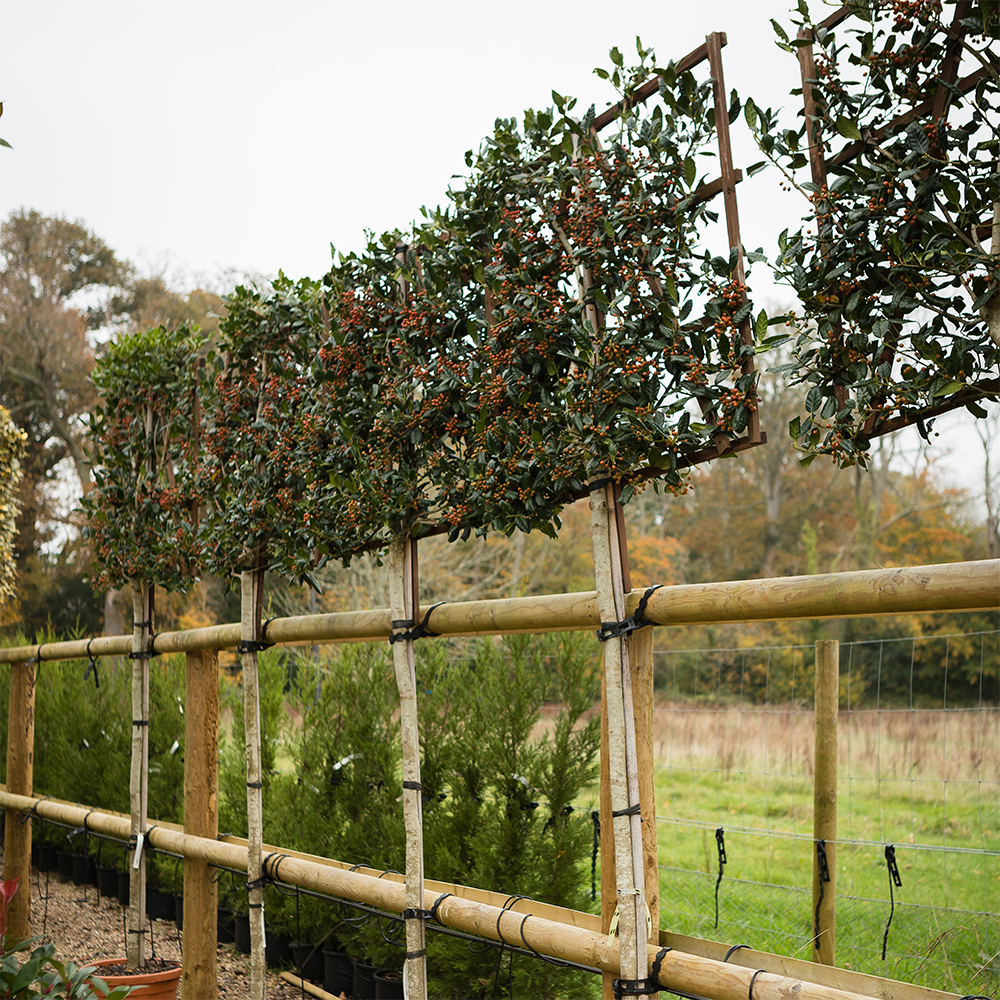
Pear Williams is a deciduous fruit tree grown in a feathered form, with lateral branches growing down the stem from near ground level, giving it a well-furnished, pyramidal shape from an early age. In spring it produces clusters of white blossom, appearing before the leaves fully unfurl and providing an attractive display. The blossom offers a valuable early source of nectar and pollen for bees and other pollinating insects. Following successful pollination, the tree bears the well-known Williams pears from late summer into early autumn; these are juicy, sweet and aromatic, ripening to a pale yellow skin, and are popular for eating fresh, cooking or bottling. Foliage is glossy dark green through the growing season, turning to shades of yellow and red in autumn before leaf fall, adding further seasonal interest. As a feathered tree it is well suited to being trained as a freestanding specimen or against a wall or fence, and its productive nature makes it a good choice for anyone wanting to grow their own fruit in a garden or smaller orchard setting.
Cherry 'Stella' | Prunus avium Stella - Height 100-140cm Width 60-80cm - 12lt
8600
£86.00
Unit price perCherry 'Stella' | Prunus avium Stella - Height 100-140cm Width 60-80cm - 12lt
8600
£86.00
Unit price per {
Alpine.store('xUpdateVariantQuanity').updateQuantity('template--24326043337082__product-grid', '/products/prunus-avium-stella-cherry-tree-150-200cm-10lt');
});">
Prunus avium 'Stella', commonly known as Stella cherry, is a deciduous fruit tree grown here as a feathered standard, with lateral branches extending down the trunk to create a well-furnished, balanced shape from an early stage. In spring the tree produces an abundance of white blossom, appearing in clusters before the leaves fully unfurl, creating a striking display. The oval, serrated leaves emerge bronze-green before turning a deeper green through summer, often colouring to shades of orange and red in autumn. Stella is a self-fertile variety, producing heavy crops of sweet, dark red to black cherries in mid to late summer, making it a reliable choice for fruit production even without a pollinating partner nearby. The blossom provides an early source of nectar and pollen for bees and other pollinating insects, while the ripening fruit is attractive to birds. As a feathered tree, it establishes a naturally tiered, productive form that suits both ornamental planting and dedicated fruit growing. It performs best in a sunny, sheltered position with well-drained, fertile soil, and is a good option for gardens where space allows a medium-sized tree to develop fully. This cultivar combines seasonal interest with dependable cropping.
Common alder | Alnus glutinosa - Feathered - Height 300-350cm Width 140-180cm - 50lt
36500
£365.00
Unit price perCommon alder | Alnus glutinosa - Feathered - Height 300-350cm Width 140-180cm - 50lt
36500
£365.00
Unit price per {
Alpine.store('xUpdateVariantQuanity').updateQuantity('template--24326043337082__product-grid', '/products/alder-tree-alnus-glutinosa-height-300-400cm-girth-14-16-30-50lt');
});">
Common Alder is a deciduous tree, here presented in feathered form with branches extending down to ground level, giving it a full, natural structure from base to crown. The foliage consists of rounded, glossy dark green leaves that remain on the tree late into the season.
In late winter and early spring, before the leaves emerge, the tree produces attractive purplish catkins, with male catkins elongating and turning yellow as they mature. Small woody cone-like fruits develop afterwards and persist on the branches throughout winter, providing additional seasonal interest.
Common Alder supports a range of wildlife; the catkins provide an early source of pollen for insects, while the seeds within the woody cones are a valuable food source for birds such as siskins and redpolls during the colder months. The tree also contributes to biodiversity through its root system, which hosts nitrogen-fixing bacteria, enriching the surrounding soil.
This tree is particularly well-suited to wet or waterlogged ground and is often found thriving beside rivers, streams, and ponds. It tolerates heavy clay soils and is a reliable choice for damp or poorly drained sites where many other trees may struggle.
Showing 14/43