
British Native Trees
Most popular native trees
{
Alpine.store('xUpdateVariantQuanity').updateQuantity('template--24326043337082__product-grid', '/products/crataegus-laevigata-crimson-cloud-140-180cm-10lt');
});">
Crimson Cloud Hawthorn is a deciduous tree, trained here as a feathered specimen with branches growing down the trunk to create a naturally full, well-furnished shape from a young age. The glossy, lobed green leaves provide a fresh backdrop throughout the growing season, turning to shades of yellow before falling in autumn.
In late spring the tree produces an abundance of single red flowers, each marked with a distinctive white centre, creating a striking two-tone effect across the canopy. This floral display makes the tree particularly attractive during May and June. Following flowering, small red haws develop and persist into autumn, adding further seasonal interest as the foliage colours change.
The flowers are valuable to pollinating insects, including bees, while the autumn haws provide a food source for birds such as thrushes and waxwings. The dense, thorny growth habit also offers shelter and nesting opportunities for garden birds, making this tree a useful addition for those looking to support wildlife in the garden.
Crimson Cloud Hawthorn is a tough, adaptable tree, tolerant of a wide range of soil types including clay, and copes well with exposed or coastal conditions. It is a reliable choice for gardens of all sizes, working well as a specimen tree or within a mixed boundary planting.
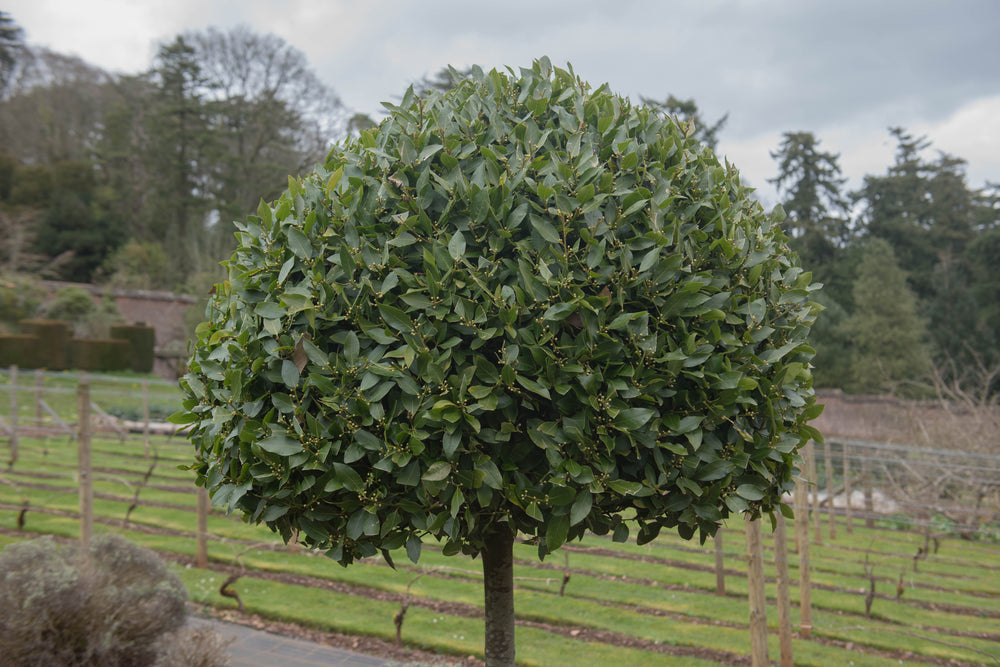
Cherry 'Summer Sun' | Prunus avium Summer Sun - Height 140-180cm Width 100-140cm - 12lt
8000
£80.00
Unit price perCherry 'Summer Sun' | Prunus avium Summer Sun - Height 140-180cm Width 100-140cm - 12lt
8000
£80.00
Unit price per {
Alpine.store('xUpdateVariantQuanity').updateQuantity('template--24326043337082__product-grid', '/products/cherry-summer-sun-on-colt-prunus-avium-semi-dwarfing-160-170cm-12lt');
});">
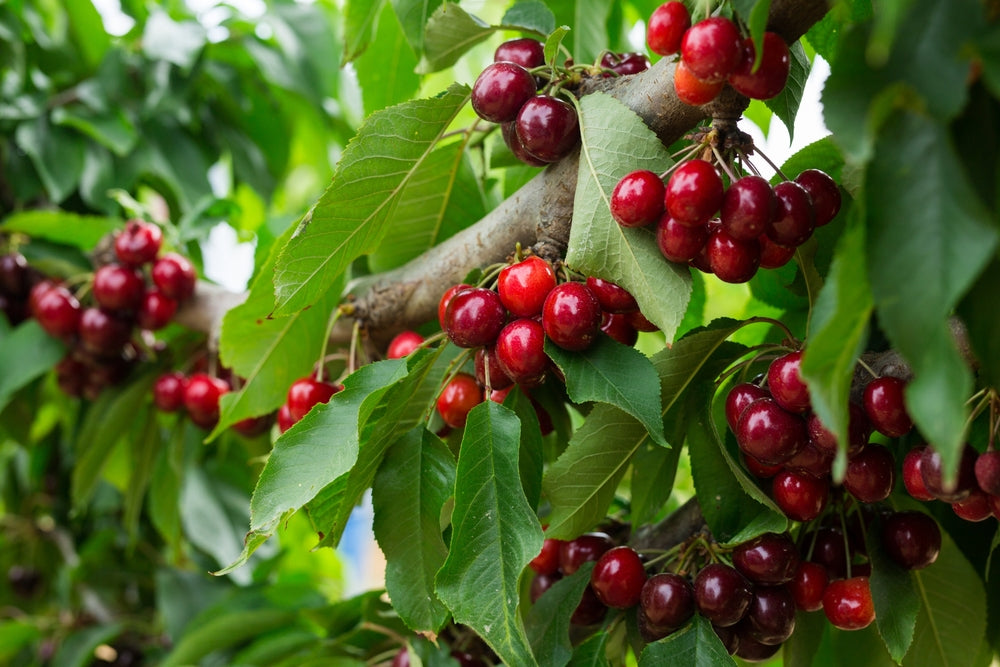
Summer Sun cherry is a deciduous fruit tree grown as a feathered specimen, with lateral branches retained down the trunk to produce a well-furnished, evenly balanced shape from an early stage. The glossy, oval leaves emerge with a bronze tint in spring before turning rich green through summer, then develop attractive orange and red tones in autumn. In spring the tree is covered with an abundance of pure white blossom, providing an excellent display before the leaves fully unfurl. This blossom is followed in mid to late summer by sweet, dark red to black cherries, which are produced in good quantities and are well suited to eating fresh from the tree. The flowers are highly attractive to bees and other pollinating insects, making this tree a valuable source of early-season nectar and pollen. Birds are also drawn to the ripening fruit, which supports local wildlife through the summer months. As a feathered tree, it has a naturally dense, well-clothed structure, making it a strong choice for a feature specimen in a garden or orchard setting. It grows well in most fertile, well-drained soils and benefits from a position in full sun to ensure good flowering and fruiting. This variety is a reliable and ornamental option for anyone wanting a productive cherry tree with multi-season interest.
{
Alpine.store('xUpdateVariantQuanity').updateQuantity('template--24326043337082__product-grid', '/products/sorbus-aucuparia-sheerwater-seedling-rowan-mountain-ash-160-180cm-12lt');
});">
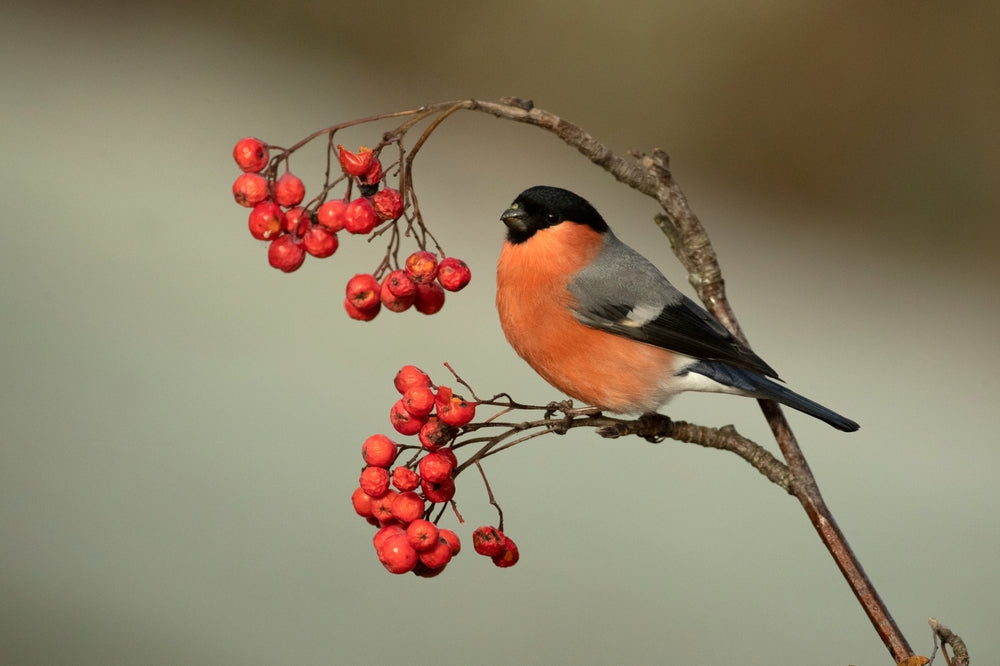
Sorbus aucuparia 'Sheerwater Seedling', commonly known as Rowan or Mountain Ash, is a deciduous tree grown here as a feathered specimen, retaining a strong central leader with branches extending from near the base. It forms an upright, compact crown with a neat, columnar habit, making it well suited to smaller gardens or more restricted planting spaces.
The foliage consists of pinnate leaves divided into narrow, toothed leaflets, giving a light, feathery texture throughout the canopy. In autumn, the leaves turn attractive shades of yellow and orange before falling.
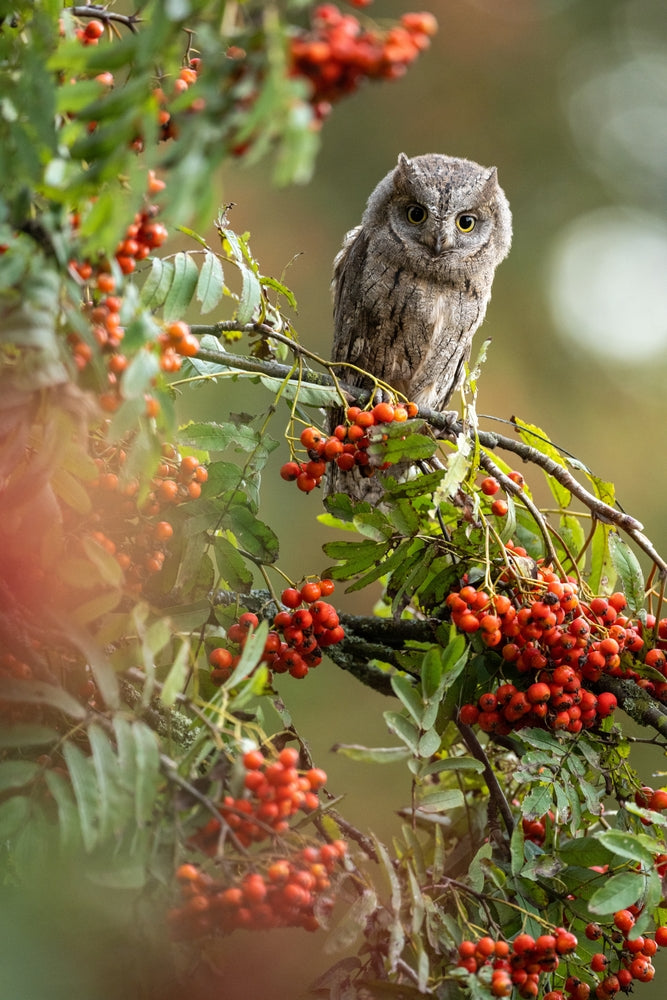
In late spring, clusters of creamy-white flowers appear, providing a pollen and nectar source for bees and other pollinating insects. These are followed in autumn by bright orange-red berries, which persist into the colder months and provide a valuable food source for birds, including thrushes and waxwings.
This cultivar offers good resistance to fireblight compared to some other Rowan varieties, adding to its reliability as a garden or amenity tree. It is tolerant of a wide range of soil types, including poor or shallow soils, and performs well in exposed or urban locations, making it a versatile choice for both rural and town settings.
Wild cherry | Prunus avium - Height 140-180cm Width 40-50cm - 10lt
4800
£48.00
Unit price perWild cherry | Prunus avium - Height 140-180cm Width 40-50cm - 10lt
4800
£48.00
Unit price per {
Alpine.store('xUpdateVariantQuanity').updateQuantity('template--24326043337082__product-grid', '/products/wild-cherry-prunus-avium-2-3-years-old-height-120-150cm-10lt');
});">
Wild Cherry is a deciduous fruit tree, supplied here as a feathered specimen with a single leading stem clothed in lateral shoots down to ground level. The foliage is broadly oval with serrated edges, turning shades of orange, red and copper in autumn before falling. In spring, the tree bears clusters of white, five-petalled blossom, appearing before or alongside the emerging leaves, creating a striking display along the branches. This is followed by small dark red to black cherries in summer, which are edible though often favoured by birds before they can be harvested. The blossom provides an early nectar source for bees and other pollinating insects, while the fruit supports a range of birds and small mammals through the summer months. Fallen fruit and leaf litter also contribute to the health of soil organisms beneath the canopy, adding further biodiversity value to gardens and larger planting schemes. As a feathered tree, it develops a naturally tapered, well-branched form, useful for creating structure within a border or as a specimen tree where a more informal, densely furnished shape is desired. It is tolerant of a range of soil types, including loamy and clay soils, and performs well in open, sunny positions.
{
Alpine.store('xUpdateVariantQuanity').updateQuantity('template--24326043337082__product-grid', '/products/betula-pendula-fuzzy-feathers-height-90-120cm-10lt');
});">
Silver Birch 'Fuzzy Feathers' is a deciduous tree valued for its distinctive feathered form, with slender, densely clothed branches creating a soft, plumose silhouette from base to crown. The foliage consists of small, finely textured leaves that give the canopy an airy, feathery appearance throughout the growing season. In autumn, the leaves turn a warm golden yellow, providing good seasonal colour before leaf fall. The bark is a notable feature, developing the classic silvery-white colouration with darker fissures as the tree matures, adding year-round interest even once the leaves have dropped. Catkins appear in early spring, with male catkins elongating and turning yellow-brown as they mature, while female catkins are shorter and more upright, giving way to small winged seeds later in the season. This tree supports local wildlife, with catkins providing an early pollen source for insects and seeds offering food for birds through autumn and winter. The dense, feathered branching habit also offers shelter and nesting opportunities for smaller birds. Silver Birch 'Fuzzy Feathers' tolerates a wide range of soil types, including poor or sandy soils, and copes well in exposed or coastal positions, making it a versatile choice for various garden settings.
{
Alpine.store('xUpdateVariantQuanity').updateQuantity('template--24326043337082__product-grid', '/products/small-leaved-lime-tilia-cordata-height-220-250cm-girth-6-8cm-30lt');
});">
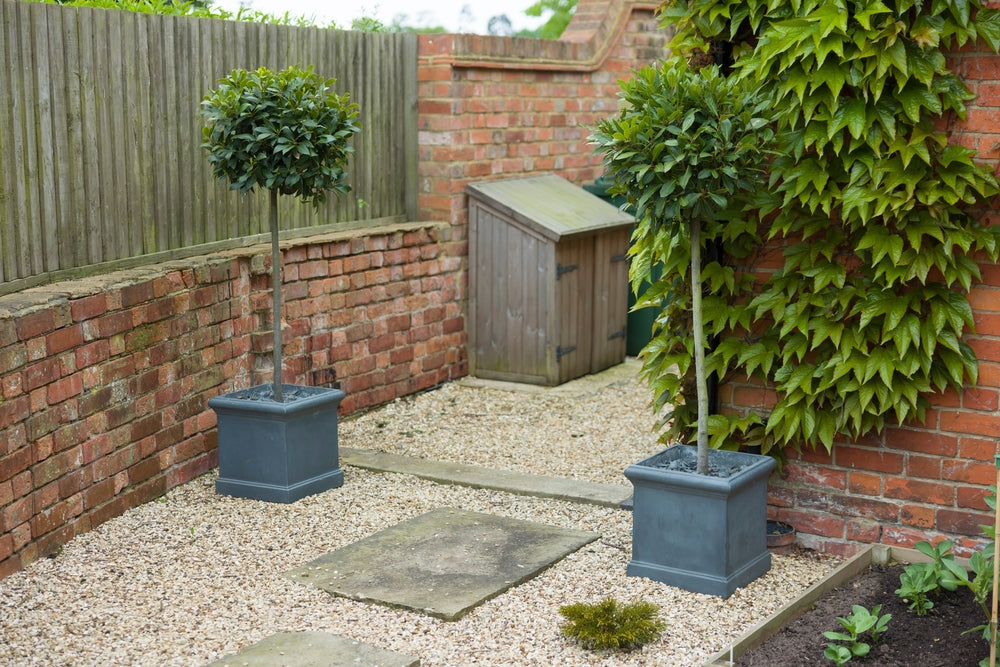
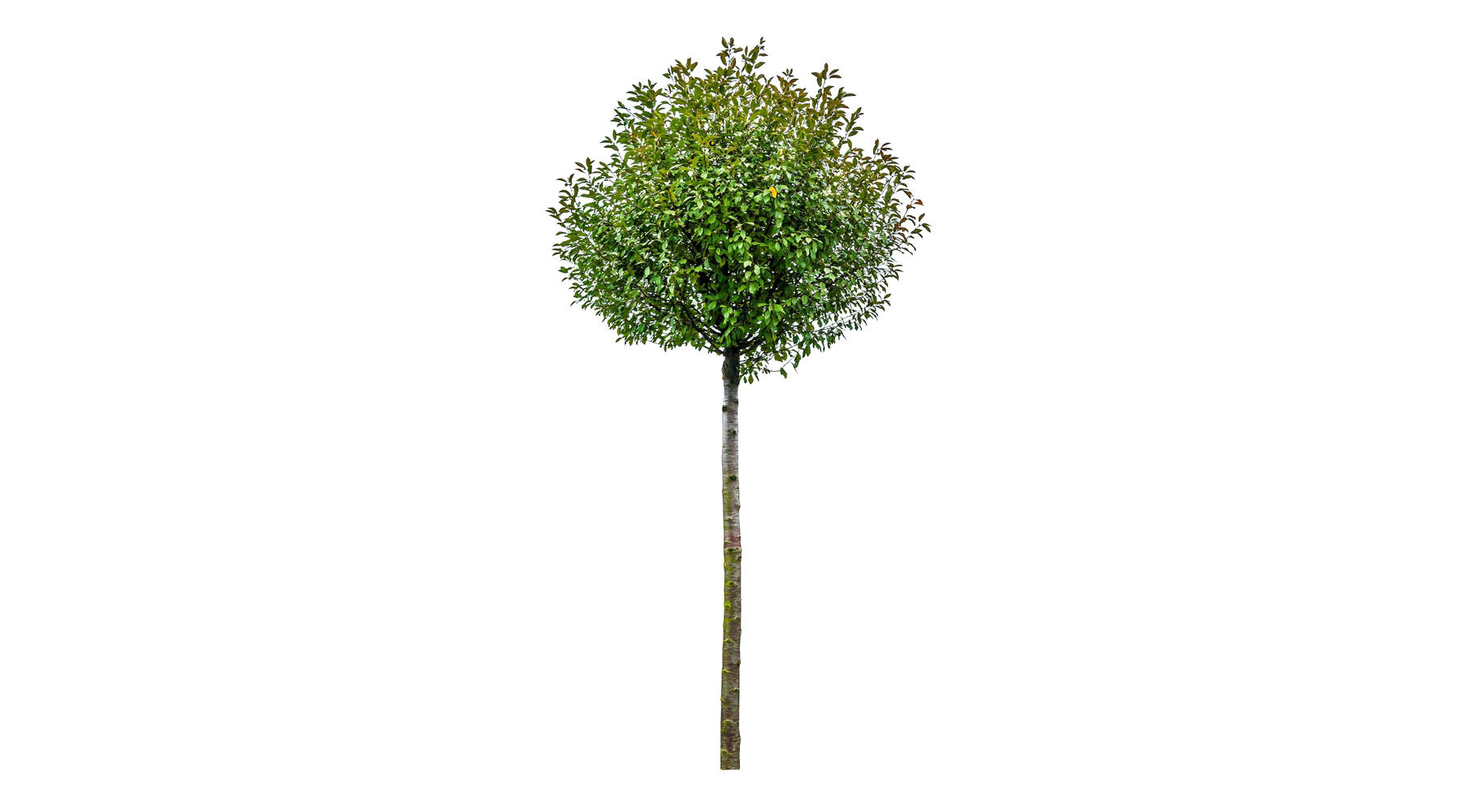
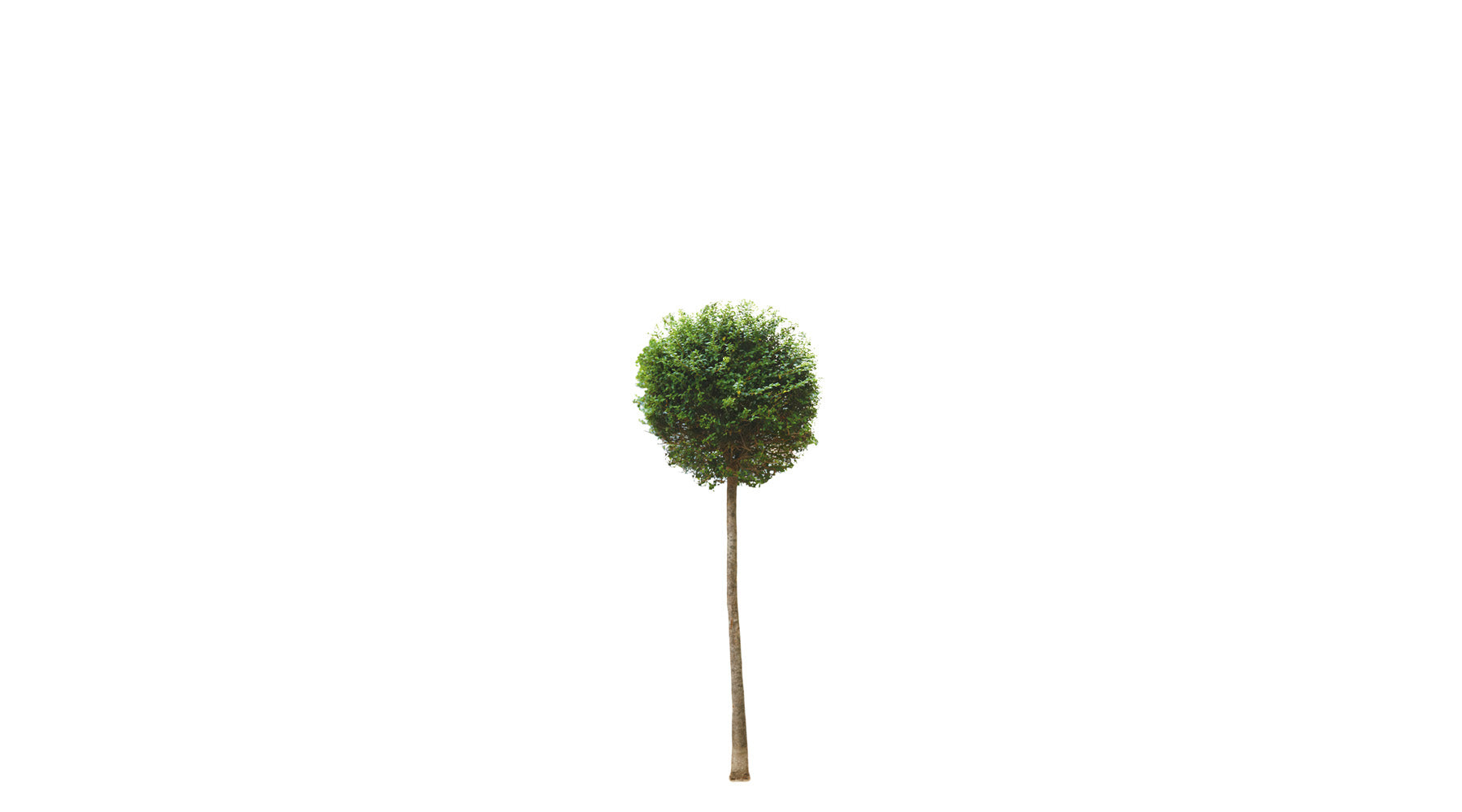
Small-leaved Lime is a deciduous tree, here trained as a half standard with a clear stem and rounded, well-proportioned head. The heart-shaped leaves are dark green above and slightly paler beneath, turning soft yellow in autumn before falling. The branch structure is fairly dense, giving good coverage of foliage through the growing season.
In early to midsummer, clusters of small, pale yellow, fragrant flowers appear, hanging beneath the leaves. These are highly attractive to bees and other pollinating insects, making the tree a valuable source of nectar during the summer months. The flowers are followed by small, downy fruits.
Small-leaved Lime supports a wide range of wildlife, with the flowers providing forage for bees and the foliage serving as a food source for various moth caterpillars. Its presence in a garden or landscape contributes positively to local biodiversity, supporting insects further up the food chain.
This tree tolerates a range of soil types, including clay and loamy soils, and copes well with both sun and partial shade. It is a reliable choice for parks, gardens and avenue planting, offering structure, seasonal interest and wildlife value throughout the year.
Cherry 'Summit' | Prunus avium Summit - Height 140-180cm Width 60-80cm - 20lt
9400
£94.00
Unit price perCherry 'Summit' | Prunus avium Summit - Height 140-180cm Width 60-80cm - 20lt
9400
£94.00
Unit price per {
Alpine.store('xUpdateVariantQuanity').updateQuantity('template--24326043337082__product-grid', '/products/cherry-tree-summit-prunus-avium-summit-half-standard-height-150-180cm-20lt');
});">
Prunus avium 'Summit', commonly known as Sweet Cherry 'Summit', trained as a half standard, is a deciduous fruit tree. In spring it produces an abundance of large white blossoms, creating a striking display before the foliage fully develops. The dark green leaves turn to shades of orange and red in autumn, providing further seasonal interest. Following flowering, the tree bears sweet, dark red cherries in summer, suitable for eating fresh or for culinary use. The half standard form gives a clear stem with a rounded head of branches, making it a manageable size for smaller gardens whilst still providing a productive crop. The blossom is attractive to bees and other pollinating insects in spring, and the fruit can provide a food source for birds if left unpicked. This variety is self-fertile, allowing for fruit production without the need for a pollination partner, though yields may be improved with a compatible pollinator nearby. It grows best in a sunny, sheltered position in moist but well-drained soil. This tree is a good choice for anyone looking to grow their own cherries in a garden setting, combining ornamental spring and autumn interest with a reliable summer harvest.
Sweet cherry 'Stella' | Prunus avium Stella - Height 100-140cm Width 60-80cm - 12lt
8600
£86.00
Unit price perSweet cherry 'Stella' | Prunus avium Stella - Height 100-140cm Width 60-80cm - 12lt
8600
£86.00
Unit price per {
Alpine.store('xUpdateVariantQuanity').updateQuantity('template--24326043337082__product-grid', '/products/cherry-stella-on-gisela-prunus-avium-dwarfing-140-150cm-12lt');
});">
Stella cherry is a deciduous tree that produces an abundance of pure white blossom in mid to late spring, appearing before the leaves fully emerge and creating a striking display against the bare branches. The flowers are followed by glossy, dark red to almost black sweet cherries that ripen in mid to late summer, borne heavily thanks to the tree's self-fertile nature. In autumn, the foliage turns attractive shades of orange, red and bronze before falling, giving the tree seasonal interest beyond its spring and summer display.
As a feathered specimen, this tree retains lateral branches right down to near ground level, giving it a naturally pyramidal, well-furnished form from a young age. This structure makes it a strong architectural feature in the garden and lends itself well to being grown as a single specimen tree where its full shape can be appreciated.
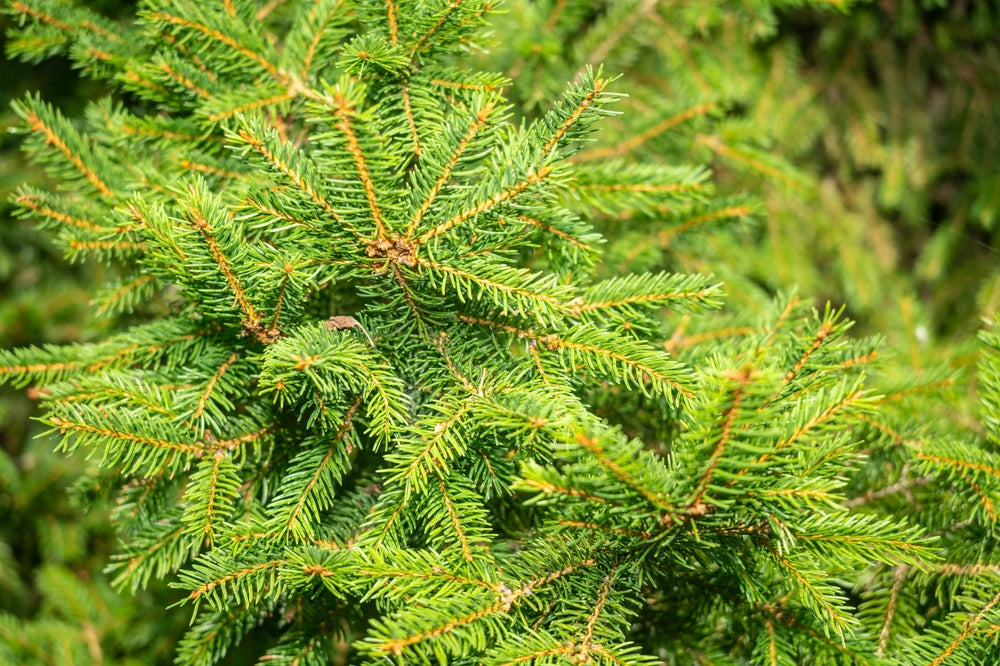
The blossom provides an early source of nectar and pollen for bees and other pollinating insects, while the ripe cherries are a valuable food source for birds. Both the flowers and fruit contribute positively to garden biodiversity, supporting a range of wildlife through the growing season. This cherry is a reliable choice for anyone wanting ornamental spring flowers, a worthwhile summer fruit crop, and good autumn colour from a single tree.
Hazel 'Twister' | Corylus avellana Twister - Feathered - Height 140-180cm Width 100-140cm - 18lt
15000
£150.00
Unit price perHazel 'Twister' | Corylus avellana Twister - Feathered - Height 140-180cm Width 100-140cm - 18lt
15000
£150.00
Unit price per {
Alpine.store('xUpdateVariantQuanity').updateQuantity('template--24326043337082__product-grid', '/products/corylus-avellana-twister-corkscrew-hazel-quarter-standard-clear-stem-height-150-160cm-18lt');
});">
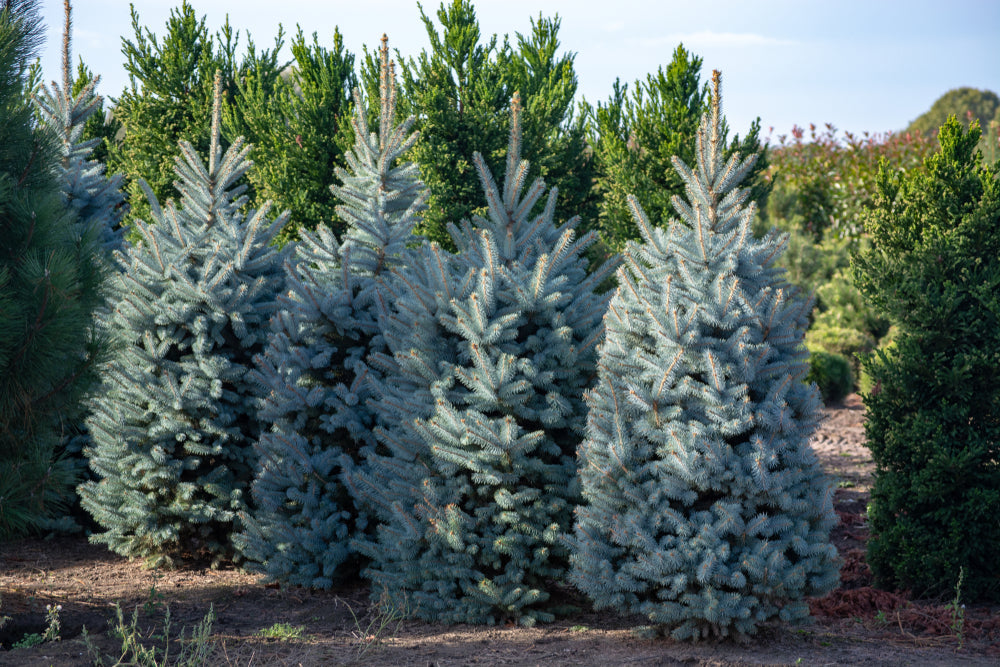
Corylus avellana 'Twister', commonly known as the Twisted Hazel, is a deciduous feathered tree valued for its distinctive contorted branches and twigs, which create an eye-catching, sculptural framework. The twisting stems are particularly striking in winter once the leaves have fallen, offering architectural interest when little else in the garden provides structure.
The foliage consists of rounded, mid-green leaves with a crinkled texture, held on the curling branches throughout the growing season. In autumn, the leaves turn to shades of yellow before dropping, revealing the tree's contorted form once again.
In late winter and early spring, before the leaves emerge, pale yellow catkins hang from the bare, twisted branches, adding further seasonal interest and softening the structure. These catkins provide an early source of pollen for bees and other pollinating insects at a time of year when food sources are scarce, making this tree useful for supporting garden wildlife.
As a feathered tree, it retains lower branches down to ground level, giving it a full, dense habit ideal for use as a specimen planting where its unusual form can be appreciated from all angles. It is tolerant of a range of soil types, including heavier clay soils, and adapts well to most garden positions.
Common hornbeam | Carpinus betulus - Feathered - Height 220-260cm Width 60-80cm - 30lt
19000
£190.00
Unit price perCommon hornbeam | Carpinus betulus - Feathered - Height 220-260cm Width 60-80cm - 30lt
19000
£190.00
Unit price per {
Alpine.store('xUpdateVariantQuanity').updateQuantity('template--24326043337082__product-grid', '/products/european-hornbeam-carpinus-betulus-feathered-girth-8-10cm-height-220-280cm-30lt');
});">
Common Hornbeam is a deciduous tree valued for its naturally feathered shape, retaining branches low down the trunk to create a dense, well-furnished outline from ground level to crown. The foliage consists of ovate, sharply toothed leaves with a pronounced pleated texture, emerging fresh green in spring and turning yellow to orange-brown in autumn. Many of these dried leaves are retained through winter, particularly on younger specimens, providing structure and interest during the colder months. The tree produces small, inconspicuous catkins in spring, with yellow male catkins appearing before the leaves, followed by distinctive clusters of winged nutlets held within papery green bracts that mature to brown through late summer and autumn.
Common Hornbeam supports a range of wildlife, with the catkins providing early pollen for insects and the seeds offering a valuable food source for birds, including finches, through autumn and winter. The dense branching structure and retained winter foliage also provide shelter and nesting opportunities for birds. This tree tolerates clay soils well and is suited to exposed or windy sites, making it a reliable choice for gardens where other species may struggle to establish.
Small-leaved lime | Tilia cordata - Feathered - Height 140-180cm Width 80-100cm - 20lt
9800
£98.00
Unit price perSmall-leaved lime | Tilia cordata - Feathered - Height 140-180cm Width 80-100cm - 20lt
9800
£98.00
Unit price per {
Alpine.store('xUpdateVariantQuanity').updateQuantity('template--24326043337082__product-grid', '/products/tilia-cordata-small-leaved-lime-height-160-200cm-20lt');
});">
Small-leaved lime is a deciduous tree with a distinctive feathered form, retaining branches and foliage down to ground level for a dense, full structure. The heart-shaped leaves are dark green, turning a soft yellow in autumn before falling. In summer, clusters of small, pale yellow-green, fragrant flowers appear, held on distinctive pale green bracts. These blooms are highly attractive to bees and other pollinating insects, making the tree valuable for garden biodiversity. The dense, feathered growth habit also provides good nesting and shelter opportunities for birds. Small-leaved lime is tolerant of a wide range of soil types, including clay and loamy soils, and copes well in both sunny and partially shaded positions. It is a resilient species, suited to parkland, large gardens, or as a specimen tree where its full, skirted form can be appreciated. The tree's dense canopy and foliage from base to crown make it particularly useful for screening or as a windbreak. Once established, it is low maintenance and long-lived, developing into a substantial, elegant tree over time while maintaining its naturally symmetrical, feathered outline.
Cherry 'Napoleon' | Prunus avium Napoleon - Height 100-140cm Width 40-50cm - 20lt
9400
£94.00
Unit price perCherry 'Napoleon' | Prunus avium Napoleon - Height 100-140cm Width 40-50cm - 20lt
9400
£94.00
Unit price per {
Alpine.store('xUpdateVariantQuanity').updateQuantity('template--24326043337082__product-grid', '/products/sweet-cherry-tree-prunus-avium-napoleon-height-120-150cm-20lt');
});">
Prunus avium 'Napoleon', commonly known as Napoleon cherry, is a deciduous half standard fruit tree. It produces an abundance of white blossom in spring, appearing in clusters before the leaves fully unfurl, giving the tree a striking display during April. The foliage consists of broad, oval, serrated leaves that emerge bronze-green before maturing to a deeper green through summer. In autumn, the leaves turn attractive shades of yellow and orange before falling.
Following flowering, the tree produces large, firm, pale yellow fruits flushed with red, ripening in mid to late summer. These sweet cherries are popular for eating fresh and for culinary use. As a half standard, the tree has a clear stem with the crown starting at a moderate height, giving it a traditional, well-proportioned orchard form suited to garden planting.
The spring blossom provides an early nectar source for bees and other pollinating insects, supporting local biodiversity. Birds are also attracted to the ripening fruit later in the season. Napoleon cherry grows best in a sunny, sheltered position with well-drained, fertile soil, and benefits from protection from strong winds and late spring frosts, which can affect blossom and subsequent fruit set.
Rowan | Sorbus aucuparia - Feathered - Height 220-260cm Width 80-100cm - 20lt
9500
£95.00
Unit price perRowan | Sorbus aucuparia - Feathered - Height 220-260cm Width 80-100cm - 20lt
9500
£95.00
Unit price per {
Alpine.store('xUpdateVariantQuanity').updateQuantity('template--24326043337082__product-grid', '/products/rowan-tree-sorbus-aucuparia-european-mountain-ash-height-220-260cm-girth-6-8cm-pot-grown-20lt');
});">
Rowan is a deciduous tree with an upright, feathered habit, retaining a central leader with lateral branches clothed to the base, giving it a full, well-furnished appearance from a young age. The foliage consists of pinnate, fern-like leaves divided into numerous slender leaflets with serrated edges, creating a light, airy texture throughout the canopy. In spring, clusters of creamy-white flowers appear, providing an attractive flush of blossom across the tree. These are followed in autumn by bright orange-red berries borne in heavy clusters, which contrast well against the foliage as it turns shades of yellow, orange and red, making the tree particularly attractive during both spring and autumn. The berries provide a valuable food source for birds, including thrushes and waxwings, while the blossom is attractive to pollinating insects such as bees, supporting local wildlife and contributing to garden biodiversity. Rowan is a hardy, adaptable tree, tolerant of exposed and upland conditions, and performs well in a range of soil types including poorer, drier soils. Its feathered form makes it well suited as a specimen tree where a naturalistic, softly textured outline is desired, and it is particularly suitable for colder or more exposed sites.
Hawthorn | Crataegus monogyna - Multistem - Height 100-140cm Width 100-140cm - 5lt
3500
£35.00
Unit price perHawthorn | Crataegus monogyna - Multistem - Height 100-140cm Width 100-140cm - 5lt
3500
£35.00
Unit price per {
Alpine.store('xUpdateVariantQuanity').updateQuantity('template--24326043337082__product-grid', '/products/crataegus-monogyna-common-hawthorn-height-125-150cm-5lt');
});">
Common Hawthorn is a deciduous multistem tree, valued for its naturalistic, characterful structure with gnarled, spreading branches arising from multiple stems at the base. The foliage consists of small, lobed green leaves that provide a light, airy canopy.
In spring the tree is covered with clusters of white, strongly scented blossom, typically appearing in May. This is followed in autumn by an abundance of small red berries known as haws, which persist on the branches and provide excellent seasonal interest as the foliage turns yellow before falling.
Common Hawthorn is highly valuable for wildlife, with the spring blossom attracting a wide range of pollinating insects, while the dense, thorny branch structure offers excellent nesting shelter for birds. The autumn haws are an important food source for many bird species and small mammals as colder weather sets in, supporting biodiversity throughout the changing seasons.
This hardy, adaptable tree tolerates a wide range of soil types including clay and loamy soils, and copes well in exposed or coastal locations. It is a reliable choice for naturalistic planting schemes, wildlife gardens, or as a specimen tree where seasonal interest and ecological value are desired.
Showing 28/43