
British Native Trees
Most popular native trees
Wild Cherry | Prunus avium - Feathered - Height 10-20cm Width 10-20cm - 15lt
7200
£72.00
Unit price perWild Cherry | Prunus avium - Feathered - Height 10-20cm Width 10-20cm - 15lt
7200
£72.00
Unit price per {
Alpine.store('xUpdateVariantQuanity').updateQuantity('template--24326043337082__product-grid', '/products/wild-cherry-prunus-avium-3-4yr-height-160-180cm-10lt');
});">
Wild Cherry is a deciduous tree, supplied here as a feathered specimen with lateral branches growing right down the stem to give a full, well-clothed structure from an early stage. The foliage is broadly oval, mid to dark green, turning to shades of orange, red and yellow in autumn before leaf fall.
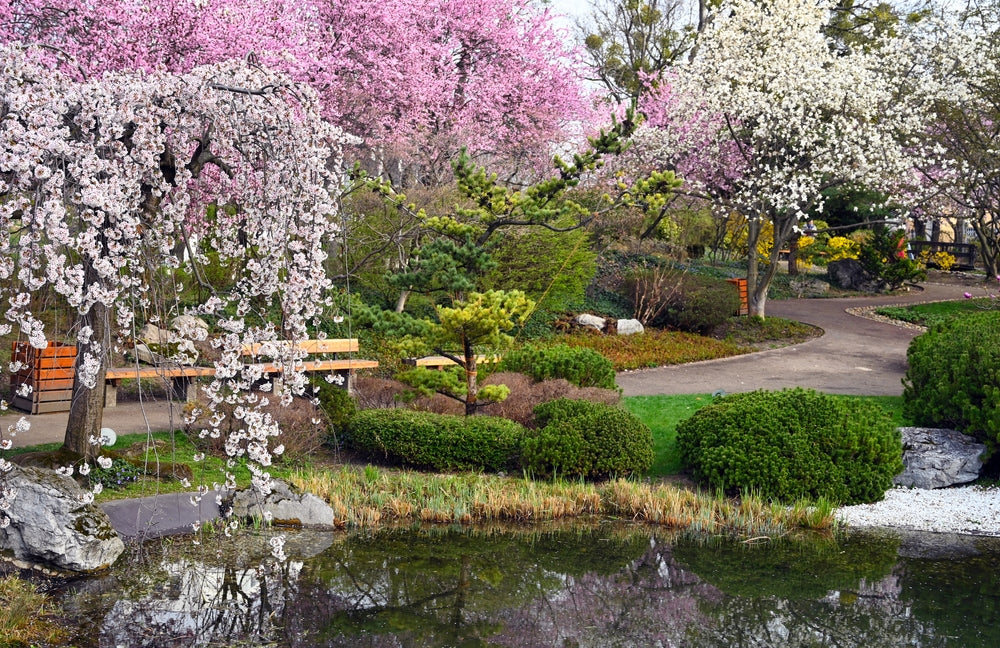
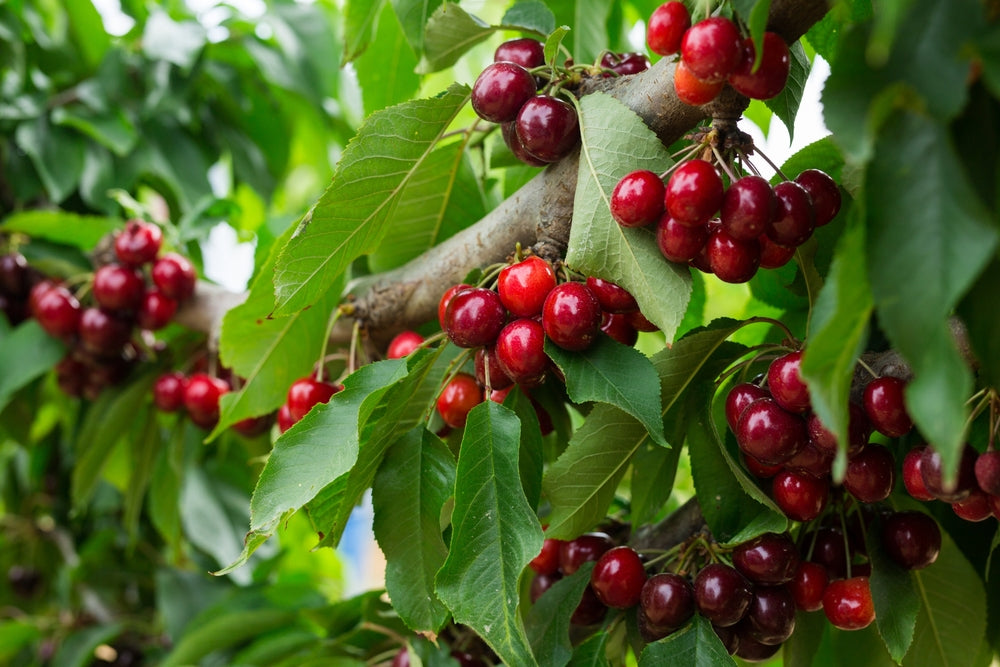
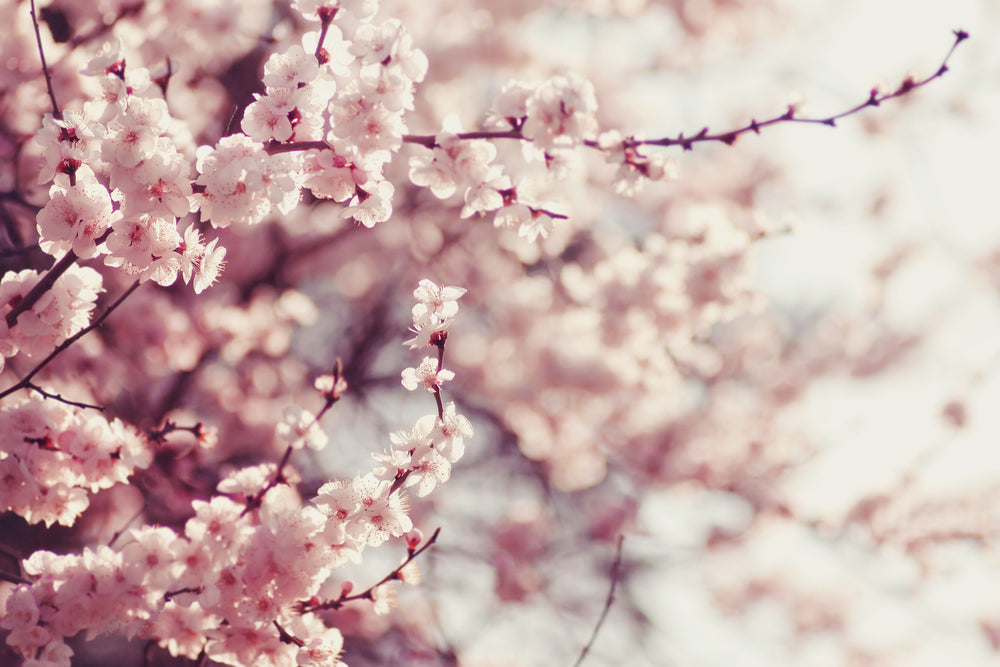
In spring the tree produces an abundance of white five-petalled flowers, borne in clusters along the branches, giving a striking display before the leaves fully emerge. These are followed in summer by small dark red to black cherries, adding further seasonal interest as they ripen.
The blossom provides an early and valuable source of nectar and pollen for bees and other pollinating insects, while the cherries that follow are attractive to birds and other wildlife, supporting a wider food chain through the year. The tree also contributes to overall biodiversity within a garden or landscape setting by offering both flowering and fruiting resources.
Wild Cherry is a versatile tree suited to a range of soil types, including loamy and clay soils, and performs well in open, sunny positions. Its strong seasonal changes make it a useful specimen tree for year-round interest, from spring blossom through to autumn colour.
Fern Leaved Beech | Fagus sylvatica Aspleniifolia - Feathered - Height 80-100cm Width 40-50cm - 3lt
8400
£84.00
Unit price perFern Leaved Beech | Fagus sylvatica Aspleniifolia - Feathered - Height 80-100cm Width 40-50cm - 3lt
8400
£84.00
Unit price per {
Alpine.store('xUpdateVariantQuanity').updateQuantity('template--24326043337082__product-grid', '/products/fern-leaved-beech-fagus-sylvatica-aspleniifolia-feathered-height-80-100cm-width-40-50cm-3lt');
});">
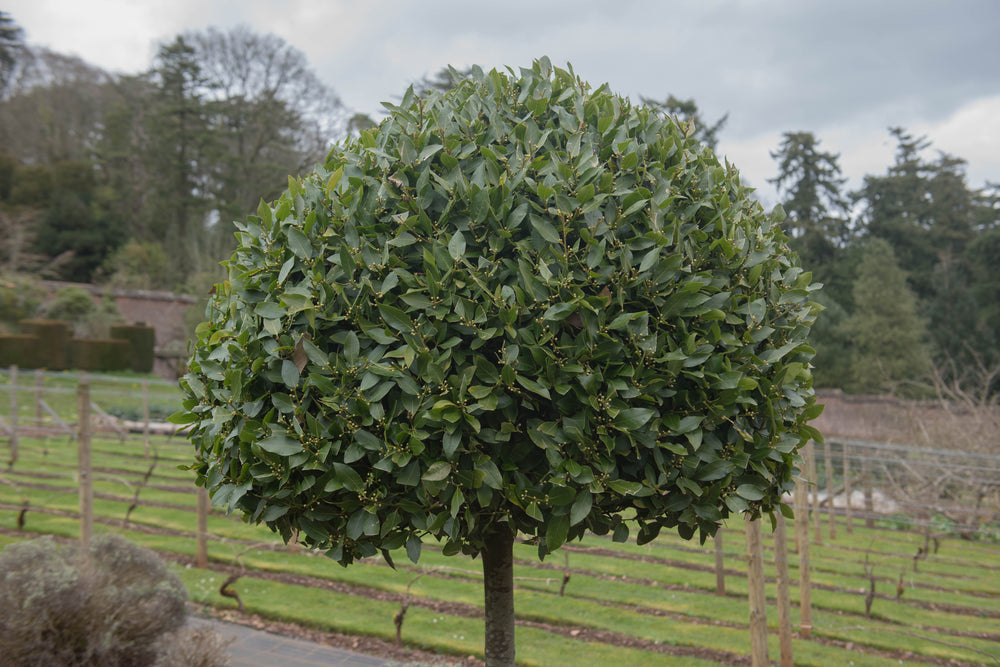
Cut-Leaf Beech is a deciduous tree with finely dissected, fern-like leaves that give the foliage a delicate, lacy appearance quite different from the standard species. The leaves emerge a fresh green in spring, maturing through summer before turning golden-bronze in autumn, providing seasonal interest across several months. As a feathered tree, it retains branches low down the trunk, creating a fuller, more naturalistic structure compared to standard forms, with growth typically dense and elegant. This cultivar is particularly attractive in spring when the new leaves unfurl, and again in autumn as the foliage colour develops.
The tree produces small, inconspicuous flowers in late spring, followed by beech nuts (mast) in autumn, which are a valuable food source for birds and small mammals. The dense canopy and branching structure also provide shelter and nesting opportunities for birds, while the tree supports various insects that in turn benefit the wider garden ecosystem.
Cut-Leaf Beech grows well in a range of soil types, including chalky, loamy and clay soils, provided drainage is reasonable. It tolerates partial shade as well as full sun, making it a versatile choice for parks, larger gardens and arboreta where its distinctive foliage and form can be appreciated at close range.
{
Alpine.store('xUpdateVariantQuanity').updateQuantity('template--24326043337082__product-grid', '/products/sorbus-aucuparia-asplenifolia-clear-stem-140cm-girth-10-12cm-height-280-300cm-45lt');
});">
Sorbus aucuparia 'Asplenifolia', commonly known as cut-leaved mountain ash or cut-leaved rowan, is a deciduous tree trained as a full standard. It is distinguished by its finely divided, fern-like foliage, with each leaflet deeply cut giving a delicate, lacy appearance quite unlike the ordinary rowan. The leaves turn attractive shades of red and orange in autumn before falling.
In spring, clusters of creamy-white flowers appear, held above the foliage, followed in autumn by bright orange-red berries that persist on the branches. This combination of feathery foliage, autumn colour and berry display makes the tree attractive across several seasons, particularly in autumn when both foliage and fruit provide strong colour.
The berries are a valuable food source for birds, particularly thrushes and blackbirds, which helps support garden wildlife through the colder months. The flowers also attract pollinating insects in spring, adding further biodiversity value to the garden.
As a full standard, it forms a tree with a clear stem and a rounded, light, airy canopy, making it well suited as a specimen tree or for planting along avenues and borders where its delicate foliage can be appreciated at height. It tolerates a wide range of soil types, including poor or exposed sites, and performs well in cooler, northern climates.
Beech 'Dawyck' | Fagus sylvatica Dawyck - Feathered - Height 400-500cm Width 60-80cm - 50lt
26000
£260.00
Unit price perBeech 'Dawyck' | Fagus sylvatica Dawyck - Feathered - Height 400-500cm Width 60-80cm - 50lt
26000
£260.00
Unit price per {
Alpine.store('xUpdateVariantQuanity').updateQuantity('template--24326043337082__product-grid', '/products/fagus-sylvatica-dawkye-dawyck-beech-450-500cm-50lt');
});">
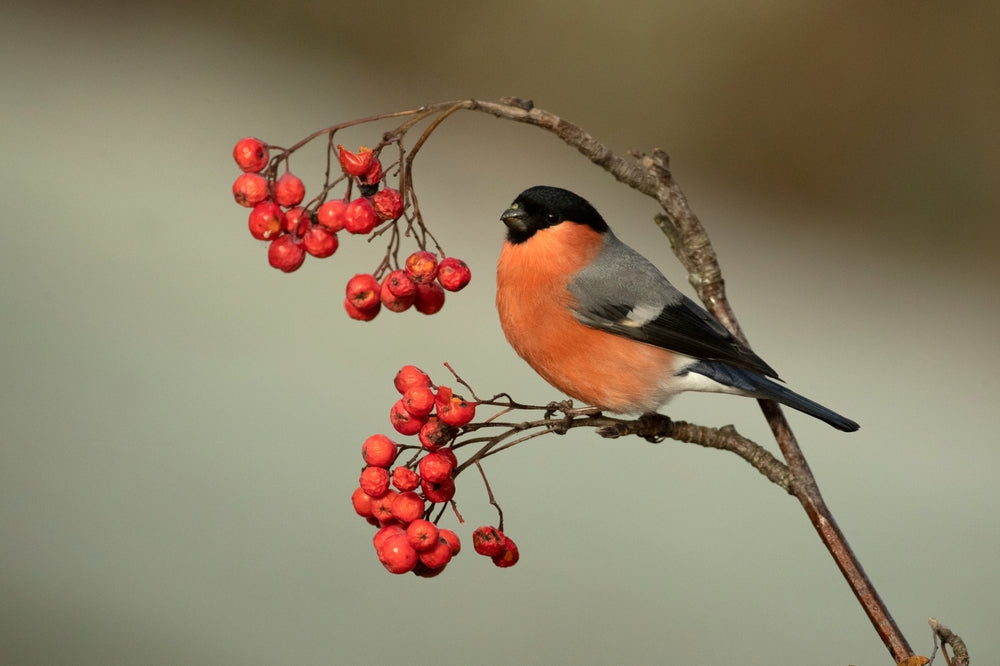
Fagus sylvatica 'Dawyck', commonly known as Dawyck Beech, is a deciduous tree with a distinctive narrow, fastigiate form, growing as a feathered specimen with branches clothed down to ground level. The upright, columnar structure makes it a striking architectural choice, maintaining a slender profile even as it matures in height.
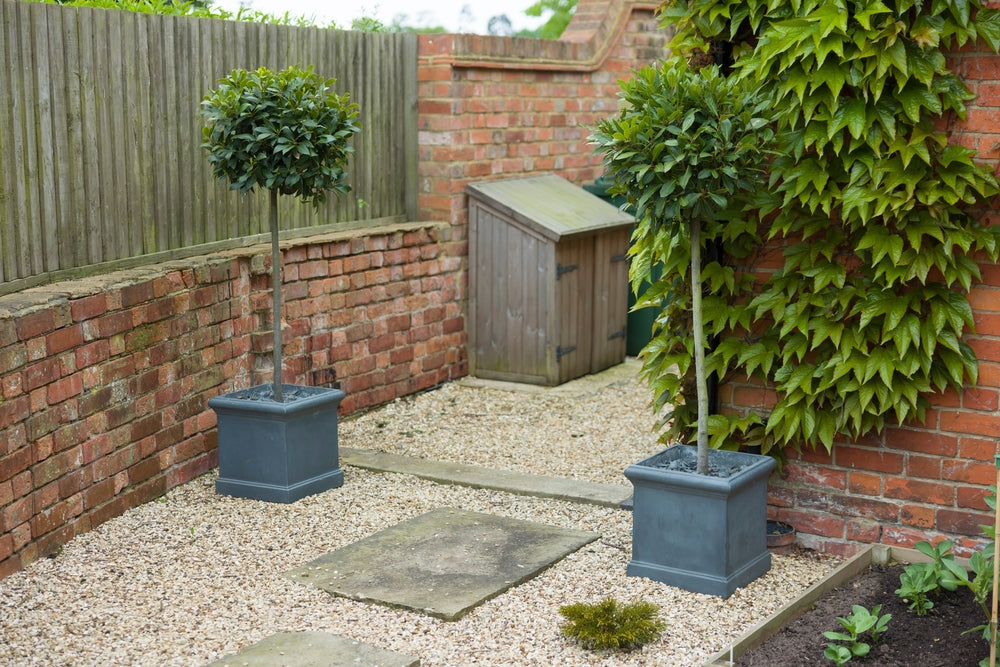
The foliage emerges fresh green in spring, developing into a dense covering of oval leaves with slightly wavy margins through summer. In autumn, the leaves turn a warm golden-bronze, providing good seasonal colour before falling, with some dried leaves often persisting into winter.
This cultivar produces small, inconspicuous flowers in spring, followed by beech nuts (mast) encased in prickly husks during autumn. These nuts provide a valuable food source for birds and small mammals, while the tree's structure offers nesting opportunities for birds.
Dawyck Beech is tolerant of chalky and alkaline soils, as well as free-draining loamy conditions, making it adaptable to a range of garden situations. Its narrow growth habit makes it particularly suitable for smaller gardens or where space is limited, including use as a specimen tree lining avenues or driveways where a tall but narrow form is desired.
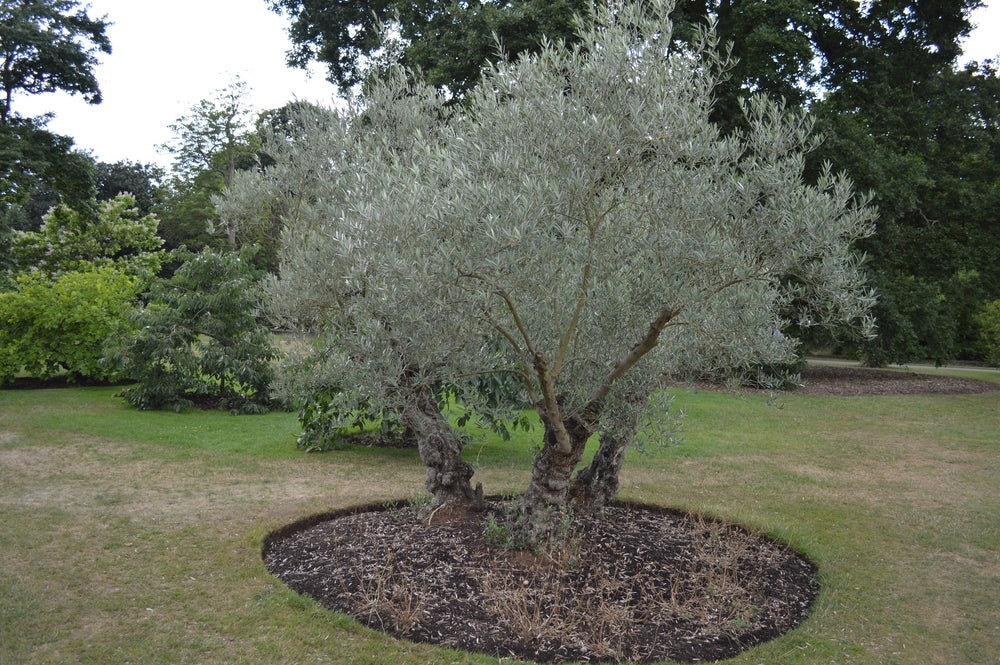
{
Alpine.store('xUpdateVariantQuanity').updateQuantity('template--24326043337082__product-grid', '/products/carpinus-betulus-fastigiata-ball-common-hornbeam-450cm-130lt');
});">
Carpinus betulus 'Fastigiata', commonly known as the Upright Hornbeam, is a deciduous tree grown here as a full standard. It produces mid-green, ovate leaves with a distinctive ribbed texture and serrated edges throughout spring and summer, turning yellow to orange in autumn. Many leaves remain on the branches through winter, providing a degree of structural interest even after the display of autumn colour has faded.
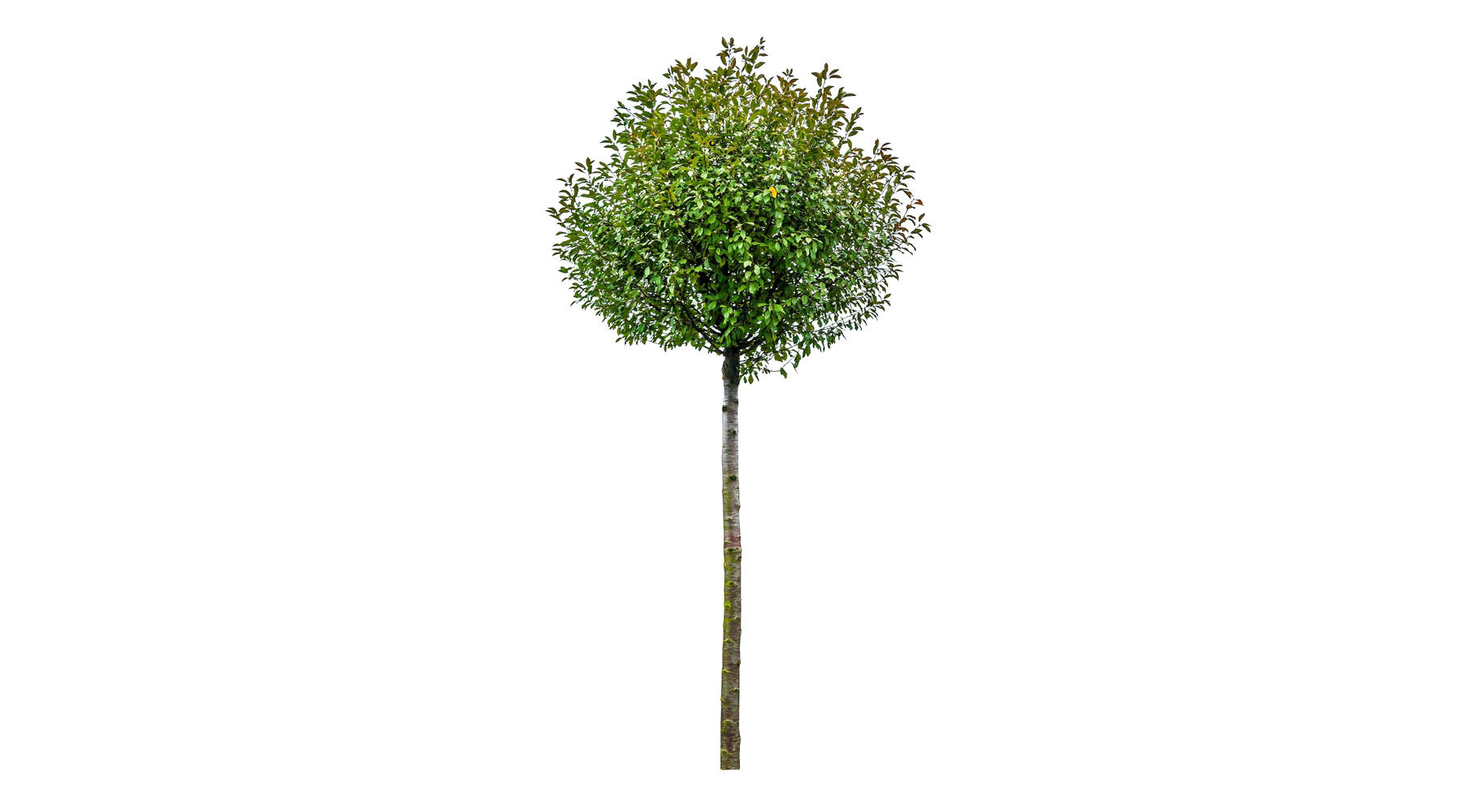
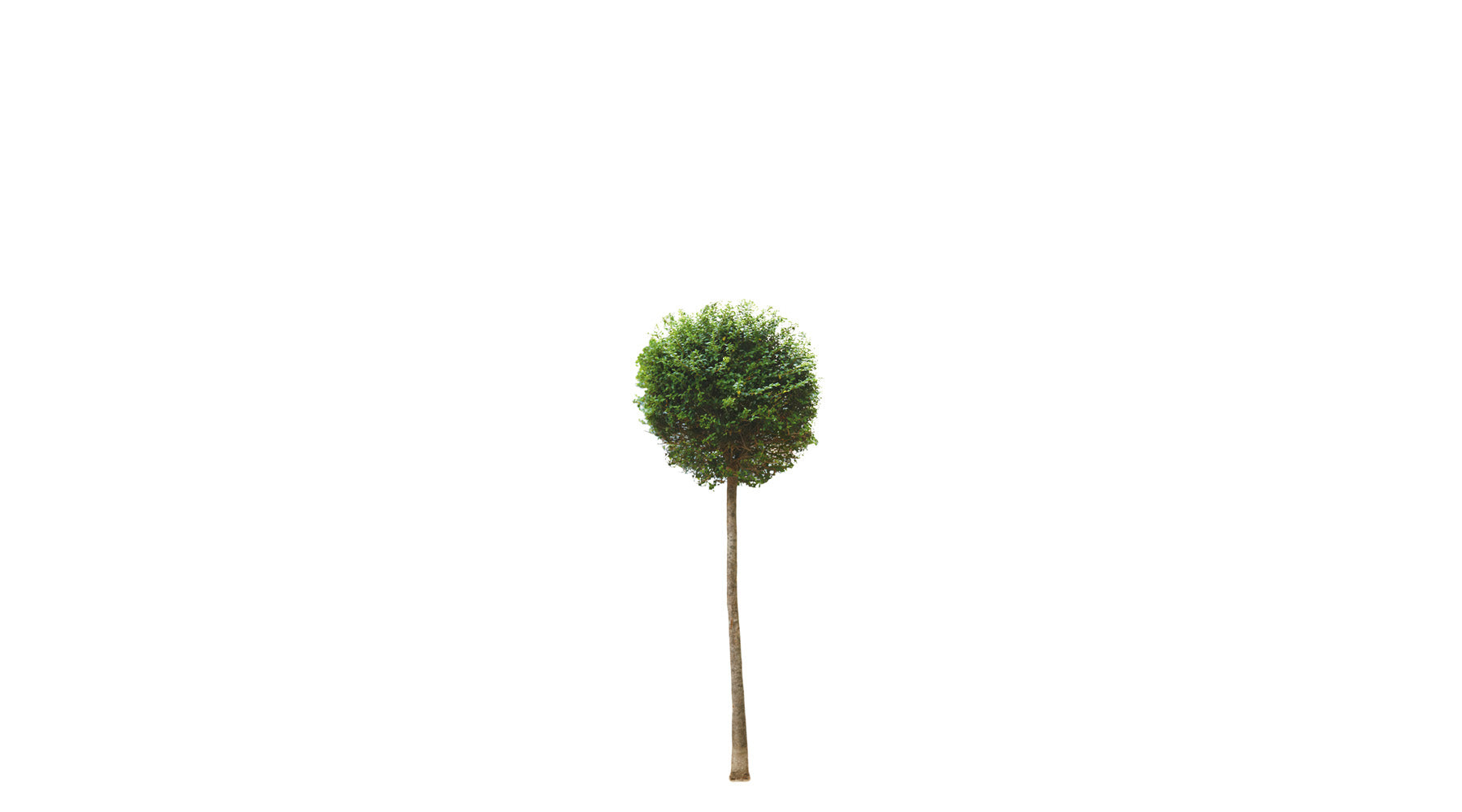
This cultivar is particularly valued for its dense, upright, and narrowly conical growth habit, forming a neat, uniform shape that makes it a popular choice where a formal, architectural form is required. The compact branching structure gives it a tidy appearance all year round.
In spring, small, inconspicuous catkins appear, followed by clusters of papery, winged fruits known as nutlets, which develop through summer and into autumn. These seeds provide a food source for birds, while the dense branching offers shelter and nesting opportunities for various bird species. The tree also supports a range of insect life, contributing to local biodiversity.
The Upright Hornbeam is tolerant of a wide range of soil types, including clay and chalky soils, and copes well with both sun and partial shade. It is also resistant to pollution, making it a suitable choice for urban gardens and exposed sites.
Common alder | Alnus glutinosa - Feathered - Height 260-300cm Width 140-180cm - 30lt
26000
£260.00
Unit price perCommon alder | Alnus glutinosa - Feathered - Height 260-300cm Width 140-180cm - 30lt
26000
£260.00
Unit price per {
Alpine.store('xUpdateVariantQuanity').updateQuantity('template--24326043337082__product-grid', '/products/alder-tree-alnus-glutinosa-height-200-220cm-20lt');
});">
Common Alder is a deciduous tree, supplied here as a feathered specimen with branching down to ground level, giving a full, natural structure from an early stage. The foliage is rounded to oval, dark green and glossy, remaining on the tree later into autumn than many other native species. Before the leaves emerge in late winter and early spring, the tree produces catkins, with the male catkins being long, yellow-brown and pendulous, while the female catkins are smaller, green and develop into small woody cones that persist through winter.
Common Alder is valuable for wildlife, providing an early source of pollen for insects through its late winter and early spring catkins. The persistent cones offer seed for birds such as siskins and redpolls throughout the colder months. Its root system fixes nitrogen in the soil, improving fertility and supporting surrounding plant growth, making it beneficial for overall biodiversity.
This tree is particularly well suited to wet or waterlogged ground and is commonly found growing successfully along riverbanks, ponds and in damp woodland areas. It tolerates heavy clay soils and poorly drained sites where many other trees would struggle, making it an excellent choice for planting in damp gardens or low-lying areas prone to seasonal flooding.
{
Alpine.store('xUpdateVariantQuanity').updateQuantity('template--24326043337082__product-grid', '/products/field-maple-acer-campestre-clear-stem-height-300-350cm-girth-8-10cm-40lt');
});">
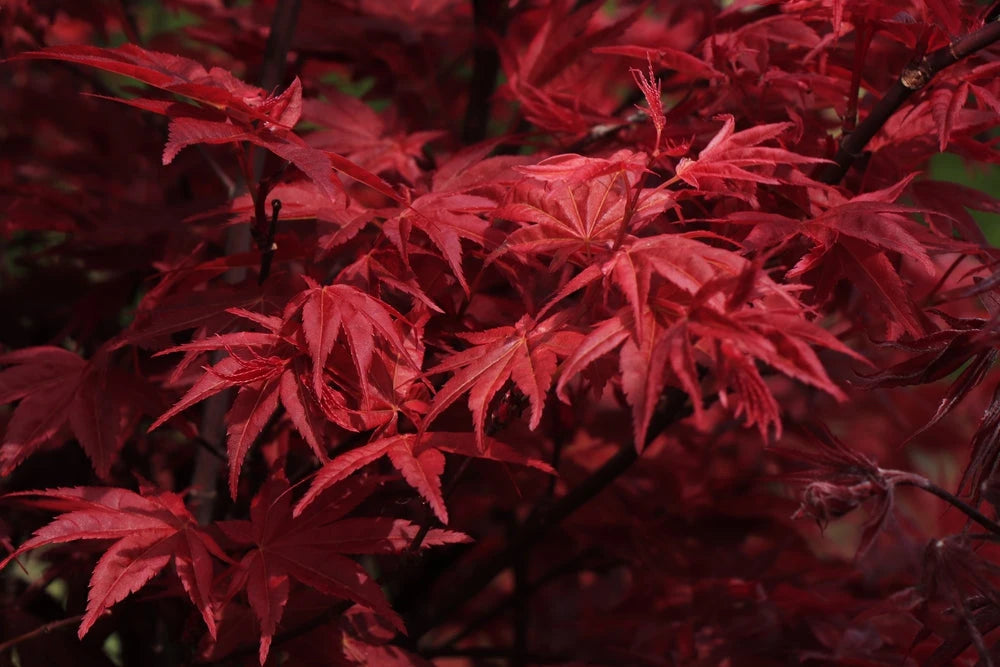
Acer campestre 'Royal Red', or Red Field Maple, is a deciduous tree supplied here as a full standard, giving it a clear, upright trunk topped with a well-formed, rounded crown. The foliage emerges a deep maroon-red in spring, maturing to a dark purplish-green through summer before developing rich red and orange tones in autumn, providing strong seasonal colour interest across multiple periods of the year. The tree forms a dense, compact canopy, making it useful for providing shade or acting as a specimen tree within a garden or landscape setting. In spring, small yellow-green flowers appear, followed by the characteristic winged seeds (samaras) typical of field maples, which develop through summer and add further visual interest as they mature. The flowers provide a nectar source for pollinating insects, while the seeds offer a food source for birds and small mammals later in the year, giving this cultivar some wildlife value within a planting scheme. Red Field Maple is a hardy and adaptable tree, tolerant of a wide range of soil types including chalky, clay and loamy soils, and copes well with exposure in both urban and rural settings. It is a reliable choice for parks, gardens, and avenue planting where a compact, colourful, and resilient tree is required.
Beech | Fagus sylvatica - Feathered - Height 220-260cm Width 40-50cm - 45lt
38000
£380.00
Unit price perBeech | Fagus sylvatica - Feathered - Height 220-260cm Width 40-50cm - 45lt
38000
£380.00
Unit price per {
Alpine.store('xUpdateVariantQuanity').updateQuantity('template--24326043337082__product-grid', '/products/fagus-sylvatica-fagus-sylvatica-girth-8-10cm-height-250-280cm-45lt');
});">
Common Beech is a deciduous tree, supplied here as a feathered specimen with a central leader retained and branches growing down to near ground level. The foliage emerges fresh light green in spring, maturing to a darker glossy green through summer before turning rich copper and golden-brown in autumn, with many leaves persisting on the tree well into winter. The feathered form gives a naturally tapered, pyramidal outline with dense branching from the base upwards, making it useful for screening or as a specimen tree where year-round structure is wanted. Small, inconspicuous flowers appear in spring, followed by triangular beech nuts (mast) held in bristly husks during autumn. These nuts provide a valuable food source for birds, squirrels and small mammals, while the dense canopy and leaf litter support a range of insects and ground-dwelling wildlife, contributing to garden biodiversity. Common Beech tolerates a wide range of soil types, including chalky and clay soils, and is well suited to forming hedging or windbreaks due to its dense branching habit. It performs best in well-drained conditions and can tolerate some shade, making it a versatile choice for both open and semi-shaded planting positions within a garden or larger landscape setting.
Wild cherry 'Bigarreau Burlat' | Prunus avium Bigarreau Burlat - Height 140-180cm Width 40-50cm - 20lt
9400
£94.00
Unit price perWild cherry 'Bigarreau Burlat' | Prunus avium Bigarreau Burlat - Height 140-180cm Width 40-50cm - 20lt
9400
£94.00
Unit price per {
Alpine.store('xUpdateVariantQuanity').updateQuantity('template--24326043337082__product-grid', '/products/cherry-tree-burlat-prunus-avium-bigarreau-burlat-height-150-160cm-20lt');
});">
This deciduous sweet cherry produces a well-branched, feathered framework, with lateral shoots growing down to near ground level, giving a fuller, more naturally tapered shape than a standard maiden tree. The glossy, oval leaves emerge with a bronze tinge in spring before turning rich green through summer, then developing attractive orange and red tones in autumn before leaf fall. In early to mid spring, the tree is covered in an abundance of pure white blossom, appearing just before the leaves unfurl, creating a striking display. This blossom is highly attractive to pollinating insects, particularly bees, providing an early and valuable source of nectar and pollen. Following pollination, the tree bears heart-shaped, dark red to almost black cherries from early summer, among the earliest dessert cherries to ripen. The sweet, juicy fruit is popular with birds as well as for home picking, making this a good choice for supporting garden wildlife. As with most sweet cherries, this variety is not self-fertile and benefits from a suitable pollination partner nearby to ensure a reliable fruit set. It performs best in a sunny, sheltered position with well-drained soil, making it a rewarding choice for a productive garden tree with ornamental appeal across several seasons.
Hazel 'Contorta' | Corylus avellana Contorta - Height 140-180cm Width 80-100cm - 45lt
42000
£420.00
Unit price perHazel 'Contorta' | Corylus avellana Contorta - Height 140-180cm Width 80-100cm - 45lt
42000
£420.00
Unit price per {
Alpine.store('xUpdateVariantQuanity').updateQuantity('template--24326043337082__product-grid', '/products/corylus-avellana-contorta-corkscrew-hazel-height-160-170cm-45lt');
});">
Corylus avellana 'Contorta', commonly known as the Corkscrew Hazel, is a deciduous tree with a distinctively twisted and contorted branch structure that gives it year-round interest. The spiralling stems are particularly striking in winter once the leaves have fallen, revealing the full extent of the gnarled, curling growth pattern. The mid-green, rounded leaves are themselves slightly twisted and textured, turning yellow in autumn before dropping to expose the sculptural framework beneath.
In late winter and early spring, before the leaves emerge, the tree produces pale yellow catkins that hang from the bare contorted branches, creating an attractive display during an otherwise quiet period in the garden. Small, inconspicuous red female flowers appear around the same time, occasionally followed by edible hazelnuts in autumn, though fruiting tends to be light.
This tree is slow-growing and generally compact, making it well suited to smaller gardens or as a specimen planting where its unusual form can be fully appreciated. It is also a popular choice for cut stems used in floristry and decorative displays. The Corkscrew Hazel tolerates a wide range of soil types, including clay, and adapts well to both sunny and partially shaded positions.
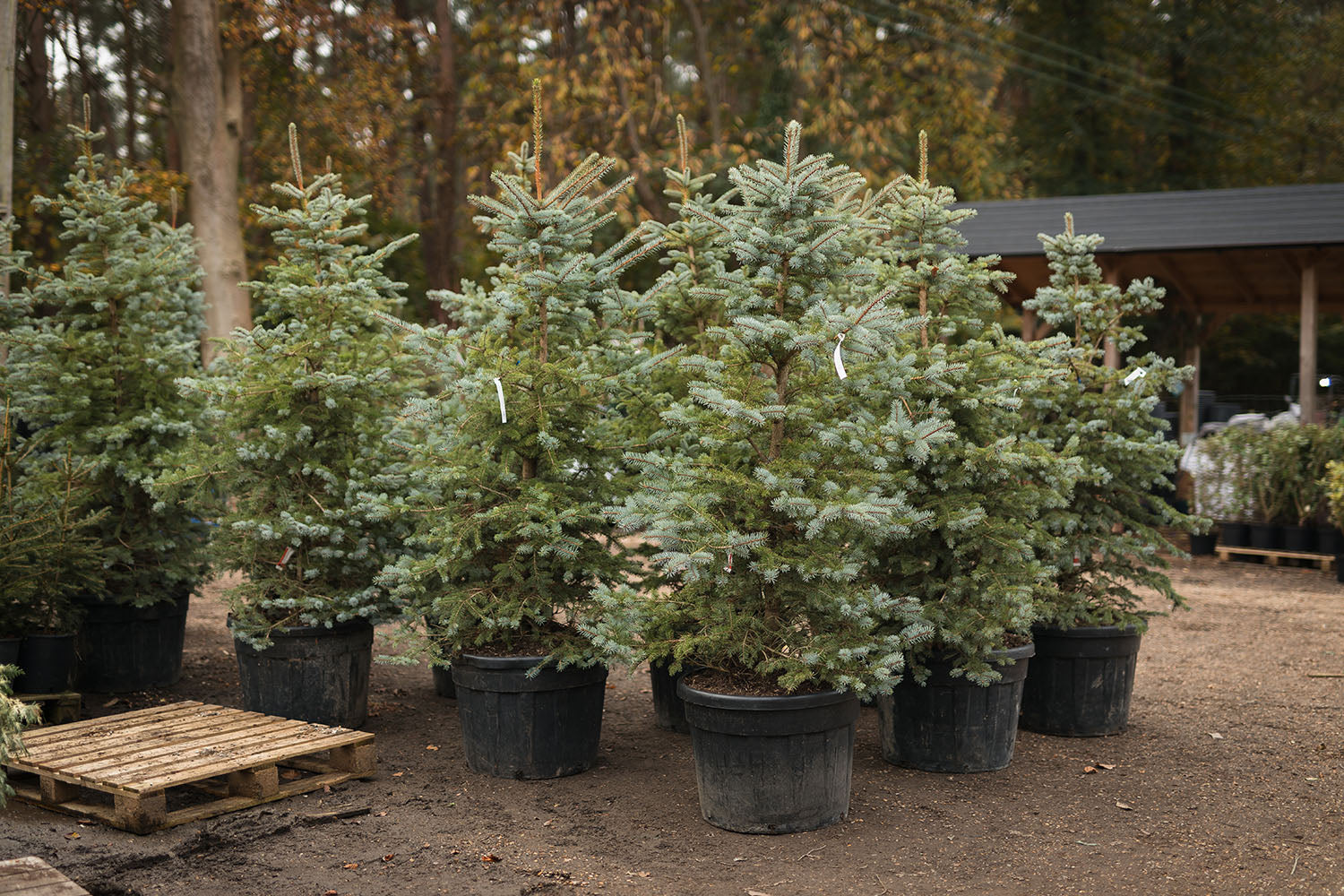
Rowan | Sorbus aucuparia - Feathered - Height 140-180cm Width 80-100cm - 12lt
8500
£85.00
Unit price perRowan | Sorbus aucuparia - Feathered - Height 140-180cm Width 80-100cm - 12lt
8500
£85.00
Unit price per {
Alpine.store('xUpdateVariantQuanity').updateQuantity('template--24326043337082__product-grid', '/products/sorbus-aucuparia-asplenifolia-rowan-mountain-ash-160-180cm-12lt');
});">
Sorbus aucuparia 'Asplenifolia', commonly known as Cutleaf Rowan or Fernleaf Mountain Ash, is a deciduous tree supplied as a feathered specimen, with branches growing down the trunk from near ground level. The foliage is particularly distinctive, with deeply cut, fern-like leaflets that give the tree a delicate, lacy appearance quite different from the species type. Leaves emerge green through spring and summer before turning shades of yellow and orange in autumn, providing good seasonal interest. In late spring, clusters of creamy-white flowers appear, followed in autumn by bright orange-red berries that persist on the branches. These berries are a valuable food source for birds, particularly thrushes and blackbirds, making this tree a useful addition for gardens aiming to support local wildlife. The flowers are also attractive to pollinating insects, adding a further biodiversity benefit. The feathered form gives the tree a naturalistic, full silhouette from an early stage, making it suitable as a specimen tree where a softer, informal structure is desired. It tolerates a range of soil types, including acidic and poorly drained ground, and copes well with exposed or coastal positions, making it a versatile choice for planting schemes where conditions may not suit less hardy trees.
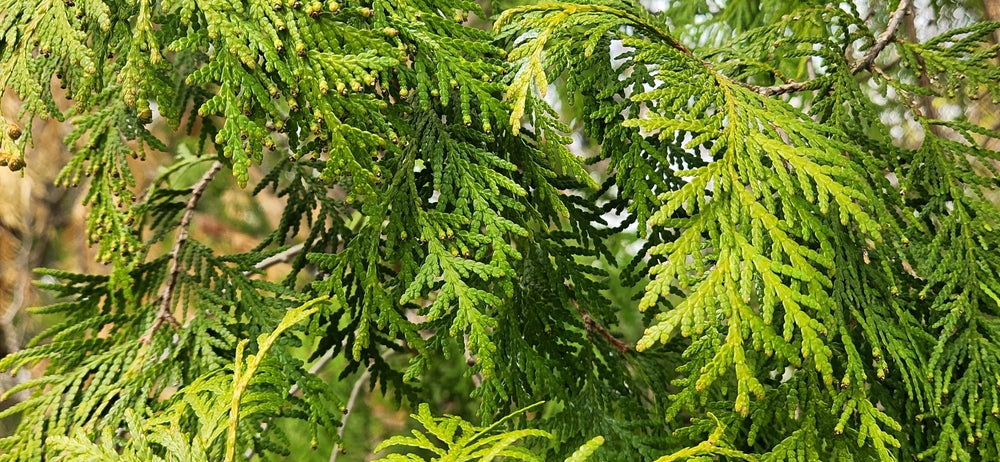
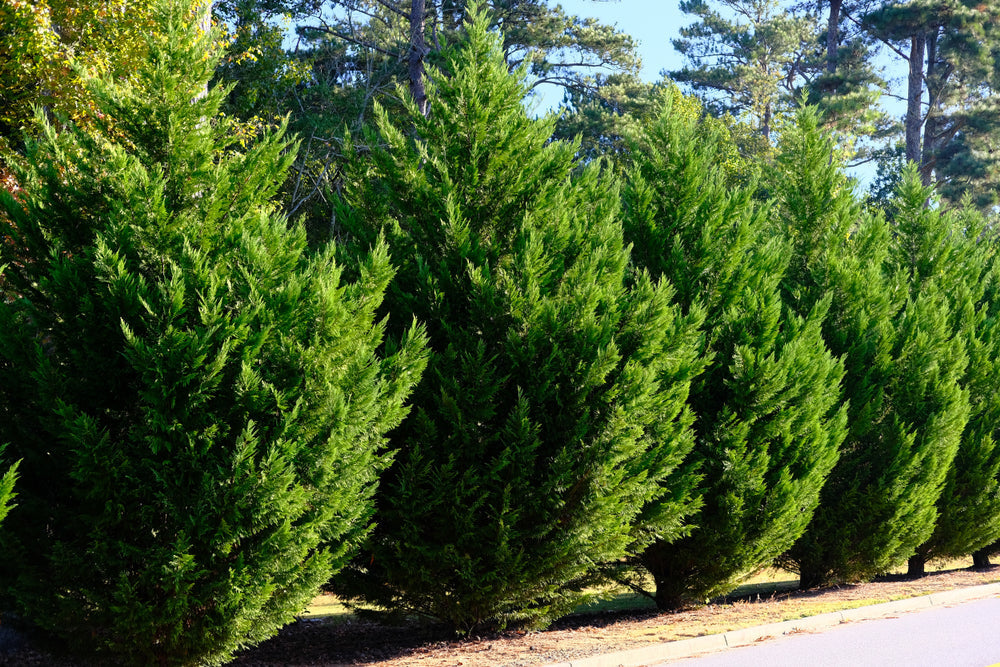
Hornbeam 'Fastigiata' | Carpinus betulus Fastigiata - Feathered - Height 300-350cm Width 60-80cm - 40lt
28000
£280.00
Unit price perHornbeam 'Fastigiata' | Carpinus betulus Fastigiata - Feathered - Height 300-350cm Width 60-80cm - 40lt
28000
£280.00
Unit price per {
Alpine.store('xUpdateVariantQuanity').updateQuantity('template--24326043337082__product-grid', '/products/hornebean-fastigata-feathered-height-300-350cm-girth-10-12cm-40lt');
});">
Carpinus betulus 'Fastigiata', commonly known as the Fastigiate Hornbeam, is a deciduous tree with a distinctly upright, narrow habit when young, broadening slightly with age to form a dense, oval to conical crown. As a feathered specimen, it retains branches down to ground level, giving it a full, structured appearance from base to tip, making it well-suited for formal planting schemes or as a specimen tree where a strong vertical form is desired.
The foliage consists of ovate, deeply veined leaves with a serrated edge, emerging fresh green in spring and maturing to a darker green through summer. In autumn, the leaves turn a warm golden yellow before fading to brown, with many retained on the branches through winter, providing a degree of seasonal screening and interest even in the colder months.
In spring, the tree produces inconspicuous catkins, followed by clusters of winged fruits known as nutlets, which develop through summer and into autumn. These seeds provide a food source for birds, while the dense branching structure offers nesting opportunities, contributing to garden biodiversity. The tree tolerates a range of soil types, including clay and loamy soils, and performs well in both open and partially shaded positions.
Dwarf birch 'Golden Treasure' | Betula nana Golden Treasure - Bushy - Height 20-30cm Width 60-80cm - 5lt
3300
£33.00
Unit price perDwarf birch 'Golden Treasure' | Betula nana Golden Treasure - Bushy - Height 20-30cm Width 60-80cm - 5lt
3300
£33.00
Unit price per {
Alpine.store('xUpdateVariantQuanity').updateQuantity('template--24326043337082__product-grid', '/products/betula-nana-golden-treasure-height-20-30cm-dwarf-5lt');
});">
Betula nana 'Golden Treasure', commonly known as Golden Dwarf Birch, is a deciduous shrub with a bushy, compact habit. Its small, rounded leaves emerge with a striking golden-yellow hue in spring, maturing to a soft lime green through summer before turning rich amber and gold tones in autumn, providing seasonal interest across multiple periods of the year. The branching structure is dense and twiggy, giving the plant good year-round form even once the leaves have fallen, with slender dark stems visible through winter.
This cultivar produces small catkins in spring, typical of birch species, though they are modest in size and not the primary ornamental feature of the plant. The dense, twiggy growth offers shelter for small garden birds and insects, while the catkins can provide an early source of pollen for pollinators. Leaf litter in autumn also contributes organically to the soil, supporting beneficial garden organisms.
Golden Dwarf Birch is well suited to damp or boggy ground and tolerates wet or waterlogged soils, making it a useful choice for areas of the garden where drainage is poor. It also performs well in cooler, exposed positions, reflecting its natural hardiness as a dwarf birch species adapted to challenging conditions.
Field maple | Acer campestre - Feathered - Height 100-140cm Width 80-100cm - 10lt
6800
£68.00
Unit price perField maple | Acer campestre - Feathered - Height 100-140cm Width 80-100cm - 10lt
6800
£68.00
Unit price per {
Alpine.store('xUpdateVariantQuanity').updateQuantity('template--24326043337082__product-grid', '/products/field-maple-acer-campestre-common-maple-height-120-150cm-10lt');
});">
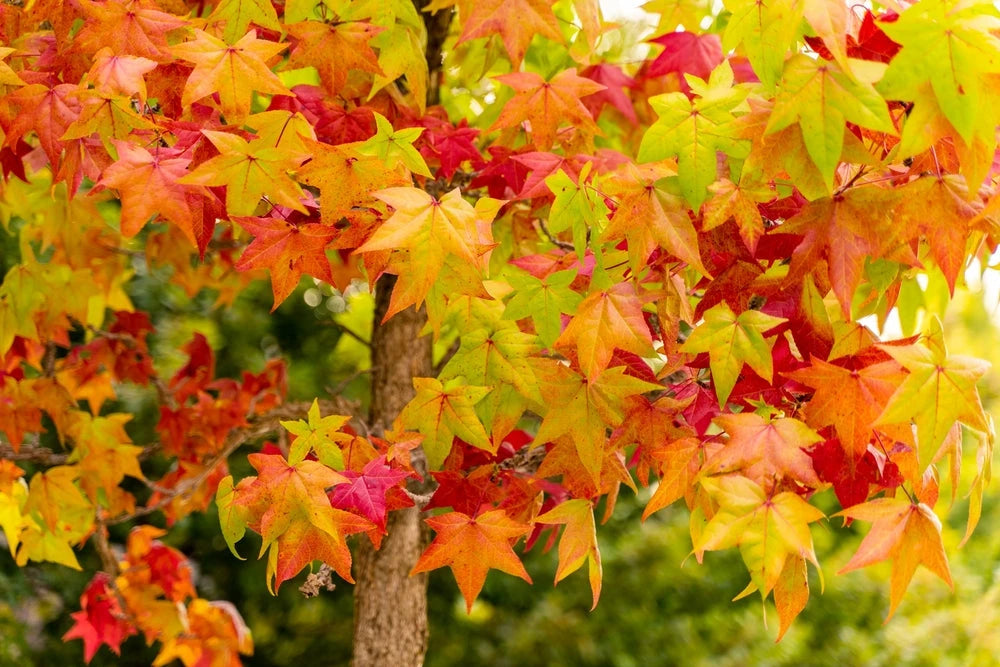
Field Maple is a deciduous tree with a naturally feathered form, retaining branches and foliage down to ground level to create a dense, bushy outline from an early stage. The lobed, mid-green leaves turn attractive shades of yellow and gold in autumn before falling. Small, inconspicuous yellow-green flowers appear in spring, followed by the familiar winged seeds (samaras) that develop through summer and into autumn, adding further seasonal interest. The flowers provide an early nectar source for bees and other pollinating insects, while the seeds are a valuable food source for birds and small mammals. The dense, twiggy growth habit also offers good nesting and shelter opportunities for birds and other wildlife, supporting local biodiversity. Field Maple is a hardy, adaptable species, tolerant of a wide range of soil types including clay and chalky ground, and copes well with exposed or coastal conditions. Its feathered shape makes it particularly useful as a low-maintenance specimen tree where screening or a natural, informal structure is desired, or as part of a native hedgerow planting scheme. This versatile tree suits both rural and urban settings, requiring minimal upkeep once established.
Showing 42/43