
-
Trees
Trees
 Fruit Trees
 Ornamental
 Screening
 Palms
By FeaturesBy Shape
Palms
By FeaturesBy Shape -
Shrubs
Shrubs
 Large shrubs
 Hedging
 Bamboo
 Climbers
 Flowering
 Grasses & Ferns
 Popular
-
Pines & Conifers
Pines & Conifers
 Pines
Pines
 Spruce & Fir
 Cypress
 Thuja
Thuja
 Redwood | Sequoia
-
Specimen


FREE DELIVERY OVER £350
4241 products
4241 products
Sort by:
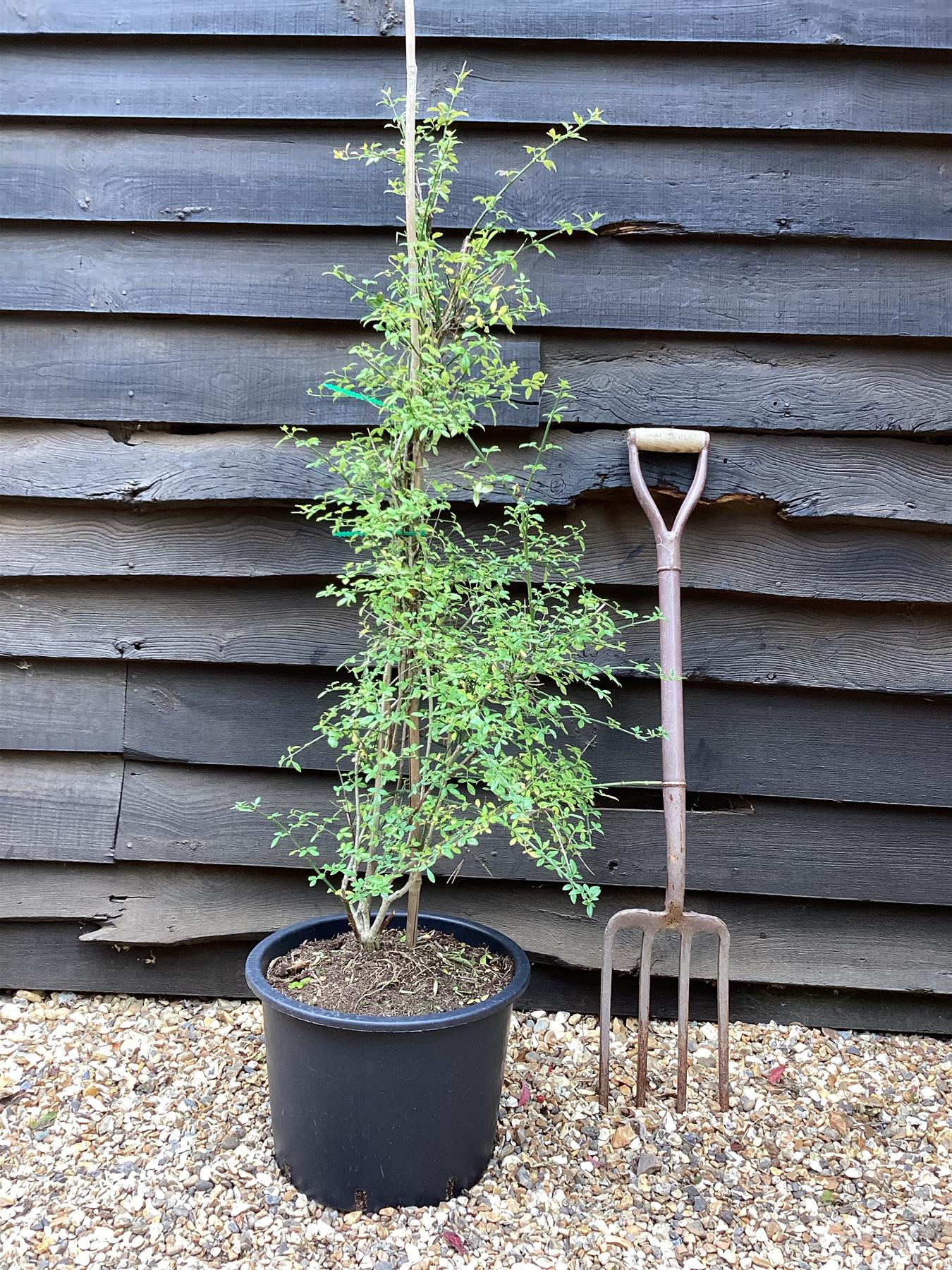

Jasminum nudiflorum | Winter Jasmine - 100-110cm - Cane - 20lt
£48.00
Unit price perJasminum nudiflorum | Winter Jasmine - 100-110cm - Cane - 20lt
£48.00
Unit price perJasminium nudiflorum, often referred to as winter jasmine, is a deciduous shrub known for its bright yellow flowers that bloom in the late winter to early spring, a time when few other plants are in flower. Originating from China, this jasmine species has become popular in gardens worldwide due to its vibrant winter display.
Unlike many other jasmine species, the winter jasmine is not fragrant. Its slender, arching, green stems often give the appearance of being evergreen, but they shed their simple, trifoliate, dark green leaves during the colder months. When left unpruned, the plant can sprawl, making it an excellent choice for ground cover or for cascading down walls and banks. It is especially effective for erosion control on slopes.
Winter jasmine is highly adaptable. It thrives in full sun to partial shade and prefers well-draining soil, although it can tolerate a variety of soil conditions. This hardy shrub can withstand cold temperatures and is often one of the first plants to bloom after the winter chill, heralding the impending arrival of spring.
Regular pruning can keep the plant compact and promote more prolific flowering. Its resilience, paired with its striking winter display, makes Jasminium nudiflorum a cherished plant for gardens desiring year-round interest.


Jasminum officinale 'Clotted Cream' | Jasmine 'Clotted Cream' - Height 100-120cm - 9lt
£26.00
Unit price perJasminum officinale 'Clotted Cream' | Jasmine 'Clotted Cream' - Height 100-120cm - 9lt
£26.00
Unit price perJasminum officinale 'Clotted Cream' is a distinct cultivar of the common jasmine, known for its captivating, fragrant blooms. Unlike the typical pure white flowers of the species, 'Clotted Cream' boasts creamy-yellow blossoms, reminiscent of the rich British dairy treat it’s named after. These flowers are not just charming to behold but also release an intoxicating scent, especially in the evenings, making it a preferred choice for night gardens or planting near patios and windows.
This twining climber is deciduous, shedding its leaves in winter, but comes alive in the warmth, typically blooming in summer. The slender, arching stems can be trained on trellises, fences, or pergolas, making it versatile for various garden designs. Growing vigorously, it can cover walls and structures, providing a natural, fragrant curtain.
The 'Clotted Cream' variety, like its parent species, is hardy and can withstand a variety of conditions, though it prefers well-drained soil and a sunny or partially shaded spot. It's not just a delight for humans but also a magnet for pollinators. Bees and butterflies are particularly attracted to its blooms, adding another dimension to the garden's ecosystem.
In summary, Jasminum officinale 'Clotted Cream' is a melding of ornamental beauty and aromatic delight, making it a stellar addition to gardens.
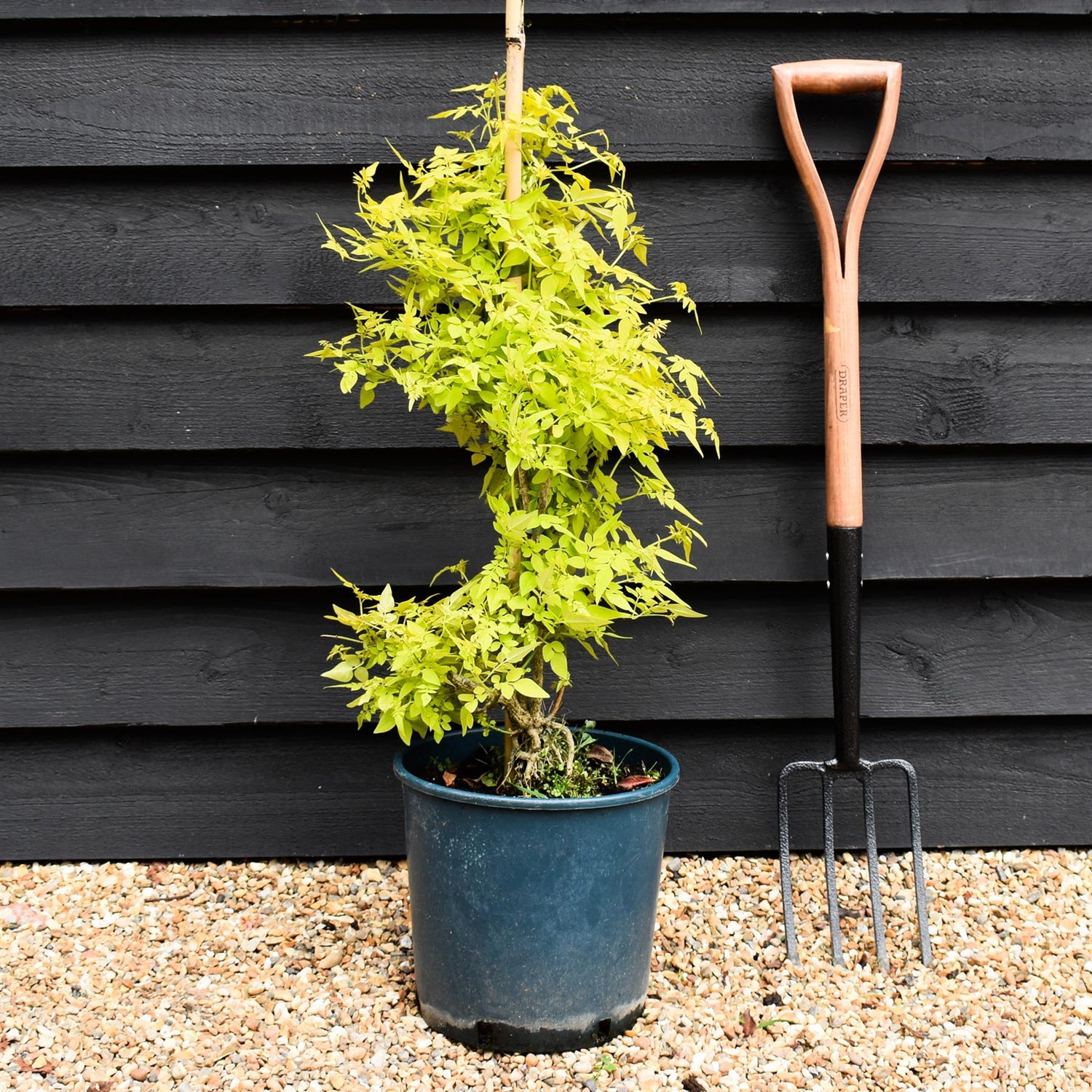


Jasminum officinale 'Fiona Sunrise' - 10lt
£47.00
Unit price perJasminum officinale 'Fiona Sunrise' - 10lt
£47.00
Unit price per
Jasminum officinale 'Sunbeam' | Jasmine 'Sunbeam' - 10-20cm - 3lt
£10.00
Unit price perJasminum officinale 'Sunbeam' | Jasmine 'Sunbeam' - 10-20cm - 3lt
£10.00
Unit price perThe 'Sunbeam' cultivar of Jasminum officinale is a particular variety that is prized for its bright golden-yellow foliage, which provides a stunning contrast to the white flowers. Its leaves are small and pinnate, giving the plant a delicate and light appearance. The 'Sunbeam' cultivar is a compact grower with a dense, bushy habit and can reach up to 2-3 meters in height.
This jasmine plant requires full sun to partial shade to grow well, and it needs to be kept in well-draining soil that is rich in organic matter. It is a relatively low maintenance plant, and it can tolerate both drought and frost. Pruning is recommended after flowering to keep the plant healthy and to encourage more blooms the following season.
The enchanting fragrance of the Jasminum officinale 'Sunbeam' makes it a popular choice for gardeners who want to create a romantic or relaxed atmosphere in their outdoor spaces. It is also perfect for planting near a seating area or window where the fragrance can easily waft indoors. Honeybees and other insects are attracted to the sweet nectar of the flowers, making it a great plant for encouraging biodiversity in your garden.
In summary, Jasminum officinale 'Sunbeam' is a fantastic choice for adding beauty and sweet fragrance to gardens. Whether planted as a specimen shrub or used as a fragrant backdrop to other plants, this lovely cultivar is a reliable choice for gardeners of all skill levels. With its golden foliage and stunning white flowers, it is sure to brighten up any outdoor space.
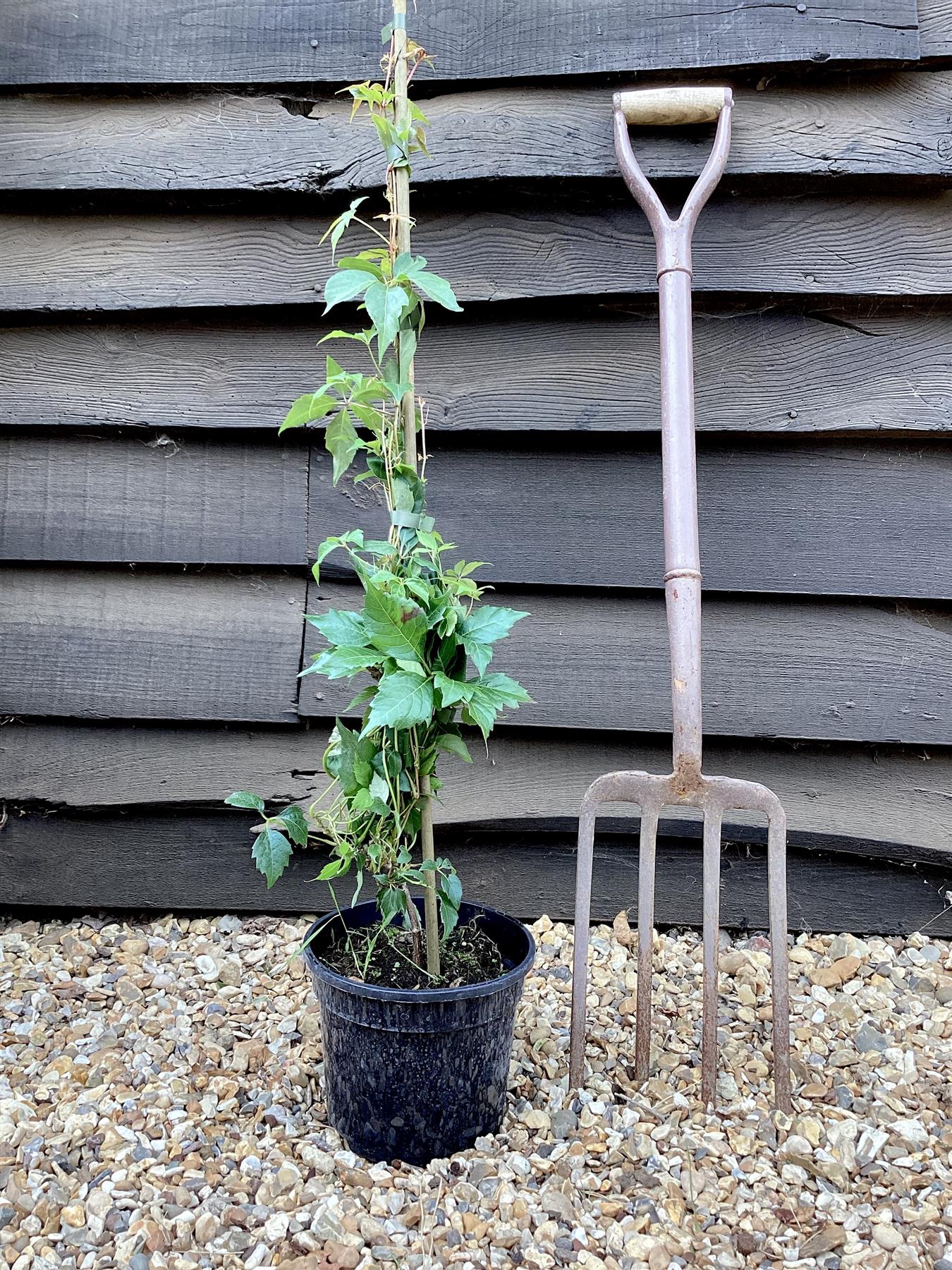


Jasminum officinale 'Sunbeam' | Jasmine 'Sunbeam' - 10-20cm - 3lt
£18.00
Unit price perJasminum officinale 'Sunbeam' | Jasmine 'Sunbeam' - 10-20cm - 3lt
£18.00
Unit price perJasminum officinale 'Clotted Cream' is a distinct cultivar of the common jasmine, known for its captivating, fragrant blooms. Unlike the typical pure white flowers of the species, 'Clotted Cream' boasts creamy-yellow blossoms, reminiscent of the rich British dairy treat it’s named after. These flowers are not just charming to behold but also release an intoxicating scent, especially in the evenings, making it a preferred choice for night gardens or planting near patios and windows.
This twining climber is deciduous, shedding its leaves in winter, but comes alive in the warmth, typically blooming in summer. The slender, arching stems can be trained on trellises, fences, or pergolas, making it versatile for various garden designs. Growing vigorously, it can cover walls and structures, providing a natural, fragrant curtain.
The 'Clotted Cream' variety, like its parent species, is hardy and can withstand a variety of conditions, though it prefers well-drained soil and a sunny or partially shaded spot. It's not just a delight for humans but also a magnet for pollinators. Bees and butterflies are particularly attracted to its blooms, adding another dimension to the garden's ecosystem.
In summary, Jasminum officinale 'Clotted Cream' is a melding of ornamental beauty and aromatic delight, making it a stellar addition to gardens.


Jasminum officinale 'Sunbeam' | Jasmine 'Sunbeam' - 40-60cm - 5lt
£19.00
Unit price perJasminum officinale 'Sunbeam' | Jasmine 'Sunbeam' - 40-60cm - 5lt
£19.00
Unit price perThe 'Sunbeam' cultivar of Jasminum officinale is a particular variety that is prized for its bright golden-yellow foliage, which provides a stunning contrast to the white flowers. Its leaves are small and pinnate, giving the plant a delicate and light appearance. The 'Sunbeam' cultivar is a compact grower with a dense, bushy habit and can reach up to 2-3 meters in height.
This jasmine plant requires full sun to partial shade to grow well, and it needs to be kept in well-draining soil that is rich in organic matter. It is a relatively low maintenance plant, and it can tolerate both drought and frost. Pruning is recommended after flowering to keep the plant healthy and to encourage more blooms the following season.
The enchanting fragrance of the Jasminum officinale 'Sunbeam' makes it a popular choice for gardeners who want to create a romantic or relaxed atmosphere in their outdoor spaces. It is also perfect for planting near a seating area or window where the fragrance can easily waft indoors. Honeybees and other insects are attracted to the sweet nectar of the flowers, making it a great plant for encouraging biodiversity in your garden.
In summary, Jasminum officinale 'Sunbeam' is a fantastic choice for adding beauty and sweet fragrance to gardens. Whether planted as a specimen shrub or used as a fragrant backdrop to other plants, this lovely cultivar is a reliable choice for gardeners of all skill levels. With its golden foliage and stunning white flowers, it is sure to brighten up any outdoor space.


Jasminum officinale | Jasmine - Height 90-110cm - 9lt
£26.00
Unit price perJasminum officinale | Jasmine - Height 90-110cm - 9lt
£26.00
Unit price perJasminum officinale, more popularly known as common jasmine or simply jasmine, belongs to the Oleaceae family and stands as a testament to nature's beauty and fragrance. Originating from the Himalayas in western China, this perennial, deciduous shrub has since found its way to gardens and landscapes across temperate regions globally.
A quintessential climber, its slender, green stems can extend vigorously, reaching up to 10 meters (or even more) in ideal conditions. They often require support structures, like trellises, to showcase their sprawling grandeur. The pinnate leaves are bright green, bearing five to nine leaflets that lend a delicate texture to the plant's backdrop.
Yet, it's the flowers of Jasminum officinale that steal the show. They bloom in clusters from late spring to early autumn, unfurling as radiant white, tubular blossoms with a characteristic, intoxicating scent. This fragrance, a unique blend of sweetness with subtle undertones, is often captured in perfumes, lotions, and essential oils, playing an age-old role in both cosmetic and therapeutic applications.
Beyond its ornamental appeal and fragrant contributions, jasmine also boasts traditional medicinal uses. Various cultures have employed it to soothe the nerves, alleviate pain, and even treat certain skin conditions.
In summary, Jasminum officinale combines aesthetic charm, a rich aromatic profile, and a storied past, making it a cherished plant in various cultures.


Jasminum officinale | Jasmine - 15-25cm - 3lt
£18.00
Unit price perJasminum officinale | Jasmine - 15-25cm - 3lt
£18.00
Unit price perJasminum officinale, more popularly known as common jasmine or simply jasmine, belongs to the Oleaceae family and stands as a testament to nature's beauty and fragrance. Originating from the Himalayas in western China, this perennial, deciduous shrub has since found its way to gardens and landscapes across temperate regions globally.
A quintessential climber, its slender, green stems can extend vigorously, reaching up to 10 meters (or even more) in ideal conditions. They often require support structures, like trellises, to showcase their sprawling grandeur. The pinnate leaves are bright green, bearing five to nine leaflets that lend a delicate texture to the plant's backdrop.
Yet, it's the flowers of Jasminum officinale that steal the show. They bloom in clusters from late spring to early autumn, unfurling as radiant white, tubular blossoms with a characteristic, intoxicating scent. This fragrance, a unique blend of sweetness with subtle undertones, is often captured in perfumes, lotions, and essential oils, playing an age-old role in both cosmetic and therapeutic applications.
Beyond its ornamental appeal and fragrant contributions, jasmine also boasts traditional medicinal uses. Various cultures have employed it to soothe the nerves, alleviate pain, and even treat certain skin conditions.
In summary, Jasminum officinale combines aesthetic charm, a rich aromatic profile, and a storied past, making it a cherished plant in various cultures.


Judas tree | Cercis siliquastrum - Girth 5-6cm - 230-250cm - 18lt
£125.00
Unit price perJudas tree | Cercis siliquastrum - Girth 5-6cm - 230-250cm - 18lt
£125.00
Unit price per


Judas tree | Cercis siliquastrum - Girth 5-6cm - 290-300cm - 30lt
£225.00
Unit price perJudas tree | Cercis siliquastrum - Girth 5-6cm - 290-300cm - 30lt
£225.00
Unit price perCercis siliquastrum, commonly known as the Judas tree or love tree, is a deciduous tree native to the Mediterranean region, including parts of Southern Europe and Western Asia. It is a member of the bean family (Fabaceae) and is known for its vibrant, pink-purple flowers and heart-shaped leaves. The Judas tree can grow up to 10 meters tall and has a spreading, umbrella-shaped crown. Its bark is smooth and grey-brown, and its branches are often twisted and gnarled, adding to its aesthetic appeal. The tree typically blooms in early spring, before its leaves appear, producing an abundance of small, pink-purple flowers that grow in clusters on the branches and trunk. These flowers are a valuable source of nectar for bees and other pollinators. After flowering, the tree produces flattened, brown seed pods that hang from the branches throughout the summer. These pods can be several centimetres long and contain numerous small seeds. The Judas tree is a popular ornamental tree in gardens and parks, where it is valued for its attractive appearance and early spring flowering. It prefers full sun or partial shade and well-drained soil, and is generally hardy and easy to grow.


Judas tree | Cercis siliquastrum - Girth 8-10cm - 400-440cm - Clear Stem - 45lt
£295.00
Unit price perJudas tree | Cercis siliquastrum - Girth 8-10cm - 400-440cm - Clear Stem - 45lt
£295.00
Unit price per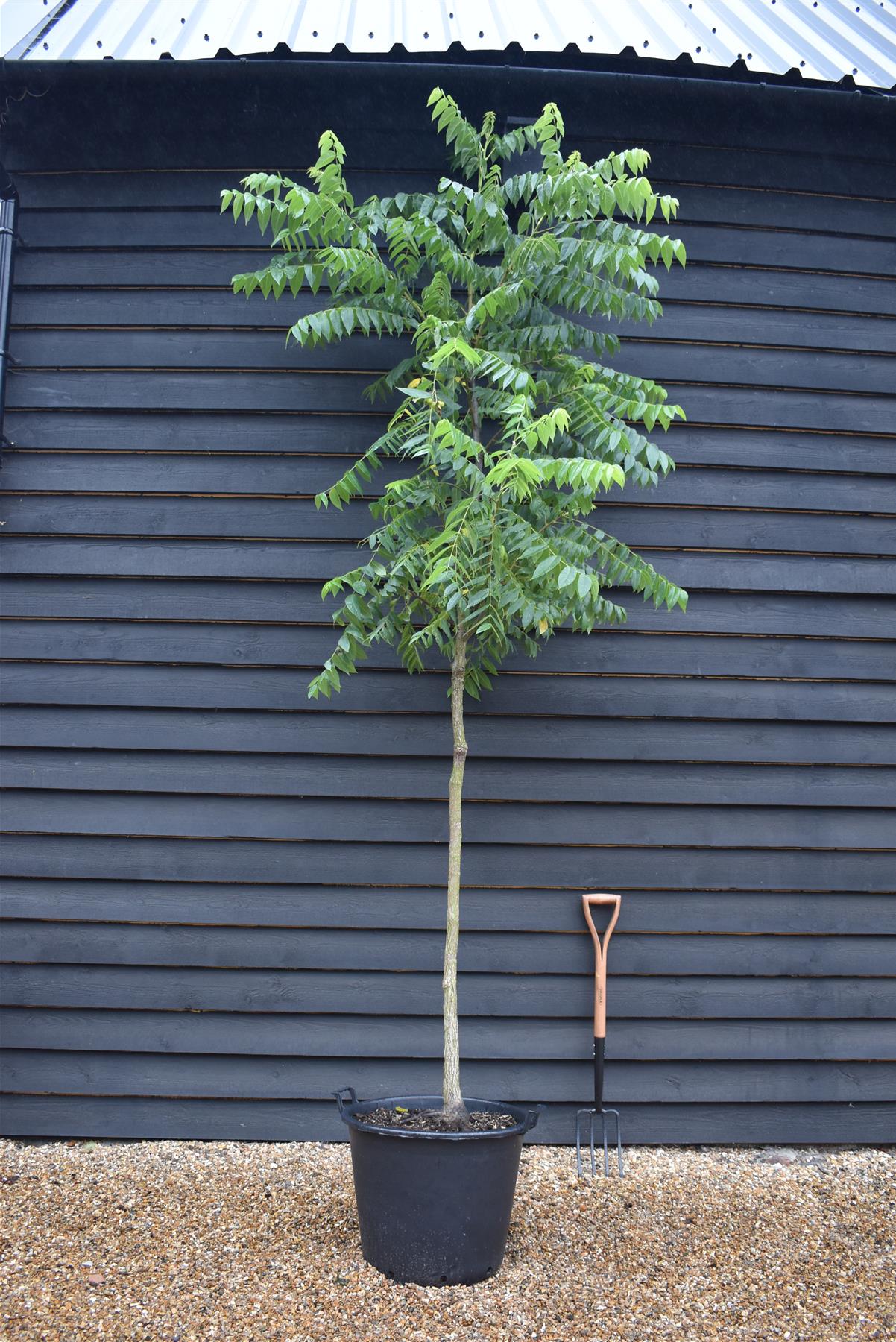


Juglans Nigra - Black Walnut Tree - Clear Stem - Standard - Girth 10-12cm - 300-320cm - 70lt
£420.00
Unit price perJuglans Nigra - Black Walnut Tree - Clear Stem - Standard - Girth 10-12cm - 300-320cm - 70lt
£420.00
Unit price perJuglans nigra, commonly known as the black walnut, is a large deciduous tree native to North America, particularly found in the eastern and central United States. It belongs to the Juglandaceae family, which also includes other walnut and hickory species. The tree is well known for its rich, dark brown to black heartwood, prized for its beauty, durability, and workability in furniture making and cabinetry.
The black walnut tree can grow to impressive heights, often reaching 30 to 40 metres tall, with a trunk diameter of up to 1.5 metres. The bark is deeply furrowed, dark grey to almost black, and has a rugged texture. Its compound leaves are pinnate, usually comprising 15 to 23 leaflets that are finely toothed and emit a distinctive aromatic scent when crushed. These leaves turn a golden yellow in the autumn.
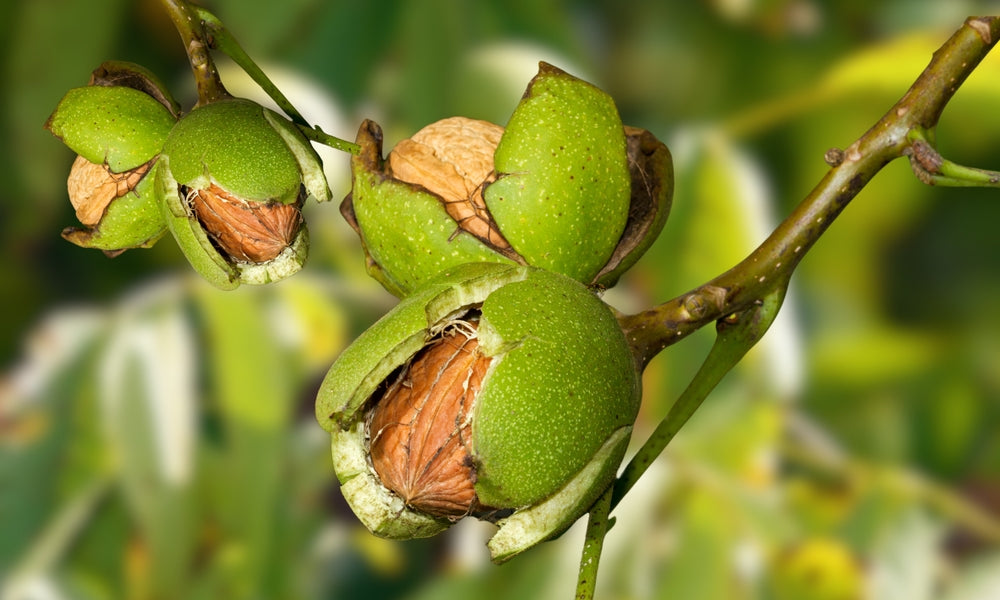
One of the most notable features of Juglans nigra is its edible nut, enclosed in a thick, greenish-brown husk that eventually turns black as it matures. The nuts are difficult to crack but are highly valued for their rich flavour, commonly used in baking and cooking. Wildlife, including squirrels and birds, also consume the nuts, making the tree an important source of food in its ecosystem.


Juglans regia | Common Walnut Tree - 180-200cm, 50lt
£260.00
Unit price perJuglans regia | Common Walnut Tree - 180-200cm, 50lt
£260.00
Unit price per

Juglans regia | Common Walnut Tree - 200-220cm, 30lt
£135.00
Unit price perJuglans regia | Common Walnut Tree - 200-220cm, 30lt
£135.00
Unit price per


Juglans regia | Common Walnut Tree - Girth 14-16cm - Height 5m-5.3m - 110lt
£400.00
Unit price perJuglans regia | Common Walnut Tree - Girth 14-16cm - Height 5m-5.3m - 110lt
£400.00
Unit price per


Juglans regia | Common Walnut Tree - Girth 30-40cm - Height 3m-5m - 70lt
£300.00
Unit price perJuglans regia | Common Walnut Tree - Girth 30-40cm - Height 3m-5m - 70lt
£300.00
Unit price per


Juneberry | Amelanchier lamarckii - Multistem - Height 200-230cm - 45lt
£545.00
Unit price perJuneberry | Amelanchier lamarckii - Multistem - Height 200-230cm - 45lt
£545.00
Unit price per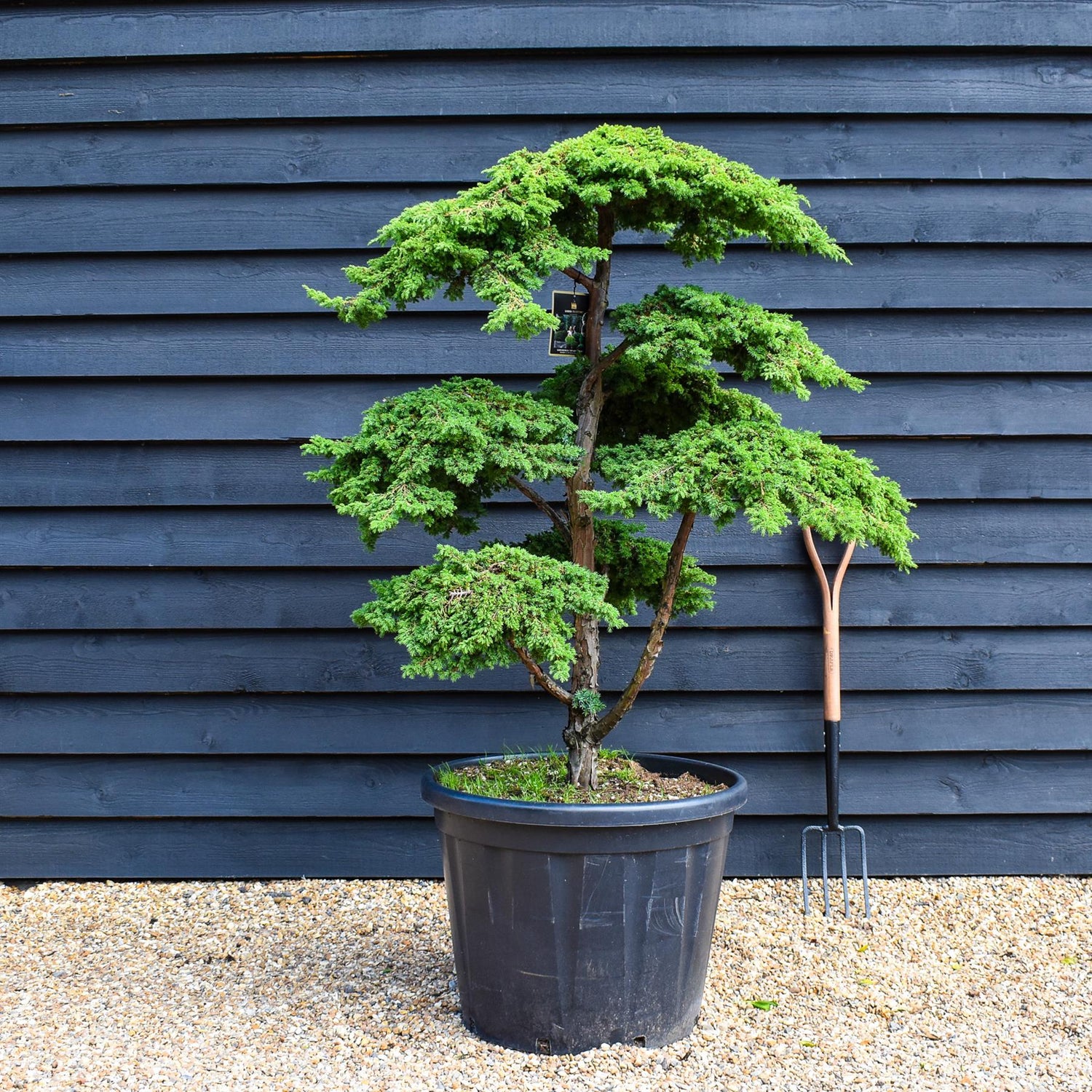
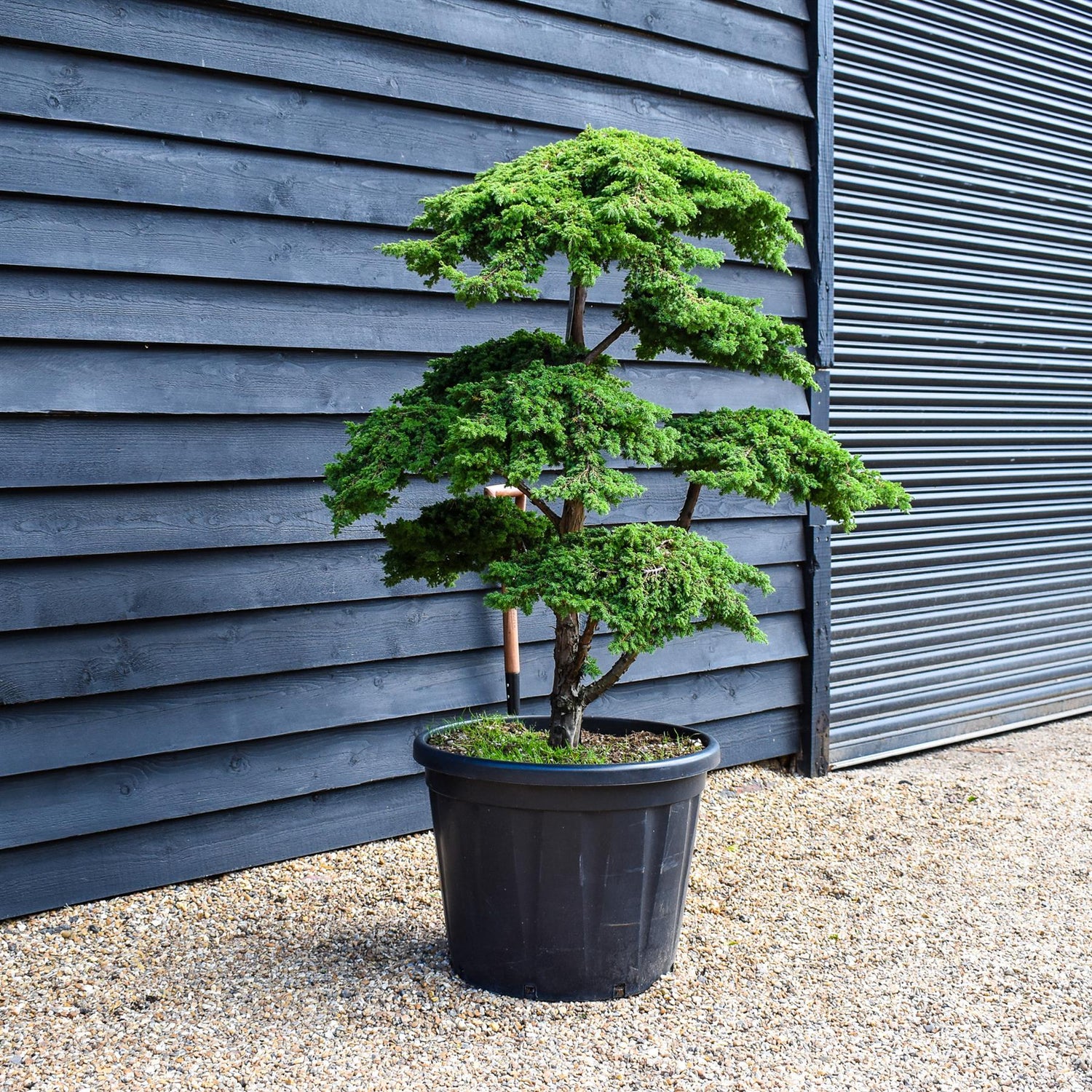
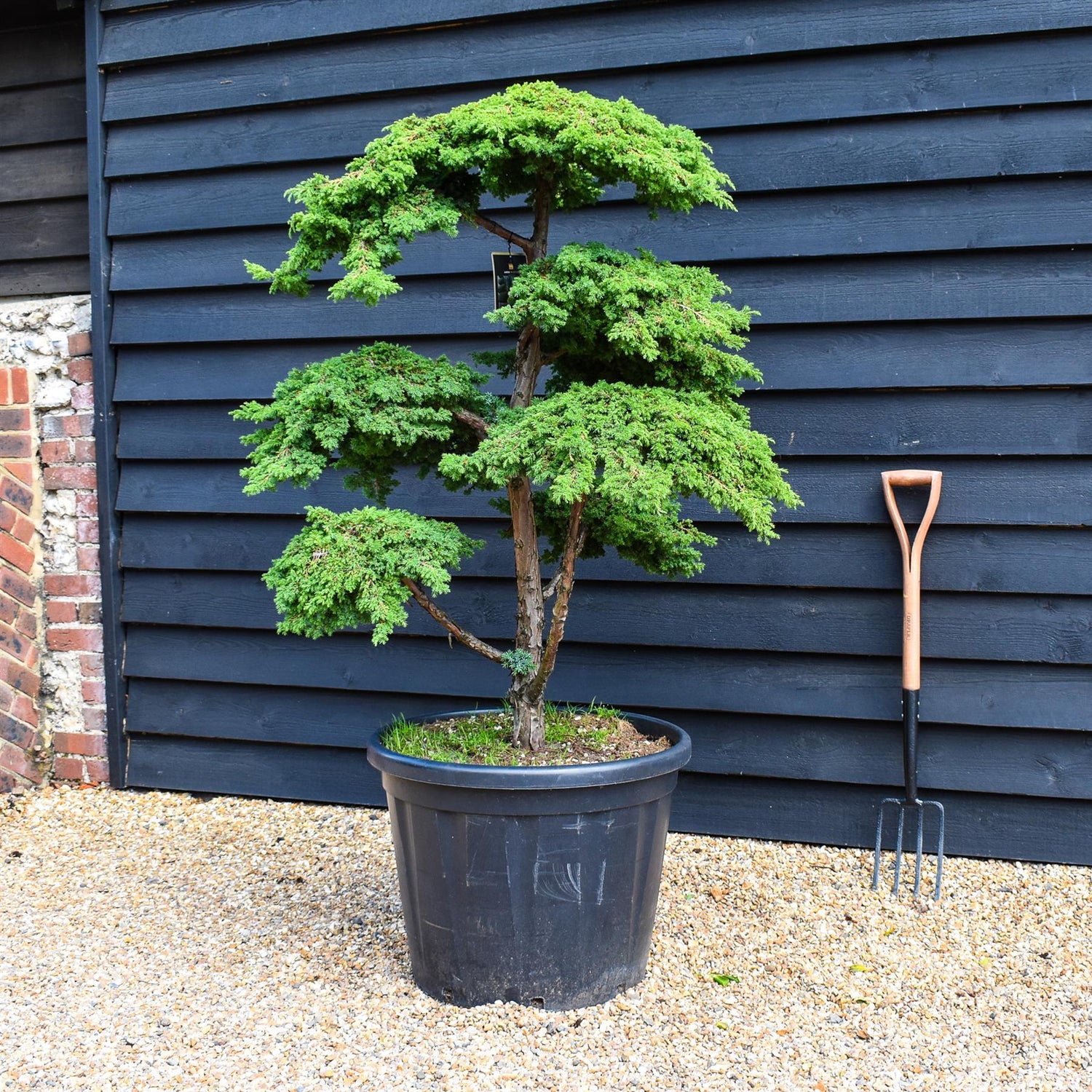
Juniper Greencarpet | Juniperus 'Greencarpet' - Bonsai - Cloud - Height 125cm - 110lt
£2,145.00
Unit price perJuniper Greencarpet | Juniperus 'Greencarpet' - Bonsai - Cloud - Height 125cm - 110lt
£2,145.00
Unit price perJuniperus 'Greencarpet' shaped as a Bonsai Cloud is a stunning ornamental plant, ideal for adding structure and a refined, artistic touch to gardens. Its low, spreading habit and sculpted, cloud-like tiers create a tranquil, Japanese-inspired aesthetic, making it perfect for Zen gardens, courtyards, or focal points in contemporary landscapes. It requires minimal maintenance aside from occasional shaping to preserve its form. Suitable for small and large spaces alike, it brings year-round interest and a sense of serenity and balance to any outdoor setting.
Hardy and adaptable, ‘Green Carpet’ thrives in full sun and well-drained soil, tolerating poor conditions and drought once mature. Suitable for a wide range of planting schemes, from informal ground cover to formal landscape use, it also cascades attractively over walls and raised beds.
Showing 1998/4241
Related blog posts