
4167 products
4167 products
Sort by:
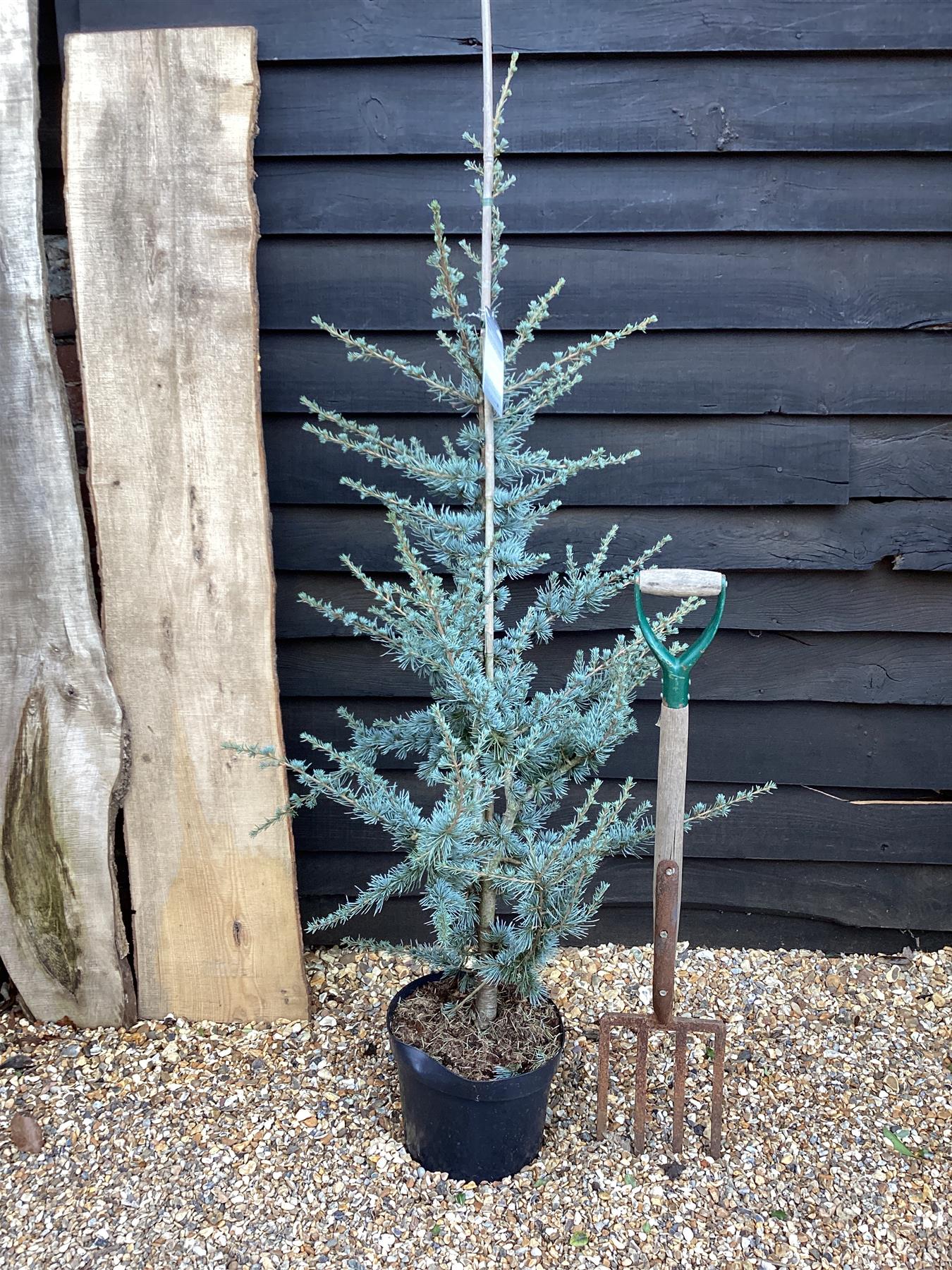
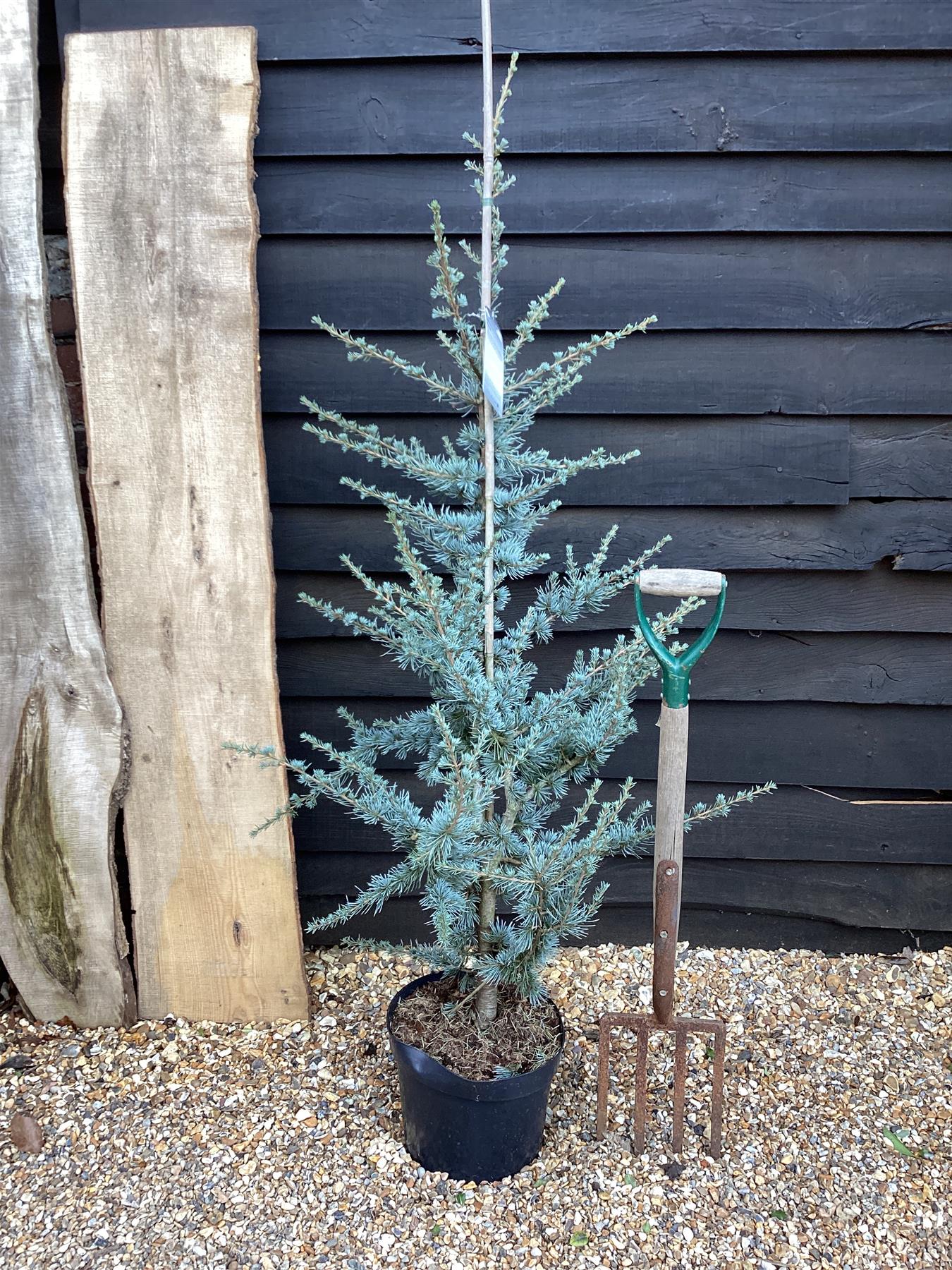
Cedrus libani 'Dino' | Cedar of Lebanon 'Dino' - Height 40-60cm - 6lt
£86.00
Unit price perCedrus libani 'Dino' | Cedar of Lebanon 'Dino' - Height 40-60cm - 6lt
£86.00
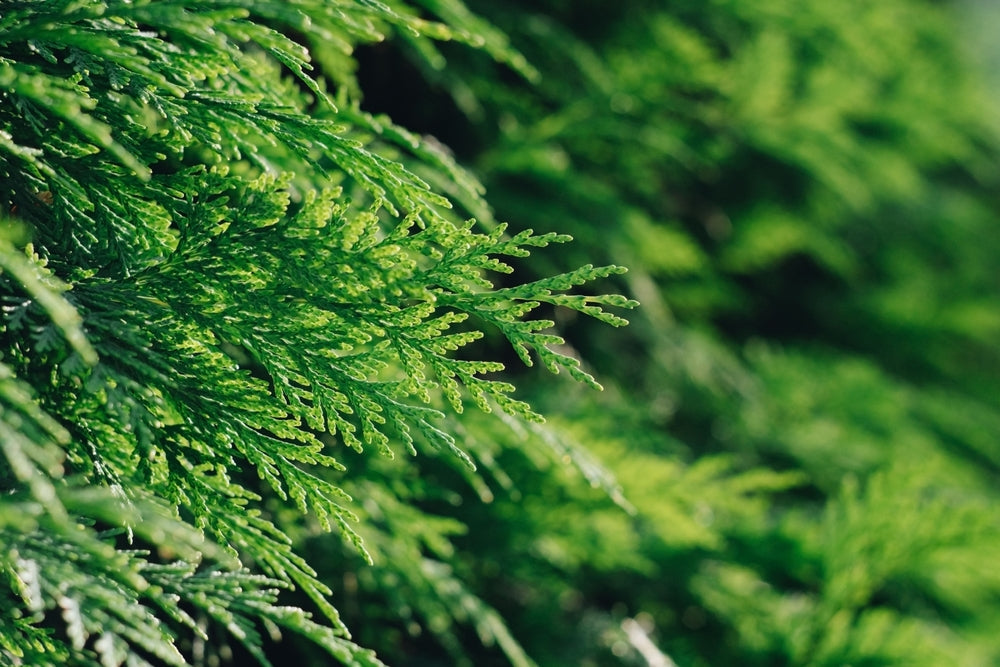
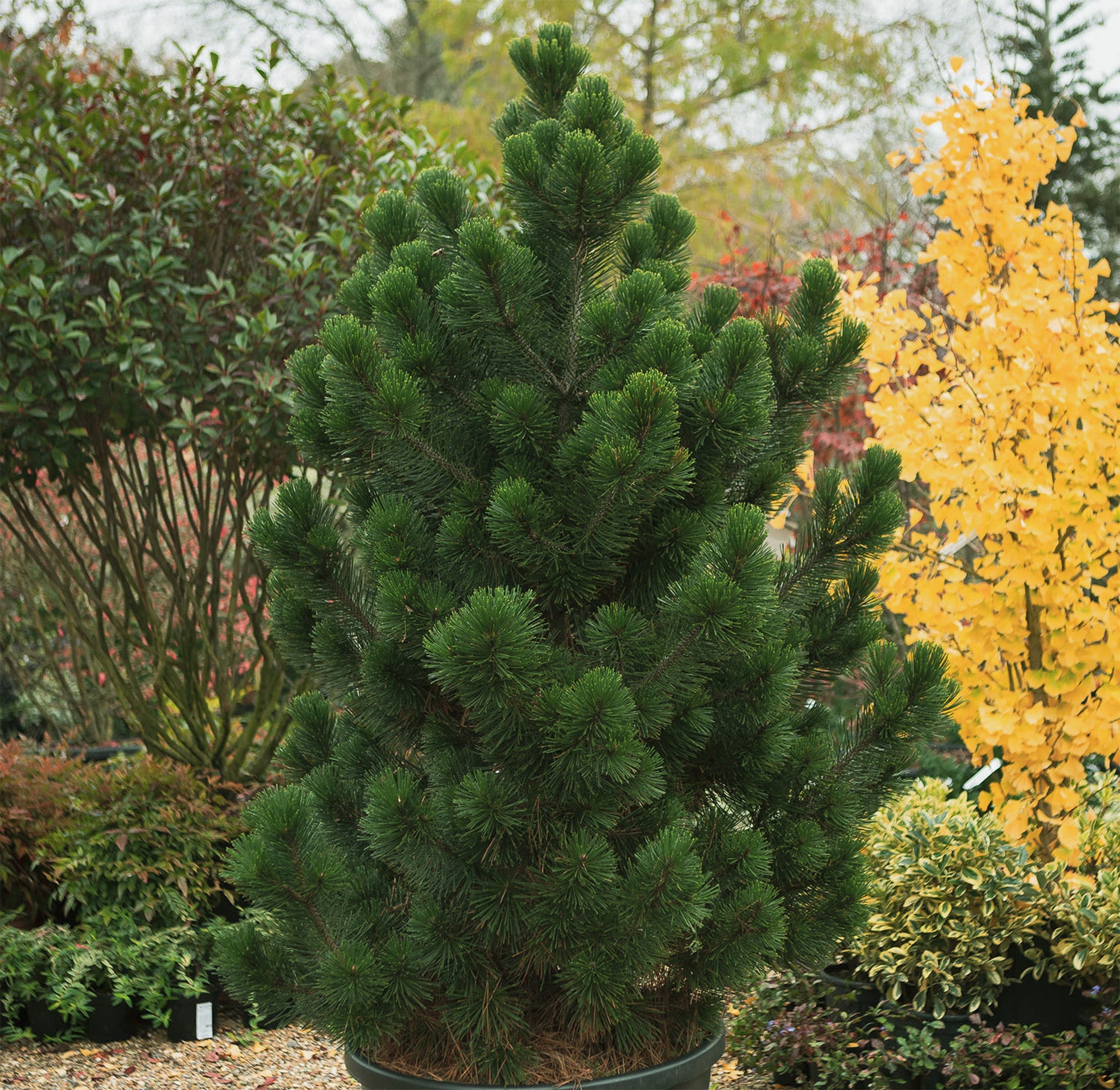
Unit price perThe Cedar of Lebanon 'Dino' is a majestic cultivar of the iconic Cedar of Lebanon, celebrated for its robust growth and stately presence. This particular variety reaches an impressive ultimate height of 40 to 60 feet, making it a striking focal point in any landscape. Its dense, dark green needles and pyramidal to conical form add a touch of elegance, while its strong structure provides year-round interest.
Commonly used in large gardens and park settings, Cedar of Lebanon 'Dino' serves well as a specimen tree, offering shade and architectural beauty. It thrives in full sun and prefers well-drained soils, although it is adaptable to a variety of soil types, from clay to loam. This cedar is hardy and resilient, tolerating drought once established, which makes it suitable for a range of climatic conditions. Ideal for expansive landscapes, it demands space to showcase its grandeur fully, embodying the regal nature of traditional Cedar of Lebanon trees.
Cedrus libani 'Dino' | Cedar of Lebanon 'Dino' - Height 60-70cm - Width 30-40cm - 8lt
£86.00
Unit price perCedrus libani 'Dino' | Cedar of Lebanon 'Dino' - Height 60-70cm - Width 30-40cm - 8lt
£86.00
Unit price perThe Cedar of Lebanon 'Dino' is a majestic cultivar of the iconic Cedar of Lebanon, celebrated for its robust growth and stately presence. This particular variety reaches an impressive ultimate height of 40 to 60 feet, making it a striking focal point in any landscape. Its dense, dark green needles and pyramidal to conical form add a touch of elegance, while its strong structure provides year-round interest.
Commonly used in large gardens and park settings, Cedar of Lebanon 'Dino' serves well as a specimen tree, offering shade and architectural beauty. It thrives in full sun and prefers well-drained soils, although it is adaptable to a variety of soil types, from clay to loam. This cedar is hardy and resilient, tolerating drought once established, which makes it suitable for a range of climatic conditions. Ideal for expansive landscapes, it demands space to showcase its grandeur fully, embodying the regal nature of traditional Cedar of Lebanon trees.
Cedrus libani 'Hedgehog' | Cedar of Lebanon 'Hedgehog' - Height 20-30cm - Width 30-40cm - 6lt
£68.00
Unit price perCedrus libani 'Hedgehog' | Cedar of Lebanon 'Hedgehog' - Height 20-30cm - Width 30-40cm - 6lt
£68.00
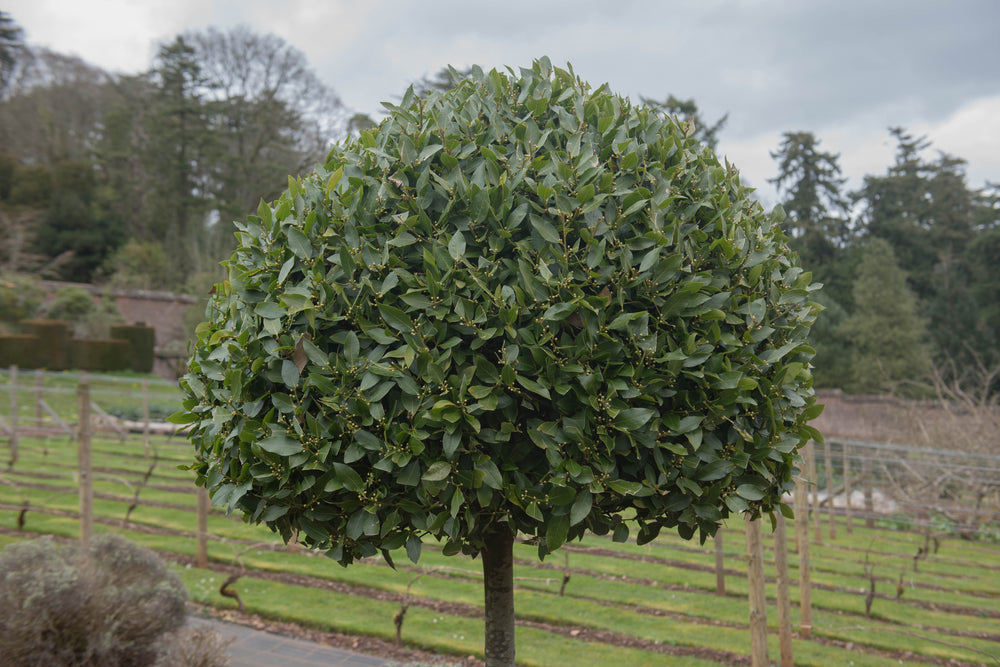
Unit price perThe Cedar of Lebanon 'Hedgehog' is a charming dwarf cultivar of the majestic Cedar of Lebanon, renowned for its diminutive stature and dense, decorative foliage. This particular variety reaches an ultimate height and width of approximately 50-60 centimeters, making it an ideal choice for small gardens, rockeries, and as a feature in alpine garden settings. Its slow growth rate and compact, rounded form are marked by short, spikey needles that resemble a hedgehog, hence its name.
Adapted to a variety of garden settings, 'Hedgehog' thrives best in well-drained soils and prefers a sunny to partially shaded location. It is particularly suited to colder climates and can tolerate frost, embodying the robust characteristics of its larger Cedar of Lebanon relatives. This plant is often used as a specimen in ornamental gardens to add structure and year-round greenery, providing a unique, low-maintenance focal point. Its resilience and compact size also make it suitable for container gardening.
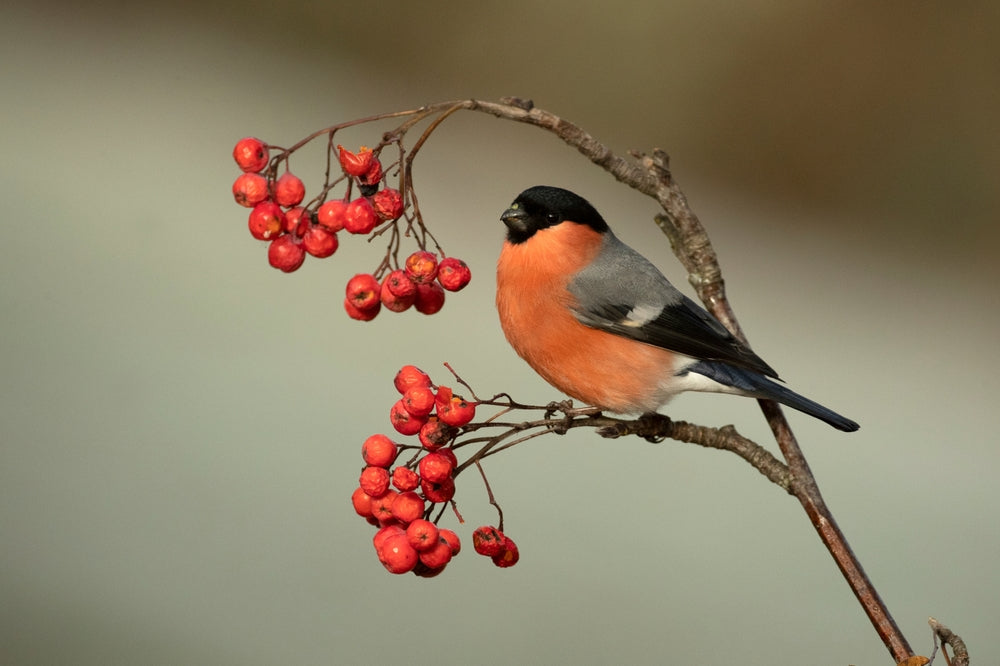
The Cedar of Lebanon 'Horstmanns Silberspitz' is a captivating dwarf cultivar of the majestic Cedrus libani. Distinguished by its dense, shimmering silvery-blue needles, this variety adds a touch of elegance to any garden setting. Its unique, compact conical form matures to a manageable size, reaching an ultimate height of approximately 10 to 15 feet tall. This makes 'Horstmanns Silberspitz' an excellent choice for small gardens where space is at a premium, as well as for larger landscapes looking for a focal point.
Adaptable to a variety of garden roles, it thrives as a specimen plant, in rock gardens, or integrated into conifer collections for textural contrast. This cedar prefers full sun to partial shade and requires well-drained soil. It is tolerant of a range of soil types, from clay to loam, provided they are not overly wet. With its slow growth rate and striking appearance, 'Horstmanns Silberspitz' is a low-maintenance yet visually stunning addition to any garden.
Cedrus libani atlantica 'Saphire Nymph' | Atlas Cedar 'Saphire Nymph' - Height 70-80cm - Width 30-40cm - 8lt
£86.00
Unit price perCedrus libani atlantica 'Saphire Nymph' | Atlas Cedar 'Saphire Nymph' - Height 70-80cm - Width 30-40cm - 8lt
£86.00
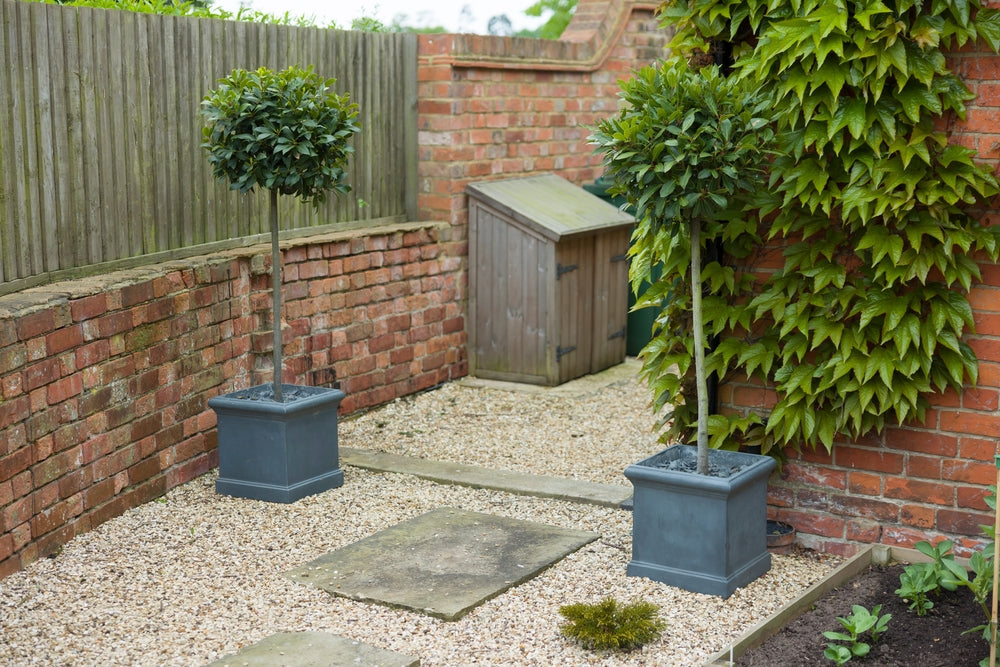
Unit price perCedrus libani atlantica 'Saphire Nymph' is an exquisite dwarf cultivar of the Atlas cedar, cherished for its unique, compact, weeping form and vibrant blue-green needles. This cultivar is specifically bred for its slow growth and small stature, reaching an ultimate height of approximately 4-5 feet after many years, making it an ideal choice for smaller garden spaces and rockeries. Its dense, cascading branches create a striking visual impact, adding texture and color contrast when planted alongside broader-leaved plants or brighter flowers.
'Saphire Nymph' thrives in full sun to partial shade, preferring well-drained soil conditions. It is relatively drought-tolerant once established, making it suitable for xeriscaping and gardens with less frequent watering schedules. Gardeners often use this plant as a focal point in thematic gardens, such as rock or alpine gardens, where its unique form and coloration can be fully appreciated. This cedar's hardy nature ensures it can adapt to a variety of temperate climates, making it a versatile and attractive addition to diverse landscapes
Cedrus libani | Cedar of Lebanon - Height 65cm - Width 40cm - 6lt
£73.00
Unit price perCedrus libani | Cedar of Lebanon - Height 65cm - Width 40cm - 6lt
£73.00
Unit price perCedrus libani | Cedar of Lebanon - Height 80cm - Width 50-60cm - 8lt
£83.00
Unit price perCedrus libani | Cedar of Lebanon - Height 80cm - Width 50-60cm - 8lt
£83.00
Unit price perCeltis Australis | European hackberry - 550cm, 285lt
£1,710.00
Unit price perCeltis Australis | European hackberry - 550cm, 285lt
£1,710.00
Unit price perCeltis Australis | European hackberry - Girth 16cm - 470-480cm - 130lt
£920.00
Unit price perCeltis Australis | European hackberry - Girth 16cm - 470-480cm - 130lt
£920.00
Unit price perCeltis australis, commonly known as the European nettle tree, is a deciduous tree native to southern Europe, western Asia, and northern Africa. It belongs to the family Cannabaceae, and it is closely related to the hackberry tree.
The Celtis australis tree can grow up to 25 meters tall and has a dense, rounded crown with a spreading habit. The bark is smooth and gray-brown when young, becoming rough and fissured with age. The leaves are alternate, simple, and oval-shaped with serrated edges. They are dark green on the upper side and paler on the underside, turning yellow in autumn before falling.
The tree produces small, inconspicuous flowers in late spring or early summer, followed by small, round, edible fruit that resembles a cherry in size and shape. The fruit is initially green, turning yellow or brown when ripe, and is sweet and juicy, with a taste similar to a fig.
The Celtis australis tree is adaptable to a wide range of soils and can tolerate drought, air pollution, and salt spray. It is often used as an ornamental tree in gardens, parks, and urban landscapes due to its attractive foliage and distinctive bark. It also provides food and shelter for wildlife, including birds and small mammals. Additionally, the tree has cultural significance and has been used for centuries in traditional medicine for various ailments.
Celtis Australis | European hackberry - Height 200-230cm - Girth 6-8cm - 20lt
£155.00
Unit price perCeltis Australis | European hackberry - Height 200-230cm - Girth 6-8cm - 20lt
£155.00
Unit price perCeltis australis, commonly known as the European nettle tree, is a deciduous tree native to southern Europe, western Asia, and northern Africa. It belongs to the family Cannabaceae, and it is closely related to the hackberry tree.
The Celtis australis tree can grow up to 25 meters tall and has a dense, rounded crown with a spreading habit. The bark is smooth and gray-brown when young, becoming rough and fissured with age. The leaves are alternate, simple, and oval-shaped with serrated edges. They are dark green on the upper side and paler on the underside, turning yellow in autumn before falling.
The tree produces small, inconspicuous flowers in late spring or early summer, followed by small, round, edible fruit that resembles a cherry in size and shape. The fruit is initially green, turning yellow or brown when ripe, and is sweet and juicy, with a taste similar to a fig.
The Celtis australis tree is adaptable to a wide range of soils and can tolerate drought, air pollution, and salt spray. It is often used as an ornamental tree in gardens, parks, and urban landscapes due to its attractive foliage and distinctive bark. It also provides food and shelter for wildlife, including birds and small mammals. Additionally, the tree has cultural significance and has been used for centuries in traditional medicine for various ailments.
Ceratostigma griffithii | Griffith's plumbago - 20-80cm, 10lt
£28.00
Unit price perCeratostigma griffithii | Griffith's plumbago - 20-80cm, 10lt
£28.00
Unit price perCeratostigma griffithii | Griffith's plumbago - 20cm, 3lt
£18.00
Unit price perCeratostigma griffithii | Griffith's plumbago - 20cm, 3lt
£18.00
Unit price perCeratostigma willmottianum Forest Blue - Height 14-20cm - 2lt
£18.00
Unit price perCeratostigma willmottianum Forest Blue - Height 14-20cm - 2lt
£18.00
Unit price perCeratostigma willmottianum 'Forest Blue' is a deciduous shrub grown for its vivid late-season flowers and attractive autumn foliage. It is a cultivar of Ceratostigma willmottianum, a species native to western China and widely valued in ornamental gardens for its long flowering period and adaptability. This plant is particularly appreciated for bringing strong colour to the garden at a time when many other shrubs are beginning to fade.
‘Forest Blue’ forms a compact, bushy shrub typically reaching around 60–100 cm in height and spread. It produces upright to gently arching stems that carry small, oval to elliptic leaves. During spring and summer the foliage is a fresh mid-green, providing a neat and understated backdrop for other plants. As temperatures cool in autumn, the leaves gradually turn striking shades of red, bronze and purple, creating a dramatic seasonal display.
The most distinctive feature of this cultivar is its intense blue flowers. From late summer into autumn, clusters of bright, clear blue blossoms appear at the tips of the stems. Each flower has five petals and a slightly star-shaped form, standing out vividly against the foliage. The flowers are often accompanied by reddish sepals, which add further colour contrast and remain decorative even after the petals fall.
This shrub thrives best in full sun or light partial shade and prefers well-drained soil. Although it appreciates some moisture during the growing season, it is relatively tolerant of dry conditions once established. It is commonly used in mixed borders, gravel gardens and informal plantings, where its late flowering habit provides valuable seasonal interest.
‘Forest Blue’ benefits from pruning in early spring, as flowers are produced on new growth. Cutting the stems back encourages strong shoots and a more compact habit. It can also be used alongside ornamental grasses and other late-flowering perennials to extend colour in the garden.
Overall, Ceratostigma willmottianum ‘Forest Blue’ is valued for its vibrant blue flowers, colourful autumn foliage and reliable performance in sunny garden settings
Ceratostigma willmottianum Sapphire Ring - Height 15-20cm - 2lt
£18.00
Unit price perCeratostigma willmottianum Sapphire Ring - Height 15-20cm - 2lt
£18.00
Unit price perCeratostigma willmottianum 'Sapphire Ring' is a deciduous shrub valued for its striking late-season flowers and colourful autumn foliage. It is a selected cultivar of Ceratostigma willmottianum, a plant native to western China that is widely cultivated in ornamental gardens. This cultivar is particularly appreciated for its intense flower colour and its ability to extend interest in the garden well into autumn.
‘Sapphire Ring’ forms a compact, bushy shrub that typically grows to about 80–100 cm in height with a similar spread. It produces slender, upright stems that gradually create a rounded, slightly spreading habit. The leaves are oval to elliptic in shape with a smooth surface and a fresh mid-green colour during the growing season. As autumn approaches, the foliage develops rich shades of red, bronze and purple, providing an attractive seasonal display that complements the plant’s flowers.
The most notable feature of this cultivar is its brilliant blue flowers. From late summer through to early autumn, clusters of vivid sapphire-blue blooms appear at the tips of the stems. Each flower has five rounded petals arranged in a star-like shape, creating a bold splash of colour against the foliage. The flowers are often surrounded by reddish sepals that remain visible even after the petals fall, adding further decorative interest.
This shrub grows best in a sunny position, although it will tolerate light partial shade. It prefers well-drained soil and performs well in a variety of garden conditions once established. ‘Sapphire Ring’ is suitable for mixed herbaceous borders, gravel gardens, and informal planting schemes where its late flowering period can provide valuable colour when many other plants are finishing.
Pruning is usually carried out in early spring, as the plant flowers on new growth. Cutting the stems back encourages fresh shoots and helps maintain a neat, compact form. With its vibrant flowers, colourful foliage and reliable growth, Ceratostigma willmottianum ‘Sapphire Ring’ is a highly decorative addition to sunny garden borders.
Cercidiphyllum japonicum | Japanese Katsura Tree - 200-250cm, 50lt
£345.00
Unit price perCercidiphyllum japonicum | Japanese Katsura Tree - 200-250cm, 50lt
£345.00
Unit price perCercidiphyllum japonicum | Japanese Katsura Tree - 230-250cm, 80lt
£430.00
Unit price perCercidiphyllum japonicum | Japanese Katsura Tree - 230-250cm, 80lt
£430.00
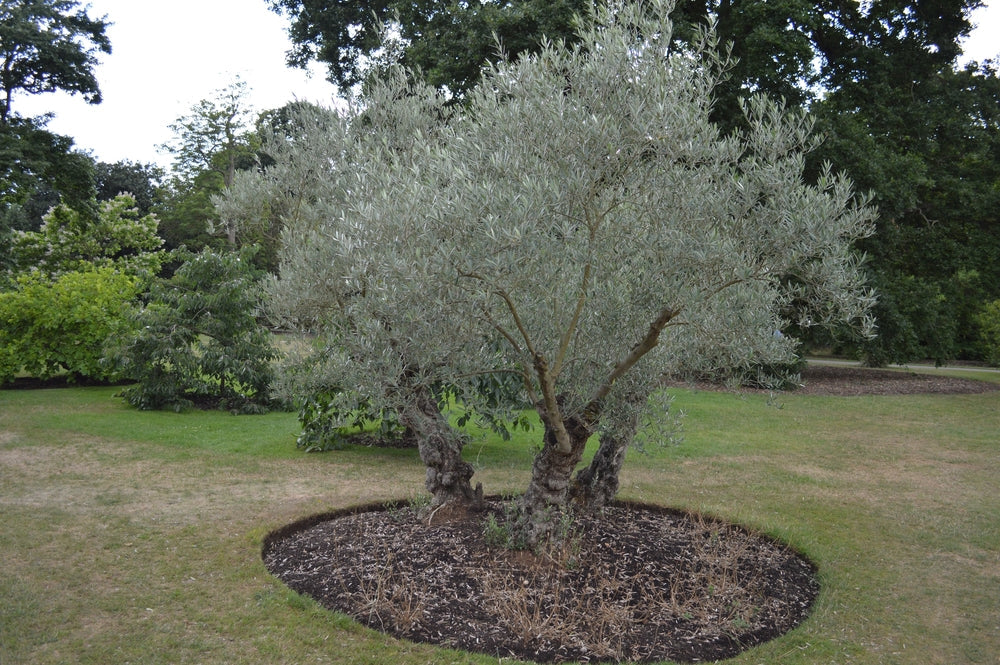
Unit price perCercidiphyllum japonicum is a medium-sized, deciduous tree with ovate to round, densely branched crown, smooth bark that becomes grooved as it matures, and oval, sometimes heart-shaped, blue-green leaves, bronze when young, yellow, orange and red in autumn.
The fallen autumn leaves smell like cinnamon, burnt sugar or ripe apples. Tiny, inconspicuous, fragrant, reddish flowers bloom in spring before the foliage. Cercidiphyllum japonicum grows best in rich, loose, fertile, loamy, moist, well-drained soil. It thrives in partial shade, but tolerates full sun. Doesn’t tolerate drought. It is resistant to frost and wind, but prefers locations sheltered from harsh winds and hot afternoon sun.
The leaves may be damaged by late frosts. Tolerant of urban conditions. Generally, pest-free and disease-free. Low maintenance plant, doesn’t require pruning. Japanese Katsura Tree is an elegant, architectural tree, perfect as a specimen plant in large, informal, cottage, woodland, and urban gardens. Excellent for avenues and broad streets.
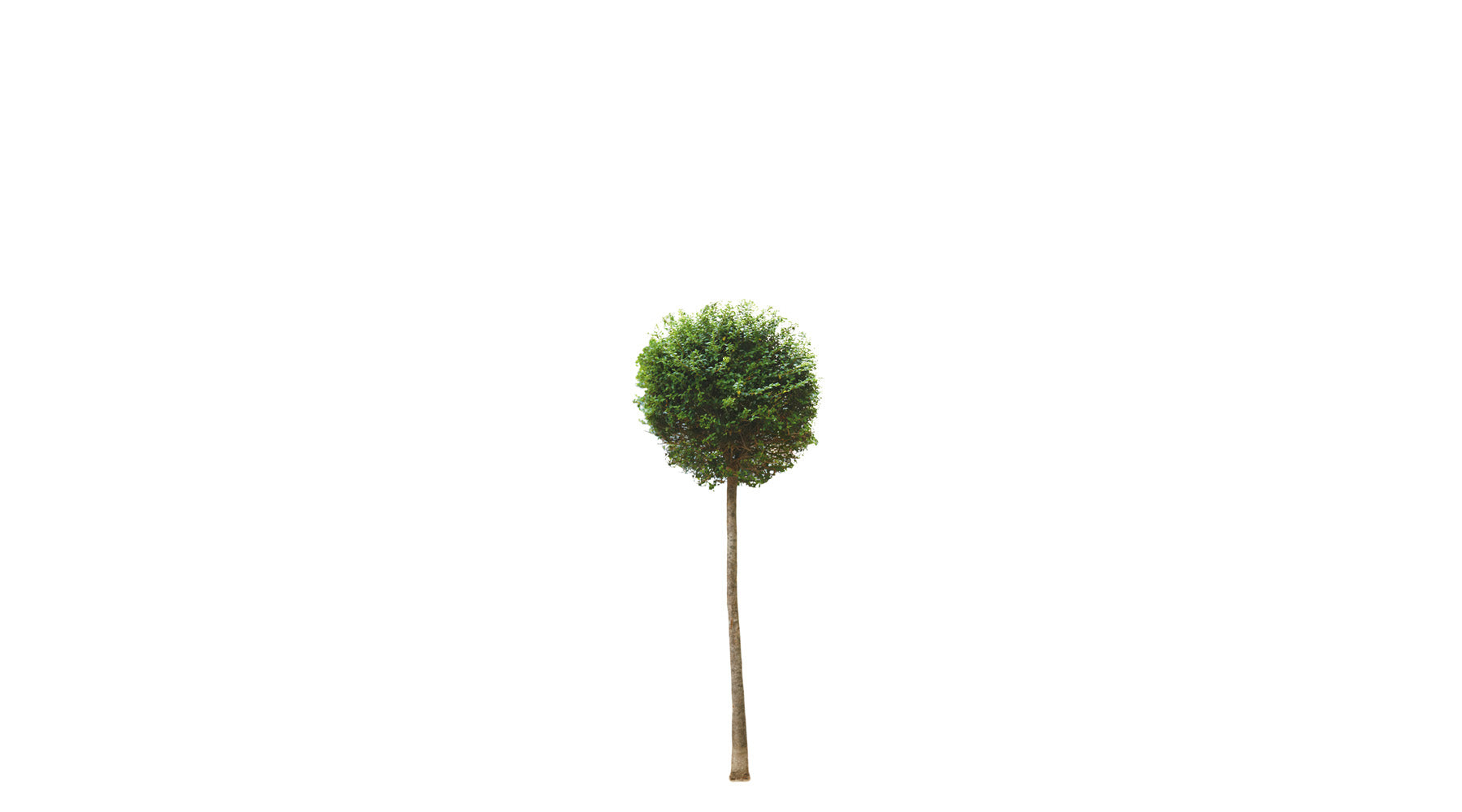
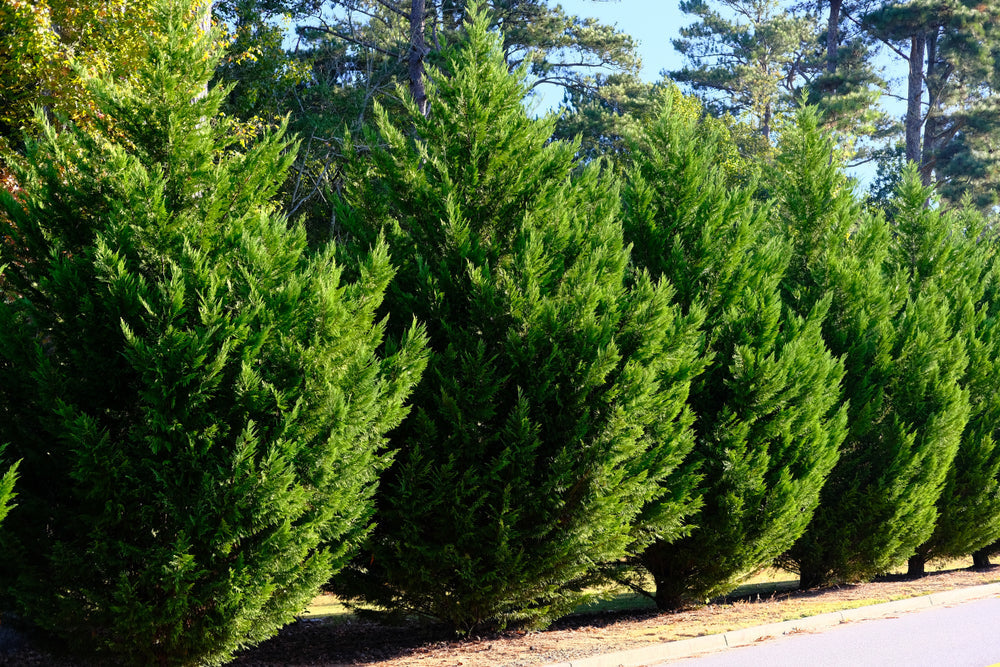
Cercidiphyllum japonicum | Japanese Katsura Tree - Clear Stem - Girth 8-10cm - Height 340-360cm - 45lt
£410.00
Unit price perCercidiphyllum japonicum | Japanese Katsura Tree - Clear Stem - Girth 8-10cm - Height 340-360cm - 45lt
£410.00
Unit price perCercidiphyllum japonicum | Japanese Katsura Tree - Height 140-220cm - 20lt
£160.00
Unit price perCercidiphyllum japonicum | Japanese Katsura Tree - Height 140-220cm - 20lt
£160.00
Unit price perShowing 792/4167