
-
Trees
Trees
 Fruit Trees
 Ornamental
 Screening
 Palms
By FeaturesBy Shape
Palms
By FeaturesBy Shape -
Shrubs
Shrubs
 Large shrubs
 Hedging
 Bamboo
 Climbers
 Flowering
 Grasses & Ferns
 Popular
-
Pines & Conifers
Pines & Conifers
 Pines
Pines
 Spruce & Fir
 Cypress
 Thuja
Thuja
 Redwood | Sequoia
-
Specimen
FREE DELIVERY OVER £350
By Shape - Standard
149 products
149 products
Sort by:


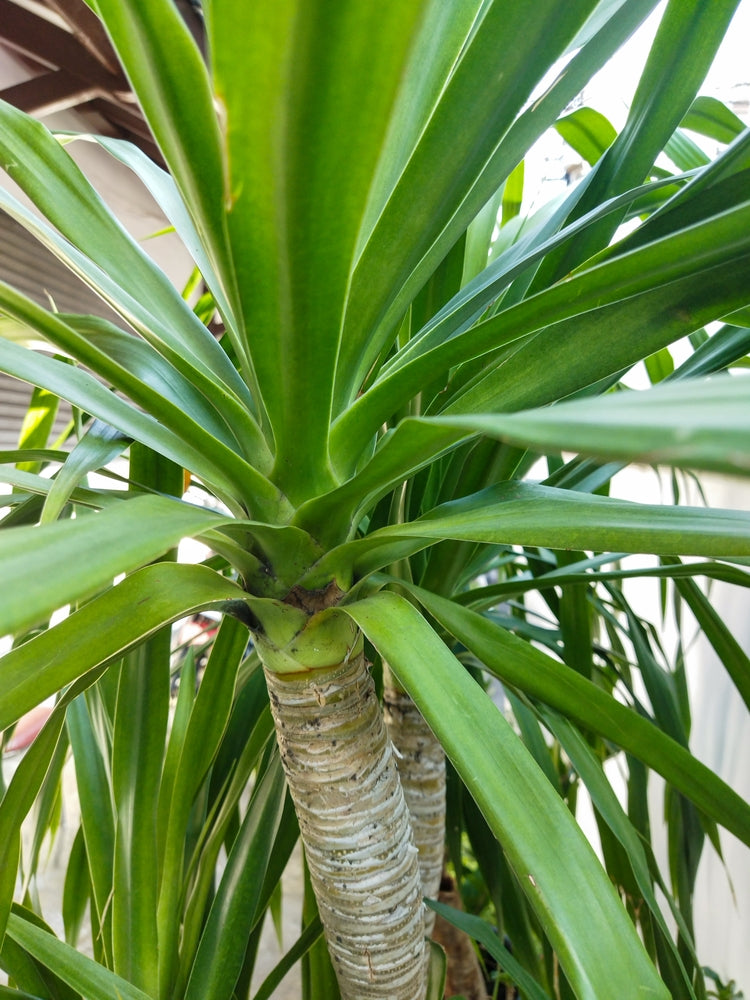
Cordyline australis | New Zealand Cabbage Palm - Multistem 20-30cm - Height 90-110cm - 50lt
£170.00
Unit price perCordyline australis | New Zealand Cabbage Palm - Multistem 20-30cm - Height 90-110cm - 50lt
£170.00
Unit price per


Lagerstroemia indica 'Lucas Red' | Crape Myrtle - Clear Stem - Girth 16-18cm - Height 280-300cm - 150lt
£990.00
Unit price perLagerstroemia indica 'Lucas Red' | Crape Myrtle - Clear Stem - Girth 16-18cm - Height 280-300cm - 150lt
£990.00
Unit price perWhen it comes to its physical appearance, Lagerstroemia indica 'Lucas Red' can reach about 10 to 15 feet tall and wide in maturity. Its attractive, smooth bark has a mottled pattern in shades of brown and gray. With its natural vase shape, the Lucas Red Crape Myrtle is frequently planted as a specimen tree or in small groupings. It also makes an excellent ornamental border or hedge plant.
The foliage is green, simple, and elliptical, and can transform into attractive bronze-red hues in autumn. The plant blooms from mid to late summer when many other summer-flowering plants have finished flowering, providing a delightful display that lasts for several weeks. Its clusters of small, crinkly petals form large showy panicles, which can measure up to ten inches long and droop gracefully from the stems. Each individual petal has delicate, crinkled edges that creates an elegant frilled effect. The flowers can last up to 120 days making them a long-lasting addition to the garden.
Largerstroemia indica 'Lucas Red' is a hardy plant that can grow well in a wide range of soil types and is moderately drought-tolerant once it has been established. It prefers a sunny, warm climate, and is perfectly suited for USDA hardiness zones 7 to 9. Pruning this plant is necessary to maintain its shape and increase the number of flowers. Fertilizing the plant in spring will also encourage heavy blooming.
Overall, Lagerstroemia indica 'Lucas Red' is an incredibly beautiful plant that is worth adding to any garden. Its vibrant red flowers, easy care requirements, and long-lasting blooms make it an all-time favorite among gardening enthusiasts. If you're looking for an impressive flowering plant that will provide year-round interest and beauty to your garden or landscape, then look no further than Lagerstroemia indica 'Lucas Red'.


Salix Babylonica Aurea | Golden Weeping Willow - Clear Stem 200cm - Girth 8-10cm - Height 350-400cm - 70lt
£435.00
Unit price perSalix Babylonica Aurea | Golden Weeping Willow - Clear Stem 200cm - Girth 8-10cm - Height 350-400cm - 70lt
£435.00
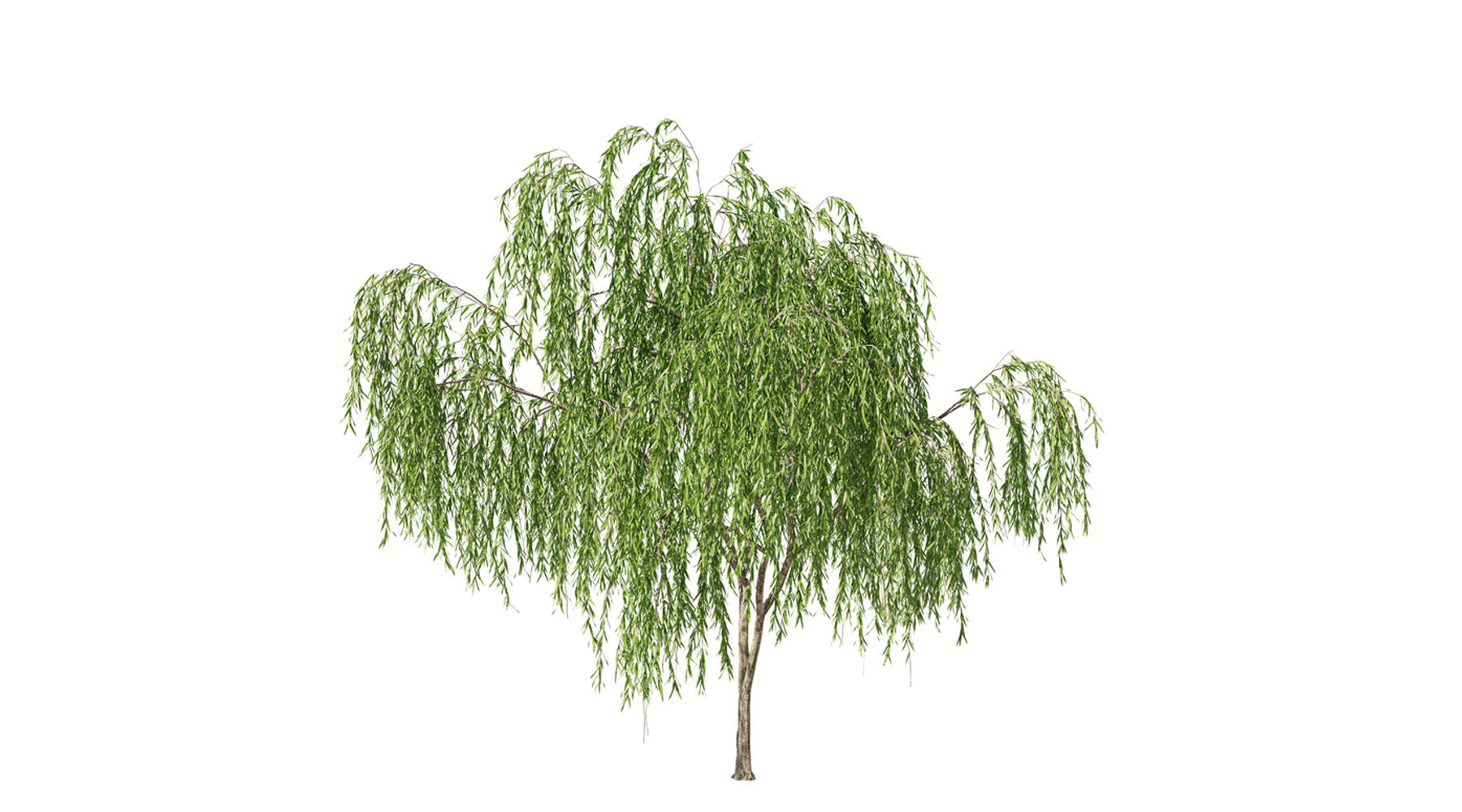
Unit price perSalix babylonica, commonly known as the weeping willow, is a majestic deciduous tree that belongs to the family Salicaceae. With its graceful and distinctive appearance, the Salix babylonica is widely recognized and admired around the world. Native to China, this tree has been cultivated for centuries and has found its way into various landscapes due to its ornamental value and environmental benefits.
The weeping willow is known for its unique weeping form, with its long, slender branches that droop gracefully towards the ground. It can reach impressive heights, often growing between 30 to 50 feet tall, with some exceptional specimens exceeding 100 feet. The branches are covered in narrow, lance-shaped leaves that are a vibrant green color, turning yellow in the fall before shedding for winter.
One of the most captivating features of the weeping willow is its pendulous branches, which sway and dance in the breeze, creating a mesmerizing display. These branches are adorned with slender, yellow-green catkins in the spring, adding a touch of beauty to the tree's overall appearance.
Salix babylonica thrives in moist environments and is commonly found near bodies of water such as rivers, streams, and lakes. It has an extensive root system that helps stabilize the soil, making it an excellent choice for erosion control along riverbanks and shorelines. Additionally, its dense foliage provides shade and helps regulate water temperature, benefiting aquatic ecosystems.
In addition to its aesthetic and environmental appeal, the weeping willow holds cultural and symbolic significance in various societies. It has been associated with mourning and grief in some cultures, while in others, it represents resilience, flexibility, and adaptability.
When it comes to cultivation, the weeping willow prefers full sun exposure and moist, well-drained soil. It is a fast-growing tree that requires regular pruning to maintain its elegant shape and prevent the branches from touching the ground. Care should be taken when planting near structures or underground utilities due to its invasive root system.
In conclusion, Salix babylonica, or the weeping willow, is a remarkable tree renowned for its graceful weeping form, pendulous branches, and vibrant foliage. It serves both practical and aesthetic purposes, making it a beloved choice for landscapes and water conservation efforts. Its cultural significance and captivating beauty have made it a cherished tree for centuries, captivating the hearts of those who encounter it.


Elaeagnus angustifolia | Bohemian oleaster tree - Girth 36cm - Height 400-450cm - 230lt
£1,350.00
Unit price perElaeagnus angustifolia | Bohemian oleaster tree - Girth 36cm - Height 400-450cm - 230lt
£1,350.00
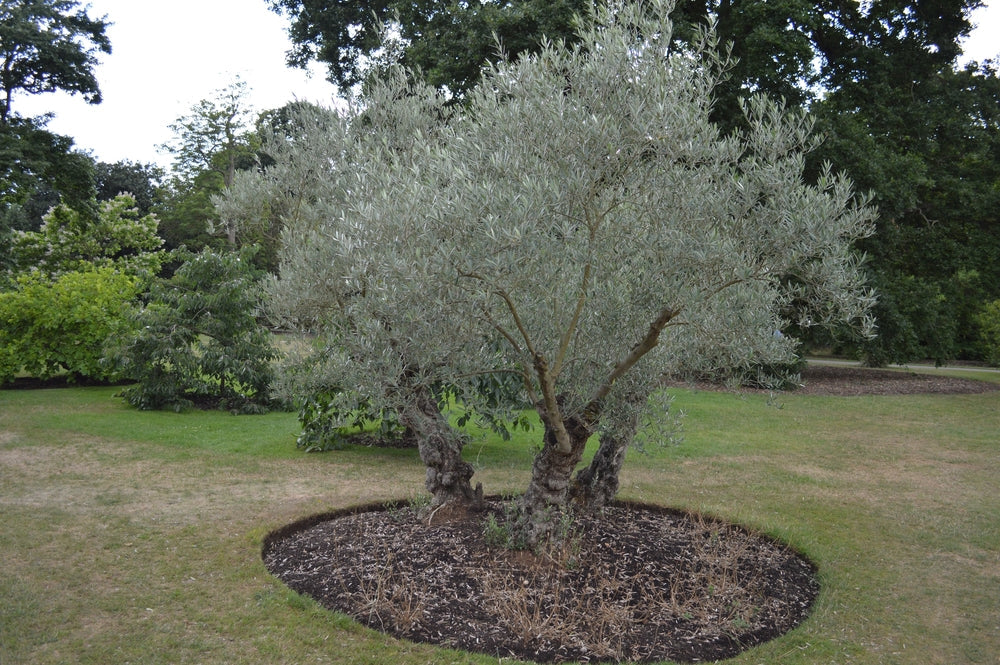
Unit price perElaeagnus angustifolia, commonly known as the Russian olive or silverberry tree, is a deciduous tree native to Eurasia that has been widely introduced to other parts of the world as an ornamental plant and for erosion control.
The tree can reach up to 30 feet (9 meters) in height and has a rounded, spreading canopy with silvery-gray branches and leaves that are dark green above and silvery-gray beneath. The leaves are lance-shaped and have a wavy margin, growing up to 4 inches (10 cm) long.
The tree produces fragrant, small, yellow flowers in the spring, which are followed by small, oval-shaped fruits that mature in the fall. The fruit is edible and has a sweet and tart flavor, often used for making jellies or jams.
Elaeagnus angustifolia is a hardy and adaptable tree that can tolerate a wide range of growing conditions, including drought, salt spray, and poor soil. It is often used for windbreaks, erosion control, and as an ornamental tree in parks and gardens. However, it can also be considered invasive in some regions, particularly in North America, where it has escaped cultivation and can outcompete native plants.


Celtis Australis | European hackberry - 550cm, 285lt
£1,710.00
Unit price perCeltis Australis | European hackberry - 550cm, 285lt
£1,710.00
Unit price per


Catalpa Bignonioides (Ovata) Tree | Indian bean tree - Standard - Mature Tree - Height 350cm - 150lt
£725.00
Unit price perCatalpa Bignonioides (Ovata) Tree | Indian bean tree - Standard - Mature Tree - Height 350cm - 150lt
£725.00
Unit price per


Celtis Australis | European hackberry - Girth 16cm - 470-480cm - 130lt
£920.00
Unit price perCeltis Australis | European hackberry - Girth 16cm - 470-480cm - 130lt
£920.00
Unit price perCeltis australis, commonly known as the European nettle tree, is a deciduous tree native to southern Europe, western Asia, and northern Africa. It belongs to the family Cannabaceae, and it is closely related to the hackberry tree.
The Celtis australis tree can grow up to 25 meters tall and has a dense, rounded crown with a spreading habit. The bark is smooth and gray-brown when young, becoming rough and fissured with age. The leaves are alternate, simple, and oval-shaped with serrated edges. They are dark green on the upper side and paler on the underside, turning yellow in autumn before falling.
The tree produces small, inconspicuous flowers in late spring or early summer, followed by small, round, edible fruit that resembles a cherry in size and shape. The fruit is initially green, turning yellow or brown when ripe, and is sweet and juicy, with a taste similar to a fig.
The Celtis australis tree is adaptable to a wide range of soils and can tolerate drought, air pollution, and salt spray. It is often used as an ornamental tree in gardens, parks, and urban landscapes due to its attractive foliage and distinctive bark. It also provides food and shelter for wildlife, including birds and small mammals. Additionally, the tree has cultural significance and has been used for centuries in traditional medicine for various ailments.


Prunus serrulata 'Kanzan' | Cherry ‘Kanzan’ - Girth 24cm - 400-420cm - 200lt
£945.00
Unit price perPrunus serrulata 'Kanzan' | Cherry ‘Kanzan’ - Girth 24cm - 400-420cm - 200lt
£945.00
Unit price per


Catalpa Bungei | Indian bean tree - Girth 20cm - 350-360cm - 130lt
£785.00
Unit price perCatalpa Bungei | Indian bean tree - Girth 20cm - 350-360cm - 130lt
£785.00
Unit price perCatalpa bungei, also known as the Chinese catalpa or the Manchurian catalpa, is a deciduous tree that is native to China and Korea. It is a medium-sized tree that can grow up to 40 feet tall and 30 feet wide.
The tree has a broad, spreading canopy with large, heart-shaped leaves that are up to 12 inches long and 8 inches wide. The leaves are dark green and glossy on top, and paler underneath. In the fall, the leaves turn a vibrant yellow before falling off.
Catalpa bungei produces beautiful, fragrant white flowers in the late spring or early summer. The flowers are trumpet-shaped and up to 2 inches wide. They are arranged in large clusters at the ends of the branches and attract bees and other pollinators.
After the flowers fade, the tree produces long, slender seed pods that are up to 20 inches long. The pods are cylindrical and contain numerous small, flat seeds.
Catalpa bungei is a hardy and adaptable tree that can grow in a wide range of soils and conditions. It prefers full sun to partial shade and moderate moisture. The tree is commonly used in landscaping and as a shade tree in parks and gardens.
Overall, Catalpa bungei is a beautiful and hardy tree that provides year-round interest with its large leaves, fragrant flowers, and interesting seed pods.


Magnolia Yellow River - 18cm - 420-430cm - 110lt
£765.00
Unit price perMagnolia Yellow River - 18cm - 420-430cm - 110lt
£765.00
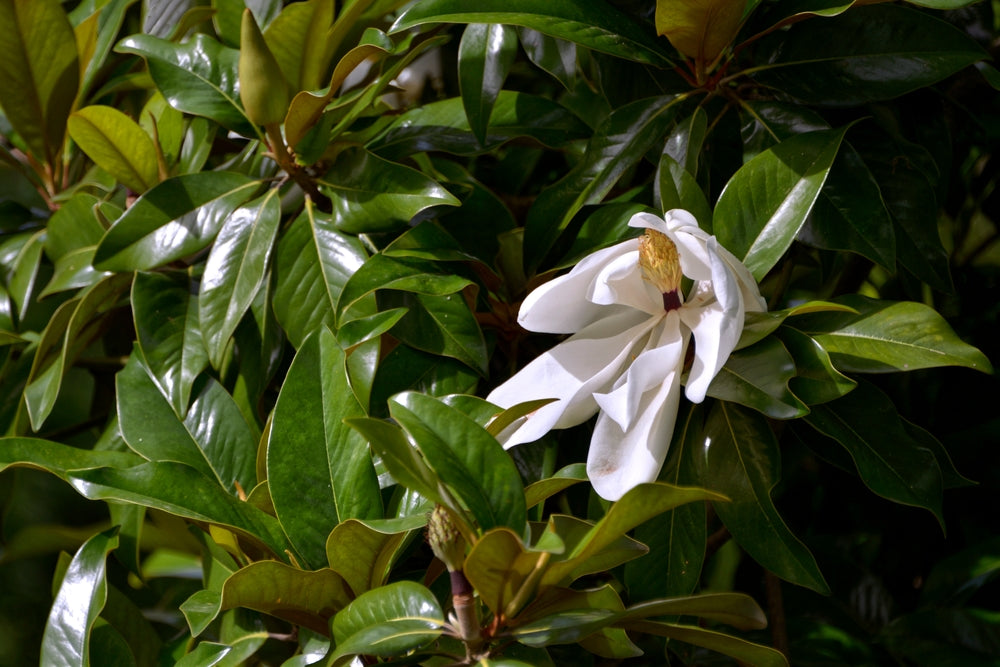
Unit price perMagnolia Yellow River is a stunning deciduous tree that belongs to the Magnoliaceae family. It is native to China and is known for its beautiful yellow flowers that bloom in early spring, before the leaves appear. The tree can grow up to 25 feet in height and has an upright, pyramidal shape.
The flowers of the Magnolia Yellow River are large, cup-shaped, and fragrant, with 6 to 12 petals that are a vibrant yellow color. They measure up to 10 inches in diameter, and the petals often have a hint of pink or green near the base. The blossoms are followed by glossy green leaves that turn a golden yellow color in the fall, creating a beautiful display of color.
Magnolia Yellow River is a hardy tree that is easy to grow and care for, making it a popular choice for gardens and landscapes. It prefers full sun to partial shade and well-drained soil that is rich in organic matter. The tree is relatively drought-tolerant and can withstand occasional flooding.
In addition to its beauty, Magnolia Yellow River has many uses. The bark and leaves contain compounds that have been used in traditional Chinese medicine for centuries to treat a variety of ailments, including headaches, respiratory issues, and digestive problems. The wood is also used in the manufacture of furniture and other products.
Overall, Magnolia Yellow River is a stunning tree that is sure to add beauty and interest to any landscape. Its easy care and many uses make it a great choice for both home gardeners and landscapers.


Carpinus betulus Fastigiata Ball | Common Hornbeam - 450cm, 130lt
£695.00
Unit price perCarpinus betulus Fastigiata Ball | Common Hornbeam - 450cm, 130lt
£695.00
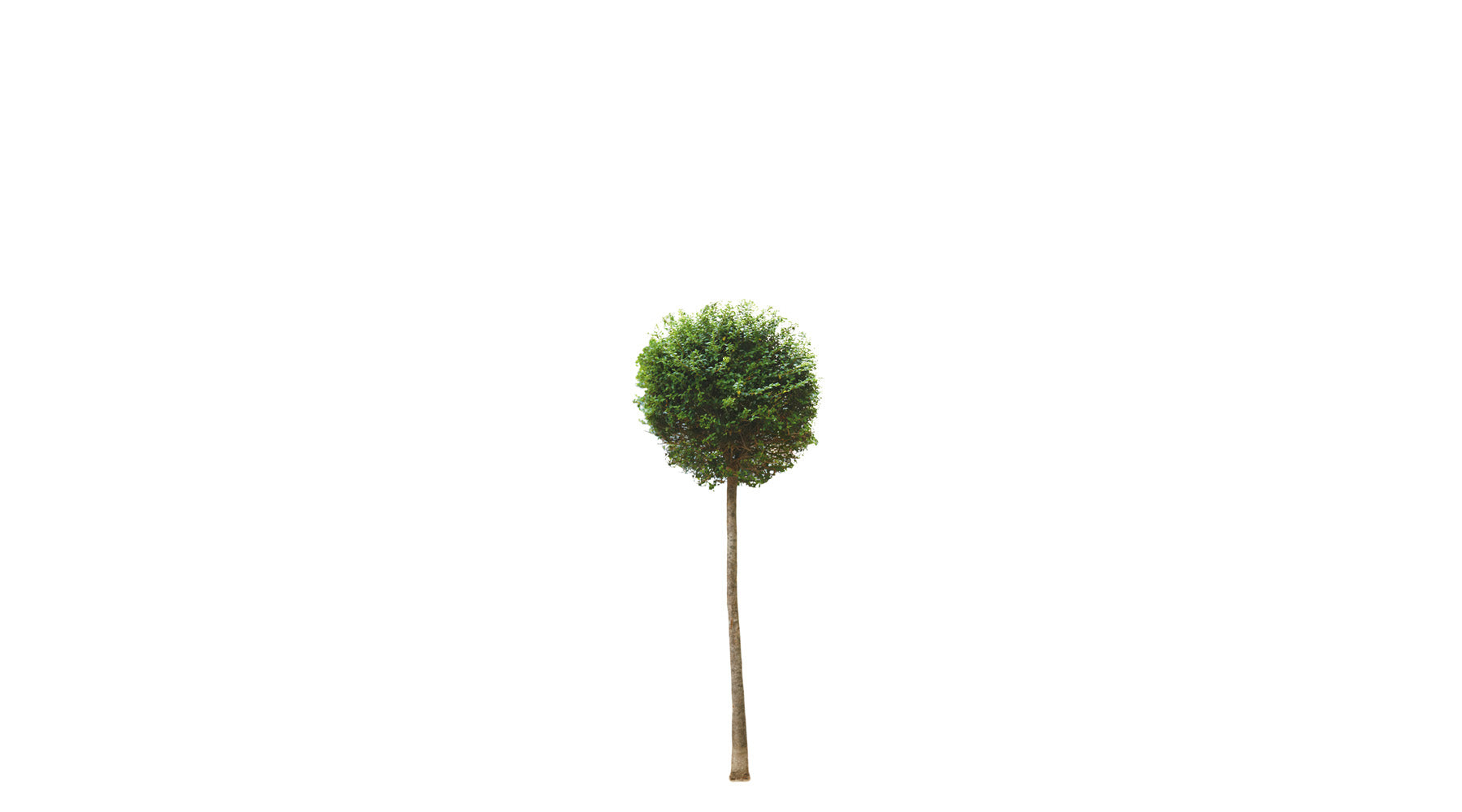
Unit price perCarpinus betulus 'Fastigiata', trained as a standard ball, is an elegant and versatile ornamental tree that brings structure and year-round interest to gardens of all sizes. Grown into a clear stem and clipped into a neat, rounded crown, it creates a formal appearance that works beautifully in contemporary, traditional, and cottage-style landscapes.
This hardy hornbeam thrives in a wide range of soil types, including clay, loam, and chalk, provided the ground is reasonably well drained. It is well suited to the UK climate and tolerates exposed positions, urban pollution, and seasonal weather fluctuations. The dense foliage emerges fresh green in spring, deepens through summer, and turns rich shades of golden yellow before falling in autumn. In some sheltered locations, dried leaves may remain on the branches through winter, adding seasonal texture.
The compact canopy makes it ideal for lining driveways, framing entrances, creating symmetry in formal gardens, or adding height without occupying excessive ground space. Minimal pruning is required to maintain its rounded shape, making it a relatively low-maintenance choice.
Combining durability, architectural form, and attractive seasonal colour, a standard ball hornbeam is an excellent feature tree that provides lasting beauty and structure throughout the year.
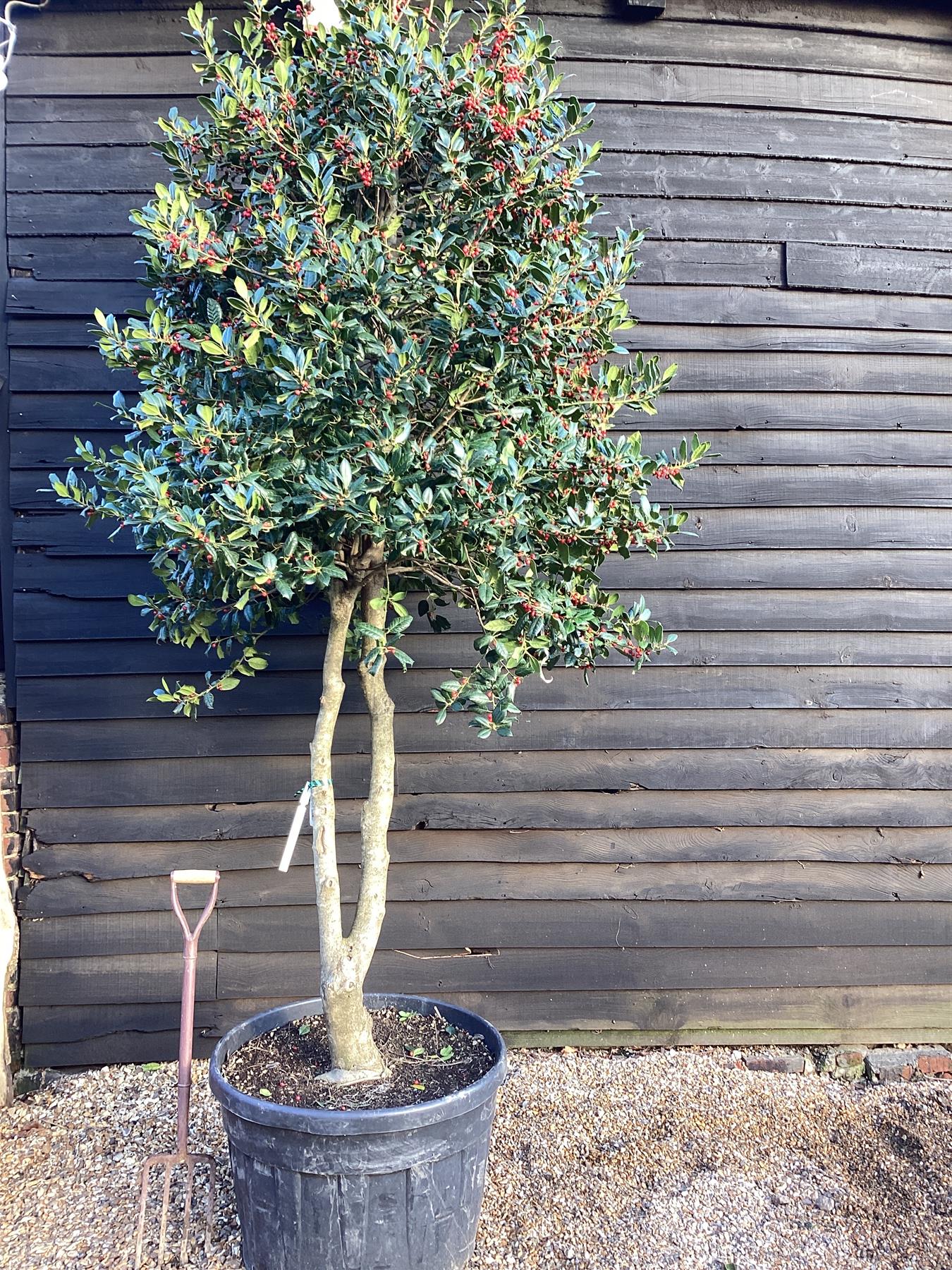
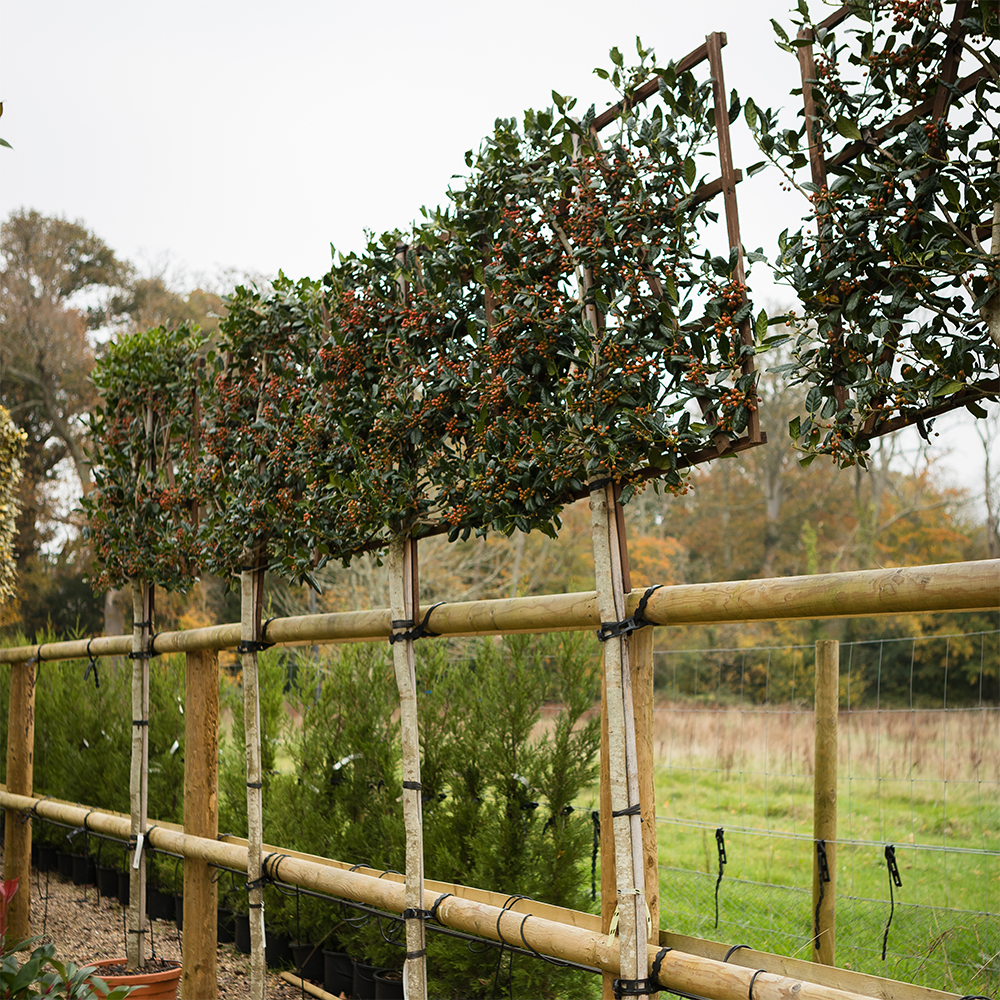
Ilex Nellie R Stevens - Holly 'Nellie R. Stevens' 'Fungo' - 300cm, 180lt
£880.00
Unit price perIlex Nellie R Stevens - Holly 'Nellie R. Stevens' 'Fungo' - 300cm, 180lt
£880.00
Unit price per


Morus Alba | White Mulberry - Girth 18cm - 375cm Clear Stem - 130lt
£545.00
Unit price perMorus Alba | White Mulberry - Girth 18cm - 375cm Clear Stem - 130lt
£545.00
Unit price per


Liquidambar styraciflua 'Gum Ball' | Sweet gum 'Gum Ball' - 180-220cm, 45lt
£275.00
Unit price perLiquidambar styraciflua 'Gum Ball' | Sweet gum 'Gum Ball' - 180-220cm, 45lt
£275.00
Unit price per


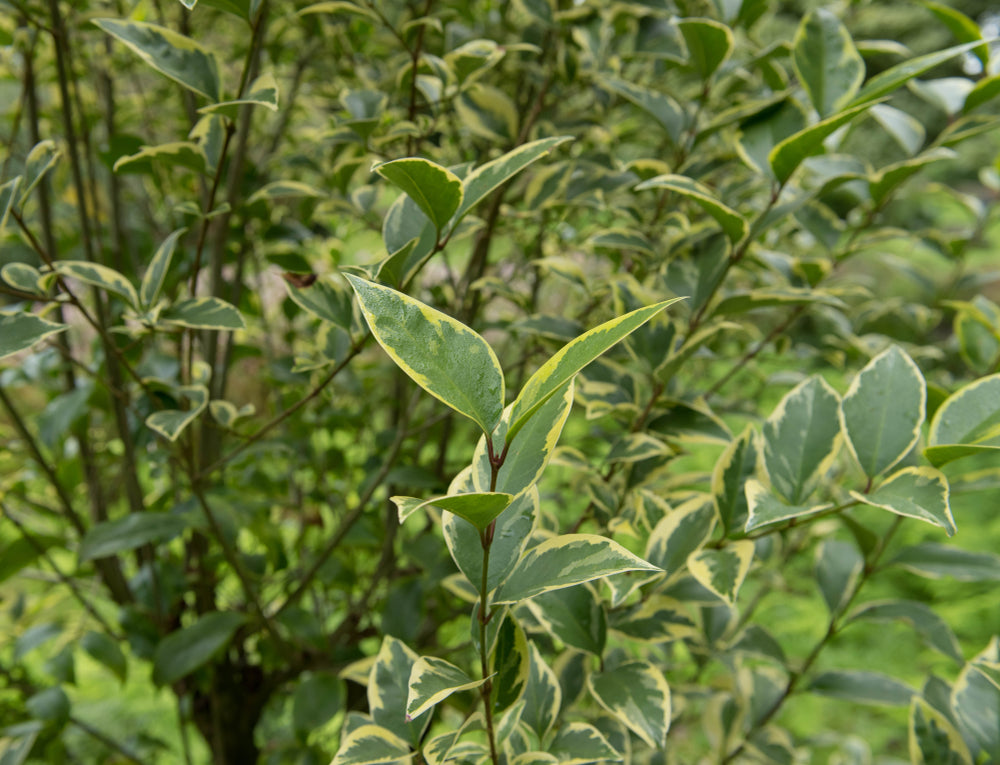
Ligustrum excelsum Superbum - is a small, evergreen tree with a great, rounded crown that retains its rounded shape if grown in full sun. Long, ovate, pointed, glossy, light-green leaves have attractive, greenish-yellow to creamy-yellow margins. Numerous clusters of scented, creamy-yellow flowers almost cover the leaves in summer and autumn, and are followed by small, black berries that remain on branches for a long time. Chinese privet 'Excelsum Superbum' - can thrive in wide range of soil types, except waterlogged. It prefers deep, fertile, moist, well-drained soils, in full sun, but it can tolerate some shade. Once established, it is resistant to drought. Tolerant of urban pollution and salty air. Low maintenance plant. In harsh winters, it may lose its leaves. Ligustrum excelsum Superbum – is a tough tree, perfect for restricted spaces as it can be planted very close to buildings, therefore, suitable for a street tree. Great for informal hedges and screens, or as an accent plant.


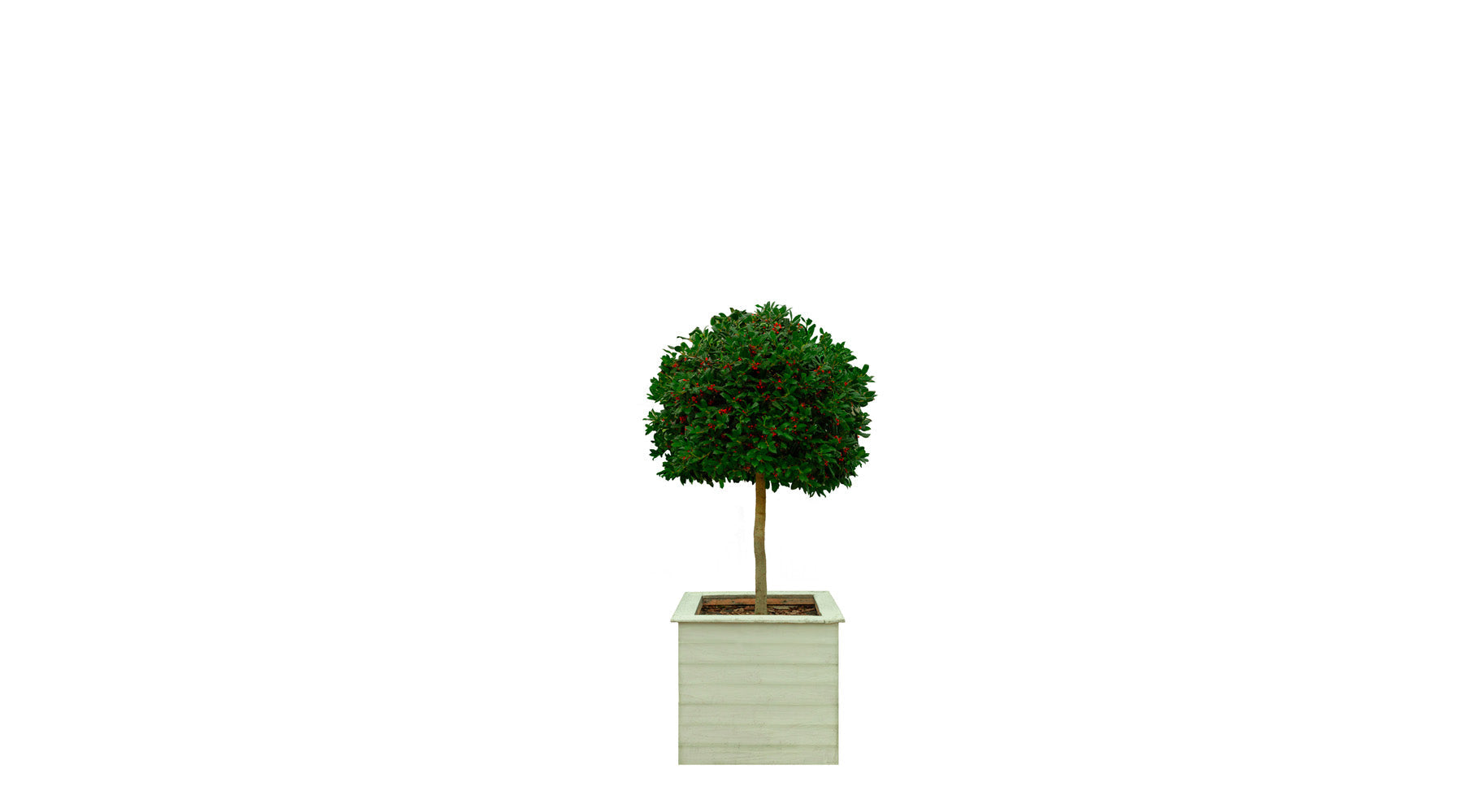
Ilex 'Nellie R. Stevens' Standard | Holly 'Nellie R. Stevens' - Girth 12-14cm - 300-340cm, 70lt
£630.00
Unit price perIlex 'Nellie R. Stevens' Standard | Holly 'Nellie R. Stevens' - Girth 12-14cm - 300-340cm, 70lt
£630.00
Unit price per
Halesia | Carolina silverbell - 300-350cm, 90lt
£365.00
Unit price perHalesia | Carolina silverbell - 300-350cm, 90lt
£365.00
Unit price perHalesia, or Silverbell, is a small genus of five species (H. carolina, H. diptera, H. macgregorii, H. tetraptera, and H. monticola) of large, deciduous shrubs or small trees with grey bark, and simple, ovate, green leaves, that turn yellow in autumn and fall off early. Attractive, hanging, bell-shaped, white to pale pink flowers grow in clusters and bloom in spring. Flowers are followed by four-winged (or two-winged), nut-like fruits in autumn and often remain on branches long into winter. Attractive to bees and squirrels. Halesia grows best in average, organically rich, slightly acidic, lime-free, moist but well-drained soils. It prefers partial shade, but tolerates full sun. Doesn’t have any serious pest or disease problems. Low maintenance plant, no routine pruning necessary. Halesia is a wonderful shrub or small tree perfect as an understory plant, for shrub borders, stream banks, or woodland gardens. Great as a specimen plant for the lawn.


Liquidambar styraciflua 'Gum Ball' | Sweet gum 'Gum Ball' - 280-300cm, 30lt
£275.00
Unit price perLiquidambar styraciflua 'Gum Ball' | Sweet gum 'Gum Ball' - 280-300cm, 30lt
£275.00
Unit price perShowing 144/149
Related blog posts