
-
Trees
Trees
 Fruit Trees
 Ornamental
 Screening
 Palms
By FeaturesBy Shape
Palms
By FeaturesBy Shape -
Shrubs
Shrubs
 Large shrubs
 Hedging
 Bamboo
 Climbers
 Flowering
 Grasses & Ferns
 Popular
-
Pines & Conifers
Pines & Conifers
 Pines
Pines
 Spruce & Fir
 Cypress
 Thuja
Thuja
 Redwood | Sequoia
-
Specimen
FREE DELIVERY OVER £350
153 products
153 products
Sort by:


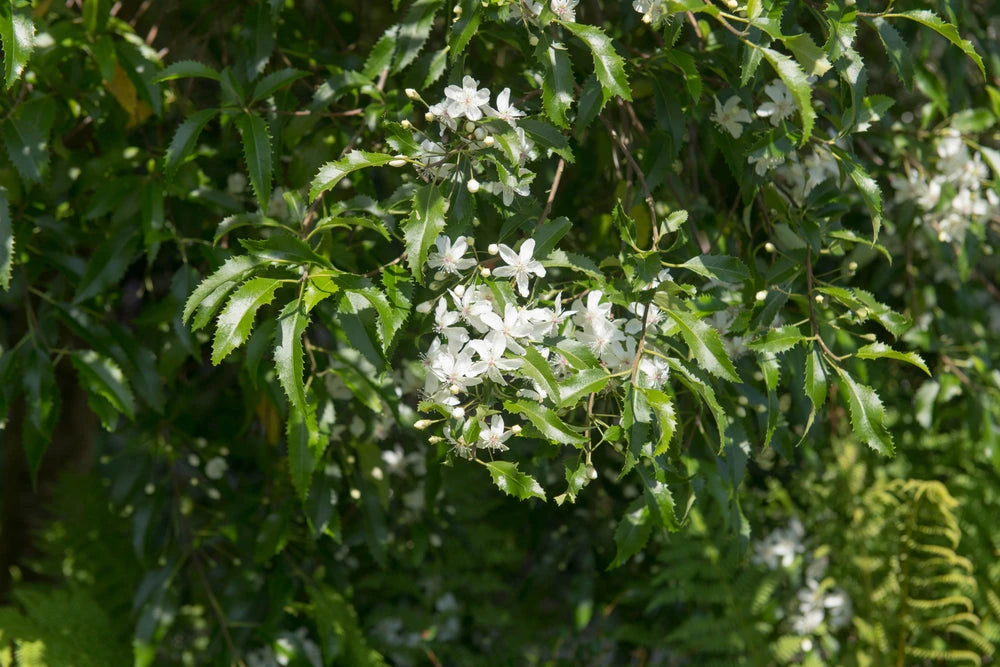
Hoheria sexstylosa Snow White | Ribbonwood - Bushy - 180-220 - 12lt
£95.00
Unit price perHoheria sexstylosa Snow White | Ribbonwood - Bushy - 180-220 - 12lt
£95.00
Unit price per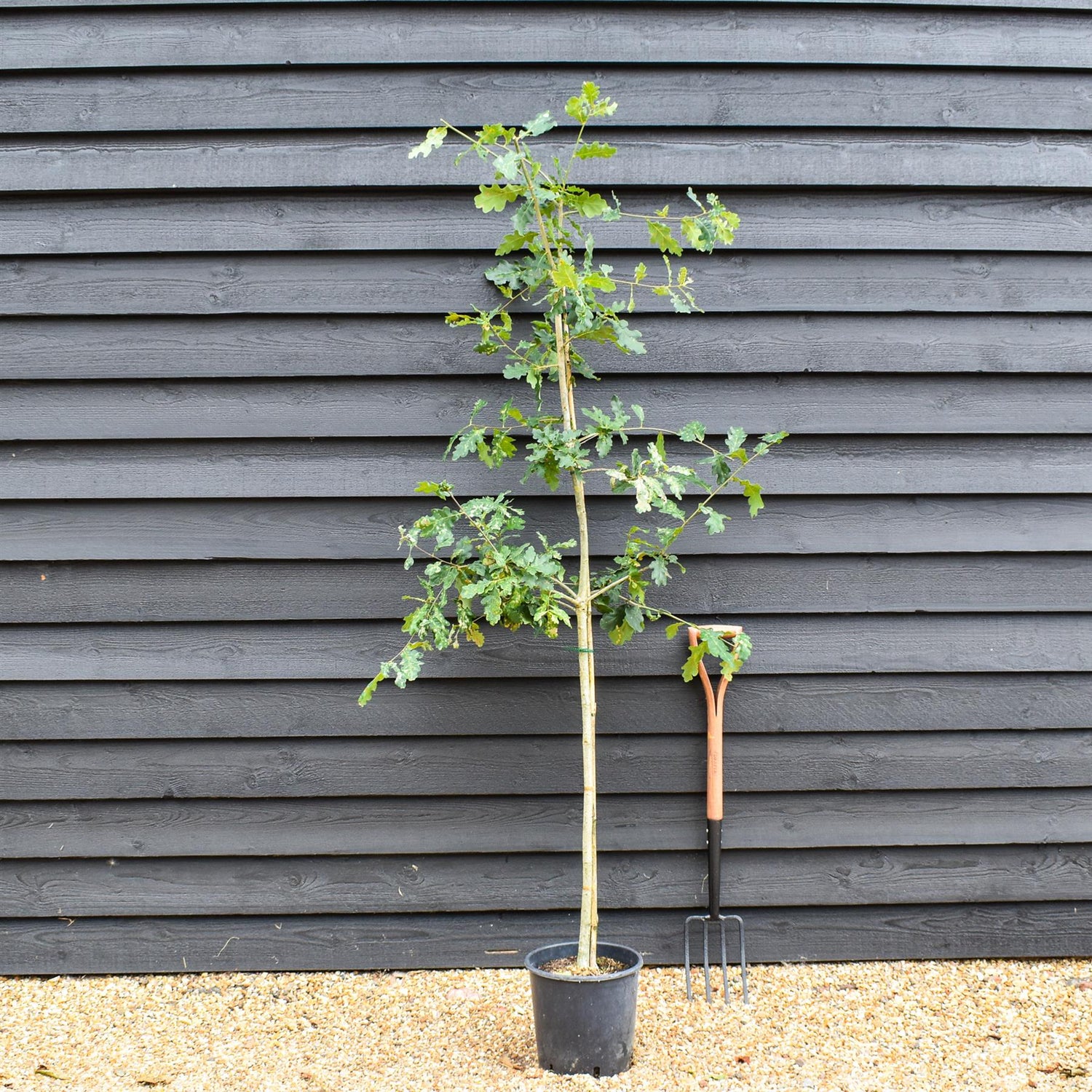


Quercus robur | English Oak - Pot Grown - 3-4 years old - Height 150-200cm 10-12lt
£73.00
Unit price perQuercus robur | English Oak - Pot Grown - 3-4 years old - Height 150-200cm 10-12lt
£73.00
Unit price per


Hoheria sexstylosa Snow White | Ribbonwood - Bushy - Height 180-240cm - 18-20lt
£210.00
Unit price perHoheria sexstylosa Snow White | Ribbonwood - Bushy - Height 180-240cm - 18-20lt
£210.00
Unit price per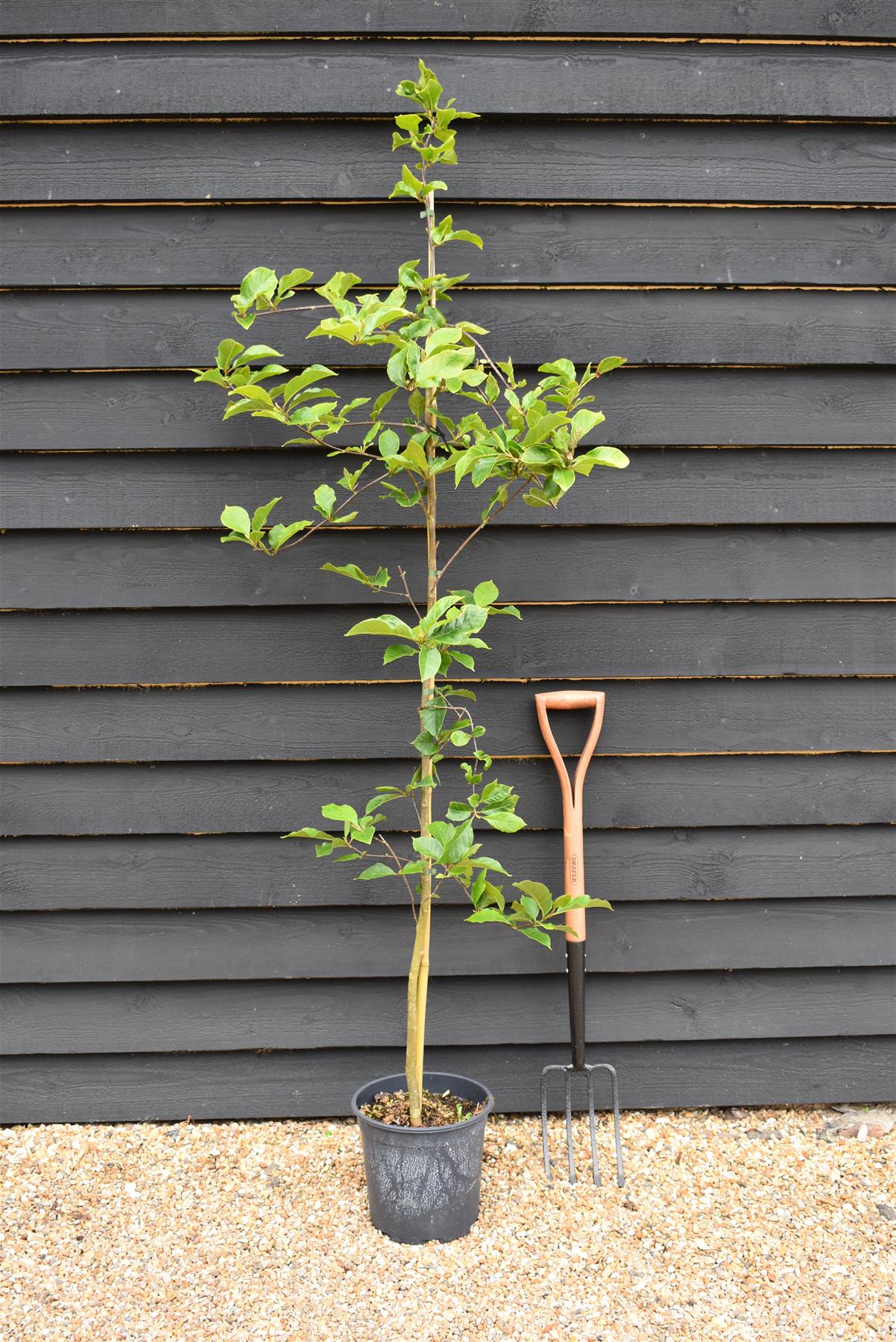


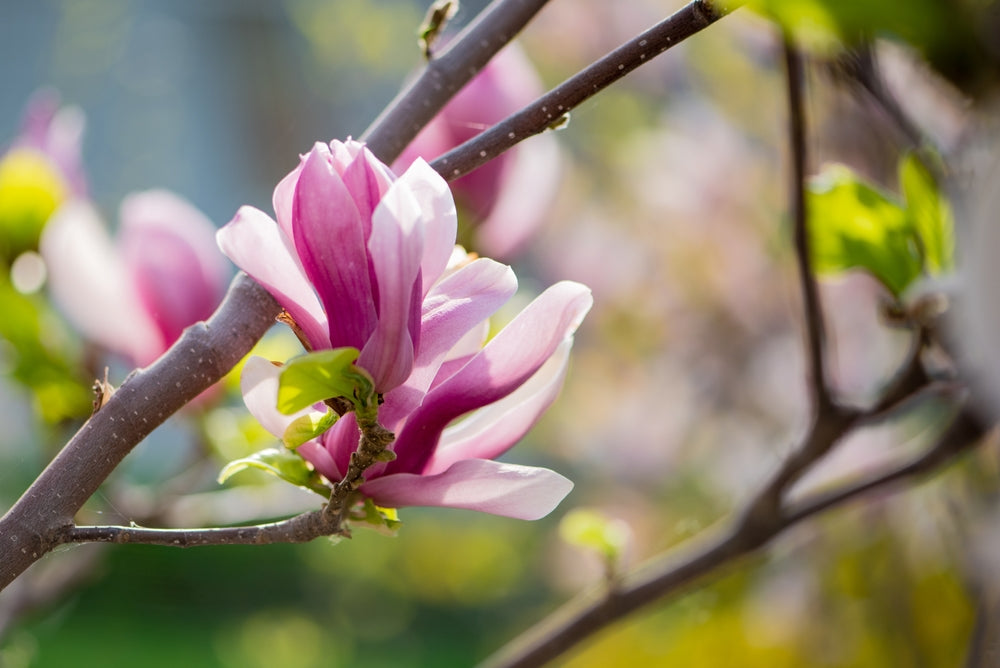
Magnolia Genie - Height 140-180cm, 10lt
£105.00
Unit price perMagnolia Genie - Height 140-180cm, 10lt
£105.00
Unit price per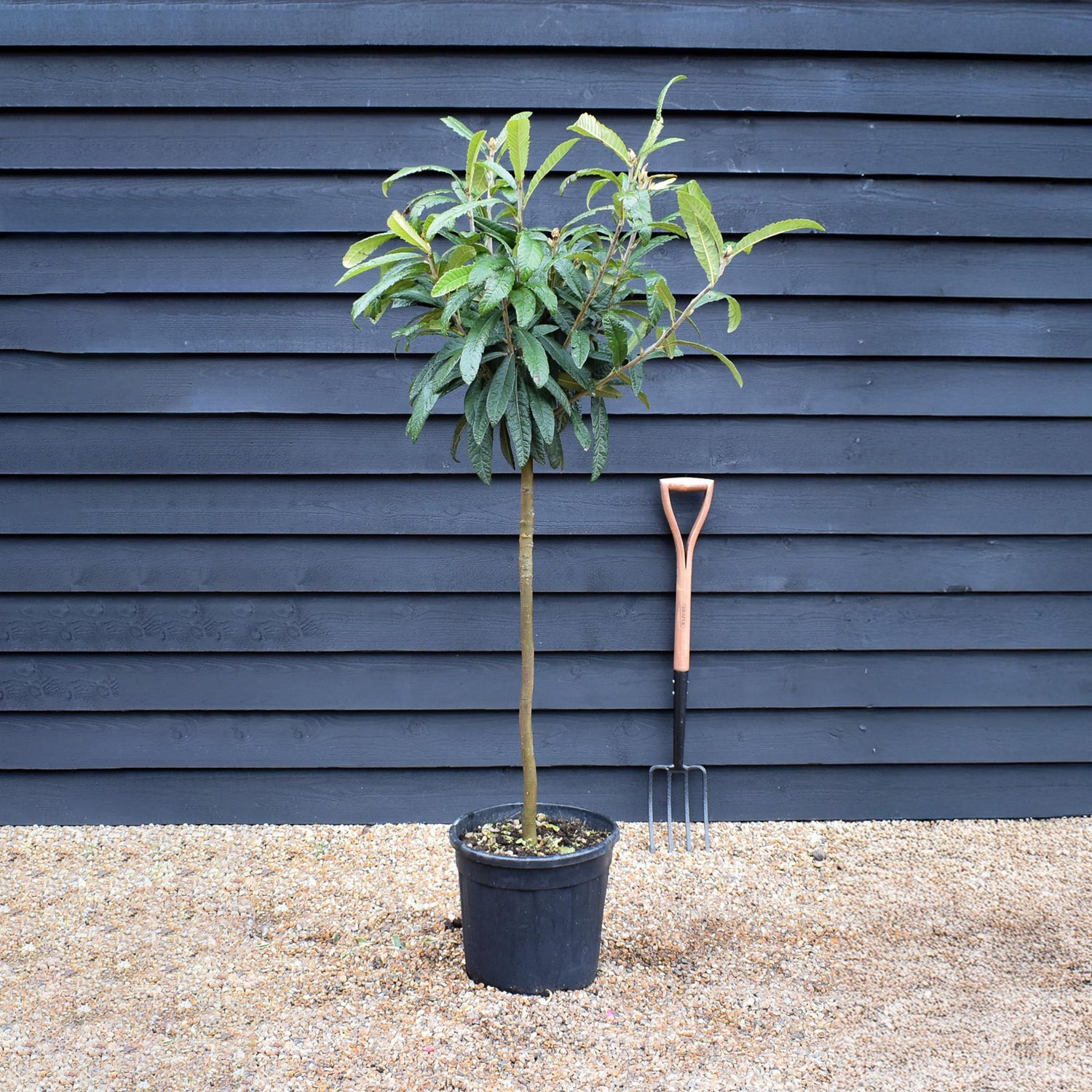


Eriobotrya japonica Tree | Loquat - Clear Stem 90cm - Girth 08-10cm - Height 130-160cm - 15-25lt
£138.00
Unit price perEriobotrya japonica Tree | Loquat - Clear Stem 90cm - Girth 08-10cm - Height 130-160cm - 15-25lt
£138.00
Unit price perEriobotrya japonica, also known as the loquat tree or bush, is a small evergreen tree that is native to south-eastern China. It is a popular ornamental plant in gardens and landscapes due to its attractive foliage and bushy, fruiting habit.
The loquat tree grows to a height of 10 to 20 feet and has a spread of 10 to 15 feet. The leaves are large, glossy, and dark green, with a distinctive shape that is reminiscent of holly leaves. The tree produces fragrant, white or yellow flowers in late autumn or early winter, which are followed by small, yellow or orange, pear-shaped fruits in the spring.
The loquat fruit is sweet and tangy, with a flavour that is similar to a mix of peach, citrus, and mango. It is high in vitamin A, potassium, and fibre, and is commonly used in desserts, jams, and juices. The tree is also highly valued for its ornamental qualities, as its attractive foliage and fruit make it a popular choice for landscaping.
The loquat tree is easy to grow and requires little maintenance. It prefers full sun to partial shade and well-drained soil. It is relatively cold-hardy and can withstand temperatures as low as 10 degrees Fahrenheit. The tree can be pruned to maintain a compact shape, and is also adaptable to growing in containers.
Overall, Eriobotrya japonica is a versatile and attractive plant that is prized for both its ornamental and edible qualities. Its bushy, fruiting habit makes it a great addition to any garden or landscape.


Hazel Nut Tree | Corylus avellana - Height 90-100cm - 2lt
£22.00
Unit price perHazel Nut Tree | Corylus avellana - Height 90-100cm - 2lt
£22.00
Unit price perCorylus avellana is a vigorous, spreading, deciduous shrub or small tree with a dense, round crown. Its has ovate, toothed, hairy leaves, bright green in summer, yellow in autumn. Yellow male catkins appear in late winter and hang loosely from the bare branches. Female flowers are tiny, red and inconspicuous and are followed by edible nuts, hazelnuts, in autumn. Hazelnuts are popular and healthy nuts, full of unsaturated fats and proteins.
Corylus avellana can grow in any type of soil, as long as it is moist, airy and well-drained, but prefers moderately fertile, slightly alkaline soils. It likes full sun or partial shade. It is resistant to frost, wind, and air pollution. Flower buds can be damaged by early frost. Generally, pest-free and disease-free.
Corylus avellana is widely grown for commercial nut production. It has many named varieties. It is perfect for informal, cottage, and woodland gardens. Great for hedges and screens. Suitable for urban and roof gardens.


Eucalyptus gunnii Azura | Cider Gum Azura - Height 160-180cm, 10lt
£88.00
Unit price perEucalyptus gunnii Azura | Cider Gum Azura - Height 160-180cm, 10lt
£88.00
Unit price perEucalyptus gunnii Azura is a new French selection of Eucalyptus tree. It’s an evergreen shrub or small tree with naturally compact and bushy habit and flaking bark. The juvenile foliage is rounded and silvery blue, while the adult leaves are long, lanceolate, azure blue-green with silvery hues and intense fragrance. Small, fluffy, white flowers bloom in summer and autumn, and are followed by rounded, olive-green fruit.
Eucalyptus gunnii Azura is extremely hardy and very suitable for British gardens. It thrives in any type of garden soil, as long as it is well-drained, but prefers average to moderately fertile, slightly acidic, dry to moist soils. It requires full sun and needs to be sheltered form harsh winds.
Eucalyptus gunnii Azura, with its mesmerizing, aromatic, silvery, azure blue-green leaves, is a perfect plant for small cottage and urban gardens. Great for shrub and wall-side borders, mixed beds and borders, or hedges and screens. Suitable for growing in containers.


Aspen | Populus tremula - Height 200-220cm - 4-5 years old - Feathered - Very well rooted -Pot Grown - 12lt
£72.00
Unit price perAspen | Populus tremula - Height 200-220cm - 4-5 years old - Feathered - Very well rooted -Pot Grown - 12lt
£72.00
Unit price perPot grown from seed here at the Arundel Arboretum, very well rooted and hardened.
Populus tremula, commonly known as the trembling aspen or quaking aspen, is a deciduous tree native to various regions across the Northern Hemisphere, including the United Kingdom. It belongs to the genus Populus and is renowned for its distinctive quivering leaves, which flutter in even the slightest breeze, giving rise to its evocative common names.
The trembling aspen typically reaches heights of 20 to 25 meters, although some specimens can grow taller under optimal conditions. Its slender trunk is often pale grey or white with black knots, and it tends to have a narrow crown with branches that ascend in a graceful, upward fashion.
One of the most striking features of the trembling aspen is its leaves. They are roughly triangular in shape with finely serrated edges, and they have a flat petiole that causes them to flutter and tremble in the wind. This unique characteristic helps to distinguish the tree from other species in its range.
In the spring, the trembling aspen produces catkins, which are long, drooping clusters of small flowers. These flowers are an important source of pollen for bees and other pollinators. Later in the season, the tree develops small, round fruits containing tiny seeds surrounded by cottony fluff, aiding in wind dispersal.
Trembling aspens typically thrive in moist, well-drained soils in locations such as riverbanks, wetlands, and mixed woodlands. They are relatively fast-growing and can colonize disturbed areas quickly, making them an important pioneer species in forest ecosystems.
In addition to their ecological significance, trembling aspens also hold cultural and historical importance. They feature prominently in folklore and mythology in various cultures, often symbolizing resilience, regeneration, and transformation.
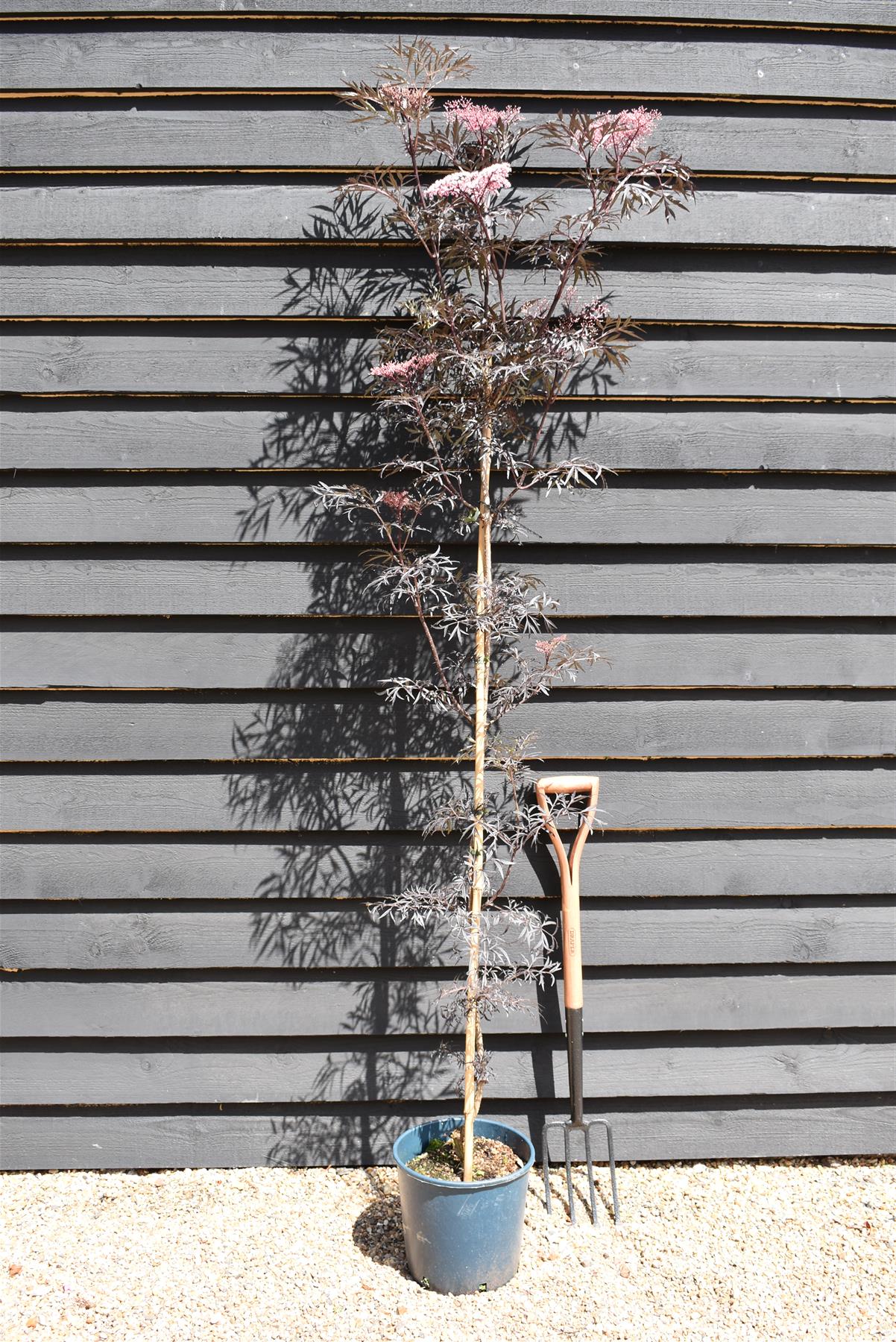


Sambucus nigra Black Lace | Elder 'Eva' - Height 160-180cm - 12lt
£88.00
Unit price perSambucus nigra Black Lace | Elder 'Eva' - Height 160-180cm - 12lt
£88.00
Unit price per


Fagus Sylvatica Purpurea | Copper Beech - Height 110-130cm - 12lt
£83.00
Unit price perFagus Sylvatica Purpurea | Copper Beech - Height 110-130cm - 12lt
£83.00
Unit price per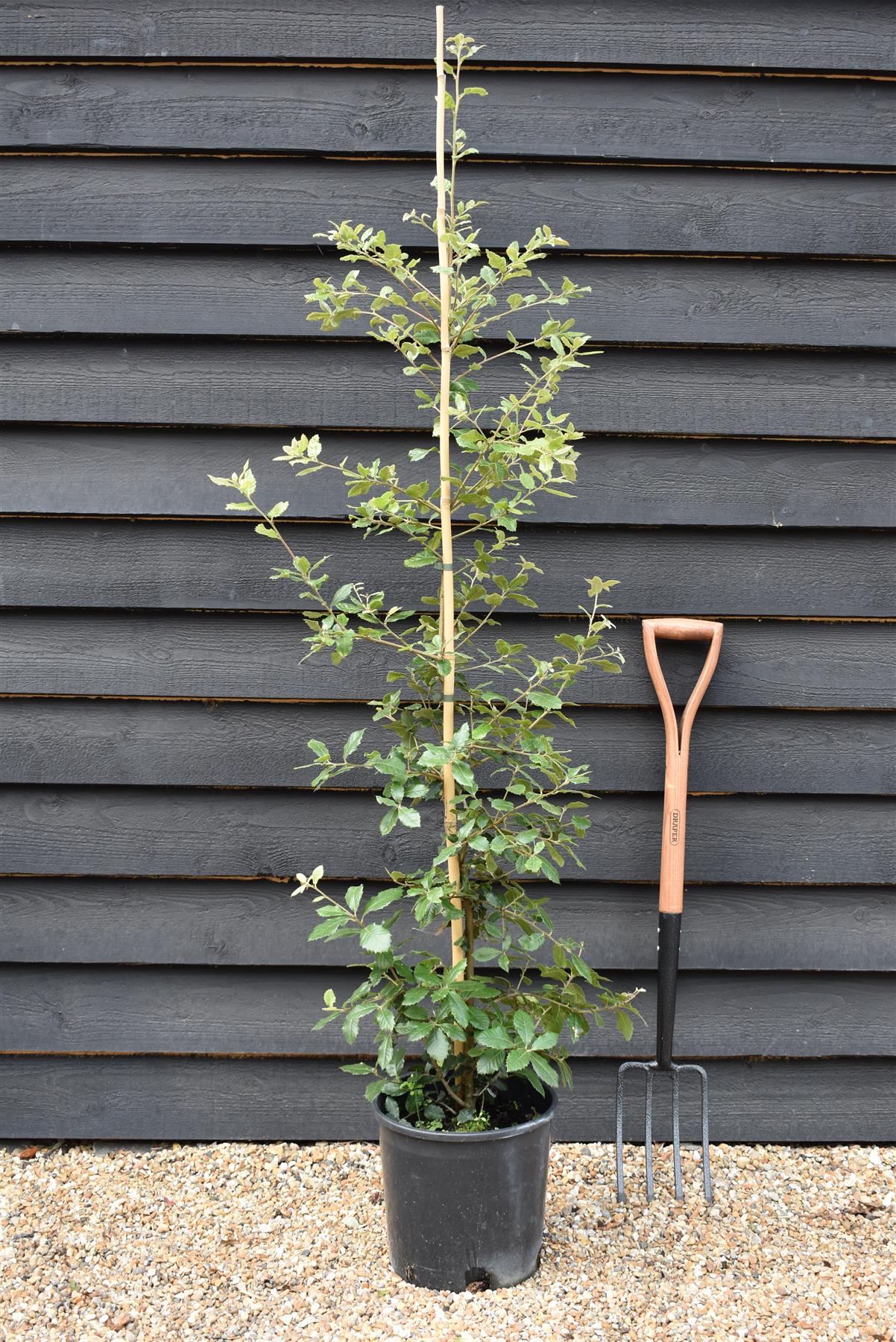
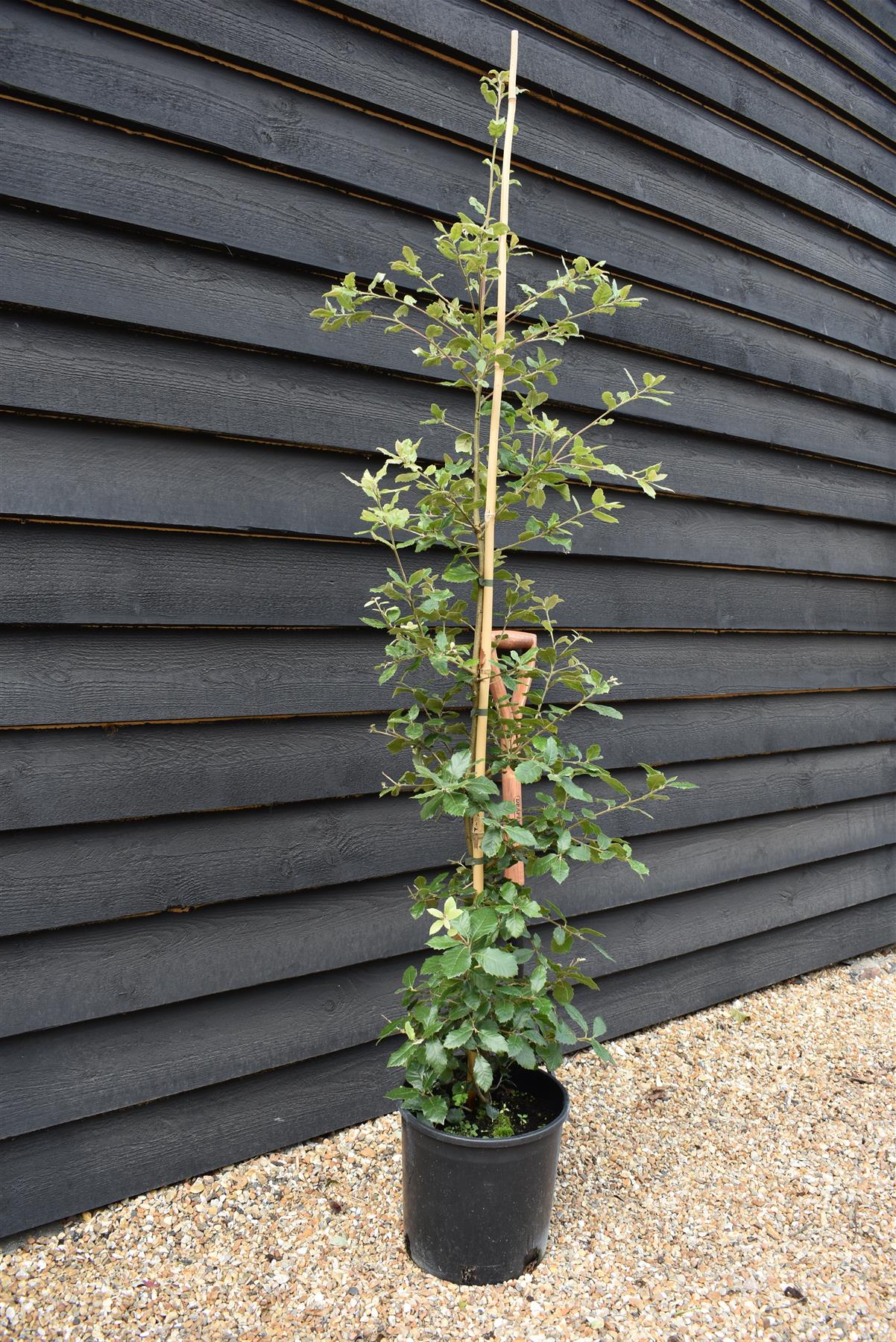
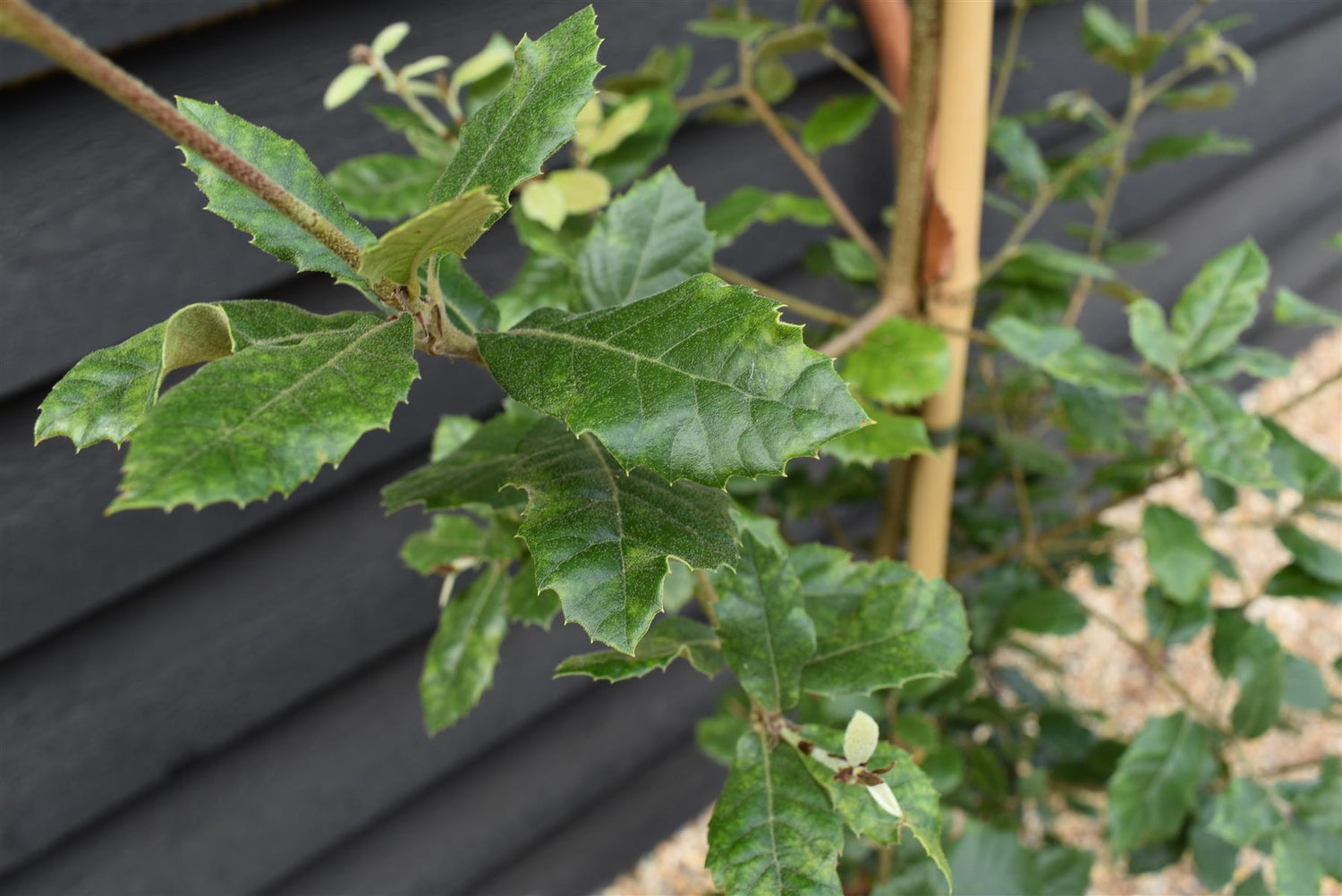
Holm Oak | Evergreen Oak | Quercus ilex - Height 120-140cm - 2-3 years old - Pot Grown - 10lt
£45.00
Unit price perHolm Oak | Evergreen Oak | Quercus ilex - Height 120-140cm - 2-3 years old - Pot Grown - 10lt
£45.00
Unit price per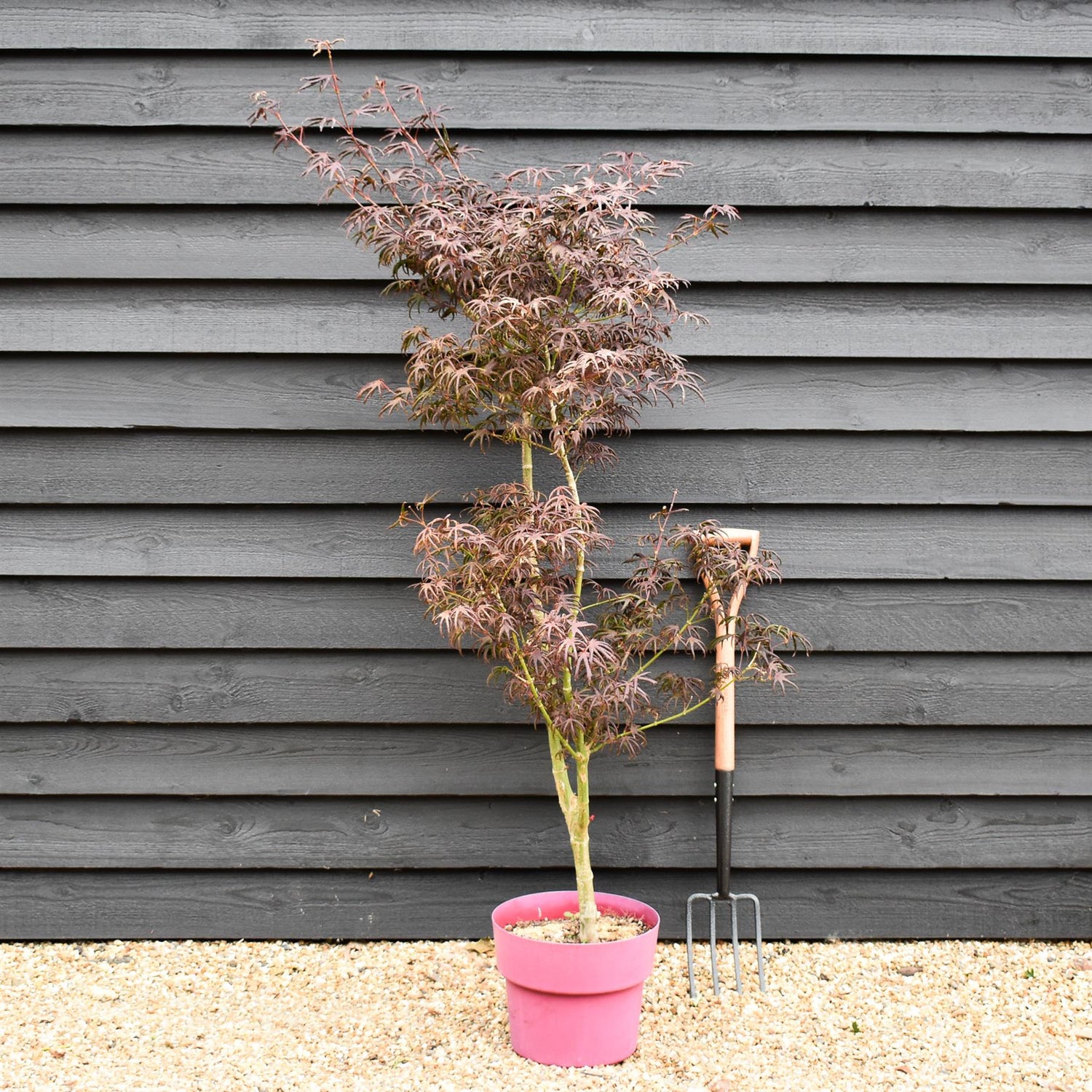
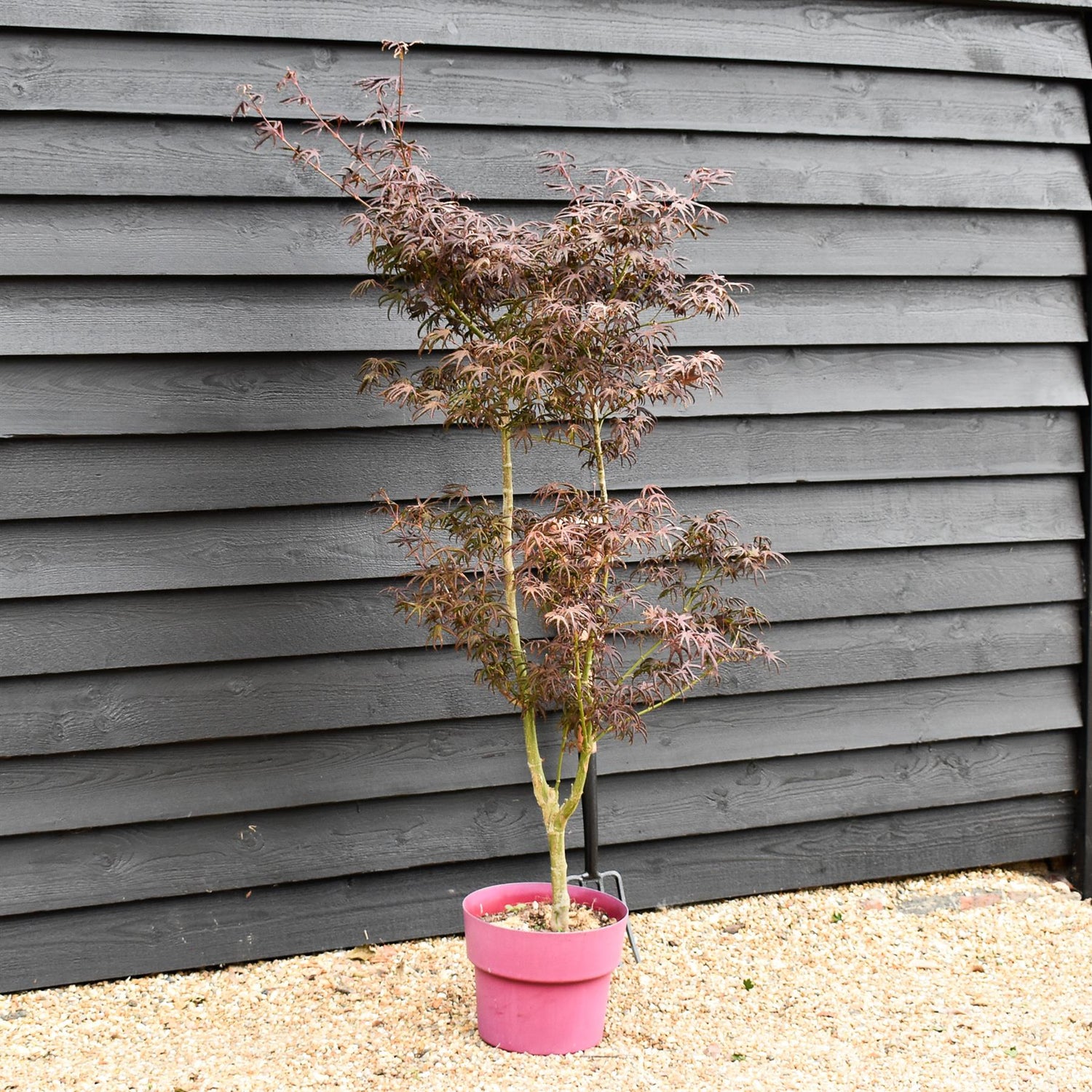
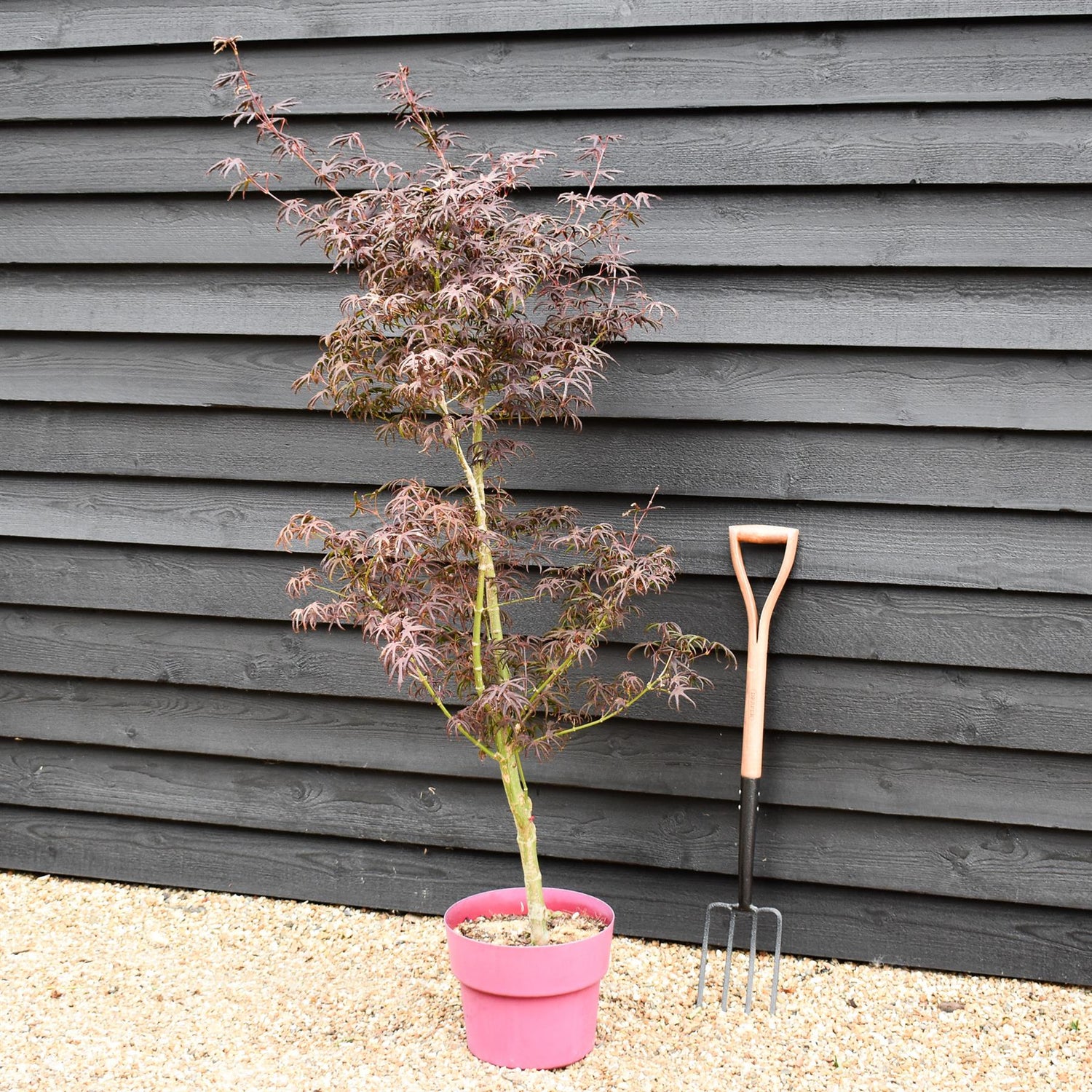
Acer palmatum 'Starfish' | Japanese maple 'Starfish' - 150-170cm - 15lt
£130.00
Unit price perAcer palmatum 'Starfish' | Japanese maple 'Starfish' - 150-170cm - 15lt
£130.00
Unit price per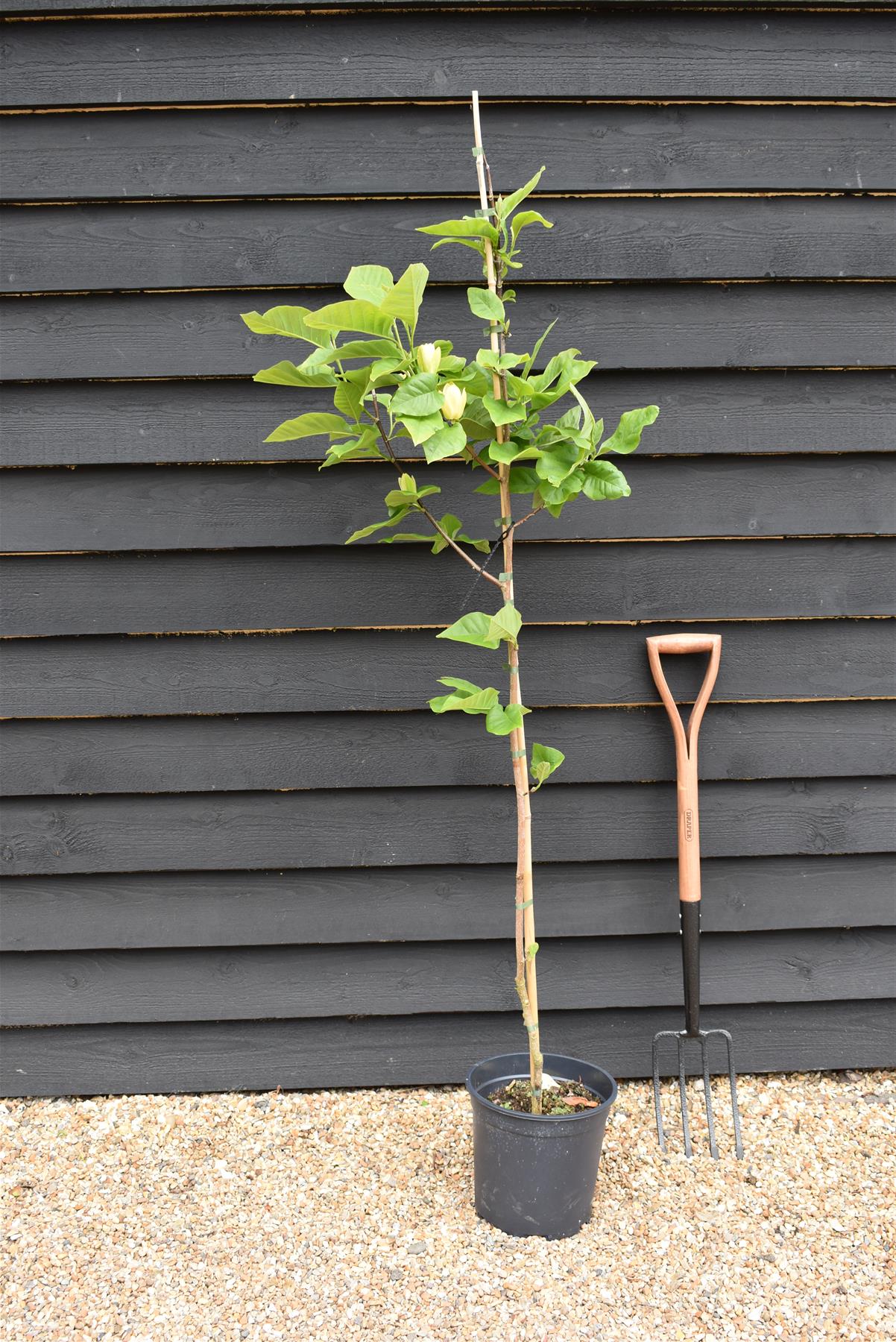


Magnolia Yellow Bird - Height 130-150cm - 10lt
£105.00
Unit price perMagnolia Yellow Bird - Height 130-150cm - 10lt
£105.00
Unit price per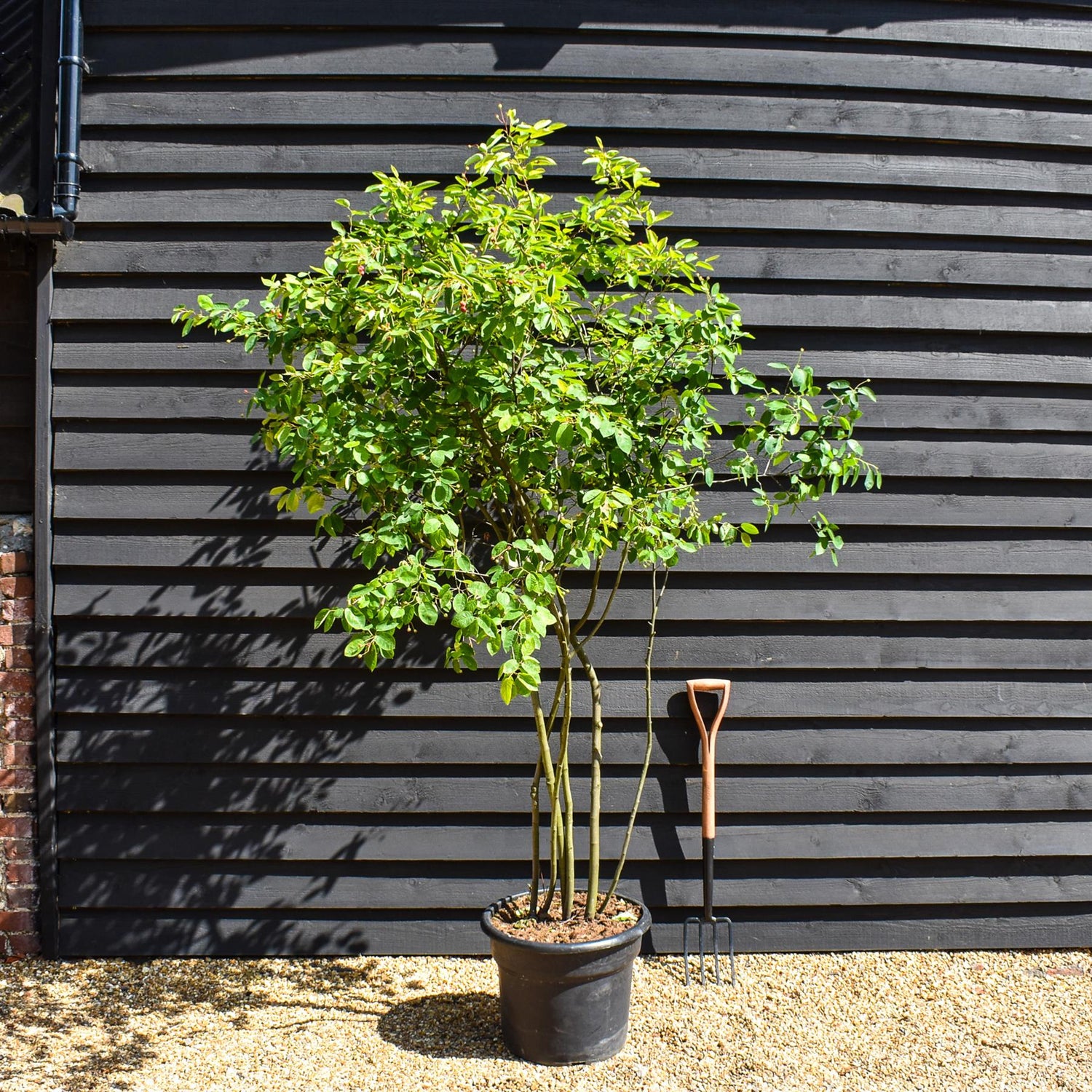


Juneberry | Amelanchier lamarckii - Multistem - Height 240-260cm - 45lt
£545.00
Unit price perJuneberry | Amelanchier lamarckii - Multistem - Height 240-260cm - 45lt
£545.00
Unit price per


Ginkgo biloba | Maidenhair Tree -Height 180-220cm - 12lt
£103.00
Unit price perGinkgo biloba | Maidenhair Tree -Height 180-220cm - 12lt
£103.00
Unit price perGinkgo biloba is known as a “living fossil”, one of the oldest tree species. It’s a large, long-lived, coniferous, deciduous tree with deeply grooved, grey-brown bark and thick, fan-shaped, bi-lobed, green leaves that turn yellow in autumn. Ginkgo has either male catkins or female single flowers on long stems. Female plants bear unpleasantly scented plum-like fruits, which are actually hard seeds with silvery yellow seed coats.
Ginkgo biloba grows in a wide variety of soils, except too wet and waterlogged, but prefers average, medium moisture, sandy, well-drained soils, in full sun. Once established, it is tolerant of heat, salt, and urban pollution. Generally, disease-free and pest-free. Ginkgo biloba is a perfect specimen plant for large gardens. Great as a shade tree, lawn tree, or planted in espaliers. Very good for streets and parks. Slower-growing varieties are suitable for growing in containers. While young, the crown can be trimmed and trained as desired.
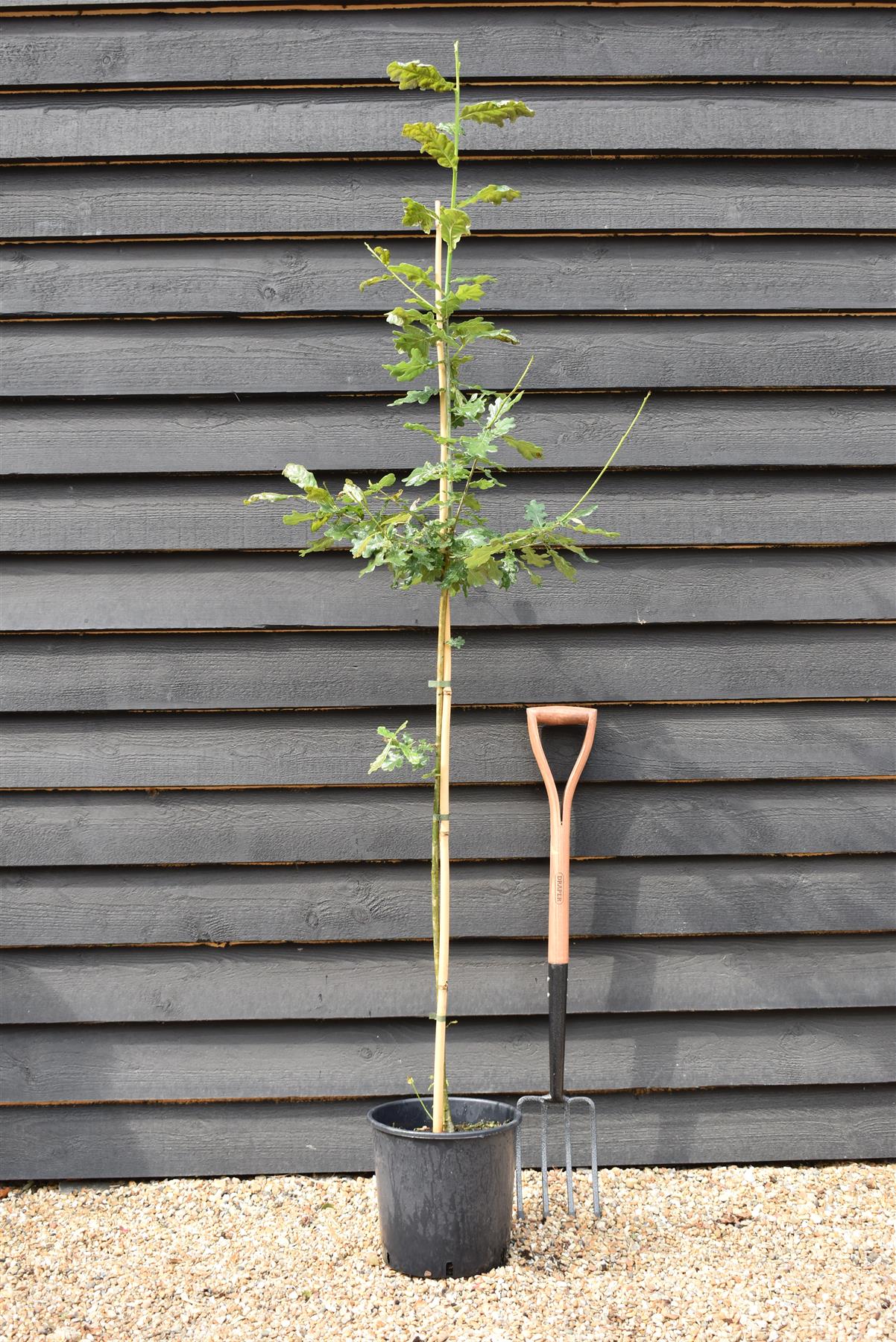


Quercus robur | English Oak - 2-3 year old - 120-160cm - 10lt
£48.00
Unit price perQuercus robur | English Oak - 2-3 year old - 120-160cm - 10lt
£48.00
Unit price per


Prunus Tai Haku | Great White Cherry - Height 160-200cm - 12lt
£83.00
Unit price perPrunus Tai Haku | Great White Cherry - Height 160-200cm - 12lt
£83.00
Unit price per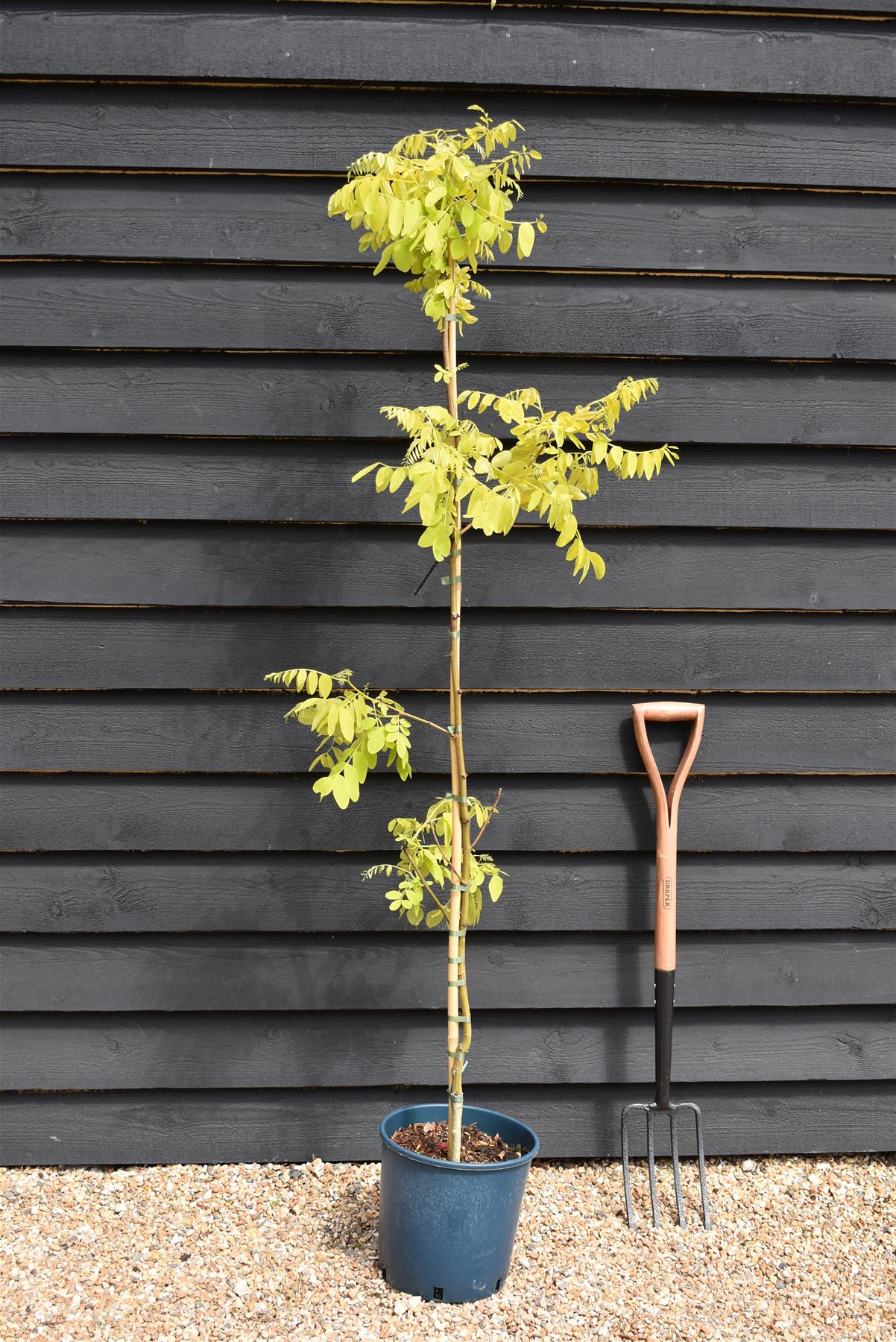

Robinia Pseudoacacia Frisia | Black Locust - Height 130-160cm - 12lt
£85.00
Unit price perRobinia Pseudoacacia Frisia | Black Locust - Height 130-160cm - 12lt
£85.00
Unit price perRobinia pseudoacacia 'Frisia' is a captivating and resilient deciduous tree, often recognized by its striking golden-yellow foliage. This robust cultivar stands out for its adaptability and rapid growth, often thriving in diverse environmental conditions, including urban areas with substantial pollution. Originating from the black locust tree, 'Frisia' inherits a hardy and enduring nature, demonstrating significant resistance to harsh weather conditions, rendering it a prevalent choice among garden enthusiasts and landscape architects.
The tree is a magnificent spectacle during the spring season when it is adorned with pendulous clusters of sweetly fragrant, white, pea-like flowers, attracting a myriad of pollinators, notably bees, enhancing biodiversity within its vicinity. The blooms are followed by smooth, elongated seed pods, contributing to the tree's visual appeal. The vibrant foliage, which creates a pronounced contrast with the surroundings, transitions to a lighter shade of yellow in the autumn, offering an extended period of visual interest.
Despite its aesthetic appeal and resilience, 'Frisia' necessitates vigilant management due to its propensity for suckering and its invasive nature. Proper pruning is vital to maintain its structural integrity and curtail unrestrained growth. This tree is suitable for individuals seeking a low-maintenance yet visually arresting focal point in their landscapes.
Showing 18/153
Related blog posts