
-
Trees
Trees
 Fruit Trees
 Ornamental
 Screening
 Palms
By FeaturesBy Shape
Palms
By FeaturesBy Shape -
Shrubs
Shrubs
 Large shrubs
 Hedging
 Bamboo
 Climbers
 Flowering
 Grasses & Ferns
 Popular
-
Pines & Conifers
Pines & Conifers
 Pines
Pines
 Spruce & Fir
 Cypress
 Thuja
Thuja
 Redwood | Sequoia
-
Specimen
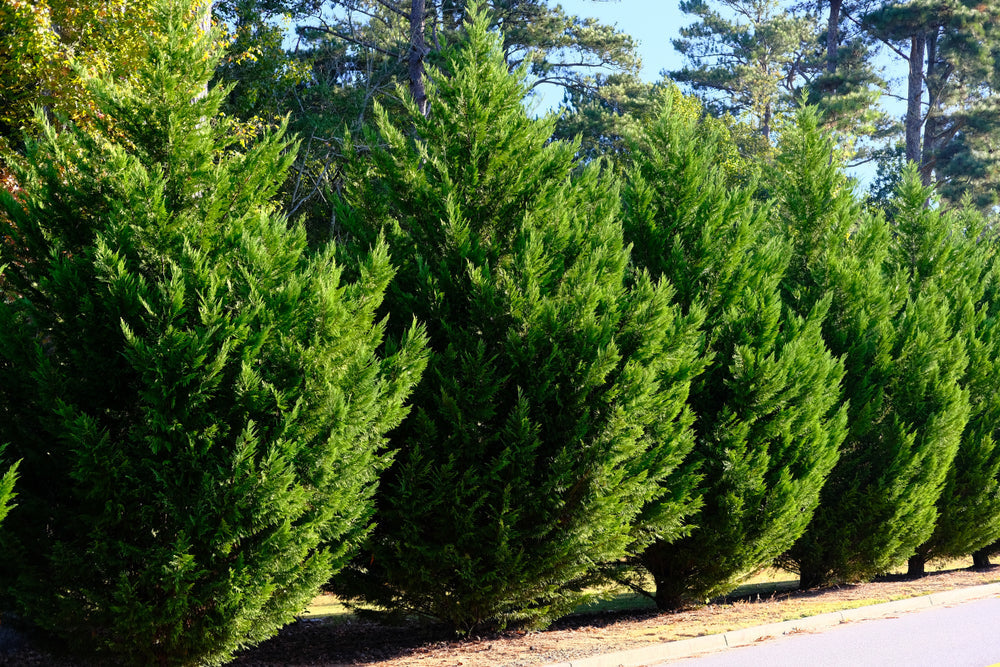
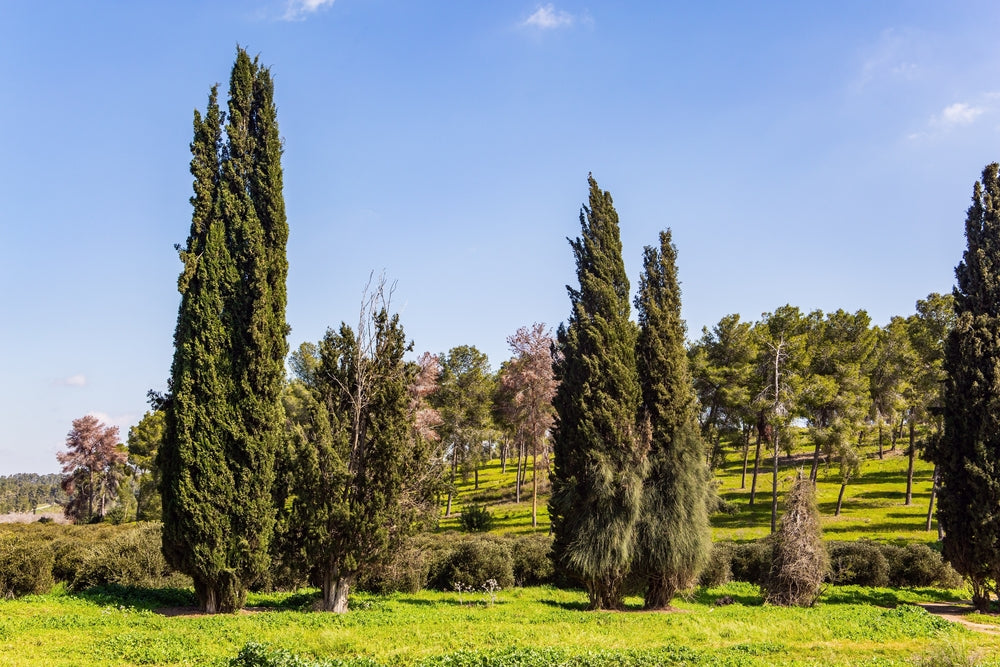
FREE DELIVERY OVER £350
Fruit Trees
108 products
108 products
Sort by:


Apple tree 'Granny Smith' | Malus Domestica - Patio Rootstock - Height 80-100cm - 7lt
£38.00
Unit price perApple tree 'Granny Smith' | Malus Domestica - Patio Rootstock - Height 80-100cm - 7lt
£38.00
Unit price perClapp’s Favourite is a classic English dessert apple, valued for its attractive appearance, refreshing flavour and early cropping season. This traditional variety remains a popular choice for gardeners looking to extend the apple harvest into the earlier part of the season.
The fruit is medium to large, with a distinctive greenish-yellow skin flushed and streaked with bright red as it ripens. When cut open, the flesh is juicy, crisp and tender, with a pleasantly sweet flavour balanced by a refreshing acidity. Clapp’s Favourite is particularly enjoyable when eaten straight from the tree, making it an excellent choice for the family fruit garden.
One of its greatest advantages is its early ripening period, with fruit generally ready to harvest from late August into early September, depending on the location and growing conditions. This makes it a useful variety for enjoying home-grown apples before many of the more familiar autumn cultivars are ready.
The tree produces attractive blossom in spring, with delicate white to pale pink flowers providing an important source of nectar for bees and other pollinating insects. It also makes an attractive feature tree, combining spring blossom with a crop of colourful fruit later in the year.
For the best results, plant Clapp’s Favourite in a sunny, sheltered position in fertile, well-drained soil. A sunny site will encourage good fruit development and help the apples achieve their best flavour. Regular watering during dry periods, particularly while the tree is becoming established, will also encourage healthy growth and reliable cropping.
Clapp’s Favourite is not generally regarded as a self-fertile variety, so it is best planted alongside a compatible apple variety that flowers at a similar time to ensure good pollination and fruit production.
An excellent choice for traditional and family gardens, Clapp’s Favourite combines spring blossom, attractive fruit and an early summer harvest, making it a rewarding addition to the home orchard.


Prunus domestica 'Claude d'Althan' - Plum Tree - Patio Rootstock - Height 80-100cm - 7lt
£38.00
Unit price perPrunus domestica 'Claude d'Althan' - Plum Tree - Patio Rootstock - Height 80-100cm - 7lt
£38.00
Unit price perThe Claude D’Althan plum is a highly regarded French dessert plum, valued for its attractive fruit, reliable cropping and excellent eating quality. A superb choice for the home orchard, kitchen garden or mixed fruit garden, this traditional variety combines ornamental appeal with a delicious harvest of juicy, sweet plums.
The tree produces medium to large, rounded plums with attractive reddish-purple skin and firm, golden-yellow flesh. When ripe, the fruit is juicy and richly flavoured, with a pleasant balance of sweetness and acidity. Plums are ideal for eating fresh from the tree, but can also be used in pies, crumbles, jams, preserves and other homemade desserts.
Claude D’Althan is generally considered a self-fertile variety, making it particularly useful where space is limited and there is room for only one plum tree. However, fruiting can often be improved when another compatible plum variety is flowering nearby, encouraging better pollination and potentially heavier crops.
Flowering takes place in spring, with attractive white blossom appearing before the foliage develops fully. This makes the tree an appealing feature in the garden as well as a productive fruit tree. The fruit typically ripens from late summer into early autumn, depending on growing conditions and the season.
For the best results, plant Claude D’Althan in a sunny, sheltered position in fertile, well-drained soil. A sunny site helps the fruit ripen properly and encourages the best flavour. Avoid areas where the soil remains waterlogged during winter.
With its attractive spring blossom, useful garden size and delicious late-summer fruit, Claude D’Althan is an excellent traditional plum for UK gardens. It is particularly well suited to gardeners looking for a dependable, versatile fruit tree that provides both ornamental interest and a rewarding home-grown crop.


Apple tree 'Cox Orange Pippin' | Malus domestica - Patio Rootstock - Height 80-100cm - 7lt
£38.00
Unit price perApple tree 'Cox Orange Pippin' | Malus domestica - Patio Rootstock - Height 80-100cm - 7lt
£38.00
Unit price perCox’s Orange Pippin apple is the classic English apple. It was discovered in England in 19th century as a chance seedling. It is famous for its rich and complex flavour and considered to be one of the finest dessert apples. The fruit is small to medium-sized. It has yellow skin with orange-red blush and crisp, firm, very juicy and aromatic flesh. The flavour has hints of mango and orange. Cox’s Orange Pippin apple plant is an upright tree with spreading growth habit. Its vigorous and bushy growth can become difficult to control. The plant is sensitive and demanding with regard to soil and climate. It needs exceptional soil and adequate weather conditions to grow well. It prefers rich neutral soil, moist but well drained, and sheltered position in full sun. It is susceptible to diseases and doesn’t tolerate frost. The best flavour is achieved in cool maritime climate.
Root stock MM106 is a semi-dwarfing rootstock commonly used for apple trees. It offers a moderate growth rate, producing trees 10-15 feet tall when mature. Suitable for medium-sized gardens, MM106 ensures good fruit yield and adaptability to various soils. It's resistant to woolly apple aphid and moderately resistant to crown rot. Ideal for bush, cordons, and espalier forms. Ensure proper staking in early years.


Malus Communis - 'Fuji' - Apple Tree - Espalier - Height 140-150cm - 30lt
£270.00
Unit price perMalus Communis - 'Fuji' - Apple Tree - Espalier - Height 140-150cm - 30lt
£270.00
Unit price perMalus communis 'Fuji' trained as an espalier is an elegant and highly productive apple tree, ideal for gardens where space is limited but fruit and ornamental value are desired. Carefully trained onto a frame it creates a striking architectural feature against walls, fences, or support wires while allowing excellent sunlight exposure and airflow. In spring, the branches are covered with attractive white to pale pink blossom, bringing seasonal beauty and attracting pollinators to the garden.
By autumn, the tree produces large, crisp apples with a sweet, juicy flavour and excellent texture. ‘Fuji’ is widely prized for its refreshing taste, making the fruit ideal for eating fresh, juicing, or storing for later use. The espalier form keeps the plant compact and manageable, making pruning, harvesting, and general maintenance far easier than with a full-sized tree.
Best grown in a sunny, sheltered position with fertile, well-drained soil, this variety performs reliably in many UK gardens. Its trained habit makes it especially useful for patios, kitchen gardens, courtyards, and narrow borders. Malus communis ‘Fuji’ espalier combines decorative blossom, practical structure, and delicious homegrown fruit in one beautiful and space-efficient tree.


Quince 'Vranja' | Cydonia oblonga 'Vranja' - Height 180-200cm -12lt
£105.00
Unit price perQuince 'Vranja' | Cydonia oblonga 'Vranja' - Height 180-200cm -12lt
£105.00
Unit price per


Prunus domestica 'Stanley' | Plum 'Stanley' - Frame - Height 130-140cm - 30lt
£270.00
Unit price perPrunus domestica 'Stanley' | Plum 'Stanley' - Frame - Height 130-140cm - 30lt
£270.00
Unit price per


Apple tree 'Fuji' | Malus Domestica - Clear Stem 100cm - Height 200-250cm - Girth 12-14cm - 30lt
£230.00
Unit price perApple tree 'Fuji' | Malus Domestica - Clear Stem 100cm - Height 200-250cm - Girth 12-14cm - 30lt
£230.00
Unit price per


Malus Communis - Espalier - Apple Tree - 4 Branches - Height 280-290cm - Width 225-235cm - 230lt
£1,695.00
Unit price perMalus Communis - Espalier - Apple Tree - 4 Branches - Height 280-290cm - Width 225-235cm - 230lt
£1,695.00
Unit price perMalus communis trained as a mature four-branch espalier is an excellent choice for gardens where beauty, productivity, and space efficiency are equally important. Carefully shaped with four horizontal tiers of branches, it creates a formal architectural feature that looks striking against walls, fences, or boundary lines while producing delicious apples. This trained form is especially valuable in smaller gardens, courtyards, kitchen gardens, and narrow spaces where a traditional orchard tree would be too large.
In spring, the tree is covered with attractive blossom that brings seasonal colour and helps support pollinators. Through summer, the neatly arranged branches carry developing fruit, followed by a rewarding harvest in autumn. Even in winter, the structured framework provides strong visual interest and classic garden character.
Espalier-trained apples perform best in a sunny, open position with fertile, well-drained soil. A south or west-facing wall can improve ripening and protect blossom from late frosts. Regular pruning is needed to maintain the elegant tiered shape and encourage productive fruiting spurs, making it ideal for gardeners who enjoy hands-on care and training.


Cydonia oblonga | Common Quince Half Standard - Clear Stem 100cm - Girth 10-12cm - Height 320-350cm - 90lt
£325.00
Unit price perCydonia oblonga | Common Quince Half Standard - Clear Stem 100cm - Girth 10-12cm - Height 320-350cm - 90lt
£325.00
Unit price perCydonia oblonga (Quince) 1/2 std is a large, deciduous shrub or small tree with broadly oval, mid-green leaves with grey undersides. Large, solitary, five-petal, pale pink to white flowers bloom in late spring, and edible, aromatic, round or pear shaped, bright yellow fruits ripen in autumn. Fruits can be eaten fresh, but when cooked the taste is better and sweeter. Perfect for jams, jellies, or pies.
Cydonia oblonga (Quince) 1/2 std can grow in almost any kind of soil, as long as it is moist, and well-drained, but it prefers fertile, deep, slightly acidic, well-drained soil in full sun. Once established, it tolerates dry soils. Cydonia oblonga (Quince) 1/2 std trees are great as specimen plants or informal hedges and screens. They are mostly grown for their fruit. Commercial production has decreased significantly in US and Europe, but it is still a popular fruit in Turkey and some parts of Asia.


Pear tree 'Beurre Hardy' | Pyrus communis - Frame - Height 140-150cm - 15lt
£215.00
Unit price perPear tree 'Beurre Hardy' | Pyrus communis - Frame - Height 140-150cm - 15lt
£215.00
Unit price perPyrus communis 'Beurre Hardy' ( Butirra Hardy) is a vigorous, narrowly upright, pyramidal, deciduous tree with ovate, glossy, dark green leaves and lovely, white flowers in early spring. It bears good, regular crops of tasty, red-flushed, yellow-brown pears in autumn. The fruit has excellent flavour and very melting flesh.
Pyrus communis 'Beurre Hardy' can grow in a wide range of soils, loamy, sandy and calcerous, but thrives in fertile, neutral, moist, well-drained soils. It prefers sunny, sheltered positions and the fruit is best when grown in full sun. Resistant to frost but since it is an early bloomer, flower buds may be damaged by late frosts. It can withstand wind. It should be grown with a pollination partner for a reliable crop. Low maintenance plant.
Pear 'Beurré Hardy' is a popular French dessert pear. It is great for informal and cottage gardens. Suitable for wall-side borders and growing in containers. Since it is wind resistant, it can be grown in coastal areas.


Peach peach | Prunus persica 'Suncrest' - Frame - Height 135cm - 15lt
£215.00
Unit price perPeach peach | Prunus persica 'Suncrest' - Frame - Height 135cm - 15lt
£215.00
Unit price perPrunus persica 'Suncrest' trained on a frame is a superb space-saving fruit tree, perfect for sunny walls, fences, or sheltered gardens. Its branches are carefully shaped and tied to a support, creating a tidy, fan-like form that maximises sunlight, improves airflow, and encourages excellent fruit production. In spring, the tree is covered with beautiful pink blossom, providing striking ornamental value before the fresh green foliage fully emerges.
This popular variety is prized for its large peaches, richly coloured with golden yellow skin flushed red. Inside, the flesh is juicy, sweet, and full of flavour, making the fruits ideal for eating fresh, desserts, or preserving. Crops ripen in late summer, and the trained structure keeps fruit easy to reach for harvesting and routine care.
Growing 'Suncrest' on a frame also helps in cooler climates by allowing the tree to benefit from reflected warmth from walls or fences, improving ripening and reliability. With regular watering during dry weather and annual pruning to maintain shape, it becomes both decorative and productive. Combining attractive blossom, manageable form, and delicious fruit, Prunus persica 'Suncrest' is an excellent choice for kitchen gardens, patios, and smaller outdoor spaces.


Peach peach | Prunus persica 'Redhaven' - Frame - Height 135cm - 15lt
£215.00
Unit price perPeach peach | Prunus persica 'Redhaven' - Frame - Height 135cm - 15lt
£215.00
Unit price perPrunus persica 'Redhaven' trained on a frame is a productive and attractive peach tree, ideal for sunny walls, fences, or compact gardens where space is limited. Its branches are carefully tied and shaped across a support, forming a neat fan-like structure that improves sunlight exposure, encourages airflow, and helps fruits ripen fully. In spring, the tree is covered with masses of delicate pink blossom, adding seasonal beauty before the fresh green foliage emerges.
This well-regarded variety is valued for its reliable crops of medium-sized peaches with golden skin richly flushed red. The flesh is sweet, juicy, and full of flavour, making the fruit excellent for eating fresh, baking, or preserving. Harvests usually arrive in late summer, and the trained shape keeps fruit easy to pick and maintain.
Growing 'Redhaven' on a frame is especially useful in cooler climates, as the tree benefits from extra warmth against a sheltered surface, improving cropping consistency and fruit quality. With regular watering during dry periods and annual pruning to maintain shape, it remains healthy and manageable for many years. Combining ornamental blossom, tidy form, and delicious harvests, Prunus persica 'Redhaven' is a superb choice for kitchen gardens, patios, and smaller outdoor spaces.


Pear tree 'Bonne Louise' | Pyrus communis - Frame - Height 140-150cm - 15lt
£215.00
Unit price perPear tree 'Bonne Louise' | Pyrus communis - Frame - Height 140-150cm - 15lt
£215.00
Unit price perPyrus communis 'Bonne Louise' trained on a frame is an elegant and productive pear tree, ideal for walls, fences, or compact gardens where space is limited. Its branches are carefully guided across a sturdy support, creating a neat espalier or fan-trained form that improves sunlight exposure, airflow, and fruit development. In spring, the tree is covered with clusters of attractive white blossom, bringing ornamental beauty and valuable pollinator interest to the garden.
This traditional variety is prized for its medium-sized pears, which ripen to greenish-yellow with a warm red flush. The flesh is fine-textured, juicy, and richly sweet with a delicate aromatic flavour, making it excellent for eating fresh or using in desserts. Fruits are typically ready in early autumn, and the trained shape keeps them easy to harvest and maintain.
Growing 'Bonne Louise' on a frame also makes pruning simpler and helps produce regular crops in smaller spaces. It is especially useful where warmth from a sunny wall can improve ripening and fruit quality. With annual pruning and routine watering during dry spells, this tree remains healthy and attractive for years. Combining blossom, structure, and delicious fruit, it is a superb choice for kitchen gardens, patios, and traditional orchard settings.


Peach peach | Prunus persica 'Piatto Bianco' - Frame - Height 135cm - 15lt
£215.00
Unit price perPeach peach | Prunus persica 'Piatto Bianco' - Frame - Height 135cm - 15lt
£215.00
Unit price perPrunus persica 'Piatto Bianco' trained on a frame is an elegant and productive flat peach tree, ideal for sunny walls, fences, or compact gardens where space is limited. Its branches are carefully guided across a sturdy support, creating a neat fan-like shape that improves light exposure, airflow, and fruit ripening. In spring, the tree is covered with attractive pink blossom, bringing ornamental charm before the foliage appears.
This variety is valued for its unusual flattened white peaches, which develop soft, velvety skins and exceptionally sweet, aromatic flesh. Fruits ripen during summer and are delicious eaten fresh straight from the tree. Training on a frame helps keep fruit within easy reach, making harvesting and pruning straightforward. It also encourages heavier crops and better-quality peaches in the UK climate by maximising warmth against a sheltered surface.
With regular watering during dry spells and annual pruning, Prunus persica 'Piatto Bianco' becomes a rewarding addition to any garden. Its decorative form, seasonal blossom, and tasty harvest make it perfect for kitchen gardens, patios, courtyards, or traditional fruit-growing spaces where beauty and practicality are equally valued.


Malus Communis - 'Regina delle Renette' - Apple Tree - Espalier - Height 140-150cm - 15lt
£215.00
Unit price perMalus Communis - 'Regina delle Renette' - Apple Tree - Espalier - Height 140-150cm - 15lt
£215.00
Unit price perMalus communis 'Regina delle Renette' grown on a frame is a refined and productive apple tree, valued for its classic flavour, decorative appeal, and space-saving form. Carefully trained against a support frame, it develops a neat structured shape that makes an attractive feature for walls, fences, kitchen gardens, or patios. In spring, the branches are covered with masses of delicate white to soft pink blossom, bringing welcome seasonal colour and attracting bees and other pollinators.
By autumn, the tree bears handsome fruits with a rich aromatic flavour, balancing sweetness with a gentle sharpness. Highly regarded for fresh eating, cooking, and traditional recipes, the apples are versatile and rewarding to harvest. The trained frame shape allows sunlight to reach the fruit evenly, helping ripening and improving colour, while also keeping the plant compact and easy to manage.
This variety thrives best in a sunny, sheltered position with fertile, well-drained soil. Regular pruning helps maintain its elegant framework and encourages strong cropping year after year. Ideal for smaller gardens or where decorative productivity is required, Malus communis 'Regina delle Renette' offers spring blossom, handsome fruit, and practical structure, making it a beautiful and useful addition to any garden space.


Malus Communis - 'Fuji' - Apple Tree - Espalier - Height 140-150cm - 15lt
£215.00
Unit price perMalus Communis - 'Fuji' - Apple Tree - Espalier - Height 140-150cm - 15lt
£215.00
Unit price perMalus communis 'Fuji' trained as an espalier is an elegant and highly productive apple tree, ideal for gardens where space is limited but fruit and ornamental value are desired. Carefully trained onto a frame it creates a striking architectural feature against walls, fences, or support wires while allowing excellent sunlight exposure and airflow. In spring, the branches are covered with attractive white to pale pink blossom, bringing seasonal beauty and attracting pollinators to the garden.
By autumn, the tree produces large, crisp apples with a sweet, juicy flavour and excellent texture. ‘Fuji’ is widely prized for its refreshing taste, making the fruit ideal for eating fresh, juicing, or storing for later use. The espalier form keeps the plant compact and manageable, making pruning, harvesting, and general maintenance far easier than with a full-sized tree.
Best grown in a sunny, sheltered position with fertile, well-drained soil, this variety performs reliably in many UK gardens. Its trained habit makes it especially useful for patios, kitchen gardens, courtyards, and narrow borders. Malus communis ‘Fuji’ espalier combines decorative blossom, practical structure, and delicious homegrown fruit in one beautiful and space-efficient tree.


Punica granatum - Pomegranate - Shrub - 90-130cm - 10lt
£75.00
Unit price perPunica granatum - Pomegranate - Shrub - 90-130cm - 10lt
£75.00
Unit price perPunica granatum, commonly known as pomegranate, is a small deciduous tree or shrub that belongs to the family Lythraceae. Native to the Mediterranean region and parts of Asia, the pomegranate is widely cultivated for its fruit, ornamental value, and medicinal properties. The tree grows up to 5-8 meters tall and has glossy, dark green leaves that turn yellow in autumn. It produces beautiful red-orange flowers that bloom in summer and are followed by the fruit in autumn.
The fruit of the pomegranate is a round or slightly hexagonal berry, about the size of an apple or grapefruit. The leathery skin of the fruit is thick and inedible, but it contains hundreds of edible arils or seeds, each surrounded by a juicy, ruby-red pulp. The seeds are packed with nutrients and antioxidants and are said to have numerous health benefits, including anti-inflammatory and anti-cancer properties. Pomegranate is commonly used in cooking, juices, smoothies, and salads, and it adds a sweet-tart flavor and vibrant color to any dish. Overall, Punica granatum is a versatile and attractive tree that would make a great addition to any garden or landscape, both for its ornamental value and its delicious fruit.


Apple tree 'Greenfinch' (Starline) | Malus domestica - Height 190-210cm - 12lt
£86.00
Unit price perApple tree 'Greenfinch' (Starline) | Malus domestica - Height 190-210cm - 12lt
£86.00
Unit price perThe Starline Green Finch apple tree is a modern, compact variety well suited to gardens across the UK, particularly where space is limited. Bred for reliability and ease of care, it is an excellent choice for both beginner and experienced gardeners seeking a productive and attractive fruit tree.
This variety produces medium-sized apples with a fresh green skin, sometimes developing a slight golden hue as they ripen. The flesh is crisp, juicy, and pleasantly firm, offering a well-balanced flavour that combines gentle sweetness with a refreshing sharpness. This makes the fruit ideal for eating fresh, while also being suitable for cooking, juicing, or adding to salads.
The tree itself has a neat, manageable growth habit, often remaining relatively compact without requiring excessive pruning. It is therefore particularly appropriate for smaller gardens, patios, or even container growing when grafted onto a suitable rootstock. In spring, it produces a profusion of delicate white blossoms, which not only enhance its ornamental appeal but also attract pollinators such as bees.
One of the key advantages of the Starline Green Finch is its good disease resistance, helping to reduce the need for chemical treatments and making it a more environmentally friendly option. It is also known for producing consistent and reliable crops year after year, even in typical British weather conditions.
Overall, the Starline Green Finch apple tree offers a combination of practicality, flavour, and visual appeal, making it a rewarding addition to a wide range of UK gardens.
Showing 18/108
Related blog posts