

-
Trees
Trees
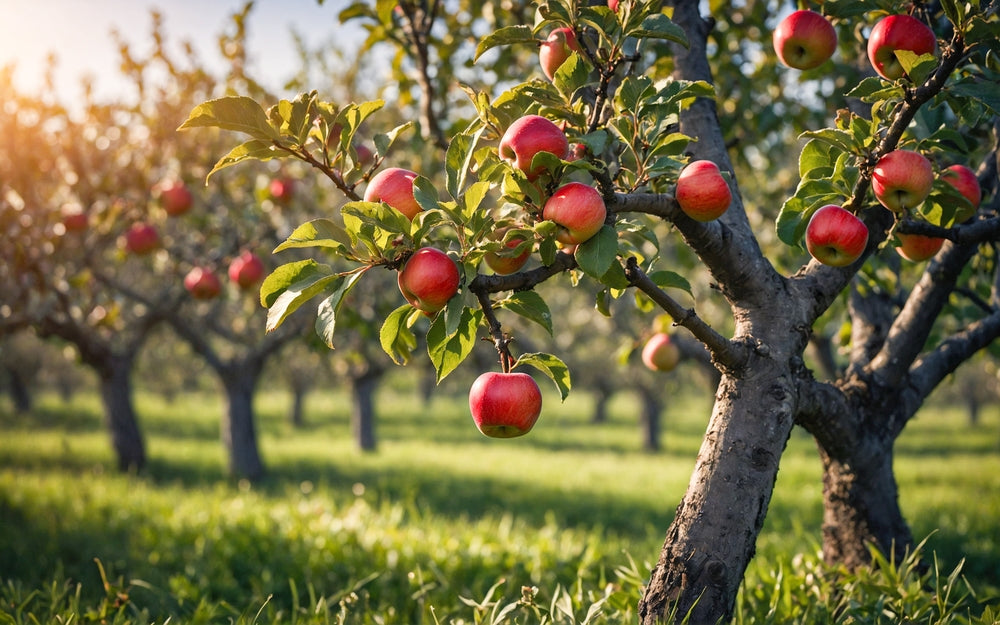 Fruit Trees
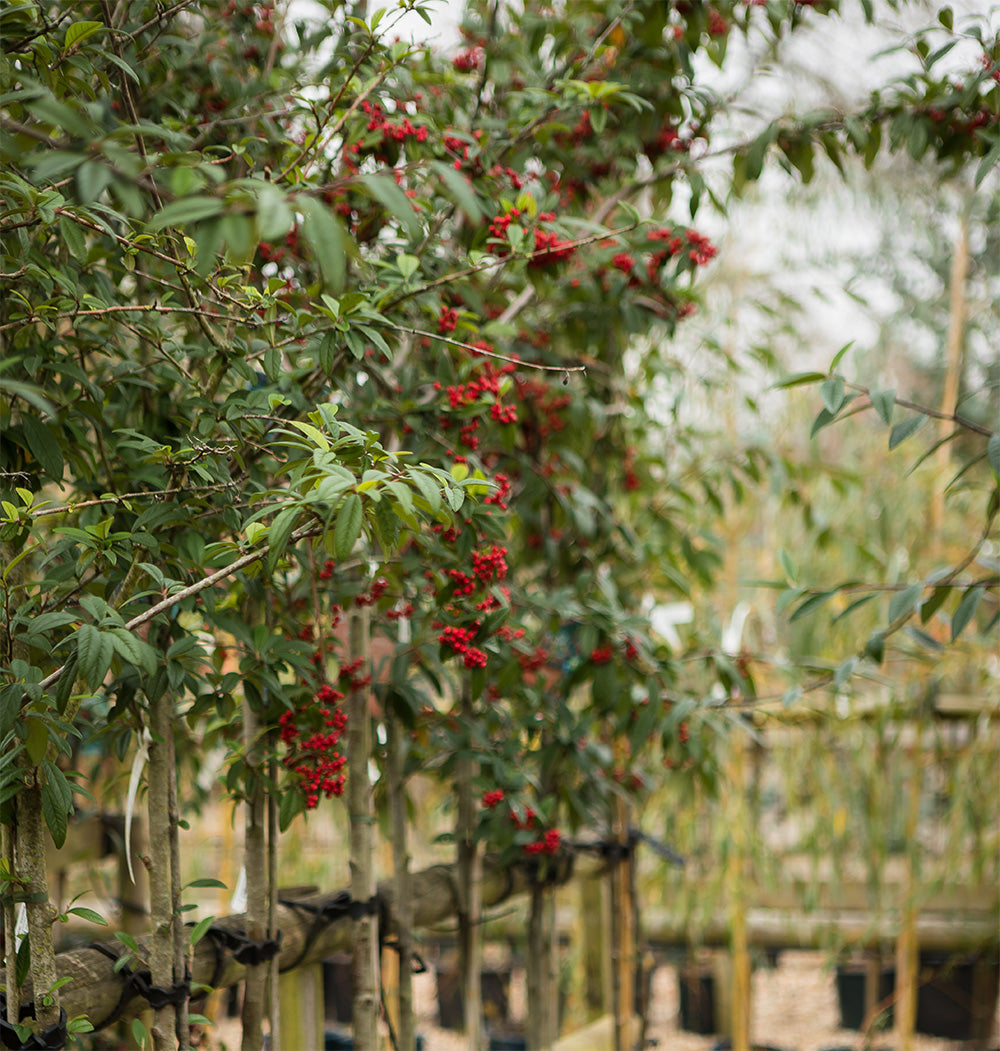 Ornamental
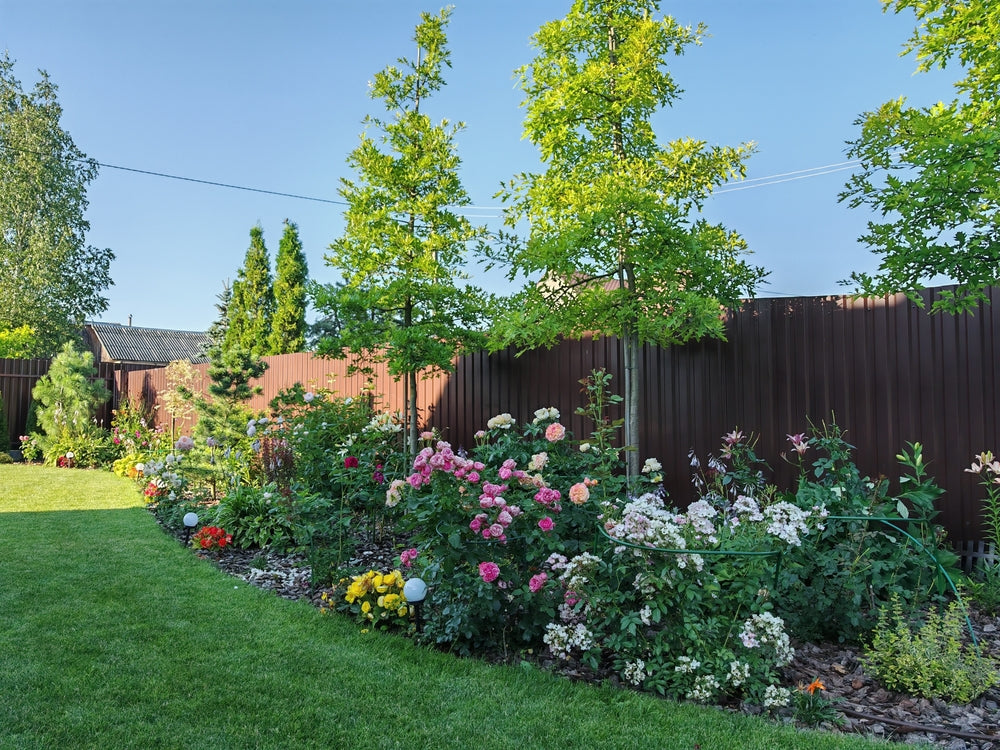 Screening
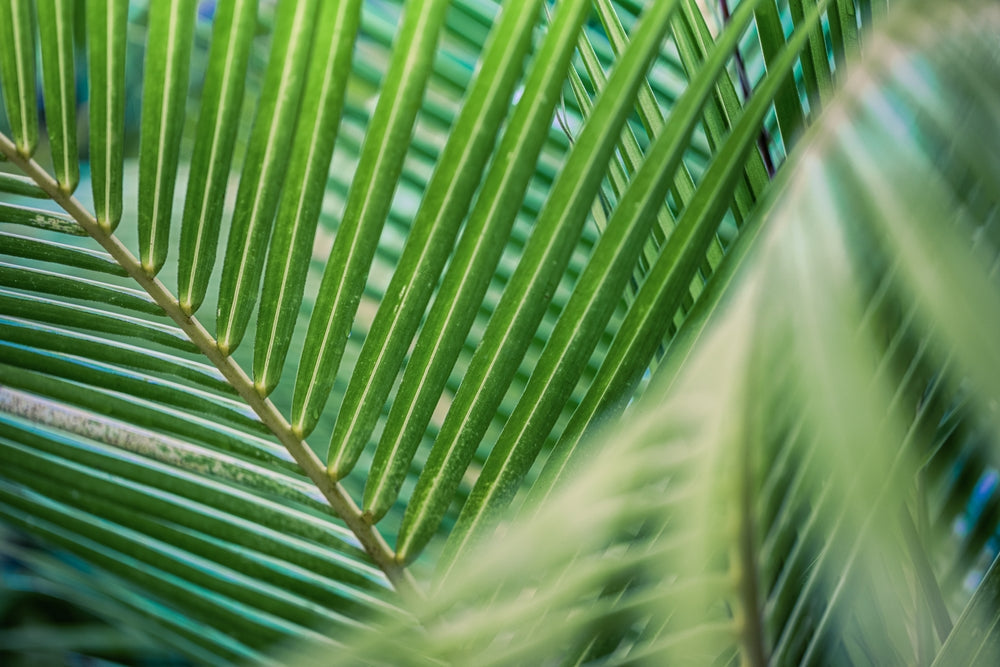 Palms
By FeaturesBy Shape
Palms
By FeaturesBy Shape -
Shrubs
Shrubs
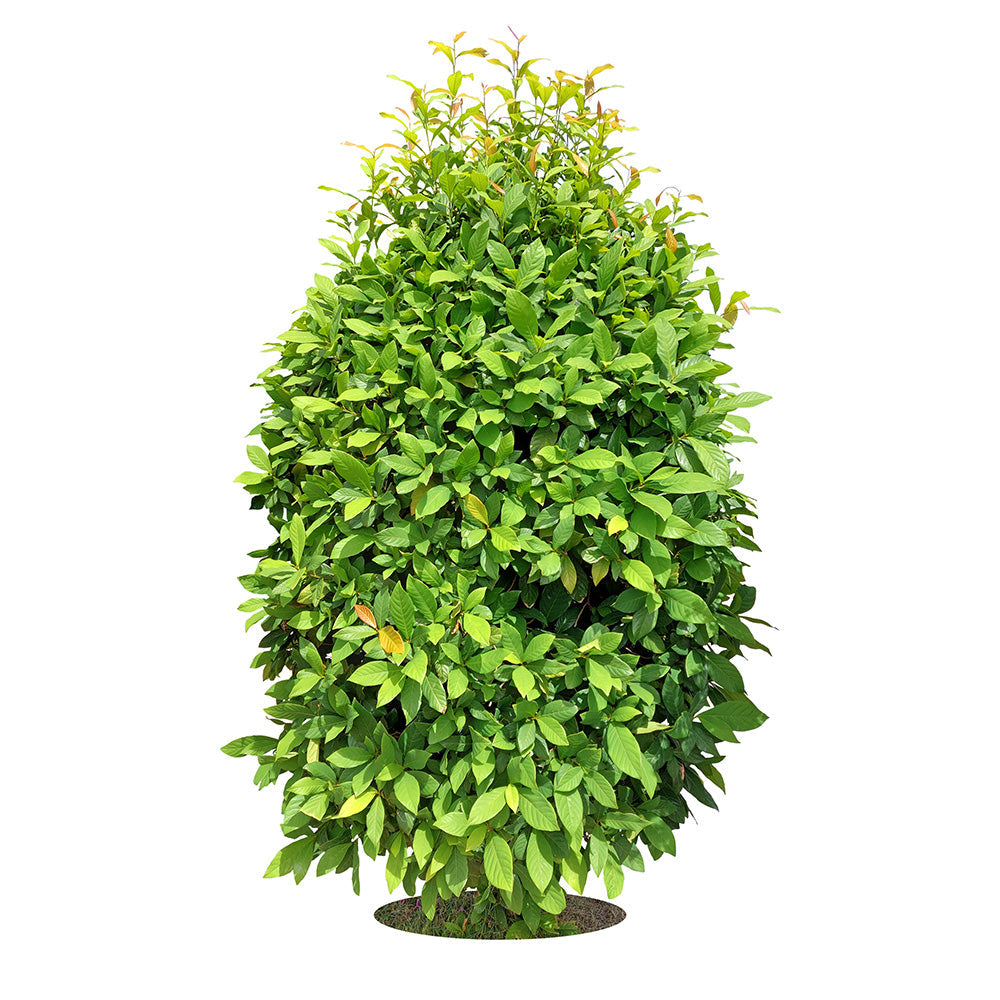 Large shrubs
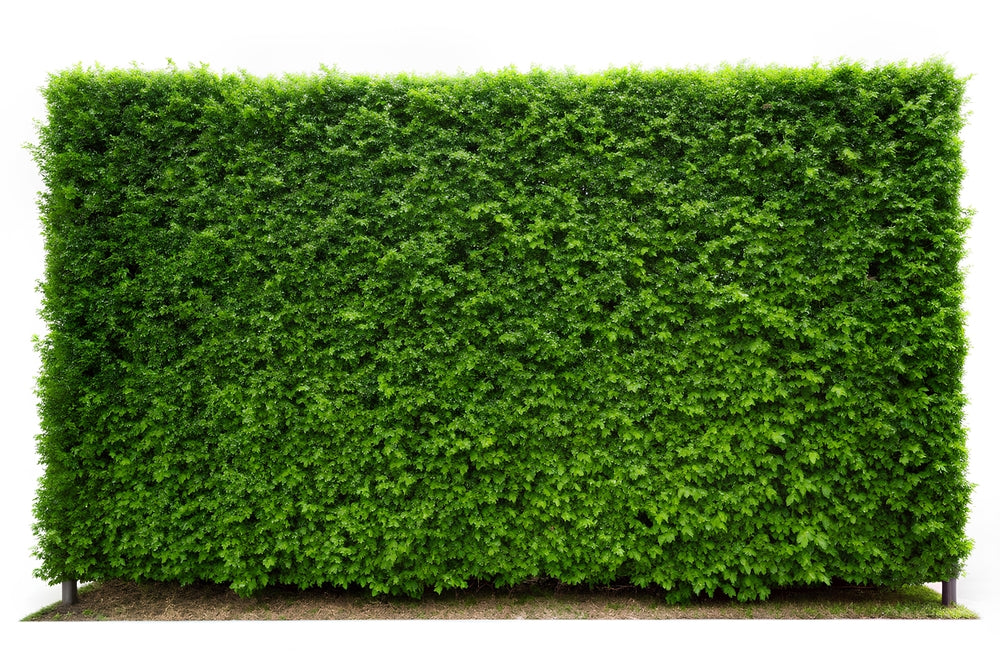 Hedging
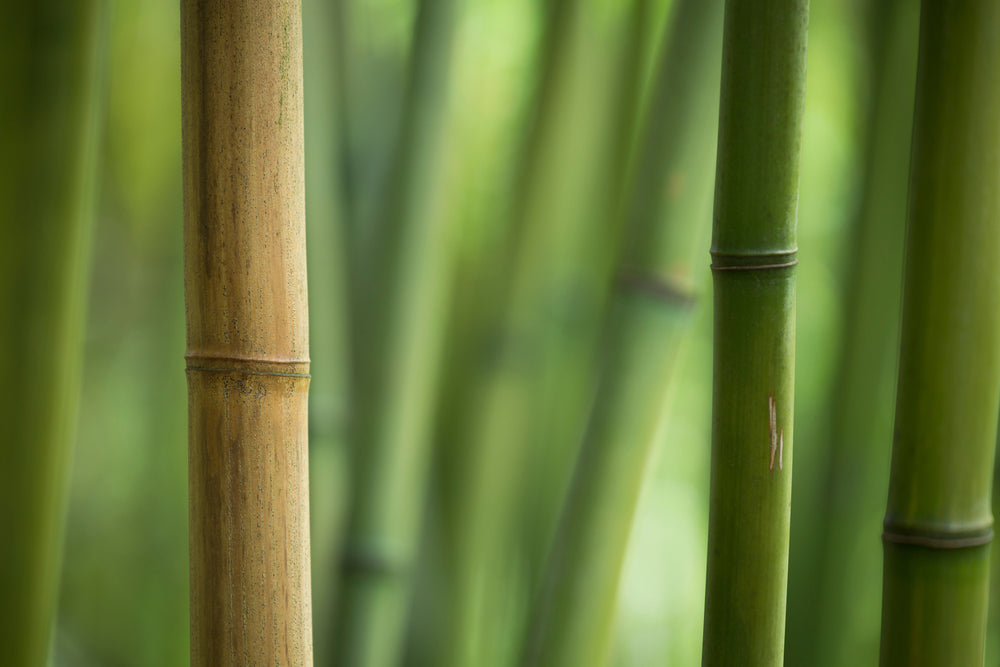 Bamboo
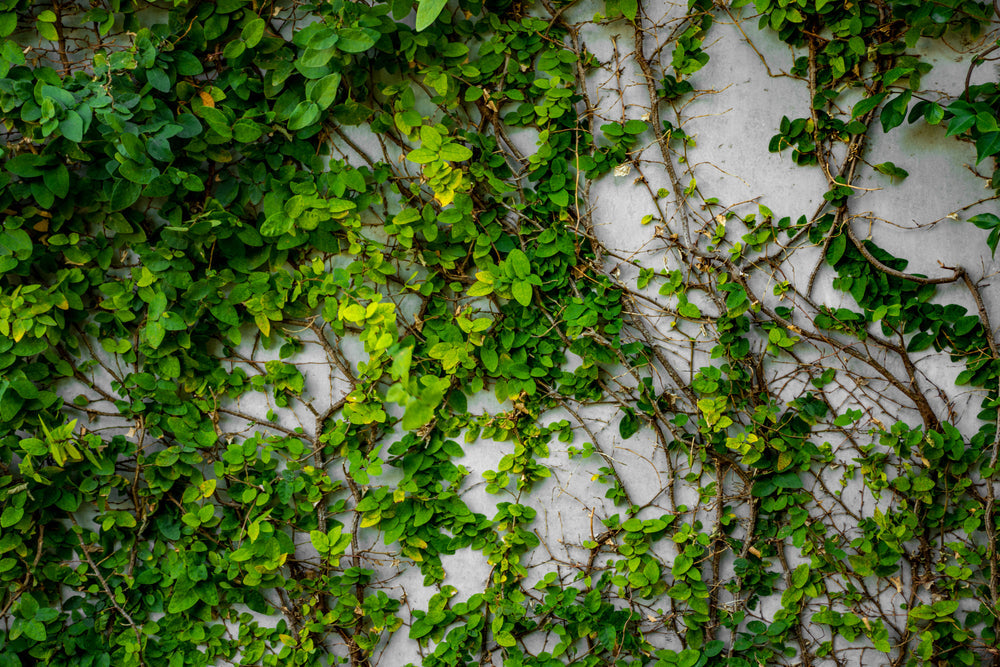 Climbers
 Flowering
 Grasses & Ferns
 Popular
-
Pines & Conifers
Pines & Conifers
 Pines
Pines
 Spruce & Fir
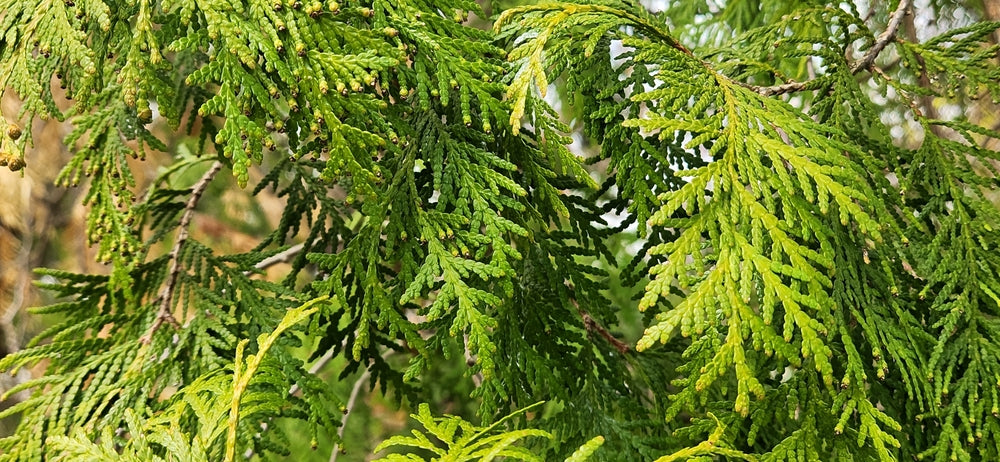 Cypress
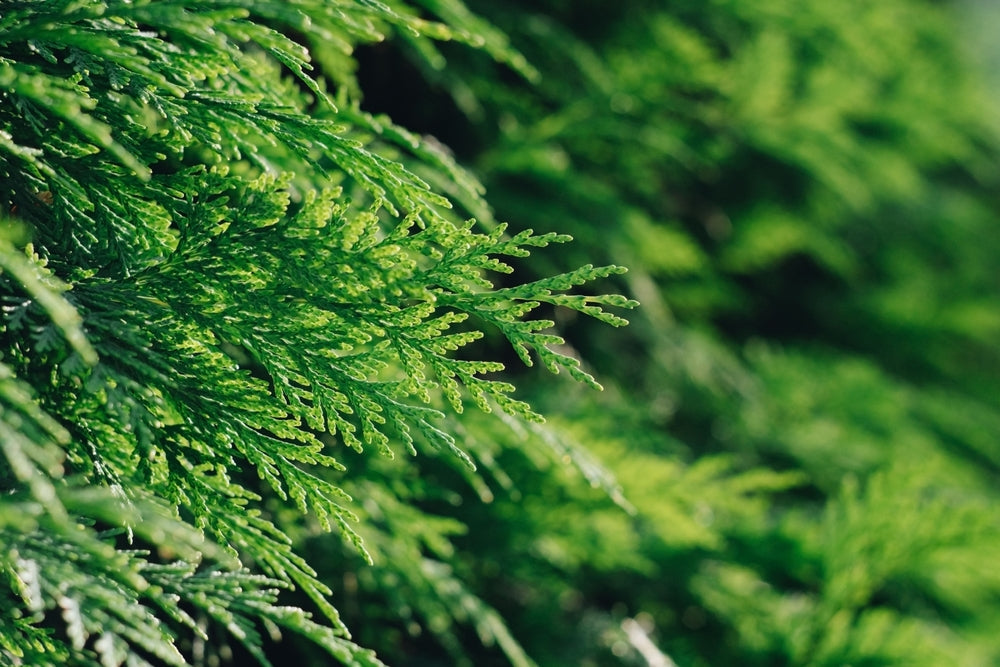 Thuja
Thuja
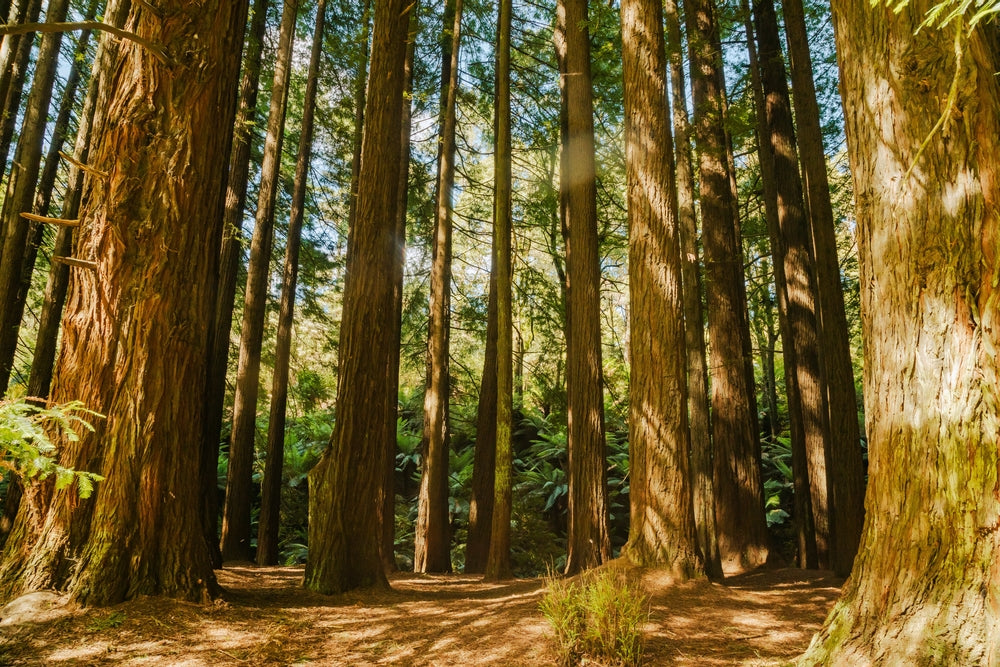 Redwood | Sequoia
-
Specimen
FREE DELIVERY OVER £350
220 products
220 products
Sort by:


Persian Ironwood | Parrotia persica 'Persian Spire' - Height 280-300cm - 55lt
£578.00
Unit price perPersian Ironwood | Parrotia persica 'Persian Spire' - Height 280-300cm - 55lt
£578.00
Unit price perParrotia persica 'Persian Spire' is a striking, compact tree known for its elegant, columnar form and vibrant seasonal colors. Ideal for small gardens, this deciduous beauty grows up to 6 meters (20 feet) tall but stays slender, reaching only about 1.5 meters (5 feet) in width. Its glossy, green leaves emerge with a hint of purple in spring, transitioning to lush green in summer, and then burst into fiery shades of orange, red, and yellow in autumn. In late winter, small clusters of red, petal-less flowers add subtle charm before the foliage appears.
'Persian Spire' is hardy and low-maintenance, thriving in well-drained soils and full sun to partial shade. This Parrotia cultivar is drought-tolerant once established, and its upright form makes it perfect for narrow spaces, urban landscapes, and focal points in mixed borders, adding year-round interest and vibrant color.


Cherry | Prunus Royal Burgundy - Clear Stem 120cm - Girth 6-8cm - Height 170-180cm - 10lt
£135.00
Unit price perCherry | Prunus Royal Burgundy - Clear Stem 120cm - Girth 6-8cm - Height 170-180cm - 10lt
£135.00
Unit price per


Salix integra 'Hakuro-nishiki' - Height 15-25cm - Bushy - 3lt
£18.00
Unit price perSalix integra 'Hakuro-nishiki' - Height 15-25cm - Bushy - 3lt
£18.00
Unit price perSalix integra 'Hakuro-nishiki', commonly known as Dappled Willow or Flamingo Willow, is a distinctive deciduous shrub prized for its striking variegated foliage. The leaves emerge pink in spring, maturing to a mosaic of cream, pink, and green, providing a spectacular display, particularly effective in contrasting planting schemes. It typically grows 4-6 feet tall and wide but can be pruned to maintain a smaller size, making it a versatile option for many garden spaces.
Originating from Japan, 'Hakuro-nishiki' thrives in moist, well-drained soils and prefers a full sun to partial shade environment. While it is highly adaptable to different soil types, it performs best in acidic to neutral soils. Regular watering is essential, particularly in dry conditions, to maintain its lush appearance.
This Salix variety exhibits fast growth and requires regular pruning to encourage bushiness and to manage its size, making it an excellent choice for hedges or screens. The branches are flexible and are often used in basket weaving. Additionally, catkins appear before the leaves in early spring, adding to its ornamental value. It’s especially attractive to those desiring a unique, colorful, and easily manageable addition to their landscapes.


Prunus Kanzan | Cherry Kanzan - Clear Stem 120cm - Girth 6-8cm - Height 160-200cm - 10lt
£135.00
Unit price perPrunus Kanzan | Cherry Kanzan - Clear Stem 120cm - Girth 6-8cm - Height 160-200cm - 10lt
£135.00
Unit price per


Prunus 'Kiku-shidare-zakura' | Weeping Oriental Cherry - Clear Stem 120cm - Girth 6-8cm - Height 150-200cm - 10lt
£135.00
Unit price perPrunus 'Kiku-shidare-zakura' | Weeping Oriental Cherry - Clear Stem 120cm - Girth 6-8cm - Height 150-200cm - 10lt
£135.00
Unit price perPrunus 'Kiku-shidare-zakura' is a small, deciduous, ornamental cherry tree of weeping habit with shiny, coppery, peeling bark, and glossy green, serrate leaves, bronze when young, with hints of orange and bronze in autumn. The profusion of large, fully double, rich pink flowers bloom in spring, before the leaves emerge, along the bare arching branches. One of the smallest weeping cherry blossom trees.
This Weeping Cherry Tree is adaptable to a wide range of soils, except damp and chalky. It prefers fertile, moist, loamy, well-drained soils in full sun or light shade. It is resistant to frost but needs to be sheltered from harsh winter winds. Late frosts may damage the flower buds. Very tolerant of urban pollution. Susceptible to many diseases and pests. Prunus 'Kiku-shidare-zakura', with its elegant branches, stunning flowers and colourful foliage, is a wonderful specimen plant for informal, cottage or Japanese-style gardens. Excellent for planting in urban conditions. Suitable for growing in containers.


Cherry | Prunus Royal Burgundy - 150-180cm - 12lt
£83.00
Unit price perCherry | Prunus Royal Burgundy - 150-180cm - 12lt
£83.00
Unit price per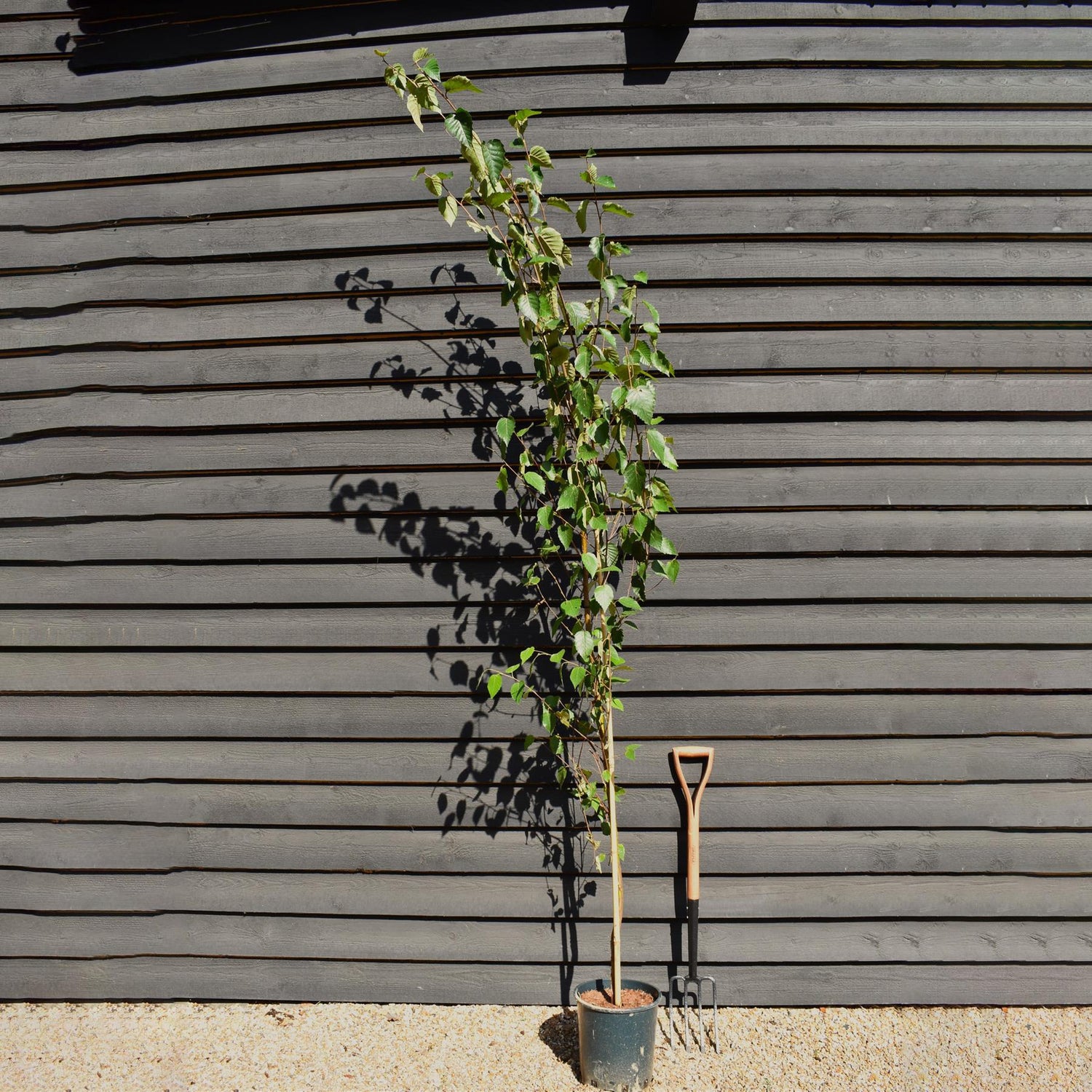


Chinese Red Birch | Betula albosinensis 'Fascination' - Height 160-200cm - 12lt
£96.00
Unit price perChinese Red Birch | Betula albosinensis 'Fascination' - Height 160-200cm - 12lt
£96.00
Unit price per


Prunus laurocerasus 'Novita' - Multistem - Parachute - Height 300-320cm - Width 250-300cm - 285lt
£1,200.00
Unit price perPrunus laurocerasus 'Novita' - Multistem - Parachute - Height 300-320cm - Width 250-300cm - 285lt
£1,200.00
Unit price per


Parrotia Persica Multistem | Iron Tree - Height 240-250cm - 75lt
£700.00
Unit price perParrotia Persica Multistem | Iron Tree - Height 240-250cm - 75lt
£700.00
Unit price perParrotia persica is a slow-growing, wide-spreading, multi-stemmed deciduous shrub or small, single-trunk tree with exfoliating bark, and glossy, scallop-shaped leaves, reddish purple in spring, dark green in summer, and yellow, orange, red and purple in autumn. Small, red flowers open from black, velvety buds and bloom in clusters in late winter and early spring on bare branches. Fruit is a brown, 2-velved capsule. Parrotia persica prefers fertile, slightly acidic, medium moisture, well-drained soils, in full sun, but tolerates partial shade and various soil conditions. Resistant to cold, but late frost may damage flower buds. It is generally, pest-free and disease-free. Low maintenance plant, it doesn’t require much pruning. Persian Ironwood is most attractive for its autumn foliage and a peeling bark in shades of pink, grey-green and brown. It is excellent as a specimen or lawn tree, great for shrub borders, wall-side borders, and informal hedges and screens.


Taxodium distichum Pendula | Weeping Bald Cypress - Mature Tree - Girth - 25cm - Height 450cm - 110lt
£740.00
Unit price perTaxodium distichum Pendula | Weeping Bald Cypress - Mature Tree - Girth - 25cm - Height 450cm - 110lt
£740.00
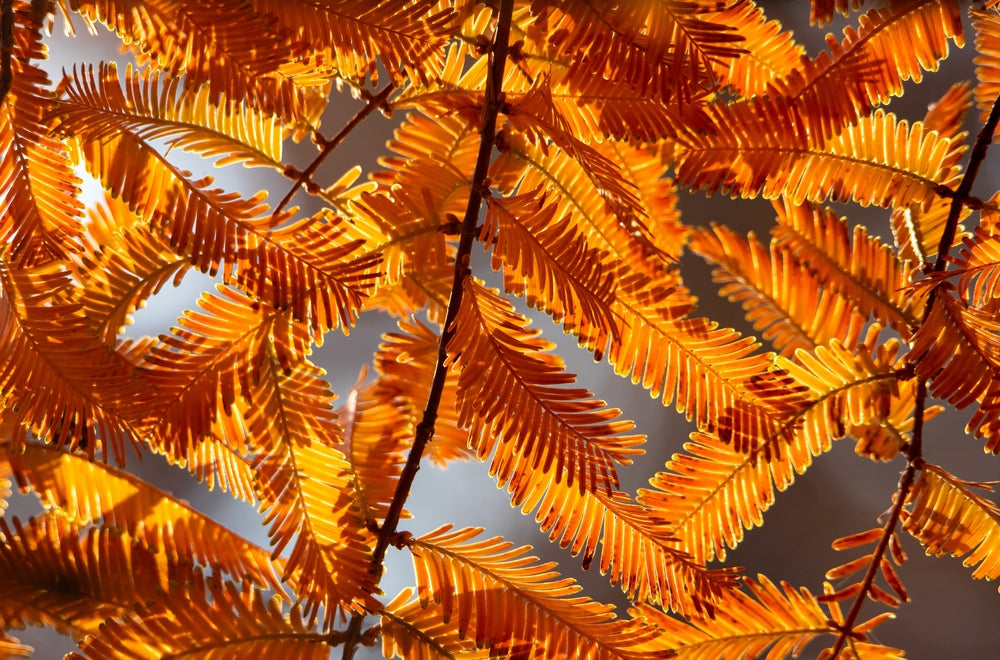
Unit price perTaxodium distichum 'Pendula', commonly known as the Weeping Bald Cypress, is a captivating ornamental tree renowned for its unique form and striking foliage. This cultivar of the native Bald Cypress is a deciduous conifer, meaning it sheds its needles in the fall, revealing a graceful, architectural framework. It can reach up to 20 feet in height, but is notable more for its width and weeping habit than for its height.
The tree boasts feathery, light green needles that turn a rich coppery-brown before dropping in autumn, offering seasonal interest. In spring, fresh green foliage emerges, creating a lush, soft appearance. The Weeping Bald Cypress thrives in full sun and prefers moist, well-drained soils. It's particularly well-suited for waterside plantings, where it can reflect its beauty in the water, but also adapts well to urban environments.
Resistant to pests and diseases, this low-maintenance tree is a fantastic choice for adding structure and elegance to landscapes. Its distinctive weeping form makes it a focal point in gardens, parks, or along streets.


Prunus serrulata 'Kiku-Shidare' - Standard - Clear Stem 200-210cm - Height 250-260cm - Girth 10-12cm - 30lt
£325.00
Unit price perPrunus serrulata 'Kiku-Shidare' - Standard - Clear Stem 200-210cm - Height 250-260cm - Girth 10-12cm - 30lt
£325.00
Unit price perPrunus serrulata ‘Kiku Shidare’, also known as the weeping cherry ‘Kiku Shidare Zakura’, is a stunning ornamental tree ideal for adding elegance and seasonal drama to gardens. Its compact size and graceful, pendulous branches make it particularly well-suited for small to medium gardens, courtyards, or as a specimen tree in prominent positions.
In early to mid-spring, it becomes a focal point, erupting in masses of fragrant, deep pink double blossoms that create a waterfall of color. The tree typically reaches a height of 8 to 12 feet (2.5 to 3.5 meters), making it manageable and easy to incorporate into landscape designs. For best results, it should be planted in full sun to partial shade, in well-drained, fertile soil.
A sheltered spot protects its early blossoms from harsh winds or frost. Its romantic weeping habit and vivid spring display make it perfect for creating a peaceful, picturesque garden setting.


Prunus subhirtella Pendula Rosea 1/2 Standard | Single Pink Weeping Cherry - Clear Stem - Height 120-140cm - 18lt
£215.00
Unit price perPrunus subhirtella Pendula Rosea 1/2 Standard | Single Pink Weeping Cherry - Clear Stem - Height 120-140cm - 18lt
£215.00
Unit price perPrunus subhirtella ‘Pendula Rosea’, often called the Weeping Higan Cherry, is a graceful ornamental tree prized for its elegant cascading branches and soft pink spring blossoms. When trained or pruned into a ball shape, this cultivar transforms from its naturally weeping habit into a striking, rounded standard—creating a perfect floral sphere atop a clear stem that becomes a captivating focal point in any garden.
In ball form, the delicate, nodding branchlets are encouraged to sweep uniformly around the crown, producing a symmetrical orb that showcases the tree’s blossom display and refined silhouette. In early spring, clouds of pale to mid-pink flowers envelop the ball, attracting pollinators and adding romantic colour. Through summer and autumn the fresh foliage—fresh green turning darker with age—adds enduring structure, and in winter the bare framework offers sculptural interest.
This tree thrives in full sun to light shade and prefers well-drained, fertile soil with consistent moisture, particularly in its early years. It suits formal and informal gardens alike: as a standout centrepiece in a lawn, beside a terrace, or as an accent in mixed borders. With light maintenance and careful pruning to retain its ball form, Prunus subhirtella ‘Pendula Rosea’ delivers year-round beauty and seasonal spectacle.


Butia capitata | Jelly palm - Height 230-240cm- 130lt
£1,050.00
Unit price perButia capitata | Jelly palm - Height 230-240cm- 130lt
£1,050.00
Unit price perThe most striking feature of the Butia capitata is its blue-gray or silver-green trunk. Unlike many other palm trees, the trunk is covered in old leaf bases that give it a rough, textured appearance. As the palm matures, the base of the trunk gradually changes from a gray to a brown color, adding to its unique character.
Butia capitata is also known for its lush foliage. The leaves are feather-like, pinnate, and can grow up to 8 feet long. They grow in a V-shape around the trunk, giving the palm a stunning, symmetrical look. In spring, small, yellowish flowers bloom from the palm's crown. The flowers give way to edible fruit, which are known as "jelly palms," as they are sweet and commonly used to make jellies and jams.
This palm tree is highly adaptable and can thrive in a variety of soil types, including sandy, loamy, and clay soils. It prefers full sun but can handle some shade and is tolerant of drought and heat.
In addition to its stunning visual appeal, Butia capitata is also considered to be a "clean" palm tree. Unlike some other palm species, it is not prone to diseases or pests and requires little maintenance to keep it healthy.
In summary, Butia capitata is an excellent choice for adding texture, color, and character to any outdoor garden. It's a low-maintenance plant that offers an appealing aesthetic and is adaptable to a range of growing conditions, making it a great choice for gardeners of all skill levels.


Tilia henryana | Henry's Lime - Bushy - Height 260-280cm - 130lt
£1,050.00
Unit price perTilia henryana | Henry's Lime - Bushy - Height 260-280cm - 130lt
£1,050.00
Unit price perTilia henryana, commonly known as Henry’s lime, is an elegant and distinctive deciduous tree valued for its refined form, ornamental foliage, and late-season flowers. Native to central China, it was introduced to Britain in the late nineteenth century and has since become a prized specimen in gardens, arboreta, and parkland where space allows.
The most striking feature of Tilia henryana is its leaves. They are heart-shaped and mid to dark green, with sharply serrated margins that are noticeably bristle-tipped, giving the foliage a finely textured and slightly spiky appearance. This characteristic sets it apart from other limes and adds visual interest throughout the growing season. In autumn, the leaves turn an attractive yellow, providing a soft seasonal display before leaf fall.
The tree typically develops a broadly conical to rounded crown and can reach heights of 10–15 metres in cultivation in the UK, often smaller than many other Tilia species. Its bark is smooth and grey when young, becoming lightly fissured with age. The overall habit is neat and balanced, making it suitable as a specimen tree rather than for formal avenues.
Flowering occurs in late summer, usually in August, later than most other limes. The small, creamy-white flowers are borne in loose clusters accompanied by pale green bracts. They are lightly fragrant and extremely attractive to bees and other pollinators, extending the nectar season well into the summer. Following flowering, small, rounded nutlets may form.
Tilia henryana prefers fertile, moist but well-drained soils and grows best in full sun or light shade. It is hardy in most parts of the UK and relatively free from serious pests or diseases. Its combination of unusual foliage, manageable size, and late flowering makes it an excellent choice for ornamental planting and biodiversity-friendly landscapes.


Acer palmatum dissectum 'Virdis' | laceleaf Japanese maple - Clear Stem 75-85cm - Height 100-120cm - 25lt
£435.00
Unit price perAcer palmatum dissectum 'Virdis' | laceleaf Japanese maple - Clear Stem 75-85cm - Height 100-120cm - 25lt
£435.00
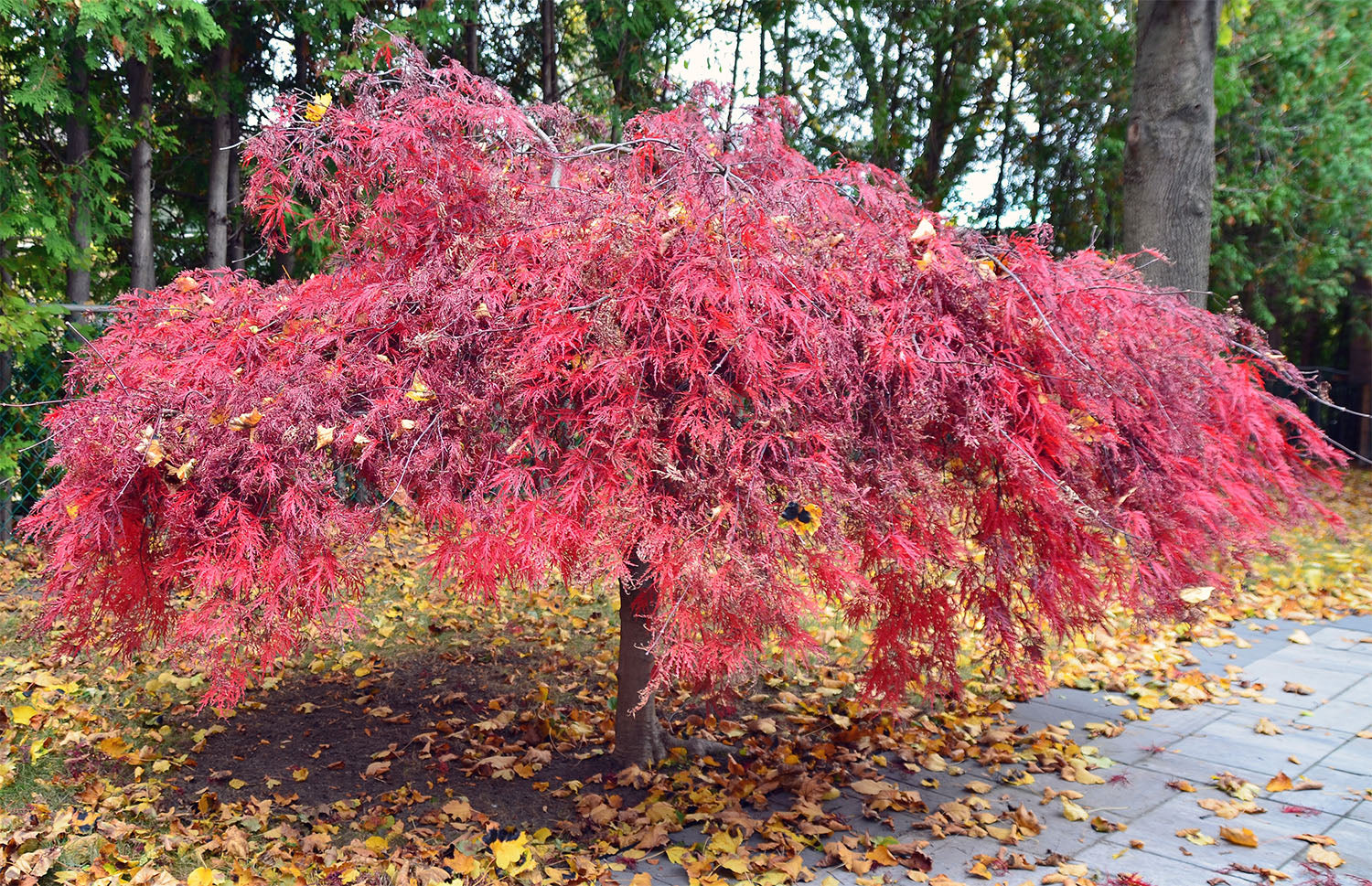
Unit price perAcer palmatum dissectum, commonly known as the laceleaf Japanese maple, is a popular ornamental tree renowned for its intricate, finely divided foliage. This deciduous shrub or small tree is part of the Aceraceae family and originates from Japan, Korea, and China. It typically grows to a height of 2 to 3 meters (6 to 10 feet) with a similar spread, making it a perfect choice for small gardens and container planting.
The leaves of Acer palmatum dissectum are deeply lobed and serrated, resembling delicate lace. Throughout the seasons, the foliage transitions from a vibrant green in spring and summer to spectacular shades of red, orange, and purple in autumn, providing year-round interest. The tree's cascading, weeping habit adds an elegant and graceful element to any landscape design.
Acer palmatum dissectum prefers a position in partial shade with well-drained, moist soil. It is relatively low-maintenance, requiring minimal pruning to maintain its shape. This tree is also known for its resilience to pests and diseases. Its compact size and striking appearance make it an excellent choice for adding structure and color to garden borders, patios, and rockeries in British gardens.


Salix matsudana Tortuosa | Wiggerly Willow - Bushy Tree - Height 390-410cm - 70lt
£655.00
Unit price perSalix matsudana Tortuosa | Wiggerly Willow - Bushy Tree - Height 390-410cm - 70lt
£655.00
Unit price perSalix matsudana ‘Tortuosa’, commonly known as the Corkscrew Willow, is a distinctive, fast-growing tree valued for its dramatically twisted, contorted branches and lively, informal habit. In a bushy tree form, it develops a broad, airy crown that provides strong architectural interest throughout the year, particularly in winter when the bare, spiralling stems are fully revealed.
This willow is well suited to larger gardens where its vigorous growth and spreading shape can be appreciated. It thrives in full sun and prefers moist, well-drained soil, making it ideal for planting near ponds, streams, or in naturally damp ground, though it will also tolerate ordinary garden soils if not allowed to dry out completely. In spring and summer, the narrow, bright green leaves create a soft, shimmering canopy, bringing movement and lightness to the landscape.
Salix matsudana ‘Tortuosa’ is relatively low maintenance, responding well to pruning if size control is needed, and can even be coppiced to encourage fresh, colourful, twisted stems. Its sculptural form, rapid establishment, and year-round interest make it an excellent choice as a specimen tree or dramatic focal point in spacious, informal or wildlife-friendly gardens.


Eriobotrya japonica 'Coppertone' | Coppertone Loquat Tree - Shrub - Height 40-50cm - 10lt
£72.00
Unit price perEriobotrya japonica 'Coppertone' | Coppertone Loquat Tree - Shrub - Height 40-50cm - 10lt
£72.00
Unit price perEriobotrya japonica 'Coppertone’ is a tropical, evergreen shrub or small tree with dense, rounded crown, and long, narrow, exotic-looking, leathery, glossy green leaves, bronze when they emerge, and hairy underneath. Very fragrant, pale pink flowers bloom in autumn. Flowers are rarely followed by edible orange-yellow fruits. Attractive to bees and hummingbirds.
Eriobotrya japonica 'Coppertone’ prefers fertile, loamy, moist, well-drained soils. It thrives in full sun but will tolerate light shade. Once established, resistant to drought. It’s a tropical tree and can grow fruit only in frost-free climates since flowering occurs in autumn. Otherwise, it can withstand frost, but needs to be sheltered from harsh winds. Best to be planted against a brick or stone wall. Tolerant of sea salt and urban pollution. Low maintenance plant, doesn’t require pruning. Coppertone Loquat Tree is a wonderful, exotic-looking, ornamental, evergreen tree, perfect as a specimen plant in coastal and urban gardens. Suitable for growing in large containers.


Eriobotrya japonica Tree | Loquat -Standard - Clear Stem 190-200cm - Girth 12-14cm - Height 290-300cm - 70lt
£555.00
Unit price perEriobotrya japonica Tree | Loquat -Standard - Clear Stem 190-200cm - Girth 12-14cm - Height 290-300cm - 70lt
£555.00
Unit price perEriobotrya japonica, also known as the loquat tree or bush, is a small evergreen tree that is native to southeastern China. It is a popular ornamental plant in gardens and landscapes due to its attractive foliage and bushy, fruiting habit.
The loquat tree grows to a height of 10 to 20 feet and has a spread of 10 to 15 feet. The leaves are large, glossy, and dark green, with a distinctive shape that is reminiscent of holly leaves. The tree produces fragrant, white or yellow flowers in late autumn or early winter, which are followed by small, yellow or orange, pear-shaped fruits in the spring.
The loquat fruit is sweet and tangy, with a flavor that is similar to a mix of peach, citrus, and mango. It is high in vitamin A, potassium, and fiber, and is commonly used in desserts, jams, and juices. The tree is also highly valued for its ornamental qualities, as its attractive foliage and fruit make it a popular choice for landscaping.
The loquat tree is easy to grow and requires little maintenance. It prefers full sun to partial shade and well-drained soil. It is relatively cold-hardy and can withstand temperatures as low as 10 degrees Fahrenheit. The tree can be pruned to maintain a compact shape, and is also adaptable to growing in containers.
Overall, Eriobotrya japonica is a versatile and attractive plant that is prized for both its ornamental and edible qualities. Its bushy, fruiting habit makes it a great addition to any garden or landscape.
Showing 144/220
Related blog posts


