102 products
102 products
Sort by:
{
Alpine.store('xUpdateVariantQuanity').updateQuantity('template--24215843438970__product-grid', '/products/hoheria-sexstylosa-snow-white-clear-stem-200-250cm-20lt');
});">
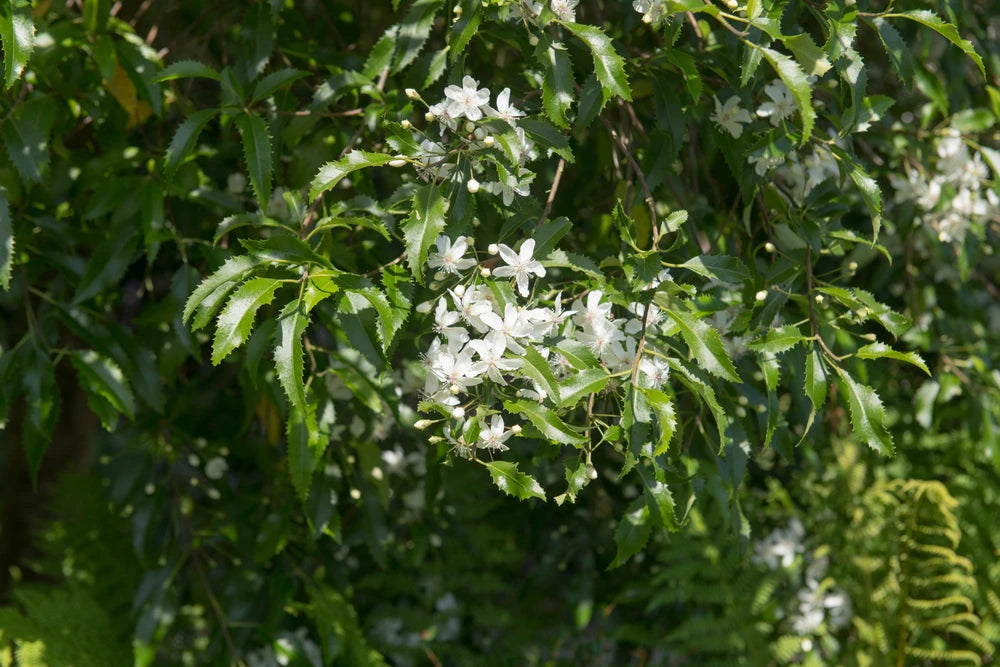
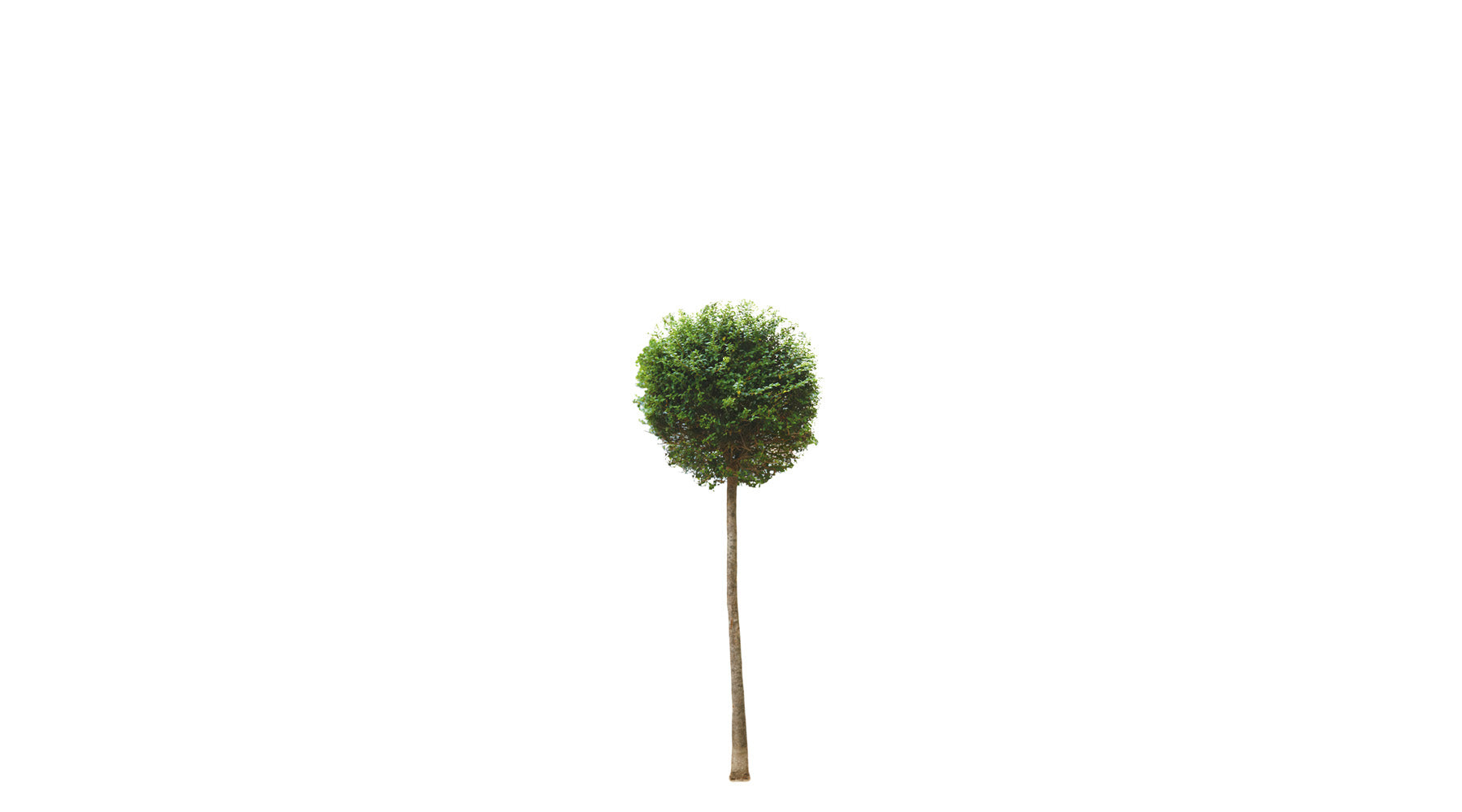
Hoheria sexstylosa 'Snow White', commonly known as lacebark, is an evergreen tree trained here as a half standard. It has glossy, dark green, finely toothed leaves that provide a neat, refined appearance throughout the year. The tree develops a light, open structure with slender branches, giving it an elegant and graceful habit well suited to smaller garden spaces.
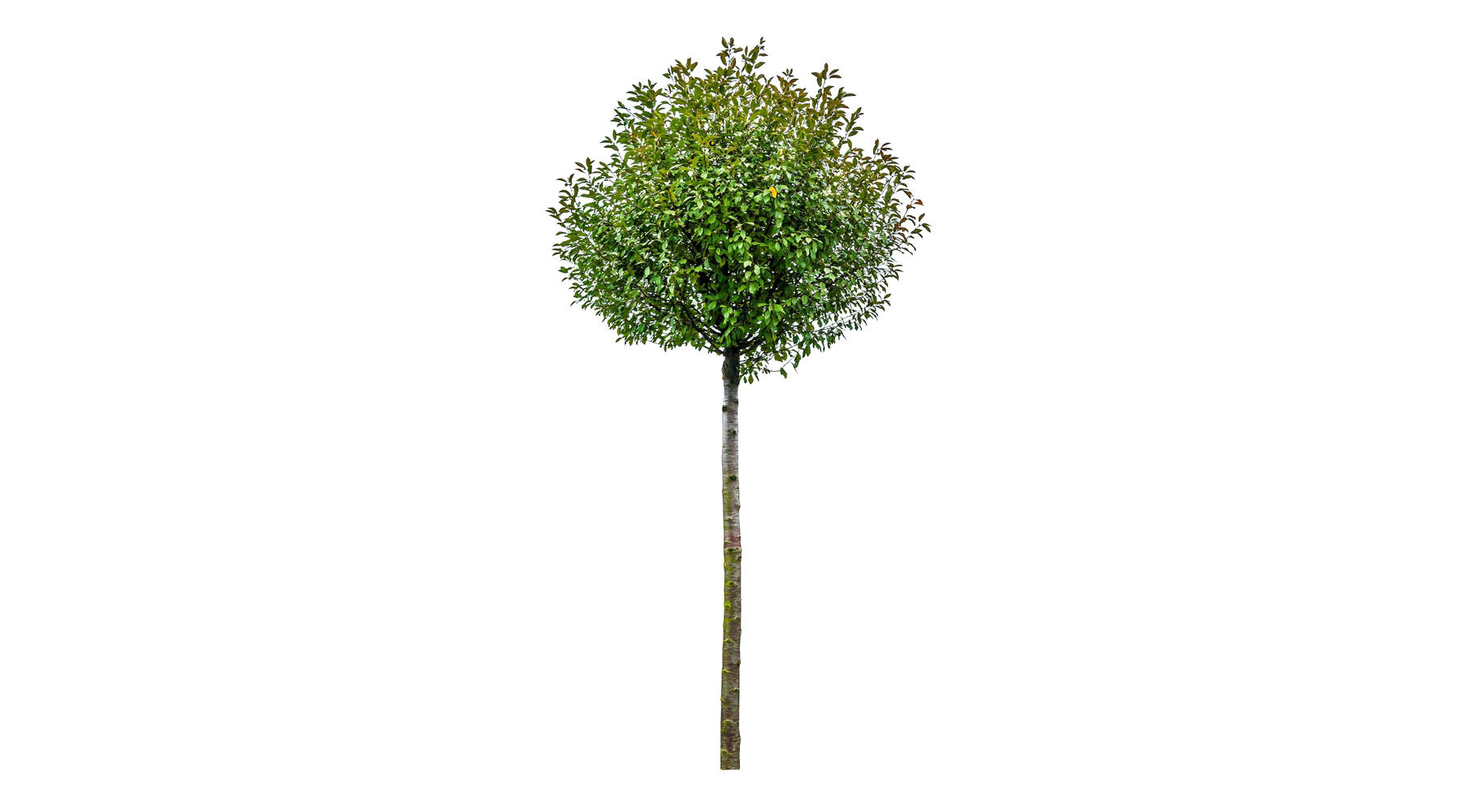
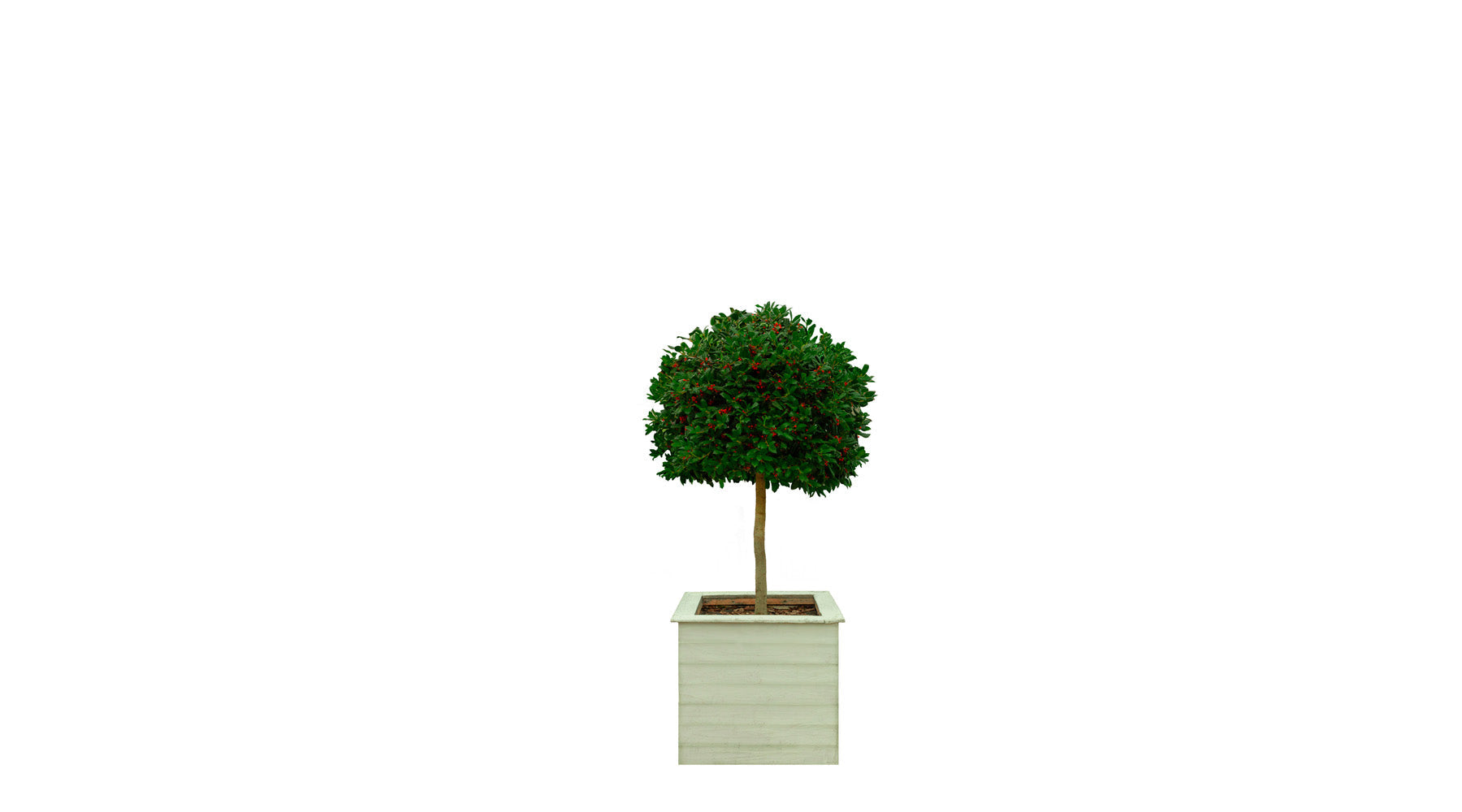
During summer, the tree becomes particularly attractive as it produces an abundance of small, fragrant white flowers that cover the branches, creating a striking display against the dark foliage. This flowering period makes it a strong feature plant for mid to late summer interest, when many other trees have finished blooming.
The flowers are highly attractive to bees and other pollinating insects, making this tree a valuable addition for anyone looking to support garden wildlife and biodiversity. Its nectar-rich blossoms provide a useful late-season food source at a time when fewer plants are in flower.
This lacebark is tolerant of coastal conditions, making it a suitable choice for gardens exposed to salt-laden winds. It prefers a sheltered, sunny position but adapts well to a range of soil types provided drainage is adequate.
{
Alpine.store('xUpdateVariantQuanity').updateQuantity('template--24215843438970__product-grid', '/products/eriobotrya-japonica-tree-loquat-tree-160-180cm-50lt');
});">
Loquat is an evergreen tree, here trained as a half standard with a clear stem supporting a rounded, well-furnished head. The foliage is a key feature, with large, leathery, dark green leaves that have a distinctive deeply veined, corrugated texture and a felted, rust-coloured underside. New growth emerges with a bronze tinge, adding seasonal interest to the canopy.
Fragrant, creamy-white flowers are produced in dense clusters during late autumn and into winter, a time when few other plants are in bloom, making them a valuable source of nectar for pollinators during the colder months. In mild seasons following flowering, these may be succeeded by edible, orange-yellow fruits.
The tree has a sturdy, structural presence with a somewhat architectural quality, owing to the substantial size of its leaves and its naturally tiered branch habit. It is well suited to sheltered, sunny positions and benefits from protection against harsh frosts, making it a good choice for warmer microclimates or coastal gardens where winters remain relatively mild. It tolerates a range of soil types provided drainage is adequate.
{
Alpine.store('xUpdateVariantQuanity').updateQuantity('template--24215843438970__product-grid', '/products/prunus-snow-showers-weeping-cherry-snow-showers-200-250cm-10lt');
});">
Prunus 'Snow Showers' is a deciduous weeping cherry tree, trained here as a half standard with slender, cascading branches that form an elegant, graceful canopy. The foliage emerges with a bronze tinge in spring before turning mid-green through summer, then developing attractive yellow-orange tones in autumn.
In spring the tree produces an abundance of pure white, single flowers that hang gracefully along the weeping branches, creating a cascading curtain of blossom. This flowering display, which gives the cultivar its name, makes it a striking focal point for several weeks. The flowers appear before the leaves fully develop, enhancing their visual impact.
The blossom provides an early source of nectar for pollinating insects, supporting bees and other beneficial garden visitors during the spring months.
The weeping half standard form makes this tree particularly suited to smaller gardens where space is limited, as well as being effective as a specimen tree where its graceful habit can be fully appreciated. It performs well in a range of well-drained soil types and benefits from a position in full sun to maximise flowering performance.
{
Alpine.store('xUpdateVariantQuanity').updateQuantity('template--24215843438970__product-grid', '/products/sorbus-aucuparia-european-mountain-ash-200-250cm-10lt');
});">
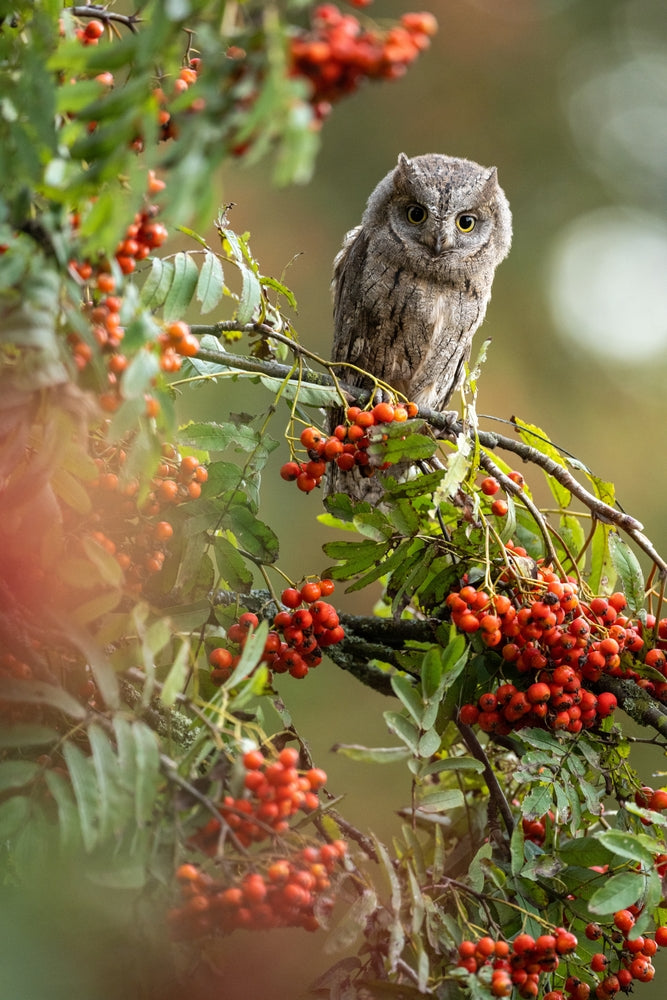
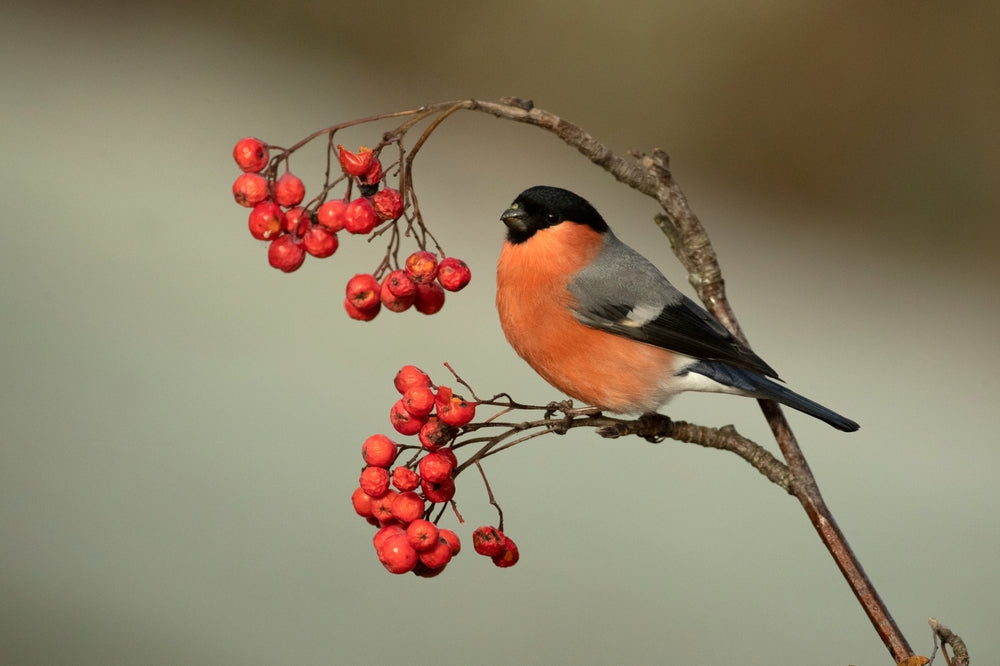
Rowan is a deciduous tree, grown here as a half standard with a lightly branched, open crown that gives it a graceful, airy structure well suited to smaller gardens. The foliage is pinnate, made up of slender toothed leaflets that emerge fresh green in spring and turn shades of red, orange and yellow in autumn, providing good seasonal interest. In late spring, clusters of creamy-white flowers appear, followed in autumn by bright orange-red berries that persist into the colder months. These berries are a valuable food source for birds such as blackbirds, thrushes and waxwings, while the flowers attract pollinating insects earlier in the year. The tree supports a range of wildlife through the seasons, offering nectar for pollinators and fruit for birds, making it a useful addition to a garden aiming to encourage biodiversity. Rowan is tolerant of a wide range of soil types, including poor, thin or slightly acidic soils, and copes well in exposed or upland positions, making it a reliable choice for coastal or windswept sites. It also performs well in cooler climates and is generally hardy, adapting to various garden conditions with minimal maintenance once established.
{
Alpine.store('xUpdateVariantQuanity').updateQuantity('template--24215843438970__product-grid', '/products/arbutus-unedo-tree-strawberry-tree-clear-stem-100-120cm-girth-6-8cm-height-180-220cm-20lt');
});">
The Strawberry Tree is an evergreen tree trained here as a half standard, giving it a clear stem with a rounded head of foliage. The leaves are dark green, glossy and leathery, providing year-round structure and interest in the garden.
This tree offers attractive features across multiple seasons. In autumn, it produces small, white, urn-shaped flowers that hang in clusters, appearing at the same time as the previous year's fruit ripens to a strawberry-like red, creating a striking contrast against the dark foliage. The rough, reddish-brown bark also adds textural interest throughout the year.
The flowers are a valuable source of nectar for bees and other pollinating insects at a time of year when other nectar sources are becoming scarce, making it a useful addition for supporting late-season pollinators. The fruit, while edible, is also enjoyed by birds and other wildlife, adding a further biodiversity benefit to the garden.
This tree is well suited to coastal gardens, being tolerant of salt-laden winds, and performs well in a range of soil types provided drainage is reasonable. It is a versatile specimen tree suitable for smaller gardens due to its manageable size as a half standard.
{
Alpine.store('xUpdateVariantQuanity').updateQuantity('template--24215843438970__product-grid', '/products/prunus-lusitanica-myrtifolia-portuguese-laurel-tree-clear-stem-120cm-height-200-210cm-girth-8-10cm-25lt');
});">
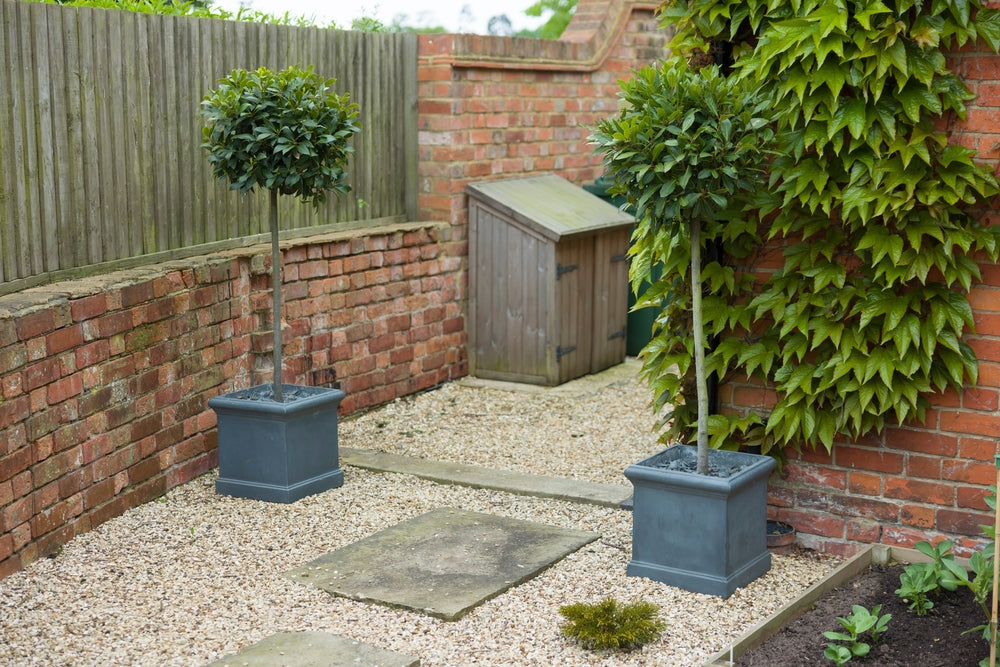
Portuguese Laurel 'Myrtifolia' is an evergreen tree, trained here as a half standard with a clear stem and a rounded, compact head of foliage. The leaves are small, glossy and dark green, narrower than the species type, giving the crown a neat, dense appearance that responds well to shaping. This compact habit makes it a good choice where a smaller-scale standard tree is needed, such as in courtyards, formal borders or containers.
In late spring and early summer it produces slender, upright racemes of small white flowers with a distinctive almond-like scent, held above the foliage. These are followed later in the season by small dark purple to black berries, adding a further point of seasonal interest. The flowers attract pollinating insects, while the berries provide a food source for birds later in the year, giving the tree some value for garden wildlife.
Portuguese Laurel is tolerant of a wide range of soil types, including clay, and copes well with both sun and partial shade. It withstands exposure reasonably well, making it suitable for a variety of planting positions, and its dense evergreen cover offers shelter for small birds throughout the year.
{
Alpine.store('xUpdateVariantQuanity').updateQuantity('template--24215843438970__product-grid', '/products/wisteria-sinensis-alba-white-flower-clear-stem-80cm-height-130-150cm-18lt');
});">
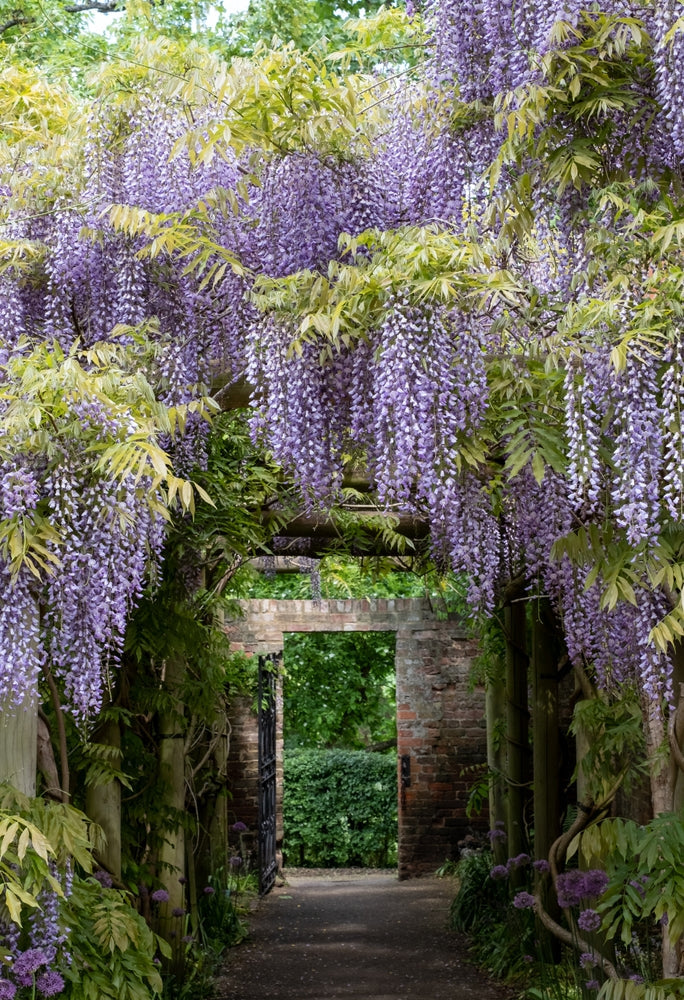
Wisteria sinensis 'Alba', the white Chinese wisteria, is a deciduous climbing plant trained here as a half standard tree. It produces long pinnate leaves composed of numerous leaflets, which turn a soft yellow before falling in autumn. The twining stems form a woody, gnarled structure over time, giving the tree character and an established appearance even when young.
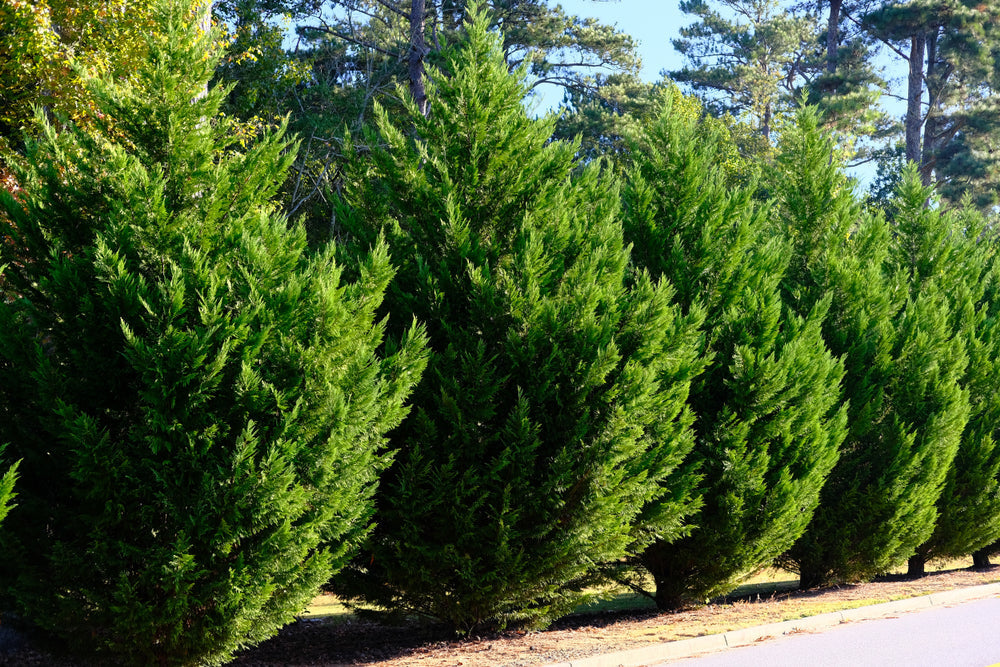
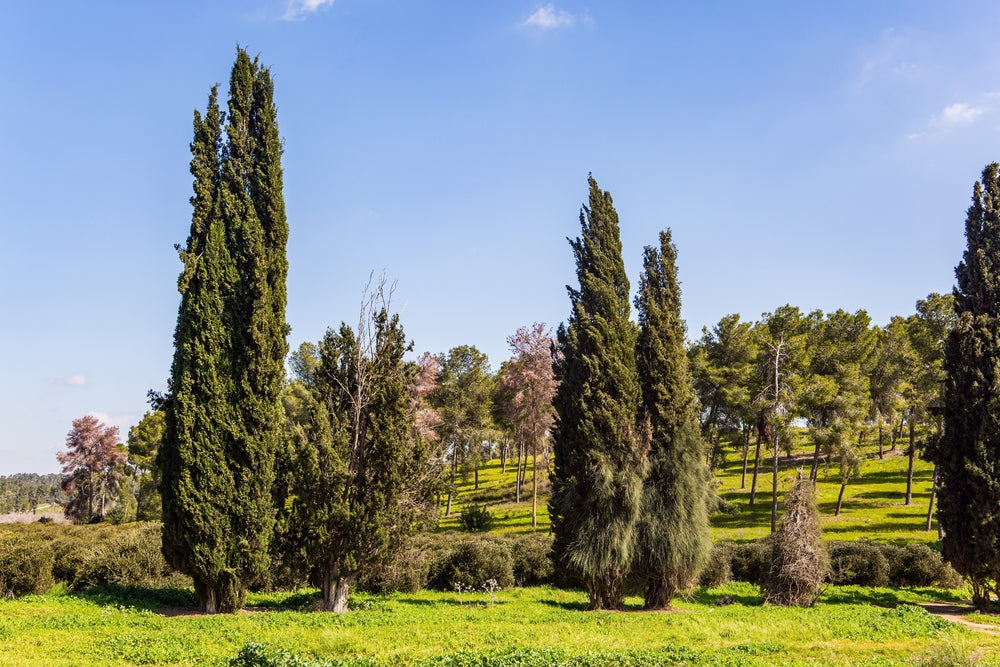
In late spring, pure white pea-like flowers appear in long, pendulous racemes, creating a cascading effect across the branches. The blooms carry a light, sweet fragrance and provide an attractive display against the fresh green foliage. Flowering is most prolific on mature specimens that have had several years to establish.
The flowers are attractive to bees and other pollinating insects, making this plant beneficial for garden biodiversity during its flowering period. As a half standard, it works well as a feature tree in a border or lawn, trained on a clear stem with a rounded head of twining growth. It requires a sturdy support structure or stake to maintain its form as it matures, since the twining stems can become heavy and vigorous. This plant suits a sunny, sheltered position with fertile, well-drained soil and benefits from a warm wall or open position to encourage strong flowering.
{
Alpine.store('xUpdateVariantQuanity').updateQuantity('template--24215843438970__product-grid', '/products/portuguese-laurel-prunus-lusitanica-clear-stem-90-100cm-girth-6-8cm-height-150-160cm-10lt');
});">
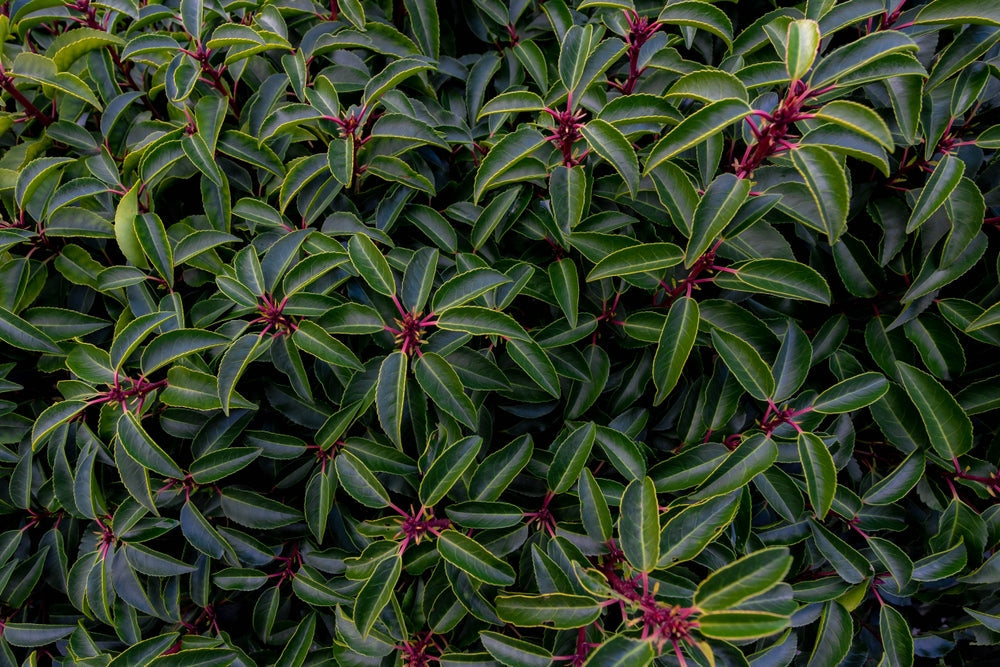
This Portugal laurel is an evergreen tree, retaining its foliage throughout the year to provide consistent structure and screening. The leaves are narrow and glossy dark green, longer and slimmer than the species type, with a leathery texture and slightly serrated edges. The reddish stems create an attractive contrast against the deep green foliage. Trained as a half standard, it develops a clear stem topped with a dense, rounded head, making it a neat and formal specimen suitable for structured planting schemes.
In late spring and early summer, small, fragrant white flowers appear in slender, upright racemes, adding seasonal interest and a light, sweet scent to the surrounding area. These are followed in autumn by small, dark purple-red to black fruits, which contrast well against the glossy foliage and extend the period of visual interest into the colder months.
The flowers are attractive to bees and other pollinating insects, while the berries provide a food source for birds later in the year, supporting local wildlife through the changing seasons.
This variety is tolerant of coastal conditions and exposure, as well as pollution, making it a versatile choice for a range of planting situations including urban gardens and windswept sites. It also copes well with a variety of soil types, including clay.
Pomegranate | Punica granatum - Height 180-220cm Width 140-180cm Girth 36-40cm Stem 60-80cm - 90lt
44500
£445.00
Unit price perPomegranate | Punica granatum - Height 180-220cm Width 140-180cm Girth 36-40cm Stem 60-80cm - 90lt
44500
£445.00
Unit price per {
Alpine.store('xUpdateVariantQuanity').updateQuantity('template--24215843438970__product-grid', '/products/punica-granatum-pomegranate-girth-38-40cm-200cm-70lt');
});">
Pomegranate is a deciduous fruit tree, trained here as a half standard with a clear stem and rounded head of growth. The foliage is glossy and narrow, emerging with a bronze tint in spring before maturing to mid-green, then turning yellow in autumn, giving seasonal interest at both ends of the growing season.
In early summer, striking funnel-shaped flowers appear in shades of bright orange-red, with crumpled, silky petals that contrast well against the foliage. These are followed, in warmer positions, by rounded fruits that ripen through autumn, developing a leathery red-tinged skin and the familiar jewelled interior of edible seeds. The flowers are attractive to pollinating insects, making this tree useful for supporting garden biodiversity.
Pomegranate performs best in a warm, sheltered, sunny spot, making it well suited to south-facing walls or courtyard gardens where heat is reflected back onto the plant. It tolerates a range of soils provided drainage is good, and is a good choice for coastal gardens where light levels and air movement are high. As a half standard, it works well as a specimen tree in a border or large container, bringing both ornamental flowers and a productive crop to small or medium-sized gardens.
{
Alpine.store('xUpdateVariantQuanity').updateQuantity('template--24215843438970__product-grid', '/products/prunus-nerasifera-pissardii-nigra-black-cherry-plum-250-280cm-10lt');
});">
The Purple-Leaf Cherry Plum is a deciduous tree, trained here as a half standard with a clear stem beneath a rounded, moderately dense crown. Its foliage emerges a deep reddish-purple in spring and holds this rich colouring through summer, gradually darkening to an almost blackish-purple shade as the season progresses, providing a strong, consistent contrast against green garden planting throughout the growing period.
In early spring, before the leaves fully unfurl, the tree produces an abundance of delicate, pale pink to white blossom, which stands out attractively against the dark emerging foliage. This early flowering display makes it a valuable source of nectar and pollen for bees and other early-flying pollinating insects at a time when other forage is scarce.
The half standard form gives a neat, manageable shape suited to smaller gardens, borders or as a specimen tree where a clear trunk and defined canopy are desired. The tree tolerates a range of soil types, including clay, and performs well in most garden situations, making it a versatile and reliable choice for year-round structural interest combined with striking seasonal colour.
{
Alpine.store('xUpdateVariantQuanity').updateQuantity('template--24215843438970__product-grid', '/products/prunus-fragrant-cloud-cherry-shizuka-200-250cm-10lt');
});">
This ornamental cherry is deciduous, losing its leaves in autumn after a display of rich colour. Trained as a half standard, it has a clear stem with the crown beginning at a lower height than a full standard tree, giving it a compact, rounded habit well suited to smaller gardens, borders or as a specimen planting.
In spring the tree produces an abundance of large, semi-double, soft pink blossom that fades to white as it matures, carrying a strong, sweet fragrance that can fill the surrounding air. The flowers appear in profusion along the branches before the foliage is fully out, creating a striking display. New leaves emerge with a bronze tint before turning green through summer, then developing warm orange and red tones in autumn, providing a further season of interest.
The blossom is attractive to bees and other early pollinating insects, offering a valuable nectar source in spring when other food sources can be scarce. This makes it a useful addition to gardens aiming to support local wildlife and pollinator populations.
This tree performs best in an open, sunny position with reasonably fertile, well-drained soil, and is a good choice where a compact flowering tree with seasonal fragrance and colour is desired.
{
Alpine.store('xUpdateVariantQuanity').updateQuantity('template--24215843438970__product-grid', '/products/liquidambar-styraciflua-gum-ball-sweet-gum-gum-ball-100-150cm-30lt');
});">
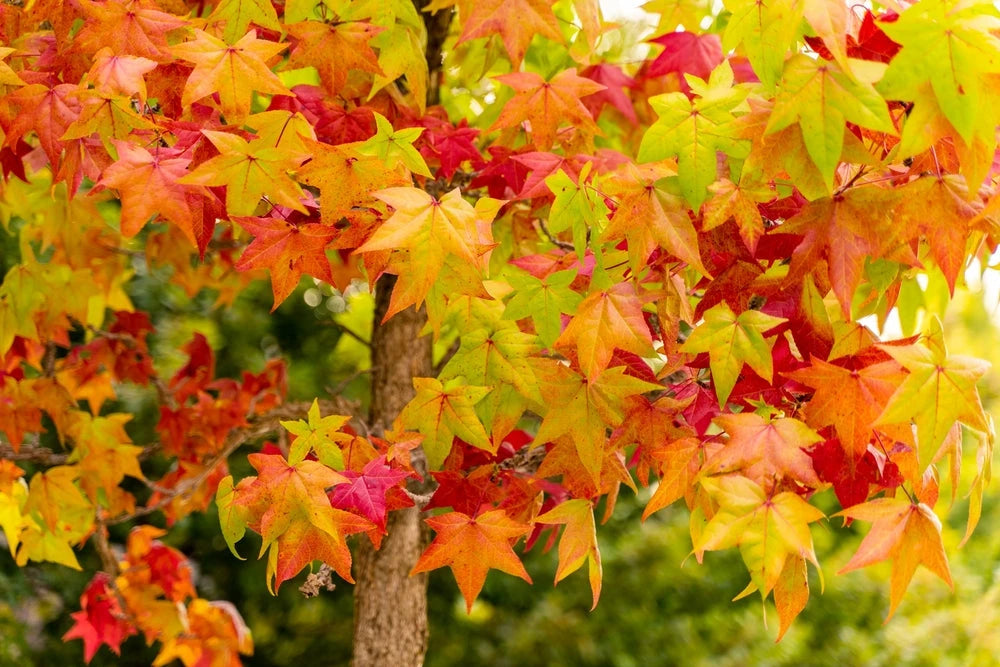
Sweet Gum 'Gum Ball' is a deciduous tree trained here as a half standard, producing a compact, rounded head of growth on a clear stem. The glossy, star-shaped leaves are the main feature of this cultivar, emerging fresh green through spring and summer before turning striking shades of purple, red and orange in autumn, providing reliable seasonal colour. The dense, ball-like crown gives the tree a neat, formal structure, making it a good choice where a smaller, well-defined shape is required rather than the larger spreading form typical of the species. Small, inconspicuous flowers appear in spring but hold little ornamental value, and the tree is primarily grown for its foliage and overall form rather than for blossom. The spiky seed capsules that follow are of minor interest and can be left on the tree or removed as preferred. This cultivar performs best in moist, well-drained, slightly acidic soil and benefits from a position in full sun to maximise autumn leaf colour. It is tolerant of a range of garden situations once established, though it is best avoided in shallow chalky soils. Its compact habit makes it suitable for smaller gardens, courtyards or as a specimen tree where a tidy, structured form is desired.
{
Alpine.store('xUpdateVariantQuanity').updateQuantity('template--24215843438970__product-grid', '/products/prunus-spire-250-280cm-10lt');
});">
Prunus x hillieri 'Spire' is commonly known as the Spire Cherry, a deciduous tree valued for its narrow, upright growth habit, making it a good choice for smaller gardens or restricted spaces. Trained as a half standard, it develops a clear stem with a compact, conical crown that broadens slightly with age.
In spring, the tree produces an abundance of soft pink blossom, which appears before the leaves unfurl, creating a striking early-season display. The foliage emerges with bronze tints before maturing to a rich green, providing a pleasant backdrop throughout summer. In autumn, the leaves turn attractive shades of orange and copper, offering further seasonal interest before they fall.
The blossom provides an early source of nectar and pollen for bees and other pollinating insects, supporting local wildlife during the spring months. Its dense, upright branching habit also offers some shelter for small birds.
This variety is well suited to most well-drained soils, including loamy and clay types, and performs best in an open, sunny position. Its narrow form makes it particularly useful for lining avenues, driveways, or narrow borders where space is limited but seasonal colour and structure are desired.
Austrian pine 'Summer Breeze' | Pinus nigra Summer Breeze - Height 80-100cm Width 40-50cm - 15lt
14600
£146.00
Unit price perAustrian pine 'Summer Breeze' | Pinus nigra Summer Breeze - Height 80-100cm Width 40-50cm - 15lt
14600
£146.00
Unit price per {
Alpine.store('xUpdateVariantQuanity').updateQuantity('template--24215843438970__product-grid', '/products/pinus-nigra-summer-breeze-austrian-pine-clear-stem-40cm-height-80-90cm-width-40cm-15lt');
});">
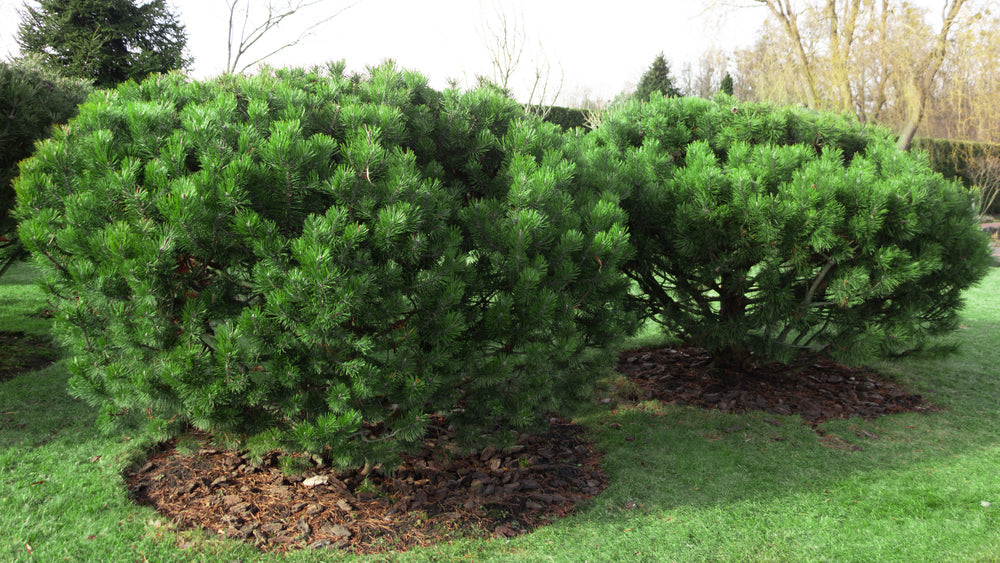
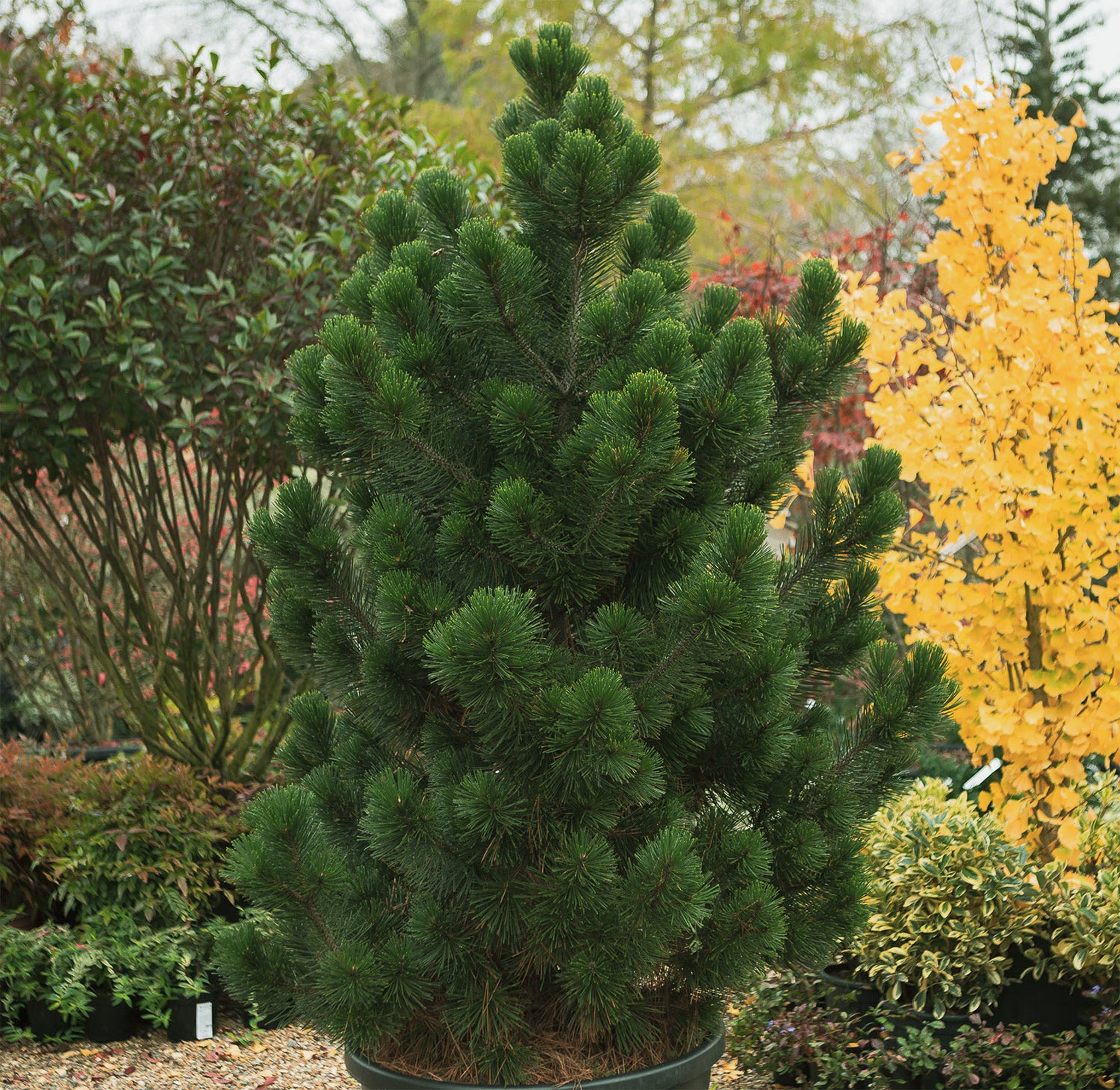
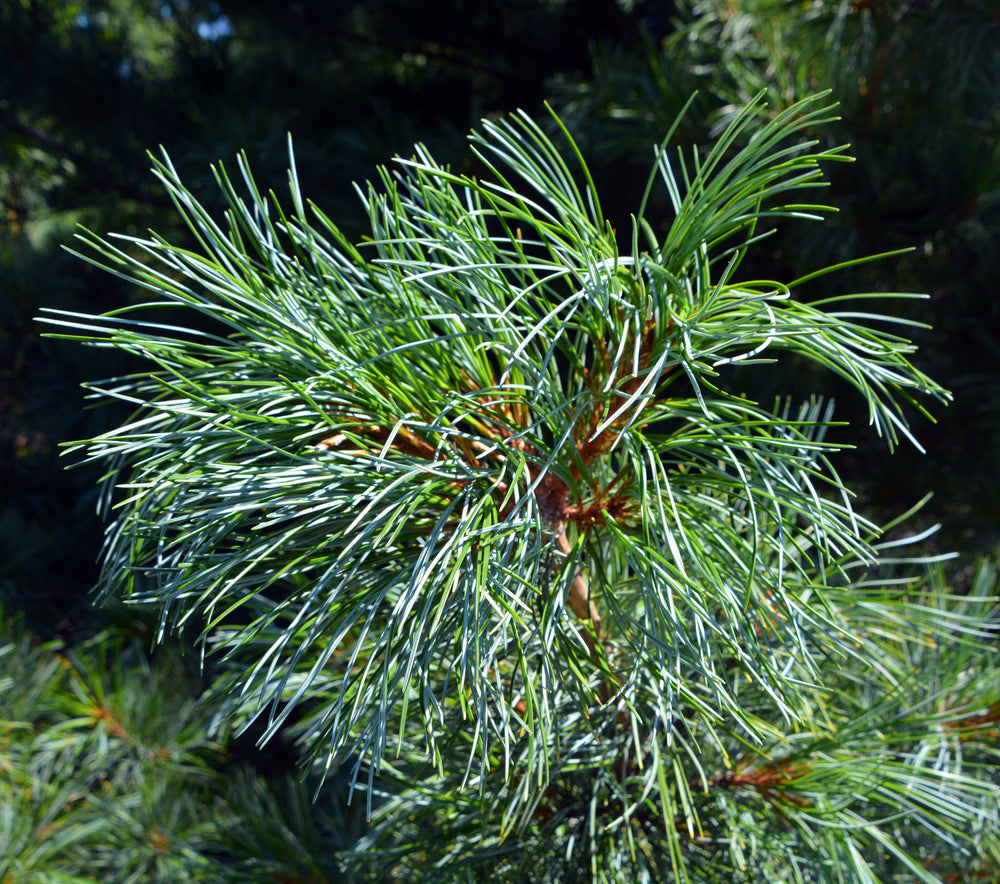
Pinus nigra 'Summer Breeze', commonly known as Austrian Pine, is an evergreen conifer grown here as a half standard, giving it a clear stem topped with a rounded, bushy head of foliage. The needles are long, dark green and densely packed, creating a bold textural contrast against the structured form of the trunk. This cultivar maintains interest throughout the year, with its foliage colour and density remaining consistent across the seasons rather than offering seasonal change.
The compact, rounded canopy makes it a useful specimen for adding structure to a garden, particularly where a defined shape is wanted without the scale of a full-sized pine. Its dense needle coverage provides shelter for small birds, and mature cones can offer a food source for wildlife, contributing modestly to garden biodiversity.
Austrian Pine is a resilient species, well suited to exposed and coastal locations as it tolerates salt-laden winds and poor, well-drained soils. It also performs well in chalky or sandy conditions where many other conifers struggle. This hardiness, combined with its distinctive half standard form, makes it a practical choice for adding year-round structure to gardens exposed to harsher conditions.
{
Alpine.store('xUpdateVariantQuanity').updateQuantity('template--24215843438970__product-grid', '/products/ginkgo-biloba-mariken-maidenhair-tree-half-standard-clear-stem-80cm-height-135-150cm-15lt');
});">
Ginkgo biloba 'Mariken' is a deciduous tree, trained here as a half standard with a distinctive dwarf, mounding habit. The fan-shaped leaves are bright green through spring and summer, turning a striking golden yellow in autumn before falling. The branch structure is dense and compact, with a naturally flattened, spreading form that gives it a sculptural quality even in winter when bare of leaves.
This cultivar is particularly attractive in autumn, when the foliage display is at its most vivid, creating a strong visual contrast against darker evergreen planting. Its slow growth rate and tidy, rounded shape make it a good choice for smaller gardens or as a specimen tree where space is limited, as well as for container growing on patios or courtyards.
Ginkgo biloba is a highly resilient species, tolerant of urban pollution and compacted soils, and copes well in a range of conditions including dry, well-drained sites. It is not fussy about soil type, adapting to most garden soils provided drainage is adequate. This tree is also highly resistant to pests and diseases, making it a low-maintenance option for gardeners seeking long-term structural interest without demanding upkeep.
{
Alpine.store('xUpdateVariantQuanity').updateQuantity('template--24215843438970__product-grid', '/products/salix-integra-hakuro-nishiki-dappled-willow-120-150cm-12lt');
});">
Salix integra 'Hakuro-nishiki', commonly known as the dappled willow, is a deciduous tree grown here as a half standard, giving it a neat lollipop-shaped head on a clear stem. Its main appeal lies in the striking variegated foliage, which emerges bright pink and cream in spring before settling to green and white as the leaves mature, creating a constantly changing display through the growing season. The slender branches are flexible and give the crown a light, airy texture rather than a dense habit. Spring is the most attractive period, when the new pink-tinged growth is at its most vivid, making it a useful focal point in a border or as a specimen tree. Small, inconspicuous yellow-green catkins appear in spring alongside the foliage, though these are not a significant ornamental feature. The tree tolerates a wide range of soil types, including clay and loamly soils, and performs well in moist or occasionally wet ground, making it a suitable choice for areas with damp conditions. It is tolerant of partial shade as well as full sun, offering flexibility in positioning within the garden. Regular pruning in late winter encourages fresh, brightly coloured new growth each year, maintaining its ornamental value.
{
Alpine.store('xUpdateVariantQuanity').updateQuantity('template--24215843438970__product-grid', '/products/magnolia-grandiflora-little-gem-southern-magnolia-clear-stem-height-140-150cm-18lt');
});">
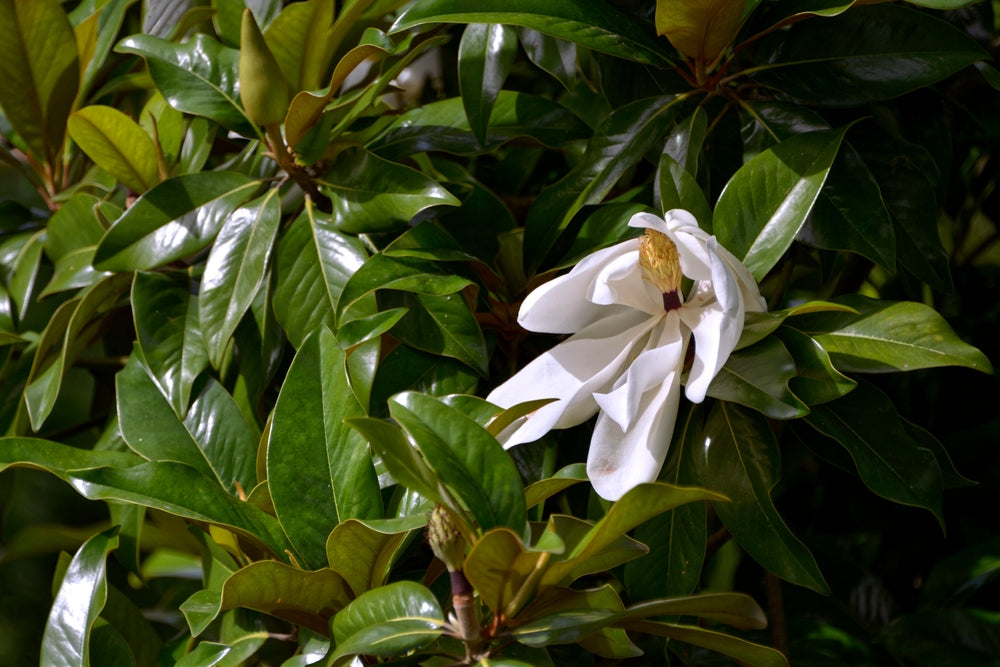
Magnolia 'Little Gem' is an evergreen tree with glossy, dark green leaves that have a distinctive rusty-brown, felted underside, providing year-round interest. Trained as a half standard, it develops a compact, upright form with a clear stem beneath a dense, neatly rounded head of foliage, making it a good choice for smaller gardens or formal settings where space is limited.
This cultivar is valued for its long flowering season, producing large, creamy-white, goblet-shaped blooms with a strong lemon scent from late spring through to autumn. The flowers appear intermittently over several months rather than all at once, giving the tree a prolonged period of interest compared to many other magnolias. Flowering is often most prolific in summer, with blooms continuing sporadically into the cooler months.
Its compact habit and slower growth rate make it well suited to patios, courtyards, and other confined planting spaces, as well as for use near paths and entrances where its fragrance can be appreciated. It performs best in a sheltered, sunny position with moist, well-drained soil, and benefits from protection from strong winds, which can damage the foliage. It is also tolerant of a range of soil types, including slightly acidic to neutral conditions.
Laurus Nobilis - Clear Stem (65cm)| Bay laurel tree - Height 130-135cm - 18lt
10500
£105.00
Unit price perLaurus Nobilis - Clear Stem (65cm)| Bay laurel tree - Height 130-135cm - 18lt
10500
£105.00
Unit price per {
Alpine.store('xUpdateVariantQuanity').updateQuantity('template--24215843438970__product-grid', '/products/laurus-nobilis-1-2-standard-bay-laurel-tree-height-130-135cm-18lt');
});">
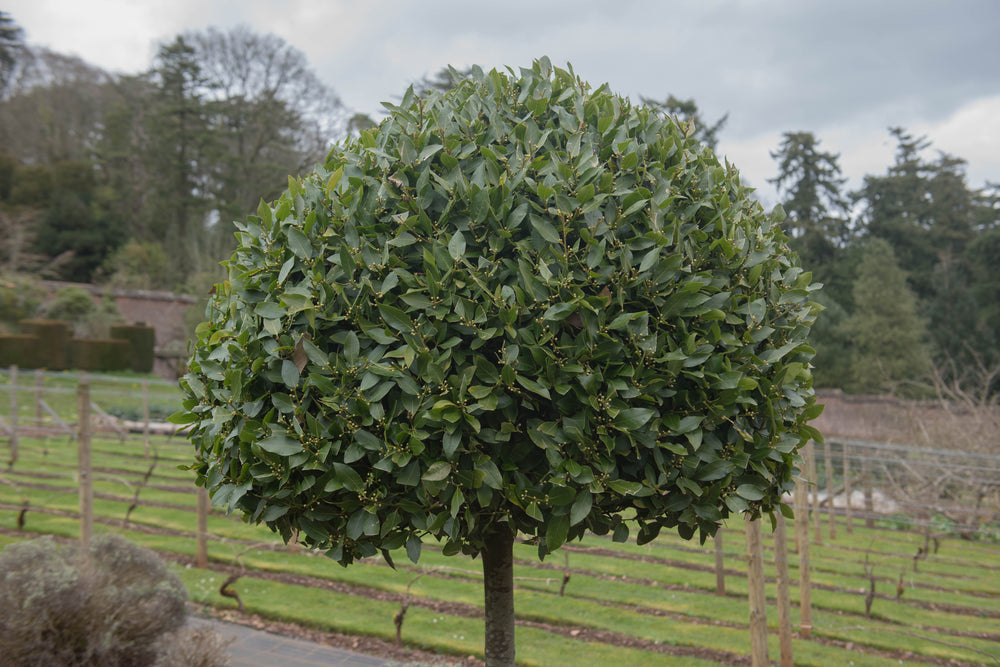
Laurus nobilis, or Bay Laurel, is a dense, compact, slow-growing, evergreen shrub or small tree of pyramidal habit, dark grey bark, and aromatic, narrowly ovate, leathery, dark green leaves used in cooking, especially in French and Mediterranean cuisine. Clusters of small, yellowish flowers bloom in spring and are followed by glossy, dark purple, berry-like drupes. Bay Laurel can grow in a wide range of soils, as long as they are well-drained, but thrives in fertile, moist, and well-drained soils. It prefers full sun, but doesn’t mind partial shade. It is tolerant of salt, therefore, suitable for coastal areas. Generally, pest-free and disease-free. In colder climates, it needs to be grown in containers and brought inside during the winter. Laurus nobilis is a wonderful, long-lived shrub, perfect as a specimen plant or planted in groups. Suitable for growing in containers, great as a topiary, and excellent for hedges and screens. Essential for herb garden.
Showing 18/102