102 products
102 products
Sort by:
{
Alpine.store('xUpdateVariantQuanity').updateQuantity('template--24215843438970__product-grid', '/products/acer-palmatum-tamukeyama-purple-threadleaf-japanese-maple-three-quarter-standard-clear-stem-160cm-height-180-190cm-30lt');
});">
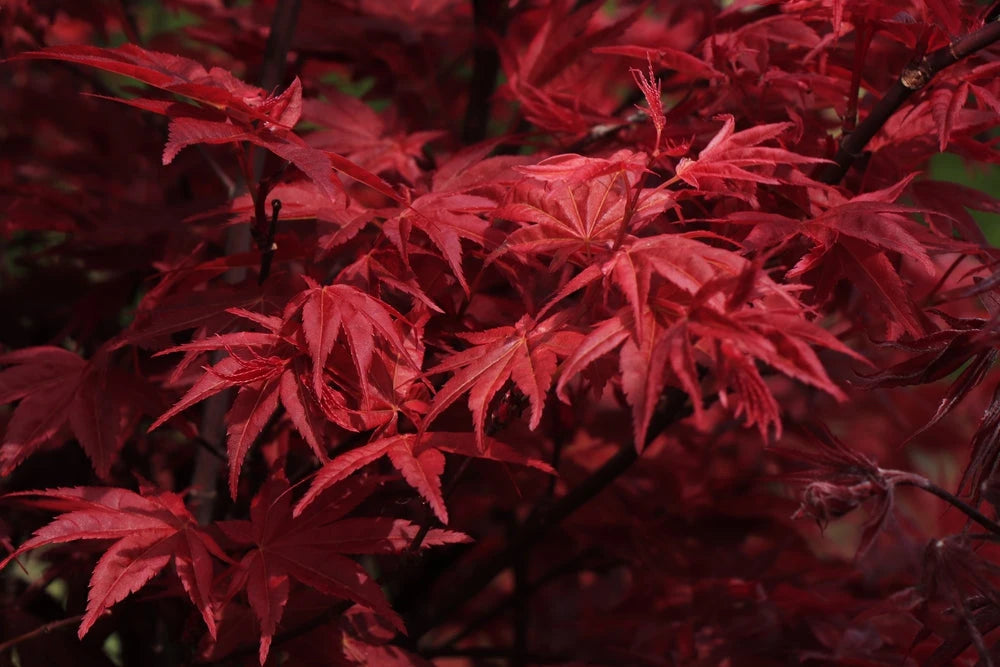
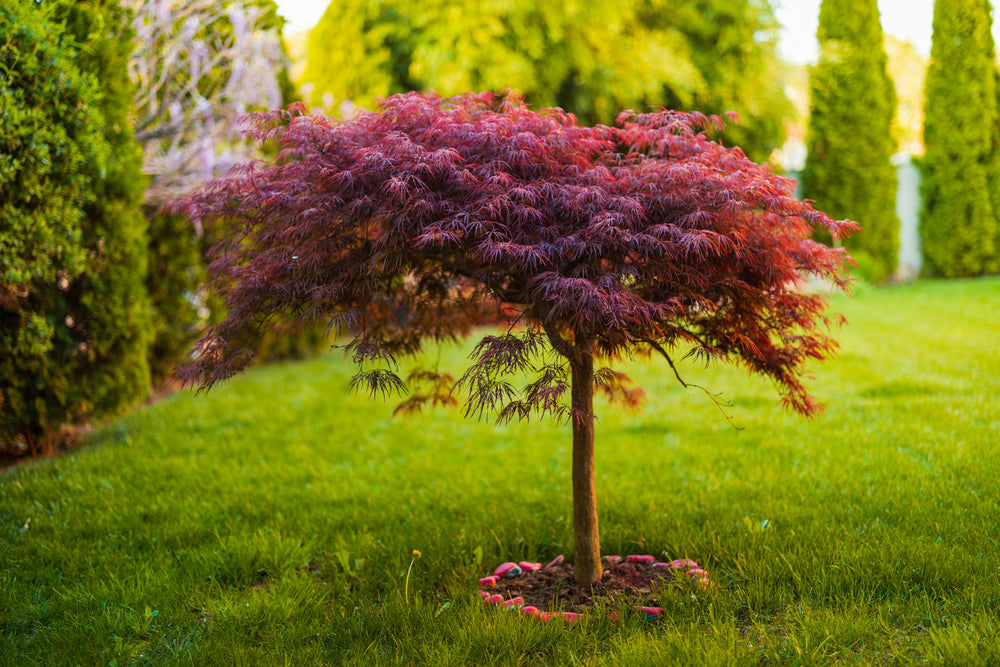
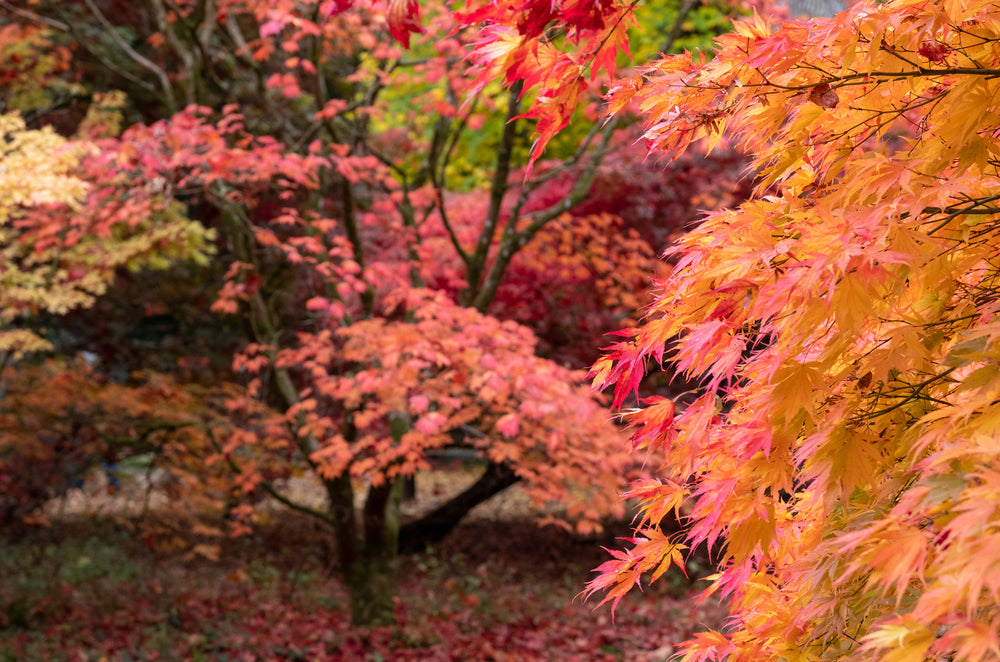
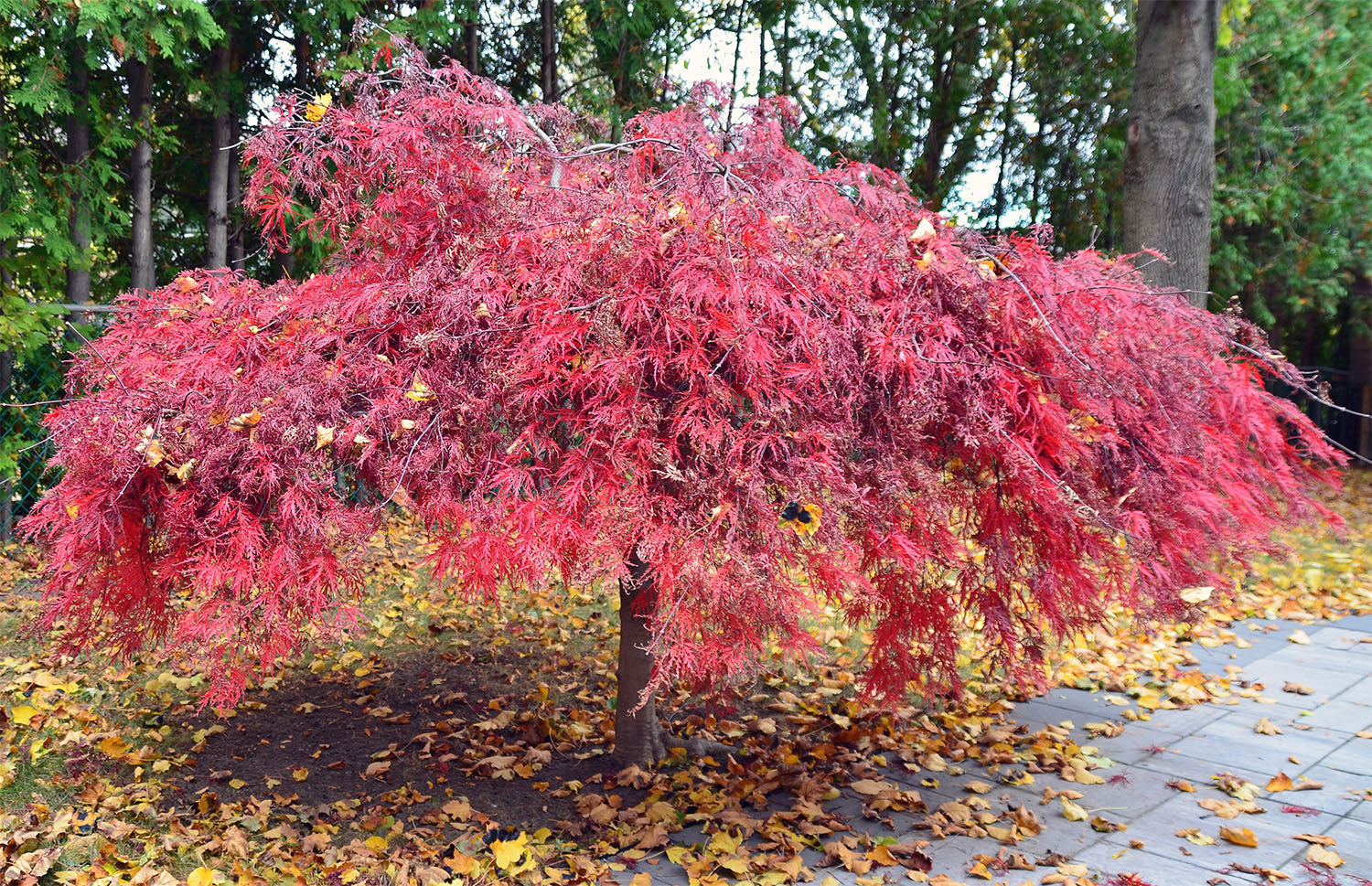
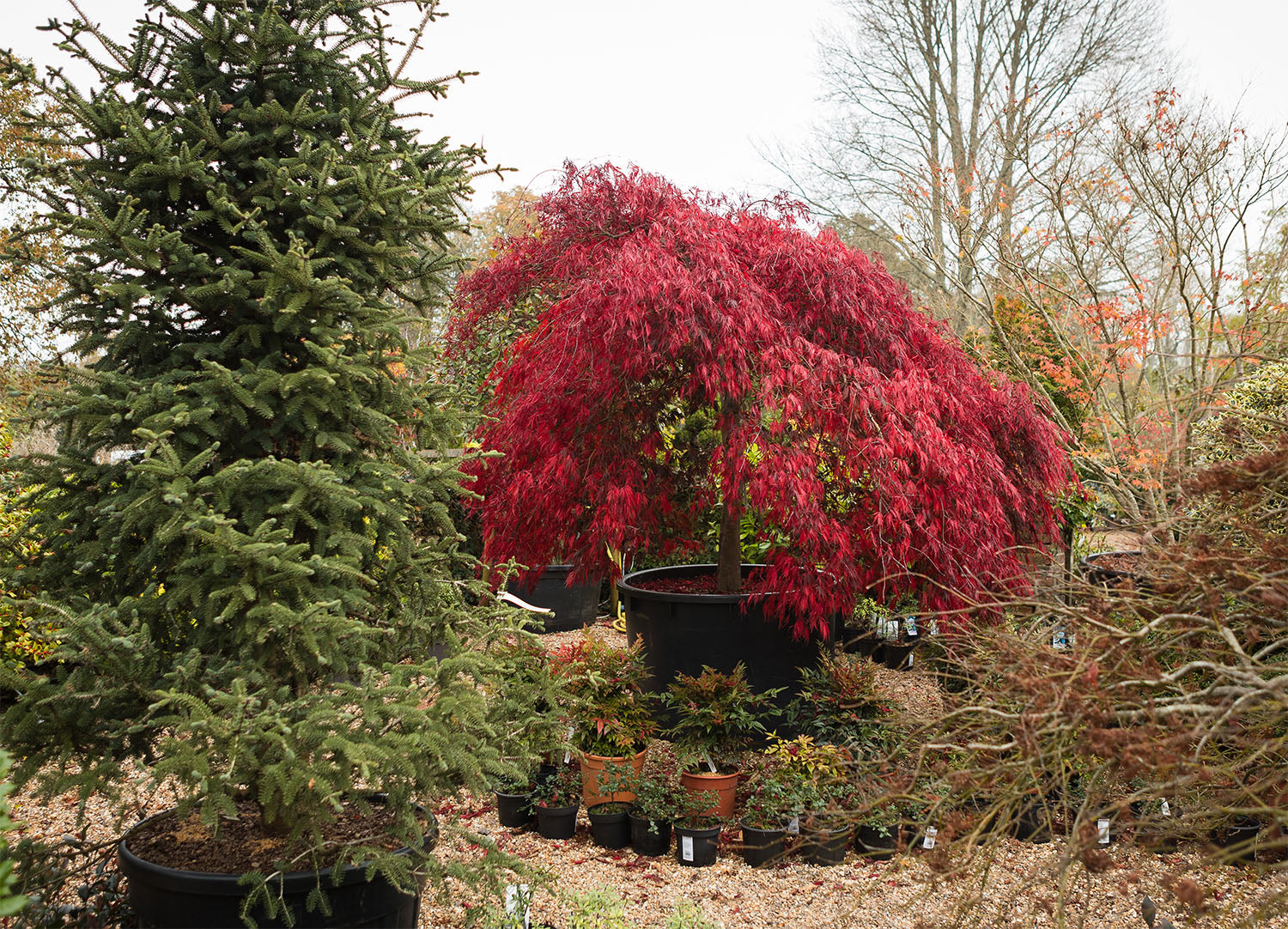
Acer palmatum 'Tamukeyama', the Japanese maple, is a deciduous tree trained here as a half standard, giving it a clear stem topped with a dome of weeping, cascading branches. The foliage is finely dissected and lacy, emerging deep red-purple in spring and holding its rich colouring well through summer before intensifying to brilliant scarlet and crimson tones in autumn. The branch structure is dense and mounding, creating an elegant umbrella-like canopy that provides strong year-round structural interest even once the leaves have fallen, as the twisting branch pattern remains visible through winter. This tree is particularly attractive in spring when the new foliage unfurls in vivid colour, and again in autumn when the display of fiery reds is at its most striking. Small, inconspicuous reddish-purple flowers appear in spring, followed by the typical winged seed pairs (samaras), though neither is a significant ornamental feature. This variety performs best in a sheltered position with dappled or partial shade, protected from strong winds and harsh midday sun, which can scorch the delicate foliage. It is well suited to loamy, moist but well-drained soils and makes an excellent specimen for a courtyard, border, or container planting where its weeping form can be fully appreciated.
{
Alpine.store('xUpdateVariantQuanity').updateQuantity('template--24215843438970__product-grid', '/products/salix-chrysocoma-golden-weeping-willow-300-350cm-30lt');
});">
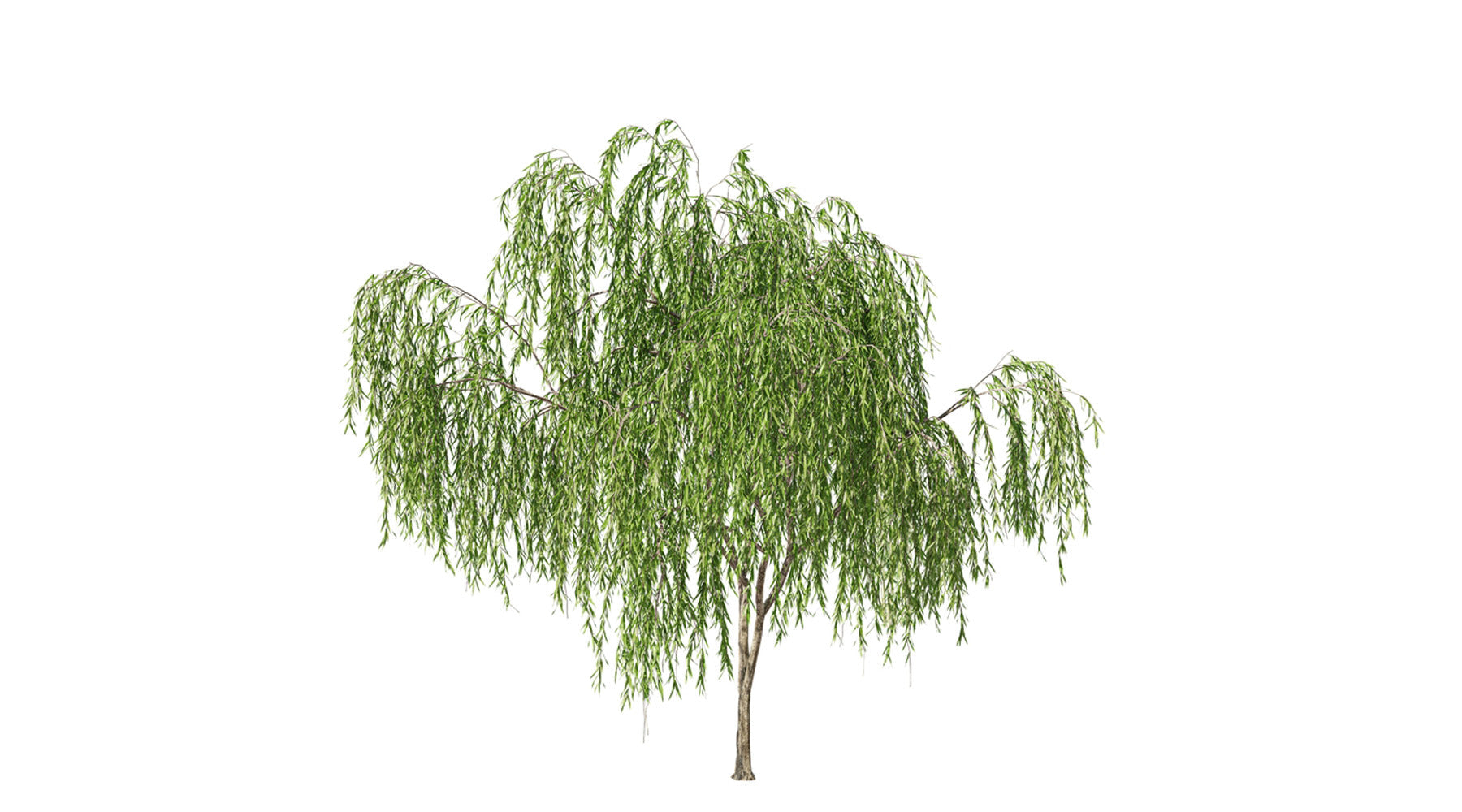
The Golden Weeping Willow is a deciduous tree, grown here as a half standard, well known for its graceful cascading branches that sweep down towards the ground. The foliage consists of narrow, lance-shaped leaves, bright green in colour, turning golden yellow before falling in autumn. The bark and young stems are a distinctive yellow-gold, providing interest even when the tree is bare in winter.
The tree has a broad, rounded crown with long pendulous branches creating a graceful, flowing structure. In spring, small yellow-green catkins appear alongside the emerging foliage, adding a soft texture to the canopy. Autumn brings a striking change as the leaves turn golden yellow, creating a warm display before leaf fall.
This willow is particularly suited to locations with moist or wet soil, including areas near ponds, streams, or other water features where its weeping form can be fully appreciated. It tolerates clay soils well and is a good choice for gardens with damp conditions. The catkins provide an early source of pollen for bees and other pollinating insects in spring, offering some benefit to local wildlife during a period when few other food sources are available.
Mountain pine | Pinus uncinata Wiel - Height 80-100cm Width 30-40cm Girth 6-8cm Stem 60-80cm - 8lt
12700
£127.00
Unit price perMountain pine | Pinus uncinata Wiel - Height 80-100cm Width 30-40cm Girth 6-8cm Stem 60-80cm - 8lt
12700
£127.00
Unit price per {
Alpine.store('xUpdateVariantQuanity').updateQuantity('template--24215843438970__product-grid', '/products/pinus-uncinata-wiel-clear-stem-60cm-girth-6cm-height-80-90cm-8lt');
});">
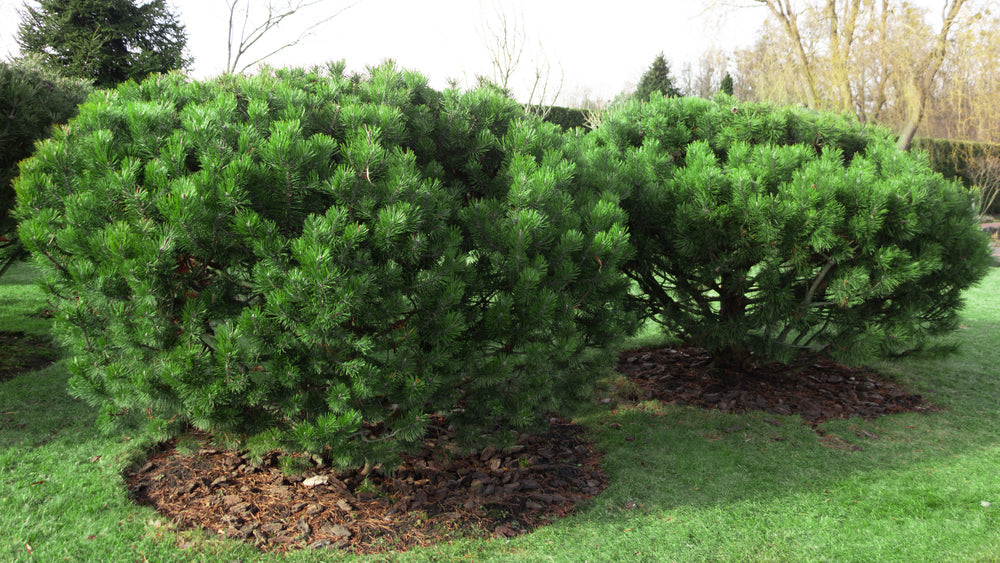
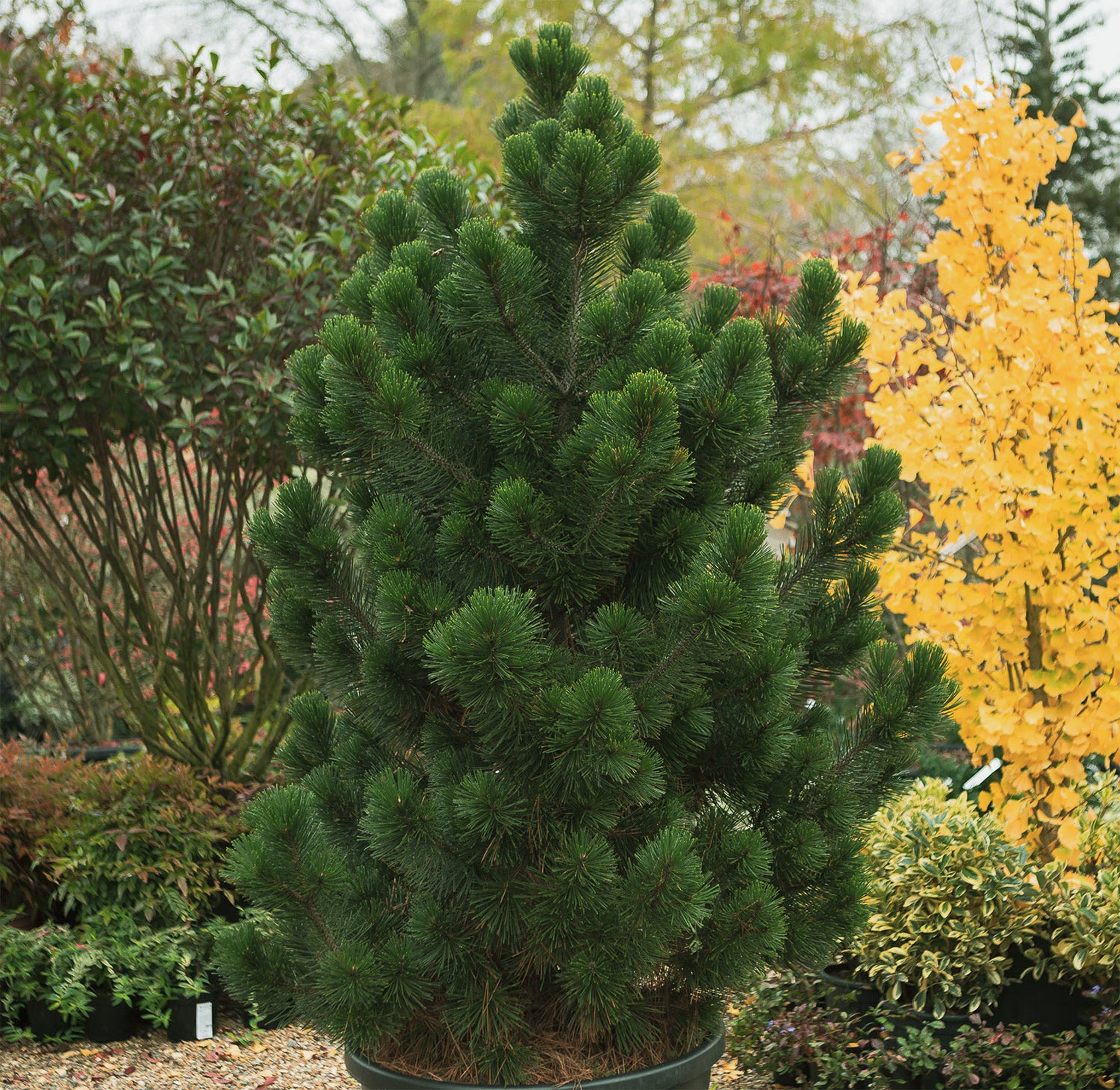
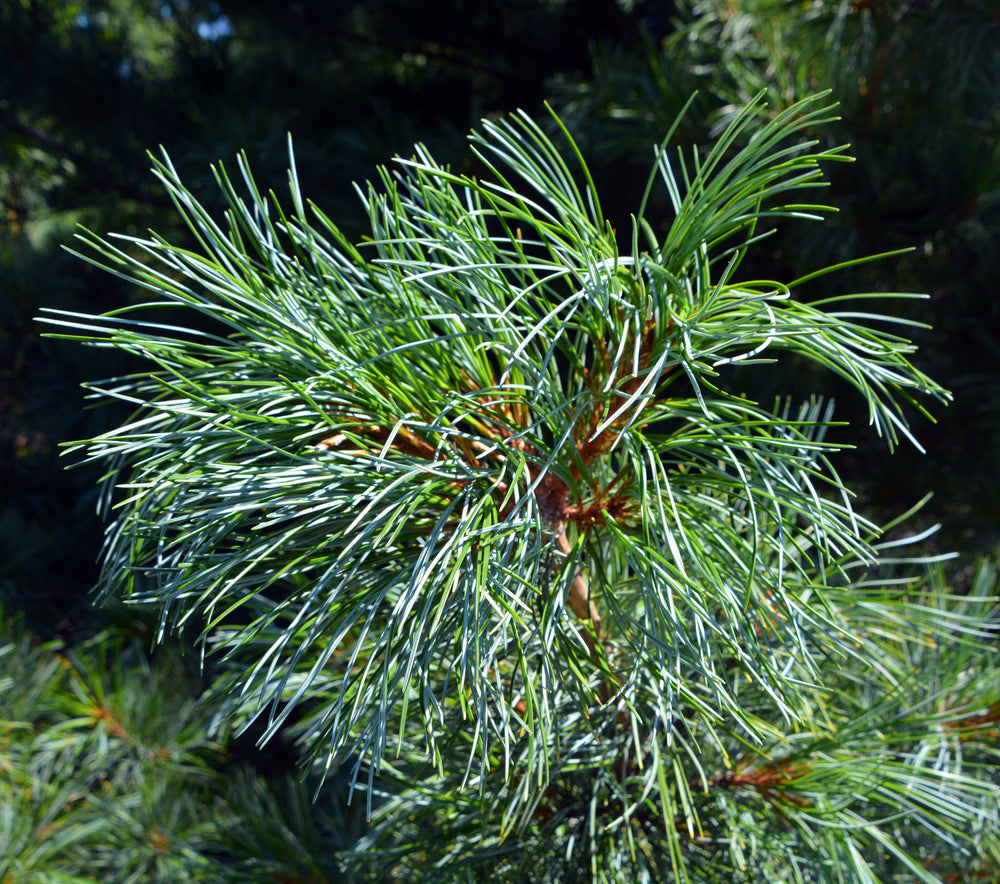
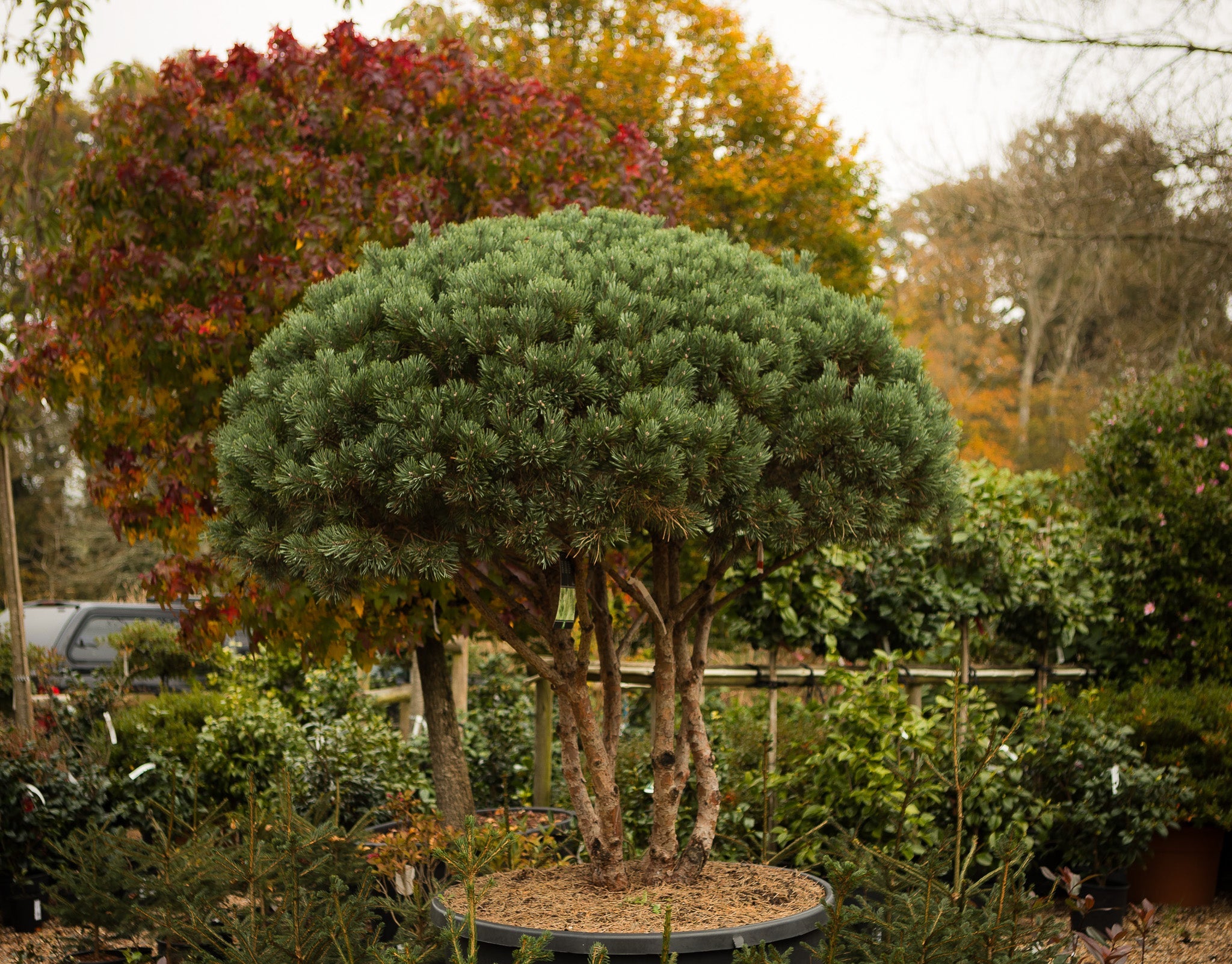
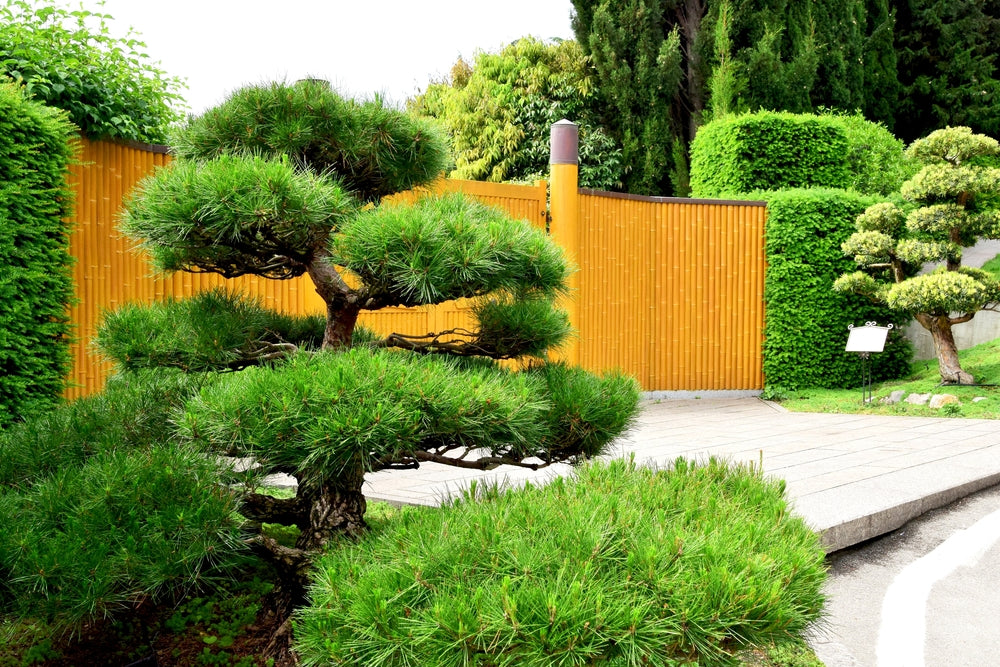
Pinus uncinata 'Wiel', commonly known as Mountain Pine, is an evergreen conifer trained here as a half standard, giving it a clear stem topped with a rounded, dense head of growth. The foliage consists of stiff, dark green needles arranged in pairs, providing year-round colour and structure to the garden. Its compact, slow-growing habit makes it a good choice for smaller spaces where a distinctive form is desired without excessive size.
As with many pines, small cones may develop, adding subtle interest but not forming a significant ornamental feature. The tree maintains a consistent appearance throughout the seasons, offering reliable structural value rather than seasonal displays of colour or flower.
Mountain Pine is naturally hardy and tolerant of harsh conditions, making it well suited to exposed sites, including coastal gardens where wind and salt exposure can limit plant choice. It also performs well in poor or well-drained soils and is tolerant of a range of soil types once established. This resilience, combined with its tidy half standard form, makes it a useful specimen for creating focal points in open borders, gravel gardens, or mixed plantings where a touch of year-round evergreen structure is required.
Apple 'Fuji' | Malus domestica Fuji - Height 180-220cm Width 80-100cm Girth 12-14cm Stem 100-140cm - 35lt
23000
£230.00
Unit price perApple 'Fuji' | Malus domestica Fuji - Height 180-220cm Width 80-100cm Girth 12-14cm Stem 100-140cm - 35lt
23000
£230.00
Unit price per {
Alpine.store('xUpdateVariantQuanity').updateQuantity('template--24215843438970__product-grid', '/products/apple-tree-fuji-malus-domestica-clear-stem-100cm-height-200-250cm-girth-12-14cm-30lt');
});">
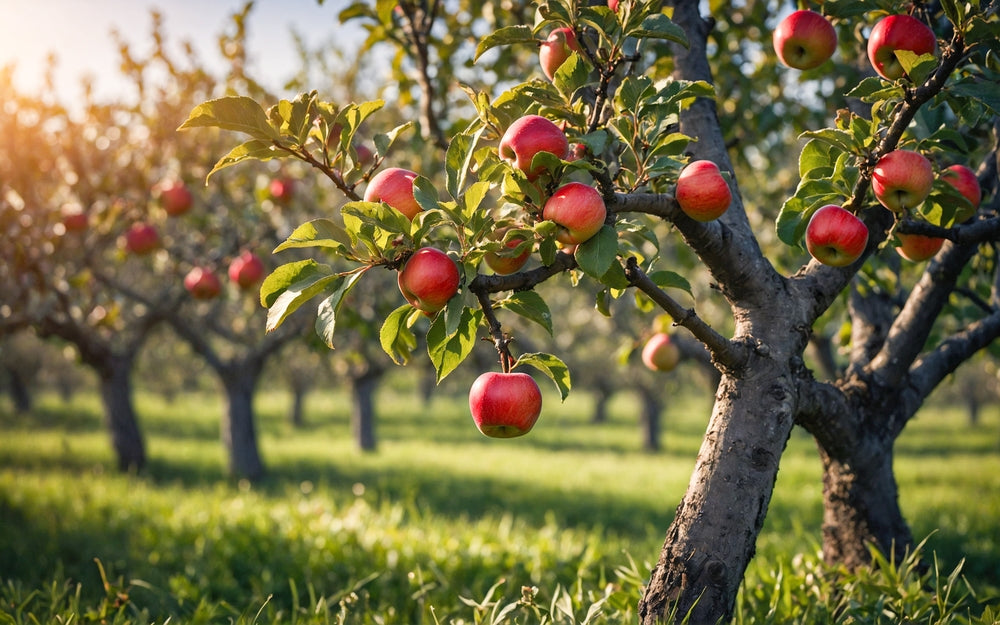
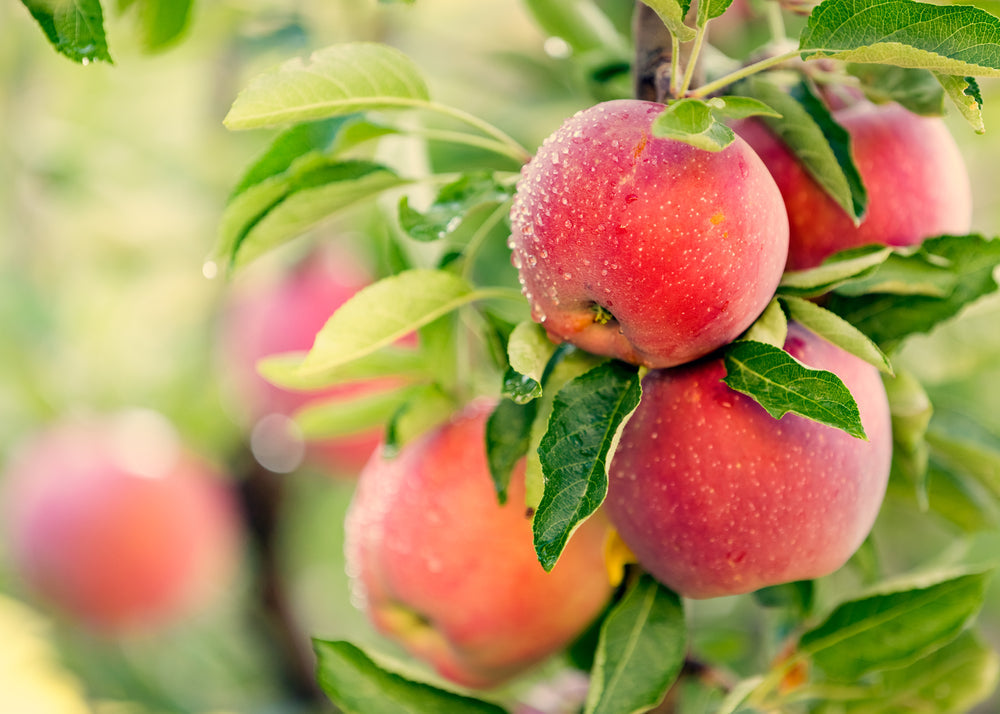
Malus domestica 'Fuji', commonly known as the Fuji apple tree, is a deciduous fruit tree trained here as a half standard, giving it a clear stem with a rounded head of branches. In spring, it produces blossom in shades of pink and white, appearing in April to May, which later gives way to fruit development through the growing season. The blossom provides a valuable early source of nectar and pollen for bees and other pollinating insects, supporting garden biodiversity. By autumn, the tree bears crisp, sweet apples with a characteristic pink-red flush over a yellow-green background, ready for harvest. The fruit can also be a food source for birds and other wildlife if left on the tree. Foliage consists of mid-green, oval leaves that turn attractive yellow tones before falling in autumn. The half standard form makes this tree suitable for smaller gardens where space is limited, while still allowing enough clearance beneath the canopy for planting or mowing. It performs best in a sunny, sheltered position with well-drained, fertile soil. This variety is a reliable choice for those wanting to grow their own apples at home, combining ornamental spring interest with a productive autumn harvest.
{
Alpine.store('xUpdateVariantQuanity').updateQuantity('template--24215843438970__product-grid', '/products/cotoneaster-x-watereri-clear-stem-height-200-220cm-20lt');
});">
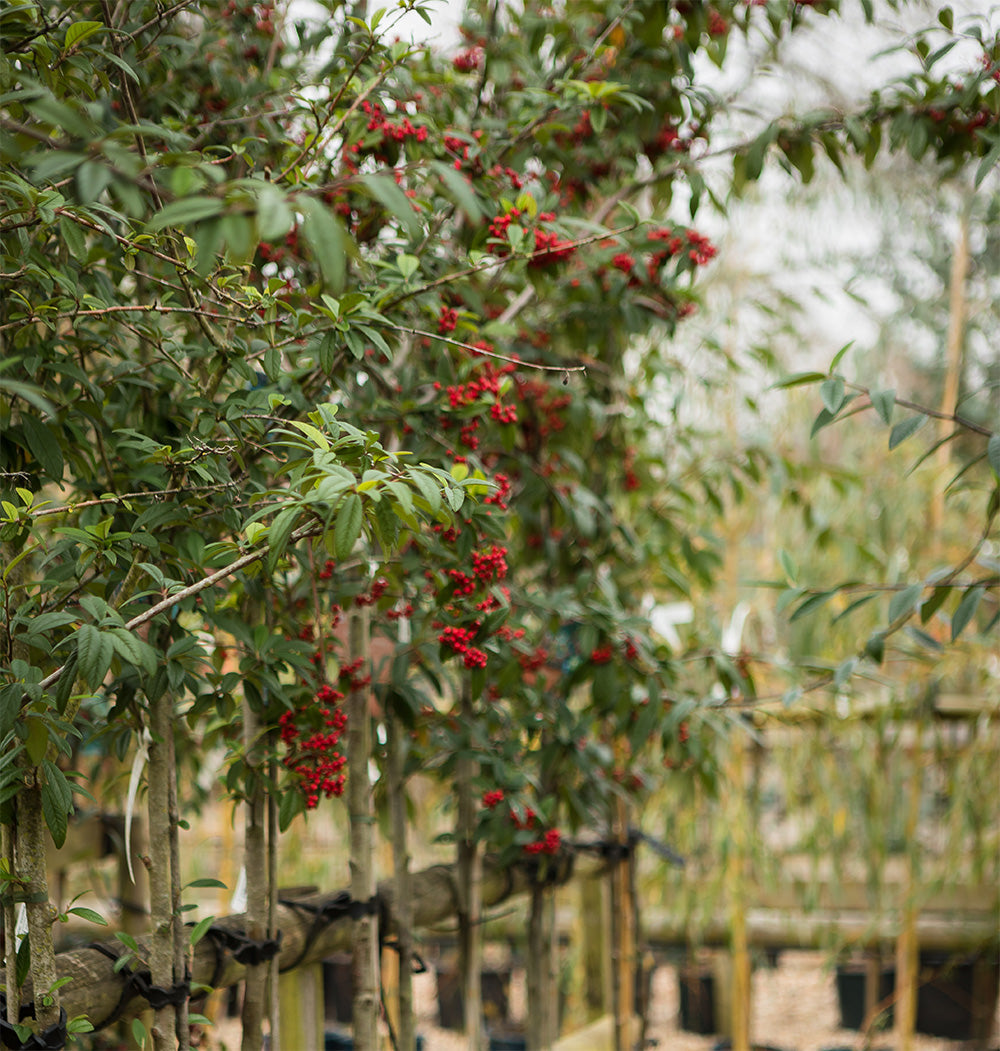
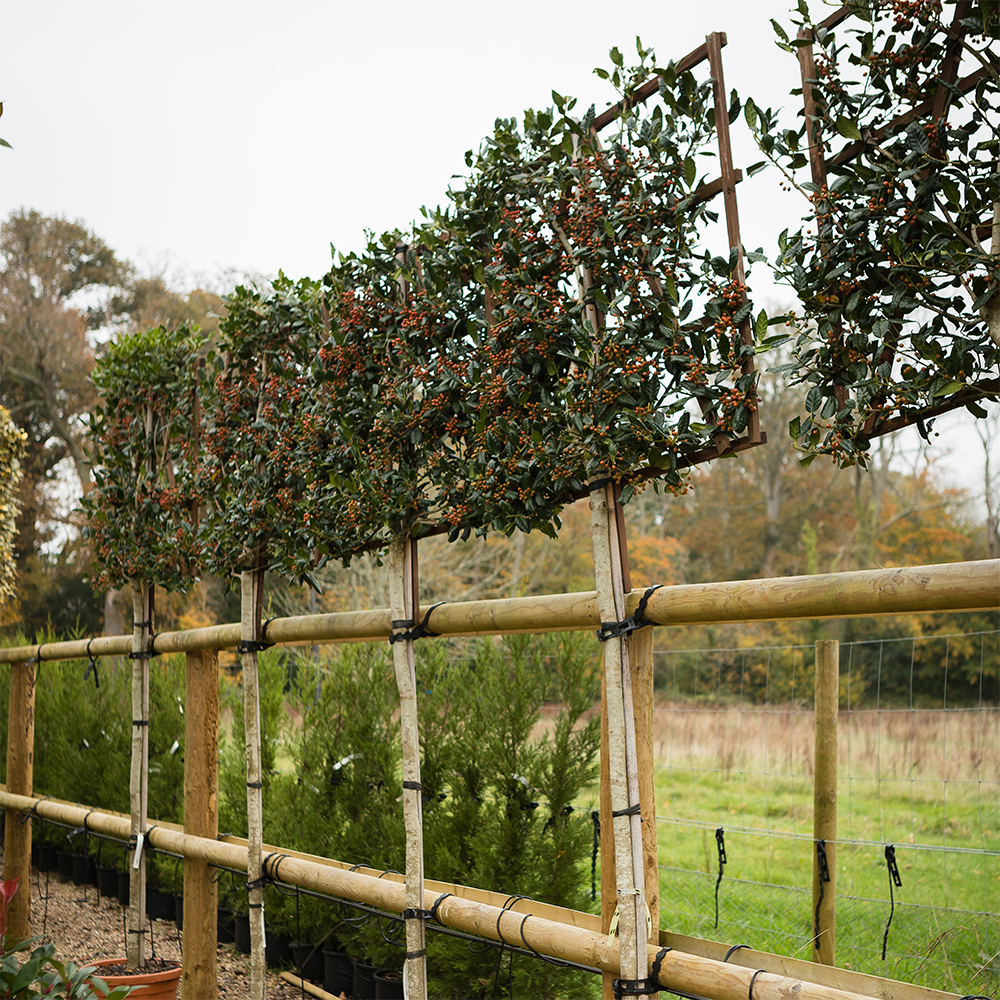
Cotoneaster x watereri, trained as a half standard tree, is a semi-evergreen to evergreen shrub prized for its vigorous, arching growth habit. The foliage consists of elongated, dark green leaves that provide a dense backdrop throughout much of the year, with only partial leaf drop in colder conditions.
In early summer, clusters of small white flowers appear, offering a delicate contrast against the dark foliage. These blooms are followed in autumn by an abundant display of bright red berries, which persist on the branches well into winter, creating striking seasonal interest. The combination of glossy foliage and heavy berry clusters gives the tree a graceful, weeping form as it matures, with branches cascading from the clear stem typical of half standard training.
The flowers are attractive to bees and other pollinating insects during the flowering period, while the berries provide a valuable food source for birds throughout autumn and winter, supporting local wildlife through the colder months. This makes it a useful addition for gardens aiming to encourage biodiversity.
This tree adapts well to a range of soil types, including clay and loamy soils, and tolerates both sun and partial shade. It is also suitable for coastal locations, demonstrating good resistance to wind and salt exposure.
{
Alpine.store('xUpdateVariantQuanity').updateQuantity('template--24215843438970__product-grid', '/products/acer-palmatum-dissectum-virdis-laceleaf-japanese-maple-clear-stem-75-85cm-height-100-120cm-25lt');
});">
Acer palmatum 'Viridis' is a deciduous Japanese maple, trained here as a half standard tree with a clear stem topped by a rounded, weeping canopy. The finely divided, palmate leaves emerge bright green in spring and remain green through summer, developing shades of gold and orange in autumn before leaf fall. The foliage has a delicate, lacy texture due to the deeply cut leaf lobes, giving the canopy a light and airy appearance. Small reddish-purple flowers appear in spring, followed by the characteristic winged seed pairs (samaras) later in the season, though neither are a significant ornamental feature compared to the foliage. The weeping, cascading form of the canopy provides year-round structural interest, particularly when underplanted or used as a specimen tree. This maple benefits from a sheltered position away from strong winds and harsh afternoon sun, which can scorch the delicate leaves. It performs well in moist, well-drained soil and tolerates partial shade, making it a versatile choice for a woodland-style planting scheme or as a focal point within a border.
Plum 'President' | Prunus domestica President - Height 100-140cm Width 60-80cm - 20lt
9400
£94.00
Unit price perPlum 'President' | Prunus domestica President - Height 100-140cm Width 60-80cm - 20lt
9400
£94.00
Unit price per {
Alpine.store('xUpdateVariantQuanity').updateQuantity('template--24215843438970__product-grid', '/products/plum-tree-president-prunus-domestica-height-100-120cm-20lt');
});">
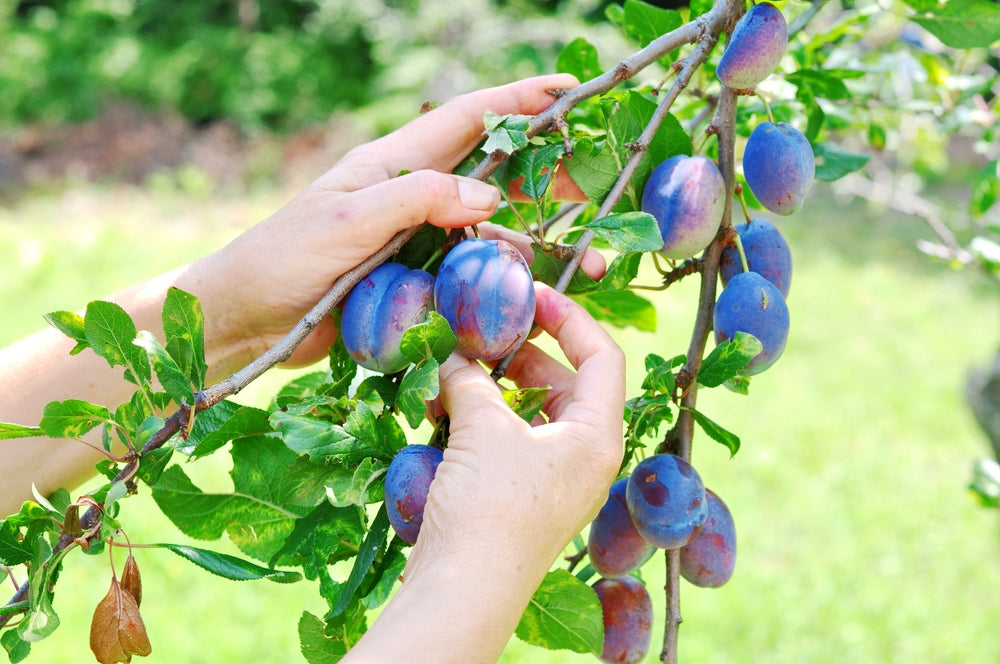
Prunus domestica 'President', commonly known as President Plum, is a deciduous fruit tree trained as a half standard, giving it a clear stem with a rounded head of branches at a manageable height for picking and garden display. In spring it bears clusters of white blossom before the leaves fully emerge, providing an early nectar and pollen source for bees and other pollinating insects. The flowers are followed by the development of mid-green, oval foliage that provides a backdrop for the fruit as it swells through summer.
This is a reliable, heavy-cropping variety producing large, deep purple-blue plums with a firm, sweet, juicy flesh, ready for harvest in mid to late autumn, making it one of the later-ripening dessert and culinary plums. The fruit is well suited to eating fresh, cooking or preserving.
As a half standard, the tree develops an open, well-spaced branch structure, allowing good air circulation and making routine pruning and fruit picking straightforward. The blossom and subsequent fruit also offer value to garden wildlife, with the flowers supporting pollinators in spring and fallen fruit providing a late-season food source for birds and insects. This variety is self-fertile, making it a dependable choice for a single tree in a garden, allotment or orchard setting.
Plum | Prunus domestica - Height 100-140cm Width 60-80cm - 20lt
9400
£94.00
Unit price perPlum | Prunus domestica - Height 100-140cm Width 60-80cm - 20lt
9400
£94.00
Unit price per {
Alpine.store('xUpdateVariantQuanity').updateQuantity('template--24215843438970__product-grid', '/products/plum-tree-mirabelle-de-nancy-prunus-domestica-height-100-120cm-20lt');
});">
Common Plum is a deciduous fruit tree, grown here as a Half Standard with a clear stem and rounded head, making it suitable for traditional orchards or as a specimen tree in open ground. Clusters of white blossom appear in spring before the leaves fully emerge, providing an attractive early display and an important nectar source for bees and other pollinating insects. The oval, mid-green leaves follow, giving moderate canopy cover through summer. By late summer into autumn, the tree produces edible plums, varying in colour from yellow to deep purple depending on variety, which are valued both for eating fresh and for cooking and preserving. Fallen or unharvested fruit also provides a valuable late-season food source for birds, insects and other garden wildlife, supporting local biodiversity. The tree generally prefers a sunny, sheltered position and does best in fertile, well-drained soil, though it will tolerate a range of garden conditions. As a Half Standard, it is particularly suited to gardens and smaller orchard settings where fruit can be picked at a manageable height, while still allowing space beneath the canopy for underplanting or grazing.
{
Alpine.store('xUpdateVariantQuanity').updateQuantity('template--24215843438970__product-grid', '/products/pinus-summer-breeze-pinus-nigra-aron-stem-100-110cm-10lt');
});">
The Austrian Pine 'Summer Breeze' is an evergreen conifer, retaining its foliage throughout the year. It produces long, dark green needles arranged in dense pairs along the stems, giving the tree a full, textured appearance. Grown as a half standard, it has a clear, straight stem topped with a well-balanced, rounded crown, making it a structural and architectural addition to any planting scheme. The dense habit of the foliage provides good year-round screening and a strong visual presence in the garden.
As a conifer, this pine does not produce showy flowers; instead it bears small, brown cones that develop on the branches, adding subtle interest without being a dominant feature. The tree maintains a consistent, sturdy appearance across all seasons, valued more for its structure and foliage than for seasonal colour change.
The dense branching and evergreen cover offer shelter and nesting opportunities for garden birds, while the cones can provide a source of food for various wildlife. Pinus nigra is noted for its resilience, tolerating exposed and coastal conditions well, including salt-laden winds, making 'Summer Breeze' a suitable choice for gardens in windy or coastal locations. It also adapts to a range of soil types, including poorer or well-drained soils, making it a versatile and hardy specimen for different garden settings.
{
Alpine.store('xUpdateVariantQuanity').updateQuantity('template--24215843438970__product-grid', '/products/cotoneaster-rothschildianus-willow-leaved-cotoneaster-height-160-180cm-12lt');
});">
Cotoneaster Rothschildianus is a semi-evergreen tree, trained here as a half standard with a clear stem and a rounded head of branches. The foliage is mid to dark green, elliptic in shape, providing a good backdrop throughout the growing season. In early summer small white flowers appear in clusters, attracting bees and other pollinating insects. These are followed in autumn by an abundant display of yellow berries, which persist on the branches well into winter and provide a valuable food source for garden birds. The combination of flowers, berries and foliage gives this tree year-round interest, with particular appeal in autumn when the berry display is at its best. As a half standard, it works well as a specimen tree in a border or lawn, offering structure without excessive height. It is tolerant of a range of soil types, including chalky and clay soils, and adapts well to most garden situations. This cultivar is a useful choice for those wishing to support local wildlife while maintaining an attractive, low-maintenance tree suited to smaller gardens or as a feature planting within a larger landscape.
{
Alpine.store('xUpdateVariantQuanity').updateQuantity('template--24215843438970__product-grid', '/products/magnolia-flamingo-clear-stem-120cm-height-270cm-girth-8cm-35lt');
});">
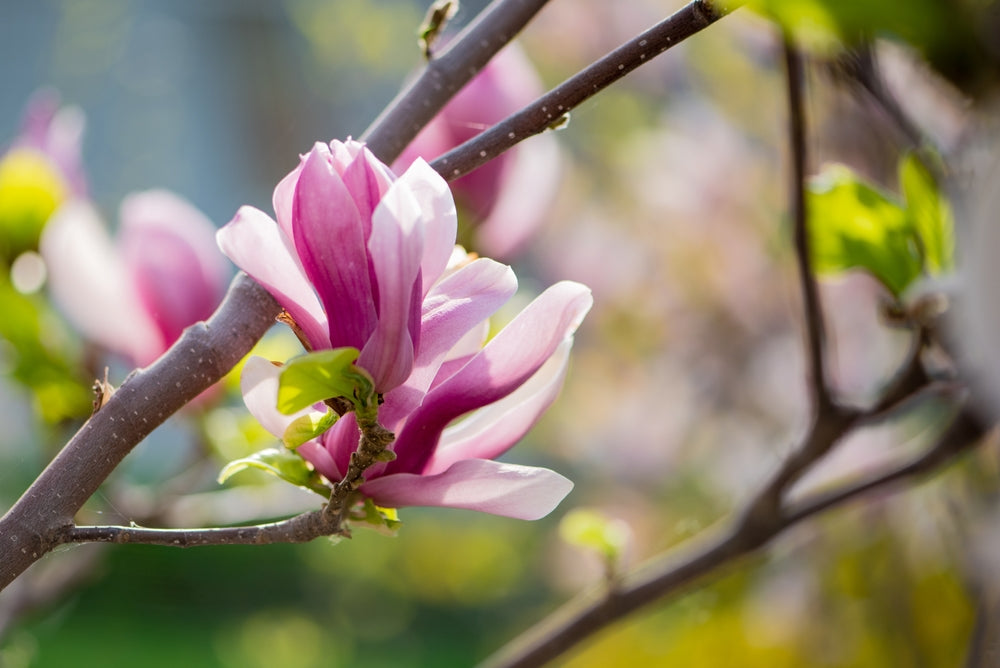
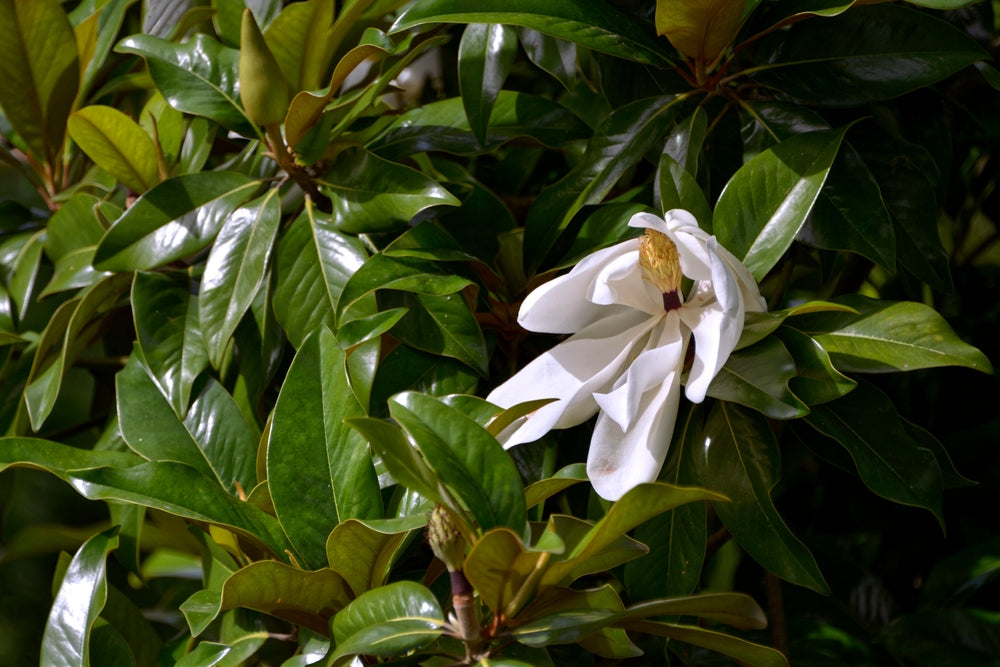
Magnolia Flamingo is a deciduous tree, trained here as a half standard with a clear stem supporting a rounded, well-proportioned head of branches. The foliage is mid-green and oval, providing a fresh backdrop through the growing season before falling in autumn.
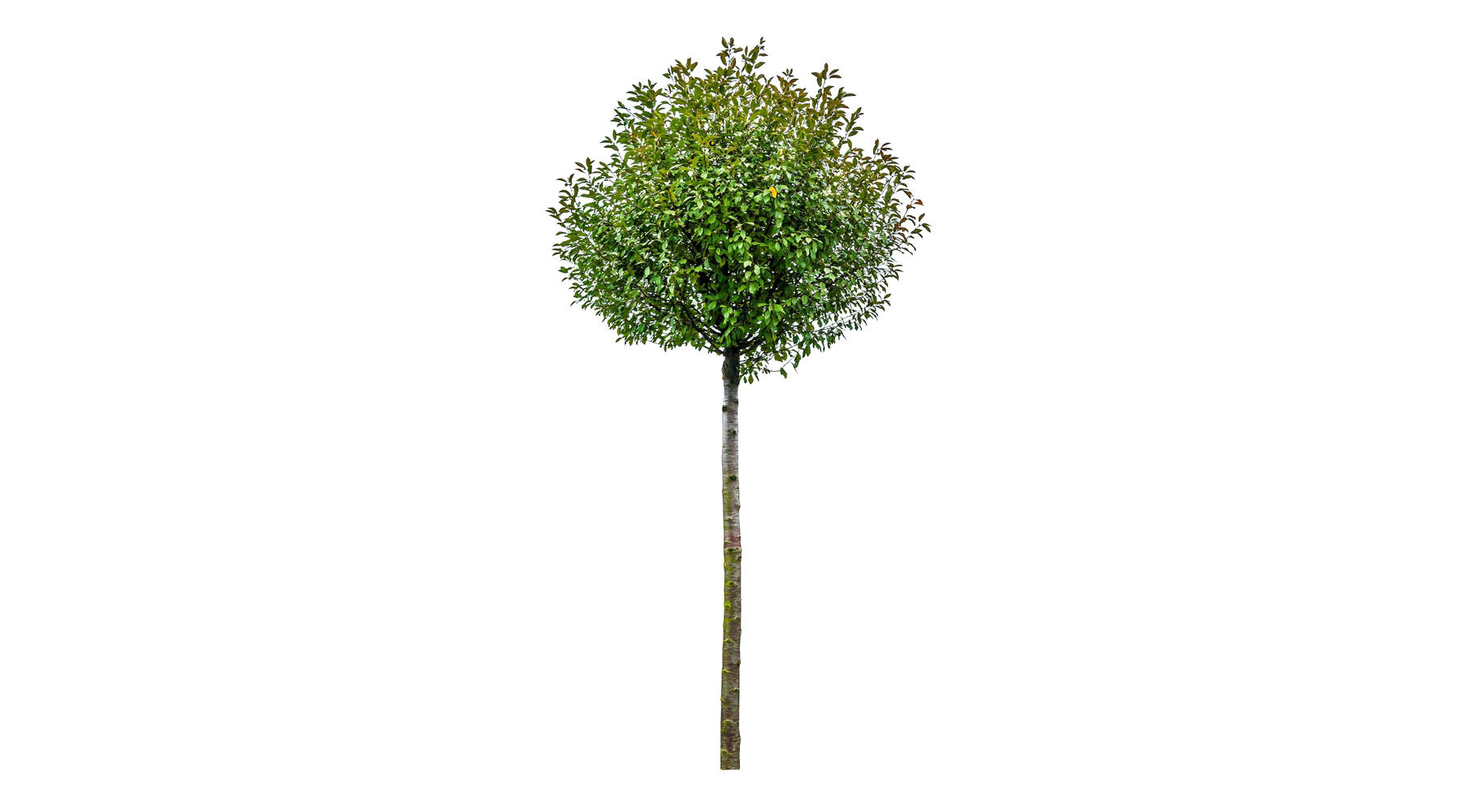
Flowering occurs in mid to late spring, when the bare branches become covered in large, goblet-shaped blooms in soft pink, with deeper pink-flushed petal bases that intensify towards the flower centre. The flowers open before the leaves fully emerge, creating a striking display against the sky. This timing makes the tree a particular highlight in the spring garden, offering a long flowering period compared to some other magnolia varieties.
Magnolia Flamingo prefers a sheltered position, as late frosts can damage open blooms, and benefits from moist, well-drained, slightly acidic to neutral soil. It is well suited to planting as a specimen tree where its spring display and refined half standard form can be fully appreciated, and works well in smaller gardens due to its manageable size and shape. It performs best in a position with protection from strong winds, which can bruise the petals and shorten the flowering display.
{
Alpine.store('xUpdateVariantQuanity').updateQuantity('template--24215843438970__product-grid', '/products/olive-tree-olea-europea-trunk-height-60-70cm-girth-10-16cm-height-120-140cm-45lt');
});">
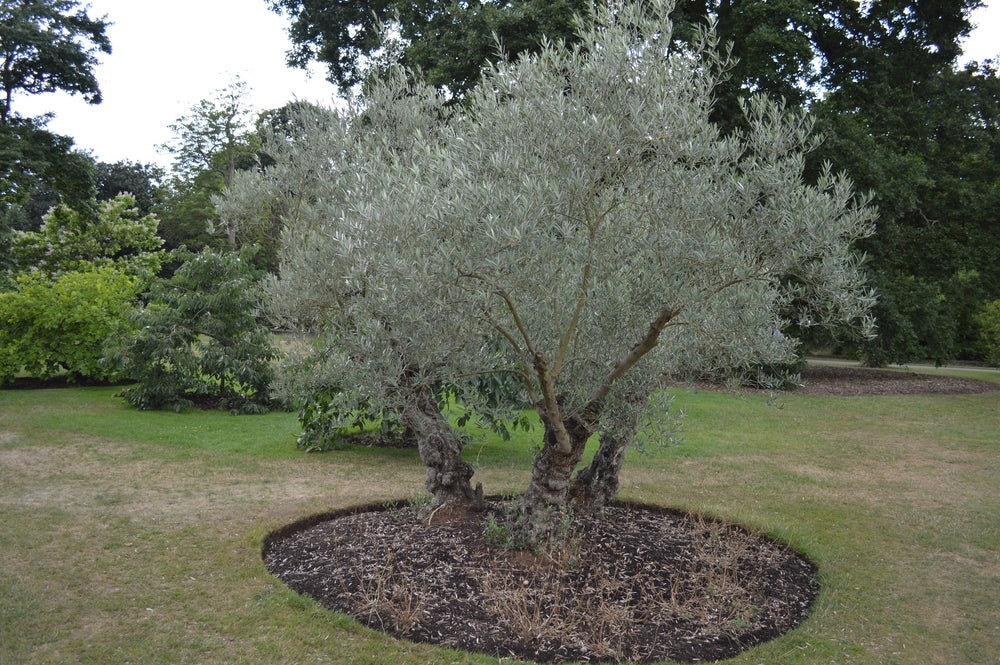
The Olive Tree is an evergreen tree, valued for its distinctive silvery-grey, lance-shaped leaves that provide year-round interest. Trained as a half standard, it has a clear stem with a rounded, bushy head of foliage, giving it a structured yet informal appearance suited to both traditional and contemporary garden settings.
Small, creamy-white flowers appear in late spring to early summer, growing in clusters along the branches. These are followed, in warmer conditions, by green fruits that ripen to a dark purple-black by autumn, though fruiting is often limited in cooler climates.
The Olive Tree is well suited to sheltered, sunny positions and performs best in free-draining soil. It has good tolerance of coastal conditions, making it a suitable choice for exposed or salt-affected gardens, as well as for containers on patios and terraces. Once established, it is drought-tolerant and copes well with poor or stony soils.
Its silvery foliage and gnarled, characterful stem make it an attractive specimen tree throughout the year, offering a Mediterranean feel to planting schemes. The tree's flowers can provide a source of nectar for pollinating insects during the summer months.
{
Alpine.store('xUpdateVariantQuanity').updateQuantity('template--24215843438970__product-grid', '/products/silk-tree-albizia-julibrissin-clear-stem-half-standard-height-140-180cm-width-80-100cm-girth-6-8cm-stem-80-100cm-25lt');
});">
Albizia julibrissin, commonly known as the Persian Silk Tree, is a deciduous tree supplied here as a half standard, giving it a clear stem with a rounded, spreading canopy. The foliage is fern-like and finely divided, composed of bright green bipinnate leaves that create a light, airy texture and cast dappled shade beneath the crown.
During summer, the tree produces distinctive silky, pompom-like flowers in shades of pink with pale yellow bases, giving a soft, fluffy appearance across the canopy. These blooms appear from mid to late summer and provide a striking contrast against the delicate foliage. In autumn, the leaves turn a soft yellow before falling, adding a further season of interest.
The flowers are attractive to pollinators, including bees and butterflies, making this tree a useful addition for gardens aiming to support local wildlife. Following flowering, flat seed pods may develop, adding additional textural interest into the autumn months.
This tree prefers a warm, sheltered, sunny position and is best suited to well-drained soils. It is particularly suitable for gardens seeking an exotic or architectural specimen tree, and its light canopy makes it a good choice for underplanting, as it allows filtered light to reach plants growing beneath it.
Pomegranate | Punica granatum - Height 100-140cm Width 40-50cm - 10lt
9400
£94.00
Unit price perPomegranate | Punica granatum - Height 100-140cm Width 40-50cm - 10lt
9400
£94.00
Unit price per {
Alpine.store('xUpdateVariantQuanity').updateQuantity('template--24215843438970__product-grid', '/products/pomegranate-punica-granatum-height-100-140cm-width-40-50cm-10lt');
});">
Punica granatum, commonly known as the Pomegranate, is a deciduous fruit tree trained here as a half standard. The foliage is glossy and narrow, emerging with a bronze tint in spring before maturing to mid-green, then turning yellow in autumn before leaf fall.
Grown as a half standard, this form produces a clear stem with a rounded head of branches, making it a distinctive feature tree for a garden setting. The trumpet-shaped, orange-red flowers appear from late spring through summer, borne at the branch tips, and are followed by the development of the characteristic rounded fruits, which ripen to a deep red or orange hue later in the season.
The flowers of the Pomegranate are attractive to pollinating insects, providing a nectar source during the summer months. In favourable conditions, the fruits can also be of interest to birds.
This tree benefits from a warm, sheltered, sunny position and is well suited to being grown against a south-facing wall in cooler climates to assist with fruit ripening. It performs best in well-drained soil and is tolerant of brief periods of drought once established, making it suitable for sunnier, drier spots in the garden.
{
Alpine.store('xUpdateVariantQuanity').updateQuantity('template--24215843438970__product-grid', '/products/olive-olea-europaea-clear-stem-half-standard-height-180-220cm-width-40-50cm-girth-8-10cm-stem-80-100cm-15lt');
});">
The Olive is an evergreen tree, grown here as a half standard with a clear stem leading to a rounded, bushy head. The narrow, lance-shaped leaves are grey-green above and silvery beneath, giving the canopy a soft, muted colour that remains attractive throughout the year. Small clusters of creamy-white flowers appear in summer, followed by the familiar green olives that ripen to black if the climate is warm enough, though in cooler conditions fruiting may be limited. The gnarled, textured bark adds character even in winter when many other plants are bare. This tree suits sheltered, sunny positions and performs best in free-draining soil, making it a good choice for coastal gardens where it can tolerate salt-laden winds. It is also well suited to container growing, allowing it to be moved under cover in particularly harsh winters. The compact, rounded form of the half standard shape makes it a useful specimen for patios, courtyards, or as a focal point within a Mediterranean-style planting scheme. Its drought tolerance once established makes it a practical option for drier parts of the garden. The flowers, while small, can attract pollinating insects during the summer months, adding a touch of wildlife interest to its ornamental appeal.
{
Alpine.store('xUpdateVariantQuanity').updateQuantity('template--24215843438970__product-grid', '/products/olive-olea-europaea-clear-stem-half-standard-height-180-220cm-width-60-80cm-girth-14-16cm-stem-80-100cm-35lt');
});">
The Olive Tree is an evergreen tree, grown here as a half standard with a clear stem leading to a rounded, bushy head of foliage. Its narrow, lance-shaped leaves are grey-green above and silvery beneath, giving the canopy a soft, shimmering appearance that moves attractively in the breeze. The gnarled, textured bark and characteristically twisted branch structure add year-round interest, making it a distinctive feature even in winter when many other trees are bare.
During early summer, small, creamy-white flowers appear in clusters along the branches. These are followed, in warmer climates or favourable seasons, by small green fruits that ripen to a deep purple-black if left on the tree, though fruiting in the UK is often limited due to cooler summers.
The Olive Tree is well suited to sunny, sheltered positions and performs particularly well in free-draining soils, including sandy or stony ground. It has good tolerance of coastal conditions, withstanding salt-laden winds, and is a popular choice for Mediterranean-style planting schemes, patios, and large containers. Once established, it copes well with periods of drought, making it a resilient and low-maintenance choice for gardens with well-drained soil and plenty of sunshine.
Olive Tree | Olea Europea - Mature Old - Girth 63cm - 225-235cm, 160lt
89000
£890.00
Unit price perOlive Tree | Olea Europea - Mature Old - Girth 63cm - 225-235cm, 160lt
89000
£890.00
Unit price per {
Alpine.store('xUpdateVariantQuanity').updateQuantity('template--24215843438970__product-grid', '/products/olive-tree-olea-europea-mature-old-girth-63cm-225-235cm-160lt');
});">
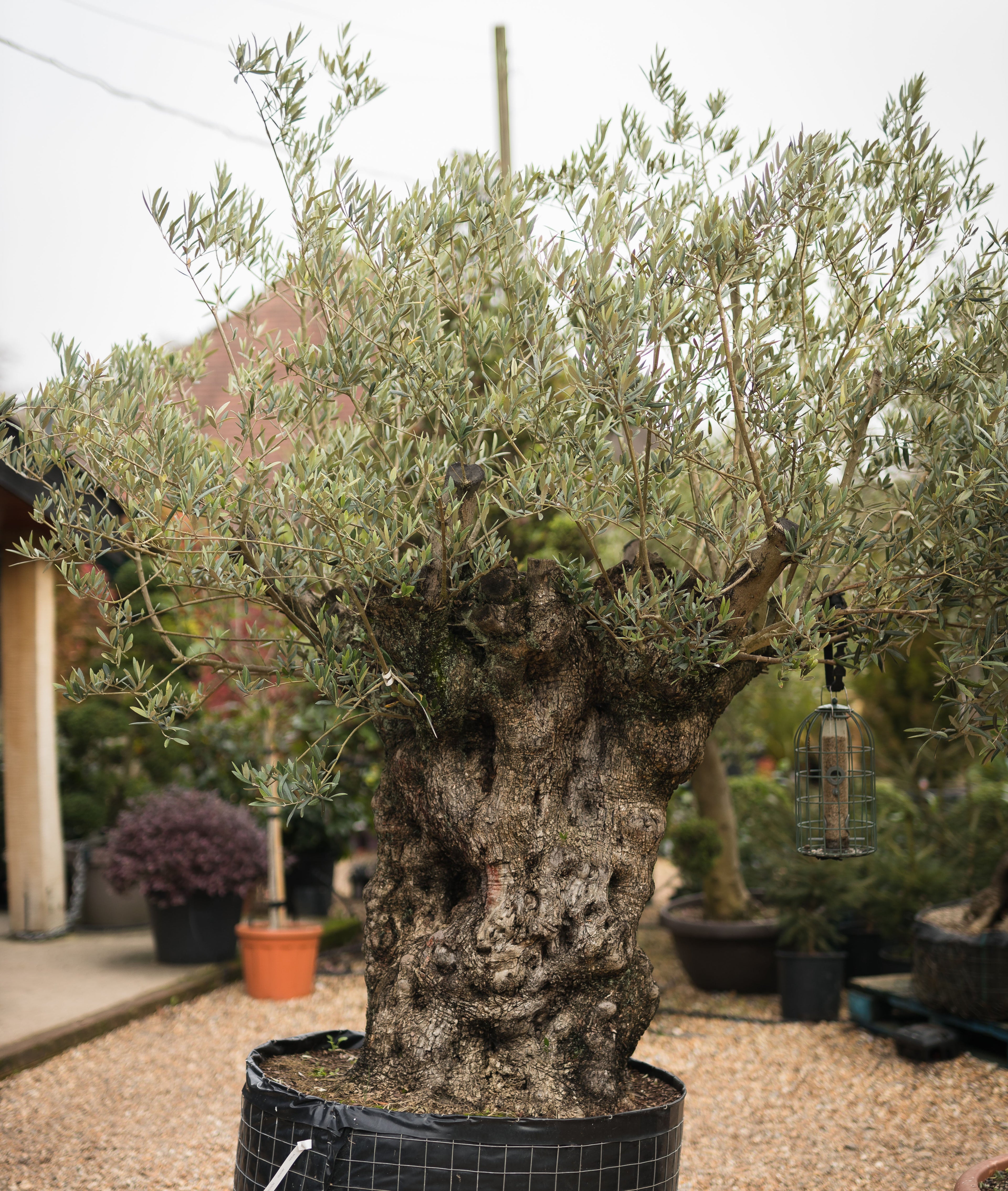
Olea Europea is one of the world’s oldest cultivated plants with Mediterranean origin. It’s a wonderful, slow-growing, long-lived, evergreen tree of very attractive habit and spreading crown, with gnarled, twisted trunk and silvery foliage. The elliptic leaves are grey-green, silvery underneath. Tiny, fragrant, white flowers are followed by small, olive-rich, plum-like fruits, harvested when they are green or purple. Fruits are not edible directly from the tree, but after a special treatment. Common Olive grows best in fertile, loamy, moist, well-drained soils, in full sun, but can tolerate partial shade. Once established, it is drought-tolerant. It thrives in warm climates. If grown in colder areas, it should be planted in containers and brought inside during the winter. Generally, disease-free. Olea Europea is mostly grown for its tasteful fruits, but it is also an attractive-looking addition to urban, coastal, Mediterranean, or rock and gravel gardens. It is suitable for growing in pots and containers.
Olive Tree | Olea Europea - Mature - Gnarly Trunk - Girth 107cm Height 225-235cm - 240lt
150000
£1,500.00
Unit price perOlive Tree | Olea Europea - Mature - Gnarly Trunk - Girth 107cm Height 225-235cm - 240lt
150000
£1,500.00
Unit price per {
Alpine.store('xUpdateVariantQuanity').updateQuantity('template--24215843438970__product-grid', '/products/olea-europea-1-2-standard-107cm-girth-225-235cm-240lt');
});">
Olea Europea is one of the world’s oldest cultivated plants with Mediterranean origin. It’s a wonderful, slow-growing, long-lived, evergreen tree of very attractive habit and spreading crown, with gnarled, twisted trunk and silvery foliage. The elliptic leaves are grey-green, silvery underneath. Tiny, fragrant, white flowers are followed by small, olive-rich, plum-like fruits, harvested when they are green or purple. Fruits are not edible directly from the tree, but after a special treatment.
Common Olive grows best in fertile, loamy, moist, well-drained soils, in full sun, but can tolerate partial shade. Once established, it is drought-tolerant. It thrives in warm climates. If grown in colder areas, it should be planted in containers and brought inside during the winter. Generally, disease-free.
Olea Europea is mostly grown for its tasteful fruits, but it is also an attractive-looking addition to urban, coastal, Mediterranean, or rock and gravel gardens. It is suitable for growing in pots and containers.
Showing 72/102