

-
Trees
Trees
 Fruit Trees
 Ornamental
 Screening
 Palms
By FeaturesBy Shape
Palms
By FeaturesBy Shape -
Shrubs
Shrubs
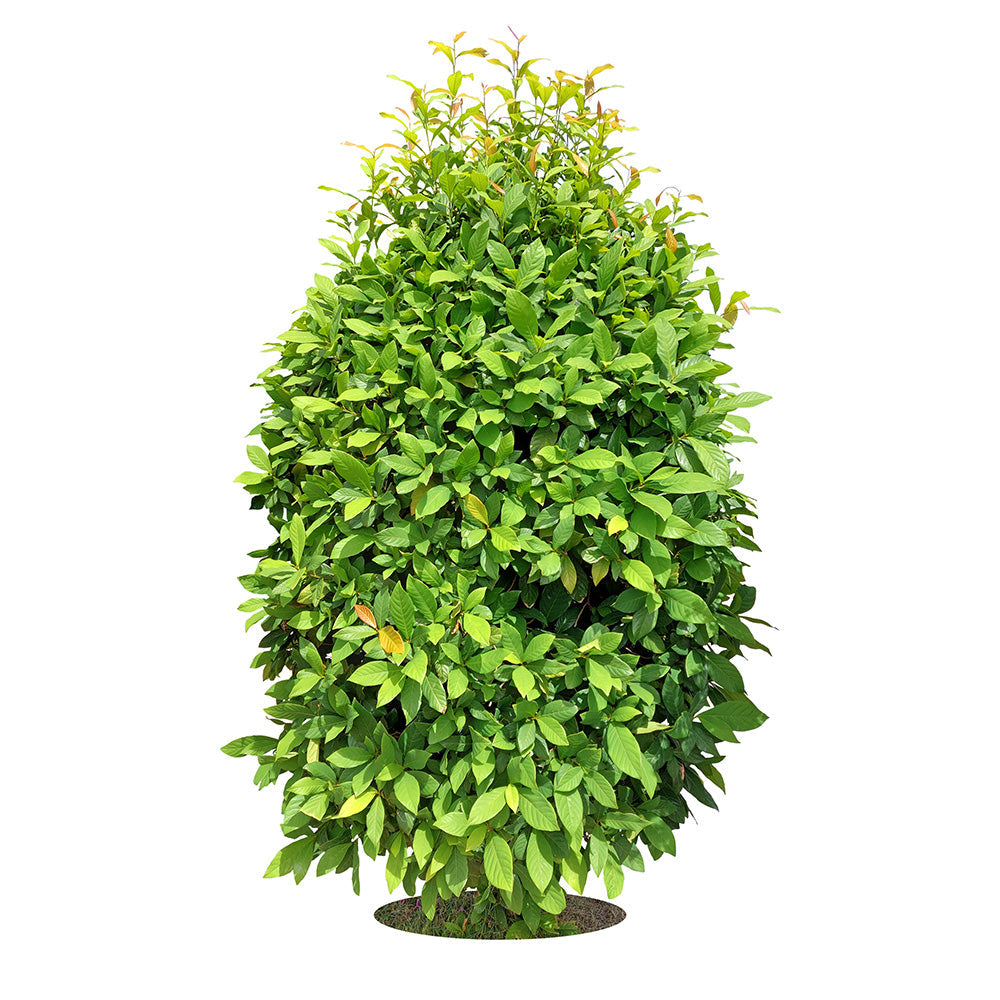 Large shrubs
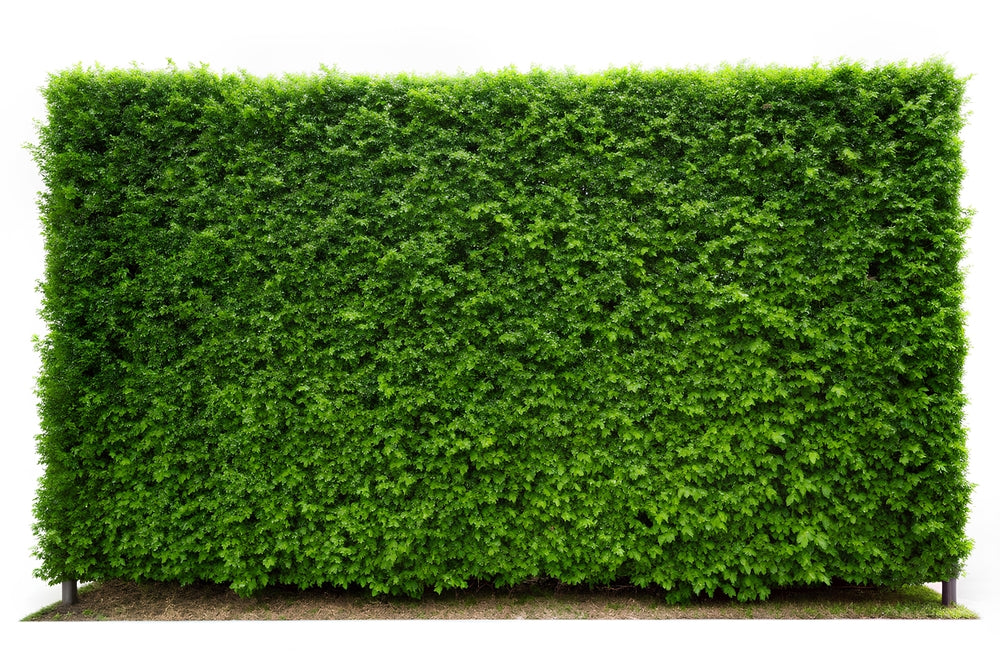 Hedging
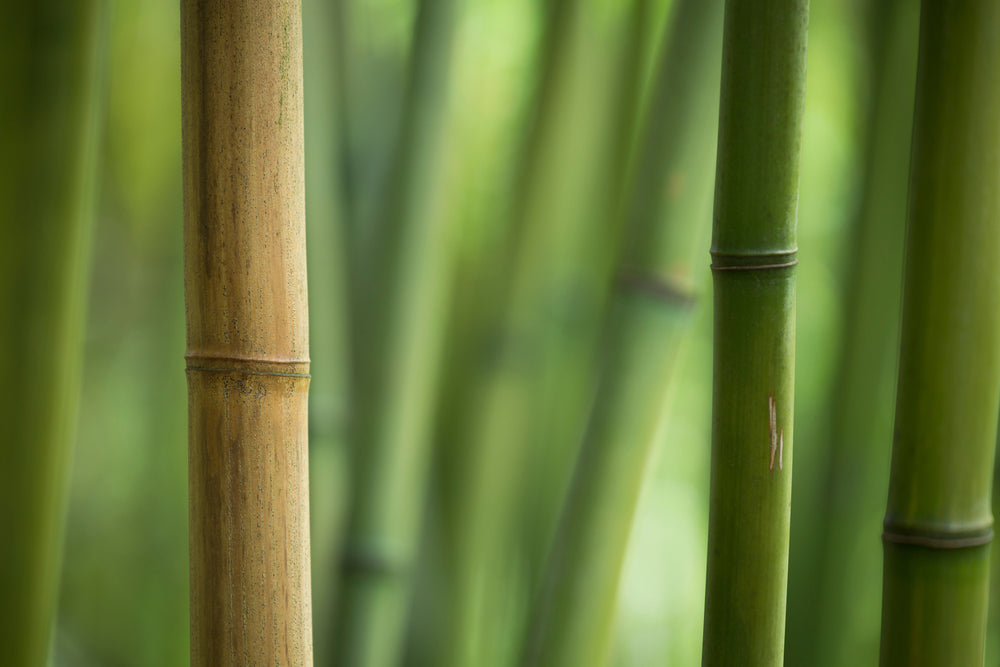 Bamboo
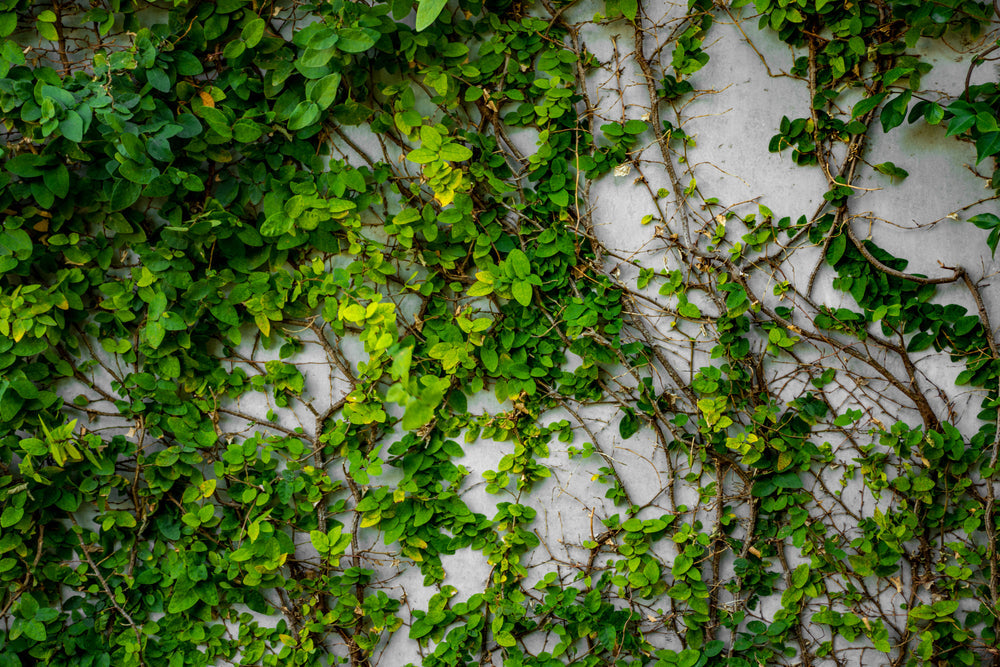 Climbers
 Flowering
 Grasses & Ferns
 Popular
-
Pines & Conifers
Pines & Conifers
 Pines
Pines
 Spruce & Fir
 Cypress
 Thuja
Thuja
 Redwood | Sequoia
-
Specimen
FREE DELIVERY OVER £350
122 products
122 products
Sort by:


Wisteria brachybotrys 'Showa-beni' | Silky Wisteria 'Showa-beni' - Cane - Height 150-200cm - 3lt
£61.00
Unit price perWisteria brachybotrys 'Showa-beni' | Silky Wisteria 'Showa-beni' - Cane - Height 150-200cm - 3lt
£61.00
Unit price per


Vitex agnus-castus | Chaste tree - Height 180-200cm - 150lt
£750.00
Unit price perVitex agnus-castus | Chaste tree - Height 180-200cm - 150lt
£750.00
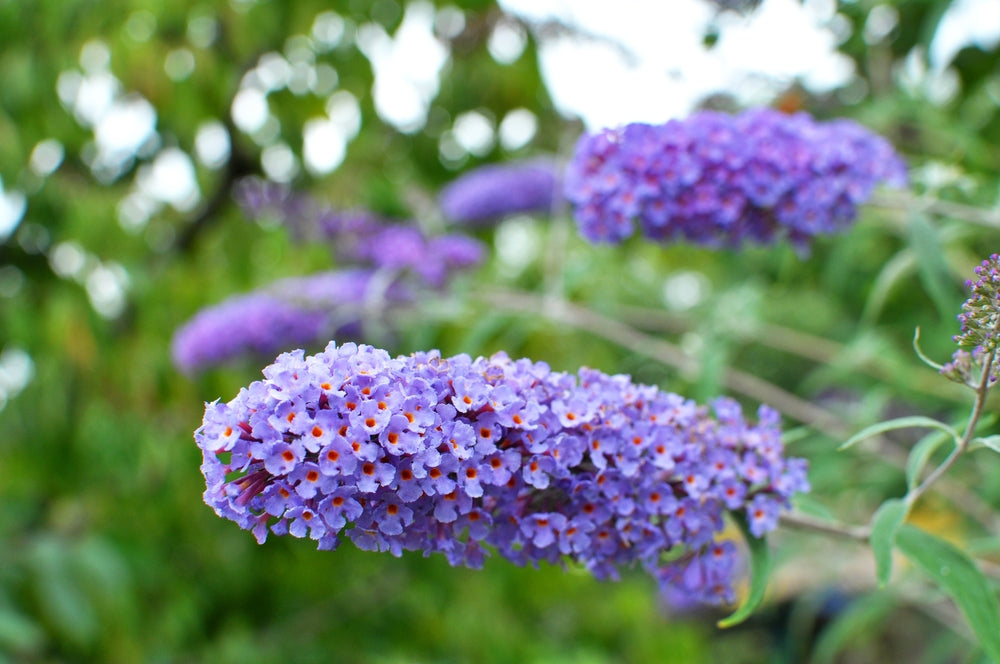
Unit price perVitex agnus-castus, also known as the chasteberry tree, is a species of small deciduous tree belonging to the Verbenaceae family. It is native to the Mediterranean region and can be found in various countries, including Greece, Italy, and Turkey. The tree typically reaches a height of 3 to 6 meters (10 to 20 feet) and has a spreading, rounded crown.
The leaves of Vitex agnus-castus are palmate, meaning they are divided into multiple lobes that resemble a hand with outstretched fingers. The foliage is aromatic, with a pleasant herbal scent. The tree produces showy, fragrant flowers in dense clusters known as panicles. The flowers are typically lavender, violet, or pale blue in color, and they bloom during the summer months.
Following the flowers, Vitex agnus-castus develops small, dark berries that are roughly the size of peppercorns. These berries are a prominent feature of the tree and can persist well into the winter months. They are edible but have a bitter taste and are not typically consumed directly.
In addition to its medicinal uses, the chasteberry tree is also valued for its ornamental qualities. It is often planted in gardens and parks for its attractive flowers and foliage. The tree prefers well-drained soil and full sun exposure, making it adaptable to various climatic conditions.
Overall, Vitex agnus-castus is a versatile tree that offers both aesthetic appeal and potential health benefits. Its delicate flowers, aromatic leaves, and unique berries make it a noteworthy addition to any landscape, while its historical use in traditional medicine continues to intrigue researchers and practitioners alike.


Salix matsudana Tortuosa | Wiggerly Willow - Bushy Tree - Height 390-410cm - 70lt
£655.00
Unit price perSalix matsudana Tortuosa | Wiggerly Willow - Bushy Tree - Height 390-410cm - 70lt
£655.00
Unit price perSalix matsudana ‘Tortuosa’, commonly known as the Corkscrew Willow, is a distinctive, fast-growing tree valued for its dramatically twisted, contorted branches and lively, informal habit. In a bushy tree form, it develops a broad, airy crown that provides strong architectural interest throughout the year, particularly in winter when the bare, spiralling stems are fully revealed.
This willow is well suited to larger gardens where its vigorous growth and spreading shape can be appreciated. It thrives in full sun and prefers moist, well-drained soil, making it ideal for planting near ponds, streams, or in naturally damp ground, though it will also tolerate ordinary garden soils if not allowed to dry out completely. In spring and summer, the narrow, bright green leaves create a soft, shimmering canopy, bringing movement and lightness to the landscape.
Salix matsudana ‘Tortuosa’ is relatively low maintenance, responding well to pruning if size control is needed, and can even be coppiced to encourage fresh, colourful, twisted stems. Its sculptural form, rapid establishment, and year-round interest make it an excellent choice as a specimen tree or dramatic focal point in spacious, informal or wildlife-friendly gardens.


Acer palmatum Dissectum | laceleaf Japanese maple - Weeping - Clear Stem 90cm - Height 130-140cm - 230lt
£2,400.00
Unit price perAcer palmatum Dissectum | laceleaf Japanese maple - Weeping - Clear Stem 90cm - Height 130-140cm - 230lt
£2,400.00
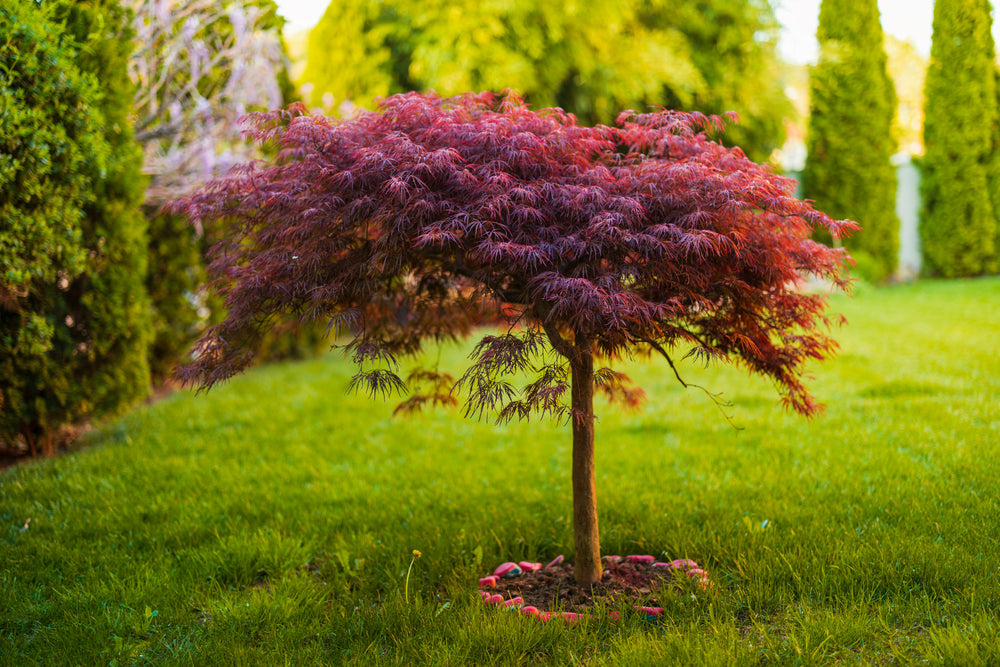
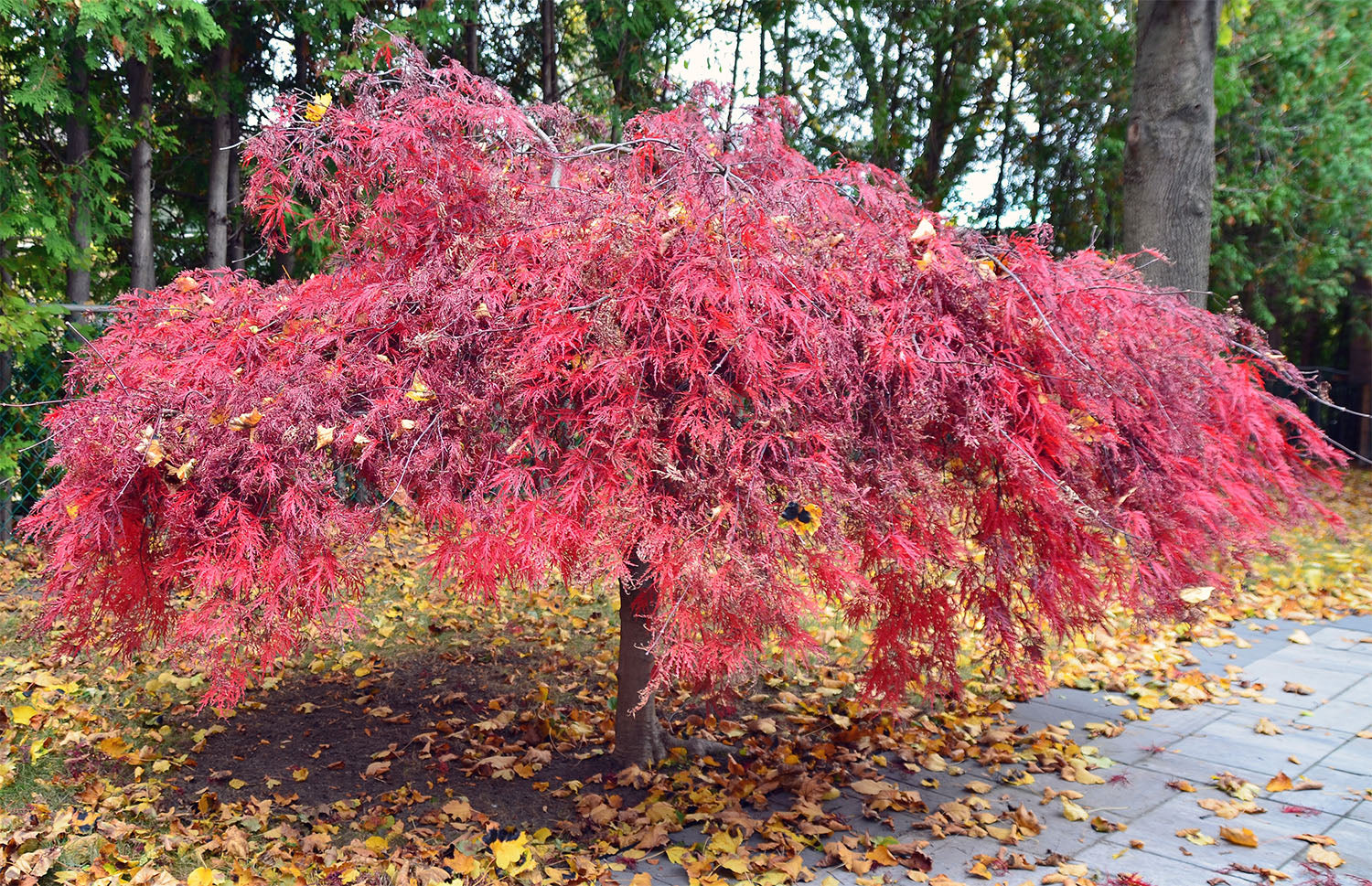
Unit price perAcer palmatum dissectum, commonly known as the laceleaf Japanese maple, is a popular ornamental tree renowned for its intricate, finely divided foliage. This deciduous shrub or small tree is part of the Aceraceae family and originates from Japan, Korea, and China. It typically grows to a height of 2 to 3 meters (6 to 10 feet) with a similar spread, making it a perfect choice for small gardens and container planting.
The leaves of Acer palmatum dissectum are deeply lobed and serrated, resembling delicate lace. Throughout the seasons, the foliage transitions from a vibrant green in spring and summer to spectacular shades of red, orange, and purple in autumn, providing year-round interest. The tree's cascading, weeping habit adds an elegant and graceful element to any landscape design.
Acer palmatum dissectum prefers a position in partial shade with well-drained, moist soil. It is relatively low-maintenance, requiring minimal pruning to maintain its shape. This tree is also known for its resilience to pests and diseases. Its compact size and striking appearance make it an excellent choice for adding structure and color to garden borders, patios, and rockeries in British gardens.


Acer palmatum dissectum | laceleaf Japanese maple - Clear Stem 110cm - Height 140-150cm - 90lt
£1,110.00
Unit price perAcer palmatum dissectum | laceleaf Japanese maple - Clear Stem 110cm - Height 140-150cm - 90lt
£1,110.00
Unit price perAcer palmatum Viridis is a graceful, mound-forming Japanese maple prized for its finely dissected, lace-like foliage and soft, cascading habit. Its leaves emerge a fresh, bright green in spring, creating a delicate, almost feathery texture. Through summer, the foliage remains a vibrant, luminous green that brings light and movement to shaded or partially shaded areas of the garden. As autumn approaches, Viridis undergoes a dramatic transformation, turning brilliant shades of gold, orange, and occasionally red, offering a stunning seasonal display.
This cultivar typically grows into a medium-sized, dome-shaped shrub or small tree, making it suitable for a wide range of garden sizes. Its elegant form is especially striking when positioned near water features, in Japanese-style gardens, or as a specimen in mixed borders. Viridis thrives in well-drained, slightly acidic soil and prefers dappled light or morning sun with protection from intense afternoon heat. Shelter from strong winds helps preserve its delicate leaves.
Maintenance is minimal, with only light pruning needed to refine its natural cascading shape. With its exceptional texture, soothing green tones, and glowing autumn colours, Acer palmatum Viridis brings year-round beauty and serenity to any garden setting.


Ginkgo biloba | Maidenhair Tree - Bushy - Height 160-190cm - 30lt
£193.00
Unit price perGinkgo biloba | Maidenhair Tree - Bushy - Height 160-190cm - 30lt
£193.00
Unit price perGinkgo biloba is known as a “living fossil”, one of the oldest tree species. It’s a large, long-lived, coniferous, deciduous tree with deeply grooved, grey-brown bark and thick, fan-shaped, bi-lobed, green leaves that turn yellow in autumn. Ginkgo has either male catkins or female single flowers on long stems. Female plants bear unpleasantly scented plum-like fruits, which are actually hard seeds with silvery yellow seed coats.
Ginkgo biloba grows in a wide variety of soils, except too wet and waterlogged, but prefers average, medium moisture, sandy, well-drained soils, in full sun. Once established, it is tolerant of heat, salt, and urban pollution. Generally, disease-free and pest-free. Ginkgo biloba is a perfect specimen plant for large gardens. Great as a shade tree, lawn tree, or planted in espaliers. Very good for streets and parks. Slower-growing varieties are suitable for growing in containers. While young, the crown can be trimmed and trained as desired.


Eriobotrya japonica Shrub| Loquat, Japanese medlar - Shrub - Height 180-190cm - 25lt
£193.00
Unit price perEriobotrya japonica Shrub| Loquat, Japanese medlar - Shrub - Height 180-190cm - 25lt
£193.00
Unit price perEriobotrya japonica, also known as the loquat tree or bush, is a small evergreen tree that is native to southeastern China. It is a popular ornamental plant in gardens and landscapes due to its attractive foliage and bushy, fruiting habit.
The loquat tree grows to a height of 10 to 20 feet and has a spread of 10 to 15 feet. The leaves are large, glossy, and dark green, with a distinctive shape that is reminiscent of holly leaves. The tree produces fragrant, white or yellow flowers in late autumn or early winter, which are followed by small, yellow or orange, pear-shaped fruits in the spring.
The loquat fruit is sweet and tangy, with a flavor that is similar to a mix of peach, citrus, and mango. It is high in vitamin A, potassium, and fiber, and is commonly used in desserts, jams, and juices. The tree is also highly valued for its ornamental qualities, as its attractive foliage and fruit make it a popular choice for landscaping.
The loquat tree is easy to grow and requires little maintenance. It prefers full sun to partial shade and well-drained soil. It is relatively cold-hardy and can withstand temperatures as low as 10 degrees Fahrenheit. The tree can be pruned to maintain a compact shape, and is also adaptable to growing in containers.
Overall, Eriobotrya japonica is a versatile and attractive plant that is prized for both its ornamental and edible qualities. Its bushy, fruiting habit makes it a great addition to any garden or landscape.


Cornus controversa 'Variegata' | Wedding Cake Tree - Feathered - Height 190-210cm - 25lt
£423.00
Unit price perCornus controversa 'Variegata' | Wedding Cake Tree - Feathered - Height 190-210cm - 25lt
£423.00
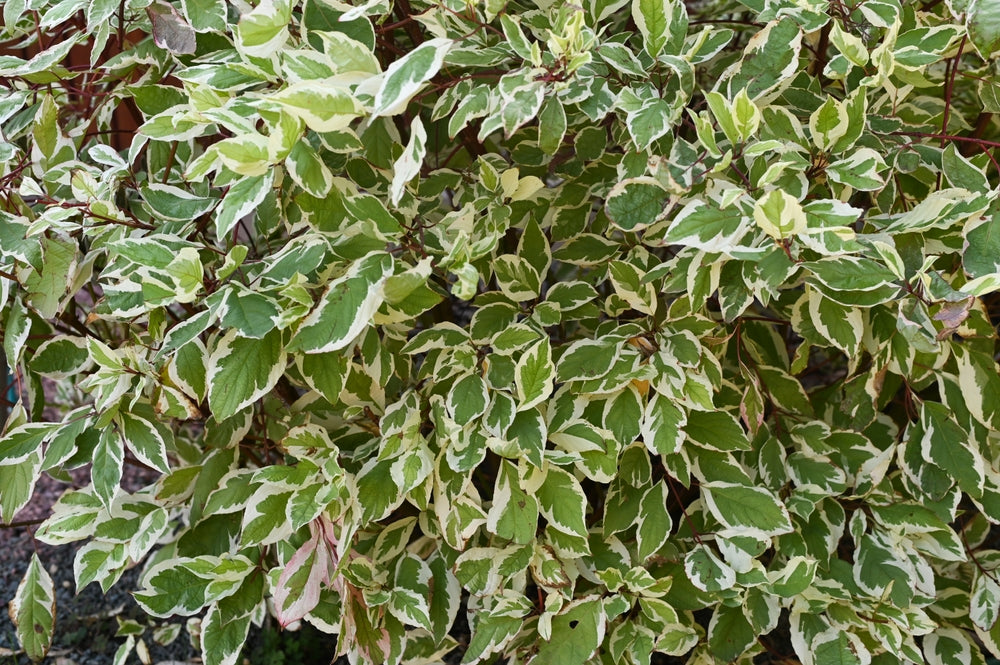
Unit price perCornus controversa ‘Variegata’, often called the Wedding Cake Tree, is a highly ornamental choice for gardens where its layered, tiered branching can be fully appreciated. Its standout feature is the elegant horizontal structure of its branches, which create a striking, architectural silhouette throughout the year. The variegated foliage—green leaves edged with creamy white—adds brightness and contrast, making the tree particularly effective as a focal point in borders, lawns, or larger mixed plantings.
This cultivar prefers moist, well-drained soil and thrives in full sun to partial shade. In hotter regions, a bit of afternoon shade helps protect the variegated leaves from scorch. While it can tolerate a range of soil types, it performs best in slightly acidic to neutral conditions. Although not fast-growing, it steadily matures into a medium-sized tree, making it suitable for medium to large gardens where its distinctive shape has room to develop.
Maintenance needs are minimal. Apart from light pruning to maintain its layered form, the tree grows naturally into its characteristic structure. In autumn, the foliage often develops soft pink and red tones, adding seasonal interest. With its refined shape, striking leaves, and year-round appeal, Cornus controversa ‘Variegata’ is an excellent choice for gardens seeking elegance and structure.


Corylus avellana 'Contorta' | Corkscrew Hazel - Height 160-190cm - 45lt
£420.00
Unit price perCorylus avellana 'Contorta' | Corkscrew Hazel - Height 160-190cm - 45lt
£420.00
Unit price per


Acer Rubrum Redpointe Maple | Acer rubrum Redpointe - Height 210-230cm - 12lt
£108.00
Unit price perAcer Rubrum Redpointe Maple | Acer rubrum Redpointe - Height 210-230cm - 12lt
£108.00
Unit price perAcer rubrum 'Redpointe' ('Frank Junior') is medium-sized, fast-growing, upright, oval to pyramidal, vigorous, deciduous tree. It has palmate, lobed, glossy dark green leaves that become beautifully vivid bright red in autumn. Red flowers in small umbrellas show up in March and are followed by winged nuts, samaras, in autumn. Perfect as a large specimen or shade tree, nice-looking when planted in groups.
Redpointe Red Maple is an American variety of red maple cultivated for planting in cities as street or park trees. It prefers slightly acidic, well-drained soil. In calcareous soil, it will stagnate and its autumn colour will be less intense. It prefers full sun, but tolerates partial shade. Resistant to frost, moderately to winds, it doesn’t like salt and sea winds, therefore, it is not suitable for coasts. It was developed and introduced to market by Keith S. Warren from J. Frank Schmidt & Son Co. nursery in Oregon, USA.


Cherrybark Red Oak | Quercus falcata 'Pagodifolia' - Height 180-200cm - Pot Grown - 10lt
£135.00
Unit price perCherrybark Red Oak | Quercus falcata 'Pagodifolia' - Height 180-200cm - Pot Grown - 10lt
£135.00
Unit price perQuercus falcata 'Pagodifolia', commonly known as the Pagoda Leaf Southern Red Oak, is a distinctive native tree admired for its unusual, deeply lobed leaves shaped like the tiers of a pagoda. This variety of Southern Red Oak grows into a stately, broad-canopied tree that provides excellent shade and long-lasting beauty in landscapes. Its foliage emerges a fresh green in spring, matures to a rich summer canopy, and transforms into shades of red, orange, and bronze in fall, adding striking seasonal interest. The tree is highly adaptable, thriving in a wide range of soils, including sandy or clay conditions, and is tolerant of heat and drought once established. Strong and resilient, it supports native wildlife by offering acorns as a valuable food source for birds and mammals. Perfect for large landscapes, parks, or restoration projects, Quercus falcata 'Pagodifolia' combines ornamental appeal with ecological benefit.


Regal Prince Oak | Quercus bicolor 'Regal Prince' - Pot Grown - 10lt
£135.00
Unit price perRegal Prince Oak | Quercus bicolor 'Regal Prince' - Pot Grown - 10lt
£135.00
Unit price perQuercus bicolor 'Regal Prince', also known as the Regal Prince oak, is an exceptional hybrid between the swamp white oak (Quercus bicolor) and the columnar English oak (Quercus robur ‘Fastigiata’). It is admired for its strikingly upright, oval form, making it a perfect choice for narrower landscapes, avenues, or urban plantings where space is limited but impact is desired. Growing to around 15–18 meters tall with a relatively slim spread, it maintains a refined, formal silhouette. The glossy, dark green leaves provide lush seasonal interest, turning golden-yellow to rich brown in autumn for a dramatic display. Hardy and adaptable, Regal Prince thrives in a wide range of soils, including wetter conditions inherited from its swamp white oak parent. Its resilience against pollution, disease, and harsh climates makes it an outstanding urban tree. Combining elegance, strength, and durability, Quercus bicolor 'Regal Prince' brings timeless character and enduring beauty to modern landscapes.
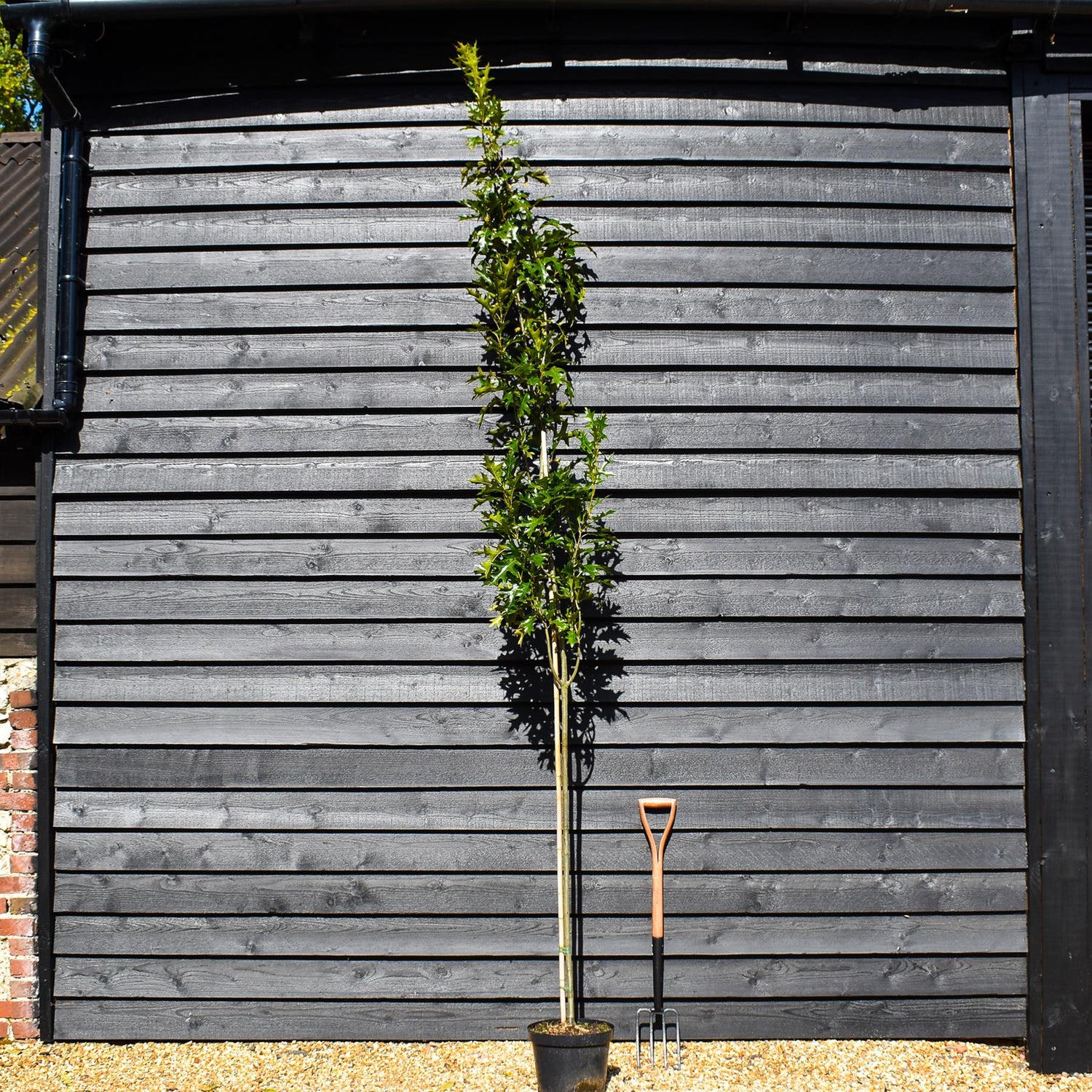


Upright Pin Oak | Quercus palustris 'Green Pillar' (Pringreen) - Height 200-220cm - Pot Grown - 10lt
£177.00
Unit price perUpright Pin Oak | Quercus palustris 'Green Pillar' (Pringreen) - Height 200-220cm - Pot Grown - 10lt
£177.00
Unit price perQuercus palustris 'Green Pillar' is a distinctive cultivar of the pin oak, celebrated for its elegant, narrow, columnar form. Unlike the broader habit of traditional pin oaks, this variety grows upright with dense, vertical branches, making it an excellent choice for limited spaces, urban gardens, or as a striking architectural feature in larger landscapes. Its glossy, deep green leaves bring a lush texture throughout spring and summer, transforming into vivid shades of crimson and scarlet in autumn, creating a dramatic seasonal display. Hardy and adaptable, 'Green Pillar' thrives in a variety of soils, including wetter conditions, and is resistant to many common pests and diseases. At maturity, it reaches around 10–15 meters in height while maintaining its slim profile, ideal for lining avenues or adding vertical interest to gardens. Combining strength, beauty, and year-round appeal, Quercus palustris 'Green Pillar' embodies both elegance and resilience in modern landscapes.
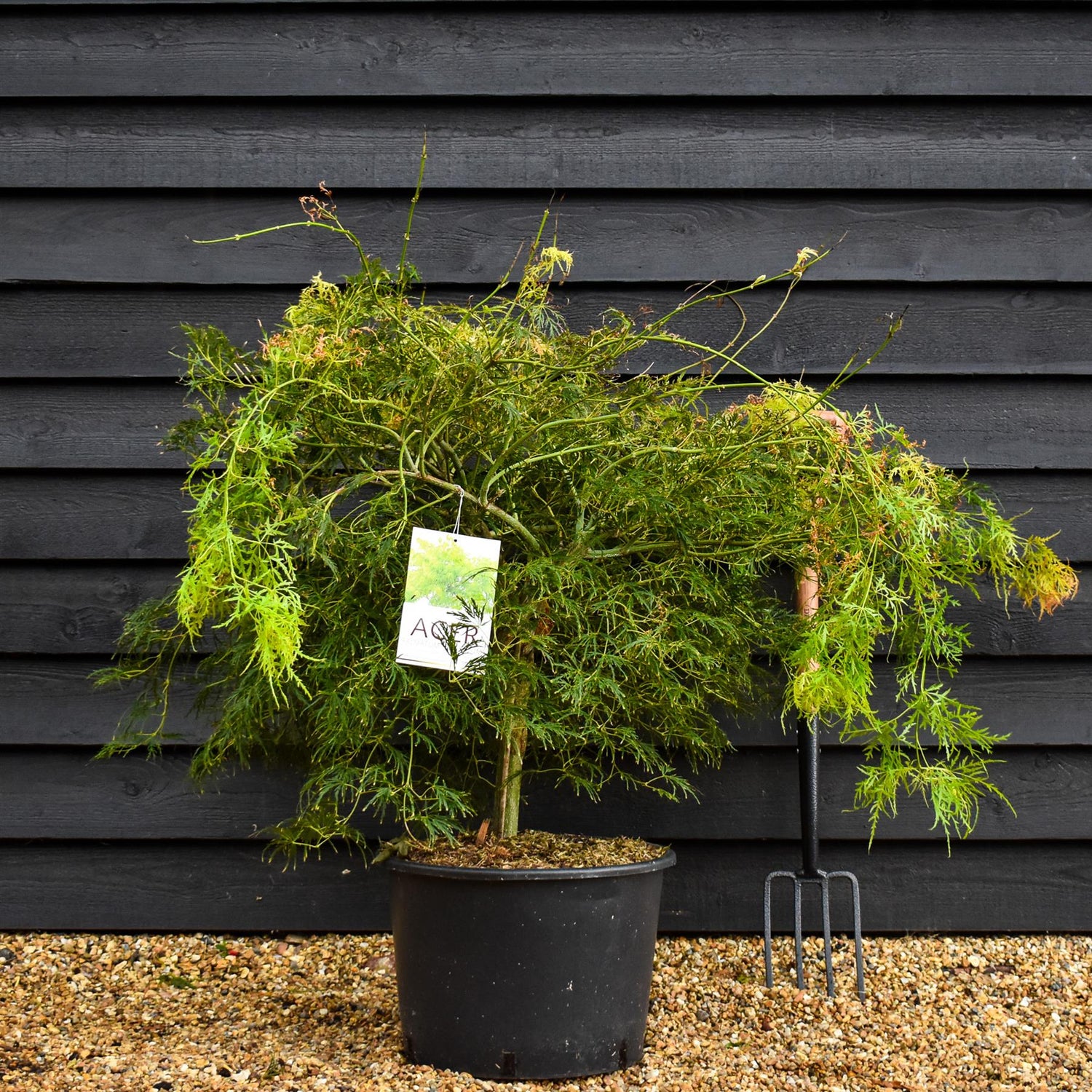
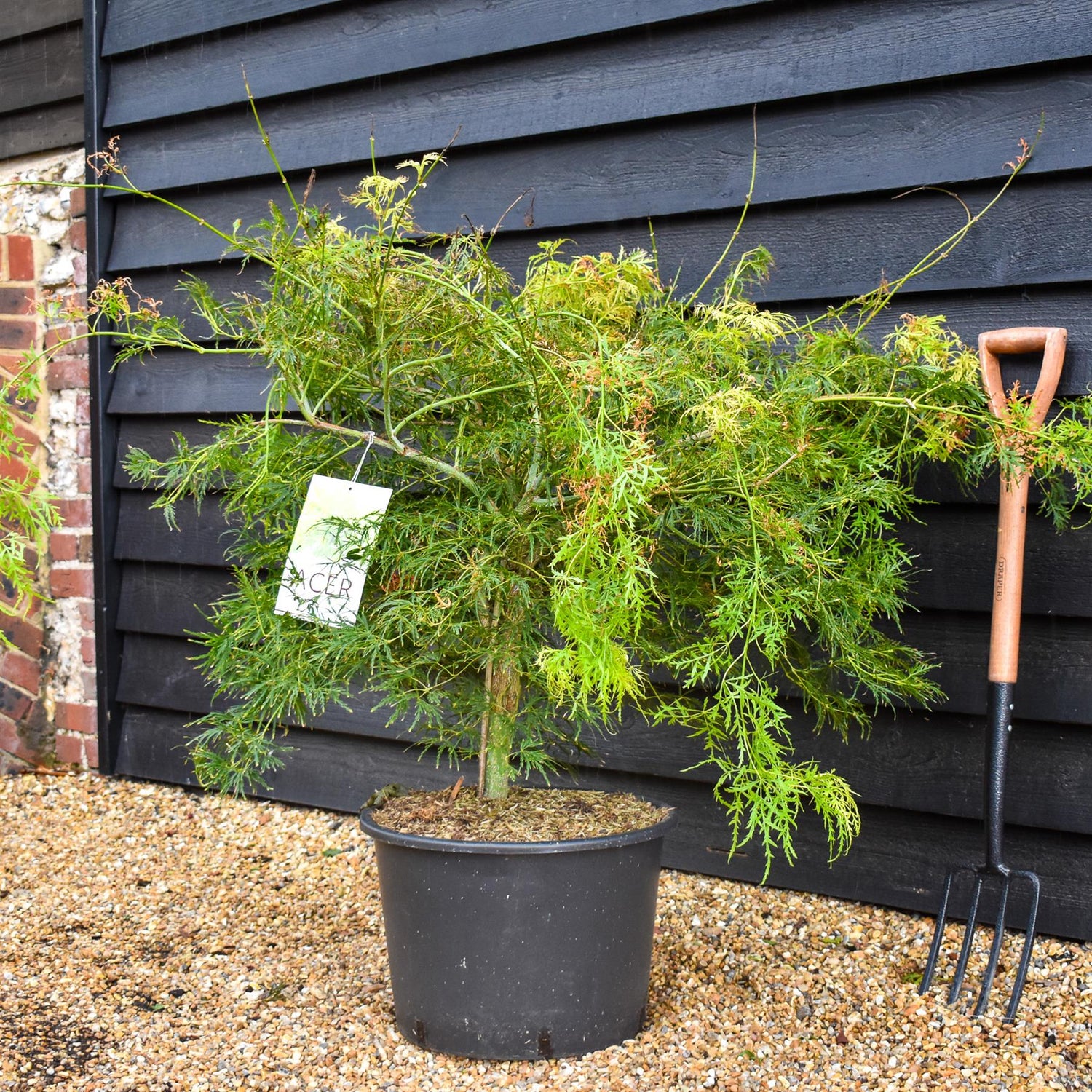
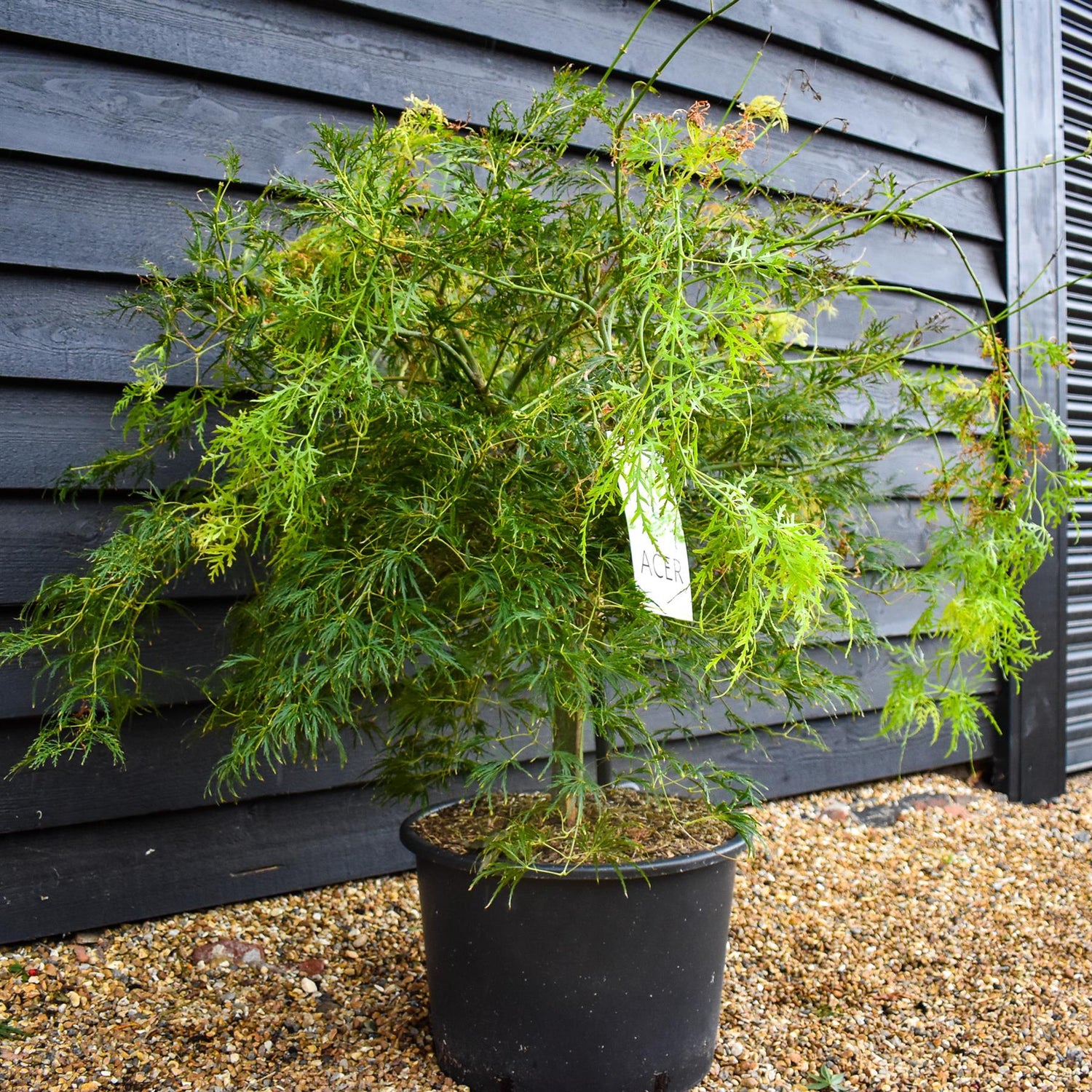
Acer palmatum Dissectum | laceleaf Japanese maple - Weeping - Clear Stem 40cm - Height 100-120cm - 35lt
£420.00
Unit price perAcer palmatum Dissectum | laceleaf Japanese maple - Weeping - Clear Stem 40cm - Height 100-120cm - 35lt
£420.00
Unit price perAcer palmatum dissectum, commonly known as the laceleaf Japanese maple, is a popular ornamental tree renowned for its intricate, finely divided foliage. This deciduous shrub or small tree is part of the Aceraceae family and originates from Japan, Korea, and China. It typically grows to a height of 2 to 3 meters (6 to 10 feet) with a similar spread, making it a perfect choice for small gardens and container planting.
The leaves of Acer palmatum dissectum are deeply lobed and serrated, resembling delicate lace. Throughout the seasons, the foliage transitions from a vibrant green in spring and summer to spectacular shades of red, orange, and purple in autumn, providing year-round interest. The tree's cascading, weeping habit adds an elegant and graceful element to any landscape design.
Acer palmatum dissectum prefers a position in partial shade with well-drained, moist soil. It is relatively low-maintenance, requiring minimal pruning to maintain its shape. This tree is also known for its resilience to pests and diseases. Its compact size and striking appearance make it an excellent choice for adding structure and color to garden borders, patios, and rockeries in British gardens.


Corylus avellana 'Hazel' - MultiStem - Height 200-250cm - 30lt
£379.00
Unit price perCorylus avellana 'Hazel' - MultiStem - Height 200-250cm - 30lt
£379.00
Unit price perCorylus avellana ‘Hazel’ is a vigorous, spreading, deciduous shrub or small tree with a dense, round crown. Its has ovate, toothed, hairy leaves, bright green in summer, yellow in autumn. Yellow male catkins appear in late winter and hang loosely from the bare branches. Female flowers are tiny, red and inconspicuous and are followed by edible nuts, hazelnuts, in autumn. Hazelnuts are popular and healthy nuts, full of unsaturated fats and proteins.
Corylus avellana ‘Hazel’ can grow in any type of soil, as long as it is moist, airy and well-drained, but prefers moderately fertile, slightly alkaline soils. It likes full sun or partial shade. It is resistant to frost, wind, and air pollution. Flower buds can be damaged by early frost. Generally, pest-free and disease-free.
Corylus avellana ‘Hazel’ is widely grown for commercial nut production. It has many named varieties. It is perfect for informal, cottage, and woodland gardens. Great for hedges and screens. Suitable for urban and roof gardens.


Wisteria brachybotrys 'Iko yama fuji'' - Clear stem 140cm - Girth 10-12cm - Height 200-220cm - 55lt
£438.00
Unit price perWisteria brachybotrys 'Iko yama fuji'' - Clear stem 140cm - Girth 10-12cm - Height 200-220cm - 55lt
£438.00
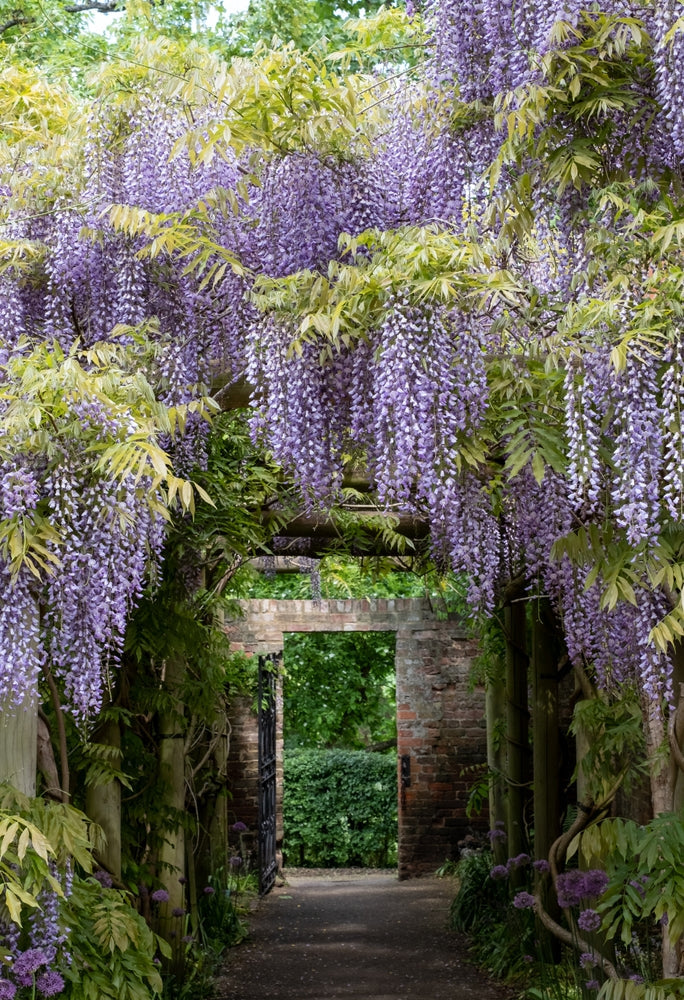
Unit price perWisteria brachybotrys 'Iko yama fuji' is a captivating flowering plant that belongs to the pea family, Fabaceae. It is known for its elegant, cascading clusters of fragrant, violet-blue flowers that drape gracefully from its branches.
The term "half standard" indicates that the clear stem has been pruned to a specific height, typically around three to four feet (90-120 cm) above the ground. This pruning method creates a visually appealing feature, allowing the flowering portion of the Wisteria to be showcased more prominently. The clear stem also facilitates ease of maintenance and enhances the plant's overall form and structure.
The 'Iko yama fuji' Wisteria itself is a deciduous vine with pinnate leaves consisting of numerous leaflets. The foliage emerges in spring, creating a lush green backdrop for the spectacular floral display that follows. The violet-blue flowers, are highly fragrant which typically appear in late spring or early summer, are abundant and borne in pendulous racemes that can reach up to a foot (30 cm) or more in length. They attract pollinators like bees and butterflies, adding to the plant's ecological value. Additionally, the flowers give way to velvety, elongated seed pods that develop later in the season, contributing to the overall visual interest of the plant.
The 'Iko yama fuji' Wisteria, with its half standard clear stem, offers a captivating combination of structural elegance and abundant floral beauty. Whether used as a focal point in a garden or as a decorative feature in a landscape, this cultivar adds a touch of sophistication and charm to any setting. With proper care and maintenance, this extraordinary plant can provide years of enjoyment and become a cherished highlight of outdoor spaces.
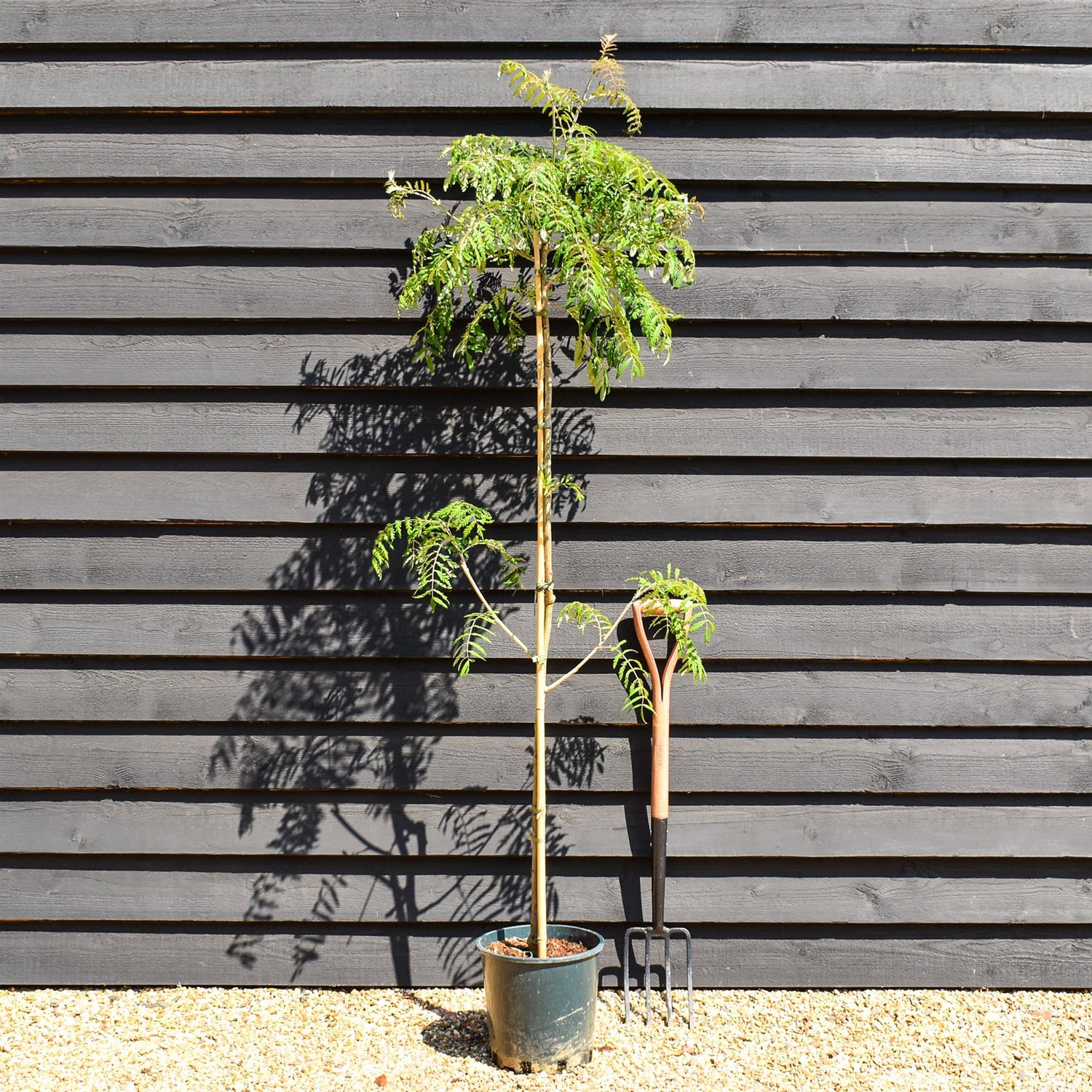


Sorbus aucuparia Chinese Lace | Rowan | Mountain Ash - Height 140-180cm - 12lt
£85.00
Unit price perSorbus aucuparia Chinese Lace | Rowan | Mountain Ash - Height 140-180cm - 12lt
£85.00
Unit price perSorbus aucuparia 'Chinese Lace' is a distinctive ornamental tree valued for its unique aesthetic appeal and hardiness. It features finely cut, intricate, lace-like leaves, which grant the tree an elegant and delicate appearance. The tree produces clusters of vibrant orange-red berries, which are a prominent feature in the late summer and fall, providing a striking contrast to the foliage and attracting various birds and wildlife.
This variety of Sorbus aucuparia is celebrated for its adaptability to different environmental conditions, tolerating a range of soil types and prospering in both full sun and partial shade. It’s relatively resistant to diseases and pests, making it a low-maintenance choice for gardens and landscapes.
The ‘Chinese Lace’ showcases a splendid display of color during the autumn season when the leaves turn into a mixture of fiery reds, oranges, and yellows, creating a visual spectacle. This decorative feature makes it a sought-after choice for those looking to add autumnal color to their gardens.
Its compact growth habit and moderate height make it suitable for smaller gardens or for planting in restricted spaces. It provides structure, texture, and color to landscapes, blending well with other plants or standing alone as a focal point, enhancing the overall aesthetics of the surroundings.
Showing 108/122
Related blog posts


