

-
Trees
Trees
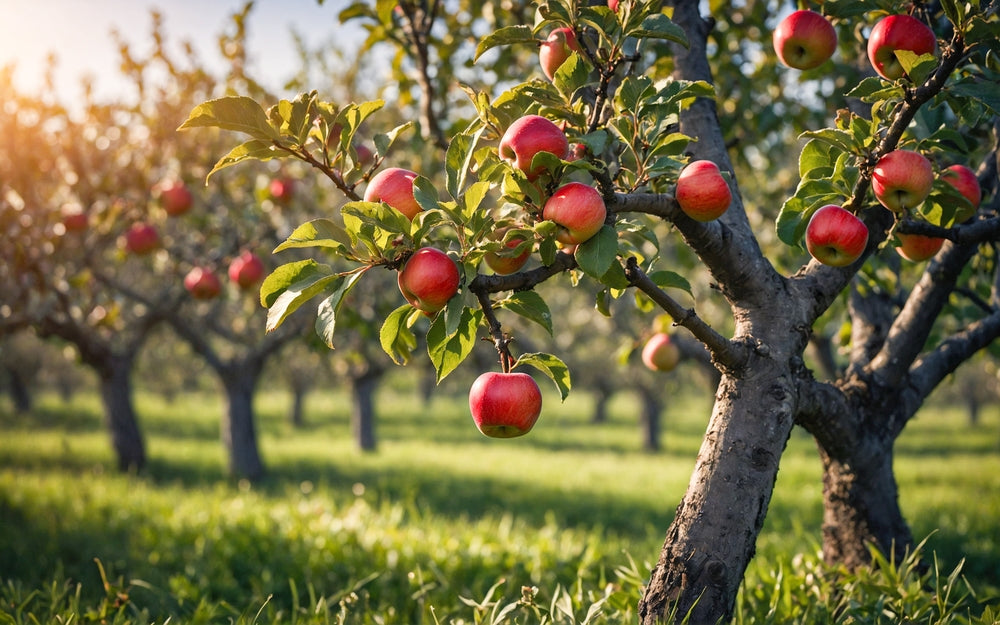 Fruit Trees
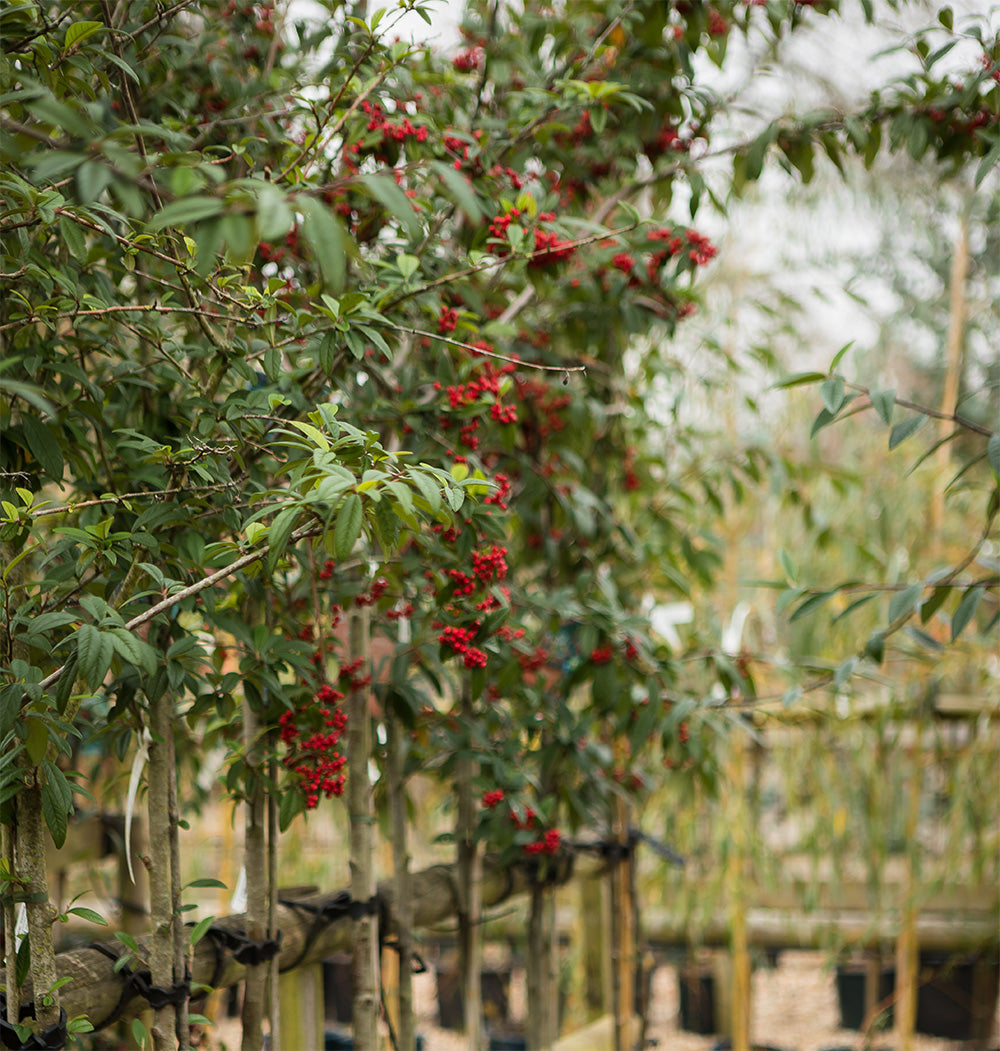 Ornamental
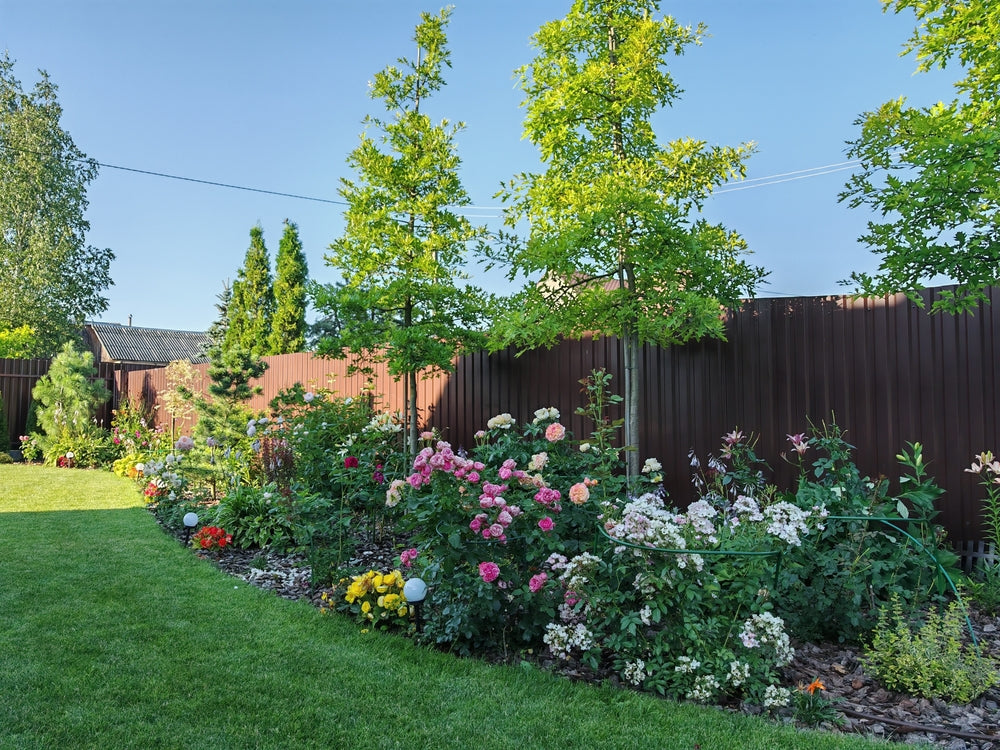 Screening
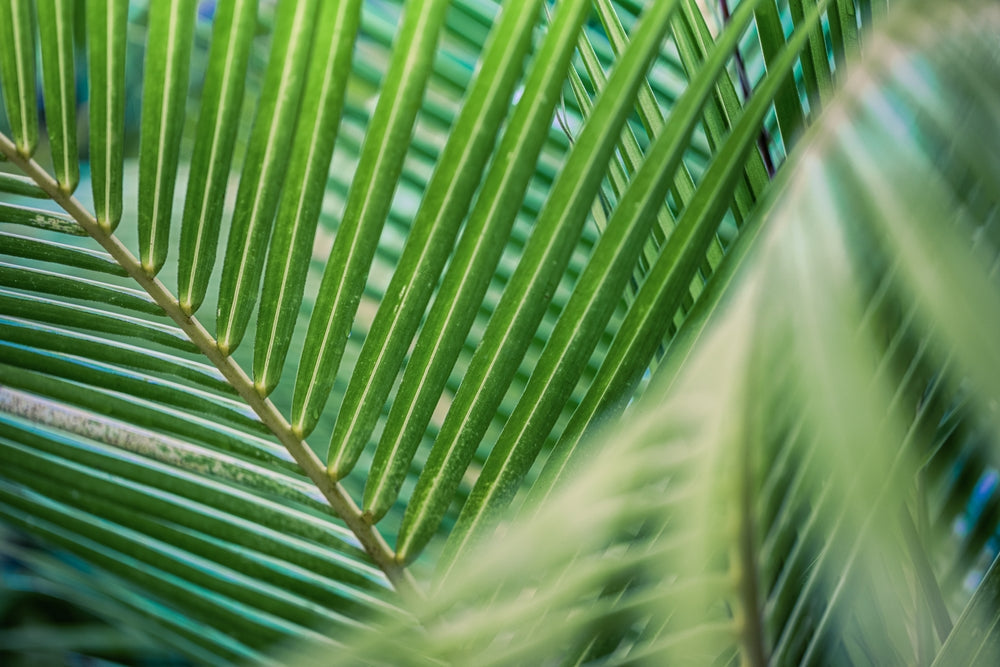 Palms
By FeaturesBy Shape
Palms
By FeaturesBy Shape -
Shrubs
Shrubs
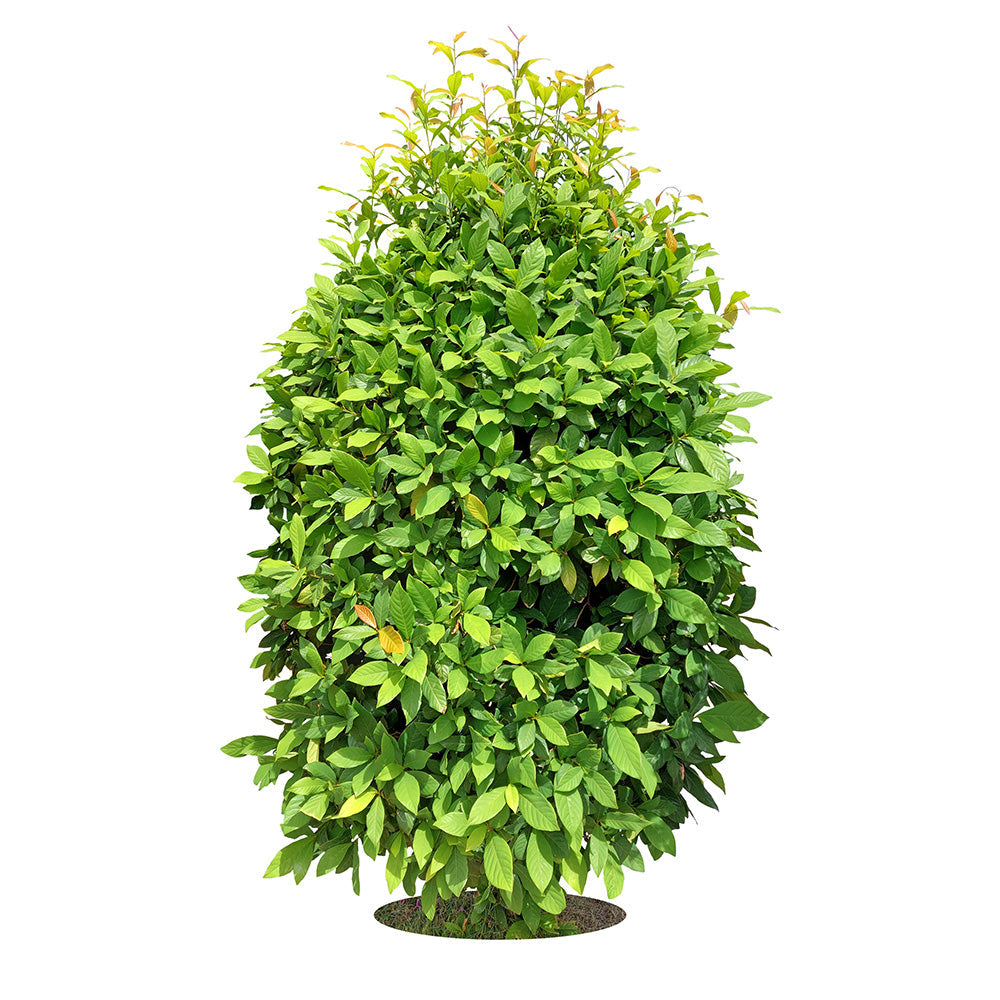 Large shrubs
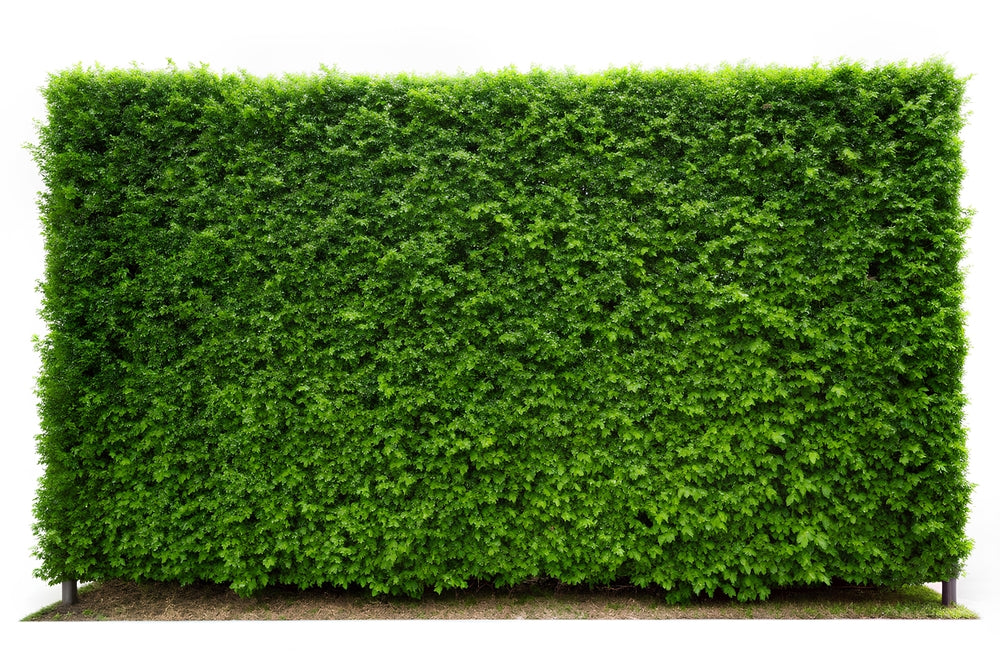 Hedging
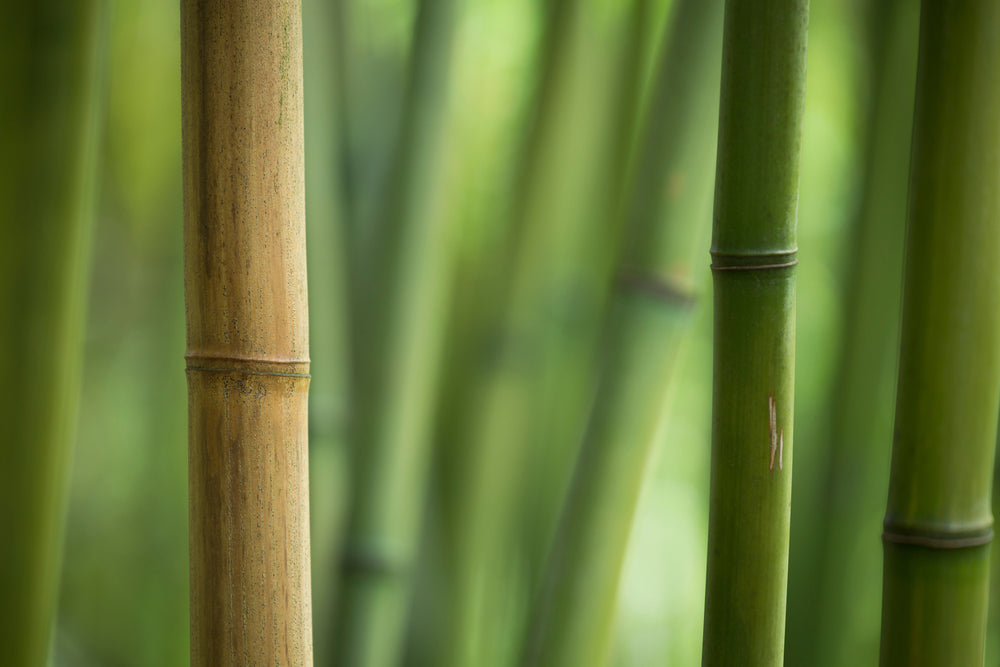 Bamboo
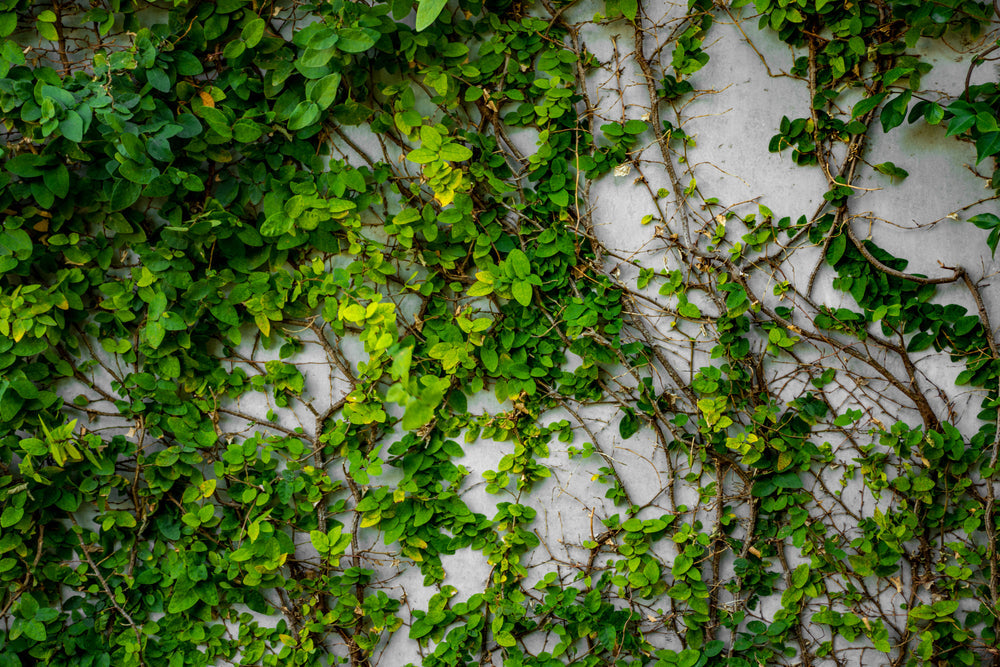 Climbers
 Flowering
 Grasses & Ferns
 Popular
-
Pines & Conifers
Pines & Conifers
 Pines
Pines
 Spruce & Fir
 Cypress
 Thuja
Thuja
 Redwood | Sequoia
-
Specimen
FREE DELIVERY OVER £350
458 products
458 products
Sort by:


Cherry | Prunus Royal Burgundy - Clear Stem 120cm - Girth 6-8cm - Height 170-180cm - 10lt
£135.00
Unit price perCherry | Prunus Royal Burgundy - Clear Stem 120cm - Girth 6-8cm - Height 170-180cm - 10lt
£135.00
Unit price per


Cherrybark Red Oak | Quercus falcata 'Pagodifolia' - Height 180-200cm - Pot Grown - 10lt
£135.00
Unit price perCherrybark Red Oak | Quercus falcata 'Pagodifolia' - Height 180-200cm - Pot Grown - 10lt
£135.00
Unit price perQuercus falcata 'Pagodifolia', commonly known as the Pagoda Leaf Southern Red Oak, is a distinctive native tree admired for its unusual, deeply lobed leaves shaped like the tiers of a pagoda. This variety of Southern Red Oak grows into a stately, broad-canopied tree that provides excellent shade and long-lasting beauty in landscapes. Its foliage emerges a fresh green in spring, matures to a rich summer canopy, and transforms into shades of red, orange, and bronze in fall, adding striking seasonal interest. The tree is highly adaptable, thriving in a wide range of soils, including sandy or clay conditions, and is tolerant of heat and drought once established. Strong and resilient, it supports native wildlife by offering acorns as a valuable food source for birds and mammals. Perfect for large landscapes, parks, or restoration projects, Quercus falcata 'Pagodifolia' combines ornamental appeal with ecological benefit.


Chinese Date | Ziziphus Jujuba - Specimen/Mature tree - Height - 300-350cm - 150lt
£980.00
Unit price perChinese Date | Ziziphus Jujuba - Specimen/Mature tree - Height - 300-350cm - 150lt
£980.00
Unit price perThis is unique, gnarly, mature specimen tree. Very rare and uncommon.
Ziziphus Jujuba, commonly known as jujube or Chinese date, is a species of small deciduous tree native to China, where it has been cultivated for thousands of years for its fruit and various medicinal properties. Belonging to the buckthorn family (Rhamnaceae), this tree is revered not only for its delicious and nutritious fruit but also for its adaptability to diverse climates and soils.
The jujube tree typically grows up to 5 to 12 meters in height, with shiny green leaves and small, fragrant, yellow flowers that bloom in late spring. The fruit, resembling a small date, ripens in late summer to early autumn, transitioning from green to reddish-brown or mahogany when fully matured. Jujubes are sweet and tangy in taste, with a chewy texture similar to that of dates.
Throughout history, jujubes have held cultural significance in various regions. In traditional Chinese medicine, the fruit and other parts of the tree are believed to possess medicinal properties, including anti-inflammatory, sedative, and immune-boosting effects. Jujubes are often used to alleviate stress, improve digestion, and promote overall well-being.
Jujubes are a popular ingredient in culinary dishes and beverages. They can be eaten fresh, dried, candied, or cooked into jams, syrups, and desserts.
Moreover, the jujube tree plays a role in agroforestry systems, as it is drought-tolerant and can thrive in poor soil conditions. Its deep roots help prevent soil erosion.


Chinese Date | Ziziphus Jujuba - Specimen/Mature tree - Height - Height 350-400cm - 230lt
£1,320.00
Unit price perChinese Date | Ziziphus Jujuba - Specimen/Mature tree - Height - Height 350-400cm - 230lt
£1,320.00
Unit price perThis is unique, gnarly, mature specimen tree. Very rare and uncommon.
Ziziphus Jujuba, commonly known as jujube or Chinese date, is a species of small deciduous tree native to China, where it has been cultivated for thousands of years for its fruit and various medicinal properties. Belonging to the buckthorn family (Rhamnaceae), this tree is revered not only for its delicious and nutritious fruit but also for its adaptability to diverse climates and soils.
The jujube tree typically grows up to 5 to 12 meters in height, with shiny green leaves and small, fragrant, yellow flowers that bloom in late spring. The fruit, resembling a small date, ripens in late summer to early autumn, transitioning from green to reddish-brown or mahogany when fully matured. Jujubes are sweet and tangy in taste, with a chewy texture similar to that of dates.
Throughout history, jujubes have held cultural significance in various regions. In traditional Chinese medicine, the fruit and other parts of the tree are believed to possess medicinal properties, including anti-inflammatory, sedative, and immune-boosting effects. Jujubes are often used to alleviate stress, improve digestion, and promote overall well-being.
Jujubes are a popular ingredient in culinary dishes and beverages. They can be eaten fresh, dried, candied, or cooked into jams, syrups, and desserts.
Moreover, the jujube tree plays a role in agroforestry systems, as it is drought-tolerant and can thrive in poor soil conditions. Its deep roots help prevent soil erosion.
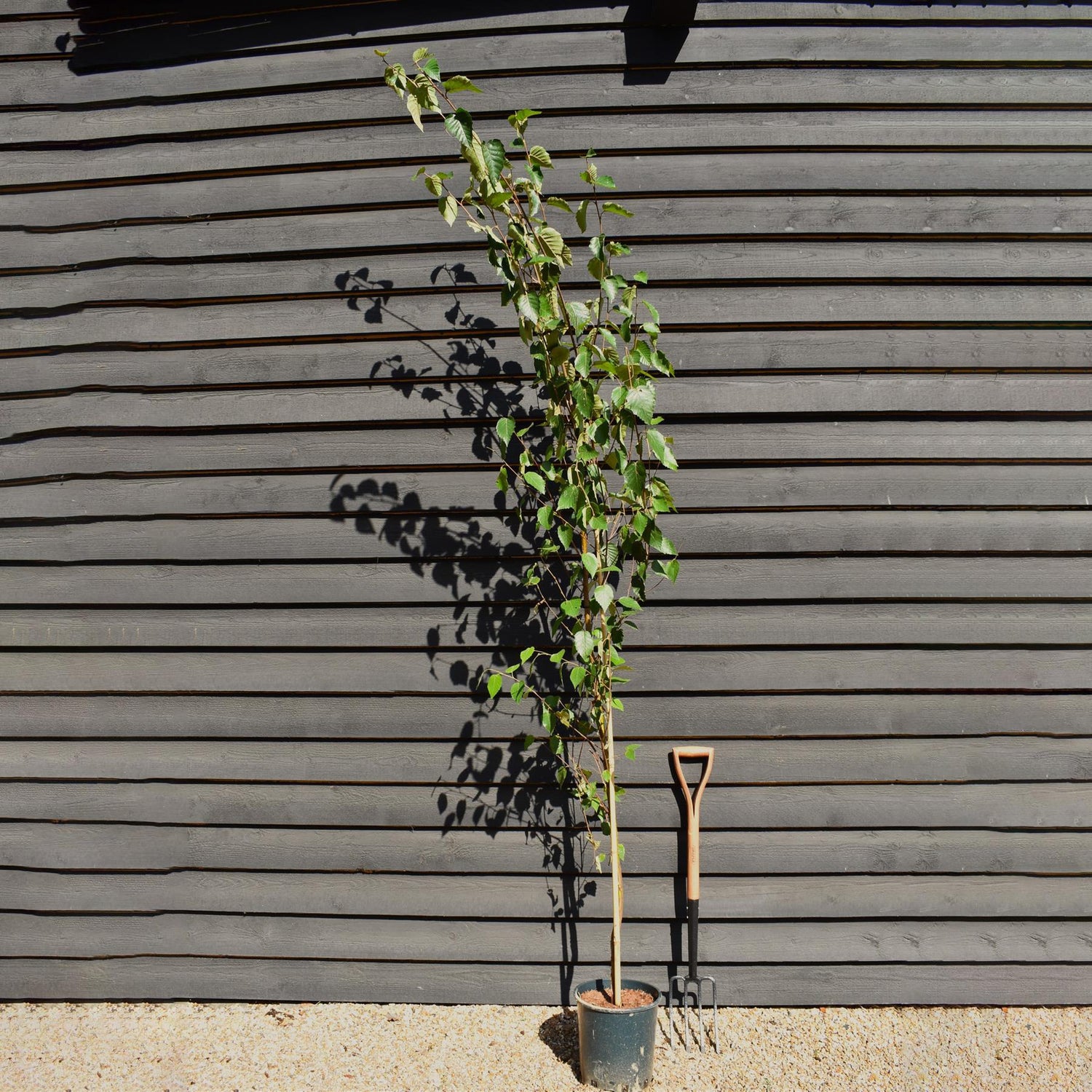


Chinese Red Birch | Betula albosinensis 'Fascination' - Height 160-200cm - 12lt
£96.00
Unit price perChinese Red Birch | Betula albosinensis 'Fascination' - Height 160-200cm - 12lt
£96.00
Unit price per

Corylus 'Colurna'| Turkish Hazel - Height 280-310cm -Girth 10-12cm - 45lt
£395.00
Unit price perCorylus 'Colurna'| Turkish Hazel - Height 280-310cm -Girth 10-12cm - 45lt
£395.00
Unit price perCorylus colurna, commonly known as the Turkish hazel, is a distinctive deciduous tree valued for its hardiness, ornamental qualities, and tolerance of challenging urban environments. Native to south-eastern Europe and western Asia, it is the largest species within the hazel genus, capable of reaching heights of 20–25 metres with a broad, pyramidal crown that gradually becomes more rounded with age.
One of its most striking features is its deeply furrowed, corky bark, which develops an attractive, rugged texture even on relatively young trees. This characteristic, combined with its strong, upright form, gives the tree a notable architectural presence in parks, avenues, and large gardens. The foliage consists of broad, heart-shaped leaves that are coarsely toothed and provide a dense canopy. They emerge a fresh green in spring, mature to a deeper shade in summer, and may turn soft yellow in autumn, though the seasonal display is generally modest.
In late winter to early spring, the tree produces long, pale-yellow catkins, which dangle decoratively before the leaves appear. These are the male flowers, while the female flowers are much smaller and less conspicuous, identifiable only by their tiny crimson stigmas. The resulting fruit is a small, hard-shelled nut partially enclosed in a frilly, deeply cut husk. Although edible, the nuts are typically smaller and less commercially significant than those of the common hazel.
Corylus colurna is especially appreciated for its resilience. It withstands pollution, compacted soils, drought, and cold, making it an excellent choice for urban planting or exposed sites. Its deep root system allows it to anchor securely and contributes to its tolerance of dry conditions once established. Overall, the Turkish hazel is a robust, handsome tree that combines ornamental beauty with exceptional practicality.


Corylus avellana 'Contorta' | Corkscrew Hazel - Height 160-190cm - 45lt
£420.00
Unit price perCorylus avellana 'Contorta' | Corkscrew Hazel - Height 160-190cm - 45lt
£420.00
Unit price per


Corylus avellana 'Hazel' - MultiStem - Height 200-250cm - 30lt
£379.00
Unit price perCorylus avellana 'Hazel' - MultiStem - Height 200-250cm - 30lt
£379.00
Unit price perCorylus avellana ‘Hazel’ is a vigorous, spreading, deciduous shrub or small tree with a dense, round crown. Its has ovate, toothed, hairy leaves, bright green in summer, yellow in autumn. Yellow male catkins appear in late winter and hang loosely from the bare branches. Female flowers are tiny, red and inconspicuous and are followed by edible nuts, hazelnuts, in autumn. Hazelnuts are popular and healthy nuts, full of unsaturated fats and proteins.
Corylus avellana ‘Hazel’ can grow in any type of soil, as long as it is moist, airy and well-drained, but prefers moderately fertile, slightly alkaline soils. It likes full sun or partial shade. It is resistant to frost, wind, and air pollution. Flower buds can be damaged by early frost. Generally, pest-free and disease-free.
Corylus avellana ‘Hazel’ is widely grown for commercial nut production. It has many named varieties. It is perfect for informal, cottage, and woodland gardens. Great for hedges and screens. Suitable for urban and roof gardens.


Corylus avellana 'Twister' | Corkscrew Hazel - Quarter Standard - Clear Stem - Height 150-160cm - 18lt
£150.00
Unit price perCorylus avellana 'Twister' | Corkscrew Hazel - Quarter Standard - Clear Stem - Height 150-160cm - 18lt
£150.00
Unit price perCorylus avellana ‘Twister’, grown or grafted with a clear stem, is a distinctive small tree valued for its strong architectural presence and year-round interest. The contorted, corkscrew branches are most striking in winter when the structure is fully revealed, creating a natural sculpture that works beautifully as a focal point in lawns, borders, or large containers. In late winter to early spring, pale yellow catkins appear, adding seasonal movement and softness to the dramatic framework.
This form is well suited to a wide range of garden styles, from contemporary designs to traditional cottage and woodland gardens. It is fully hardy in the UK and tolerant of most soils, including clay, provided drainage is reasonable. A sunny or lightly shaded position will give the best shape and catkin display.
The raised clear stem lifts the twisted crown to eye level, making it ideal for smaller gardens where space is limited but visual impact is desired. It is also useful for underplanting with bulbs or low shrubs, allowing light to reach the ground while creating a layered, ornamental planting scheme.


Corylus avellana 'Twister' | Corkscrew Hazel -Shrub - Height 150-160cm - 15lt
£150.00
Unit price perCorylus avellana 'Twister' | Corkscrew Hazel -Shrub - Height 150-160cm - 15lt
£150.00
Unit price perCorylus avellana 'Twister' is an unusual, deciduous, multi-stemmed, suckering shrub, well-known for its stunning contorted and twisted branches that curl and spiral in all directions. Long, golden yellow catkins appear in late winter or early spring, before the foliage, and hang loosely from the branches like ornaments. The leaves are ovate, dark green in summer, yellow in autumn. Usually does not produce fruit.
Corylus avellana 'Twister' likes rich, moist but well-drained soils, but tolerates average garden soil. Heavy clays should be avoided. It thrives in full sun to part shade. Root suckers should be removed to maintain its appearance. Generally, pest-free. It can withstand frost and wind. Corylus avellana 'Twister', with its unusual appearance, makes a stunning specimen plant, especially in winter garden. It is a great choice for hedges and screens, shrub borders, patio edges, or along sidewalks. Perfect for informal and cottage gardens. Suitable for containers and growing on roof gardens.


Cotoneaster 'Cornubia' - 160-200cm, 10lt
£80.00
Unit price perCotoneaster 'Cornubia' - 160-200cm, 10lt
£80.00
Unit price per

Cotoneaster 'Cornubia' 3/4 std Clear Stem - 300-350cm, 50lt
£165.00
Unit price perCotoneaster 'Cornubia' 3/4 std Clear Stem - 300-350cm, 50lt
£165.00
Unit price per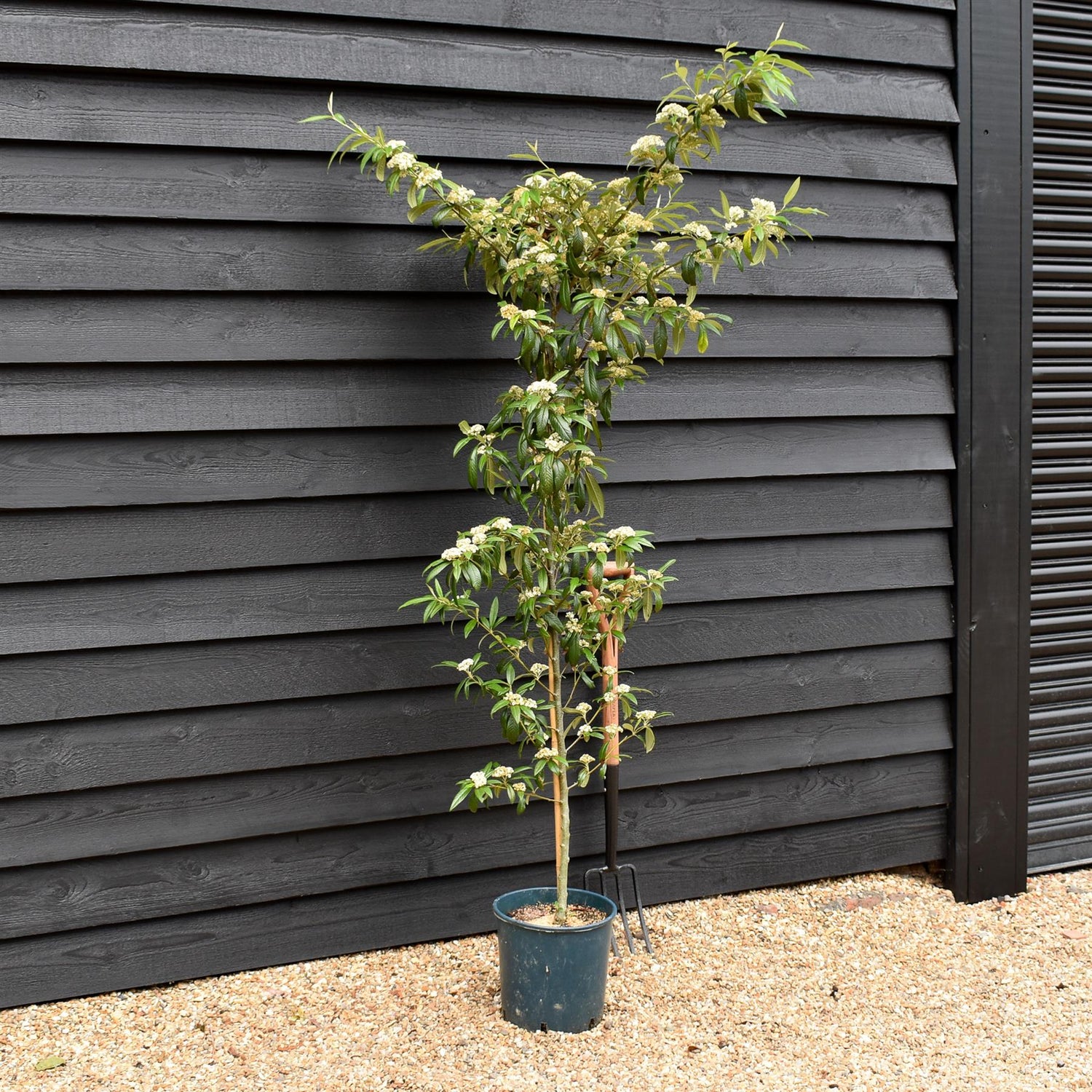


Cotoneaster 'Rothschildianus' | Willow-Leaved Cotoneaster - Height 160-180cm - 12lt
£82.00
Unit price perCotoneaster 'Rothschildianus' | Willow-Leaved Cotoneaster - Height 160-180cm - 12lt
£82.00
Unit price per


Cotoneaster 'Rothschildianus' | Willow-Leaved Cotoneaster - Height 160-180cm - 12lt
£105.00
Unit price perCotoneaster 'Rothschildianus' | Willow-Leaved Cotoneaster - Height 160-180cm - 12lt
£105.00
Unit price per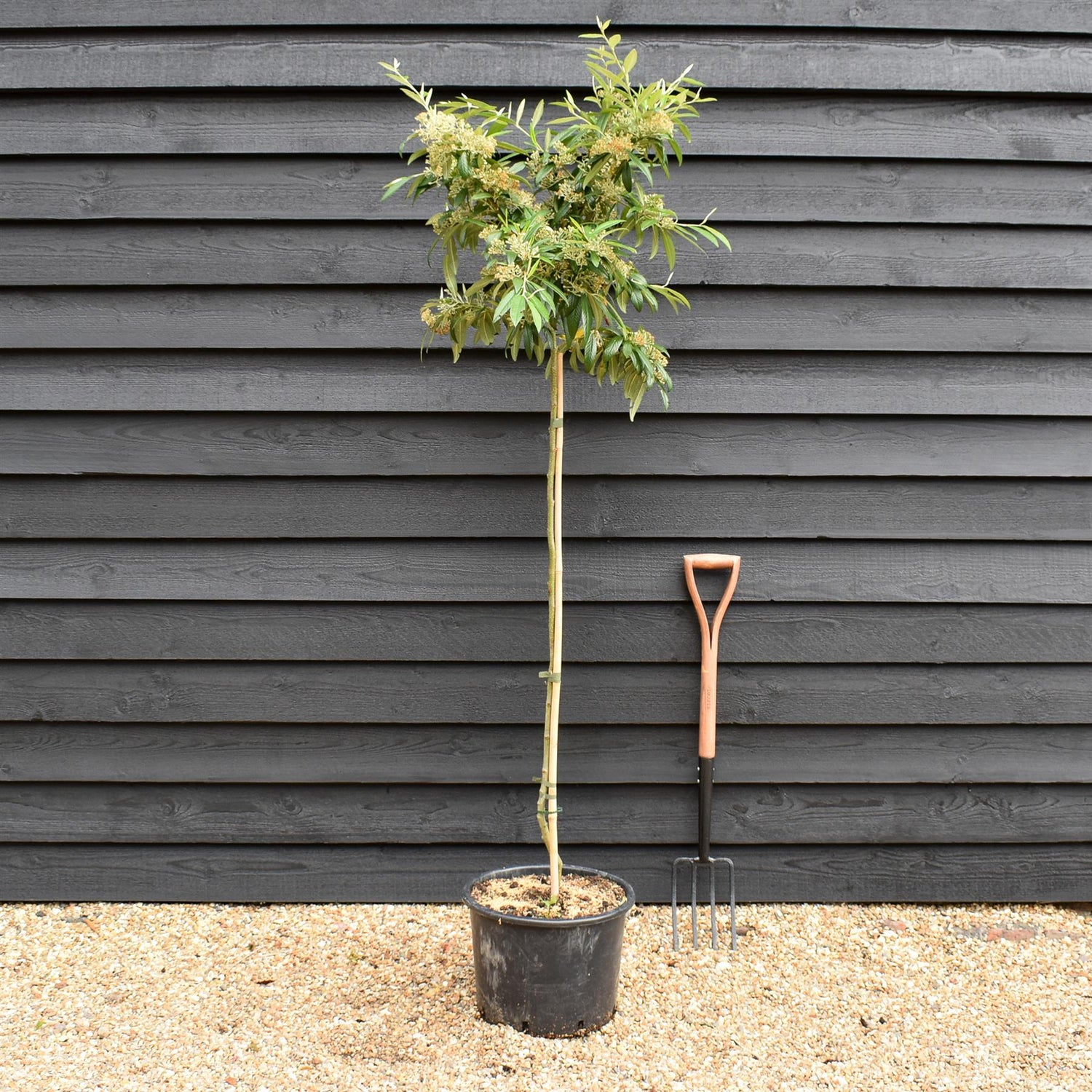


Cotoneaster x watereri - Clear Stem - Height 200-220cm - 20lt
£138.00
Unit price perCotoneaster x watereri - Clear Stem - Height 200-220cm - 20lt
£138.00
Unit price perCotoneaster x watereri, often referred to as Waterer's Cotoneaster, is a popular and versatile shrub that has become a cherished addition to many gardens and landscapes in the United Kingdom. This deciduous hybrid shrub is renowned for its attractive appearance, hardiness, and adaptability.
One of the standout features of Cotoneaster x watereri is its elegant form and foliage. It typically grows to a height of 2 to 3 meters, forming a dense and arching habit. The leaves are small, oval-shaped, and glossy green, providing a lush backdrop to its other ornamental features.
One of the most captivating aspects of this shrub is its profusion of flowers and berries. In late spring and early summer, Cotoneaster x watereri bursts into a display of delicate white or pale pink blossoms. These small, star-shaped flowers attract pollinators such as bees and butterflies, contributing to local biodiversity.
As summer progresses into autumn, the shrub transitions into another phase of beauty. It produces an abundance of small, round, and brightly colored berries, typically red or orange. These berries not only add visual interest but also serve as a valuable food source for birds during the colder months, enhancing its ecological significance.
Cotoneaster x watereri is known for its adaptability to various growing conditions. It thrives in well-drained soil and can tolerate both full sun and partial shade, making it a versatile choice for different garden settings. It is also remarkably hardy and resistant to many common pests and diseases, reducing the need for intensive maintenance.
Maintenance for this shrub is generally straightforward. Pruning can be done to shape the plant or remove dead or diseased branches, but it is often not required. Regular watering during dry spells, especially during its establishment phase, helps ensure its healthy growth.
In conclusion, Cotoneaster x watereri, or Waterer's Cotoneaster, is a cherished shrub in the UK that offers year-round appeal. Its graceful form, glossy foliage, profuse blossoms, and colourful berries make it a versatile and visually pleasing addition to gardens and landscapes. Whether used as a specimen plant, a hedge, or ground cover, this adaptable shrub adds beauty and ecological value to outdoor spaces in the United Kingdom.
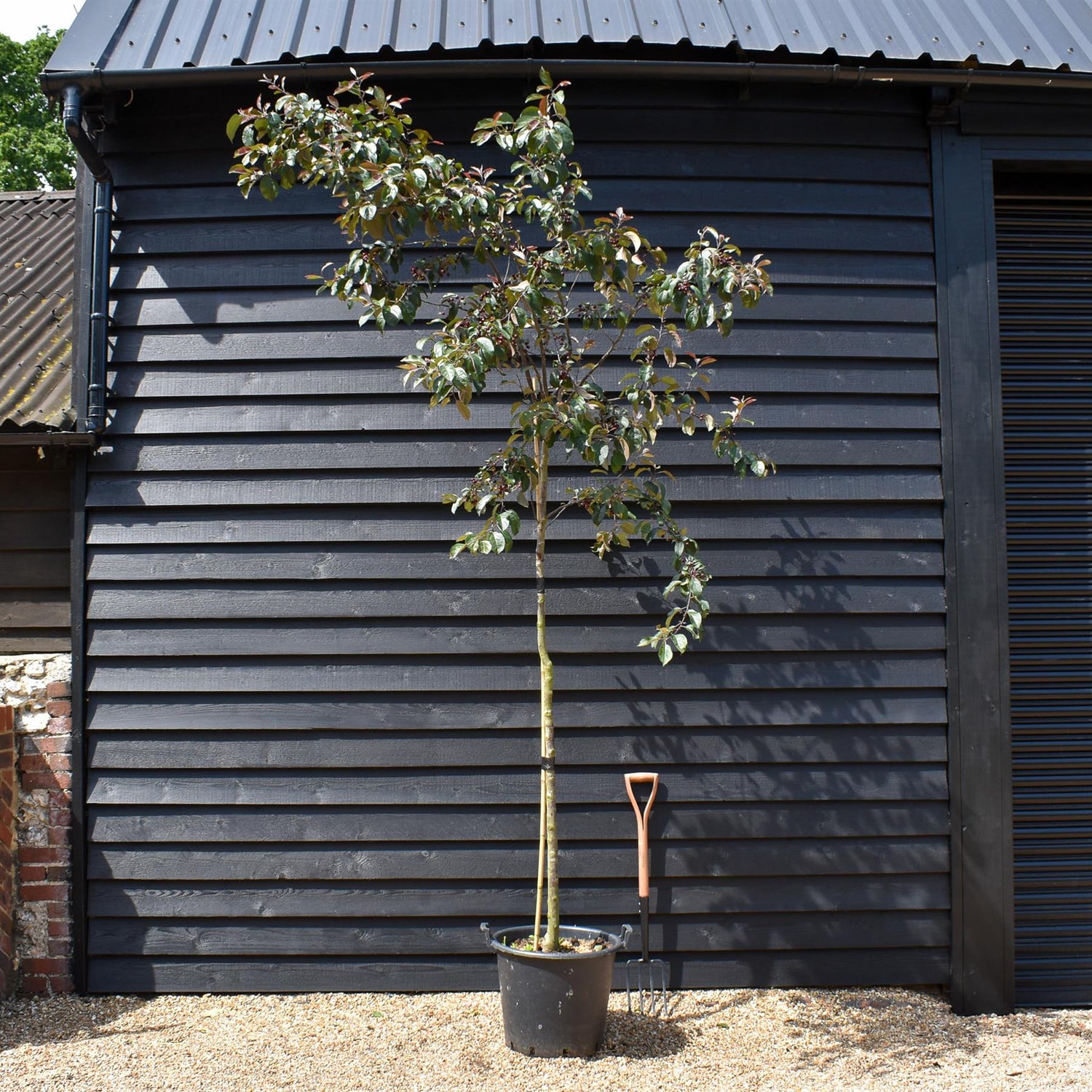


Crab Apple 'Mokum' | Malus - Clear Stem - Height 250-300cm - Girth 6-8cm - 45lt
£255.00
Unit price perCrab Apple 'Mokum' | Malus - Clear Stem - Height 250-300cm - Girth 6-8cm - 45lt
£255.00
Unit price perMalus 'Mokum', commonly known as the Mokum Crab Apple, is a striking deciduous tree celebrated for its vibrant foliage and ornamental appeal. Reaching heights of 5–7 meters with a spread of 4–6 meters, it features an upright, ovoid crown that adds vertical interest to gardens and landscapes .
In spring, 'Mokum' bursts into bloom with an abundance of large, deep pink to magenta flowers, which are both visually stunning and attractive to pollinators like bees and butterflies . These blossoms emerge alongside purplish bronze-red leaves that mature to a rich purple-green in summer, transitioning to golden-yellow hues in autumn.
As the season progresses, small, red to purplish-red crab apples develop, persisting on the tree into late autumn and providing a valuable food source for birds . 'Mokum' thrives in full sun to partial shade and adapts well to various soil types, including clay, loam, and sand, provided they are well-drained.
With its compact form, disease resistance, and year-round visual interest, Malus 'Mokum' is an excellent choice for small gardens, urban settings, or as a focal point in larger landscapes.
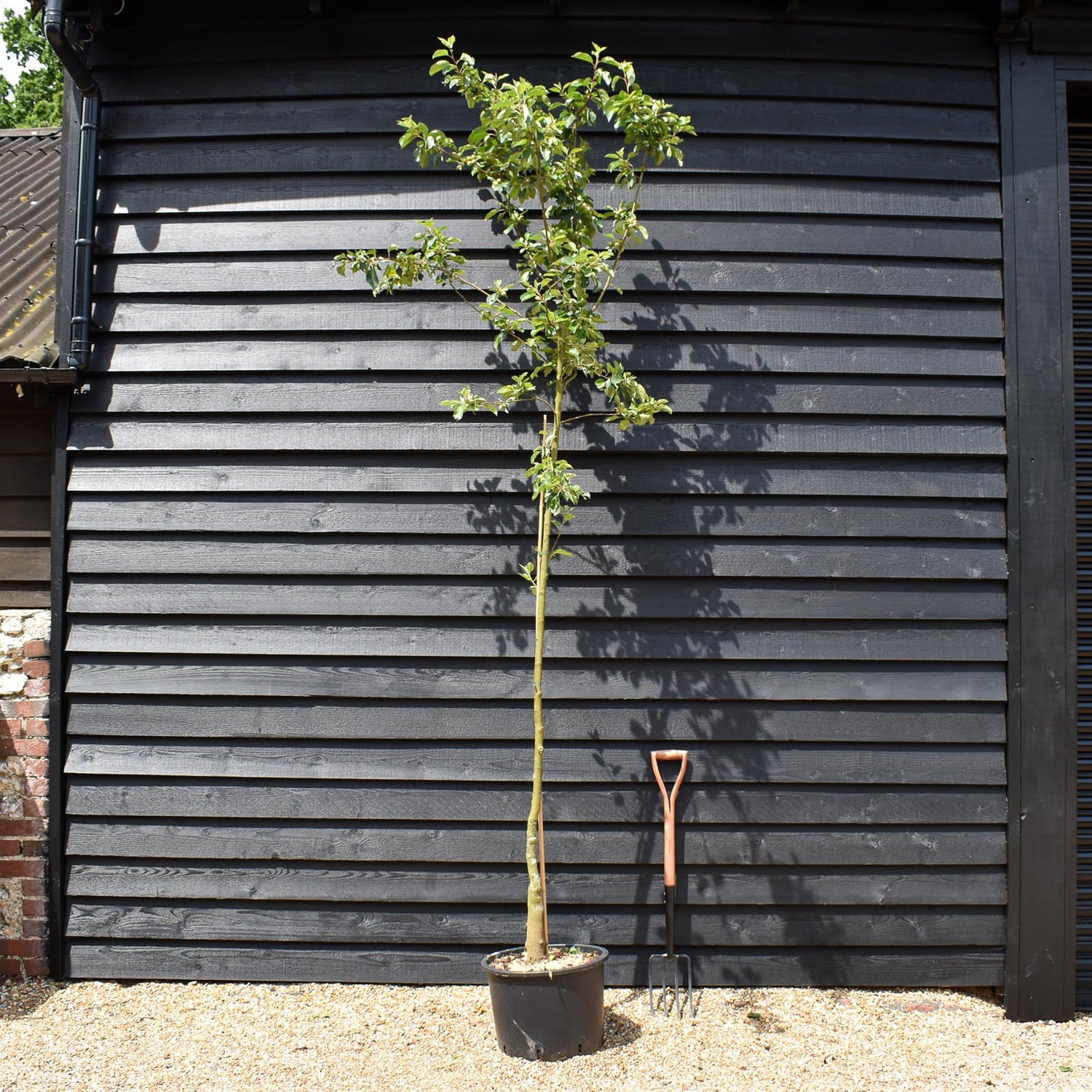


Crab Apple 'Red Siberian' | Malus - Clear Stem - Height 250-300cm - Girth 6-8cm - 45lt
£255.00
Unit price perCrab Apple 'Red Siberian' | Malus - Clear Stem - Height 250-300cm - Girth 6-8cm - 45lt
£255.00
Unit price perMalus 'Red Siberian' is a hardy, ornamental crabapple known for its beautiful seasonal interest and adaptability. This small deciduous tree typically grows to about 15–25 feet tall with a spreading, rounded crown. In spring, it produces an abundance of fragrant white to pale pink blossoms that attract pollinators such as bees and butterflies. These are followed by clusters of small, bright red fruits in late summer to fall, which persist into winter and provide a valuable food source for birds and wildlife.
The glossy green foliage turns yellow in autumn, adding another layer of seasonal color. 'Red Siberian' is often used as a rootstock or in ornamental plantings due to its cold tolerance and disease resistance. It thrives in full sun and well-drained soil, making it an excellent choice for temperate climates. This tree is ideal for adding year-round interest to gardens, landscapes, or naturalized areas with minimal maintenance required.


Crab apple | Malus 'Butterball' - 160-200cm - 12lt
£90.00
Unit price perCrab apple | Malus 'Butterball' - 160-200cm - 12lt
£90.00
Unit price perMalus 'Butterball', a highly ornamental crabapple tree, is distinguished by its prolific golden-yellow fruit and its breathtaking, fragrant spring blossoms. These blossoms are dense, adding a profusion of white to landscapes. The tree is renowned for its decorative appeal, not only offering visual pleasure but also serving as an attraction for various wildlife, especially birds and pollinators, enriching biodiversity within its vicinity.
The fruits of Malus 'Butterball' are small, with a buttery, yellow hue, persisting into winter, adding vibrant winter interest to gardens and landscapes. The presence of these fruits also serves as a substantial food source for wildlife during the colder months when food is scarce.
This variety of crabapple is celebrated for its compact nature, making it a preferred choice for smaller gardens or spaces where larger trees would be impractical. It is also prized for its resilience, withstanding different environmental conditions, thus making it a versatile choice for different landscapes.
Besides its aesthetic and ecological values, Malus 'Butterball' is also appreciated for its low maintenance requirements. It's relatively disease-resistant compared to other crabapple varieties, making it a durable and long-lasting addition to a range of horticultural settings. The tree’s versatility and beauty make it a popular choice among garden enthusiasts and landscape designers alike.
Showing 144/458
Related blog posts


