

-
Trees
Trees
 Fruit Trees
 Ornamental
 Screening
 Palms
By FeaturesBy Shape
Palms
By FeaturesBy Shape -
Shrubs
Shrubs
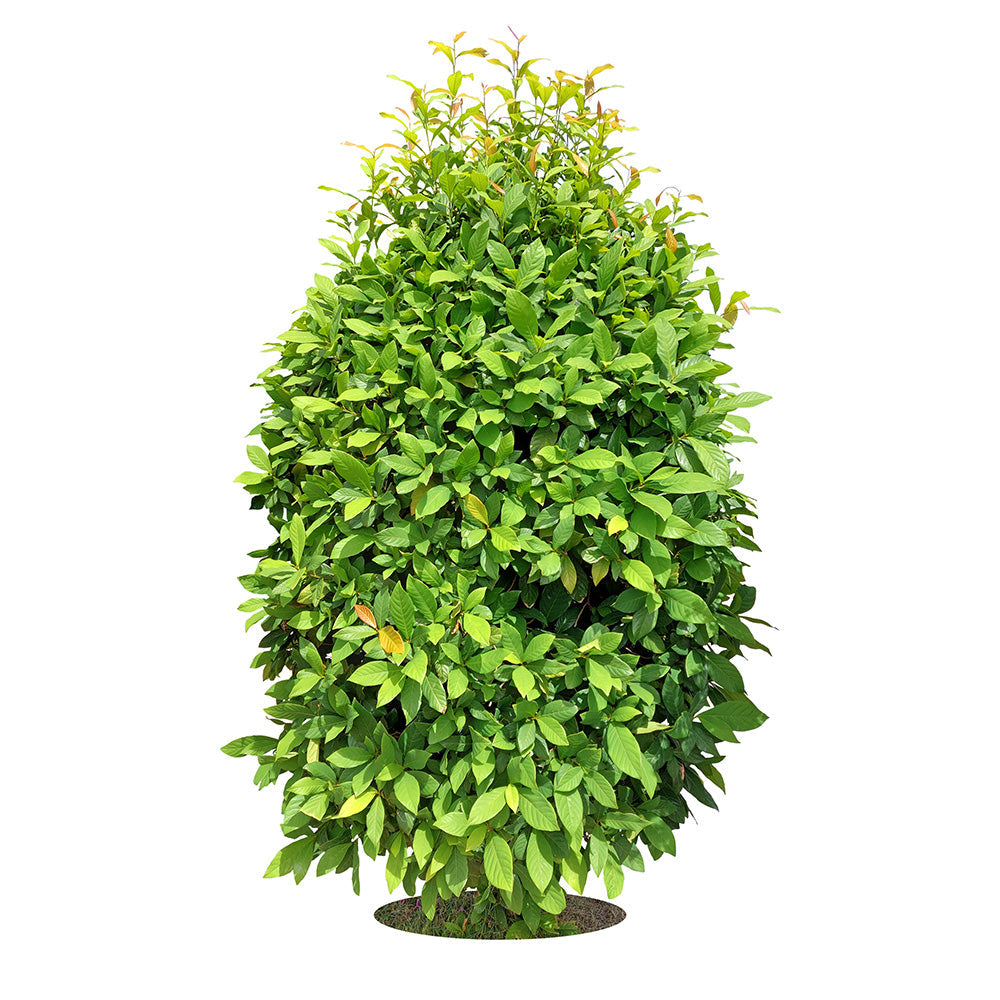 Large shrubs
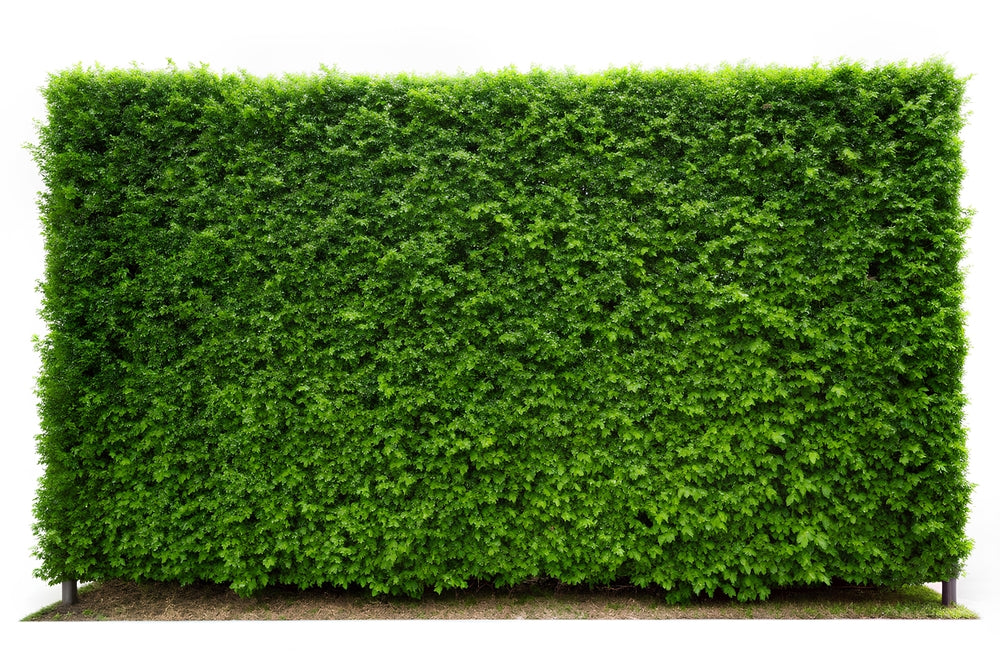 Hedging
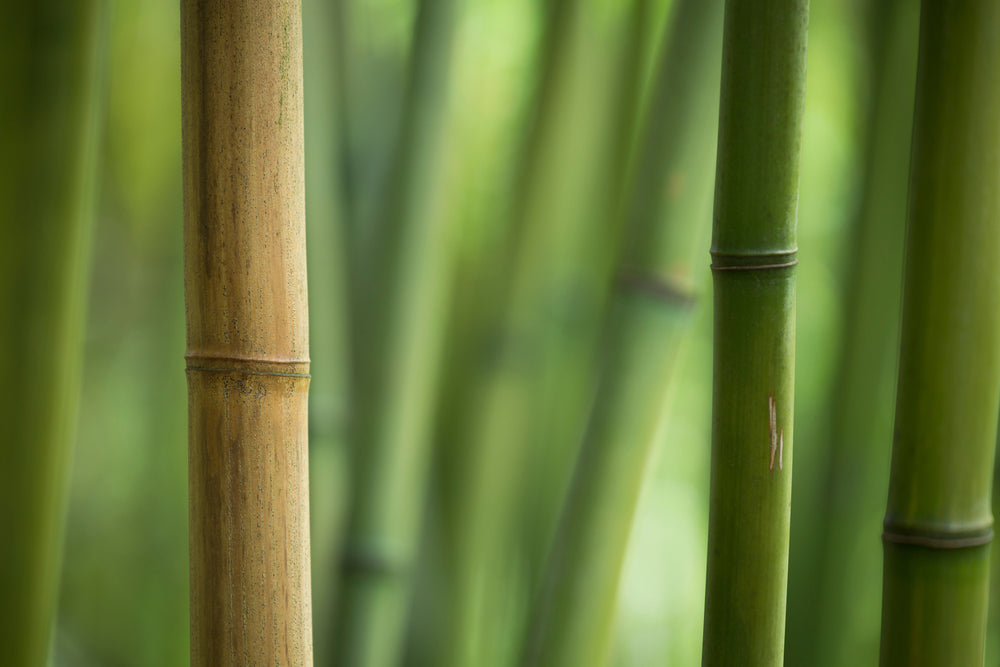 Bamboo
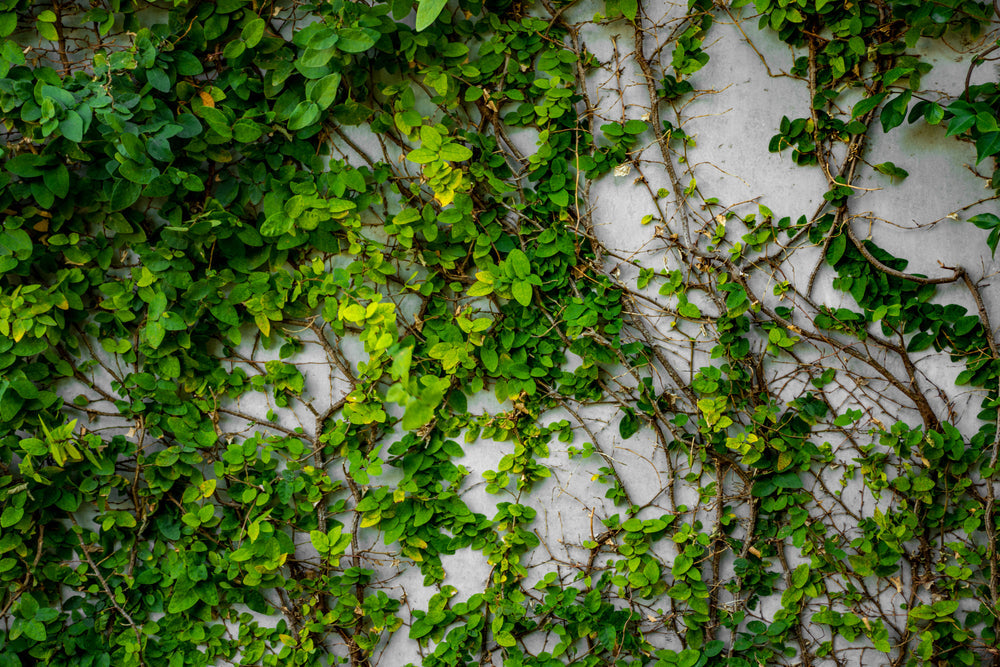 Climbers
 Flowering
 Grasses & Ferns
 Popular
-
Pines & Conifers
Pines & Conifers
 Pines
Pines
 Spruce & Fir
 Cypress
 Thuja
Thuja
 Redwood | Sequoia
-
Specimen
FREE DELIVERY OVER £350
Eastern White Pine | Pinus strobus

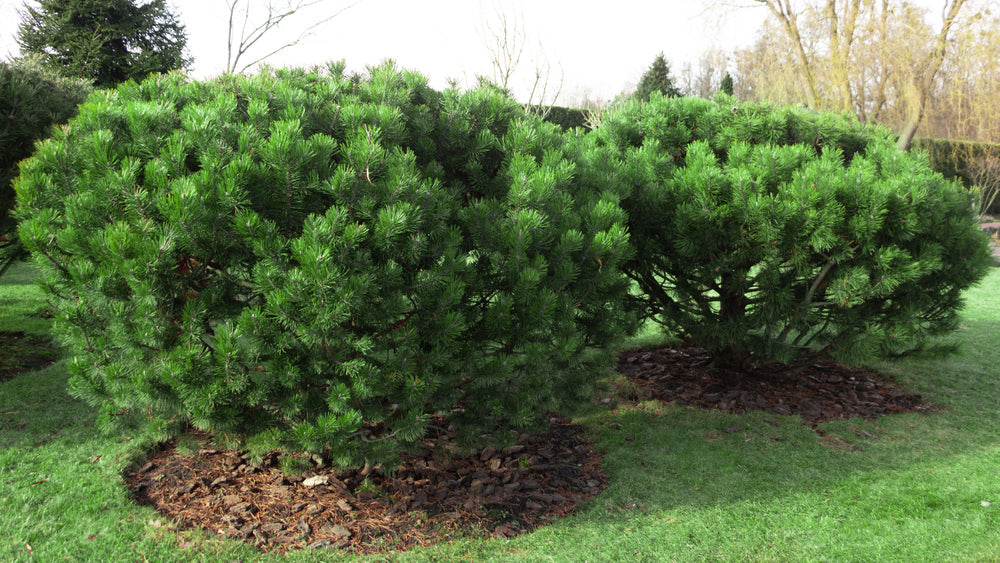
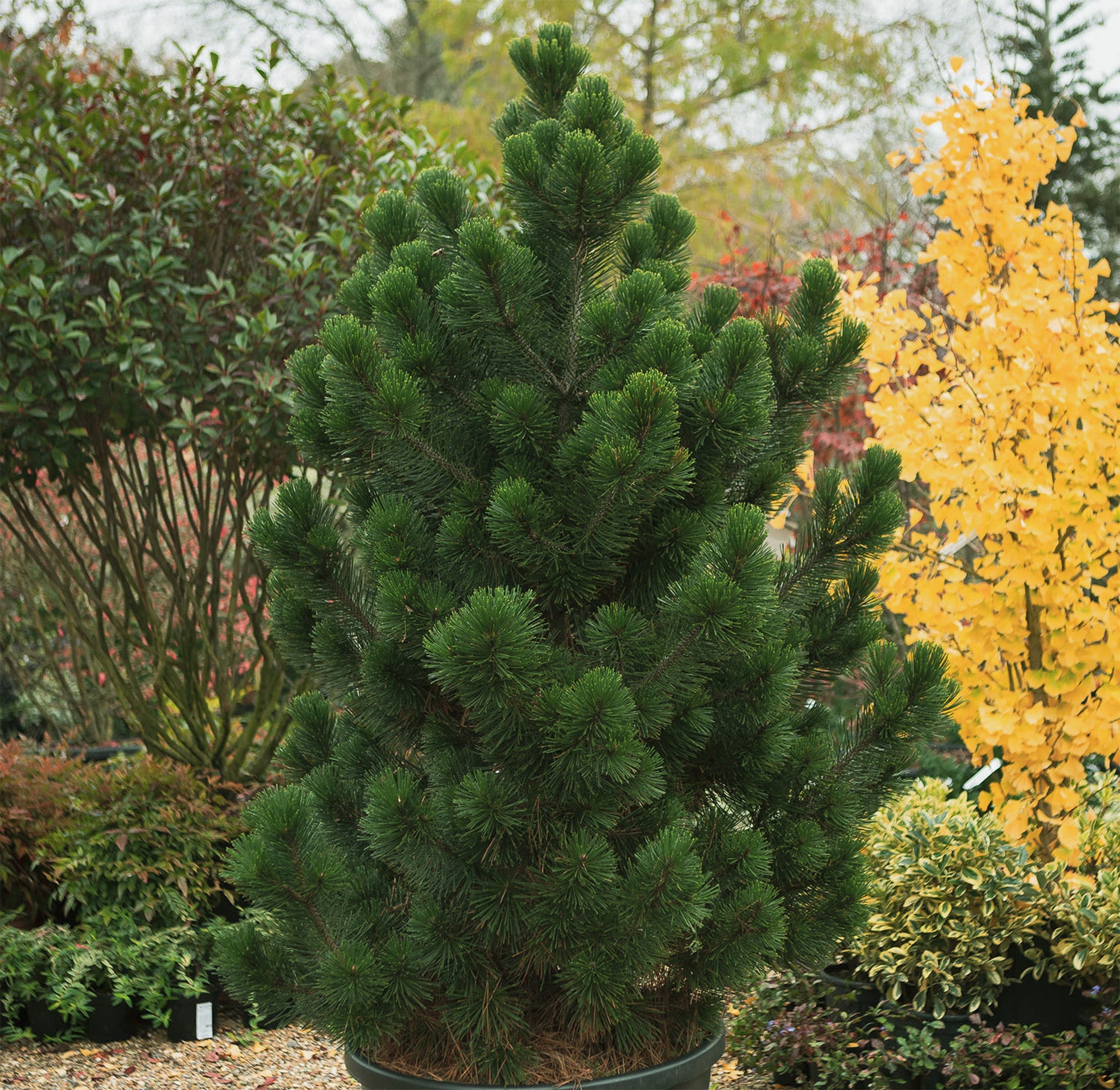
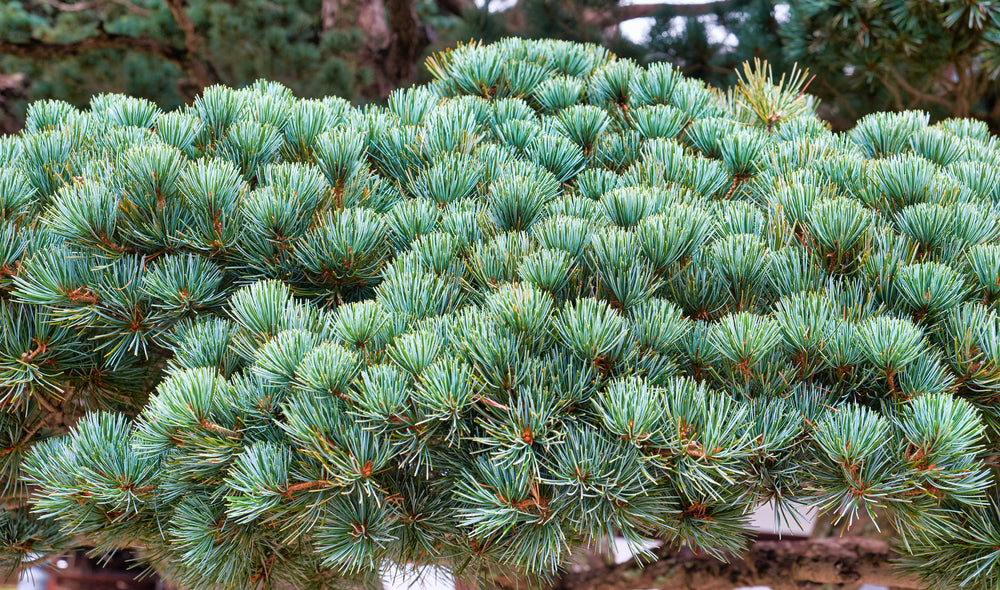
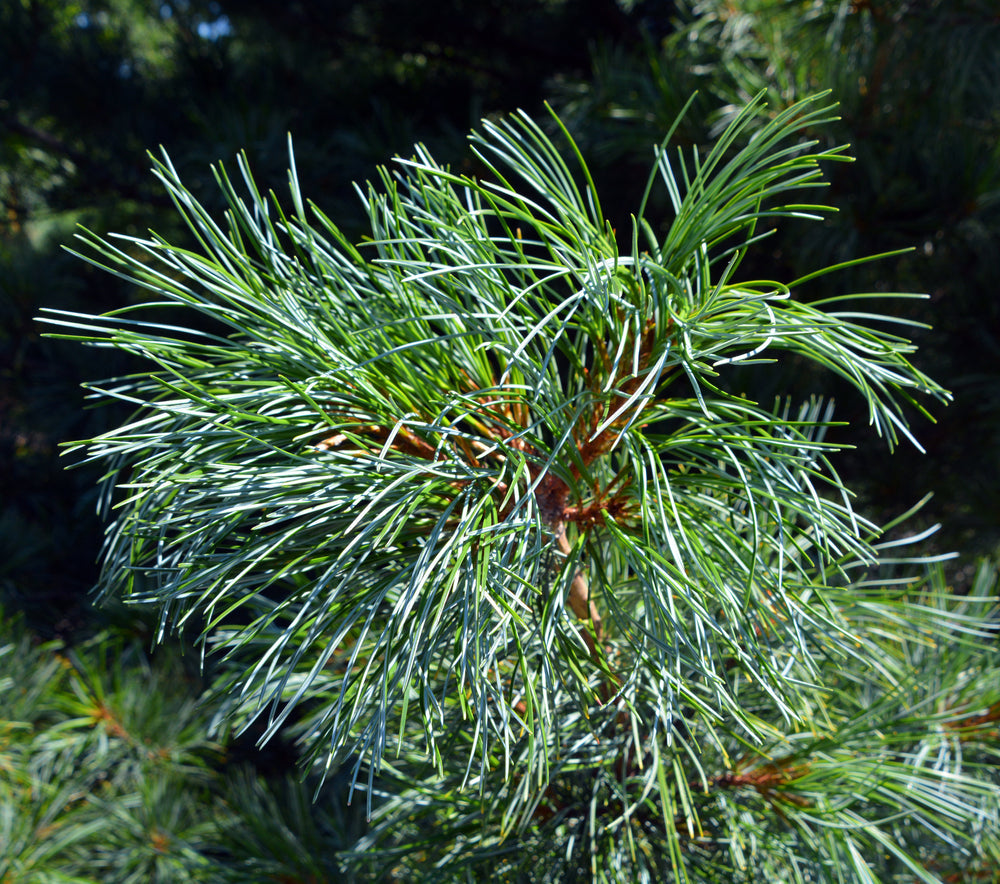
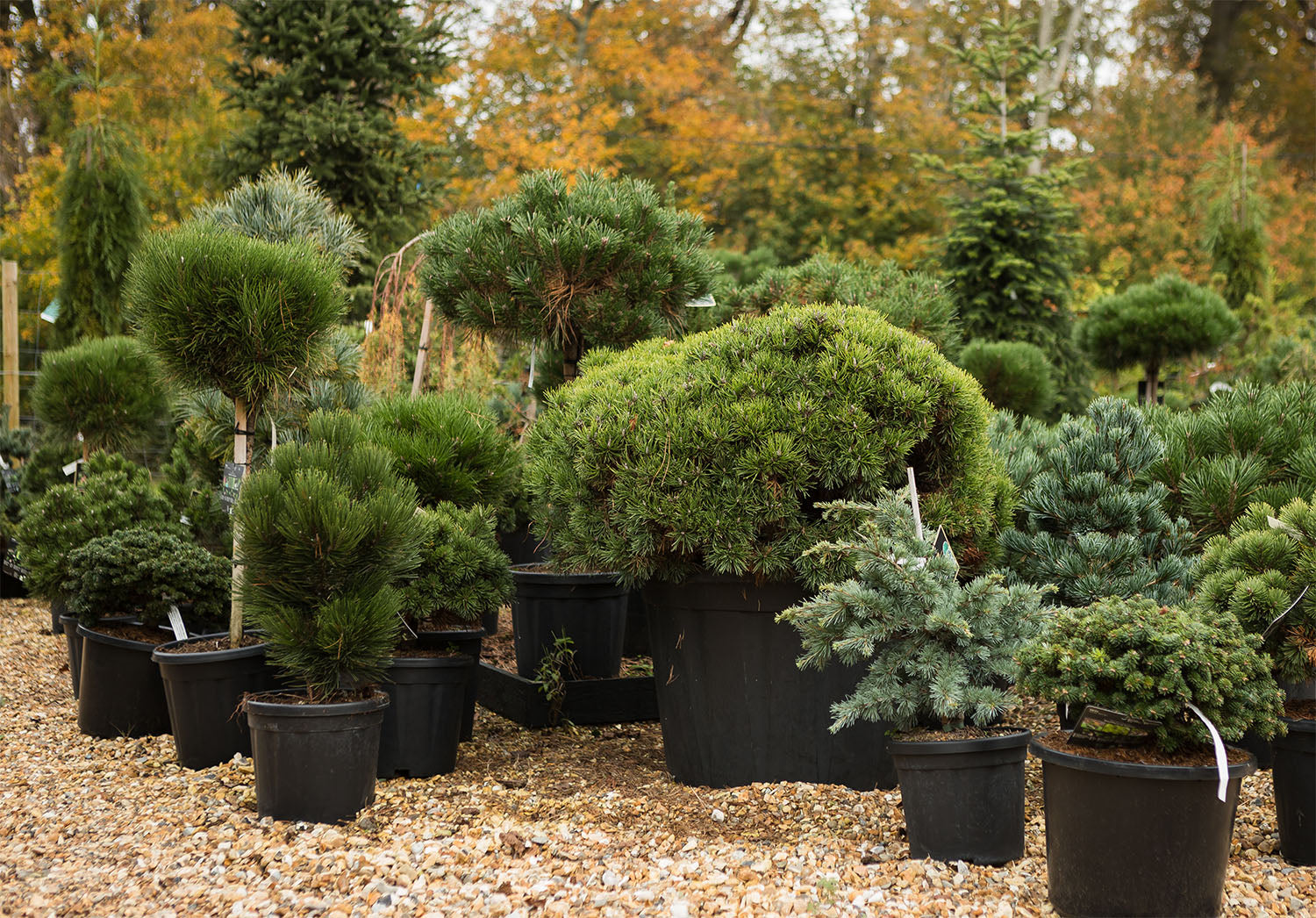
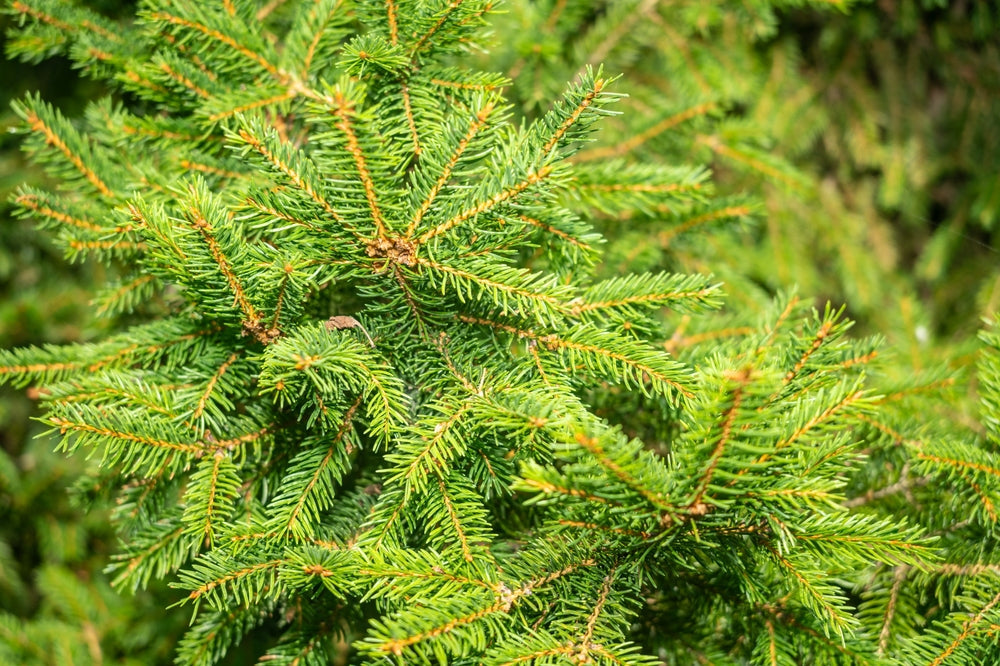
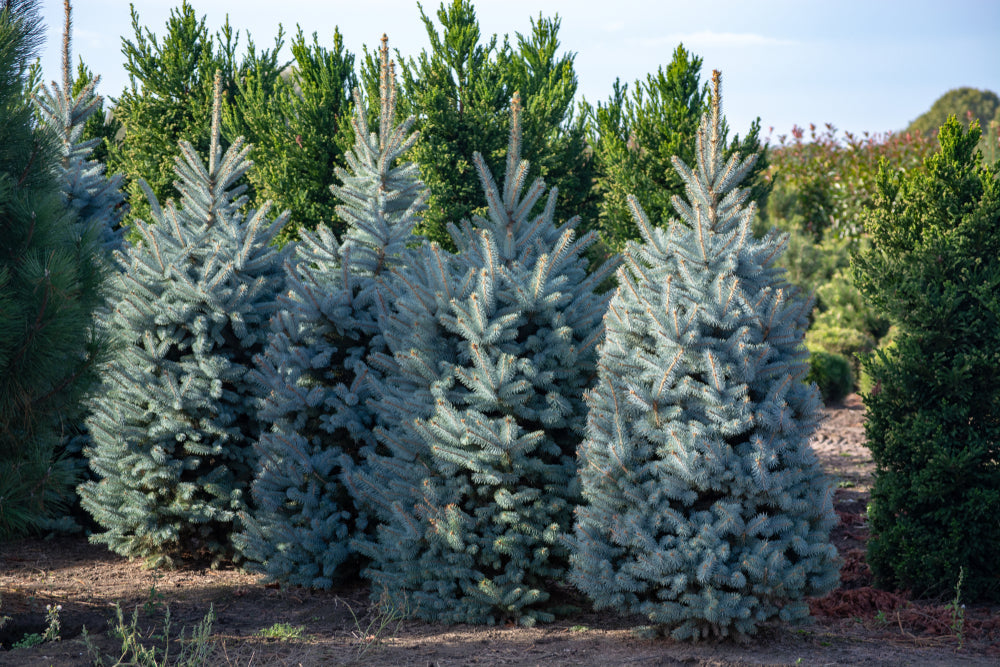
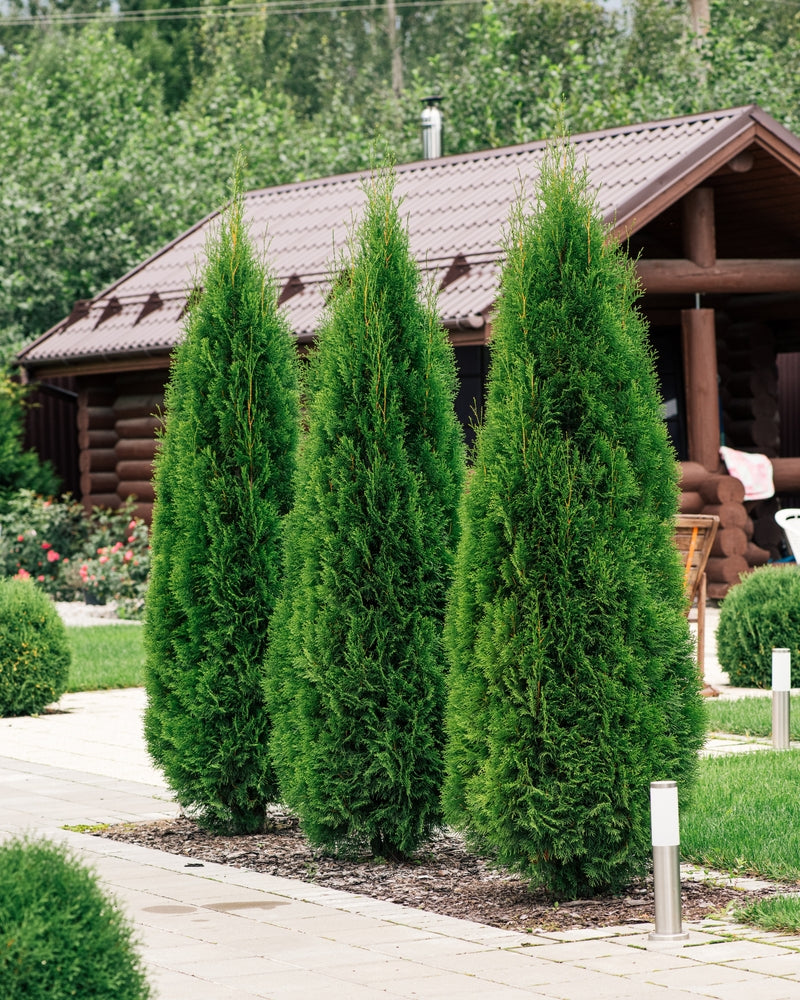
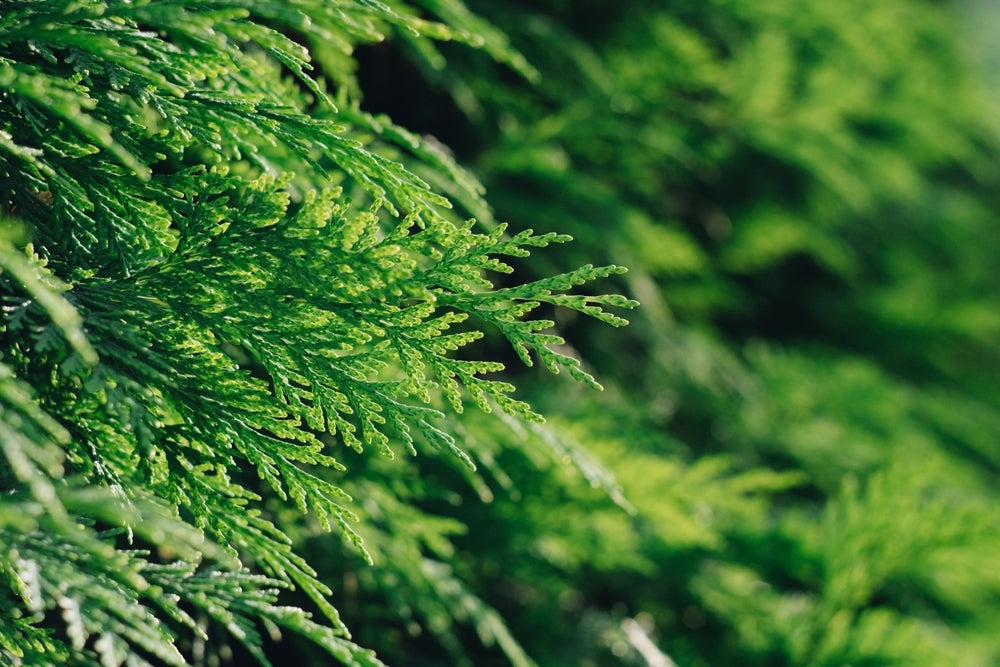
A fast-growing evergreen with soft, blue-green needles and a graceful, pyramidal form. Ideal for landscapes, windbreaks, and screens, it offers year-round beauty, resilience, and a majestic presence.
5 products
5 products
Sort by:


Pinus strobus 'Squiggles' - Bushy - Height 50cm - 20lt
£192.00
Unit price perPinus strobus 'Squiggles' - Bushy - Height 50cm - 20lt
£192.00
Unit price perPinus strobus, commonly known as Eastern white pine, produces distinctive "squiggles" that are most noticeable in the spring and early summer. These squiggles are the immature, pollen-bearing male cones (known as catkins), which hang in clusters from the branches. They start out as small, greenish-yellow structures, often curling or curving, giving them a squiggly appearance. As they mature, these catkins release copious amounts of fine, yellow pollen that can be seen dusting the ground, cars, and nearby surfaces during peak pollination.
The squiggles can vary in size, typically ranging from 1 to 2 centimetres in length. Their twisted, sometimes irregular shape makes them stand out against the linear, needle-like foliage of the tree. Once the pollen is released, the squiggles wither and eventually fall off the tree, often accumulating in significant quantities on the ground beneath.
Pinus strobus is a dominant tree in many North American forests, but it can also be found in parks, gardens, and managed landscapes in the UK. The squiggles are a seasonal feature that many people in the UK might notice, especially during windy days when the pollen is easily carried through the air.
In addition to their role in reproduction, these male cones are a subtle indicator of the health and maturity of the tree. A robust display of squiggles generally suggests a healthy tree that is capable of producing sufficient pollen for reproduction. Their unusual, curly shapes add an element of visual interest to the tree, although they are often overlooked in favour of the more recognisable long cones and soft, blue-green needles of the Eastern white pine.


Pinus strobus 'Macopin' - Bushy - Height 50-60cm - 20lt
£187.00
Unit price perPinus strobus 'Macopin' - Bushy - Height 50-60cm - 20lt
£187.00
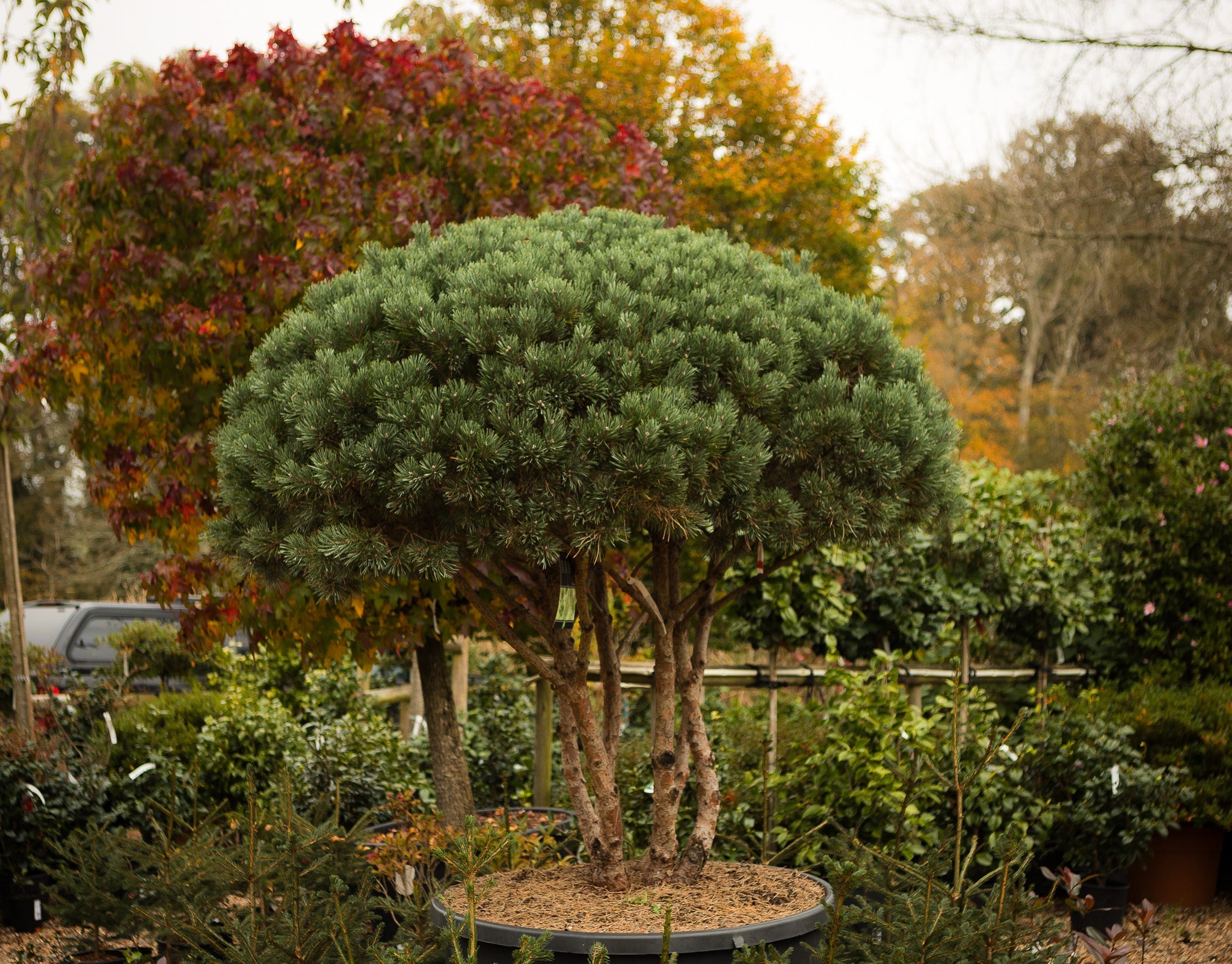
Unit price perPinus strobus 'Macopin' is a compact, slow-growing selection of the Eastern White Pine, prized for its naturally rounded form and exceptionally soft, blue-green needles. This attractive evergreen develops into a dense, globe-shaped shrub without the need for regular pruning, making it an excellent choice for low-maintenance gardens. Its fine-textured foliage provides year-round colour and structure, contrasting beautifully with broader-leaved shrubs and flowering perennials.
Growing at a modest rate of around 5–15cm per year, Pinus strobus 'Macopin' typically reaches approximately 1–1.5 metres in height and spread over many years, making it ideal for smaller gardens, rockeries, gravel gardens and mixed conifer borders. It also performs exceptionally well in large containers, where its neat habit and elegant foliage can be appreciated up close.
This hardy conifer thrives in full sun and prefers moist but well-drained soil. It adapts well to sandy, loamy and slightly acidic soils but will also grow in neutral ground, provided drainage is good. Once established, it is reasonably drought tolerant, although prolonged dry periods may require occasional watering, particularly when grown in pots.
'Macopin' requires very little maintenance beyond removing any damaged or dead branches. Mulching in spring helps retain soil moisture and suppress weeds, while an annual application of a balanced slow-release fertiliser will encourage healthy growth. Unlike many larger pines, it remains compact throughout its life, eliminating the need for regular shaping.
Fully hardy throughout the UK, Pinus strobus 'Macopin' tolerates frost, wind and typical British winters with ease. It is an excellent architectural plant for contemporary and traditional gardens alike, providing reliable evergreen interest throughout every season. Whether planted as a specimen, incorporated into a Japanese-inspired planting scheme, or used alongside other dwarf conifers, this elegant cultivar offers enduring beauty, texture and form with minimal effort, making it a superb long-term addition to almost any well-drained garden.


Pinus strobus 'Radiata' - Monterey Pine - Height 30-50cm - 12lt
£160.00
Unit price perPinus strobus 'Radiata' - Monterey Pine - Height 30-50cm - 12lt
£160.00
Unit price perPinus strobus 'Radiata', commonly known as the Monterey Pine ‘Radiata’, is a fast-growing evergreen conifer valued for its graceful, open form and soft, blue-green needles. This variety is particularly suited to gardens that can accommodate its eventual size, making it ideal as a specimen tree, in parkland-style landscapes, or as part of a naturalistic planting scheme.
Monterey Pine ‘Radiata’ thrives in full sun and prefers well-drained soil, tolerating a wide range of conditions, including coastal exposure and sandy or poorer soils. Its growth habit is upright but relaxed, with spreading branches that create a light, airy canopy, allowing dappled light beneath and giving it a less dense, elegant appearance compared to many other conifers.
Its rapid growth and relatively low maintenance requirements make it a practical choice for gardeners seeking a quick-impact tree. Over time, its rugged bark and long, soft needles provide year-round visual interest, while its broad canopy offers shelter and habitat for wildlife.
Because of its potential height and spread, Monterey Pine ‘Radiata’ is best planted where it has space to mature fully, creating a striking focal point that combines natural beauty, structural presence, and resilience in a variety of garden settings


Pinus strobus - Weymouth Pine - Height 90-120cm - 12lt
£160.00
Unit price perPinus strobus - Weymouth Pine - Height 90-120cm - 12lt
£160.00
Unit price perPinus strobus, commonly known as the Weymouth Pine, is a stately and graceful evergreen conifer well suited to larger gardens, parklands, and naturalistic landscapes. Native to North America, it is admired for its elegant, conical form, soft bluish-green needles, and relatively fast growth, making it an excellent choice for gardeners seeking a tree that combines visual appeal with practicality.
Weymouth Pine thrives in full sun and prefers well-drained soil, though it is adaptable to a range of soil types, including sandy or moderately poor ground. Its slender, upright crown and flexible branches create a light, airy canopy that allows dappled sunlight beneath, contributing to a sense of openness in the garden while providing habitat for birds and other wildlife.
Over time, its bark develops a textured, rugged appearance, adding year-round interest. While it can tolerate coastal exposure and relatively harsh conditions once established, it performs best in sheltered to moderately exposed positions.
Due to its eventual height and spread, Weymouth Pine is best used as a specimen tree or part of a woodland-style planting where it can grow freely. Its combination of elegance, resilience, and natural woodland character makes it a striking and enduring addition to spacious garden settings.
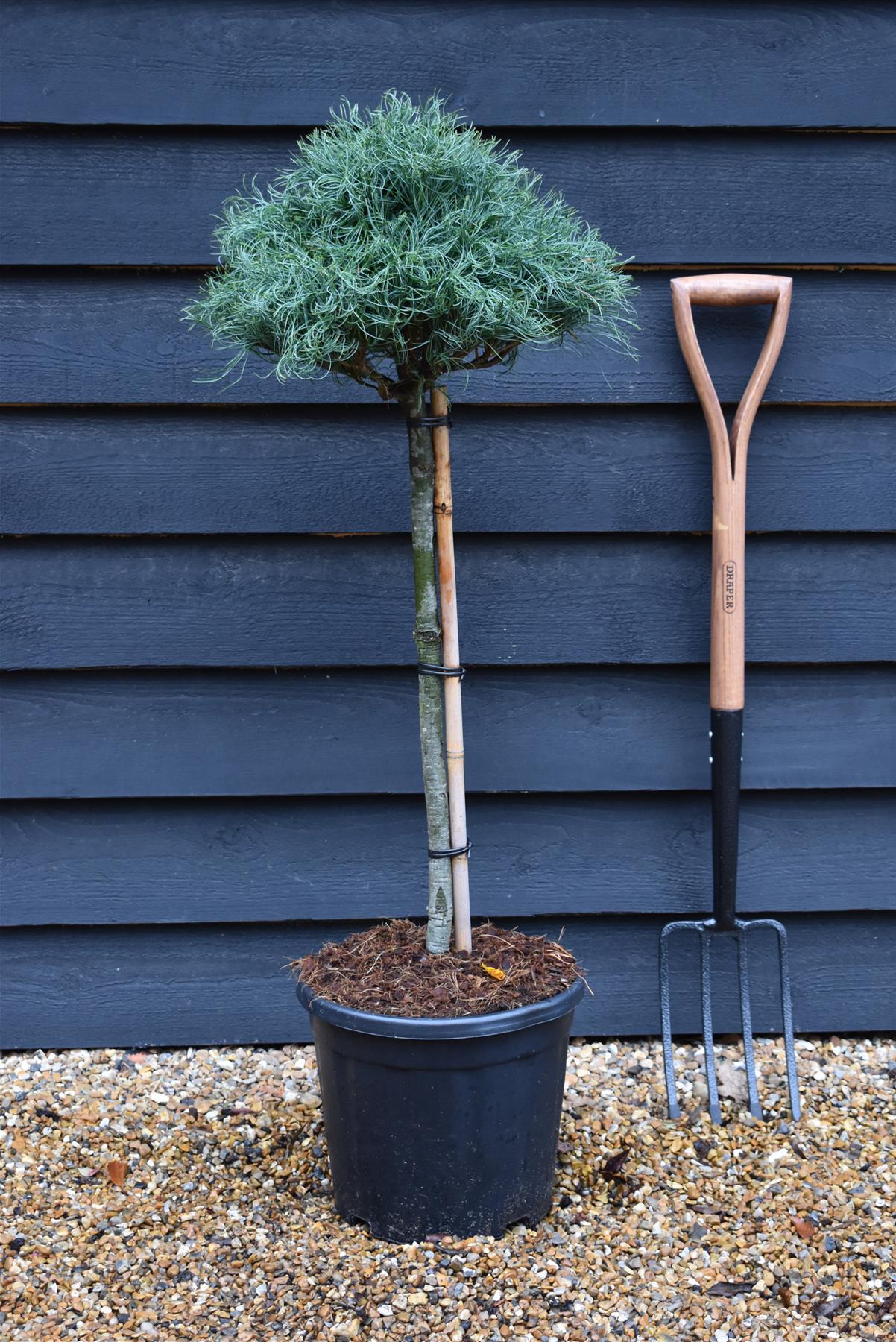
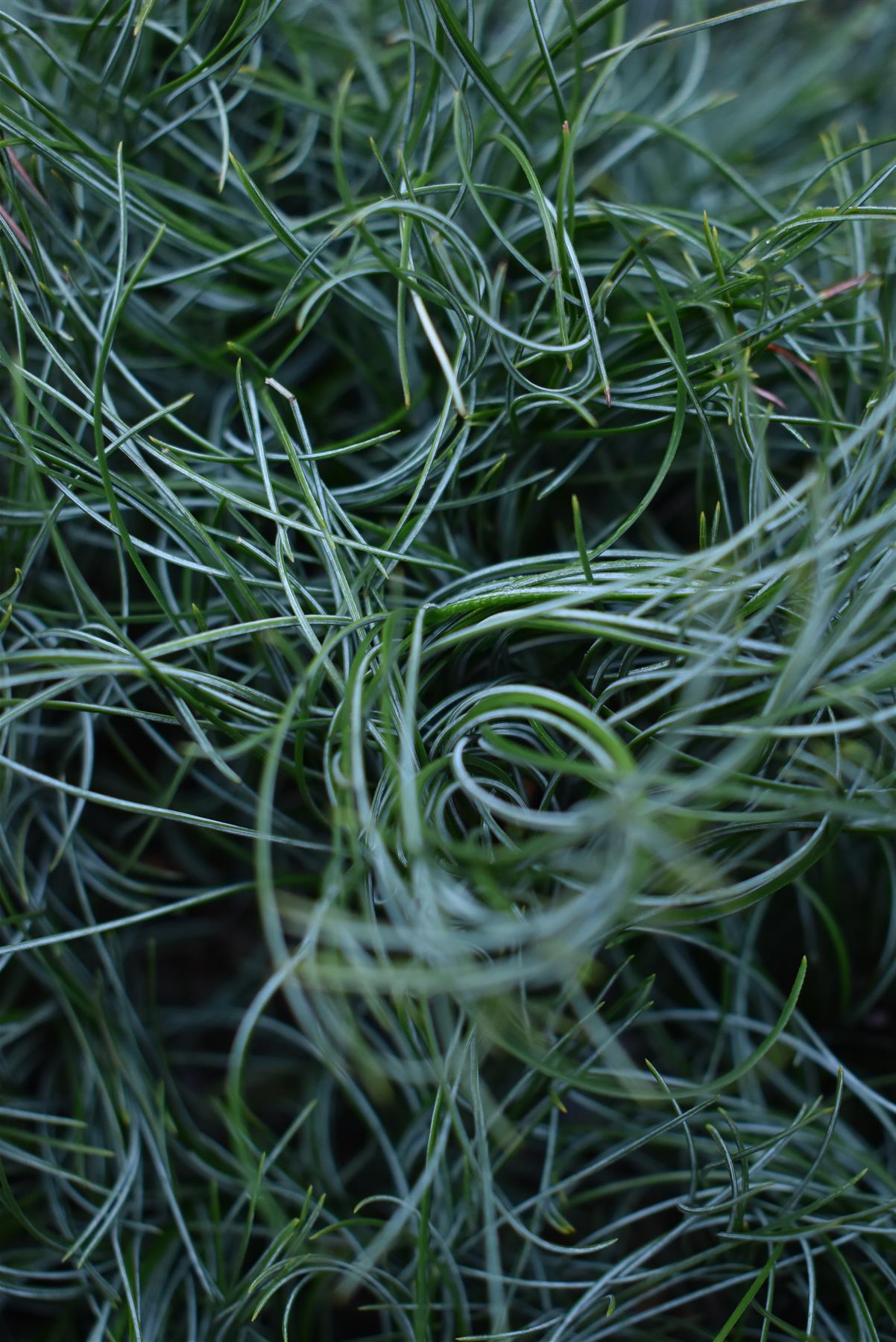
Pinus strobus 'Squiggles' - 60cm Clear Stem - Height 90cm - 15lt
£120.00
Unit price perPinus strobus 'Squiggles' - 60cm Clear Stem - Height 90cm - 15lt
£120.00
Unit price perPinus strobus, commonly known as Eastern white pine, produces distinctive "squiggles" that are most noticeable in the spring and early summer. These squiggles are the immature, pollen-bearing male cones (known as catkins), which hang in clusters from the branches. They start out as small, greenish-yellow structures, often curling or curving, giving them a squiggly appearance. As they mature, these catkins release copious amounts of fine, yellow pollen that can be seen dusting the ground, cars, and nearby surfaces during peak pollination.
The squiggles can vary in size, typically ranging from 1 to 2 centimetres in length. Their twisted, sometimes irregular shape makes them stand out against the linear, needle-like foliage of the tree. Once the pollen is released, the squiggles wither and eventually fall off the tree, often accumulating in significant quantities on the ground beneath.
Pinus strobus is a dominant tree in many North American forests, but it can also be found in parks, gardens, and managed landscapes in the UK. The squiggles are a seasonal feature that many people in the UK might notice, especially during windy days when the pollen is easily carried through the air.
In addition to their role in reproduction, these male cones are a subtle indicator of the health and maturity of the tree. A robust display of squiggles generally suggests a healthy tree that is capable of producing sufficient pollen for reproduction. Their unusual, curly shapes add an element of visual interest to the tree, although they are often overlooked in favour of the more recognisable long cones and soft, blue-green needles of the Eastern white pine.
Related blog posts


