

-
Trees
Trees
 Fruit Trees
 Ornamental
 Screening
 Palms
By FeaturesBy Shape
Palms
By FeaturesBy Shape -
Shrubs
Shrubs
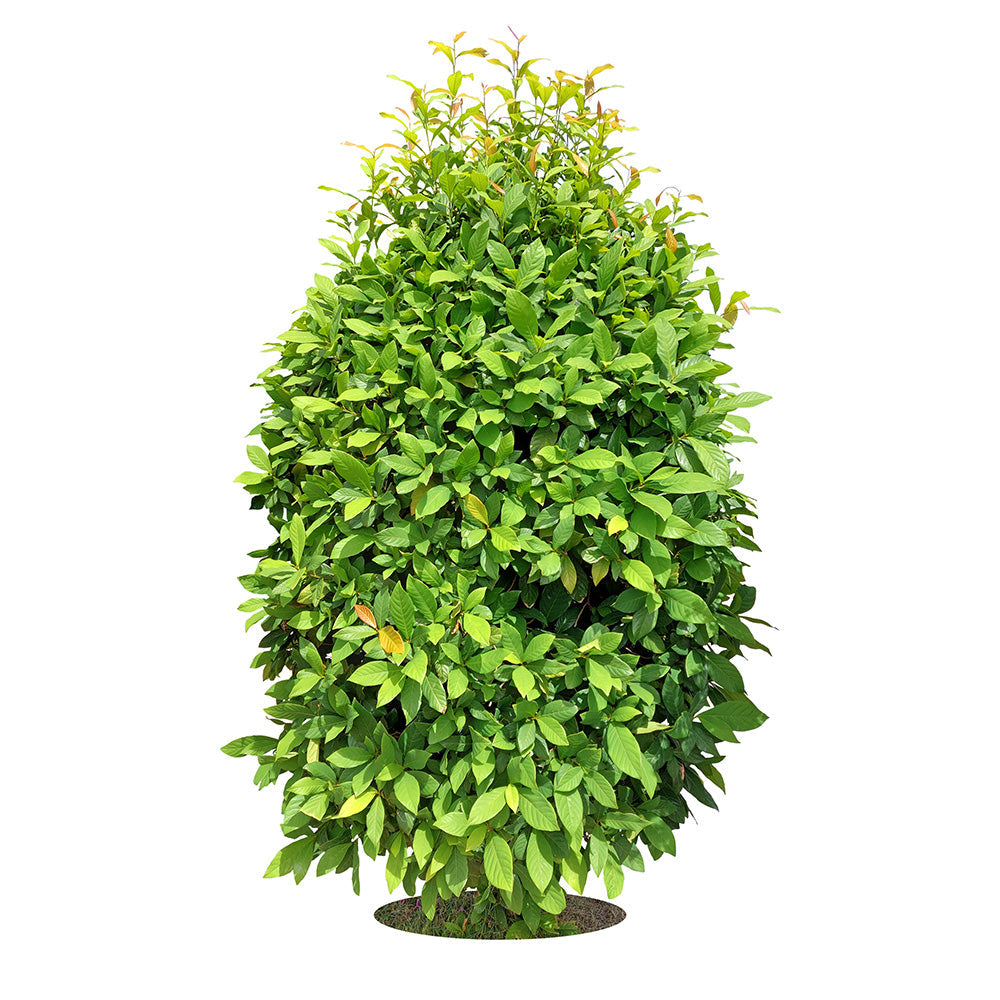 Large shrubs
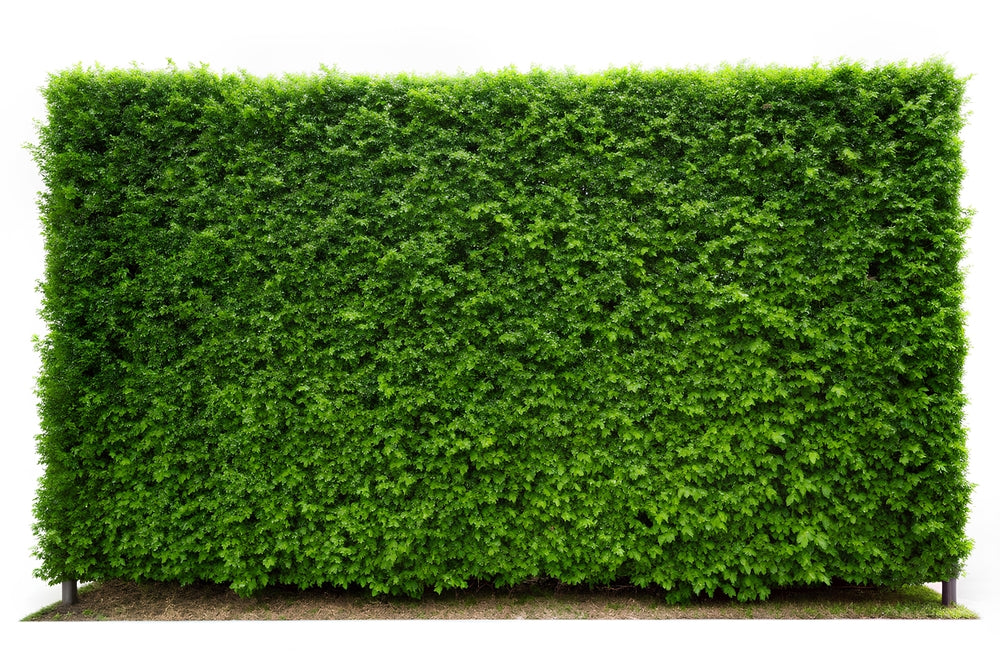 Hedging
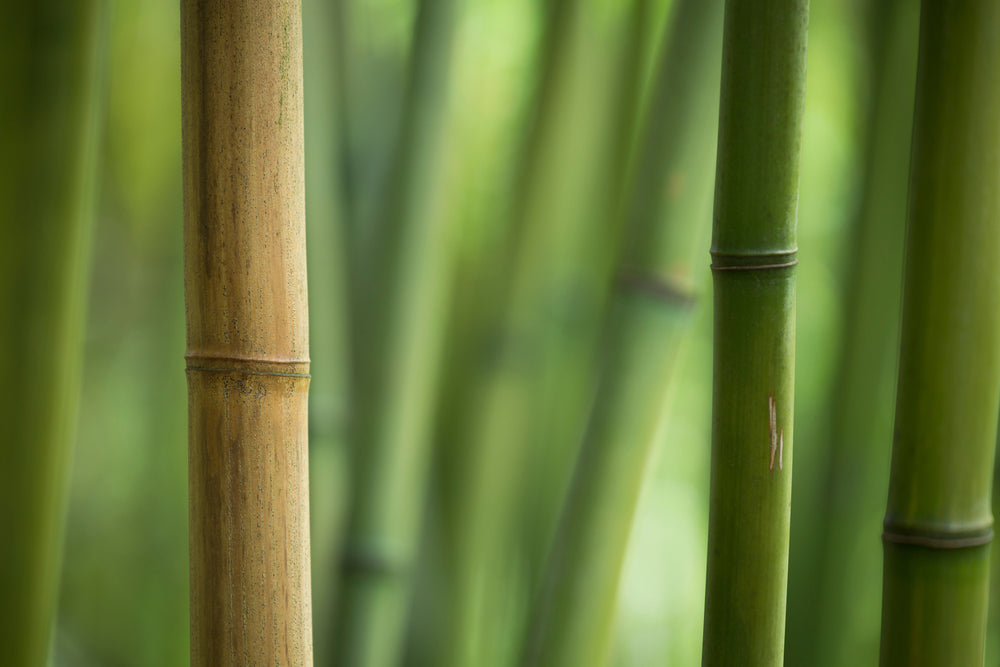 Bamboo
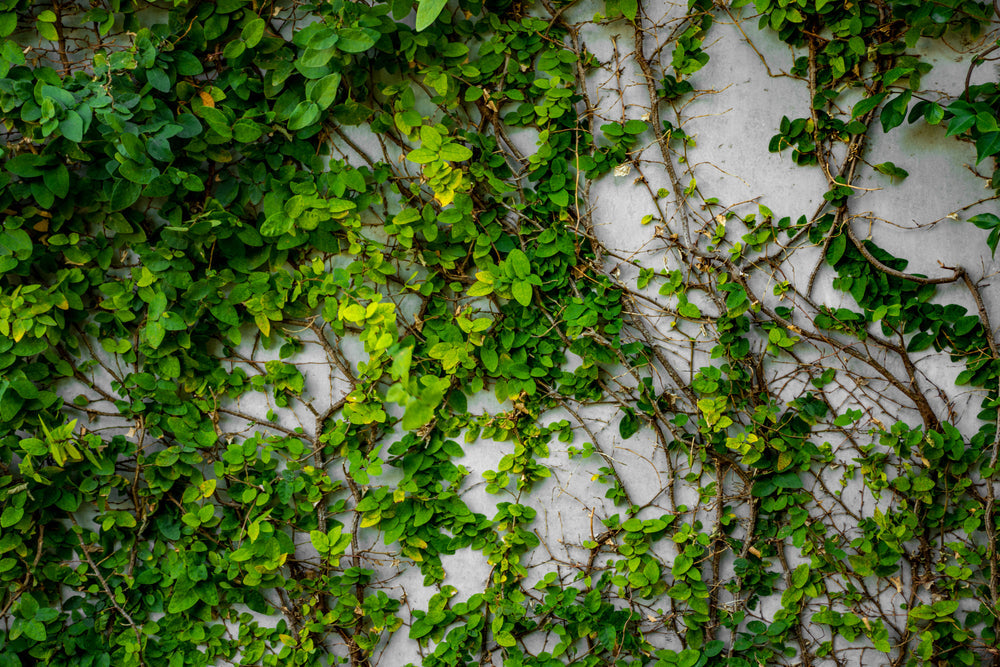 Climbers
 Flowering
 Grasses & Ferns
 Popular
-
Pines & Conifers
Pines & Conifers
 Pines
Pines
 Spruce & Fir
 Cypress
 Thuja
Thuja
 Redwood | Sequoia
-
Specimen
FREE DELIVERY OVER £350
Flowering Trees
165 products
165 products
Sort by:


Pyrus calleryana 'Chanticleer' | Callery Pear | Ornamental Pear Tree - Height 200-250cm - Girth 6-8cm - 30lt
£155.00
Unit price perPyrus calleryana 'Chanticleer' | Callery Pear | Ornamental Pear Tree - Height 200-250cm - Girth 6-8cm - 30lt
£155.00
Unit price per


Pyrus calleryana 'Chanticleer' | Callery Pear - Height 180-220cm - 12lt
£95.00
Unit price perPyrus calleryana 'Chanticleer' | Callery Pear - Height 180-220cm - 12lt
£95.00
Unit price per


Pyrus Communis Williams | Pear 'Williams' Bon Chrétien' - Patio Rootstock - Height 80-100cm, 7lt
£38.00
Unit price perPyrus Communis Williams | Pear 'Williams' Bon Chrétien' - Patio Rootstock - Height 80-100cm, 7lt
£38.00
Unit price per


Quince 'Vranja' | Cydonia oblonga 'Vranja' - Height 180-200cm -12lt
£105.00
Unit price perQuince 'Vranja' | Cydonia oblonga 'Vranja' - Height 180-200cm -12lt
£105.00
Unit price per


Red Alder | Alnus rubra - Height 300-350cm - Girth 10-12cm - 55lt
£255.00
Unit price perRed Alder | Alnus rubra - Height 300-350cm - Girth 10-12cm - 55lt
£255.00
Unit price perAlnus rubra, commonly known as red alder, is a fast-growing deciduous tree native to the west coast of North America, from Alaska to California. It is easily recognized by its smooth, gray bark and broad, ovate leaves with serrated edges that turn yellow in the fall. Red alder typically grows 40 to 80 feet tall and thrives in moist, well-drained soils, often along rivers, streams, and in disturbed areas. One of its most notable ecological traits is its ability to fix atmospheric nitrogen through a symbiotic relationship with bacteria in its root nodules. This natural enrichment improves soil fertility and supports forest regeneration, making it an important pioneer species in reforestation and ecological restoration projects. Red alder also provides habitat and food for various wildlife species, including birds and insects. In addition to its ecological value, its light-colored wood is used in furniture, cabinetry, and paper production due to its workability and smooth finish.


Sambucus Golden Tower - 180-220cm, 20lt
£95.00
Unit price perSambucus Golden Tower - 180-220cm, 20lt
£95.00
Unit price per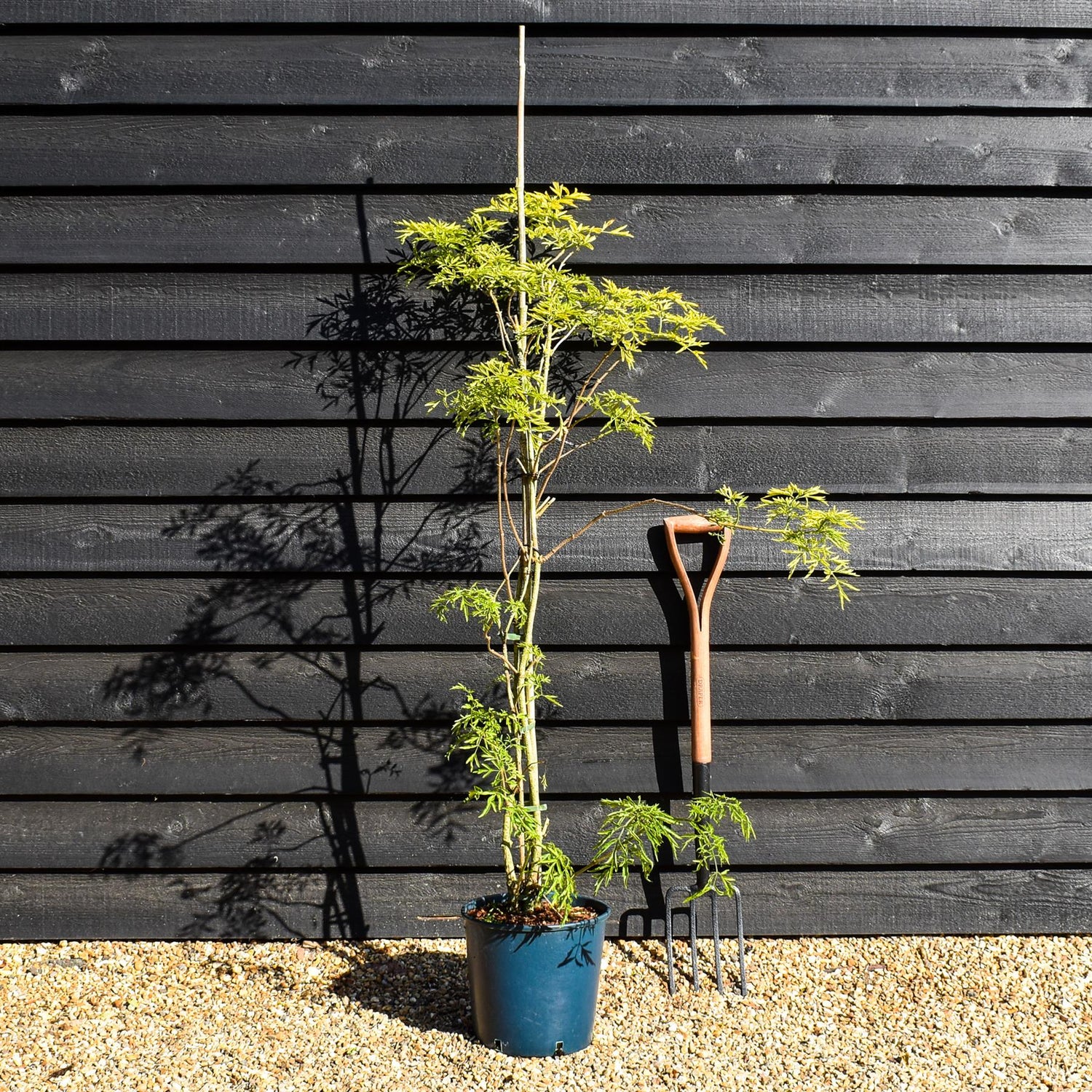


Sambucus Golden Tower - Height 180-200cm - 10lt
£76.00
Unit price perSambucus Golden Tower - Height 180-200cm - 10lt
£76.00
Unit price per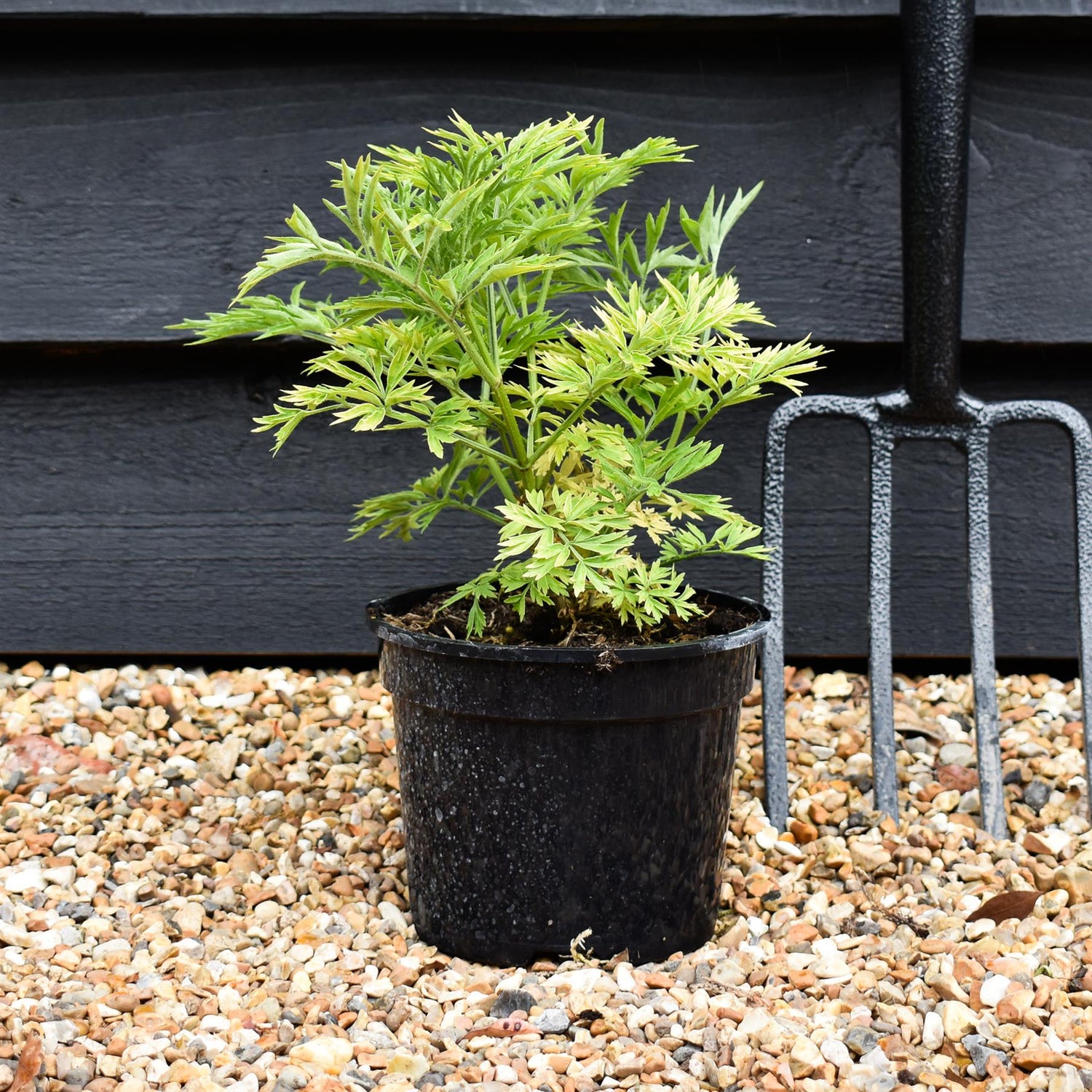


Sambucus Golden Tower - Shrub - 20-30cm - 2lt
£18.00
Unit price perSambucus Golden Tower - Shrub - 20-30cm - 2lt
£18.00
Unit price per


Sambucus nigra Black Lace - Height 15-30cm - Shrub - 2lt
£18.00
Unit price perSambucus nigra Black Lace - Height 15-30cm - Shrub - 2lt
£18.00
Unit price per


Strawberry Tree Shurb | Arbutus unedo -Bush - Height 180-190cm - 90lt
£825.00
Unit price perStrawberry Tree Shurb | Arbutus unedo -Bush - Height 180-190cm - 90lt
£825.00
Unit price per


Sweet Orange Tree | Citrus sinensis 'Naranjo' - Tree - Clear Stem 30-60cm - Height 110-140cm - 25lt
£215.00
Unit price perSweet Orange Tree | Citrus sinensis 'Naranjo' - Tree - Clear Stem 30-60cm - Height 110-140cm - 25lt
£215.00
Unit price perCitrus sinensis 'Naranjo' is a beautiful evergreen citrus tree admired for its glossy deep green foliage, highly fragrant white blossom, and delicious sweet oranges. Bringing a Mediterranean feel to gardens, patios, and conservatories, this attractive tree provides year-round ornamental interest as flowers and ripening fruit often appear together on the plant. During spring and summer, the scented blossom attracts pollinators and fills sheltered outdoor spaces with a refreshing citrus fragrance.
Best grown in a sunny, sheltered position, Citrus sinensis ‘Naranjo’ thrives in fertile, well-drained soil and benefits from regular watering during warmer months. In the UK climate, it is commonly grown in containers so it can be moved into a greenhouse, conservatory, or frost-free area during winter. Its compact habit makes it particularly suitable for patios, terraces, courtyards, and smaller gardens.
As a mature specimen, the tree creates an elegant focal point with both ornamental and practical value. The vibrant orange fruit contrasts beautifully against the glossy foliage, adding colour and interest while also producing edible, home-grown citrus fruit.


Tamarix Africana - Shrub - Height 300-320cm - 35lt
£325.00
Unit price perTamarix Africana - Shrub - Height 300-320cm - 35lt
£325.00
Unit price perTamarix Africana is an elegant deciduous shrub valued for its airy, feathery foliage and graceful arching branches. Native to Mediterranean coastal regions, it produces masses of delicate pale pink flowers in spring and early summer, creating a soft cloud-like effect that brings lightness and movement to the garden. Its fine blue-green foliage contrasts beautifully with bolder planting schemes and works especially well in coastal, gravel, or contemporary landscapes.
This hardy shrub is highly tolerant of wind, salt-laden air, drought, and poor soils, making it an excellent choice for exposed gardens or seaside locations where many other plants struggle. Once established, it requires little maintenance and performs best in full sun with well-drained soil. Tamarix Africana can be grown as a large shrub or lightly pruned into a small multi-stem specimen, providing architectural interest throughout the year.
Its natural, relaxed habit makes it particularly attractive in wildlife-friendly gardens, where the flowers can attract pollinating insects. Elegant yet resilient, Tamarix Africana offers texture, colour, and movement while thriving in challenging conditions.


Vitex agnus-castus 'Latifolia'| Chaste tree - Height 90-110cm - 10lt
£70.00
Unit price perVitex agnus-castus 'Latifolia'| Chaste tree - Height 90-110cm - 10lt
£70.00
Unit price perVitex agnus-castus, also known as the chasteberry tree, is a species of small deciduous tree belonging to the Verbenaceae family. It is native to the Mediterranean region and can be found in various countries, including Greece, Italy, and Turkey. The tree typically reaches a height of 3 to 6 meters (10 to 20 feet) and has a spreading, rounded crown.
The leaves of Vitex agnus-castus are palmate, meaning they are divided into multiple lobes that resemble a hand with outstretched fingers. The foliage is aromatic, with a pleasant herbal scent. The tree produces showy, fragrant flowers in dense clusters known as panicles. The flowers are typically lavender, violet, or pale blue in colour, and they bloom during the summer months.
Following the flowers, Vitex agnus-castus develops small, dark berries that are roughly the size of peppercorns. These berries are a prominent feature of the tree and can persist well into the winter months. They are edible but have a bitter taste and are not typically consumed directly.
In addition to its medicinal uses, the chasteberry tree is also valued for its ornamental qualities. It is often planted in gardens and parks for its attractive flowers and foliage. The tree prefers well-drained soil and full sun exposure, making it adaptable to various climatic conditions.
Overall, Vitex agnus-castus is a versatile tree that offers both aesthetic appeal and potential health benefits. Its delicate flowers, aromatic leaves, and unique berries make it a noteworthy addition to any landscape, while its historical use in traditional medicine continues to intrigue researchers and practitioners alike.


Vitex agnus-castus | Chaste tree - Height 180-200cm - 150lt
£750.00
Unit price perVitex agnus-castus | Chaste tree - Height 180-200cm - 150lt
£750.00
Unit price perVitex agnus-castus, also known as the chasteberry tree, is a species of small deciduous tree belonging to the Verbenaceae family. It is native to the Mediterranean region and can be found in various countries, including Greece, Italy, and Turkey. The tree typically reaches a height of 3 to 6 meters (10 to 20 feet) and has a spreading, rounded crown.
The leaves of Vitex agnus-castus are palmate, meaning they are divided into multiple lobes that resemble a hand with outstretched fingers. The foliage is aromatic, with a pleasant herbal scent. The tree produces showy, fragrant flowers in dense clusters known as panicles. The flowers are typically lavender, violet, or pale blue in color, and they bloom during the summer months.
Following the flowers, Vitex agnus-castus develops small, dark berries that are roughly the size of peppercorns. These berries are a prominent feature of the tree and can persist well into the winter months. They are edible but have a bitter taste and are not typically consumed directly.
In addition to its medicinal uses, the chasteberry tree is also valued for its ornamental qualities. It is often planted in gardens and parks for its attractive flowers and foliage. The tree prefers well-drained soil and full sun exposure, making it adaptable to various climatic conditions.
Overall, Vitex agnus-castus is a versatile tree that offers both aesthetic appeal and potential health benefits. Its delicate flowers, aromatic leaves, and unique berries make it a noteworthy addition to any landscape, while its historical use in traditional medicine continues to intrigue researchers and practitioners alike.


White Flowering Hawthorn Tree | Crataegus Laevigata 'Plena' - Height 200-250cm - Girth 6-8cm - 20lt
£155.00
Unit price perWhite Flowering Hawthorn Tree | Crataegus Laevigata 'Plena' - Height 200-250cm - Girth 6-8cm - 20lt
£155.00
Unit price per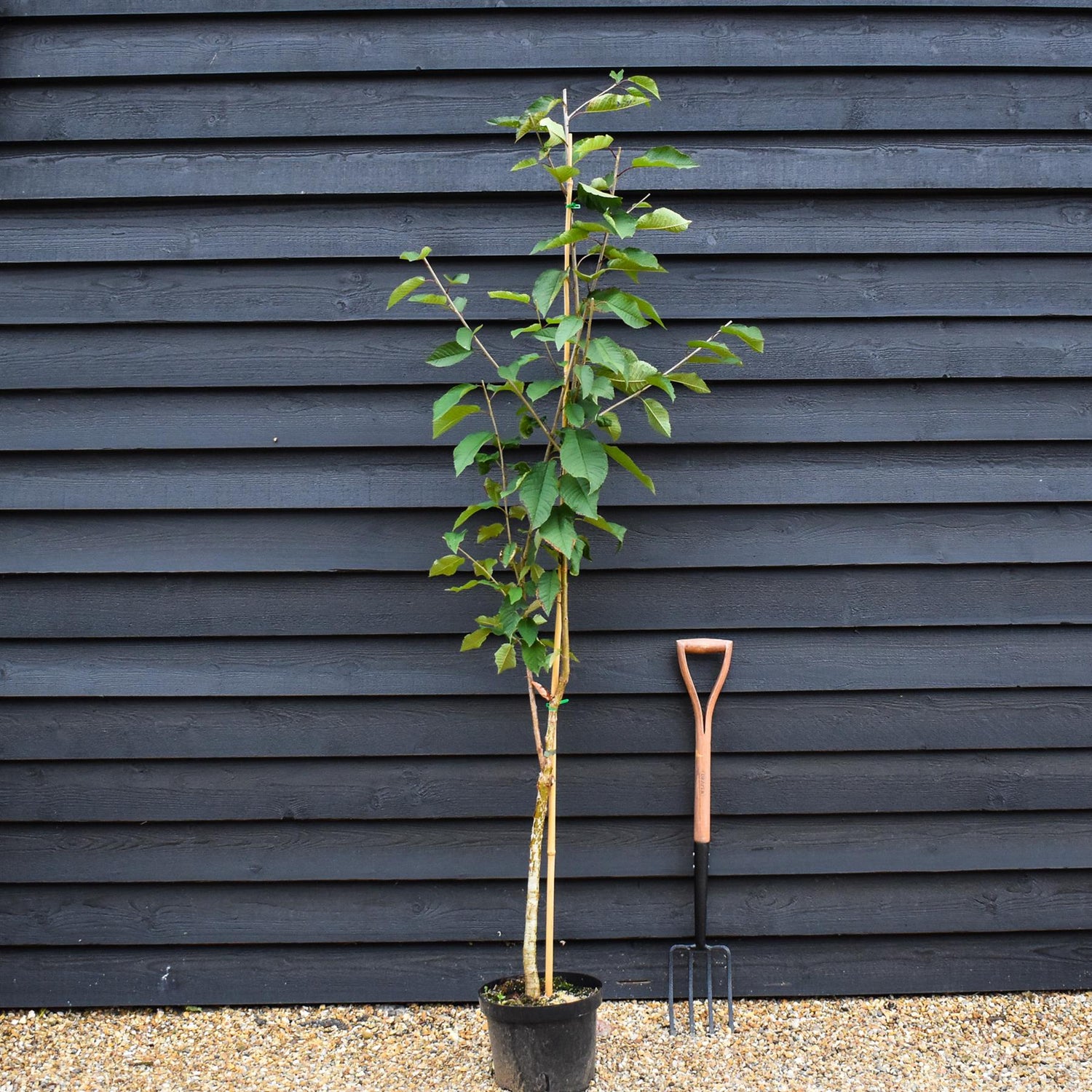
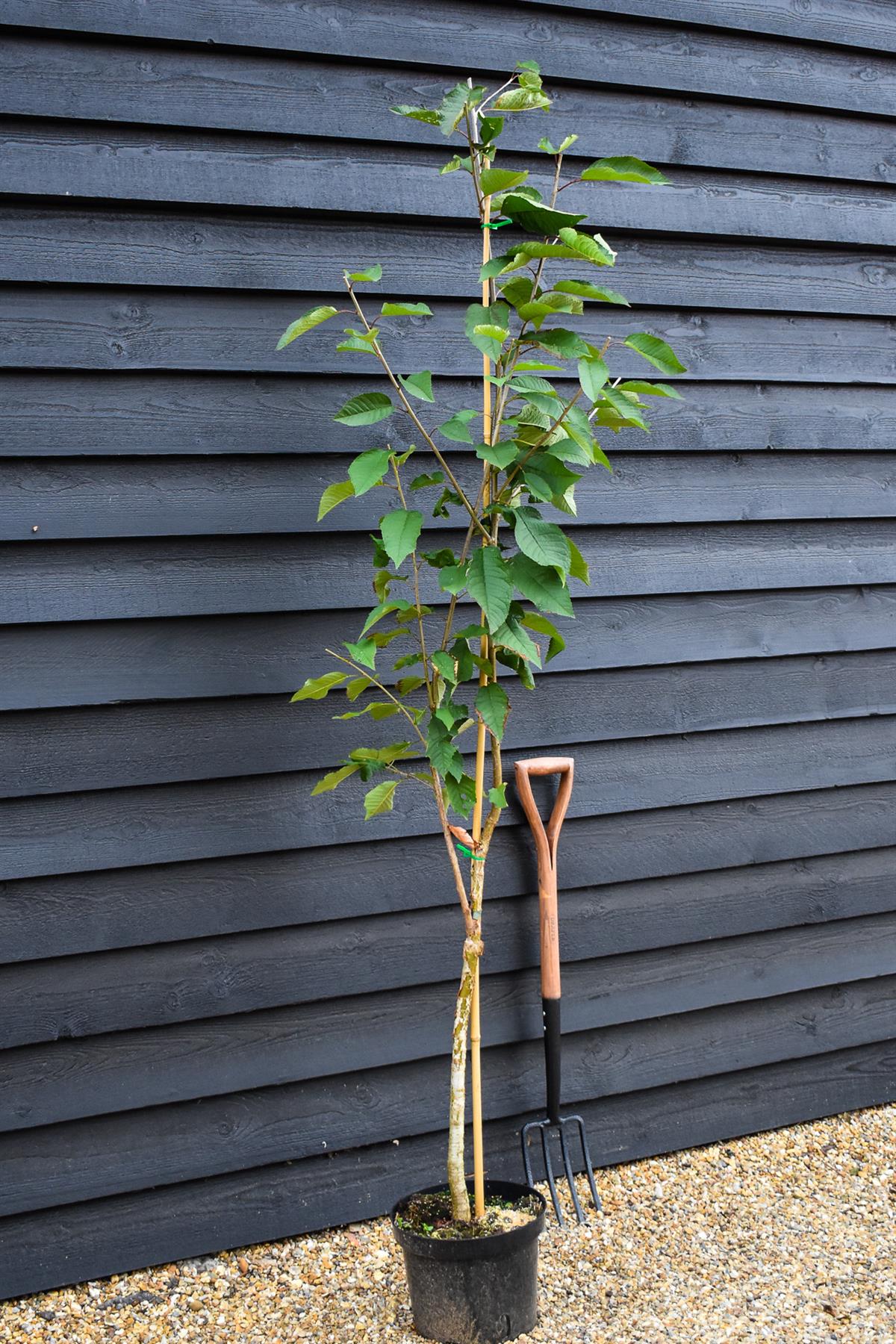
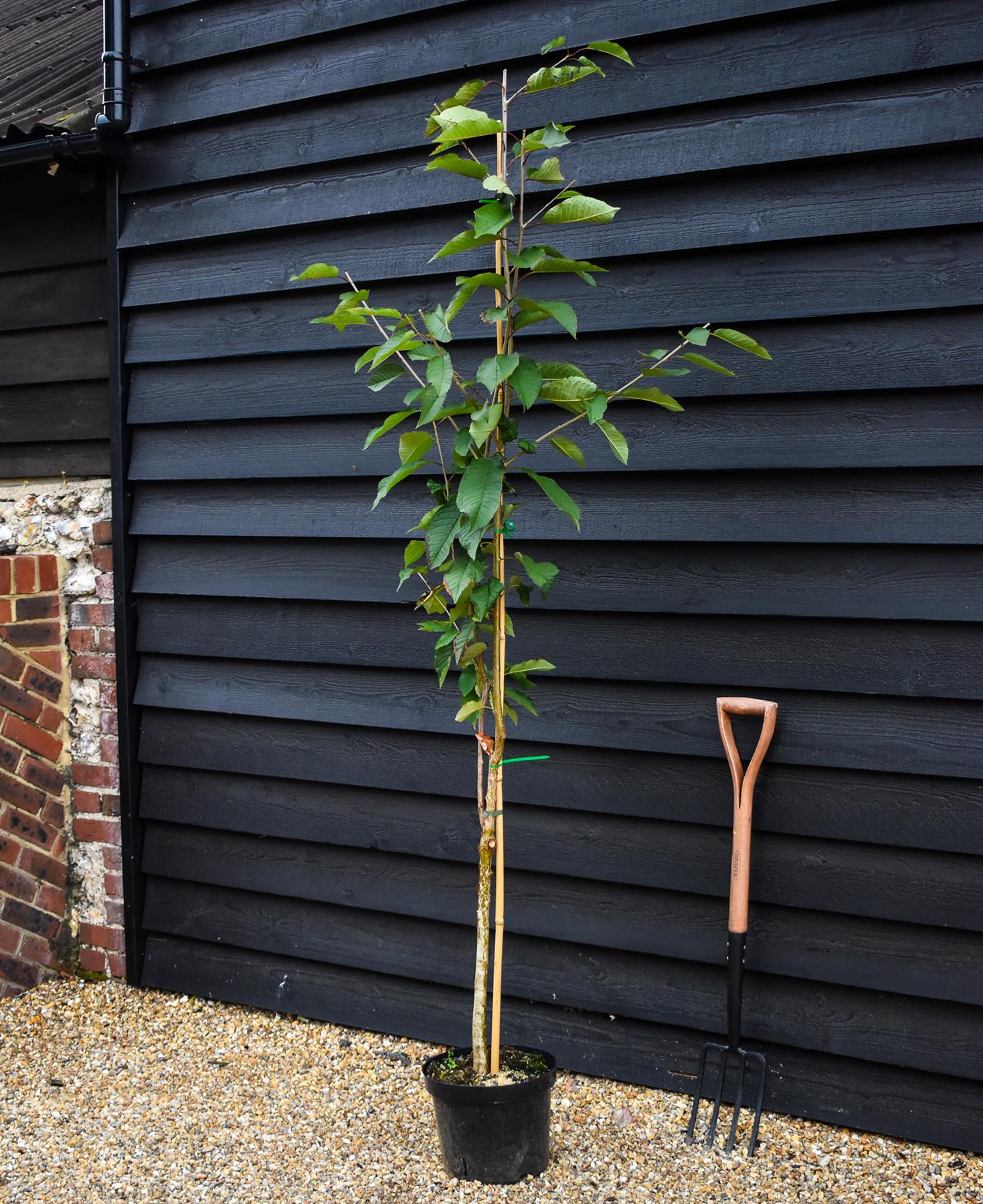
Wild cherry | Prunus avium 3-4yr - Height 160-180cm - 10lt
£72.00
Unit price perWild cherry | Prunus avium 3-4yr - Height 160-180cm - 10lt
£72.00
Unit price perPrunus avium, or Wild Cherry, is a medium-sized deciduous cherry tree, with brown bark, silvery when mature, and serrated, dark green leaves, yellow and orange in autumn. The clusters of pure white flowers bloom in late spring and are followed by small, glossy, red-purple cherries, edible but a bit bitter, ready for harvesting in summer or autumn. Attractive to bees and birds. Toxic for pets.
Wild Cherry thrives in average, medium moisture, well-drained soils, in full sun. It can adapt to a wide range of soils, but doesn’t tolerate too wet soils, therefore, good drainage is essential. It can withstand frost, but needs to be sheltered from harsh winds. Late frosts may damage the flower buds. Needs periodic chemical spraying. Low maintenance plant.
Prunus avium is a nice ornamental tree for large informal, cottage and wildlife gardens, great for beds and borders and wall-side borders.


Wisteria 'Iko yama Fuli' -Umbrella - Roof Espalier Clear Stem 170cm - Height 200cm - 45lt
£365.00
Unit price perWisteria 'Iko yama Fuli' -Umbrella - Roof Espalier Clear Stem 170cm - Height 200cm - 45lt
£365.00
Unit price perWisteria ‘Iko Yama Fuli’ trained on an umbrella frame makes a stunning, space-efficient feature, ideal for adding height and structure to a garden without the need for walls or large pergolas. This deciduous climber produces graceful cascades of soft lilac to pale violet flowers in late spring, which hang elegantly from the umbrella-shaped framework, creating a striking floral canopy.
This form is particularly well suited to smaller gardens, patios, or formal planting schemes where controlled growth is essential. Positioned in full sun, it will flower more reliably and develop a dense, even canopy. It prefers fertile, well-drained soil and benefits from a sheltered spot to protect emerging buds from late frosts.
An umbrella-trained wisteria requires regular maintenance to keep its shape and encourage flowering. Pruning should be carried out twice yearly, in summer and winter, to manage its vigorous growth and promote the formation of flowering spurs along the framework.
Once established, it becomes a long-lasting focal point, offering seasonal interest with its blooms followed by lush green foliage. Ideal for creating a statement in borders or as a standalone specimen, it combines ornamental beauty with practical structure in a wide range of garden styles.


Wisteria brachybotrys 'Iko yama fuji'' - Clear stem 140cm - Girth 10-12cm - Height 200-220cm - 55lt
£438.00
Unit price perWisteria brachybotrys 'Iko yama fuji'' - Clear stem 140cm - Girth 10-12cm - Height 200-220cm - 55lt
£438.00
Unit price perWisteria brachybotrys 'Iko yama fuji' is a captivating flowering plant that belongs to the pea family, Fabaceae. It is known for its elegant, cascading clusters of fragrant, violet-blue flowers that drape gracefully from its branches.
The term "half standard" indicates that the clear stem has been pruned to a specific height, typically around three to four feet (90-120 cm) above the ground. This pruning method creates a visually appealing feature, allowing the flowering portion of the Wisteria to be showcased more prominently. The clear stem also facilitates ease of maintenance and enhances the plant's overall form and structure.
The 'Iko yama fuji' Wisteria itself is a deciduous vine with pinnate leaves consisting of numerous leaflets. The foliage emerges in spring, creating a lush green backdrop for the spectacular floral display that follows. The violet-blue flowers, are highly fragrant which typically appear in late spring or early summer, are abundant and borne in pendulous racemes that can reach up to a foot (30 cm) or more in length. They attract pollinators like bees and butterflies, adding to the plant's ecological value. Additionally, the flowers give way to velvety, elongated seed pods that develop later in the season, contributing to the overall visual interest of the plant.
The 'Iko yama fuji' Wisteria, with its half standard clear stem, offers a captivating combination of structural elegance and abundant floral beauty. Whether used as a focal point in a garden or as a decorative feature in a landscape, this cultivar adds a touch of sophistication and charm to any setting. With proper care and maintenance, this extraordinary plant can provide years of enjoyment and become a cherished highlight of outdoor spaces.
Showing 162/165
Related blog posts


