

-
Trees
Trees
 Fruit Trees
 Ornamental
 Screening
 Palms
By FeaturesBy Shape
Palms
By FeaturesBy Shape -
Shrubs
Shrubs
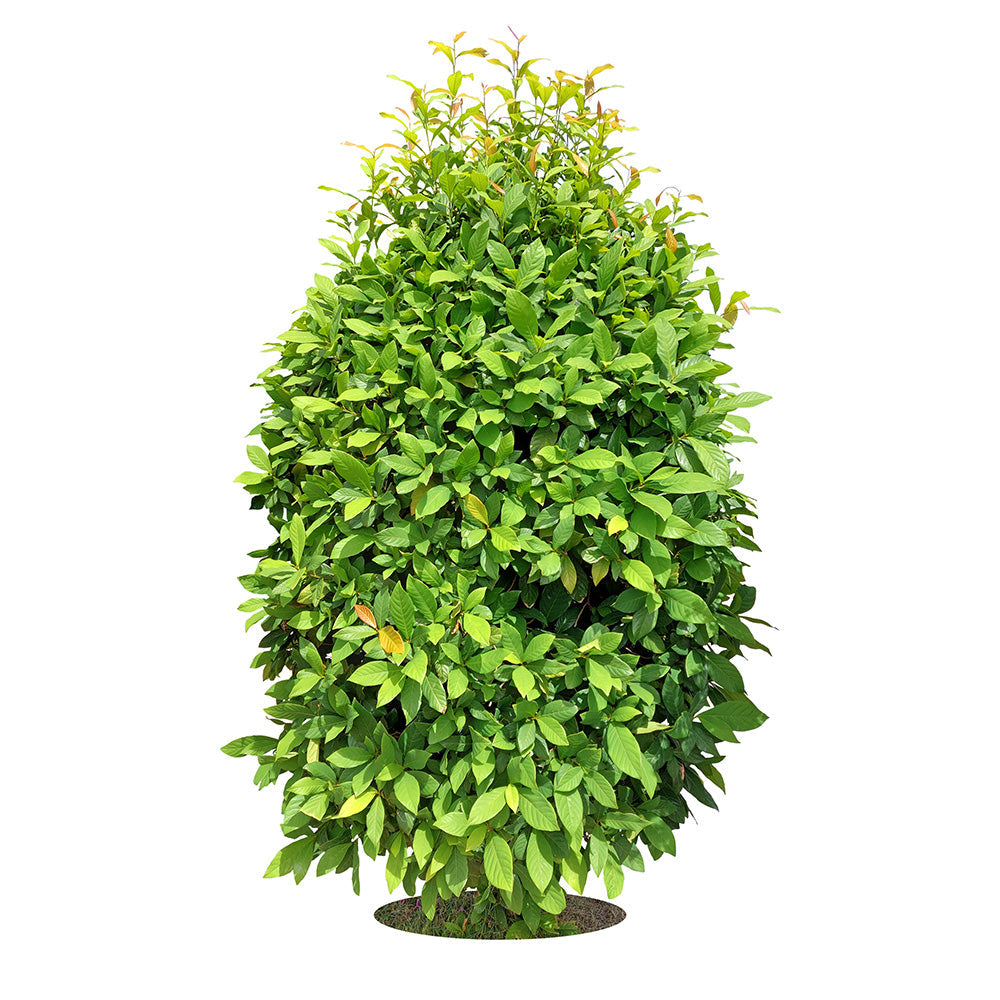 Large shrubs
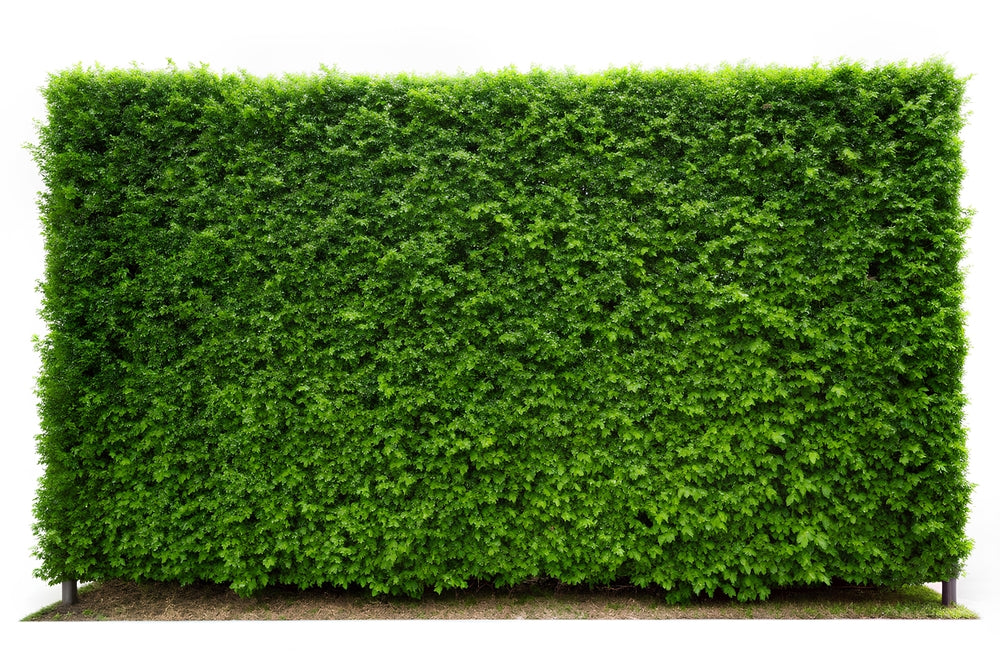 Hedging
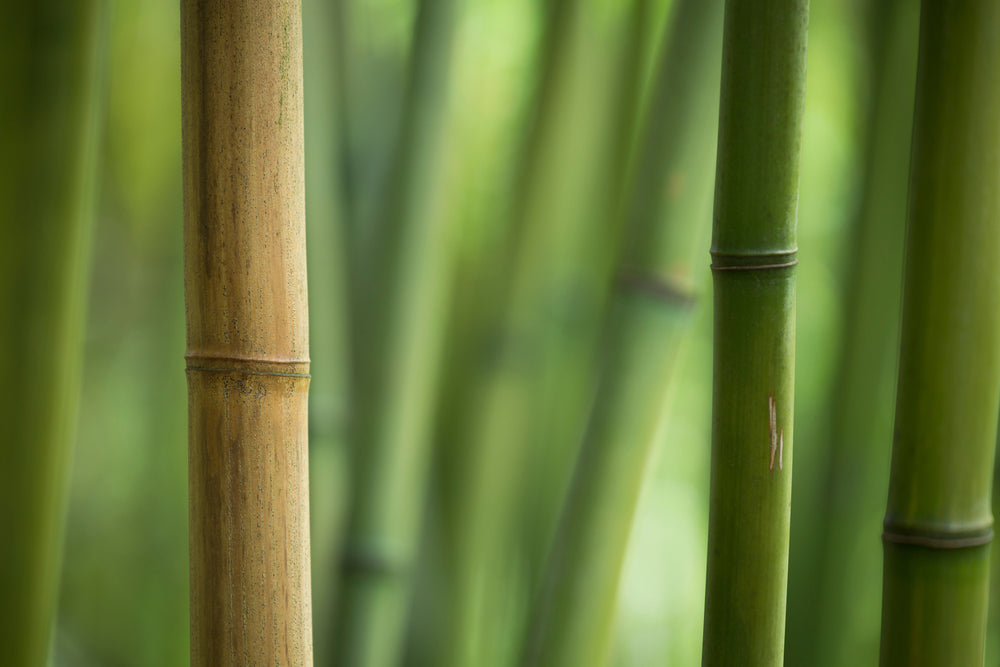 Bamboo
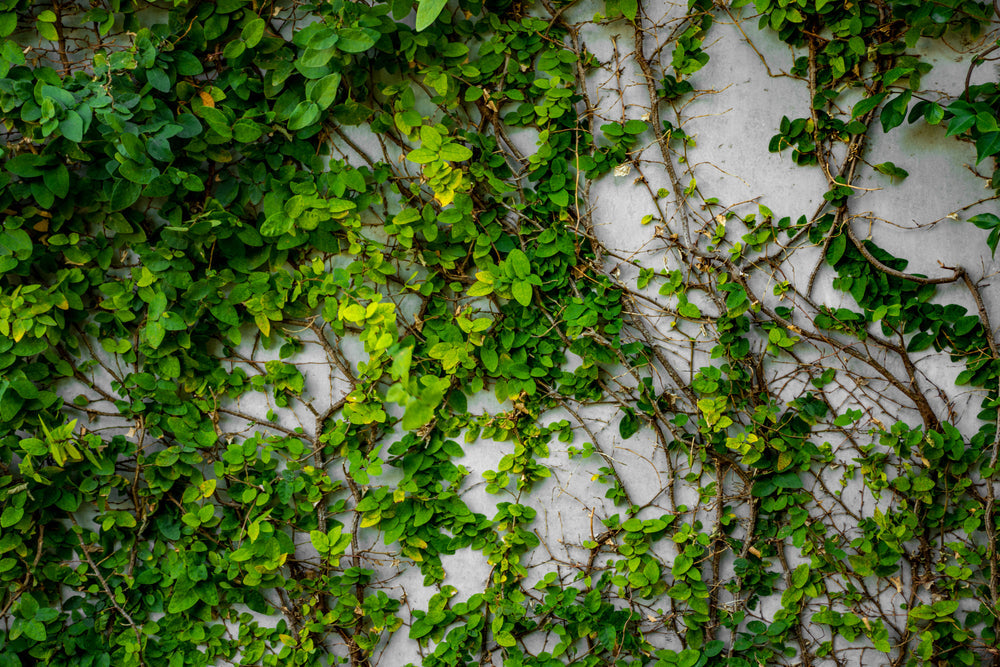 Climbers
 Flowering
 Grasses & Ferns
 Popular
-
Pines & Conifers
Pines & Conifers
 Pines
Pines
 Spruce & Fir
 Cypress
 Thuja
Thuja
 Redwood | Sequoia
-
Specimen


FREE DELIVERY OVER £350
305 products
305 products
Sort by:


Chinese Date | Ziziphus Jujuba - Specimen/Mature tree - Height - Height 350-400cm - 230lt
£1,320.00
Unit price perChinese Date | Ziziphus Jujuba - Specimen/Mature tree - Height - Height 350-400cm - 230lt
£1,320.00
Unit price perThis is unique, gnarly, mature specimen tree. Very rare and uncommon.
Ziziphus Jujuba, commonly known as jujube or Chinese date, is a species of small deciduous tree native to China, where it has been cultivated for thousands of years for its fruit and various medicinal properties. Belonging to the buckthorn family (Rhamnaceae), this tree is revered not only for its delicious and nutritious fruit but also for its adaptability to diverse climates and soils.
The jujube tree typically grows up to 5 to 12 meters in height, with shiny green leaves and small, fragrant, yellow flowers that bloom in late spring. The fruit, resembling a small date, ripens in late summer to early autumn, transitioning from green to reddish-brown or mahogany when fully matured. Jujubes are sweet and tangy in taste, with a chewy texture similar to that of dates.
Throughout history, jujubes have held cultural significance in various regions. In traditional Chinese medicine, the fruit and other parts of the tree are believed to possess medicinal properties, including anti-inflammatory, sedative, and immune-boosting effects. Jujubes are often used to alleviate stress, improve digestion, and promote overall well-being.
Jujubes are a popular ingredient in culinary dishes and beverages. They can be eaten fresh, dried, candied, or cooked into jams, syrups, and desserts.
Moreover, the jujube tree plays a role in agroforestry systems, as it is drought-tolerant and can thrive in poor soil conditions. Its deep roots help prevent soil erosion.


Common Walnut Tree | Juglans regia - 120-140cm - 10lt
£76.00
Unit price perCommon Walnut Tree | Juglans regia - 120-140cm - 10lt
£76.00
Unit price per


Common Walnut Tree | Juglans regia - Height 175-200cm - 20lt
£138.00
Unit price perCommon Walnut Tree | Juglans regia - Height 175-200cm - 20lt
£138.00
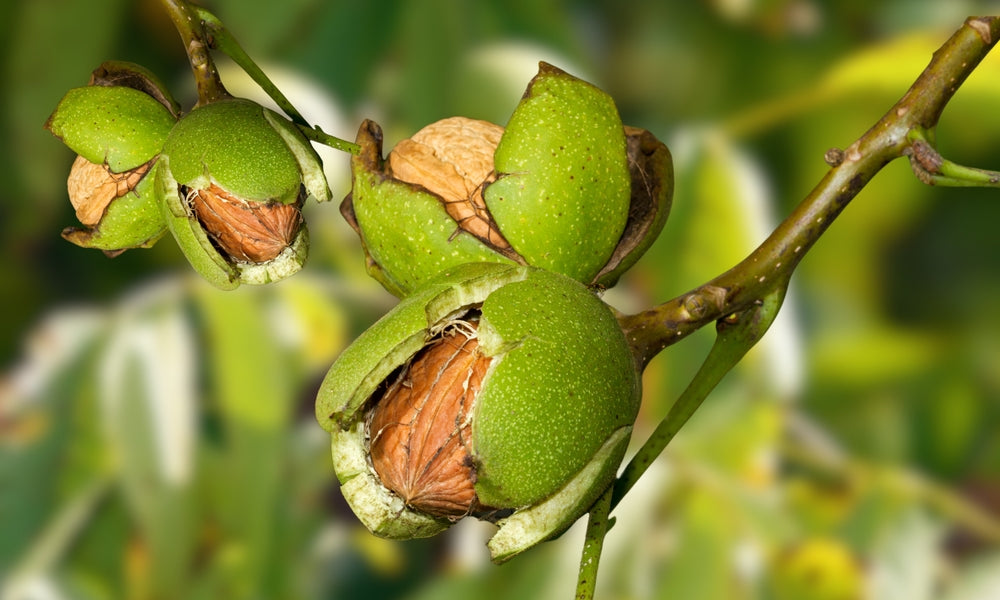
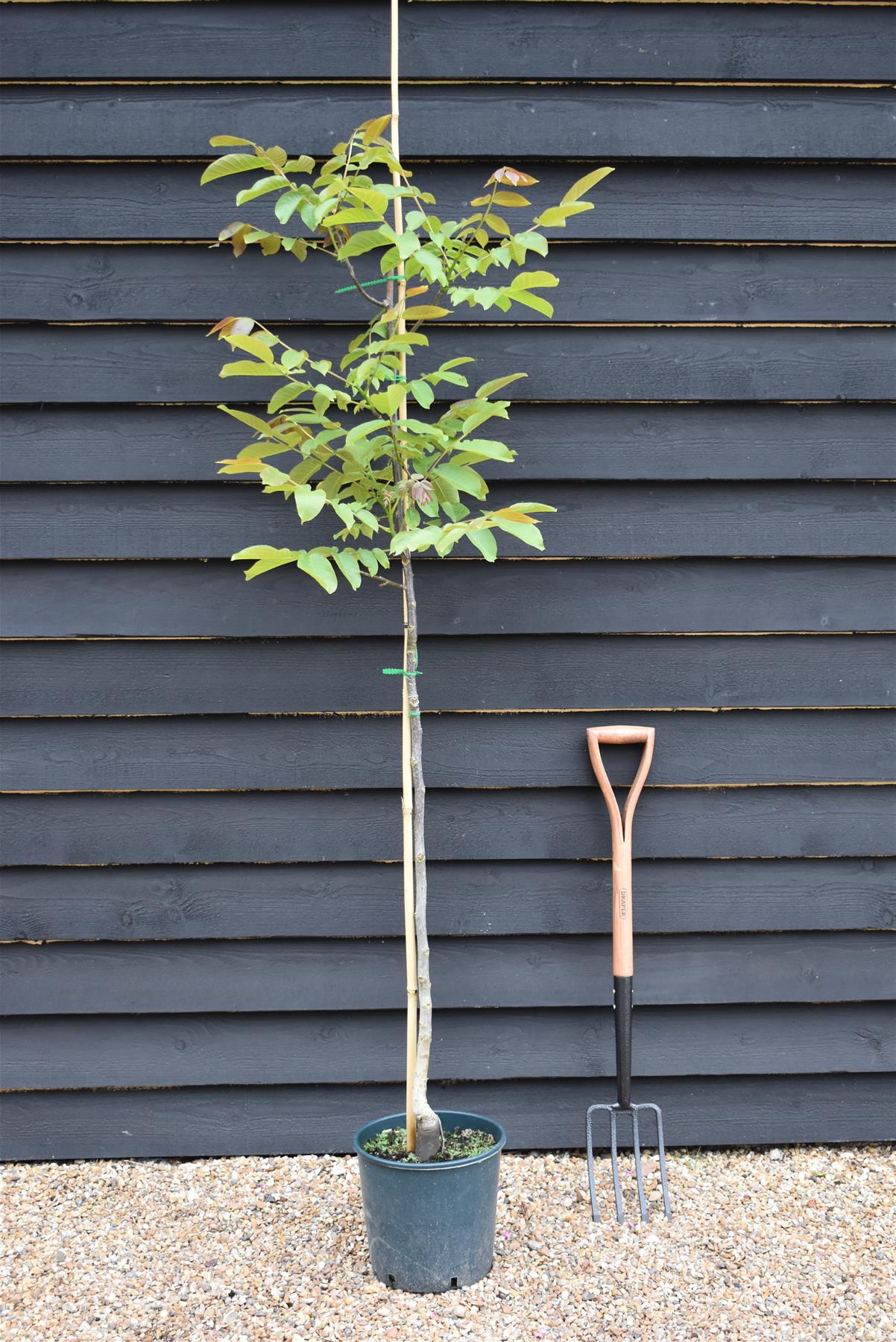
Unit price perJuglans regia, or Common Walnut, is a tall, long-living, deciduous tree with spreading, rounded crown, smooth, grey bark, and pinnate compound leaves with 5-7 oblong leaflets, aromatic when bruised. Flowers are yellowish-green and inconspicuous. The male flowers grow in dropping catkins and female in short terminal spikes. Edible, tasty, thin-shelled nuts, walnuts, mature in autumn.
Common Walnut thrives in rich, fertile, moist, well-drained soils, in full sun. It is intolerant of shade and difficult to transplant because of its deep taproot. It doesn’t like hot and humid climates. The tree starts producing nuts when 4-6 years old, but large crops can be expected after 20 years. Low maintenance plant. Juglans regia is a large, tall and wide tree, suitable for large landscapes. It has an ornamental value, but is mostly grown for its tasty fruit. It is also valued for it fine-grained wood. Not recommended as a street tree.


Cydonia oblonga | Common Quince 1/2 std Clear Stem - 140-180cm, 70lt
£390.00
Unit price perCydonia oblonga | Common Quince 1/2 std Clear Stem - 140-180cm, 70lt
£390.00
Unit price per


Cydonia oblonga | Common Quince Half Standard - Clear Stem 100cm - Girth 10-12cm - Height 320-350cm - 90lt
£325.00
Unit price perCydonia oblonga | Common Quince Half Standard - Clear Stem 100cm - Girth 10-12cm - Height 320-350cm - 90lt
£325.00
Unit price perCydonia oblonga (Quince) 1/2 std is a large, deciduous shrub or small tree with broadly oval, mid-green leaves with grey undersides. Large, solitary, five-petal, pale pink to white flowers bloom in late spring, and edible, aromatic, round or pear shaped, bright yellow fruits ripen in autumn. Fruits can be eaten fresh, but when cooked the taste is better and sweeter. Perfect for jams, jellies, or pies.
Cydonia oblonga (Quince) 1/2 std can grow in almost any kind of soil, as long as it is moist, and well-drained, but it prefers fertile, deep, slightly acidic, well-drained soil in full sun. Once established, it tolerates dry soils. Cydonia oblonga (Quince) 1/2 std trees are great as specimen plants or informal hedges and screens. They are mostly grown for their fruit. Commercial production has decreased significantly in US and Europe, but it is still a popular fruit in Turkey and some parts of Asia.
Damson 'Farleigh' on Myrobalan| Prunus insititia - Semi-Vigorous - 120-130cm - 12lt
£80.00
Unit price perDamson 'Farleigh' on Myrobalan| Prunus insititia - Semi-Vigorous - 120-130cm - 12lt
£80.00
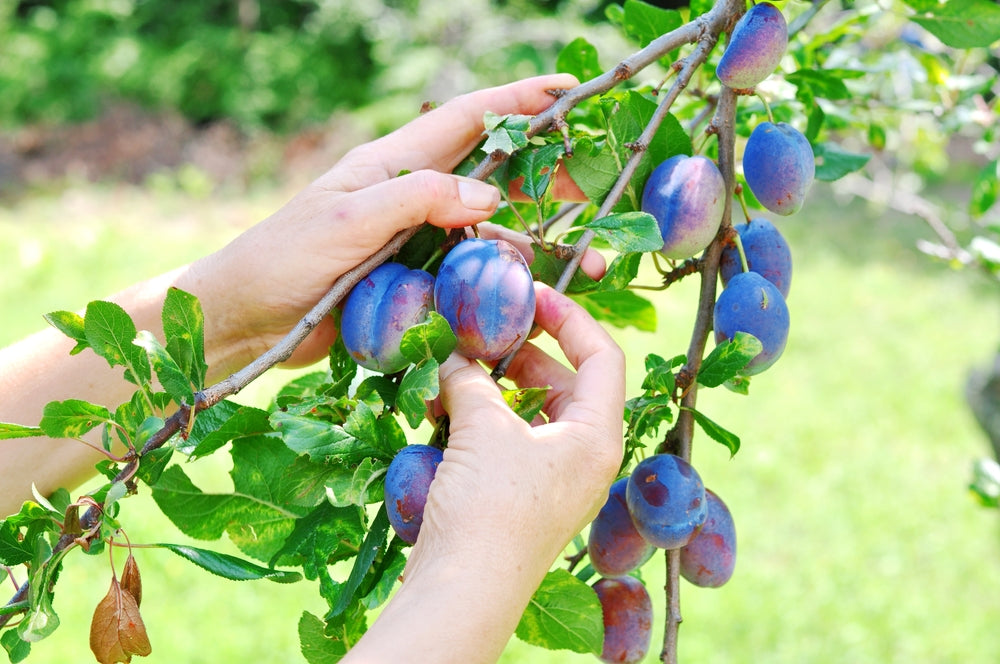
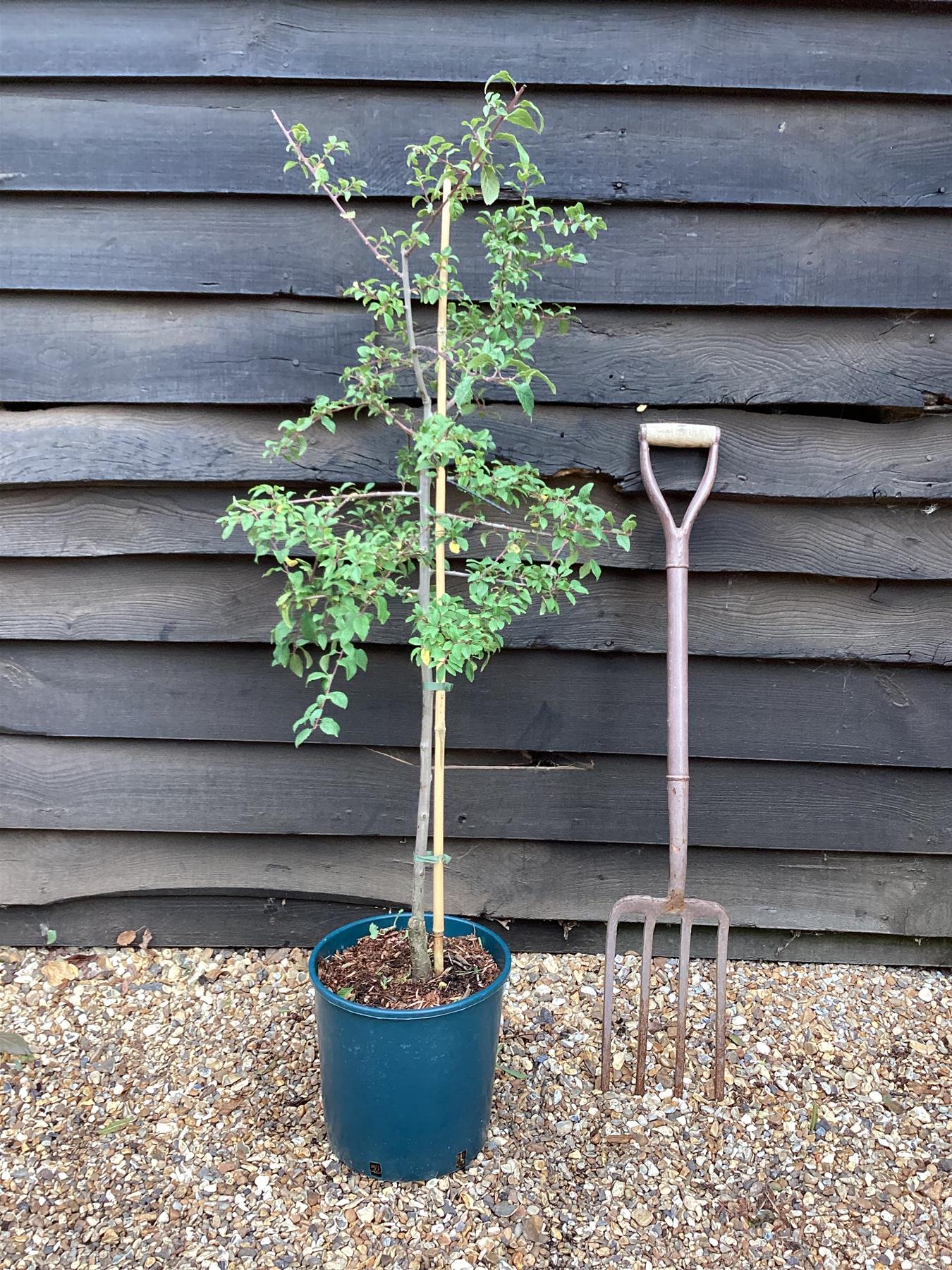
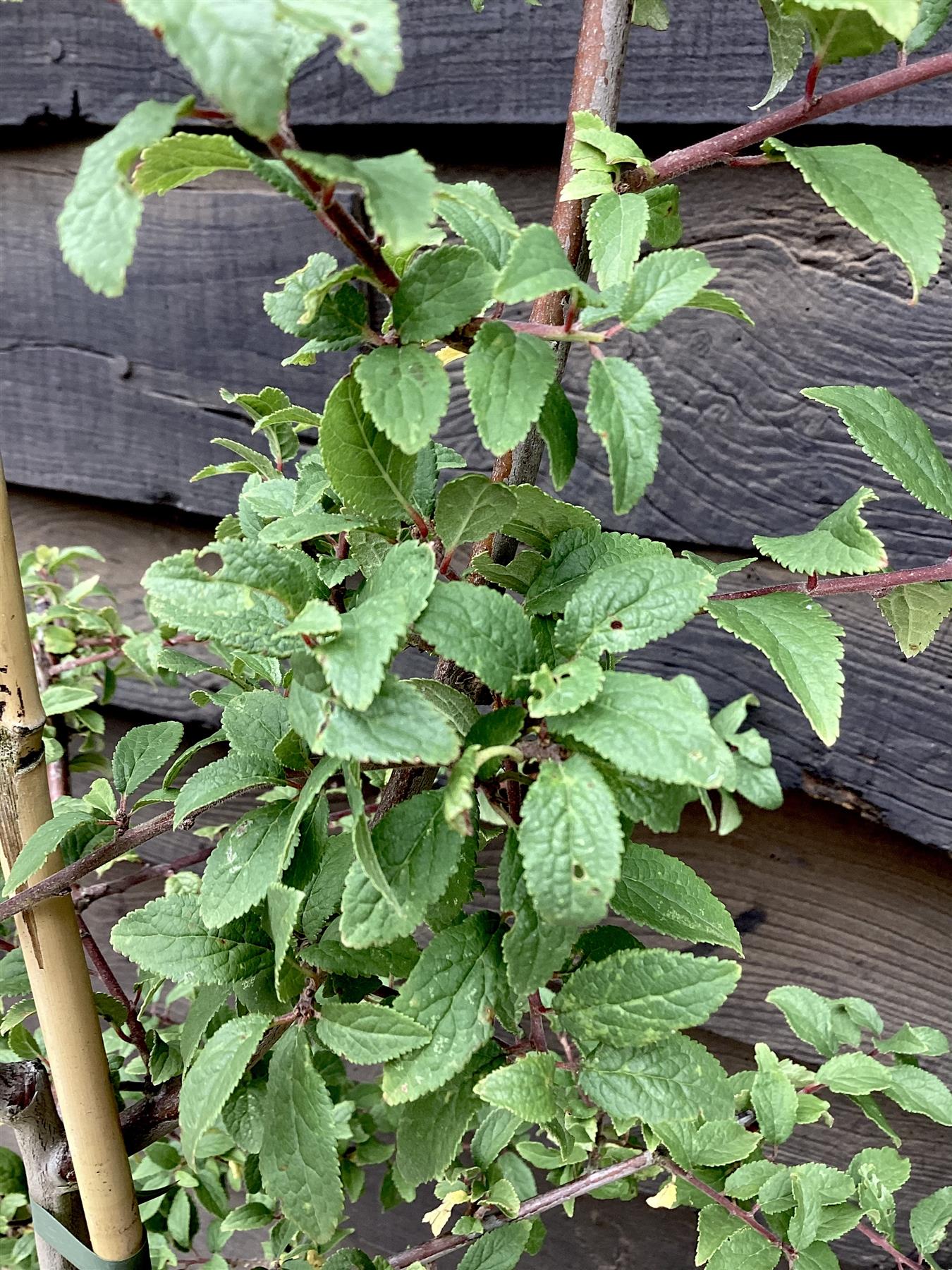
Unit price perThe Damson Fairleigh on Myrobalan rootstock is a distinctive fruit tree that produces uniquely flavorful damsons, a specialized variety of plum. This variety is renowned for its small, yet richly flavoured fruits, which are typically used in jams, jellies, baking, and also enjoyable when consumed fresh. The Myrobalan rootstock imparts semi-dwarfing characteristics to the tree, enabling it to maintain a manageable size, making it highly suitable for smaller garden spaces and allowing for easier harvesting and maintenance.
The St. Julian rootstock is known for its hardiness and adaptability to various soil types, enhancing the tree's overall resilience and productivity. This ensures a substantial and consistent yield of damsons year after year, much to the delight of home gardeners and professional orchardists alike. The fruits exhibit a deep, dark purple hue and have a delicious, sweet-tart flavor profile that is more intense and nuanced than that of common plums.
This combination of Fairleigh damson and Myrobalan rootstock is a symbiosis of taste and convenience. It enables gardening enthusiasts to experience the joy of growing and harvesting their fruits, even in limited spaces, while also enjoying the diverse culinary applications of this distinctive fruit variety. The manageable size and versatility of this tree, coupled with the distinctive and highly sought-after flavor of its fruits, make it a valuable addition to diverse landscapes and gardens.
Myrobalan is a semi-vigorous, versatile option for damson trees, providing a medium-sized, hardy base. It’s ideal for domestic gardens, yielding relatively early, generous fruit harvests. It’s resilient to various soil types and conditions, promoting healthy growth and longevity for damson trees.
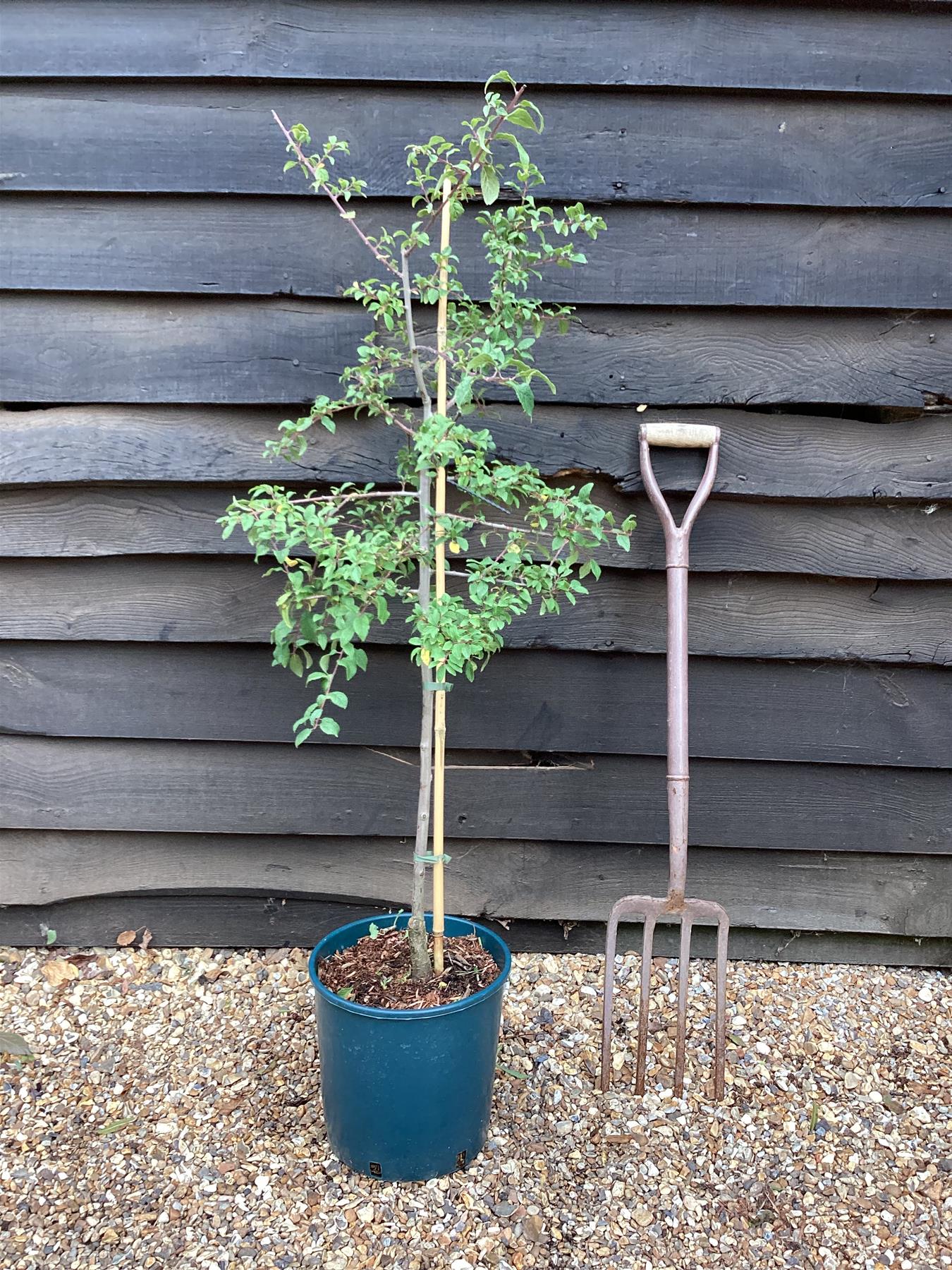
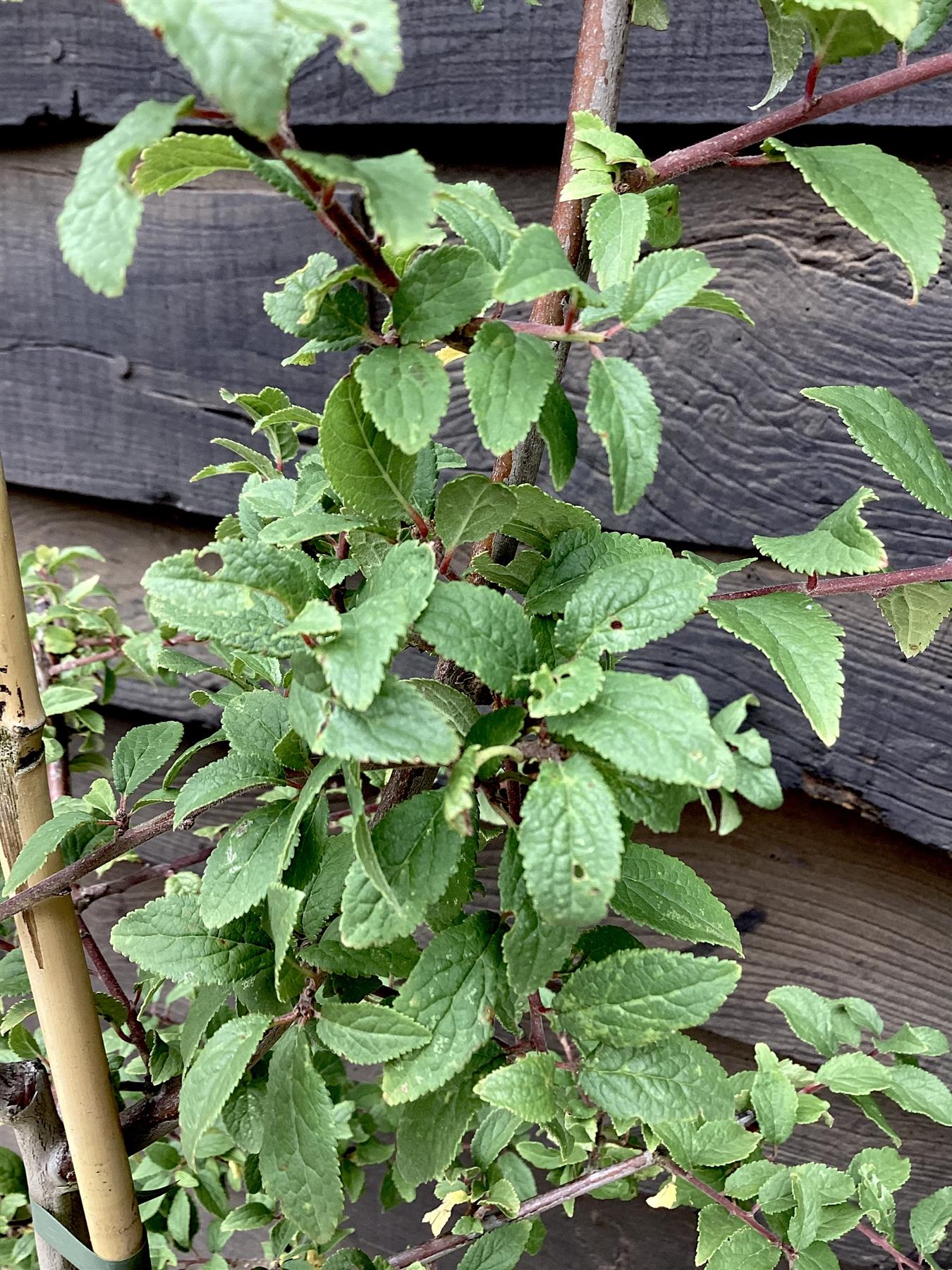
Damson 'Farleigh' on St. Julian | Prunus insititia - Semi-Vigorous - 160-170cm - 12lt
£72.00
Unit price perDamson 'Farleigh' on St. Julian | Prunus insititia - Semi-Vigorous - 160-170cm - 12lt
£72.00
Unit price perThe Damson Fairleigh on St. Julian rootstock is a distinctive fruit tree that produces uniquely flavorful damsons, a specialized variety of plum. This variety is renowned for its small, yet richly flavored fruits, which are typically used in jams, jellies, baking, and also enjoyable when consumed fresh. The St. Julian rootstock imparts semi-dwarfing characteristics to the tree, enabling it to maintain a manageable size, making it highly suitable for smaller garden spaces and allowing for easier harvesting and maintenance.
The St. Julian rootstock is known for its hardiness and adaptability to various soil types, enhancing the tree's overall resilience and productivity. This ensures a substantial and consistent yield of damsons year after year, much to the delight of home gardeners and professional orchardists alike. The fruits exhibit a deep, dark purple hue and have a delicious, sweet-tart flavor profile that is more intense and nuanced than that of common plums.
This combination of Fairleigh damson and St. Julian rootstock is a symbiosis of taste and convenience. It enables gardening enthusiasts to experience the joy of growing and harvesting their fruits, even in limited spaces, while also enjoying the diverse culinary applications of this distinctive fruit variety. The manageable size and versatility of this tree, coupled with the distinctive and highly sought-after flavor of its fruits, make it a valuable addition to diverse landscapes and gardens.
St. Julian rootstock is a semi-vigorous, versatile option for damson trees, providing a medium-sized, hardy base. It’s ideal for domestic gardens, yielding relatively early, generous fruit harvests. It’s resilient to various soil types and conditions, promoting healthy growth and longevity for damson trees.


Damson 'Merryweather' | Prunus insititia - 150-170cm - 12lt
£76.00
Unit price perDamson 'Merryweather' | Prunus insititia - 150-170cm - 12lt
£76.00
Unit price per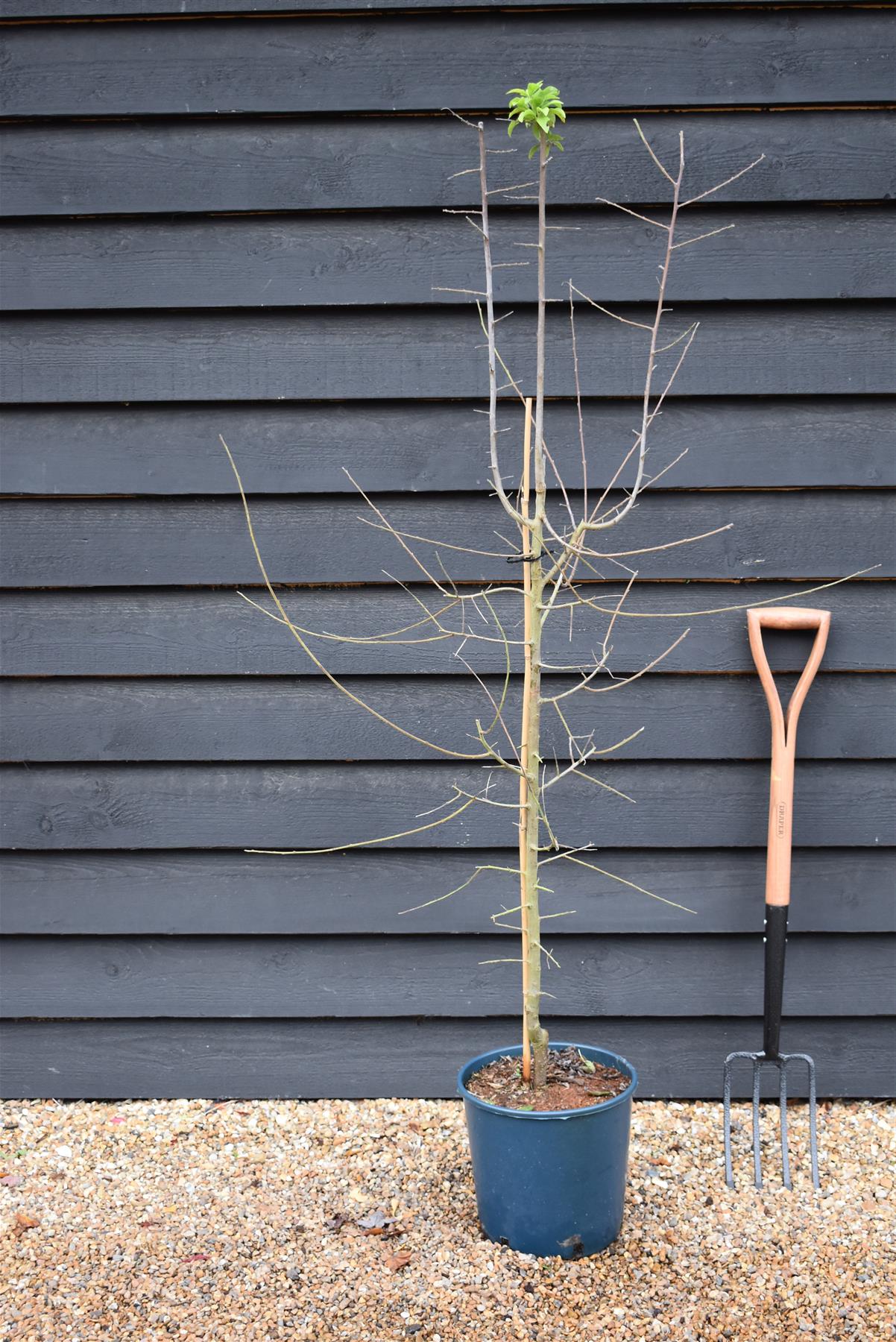
Damson Shropshire Prune on Myrobalan| Prunus insititia - Semi-Vigorous - 140-150cm - 12lt
£79.00
Unit price perDamson Shropshire Prune on Myrobalan| Prunus insititia - Semi-Vigorous - 140-150cm - 12lt
£79.00
Unit price perThe Damson Shropshire Prune tree is a traditional English variety, highly prized for its fruit, which is small, dark purple, and rich in flavor. This damson variety has a long history in the UK, especially in the county of Shropshire, where it has been cultivated for centuries. The tree itself is relatively compact and hardy, making it well-suited to a range of growing conditions, including colder climates. It thrives in well-drained soils, preferring sunny locations, though it can tolerate partial shade.
The Shropshire Prune tree typically grows to a medium size, reaching heights of 12 to 20 feet (3.5 to 6 meters) with a somewhat spreading habit. Its leaves are small, oval, and dark green, while its branches are sturdy and capable of supporting a heavy crop. In the spring, it produces a profusion of small white blossoms, which are not only attractive but also help in attracting pollinators like bees.
The damson fruit itself is smaller than plums, with a dark, almost black, skin and a distinctive blueish bloom. The flesh is yellowish-green and has a tart, yet richly sweet flavor when fully ripe, making it ideal for preserves, jams, and cooking. The Shropshire Prune is particularly known for its high pectin content, which makes it excellent for setting jams and jellies.
While fresh damsons can be somewhat tart, they are commonly used in culinary applications such as pies, chutneys, and especially for making damson gin or wine. They ripen from late August to October.
Overall, the Shropshire Prune Damson tree is a robust, low-maintenance tree that produces a highly versatile and flavorful fruit, valued both for its historical significance and culinary uses.


Diospyros kaki 'Rojo Brillante' | Spanish Persimmon - Quarter Standard - Clear Stem - Height 130-140cm - 18lt
£105.00
Unit price perDiospyros kaki 'Rojo Brillante' | Spanish Persimmon - Quarter Standard - Clear Stem - Height 130-140cm - 18lt
£105.00
Unit price perDiospyros kaki ‘Rojo Brillante’, grown with a clear stem, forms an elegant small tree that combines ornamental beauty with the added attraction of edible fruit. Its broad, glossy green leaves create a lush summer canopy, turning rich shades of orange and red in autumn before falling to reveal bright, lantern-like fruits that often hang decoratively on the bare branches. This makes it a superb feature tree, providing interest from spring through to winter.
Well suited to sheltered gardens in the UK, it prefers a warm, sunny position where the fruits can fully ripen and colour. It thrives in fertile, well-drained soil and is tolerant of light chalk if organic matter is added. Once established, it is reasonably drought tolerant and low maintenance.
The clear stem raises the rounded crown, giving the tree a refined, architectural form that works well in lawns, borders, and larger containers on patios. Its moderate size makes it suitable for small to medium gardens, where it can be enjoyed both as a striking ornamental specimen and as a productive, unusual fruit tree.
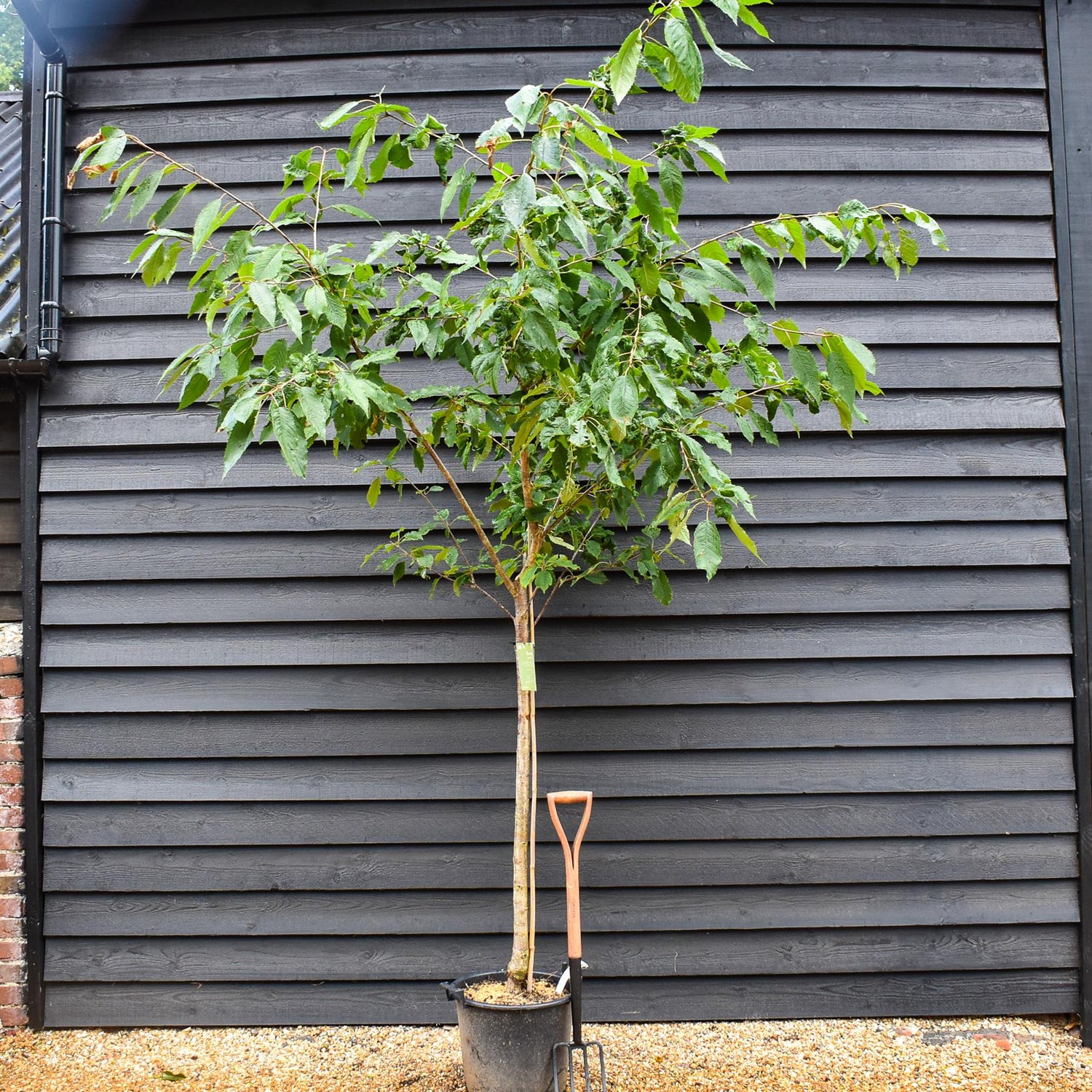


Double flowered Wild Cherry | Prunus Avium Plena - Height 220-250cm - Girth 10-12cm - 40lt
£155.00
Unit price perDouble flowered Wild Cherry | Prunus Avium Plena - Height 220-250cm - Girth 10-12cm - 40lt
£155.00
Unit price per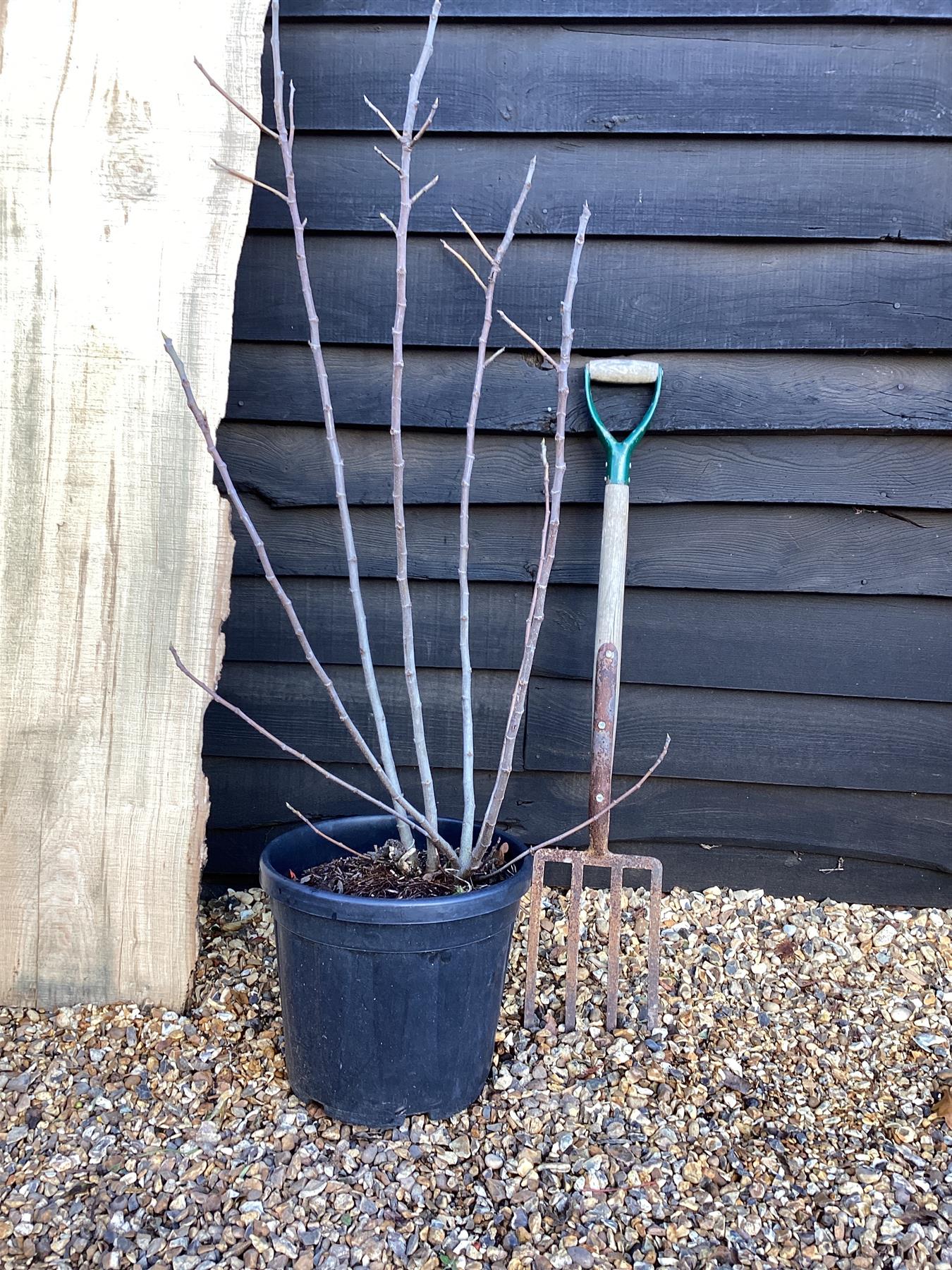
Ficus carica (Fig) | Turkey fig - 110-120cm, 25lt
£122.00
Unit price perFicus carica (Fig) | Turkey fig - 110-120cm, 25lt
£122.00
Unit price per

Ficus carica (Fig) | Turkey Fig Tree - 140-150cm - 20lt
£122.00
Unit price perFicus carica (Fig) | Turkey Fig Tree - 140-150cm - 20lt
£122.00
Unit price per

Ficus carica (Fig) | Turkey Fig Tree - 150-180cm, 10lt
£82.00
Unit price perFicus carica (Fig) | Turkey Fig Tree - 150-180cm, 10lt
£82.00
Unit price per


Fig - Ficus carica 'Noire de Caromb' - Frame - Height 130-140cm - 15lt
£215.00
Unit price perFig - Ficus carica 'Noire de Caromb' - Frame - Height 130-140cm - 15lt
£215.00
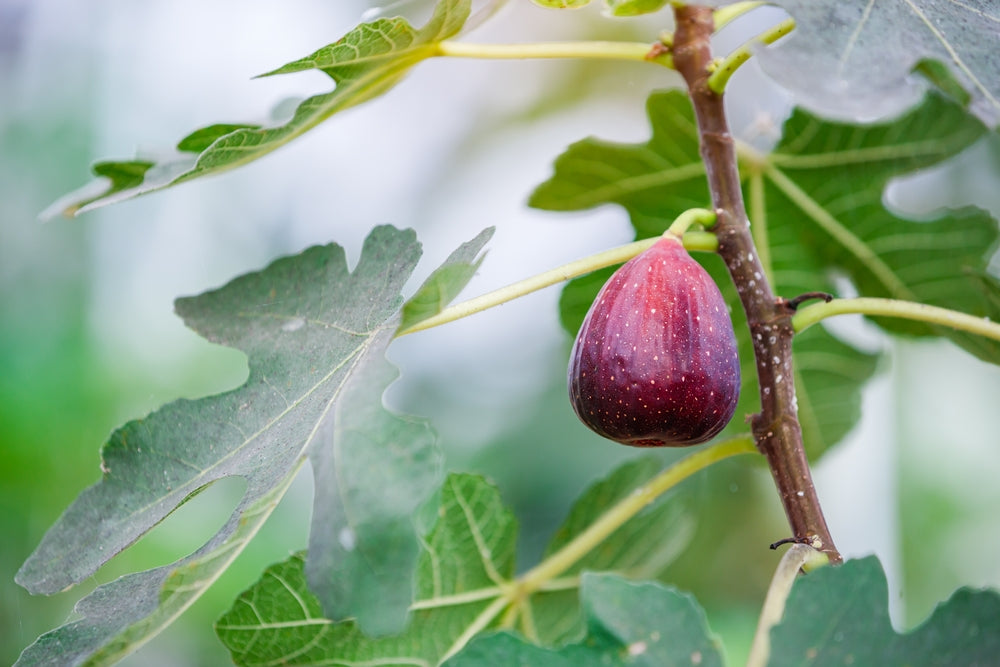
Unit price perFicus carica ‘Noire de Caromb’ is a distinctive and rewarding fig variety well-suited to many home gardens, especially those in warm, temperate regions. Renowned for its elongated, dark purple to nearly black fruits, this cultivar offers a rich, honeyed flavour and a pleasingly firm texture. It typically produces a reliable main crop in late summer, making it a desirable addition for gardeners seeking high-quality dessert figs.
This variety grows with moderate vigour, forming an attractive tree that fits comfortably in medium-sized gardens. It performs best in full sun, where warmth enhances both fruit sweetness and yield. Well-draining soil is essential, and once established, ‘Noire de Caromb’ shows good drought tolerance, allowing it to thrive with relatively low maintenance.
Although not the hardiest fig, it can still succeed in cooler climates with proper protection, such as planting against a south-facing wall or providing winter insulation. It is self-fertile, simplifying placement and eliminating the need for a pollinating partner.
Overall, ‘Noire de Caromb’ combines ornamental appeal, manageable growth, and exceptional fruit quality. Its distinctive flavour and attractive appearance make it an excellent choice for gardeners seeking a standout fig variety.


Fig - Ficus carica 'Panache' - Frame - Height 130-140cm - 15lt
£215.00
Unit price perFig - Ficus carica 'Panache' - Frame - Height 130-140cm - 15lt
£215.00
Unit price perFicus carica 'Panache', trained on a frame, is an eye-catching and highly ornamental fig variety prized for its unusual striped fruits and attractive architectural form. The deeply lobed green foliage creates a lush, Mediterranean feel, while the carefully trained framework keeps growth neat, structured, and space-efficient. This makes it an excellent choice for sunny walls, fences, patios, courtyards, or smaller gardens where productive plants with decorative appeal are desired.
Its distinctive fruits are green and yellow striped on the outside, opening to reveal richly coloured sweet red flesh with a delicious flavour. Harvested in warm summers, they are ideal for eating fresh, adding to desserts, or enjoying straight from the tree. Position in a sheltered, sunny spot with fertile, free-draining soil for the best crops and healthiest growth.
Frame-trained plants are easier to maintain, prune, and harvest than free-growing specimens, while also making an attractive living feature against a wall or support. Hardy in many UK gardens when sheltered, Ficus carica 'Panache' offers both beauty and bounty, combining decorative foliage, unusual fruits, and reliable productivity in one elegant plant.


Fig - Ficus carica 'Brogiotto Bianco' - 150-160cm, 10lt
£76.00
Unit price perFig - Ficus carica 'Brogiotto Bianco' - 150-160cm, 10lt
£76.00
Unit price per


Fig - Ficus carica 'Brogiotto Bianco' - Half Standard - Height 180-200cm - 35lt
£148.00
Unit price perFig - Ficus carica 'Brogiotto Bianco' - Half Standard - Height 180-200cm - 35lt
£148.00
Unit price perShowing 144/305
Related blog posts


