

-
Trees
Trees
 Fruit Trees
 Ornamental
 Screening
 Palms
By FeaturesBy Shape
Palms
By FeaturesBy Shape -
Shrubs
Shrubs
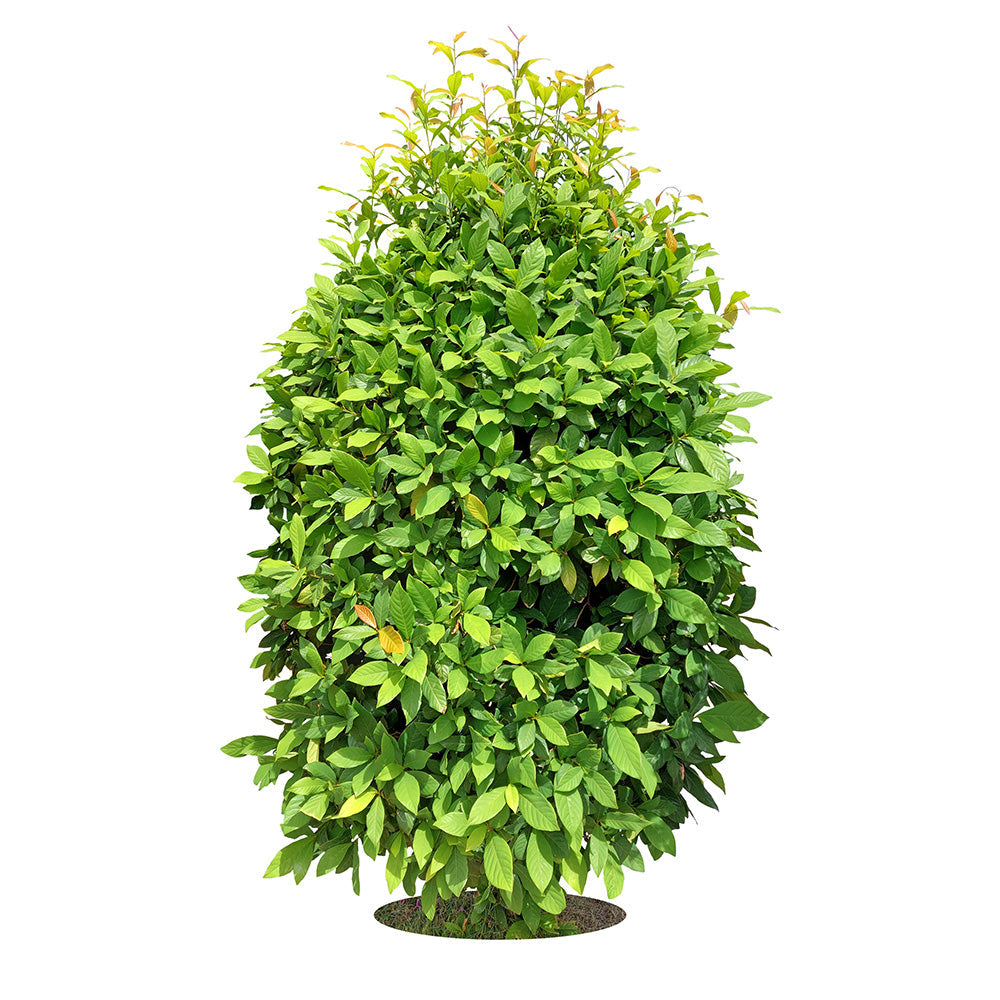 Large shrubs
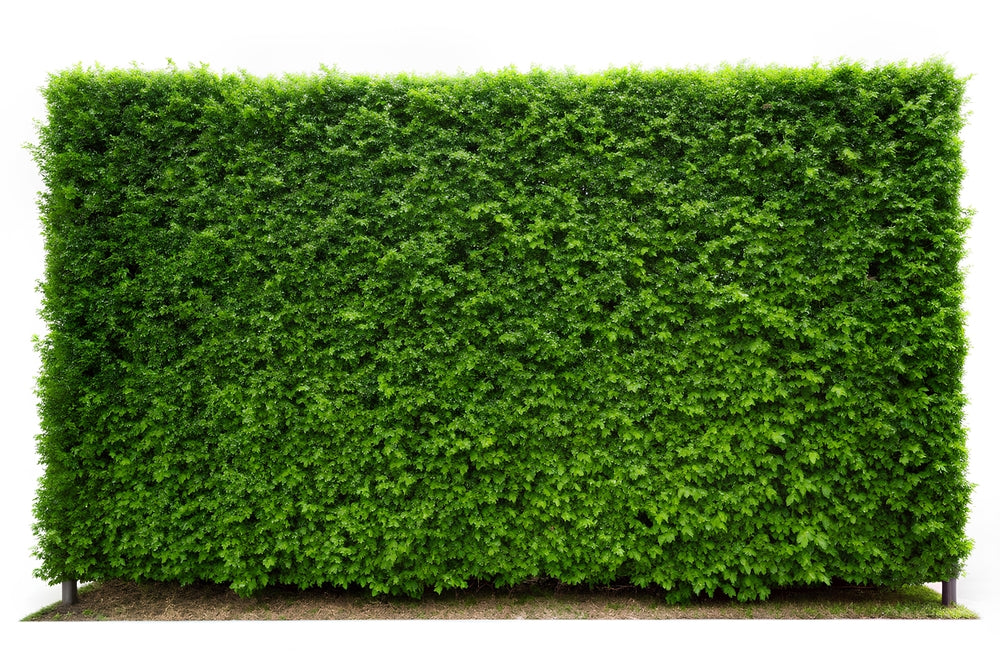 Hedging
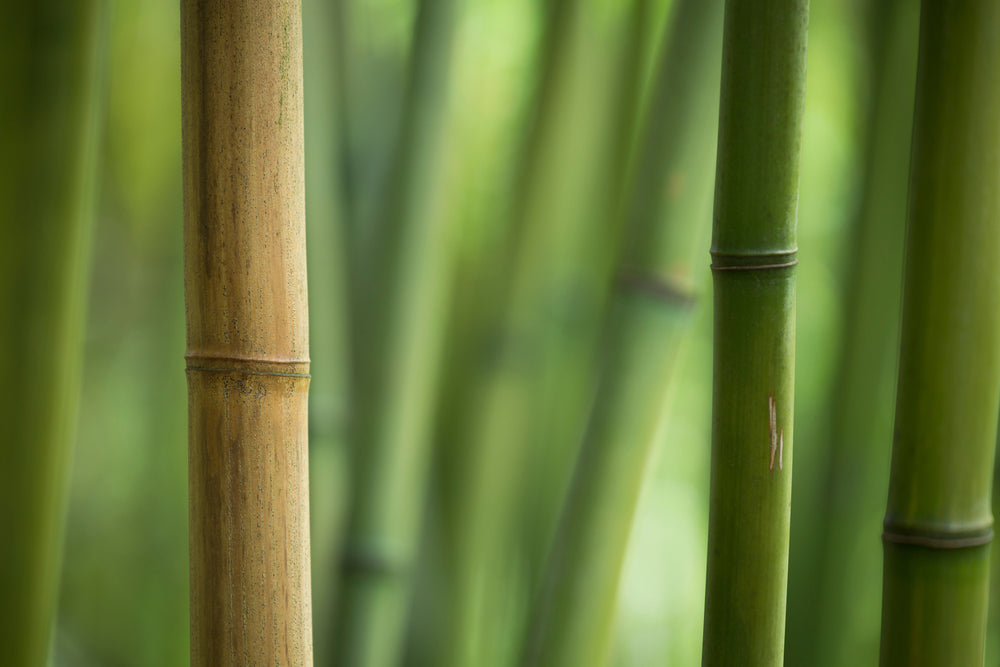 Bamboo
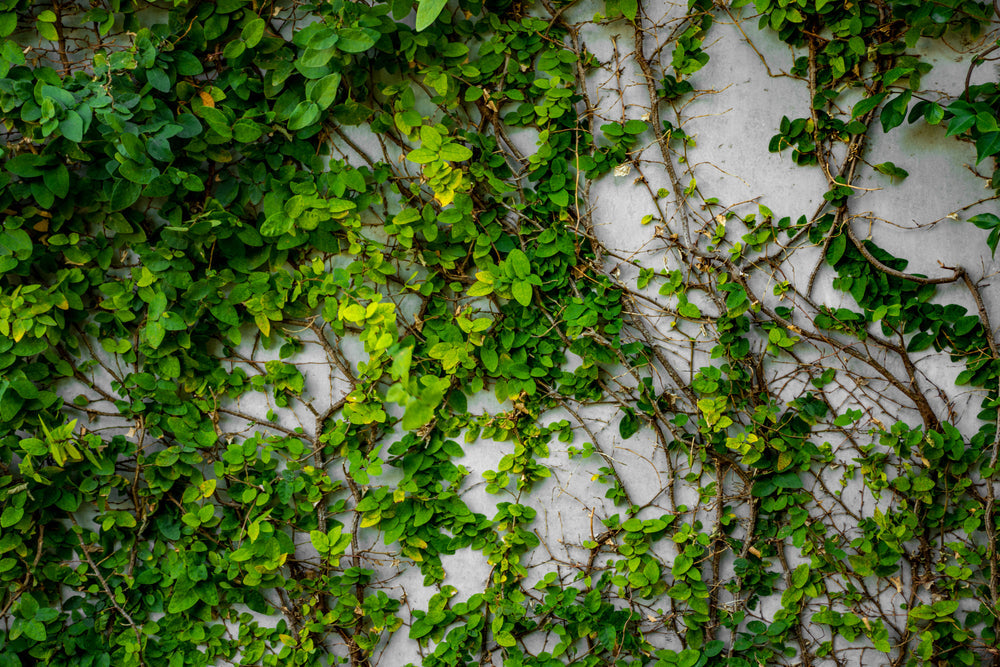 Climbers
 Flowering
 Grasses & Ferns
 Popular
-
Pines & Conifers
Pines & Conifers
 Pines
Pines
 Spruce & Fir
 Cypress
 Thuja
Thuja
 Redwood | Sequoia
-
Specimen
FREE DELIVERY OVER £350
1211 products
1211 products
Sort by:
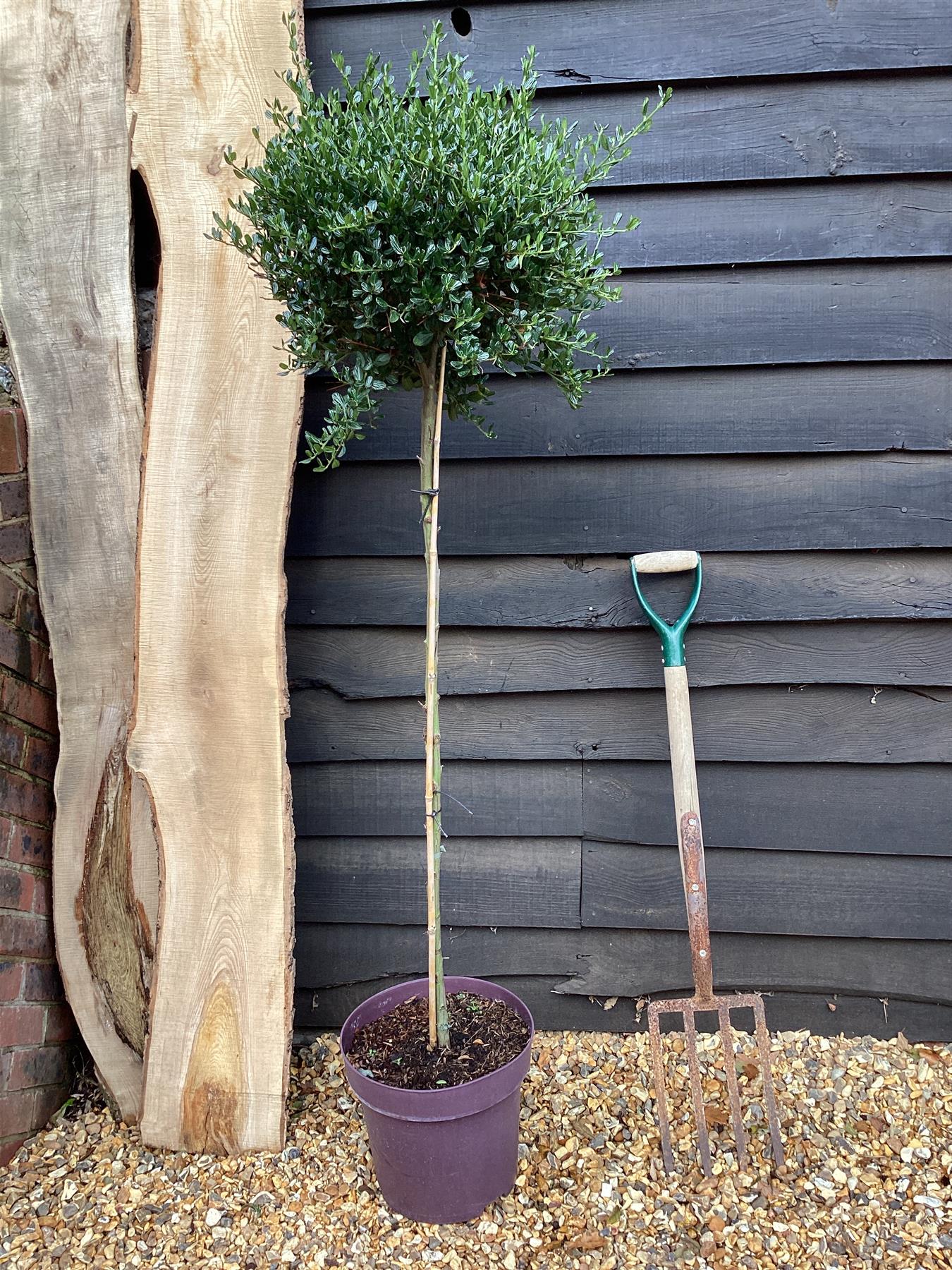
Ceanothus Victoria | California lilac 'Victoria' - Stem - 140-150cm, 12lt
£95.00
Unit price perCeanothus Victoria | California lilac 'Victoria' - Stem - 140-150cm, 12lt
£95.00
Unit price per


Celtis Australis | European hackberry - Girth 16cm - 470-480cm - 130lt
£920.00
Unit price perCeltis Australis | European hackberry - Girth 16cm - 470-480cm - 130lt
£920.00
Unit price perCeltis australis, commonly known as the European nettle tree, is a deciduous tree native to southern Europe, western Asia, and northern Africa. It belongs to the family Cannabaceae, and it is closely related to the hackberry tree.
The Celtis australis tree can grow up to 25 meters tall and has a dense, rounded crown with a spreading habit. The bark is smooth and gray-brown when young, becoming rough and fissured with age. The leaves are alternate, simple, and oval-shaped with serrated edges. They are dark green on the upper side and paler on the underside, turning yellow in autumn before falling.
The tree produces small, inconspicuous flowers in late spring or early summer, followed by small, round, edible fruit that resembles a cherry in size and shape. The fruit is initially green, turning yellow or brown when ripe, and is sweet and juicy, with a taste similar to a fig.
The Celtis australis tree is adaptable to a wide range of soils and can tolerate drought, air pollution, and salt spray. It is often used as an ornamental tree in gardens, parks, and urban landscapes due to its attractive foliage and distinctive bark. It also provides food and shelter for wildlife, including birds and small mammals. Additionally, the tree has cultural significance and has been used for centuries in traditional medicine for various ailments.


Celtis Australis | European hackberry - Height 550cm - 285lt
£1,710.00
Unit price perCeltis Australis | European hackberry - Height 550cm - 285lt
£1,710.00
Unit price per

Ceratostigma griffithii | Griffith's plumbago - 20-80cm, 10lt
£28.00
Unit price perCeratostigma griffithii | Griffith's plumbago - 20-80cm, 10lt
£28.00
Unit price per

Ceratostigma griffithii | Griffith's plumbago - 20cm, 3lt
£18.00
Unit price perCeratostigma griffithii | Griffith's plumbago - 20cm, 3lt
£18.00
Unit price per


Ceratostigma willmottianum Forest Blue - Height 14-20cm - 2lt
£18.00
Unit price perCeratostigma willmottianum Forest Blue - Height 14-20cm - 2lt
£18.00
Unit price perCeratostigma willmottianum 'Forest Blue' is a deciduous shrub grown for its vivid late-season flowers and attractive autumn foliage. It is a cultivar of Ceratostigma willmottianum, a species native to western China and widely valued in ornamental gardens for its long flowering period and adaptability. This plant is particularly appreciated for bringing strong colour to the garden at a time when many other shrubs are beginning to fade.
‘Forest Blue’ forms a compact, bushy shrub typically reaching around 60–100 cm in height and spread. It produces upright to gently arching stems that carry small, oval to elliptic leaves. During spring and summer the foliage is a fresh mid-green, providing a neat and understated backdrop for other plants. As temperatures cool in autumn, the leaves gradually turn striking shades of red, bronze and purple, creating a dramatic seasonal display.
The most distinctive feature of this cultivar is its intense blue flowers. From late summer into autumn, clusters of bright, clear blue blossoms appear at the tips of the stems. Each flower has five petals and a slightly star-shaped form, standing out vividly against the foliage. The flowers are often accompanied by reddish sepals, which add further colour contrast and remain decorative even after the petals fall.
This shrub thrives best in full sun or light partial shade and prefers well-drained soil. Although it appreciates some moisture during the growing season, it is relatively tolerant of dry conditions once established. It is commonly used in mixed borders, gravel gardens and informal plantings, where its late flowering habit provides valuable seasonal interest.
‘Forest Blue’ benefits from pruning in early spring, as flowers are produced on new growth. Cutting the stems back encourages strong shoots and a more compact habit. It can also be used alongside ornamental grasses and other late-flowering perennials to extend colour in the garden.
Overall, Ceratostigma willmottianum ‘Forest Blue’ is valued for its vibrant blue flowers, colourful autumn foliage and reliable performance in sunny garden settings


Ceratostigma willmottianum Sapphire Ring - Height 15-20cm - 2lt
£18.00
Unit price perCeratostigma willmottianum Sapphire Ring - Height 15-20cm - 2lt
£18.00
Unit price perCeratostigma willmottianum 'Sapphire Ring' is a deciduous shrub valued for its striking late-season flowers and colourful autumn foliage. It is a selected cultivar of Ceratostigma willmottianum, a plant native to western China that is widely cultivated in ornamental gardens. This cultivar is particularly appreciated for its intense flower colour and its ability to extend interest in the garden well into autumn.
‘Sapphire Ring’ forms a compact, bushy shrub that typically grows to about 80–100 cm in height with a similar spread. It produces slender, upright stems that gradually create a rounded, slightly spreading habit. The leaves are oval to elliptic in shape with a smooth surface and a fresh mid-green colour during the growing season. As autumn approaches, the foliage develops rich shades of red, bronze and purple, providing an attractive seasonal display that complements the plant’s flowers.
The most notable feature of this cultivar is its brilliant blue flowers. From late summer through to early autumn, clusters of vivid sapphire-blue blooms appear at the tips of the stems. Each flower has five rounded petals arranged in a star-like shape, creating a bold splash of colour against the foliage. The flowers are often surrounded by reddish sepals that remain visible even after the petals fall, adding further decorative interest.
This shrub grows best in a sunny position, although it will tolerate light partial shade. It prefers well-drained soil and performs well in a variety of garden conditions once established. ‘Sapphire Ring’ is suitable for mixed herbaceous borders, gravel gardens, and informal planting schemes where its late flowering period can provide valuable colour when many other plants are finishing.
Pruning is usually carried out in early spring, as the plant flowers on new growth. Cutting the stems back encourages fresh shoots and helps maintain a neat, compact form. With its vibrant flowers, colourful foliage and reliable growth, Ceratostigma willmottianum ‘Sapphire Ring’ is a highly decorative addition to sunny garden borders.


Cercis chinensis Shirobana - Chinese Redbud - Height 200-220cm - 20lt
£250.00
Unit price perCercis chinensis Shirobana - Chinese Redbud - Height 200-220cm - 20lt
£250.00
Unit price perCercis chinensis 'Shirobana,' commonly referred to as Chinese Redbud 'Shirobana,' is an exceptional and eye-catching ornamental tree that can grace British gardens and landscapes with its unique and captivating features. Originally hailing from China, this cultivar has garnered international acclaim for its remarkable characteristics.
One of the most remarkable attributes of 'Shirobana' is its blossoms. During the spring season, prior to the emergence of its leaves, this tree adorns itself with a profusion of delicate, butterfly-like flowers. What sets it apart is its ability to produce different-colored blossoms on the same tree simultaneously, creating a spectacular display of colour variation that is truly enchanting.
The name 'Shirobana' translates to "white flower," underscoring the tree's ability to produce these stunning pale blooms alongside the usual pink and lavender ones. This unique trait makes 'Shirobana' particularly desirable for garden enthusiasts seeking to introduce an element of whimsy and diversity to their outdoor spaces.
The foliage of 'Shirobana' typically takes on a heart-shaped form and exhibits a medium green hue, serving as a splendid backdrop to the lavish spring blossoms. As the leaves mature, they may acquire a glossy sheen, adding to the tree's visual appeal. This deciduous tree usually reaches a height of around 3 to 4 meters and forms an elegant, gracefully-rounded canopy.
Maintaining Cercis chinensis 'Shirobana' in the UK is relatively straightforward. It thrives in well-drained soil and prefers a location that receives ample sunlight or partial shade. Ensuring adequate watering during dry spells and regular mulching to conserve moisture are key to its overall health and vitality. Pruning requirements are typically minimal, primarily focused on shaping the tree or removing any dead or overcrowded branches.
One of the advantages of 'Shirobana' is its notable resistance to common pests and diseases, contributing to its low-maintenance nature. Additionally, it exhibits adaptability to various soil types, making it a versatile choice for a wide range of garden settings.
In conclusion, Cercis chinensis 'Shirobana' is an extraordinary ornamental tree that can bring a sense of wonder and diversity to British gardens. Its multi-coloured spring blossoms, heart-shaped leaves, and manageable size make it an enchanting addition to landscapes, providing an opportunity for gardeners to experience the ever-changing palette of nature. Whether used as a focal point or to infuse charm into garden borders, 'Shirobana' is certain to captivate the hearts of those who encounter its mesmerizing beauty.


Chaenomeles Madame Butterfly - 15-25cm - 3lt
£14.00
Unit price perChaenomeles Madame Butterfly - 15-25cm - 3lt
£14.00
Unit price per


Chaenomeles x Suberba 'Lemon And Lime' | 'Lemon And Lime' 10-20cm - 3lt
£10.00
Unit price perChaenomeles x Suberba 'Lemon And Lime' | 'Lemon And Lime' 10-20cm - 3lt
£10.00
Unit price perChaenomeles x superba 'Lemon and Lime' is a delightful and eye-catching flowering shrub that belongs to the Rosaceae family. This cultivar is a hybrid resulting from the cross between two species, Chaenomeles speciosa and Chaenomeles japonica. With its striking combination of lemon yellow and lime green colors, it adds a burst of vibrant beauty to any garden or landscape.
This deciduous shrub typically grows to a height and spread of about 3 to 4 feet (90 to 120 cm). It features a dense, spreading habit with arching branches covered in glossy, ovate-shaped leaves. The foliage emerges in spring with a fresh lime green color, creating a captivating contrast against the older, darker leaves. As the season progresses, the foliage matures to a rich green shade.
One of the most captivating features of 'Lemon and Lime' is its stunning flowers. In late winter or early spring, before the leaves appear, the plant bursts into a profusion of blooms. The flowers are small and cup-shaped, with a diameter of around 1 inch (2.5 cm). They are borne in clusters along the branches, creating a spectacular display. The outermost petals exhibit a lemon yellow hue, while the inner petals boast a vibrant lime green color, giving rise to the cultivar's name.
In addition to its aesthetic appeal, 'Lemon and Lime' also attracts pollinators like bees and butterflies, contributing to a thriving ecosystem in the garden. After the flowering period, small, apple-like fruits called pomes may develop. These fruits are usually green or yellow and are edible, although they are generally tart and not widely consumed.
When it comes to cultivation, 'Lemon and Lime' is relatively low-maintenance. It thrives in full sun to partial shade and prefers well-drained soil. This shrub is known for its hardiness, withstanding a range of soil conditions and being tolerant of urban pollution. It can be pruned after flowering to maintain its shape and promote healthy growth.
Overall, Chaenomeles x superba 'Lemon and Lime' is an exceptional shrub that combines attractive foliage, striking flowers, and a compact size. Whether used as a focal point, border plant, or mass planting, this cultivar brings a refreshing burst of color and charm to gardens, making it a popular choice among gardeners and landscapers alike.


Chaenomeles x Suberba 'Pink Lady' - 15-25cm - 3lt
£14.00
Unit price perChaenomeles x Suberba 'Pink Lady' - 15-25cm - 3lt
£14.00
Unit price perChaenomeles x superba 'Pink Lady', commonly known as the flowering quince, is a striking deciduous shrub renowned for its vibrant spring display. It is a hybrid variety belonging to the Rosaceae family and is appreciated for both its ornamental value and hardy nature.
The 'Pink Lady' typically grows to a height and spread of about 1.5 metres, making it suitable for a variety of garden settings, from hedges and borders to standalone specimen plants. Its growth habit is dense and thorny, which can provide added security as well as beauty.
One of the standout features of 'Pink Lady' is its profusion of stunning, bright pink flowers. These blooms, which appear from late winter to early spring, are cup-shaped with a delicate yet vivid hue that can lift the spirits during the duller months. The flowers often emerge before the leaves, creating a striking contrast against the bare branches. Each blossom comprises five petals, which are subtly ruffled, adding to the plant's charm.
Following the flowering period, 'Pink Lady' produces small, yellow-green fruits resembling tiny apples. These fruits are hard and bitter when raw but can be cooked to make jellies and preserves, adding another layer of utility to this attractive shrub.
The foliage of 'Pink Lady' is equally appealing, with glossy, dark green leaves that provide a lush backdrop for the vibrant flowers. The leaves are oval-shaped with finely serrated edges, turning a rich yellow in the autumn before falling.
Chaenomeles x superba 'Pink Lady' is robust and easy to grow, thriving in a range of soil types provided they are well-drained. It prefers a sunny or partially shaded position and is tolerant of urban pollution and coastal conditions. Regular pruning after flowering can help maintain its shape and encourage more prolific blooming in the following season. This makes 'Pink Lady' a versatile and low-maintenance choice for gardeners seeking year-round interest.


Chaenomeles | Japanese flowering quince 'Jet Trail' - 15-25cm - 3lt
£17.50
Unit price perChaenomeles | Japanese flowering quince 'Jet Trail' - 15-25cm - 3lt
£17.50
Unit price perChaenomeles x superba 'Jet Trail' is a delightful flowering shrub that belongs to the Rosaceae family. Also known as the Japanese quince, 'Jet Trail' is a cultivar that showcases a profusion of stunning white blossoms, making it a popular choice for garden enthusiasts and landscape designers alike.
This deciduous shrub typically reaches a height of 4 to 6 feet (1.2 to 1.8 meters) with a slightly wider spread. Its growth habit is dense and compact, forming a neat mound of foliage. The glossy, dark green leaves provide an attractive backdrop to the abundant flowers that emerge in early spring, creating a striking contrast.
The most remarkable feature of 'Jet Trail' is its breathtaking flowers. Each blossom is about 1 to 1.5 inches (2.5 to 3.8 centimeters) in diameter and resembles a delicate, pure white rose. The flowers emerge before the leaves, creating a stunning display that can brighten up any garden. 'Jet Trail' is a prolific bloomer, producing an abundance of flowers that can cover the entire shrub, creating a captivating spectacle.
In addition to its ornamental value, 'Jet Trail' offers benefits to pollinators. The flowers attract bees and butterflies, contributing to the overall biodiversity of the garden. After the blooms fade, small, apple-like fruits may develop. These fruits are not typically consumed by humans, but they can persist on the plant into autumn, adding an interesting visual element.
This cultivar is known for its adaptability and resilience. It thrives in a variety of soil types and can tolerate both full sun and partial shade, although it generally prefers a location with ample sunlight to maximize flower production. 'Jet Trail' is also relatively low-maintenance, requiring minimal pruning to maintain its shape and remove any dead or damaged wood.
Overall, Chaenomeles x superba 'Jet Trail' is a captivating shrub that brings beauty and charm to any landscape. Its stunning white flowers, lush foliage, and hardy nature make it a versatile choice for gardens, borders, or even container planting. Whether used as a focal point or as part of a mixed planting, this cultivar is sure to add a touch of elegance and grace to any outdoor space.
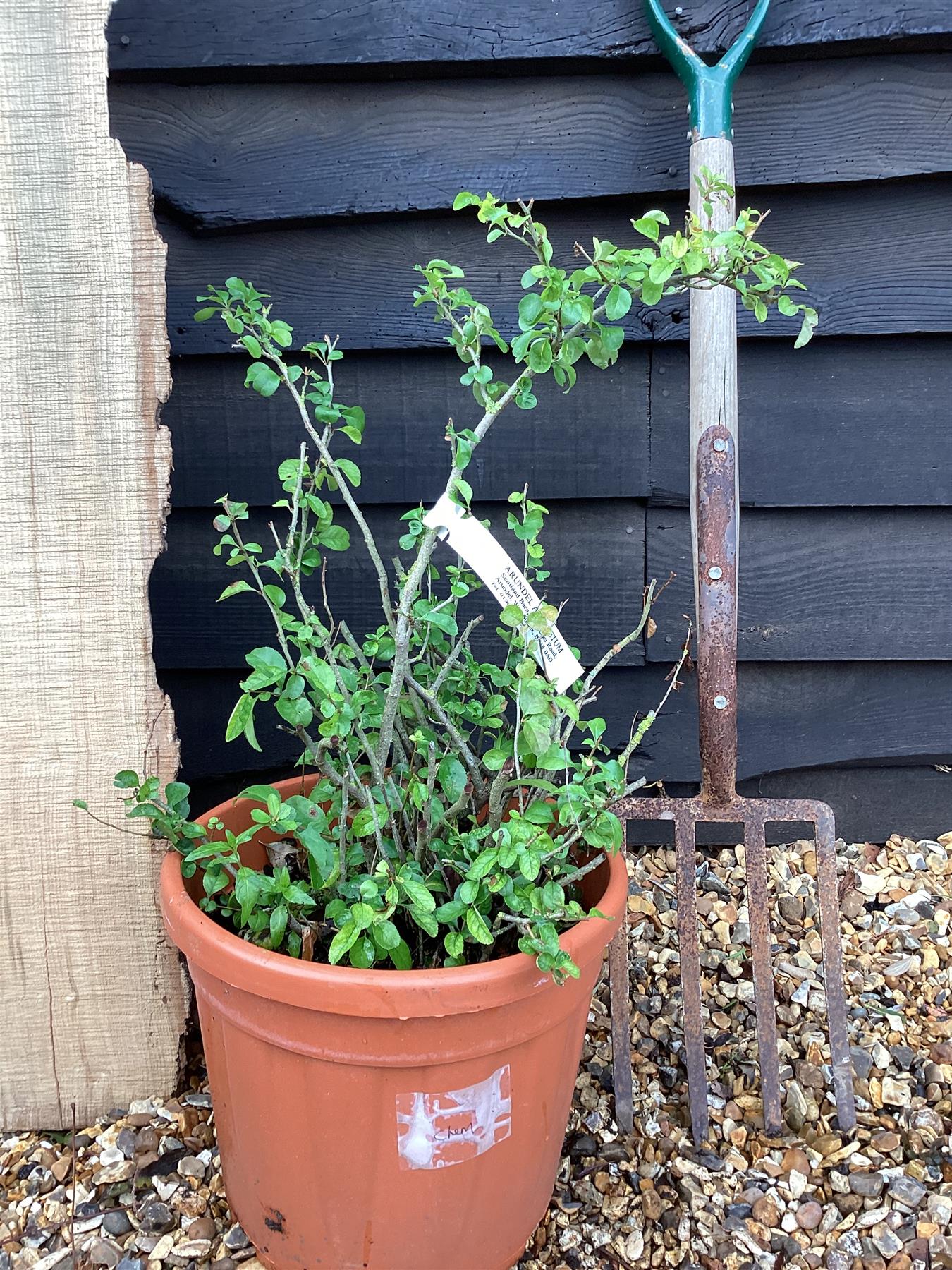
Chaenomeles | Japanese quince - 150-160cm, 25lt
£53.00
Unit price perChaenomeles | Japanese quince - 150-160cm, 25lt
£53.00
Unit price per


Cherry 'Okame' | Prunus 'Okame' Height 140-180cm - 12lt
£83.00
Unit price perCherry 'Okame' | Prunus 'Okame' Height 140-180cm - 12lt
£83.00
Unit price per


Cherry 'Okame' | Prunus 'Okame' - Clear Stem 120cm - Girth 6-8cm - Height 170-200cm - 10lt
£135.00
Unit price perCherry 'Okame' | Prunus 'Okame' - Clear Stem 120cm - Girth 6-8cm - Height 170-200cm - 10lt
£135.00
Unit price per


Cherry 'Shizuka' | Prunus Fragrant Cloud - Height 160-200cm - 12lt
£98.00
Unit price perCherry 'Shizuka' | Prunus Fragrant Cloud - Height 160-200cm - 12lt
£98.00
Unit price per


Cherry 'Stella' half-standard | Prunus avium - Height 170-180cm - 12lt
£86.00
Unit price perCherry 'Stella' half-standard | Prunus avium - Height 170-180cm - 12lt
£86.00
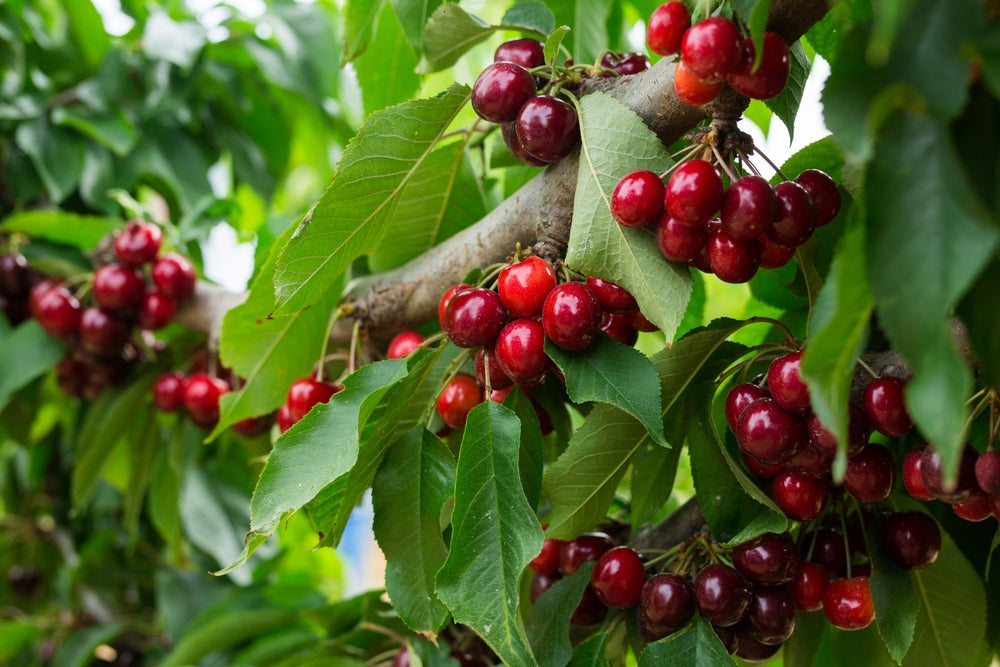
Unit price perThe 'Stella' cherry is a highly popular, self-fertile sweet cherry variety, renowned for its adaptability to various soil types and climates, making it a favorable choice for a range of environments. A half-standard 'Stella' denotes a specific tree form, with a clear stem/trunk beneath a bushy, well-branched crown, typically reaching heights of about 10-15 feet.
Originating from Canada, the 'Stella' cherry tree produces luscious, dark-red to almost black, heart-shaped fruits, known for their succulent, sweet, and rich flavor, making them excellent for fresh eating, baking, and preserves. The fruits generally mature around mid-summer, attracting gardeners keen on early harvests.
Apart from its culinary virtues, 'Stella' serves an ornamental purpose, exhibiting beautiful white blossoms in spring that are a feast to the eyes, contributing to the aesthetic value of gardens. This cherry variety is particularly suitable for smaller gardens or limited spaces due to its compact growth habit.
Being self-fertile means 'Stella' does not require another tree for pollination, which simplifies orchard management and enhances its appeal for home gardeners. However, planting it with other varieties can potentially improve fruit yield and quality. Care considerations include regular watering, pruning, and monitoring for pests and diseases.


Cherry 'Stella' on Colt | Prunus avium - Semi-Vigorous - Height 130-160cm - 12lt
£86.00
Unit price perCherry 'Stella' on Colt | Prunus avium - Semi-Vigorous - Height 130-160cm - 12lt
£86.00
Unit price perPrunus avium 'Stella' is a medium-sized, pyramidal cherry tree with oval, serrated, dark green leaves, and abundance of fragrant, white flowers blooming in spring. A large crop of tasty, heart-shaped, dark red cherries, is ready for harvesting in summer. Self-fertile tree that can be a good pollinator for other cherry varieties. The cherries have sweet and rich flavour. Cherry ‘Stella’ grows best in average, moderately fertile, slightly acidic, medium moisture, well-drained soil and thrives in full sun. Doesn’t tolerate too wet or waterlogged soils. It is resistant to frost but needs to be sheltered from harsh winds. Late frosts may damage the flower buds. A self-pollinating variety that can be a good pollinator for other cherry varieties. Prunus avium 'Stella' is primarily grown for the fruit crop, not for ornamental value, but is a beautiful, small tree, perfect for any small garden. Great for beds and borders and wall-side borders. Needs occasional spraying with fungicides and pesticides.
Colt rootstock is a popular choice for cherry trees, offering a semi-dwarfing size that reaches about 70-80% the height of standard cherry trees. It's well-suited for heavier soils, providing good anchorage and resistance to bacterial canker. Colt enhances the tree's longevity and supports robust fruit yields, making it ideal for various cherry cultivars.
Showing 324/1211
Related blog posts


