

-
Trees
Trees
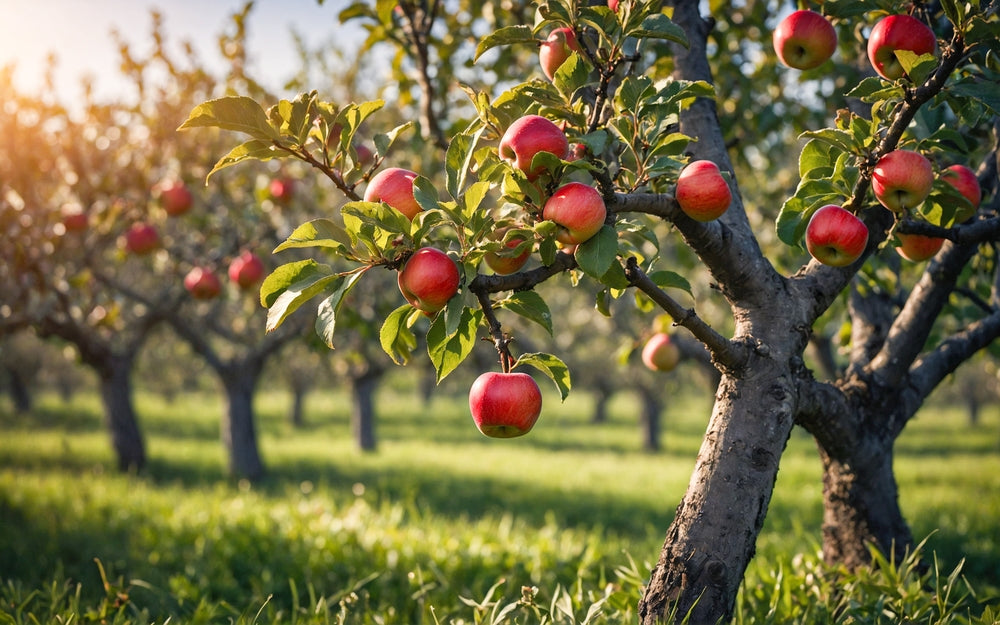 Fruit Trees
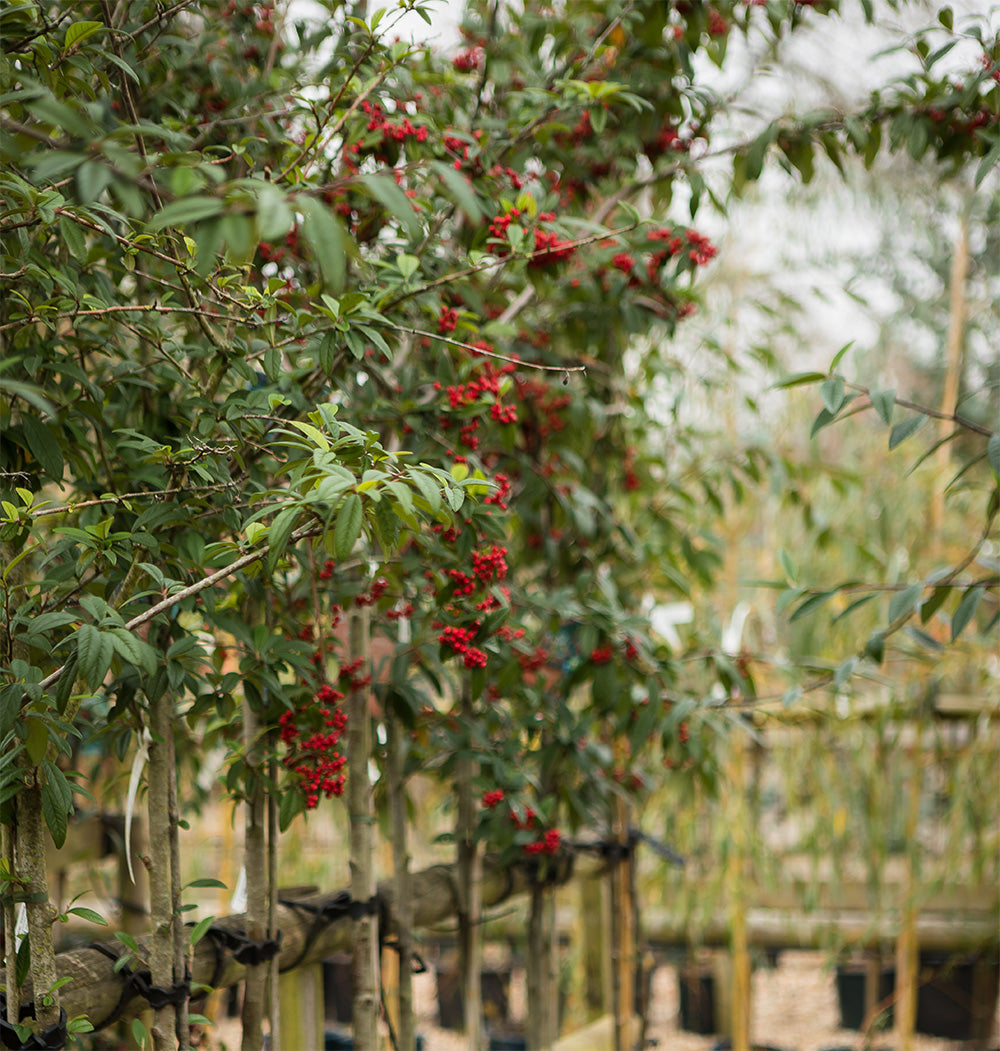 Ornamental
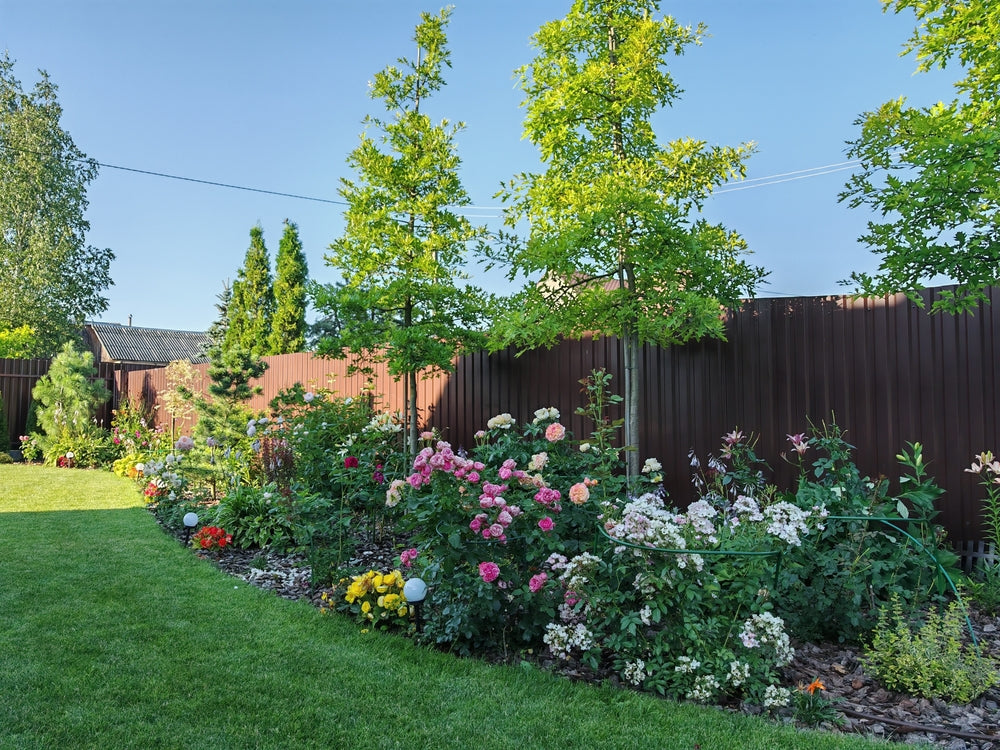 Screening
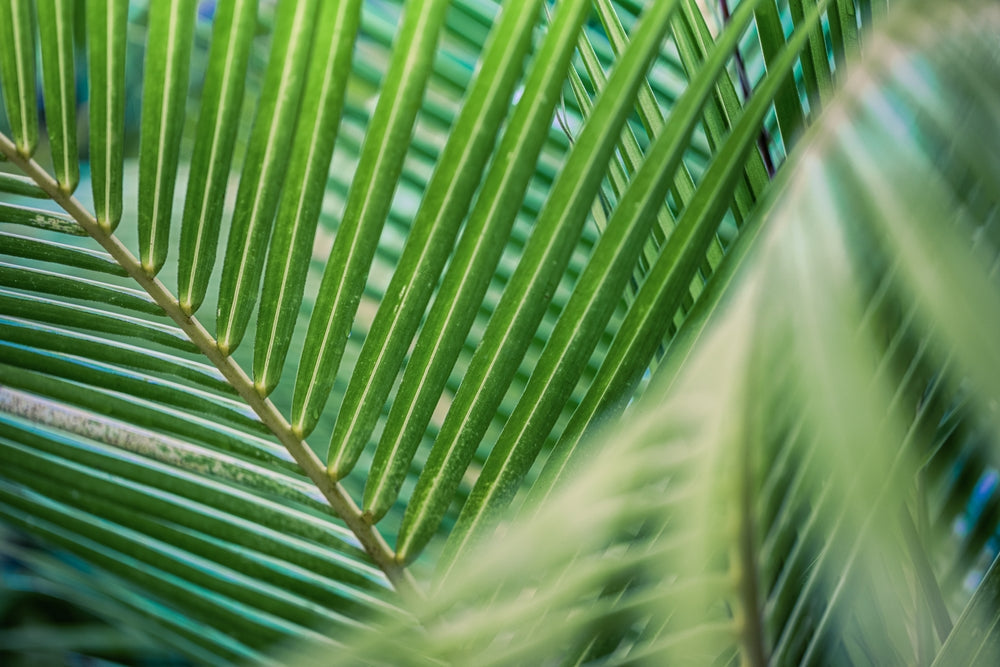 Palms
By FeaturesBy Shape
Palms
By FeaturesBy Shape -
Shrubs
Shrubs
 Large shrubs
 Hedging
 Bamboo
 Climbers
 Flowering
 Grasses & Ferns
 Popular
-
Pines & Conifers
Pines & Conifers
 Pines
Pines
 Spruce & Fir
 Cypress
 Thuja
Thuja
 Redwood | Sequoia
-
Specimen
FREE DELIVERY OVER £350
725 products
725 products
Sort by:
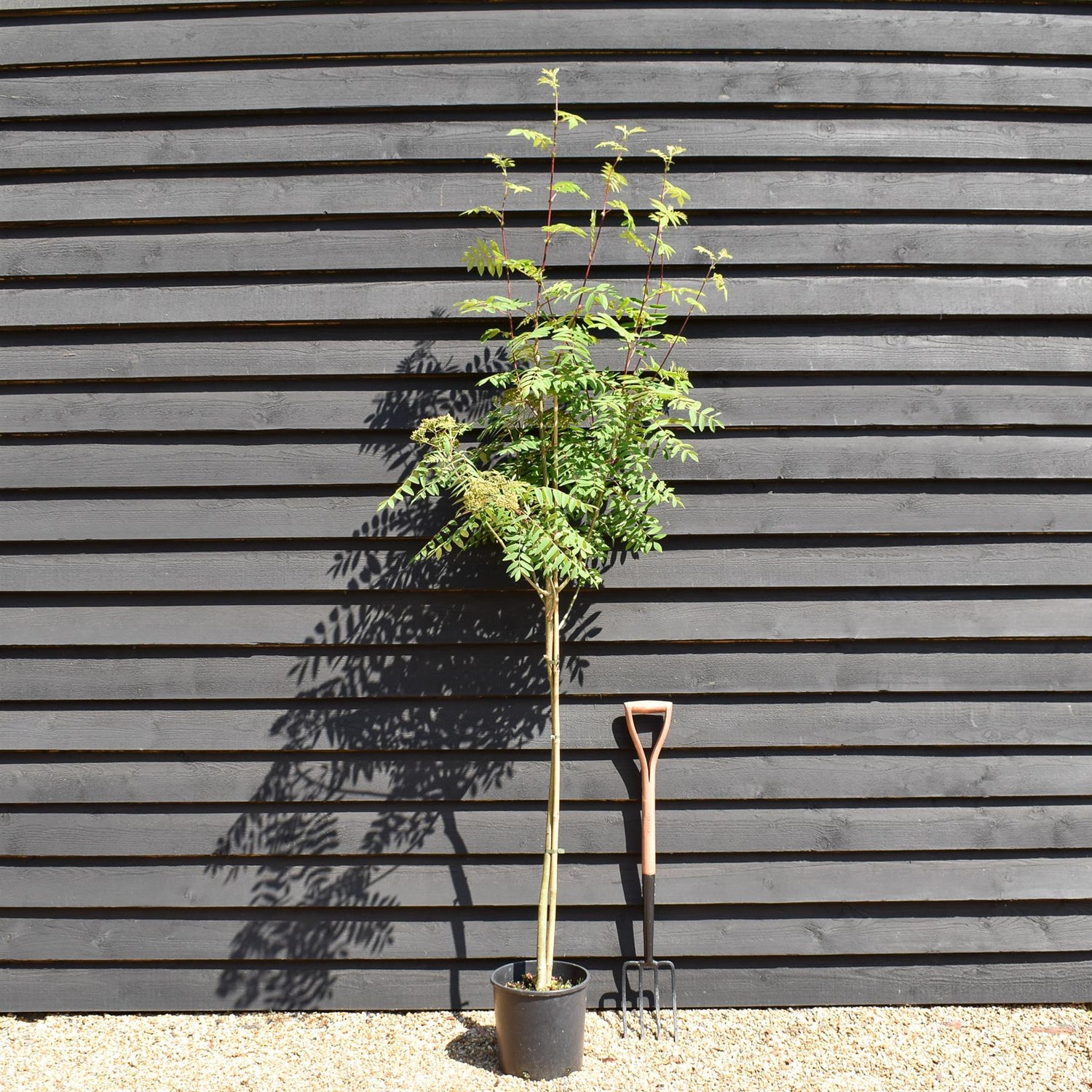
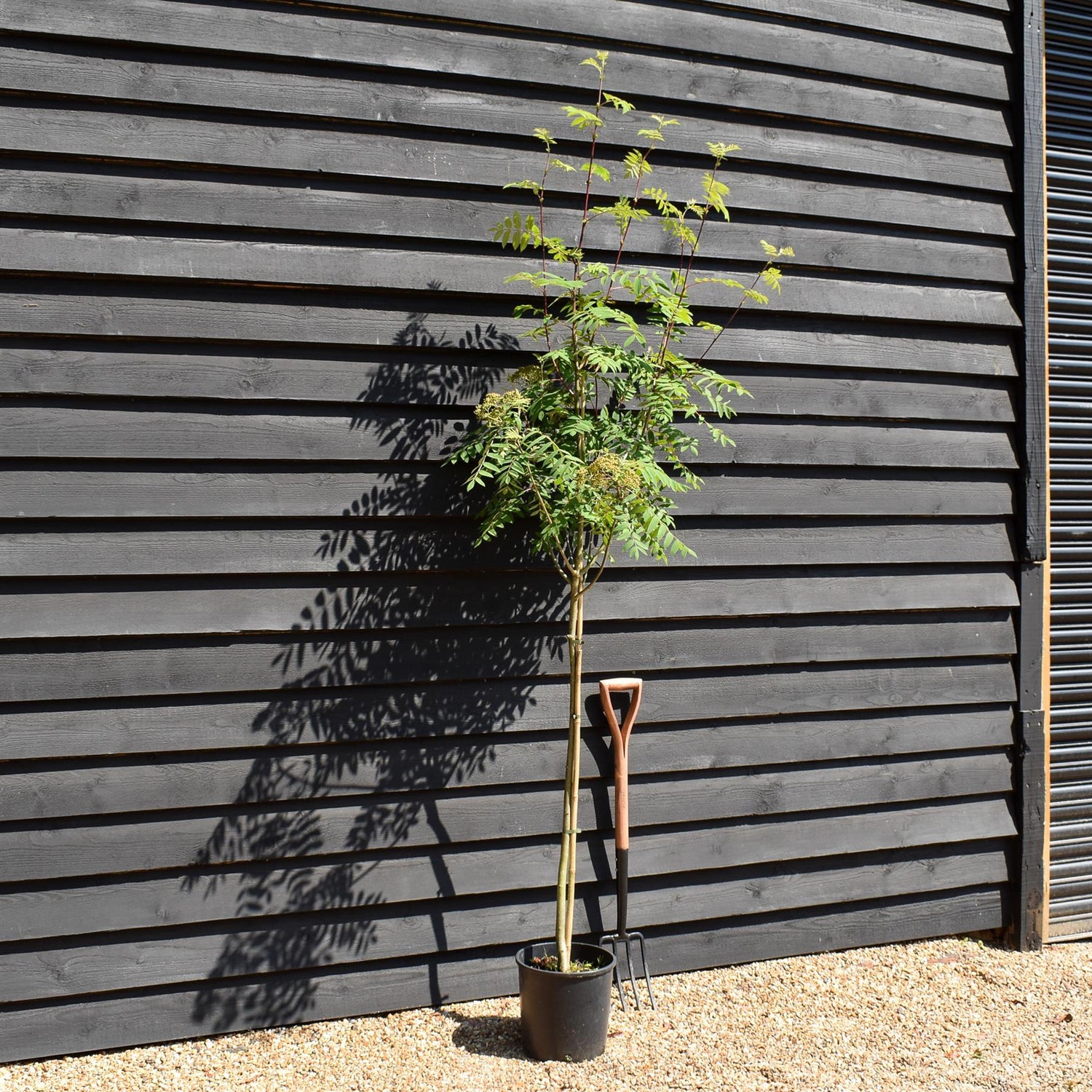
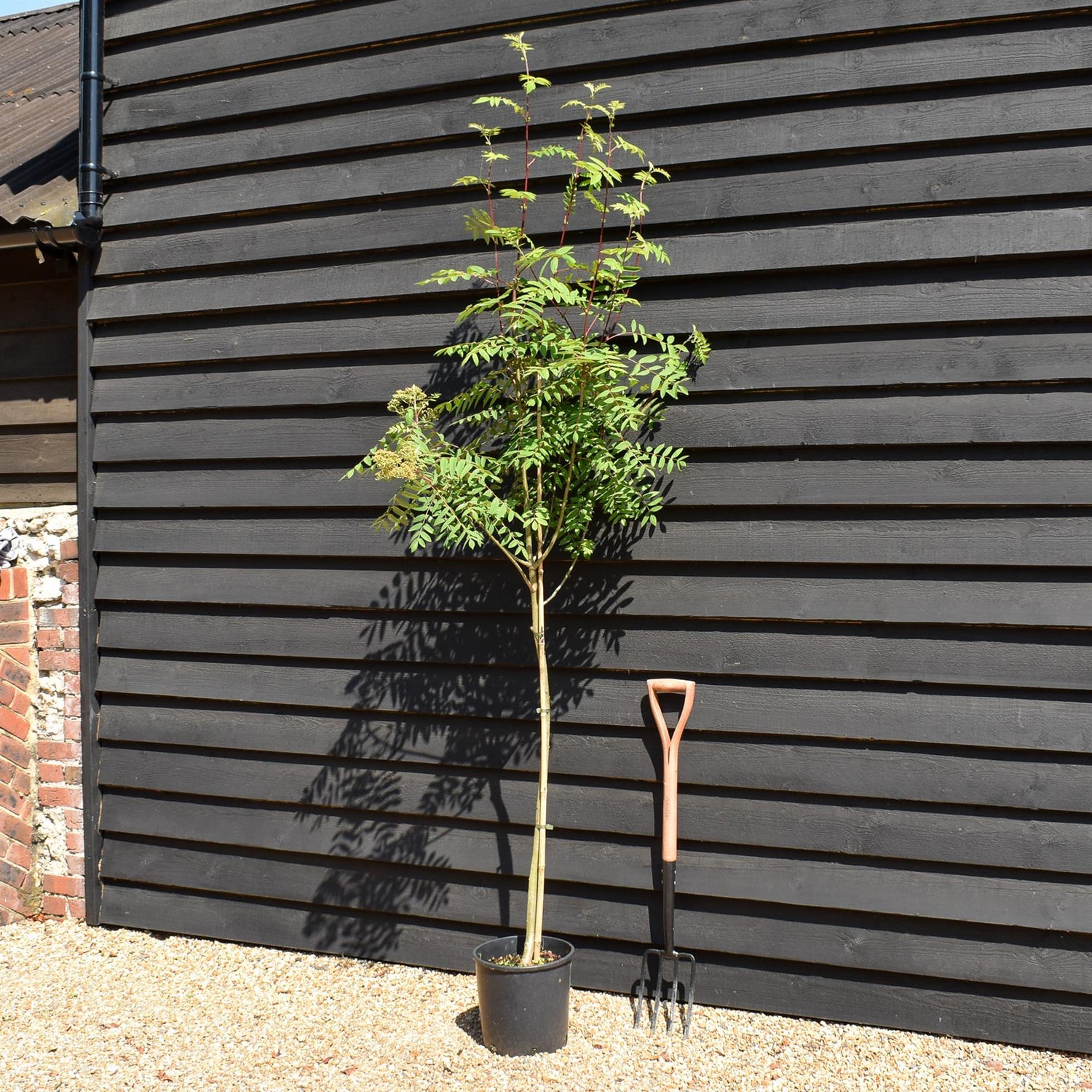
Sorbus aucuparia | European Mountain Ash - Height 160-220cm - Girth 4-8cm - Pot Grown - 12lt
£68.00
Unit price perSorbus aucuparia | European Mountain Ash - Height 160-220cm - Girth 4-8cm - Pot Grown - 12lt
£68.00
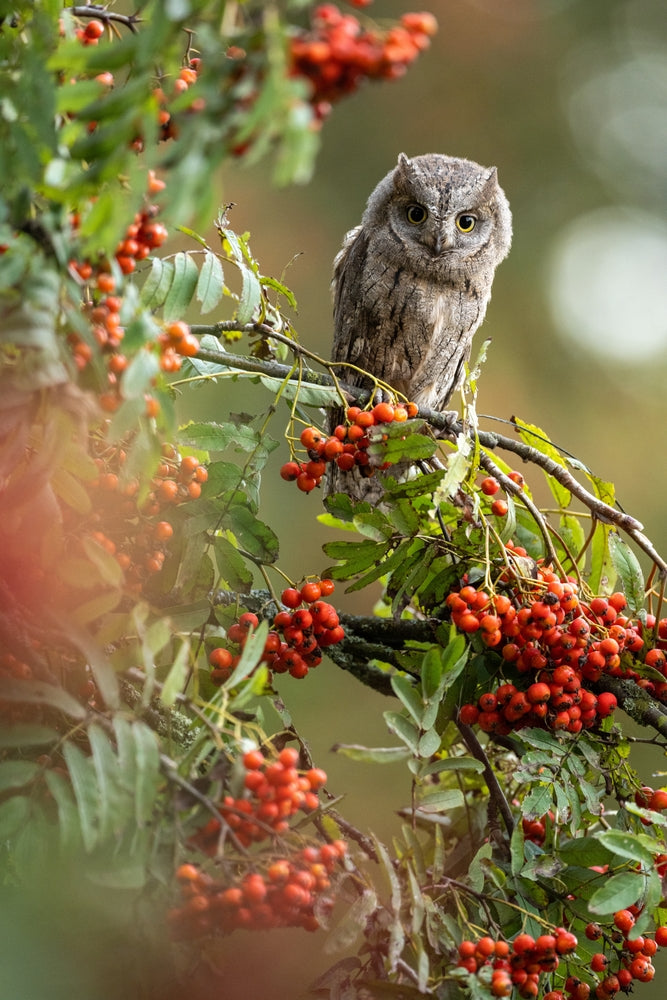
Unit price perRowan, Sorbus aucuparia, or European Mountain Ash, is a vigorous, deciduous tree with oval, upright habit when young, rounded when mature and pinnate, serrated, dark green leaves, yellow, red, and purple in autumn. Flat-topped clusters of small, white flowers bloom in late spring and are followed by a profusion of bright orange-red berries. Attractive to birds and bees. European Mountain Ash prefers moderately fertile, humus-rich, slightly acidic, moist, well-drained soils, but is adaptable to various soil conditions, even poor and dry. It thrives in full sun to partial shade. It is resistant to frost and can withstand wind and short floods. Doesn’t like hot and humid summers. Very easy to grow, tolerant of urban pollution and exposed areas. Low maintenance plant, doesn’t require pruning. Sorbus aucuparia is an attractive ornamental tree, perfect for cool northern climates. Great for cottage, wildlife, and urban gardens. Excellent as a street tree. Suitable for growing in containers on patios and roof gardens.
Pot-grown trees establish quickly with minimal transplant shock, offer greater flexibility for planting throughout the year, and typically show more consistent early growth due to their well-developed, protected root systems.


Magnolia Stellata - Bushy - Height 80-100cm - 12lt
£68.00
Unit price perMagnolia Stellata - Bushy - Height 80-100cm - 12lt
£68.00
Unit price per


Field Maple | Acer Campestre | Common Maple - Height 120-150cm - 10lt
£68.00
Unit price perField Maple | Acer Campestre | Common Maple - Height 120-150cm - 10lt
£68.00
Unit price per


Zelkova Serrata - Feathered - Girth 10-14cm - Pot Grown - Height 150-220cm - 10lt
£68.00
Unit price perZelkova Serrata - Feathered - Girth 10-14cm - Pot Grown - Height 150-220cm - 10lt
£68.00
Unit price perZelkova serrata, commonly known as Japanese Zelkova, is a graceful deciduous tree native to Japan, Korea, eastern China, and Taiwan. It is highly valued for its attractive vase-shaped form, making it an excellent choice for urban landscapes, parks, and streetscapes. The tree features finely serrated, ovate leaves that emerge bright green in spring, deepen in color through summer, and turn stunning shades of yellow, orange, and red in the fall, offering vibrant seasonal interest.
Zelkova serrata is also prized for its smooth gray bark, which exfoliates with age to reveal patches of orange and brown beneath, adding visual texture year-round. It is a hardy and adaptable species, tolerant of pollution, drought, and a variety of soil types, making it ideal for city environments. Often used as a replacement for the American elm, it is resistant to Dutch elm disease and provides reliable shade, beauty, and structure in the landscape.
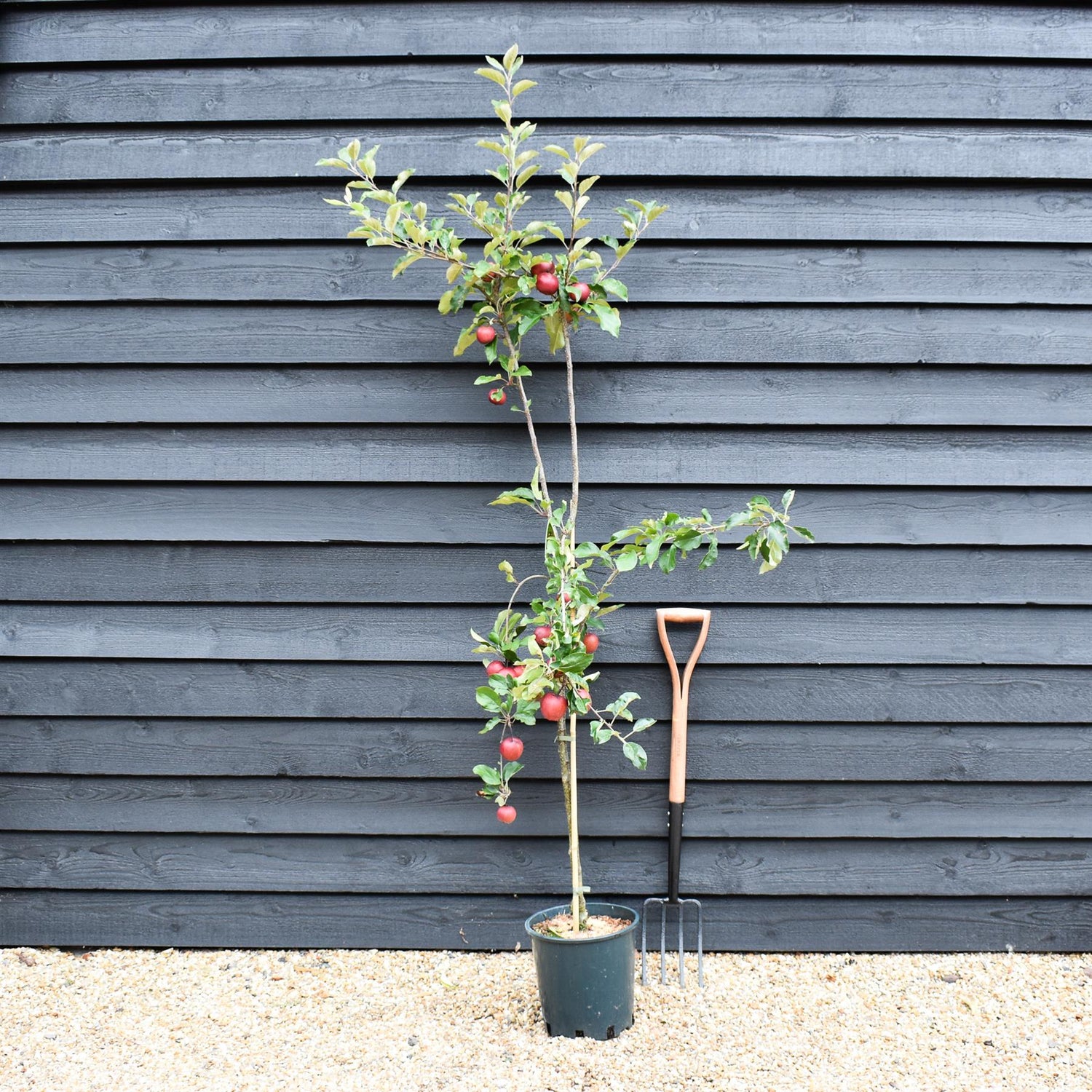
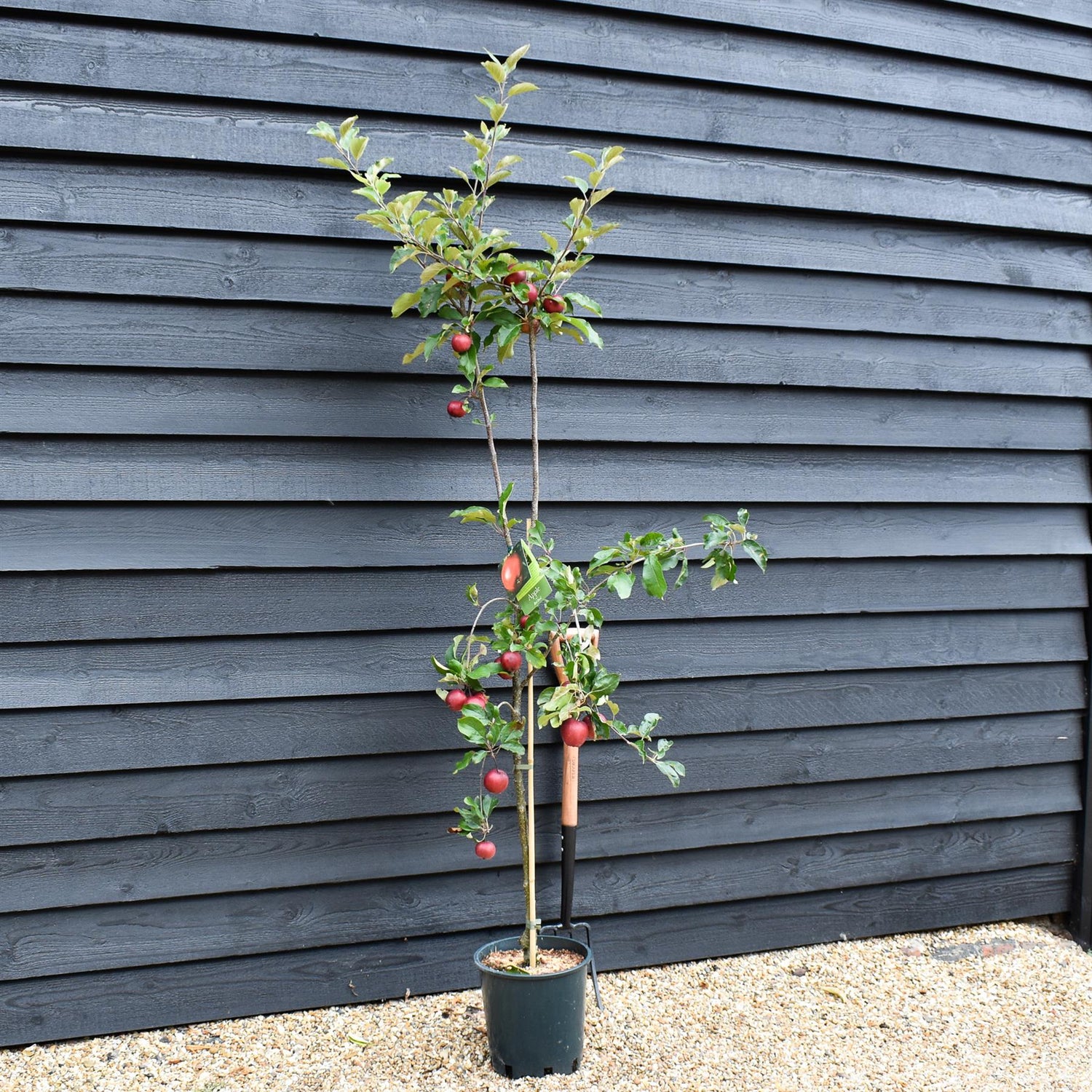
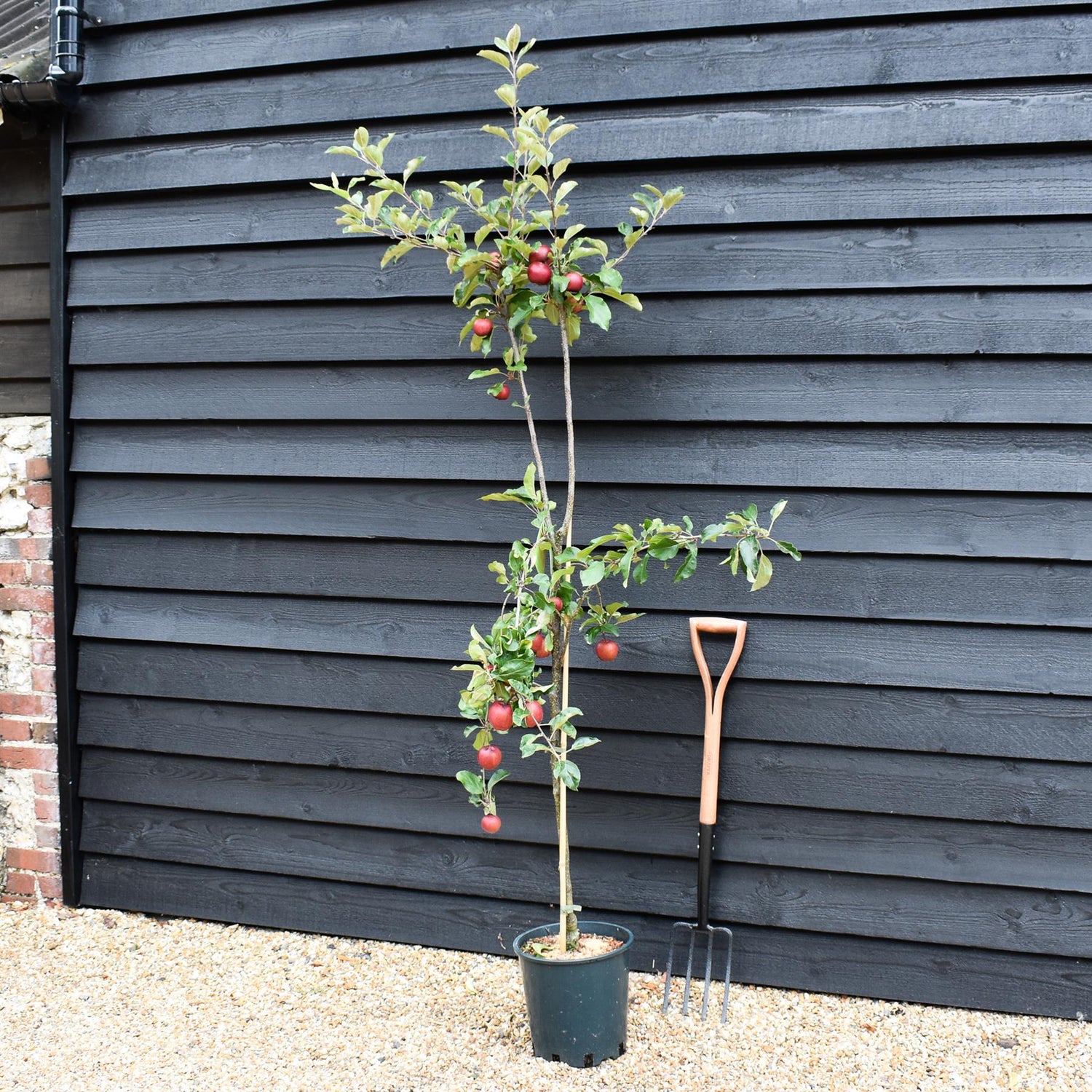
Apple tree 'Red Devil' | Malus domestica - MM106 - Semi-Dwarfing - 150-160cm - 10lt
£70.00
Unit price perApple tree 'Red Devil' | Malus domestica - MM106 - Semi-Dwarfing - 150-160cm - 10lt
£70.00
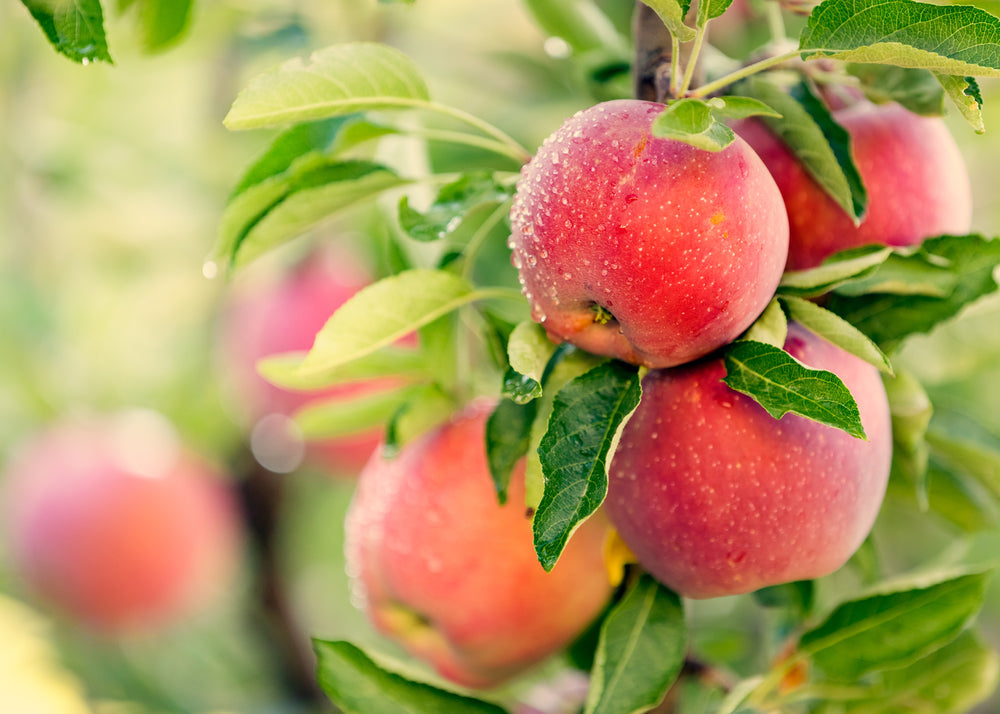
Unit price perRed Devil Apple plant is a deciduous, hardy, vigorous tree with a bushy, upright habit, attractive pink-white flowers, and stunning, deep red fruit. Its creamy flesh is white, but stained with red and produces beautiful pink juice. Red Devil apples ripen in mid-September and are harvested till mid-October. The fruit has juicy and moderately sweet and sharp taste with a hint of strawberry flavour. They store well and can be kept till January.
Red Devil Apple was bred by Hugh Ermen, in Faversham, Kent in 1975, and introduced in 1990 as an excellent, modern dessert apple. It is very resilient, generally disease-free, and adaptable to most weather conditions. It grows in almost any type of soil as long as it is moist and well-drained. It prefers full sun, but can tolerate partial shade. It is self-fertile and doesn’t need a pollination partner.
Root stock MM106 is a semi-dwarfing rootstock commonly used for apple trees. It offers a moderate growth rate, producing trees 10-15 feet tall when mature. Suitable for medium-sized gardens, MM106 ensures good fruit yield and adaptability to various soils. It's resistant to woolly apple aphid and moderately resistant to crown rot. Ideal for bush, cordons, and espalier forms. Ensure proper staking in early years.


Apple tree 'Blenheim Orange' | Malus domestica - MM106 - Semi-Dwarfing - 150-160cm - 10lt
£70.00
Unit price perApple tree 'Blenheim Orange' | Malus domestica - MM106 - Semi-Dwarfing - 150-160cm - 10lt
£70.00
Unit price perMalus domestica Blenheim Orange is a very old English apple variety. It’s an attractive, vigorous apple tree with pale pink flowers blooming in April and May and large, golden, flushed red, crisp, nutty, dessert and cooking apples with crumbly texture. Ready for harvesting in September and October. Malus domestica Blenheim Orange prefers moderately fertile, moist, well-drained soil in full sun. It can tolerate partial shade, but the crop is best in full sun. It is suitable for northerly, cooler, rainier climates. Resistant to scab and mildew. It can withstand frost, but it needs to be sheltered from harsh winds. It’s a triploid, it needs two other varieties for pollination. Regular pruning is required. Apple ‘Blenheim Orange’ is a vigorous architectural tree perfect for informal, cottage, and urban gardens. Suitable for growing in containers. Fruits can be eaten fresh, cooked to purée or cooked to keep its shape. It is thought to be one of the best dual purpose apples.
Root Stock MM106 is a semi-dwarfing rootstock commonly used for apple trees. It offers a moderate growth rate, producing trees 10-15 feet tall when mature. Suitable for medium-sized gardens, MM106 ensures good fruit yield and adaptability to various soils. It's resistant to woolly apple aphid and moderately resistant to crown rot. Ideal for bush, cordons, and espalier forms. Ensure proper staking in early years.


Paulownia elongata 'Futuro' - Height 40-70cm - 10lt
£70.00
Unit price perPaulownia elongata 'Futuro' - Height 40-70cm - 10lt
£70.00
Unit price perPaulownia elongata ‘Futuro’ is a remarkably fast-growing deciduous tree prized for its ecological and economic benefits. Known for its straight trunk and broad, heart-shaped leaves, this hybrid variety can reach heights of 10–15 meters within just a few years under optimal conditions. In spring, it produces striking clusters of pale violet, trumpet-shaped flowers that attract pollinators and add ornamental value. The leaves are exceptionally large and efficient at photosynthesis, enabling rapid biomass accumulation and high carbon sequestration—making it a valuable species for reforestation and climate mitigation projects.
‘Futuro’ is specifically bred for improved adaptability, disease resistance, and high-quality timber production. Its wood is light yet strong, with a fine grain and excellent dimensional stability, suitable for furniture, musical instruments, and eco-friendly construction. The tree thrives in well-drained soils with good sunlight and moderate water availability, recovering quickly after coppicing. Because of its regenerative ability and environmental resilience, Paulownia elongata ‘Futuro’ is increasingly recognized as a sustainable resource for green industries, combining rapid growth with ecological and aesthetic appeal.


Vitex agnus-castus 'Latifolia'| Chaste tree - Height 90-110cm - 10lt
£70.00
Unit price perVitex agnus-castus 'Latifolia'| Chaste tree - Height 90-110cm - 10lt
£70.00
Unit price perVitex agnus-castus, also known as the chasteberry tree, is a species of small deciduous tree belonging to the Verbenaceae family. It is native to the Mediterranean region and can be found in various countries, including Greece, Italy, and Turkey. The tree typically reaches a height of 3 to 6 meters (10 to 20 feet) and has a spreading, rounded crown.
The leaves of Vitex agnus-castus are palmate, meaning they are divided into multiple lobes that resemble a hand with outstretched fingers. The foliage is aromatic, with a pleasant herbal scent. The tree produces showy, fragrant flowers in dense clusters known as panicles. The flowers are typically lavender, violet, or pale blue in colour, and they bloom during the summer months.
Following the flowers, Vitex agnus-castus develops small, dark berries that are roughly the size of peppercorns. These berries are a prominent feature of the tree and can persist well into the winter months. They are edible but have a bitter taste and are not typically consumed directly.
In addition to its medicinal uses, the chasteberry tree is also valued for its ornamental qualities. It is often planted in gardens and parks for its attractive flowers and foliage. The tree prefers well-drained soil and full sun exposure, making it adaptable to various climatic conditions.
Overall, Vitex agnus-castus is a versatile tree that offers both aesthetic appeal and potential health benefits. Its delicate flowers, aromatic leaves, and unique berries make it a noteworthy addition to any landscape, while its historical use in traditional medicine continues to intrigue researchers and practitioners alike.


Medlar 'Nottingham' | Mespilus germanica - Height 170-180cm - 12lt
£72.00
Unit price perMedlar 'Nottingham' | Mespilus germanica - Height 170-180cm - 12lt
£72.00
Unit price perThe Medlar 'Nottingham' is a distinct fruit tree, revered for its historical importance and its production of unusual, tangy fruits. Originating from the species Mespilus germanica, this tree is renowned for its hardiness and minimal maintenance needs, making it an appealing choice for both novice and experienced gardeners.
Growing to a moderate size with a compact habit, the Medlar 'Nottingham' is ideal for smaller gardens, yielding large, russeted fruits that are not only ornamental but also edible once they undergo a process called bletting, in which the fruits are allowed to overripen, developing a sweet and tart flavor profile.
During spring, this tree is a visual delight, adorned with large, white, ornate blossoms that attract pollinators, adding ecological value to the garden ecosystem. Its leaves are deciduous and exhibit a stunning autumnal color display, providing year-round interest in the landscape.
The rich cultural and culinary history of the Medlar 'Nottingham' dates back centuries, with references in literature and historical texts underscoring its esteemed status in bygone eras. While not as commonly grown today, it remains a valued specimen for those interested in heritage fruits and traditional gardening practices. The fruits, which are known for their unique taste and texture, can be used in a variety of culinary applications, including jellies, jams, and desserts, making the Medlar 'Nottingham' a multifaceted addition to the garden.
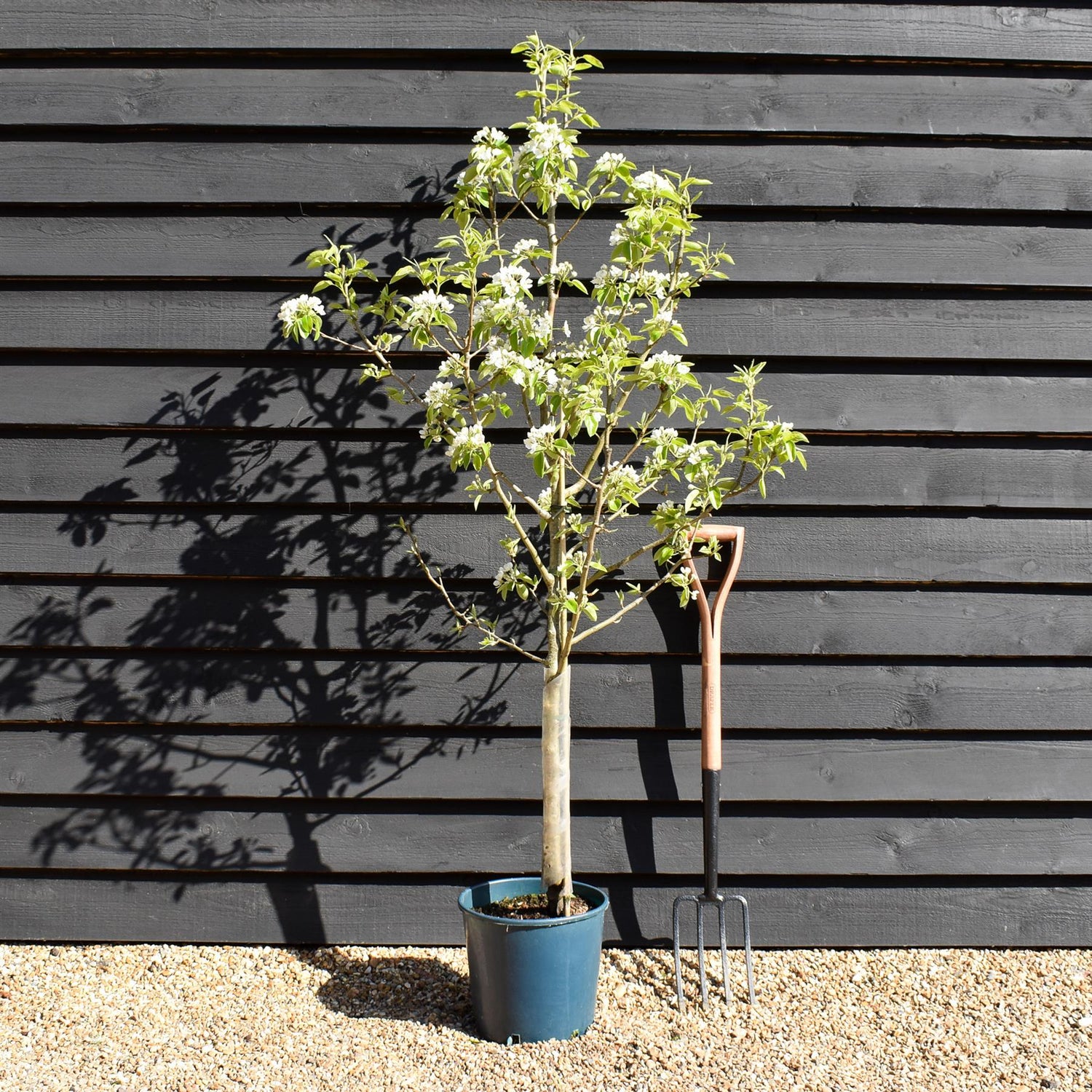
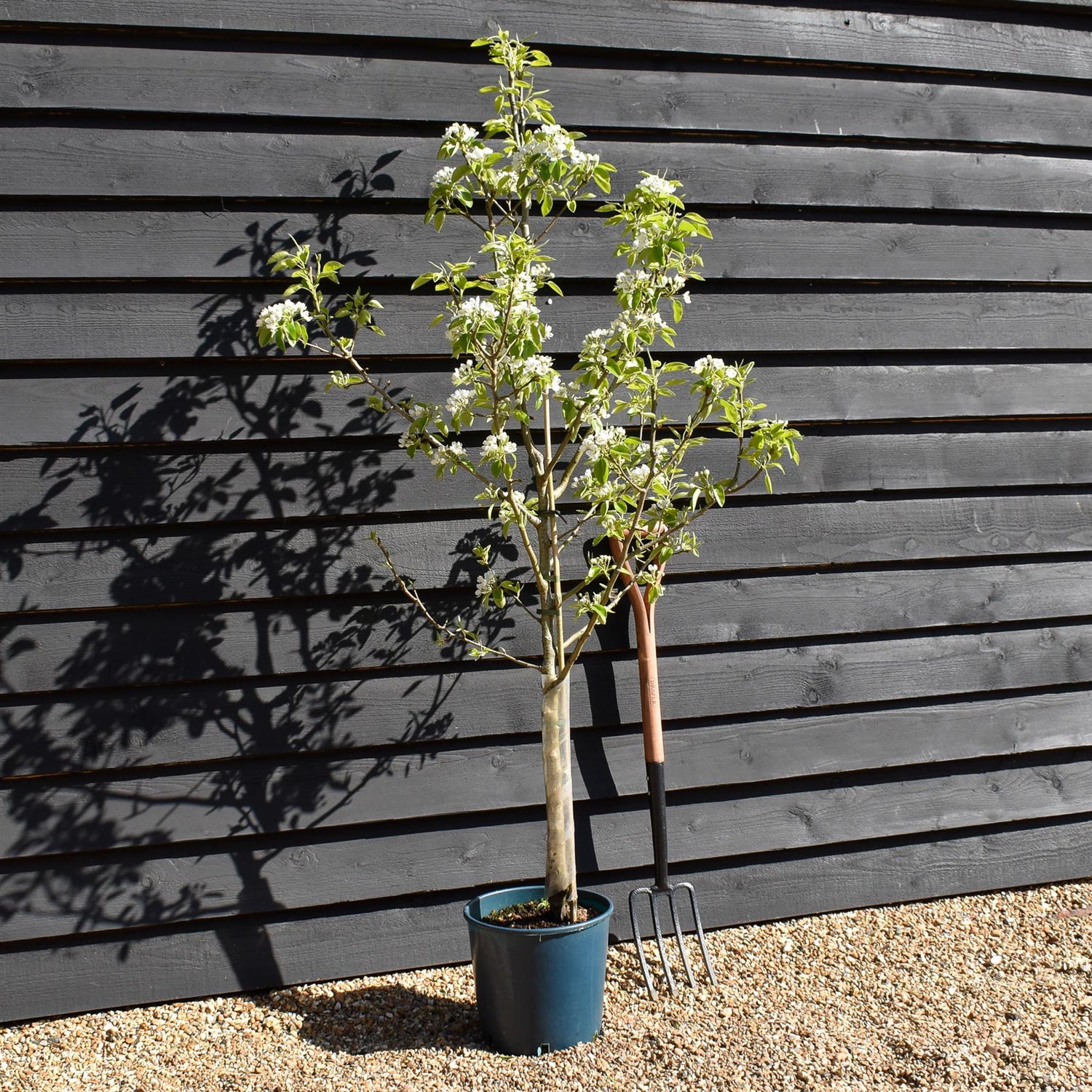
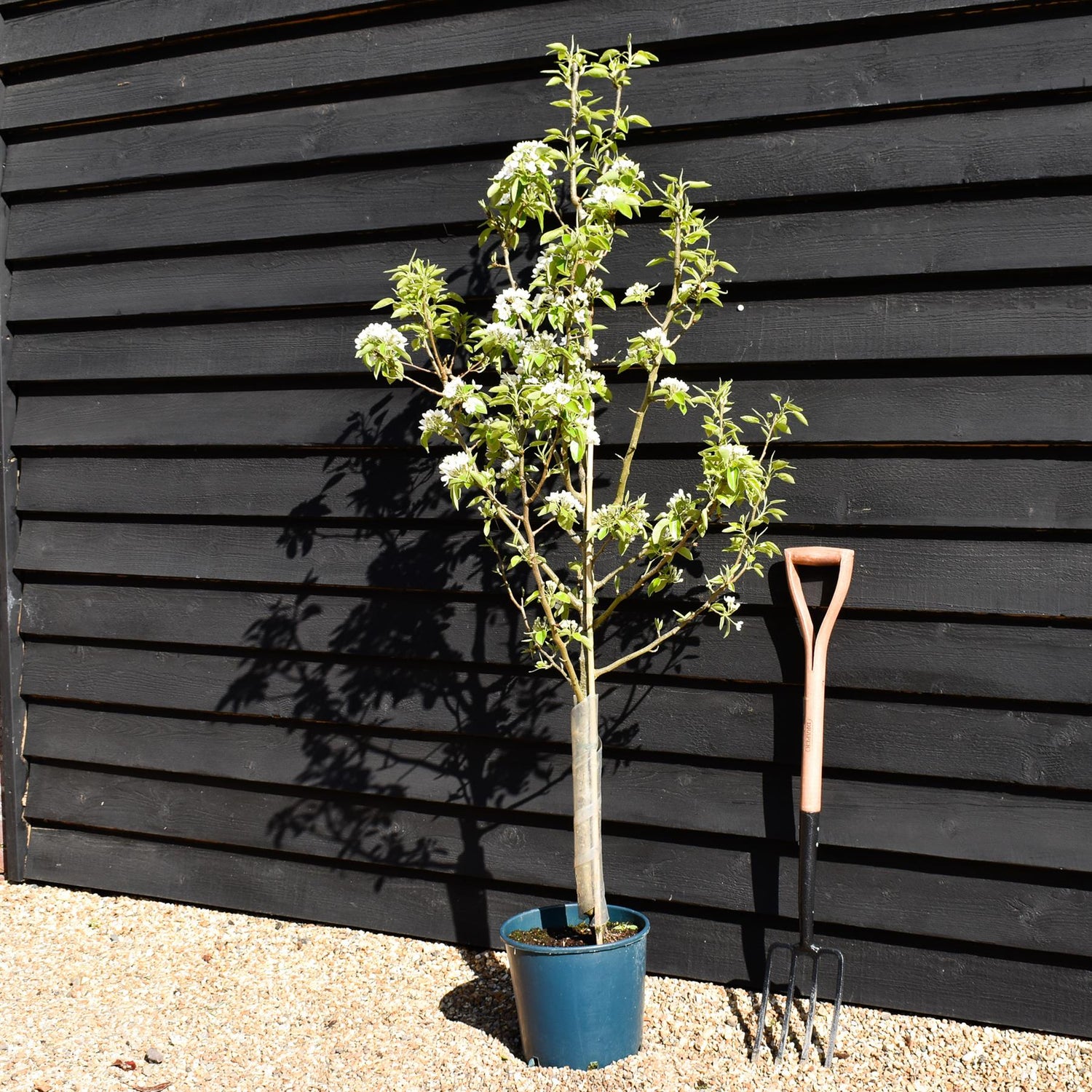
Pear 'Doyenne du Comice' | Pyrus communis - 150-180cm - 12lt
£72.00
Unit price perPear 'Doyenne du Comice' | Pyrus communis - 150-180cm - 12lt
£72.00
Unit price per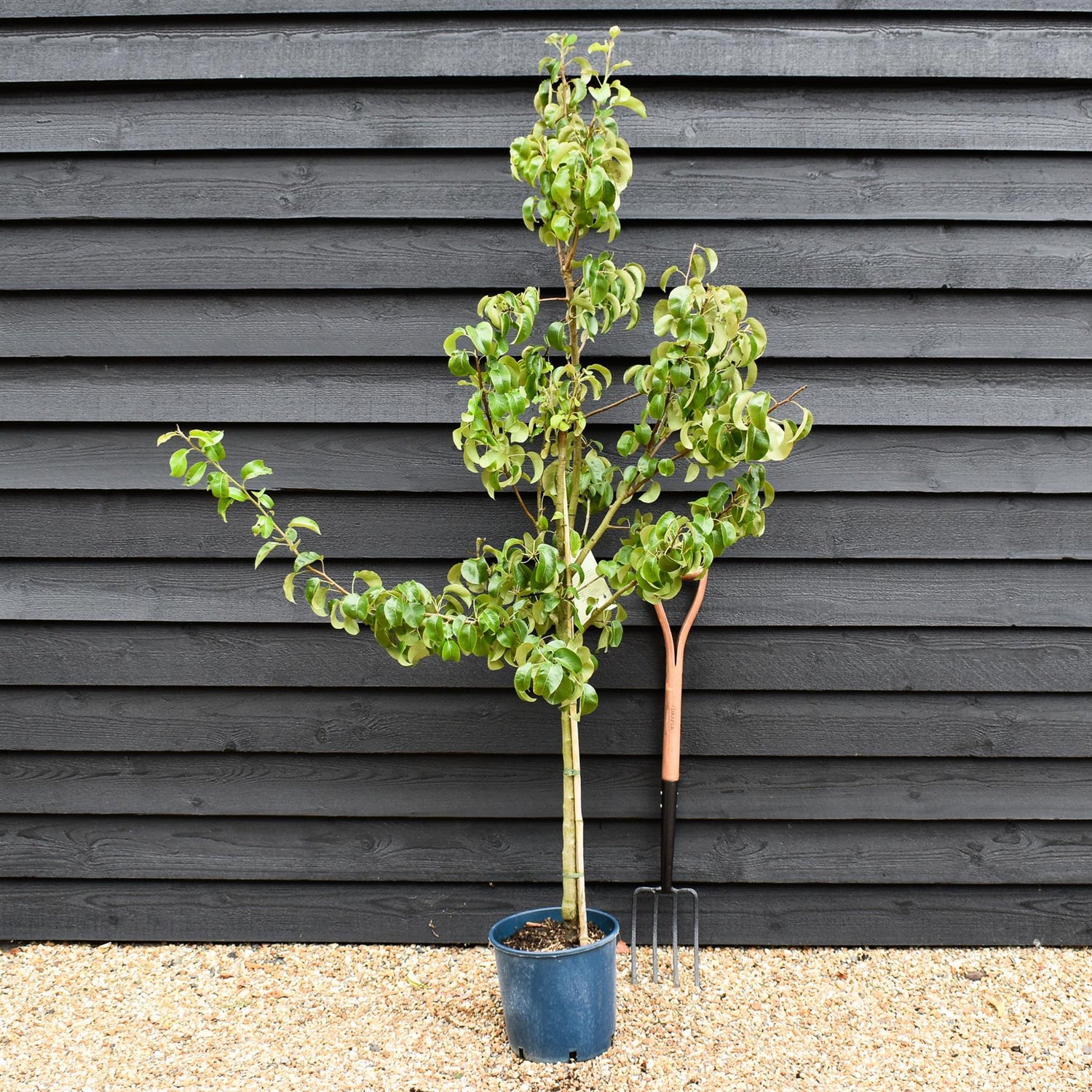
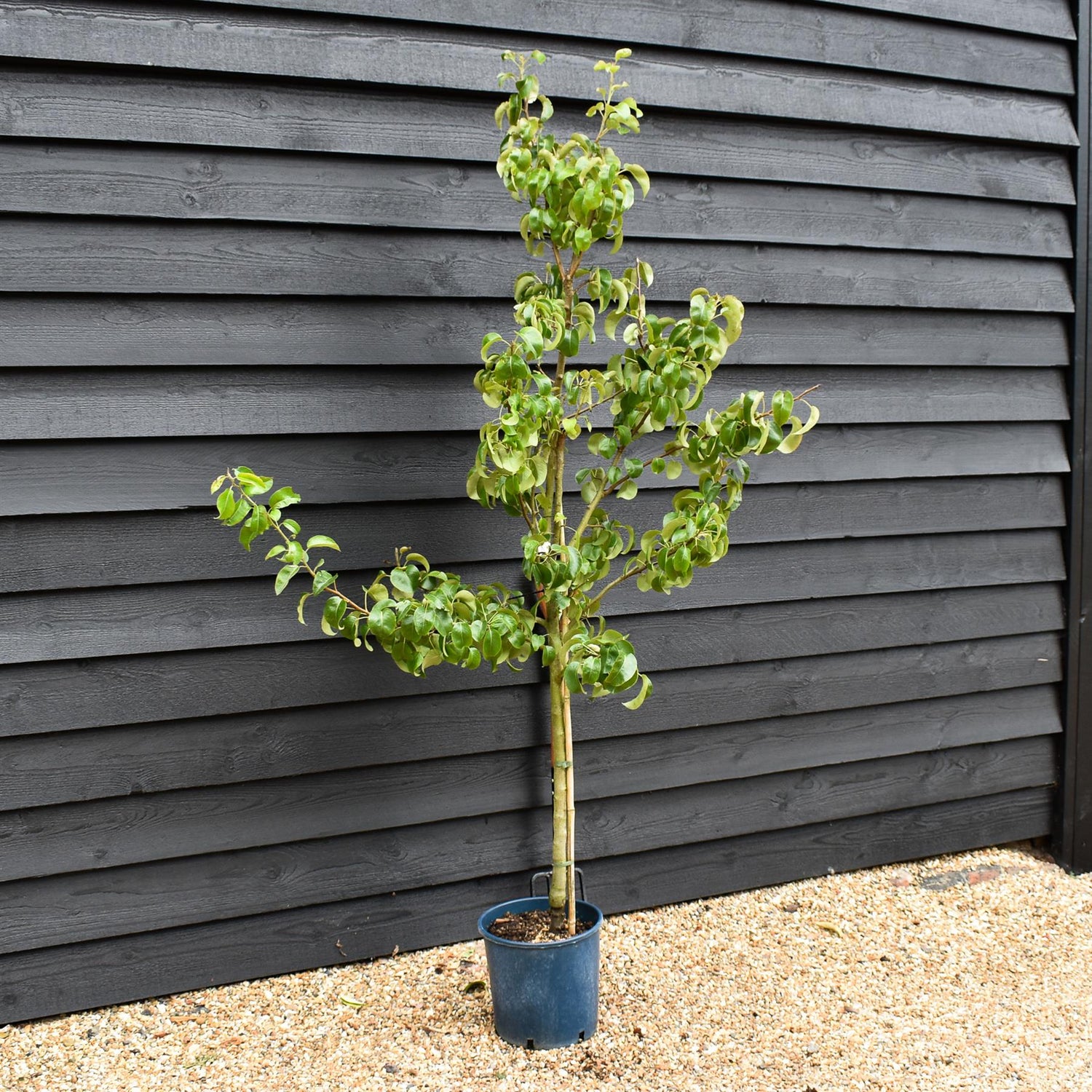
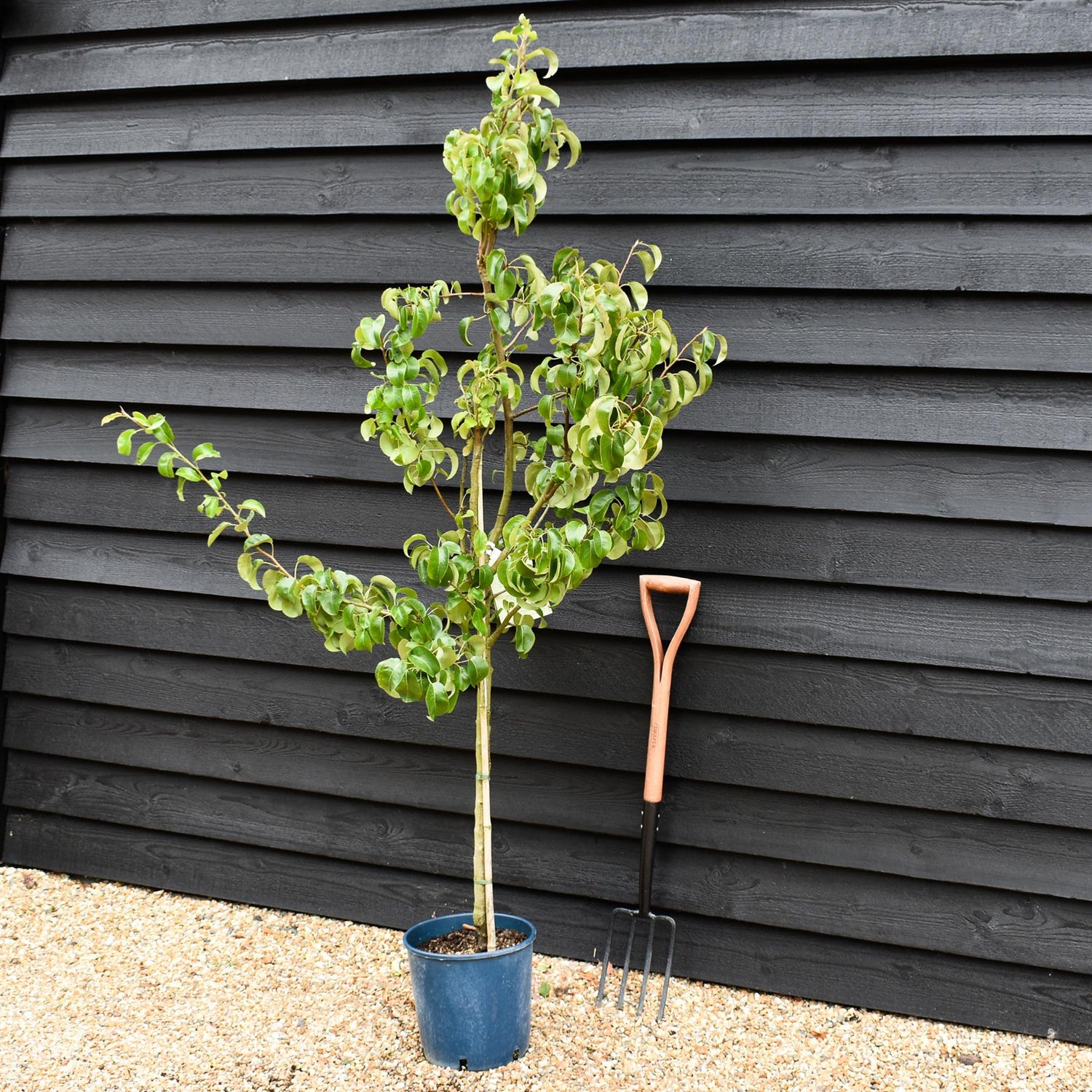
Pear 'Beurre Hardy' | Pyrus communis - 150-160cm - 12lt
£72.00
Unit price perPear 'Beurre Hardy' | Pyrus communis - 150-160cm - 12lt
£72.00
Unit price per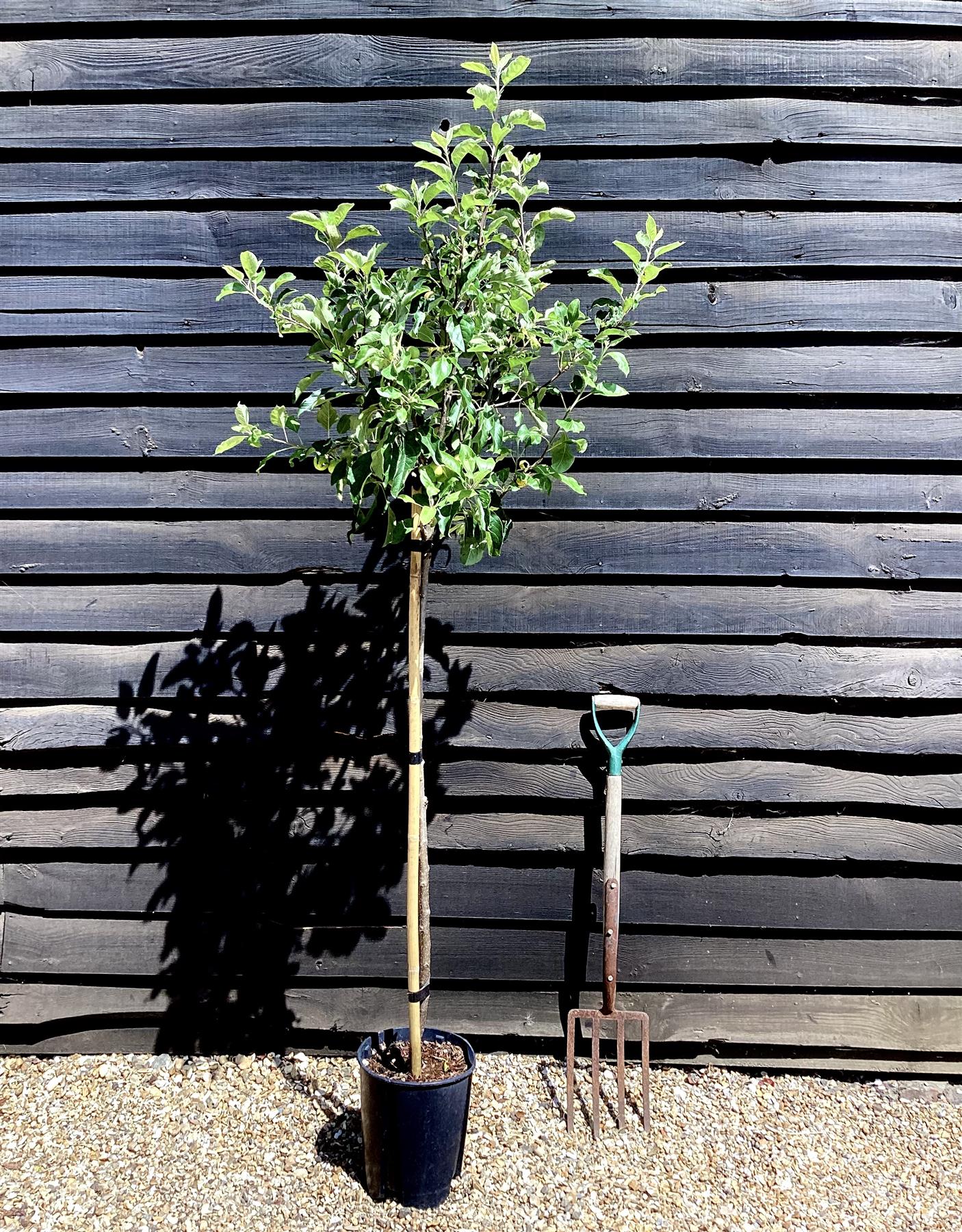
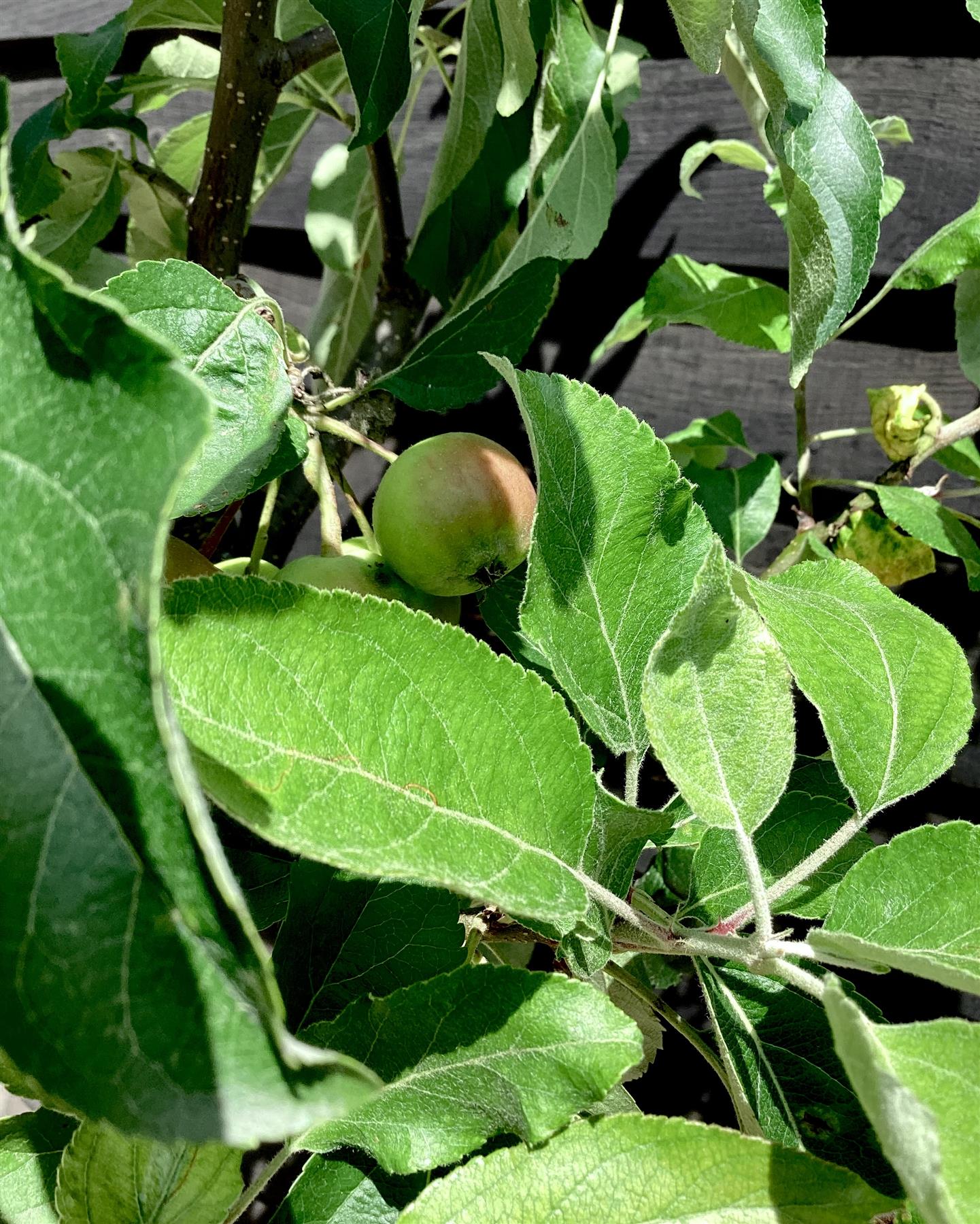
Apple tree 'Idared' | Malus domestica - 150-160cm - 10lt
£72.00
Unit price perApple tree 'Idared' | Malus domestica - 150-160cm - 10lt
£72.00
Unit price per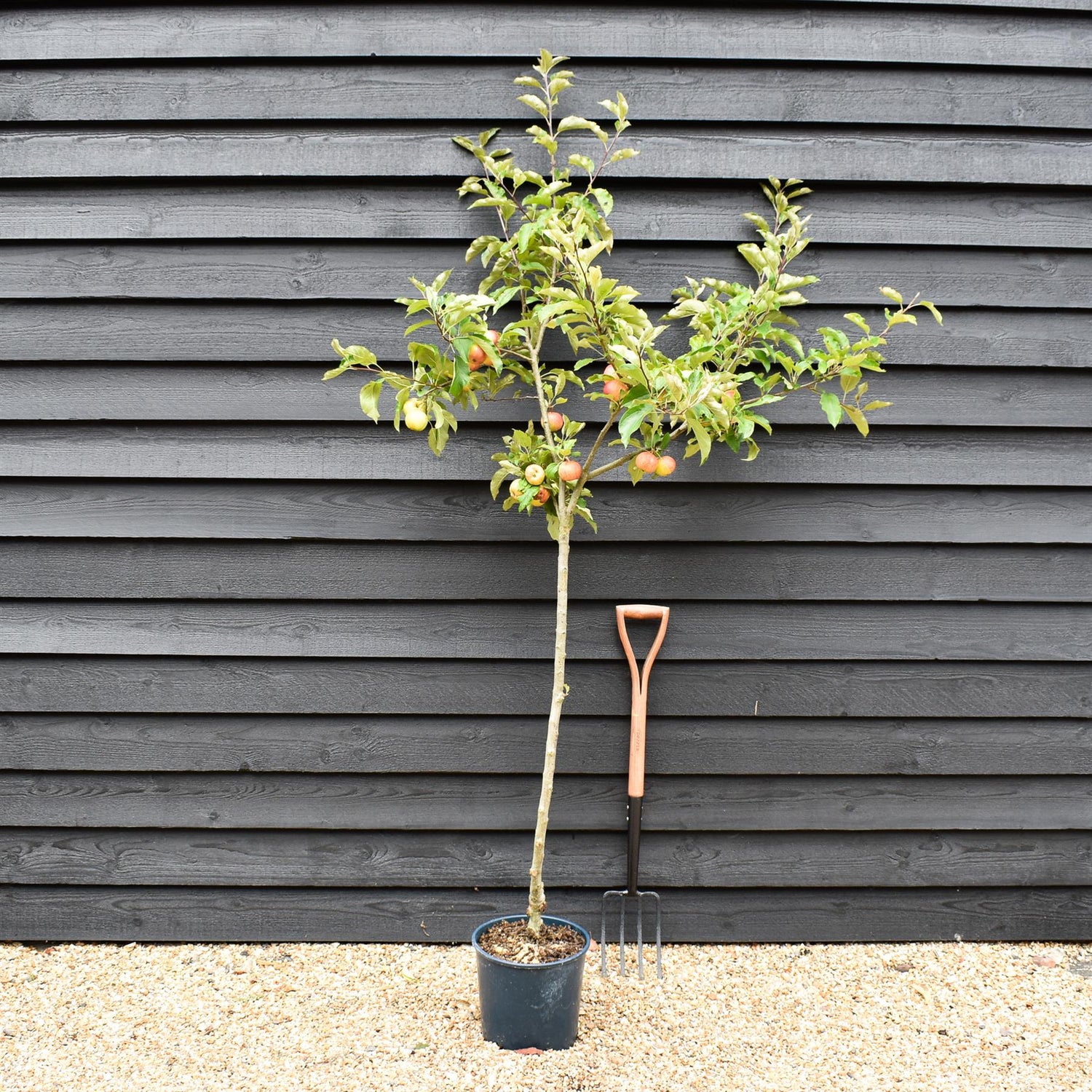


Apple tree 'Gala' | Malus Domestica - 150-180cm - 10lt
£72.00
Unit price perApple tree 'Gala' | Malus Domestica - 150-180cm - 10lt
£72.00
Unit price perMalus Domestica 'Gala' is a popular apple cultivar known for its crisp, juicy, and sweet flavor. The Gala apple was first developed in New Zealand in the 1930s and has since become one of the most widely cultivated apples in the world.
The fruit has a distinctive red and yellow skin with a creamy white flesh. It is typically medium to large in size and has a slightly conical shape. The skin of the Gala apple is thin and delicate, making it easy to bite into and chew. The flesh is firm and juicy, with a pleasant balance of sweetness and tartness.
Gala apples are versatile and can be used in a variety of ways. They are delicious eaten raw as a snack, but can also be used for cooking, baking, or juicing. Due to their sweetness and low acidity, they are particularly well-suited for making applesauce and apple juice.
The tree itself is moderately vigorous and bears fruit early in the season. It is known for its high yields and consistent fruit quality, making it a popular choice for commercial growers. The Gala apple is also a good choice for backyard orchards, as it is relatively easy to grow and maintain.
Overall, the Malus Domestica 'Gala' is a delicious and versatile apple cultivar that is enjoyed by apple lovers around the world.
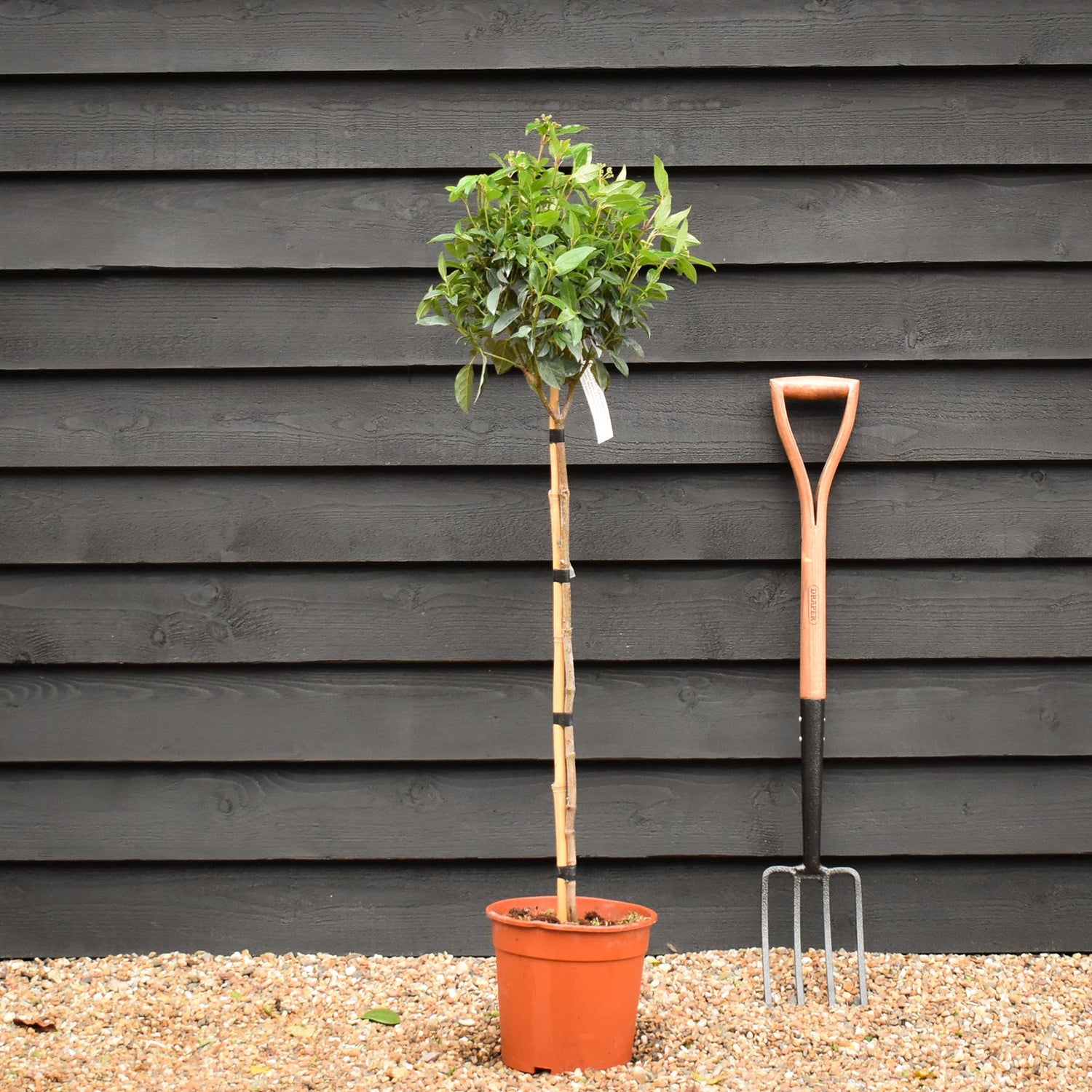
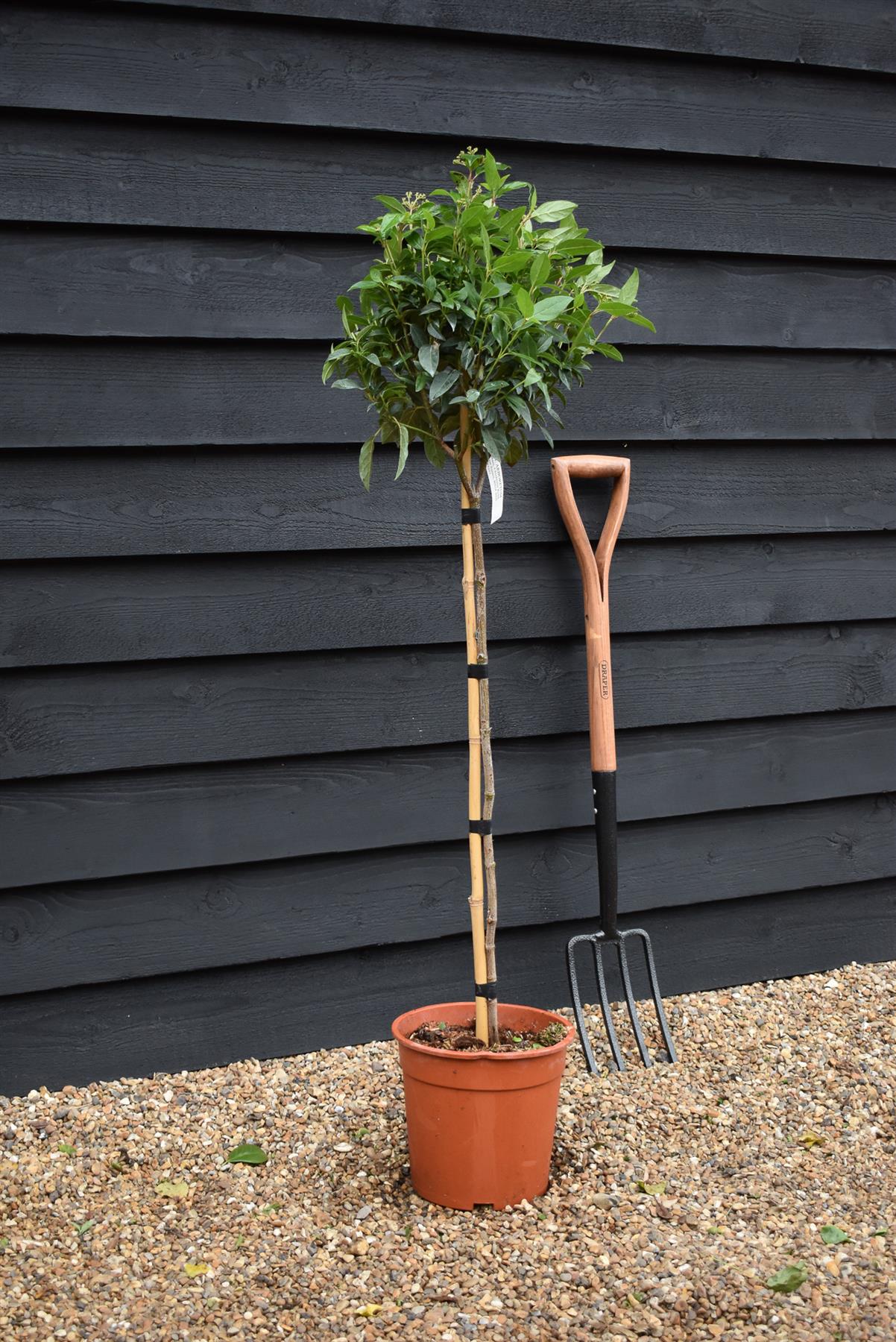
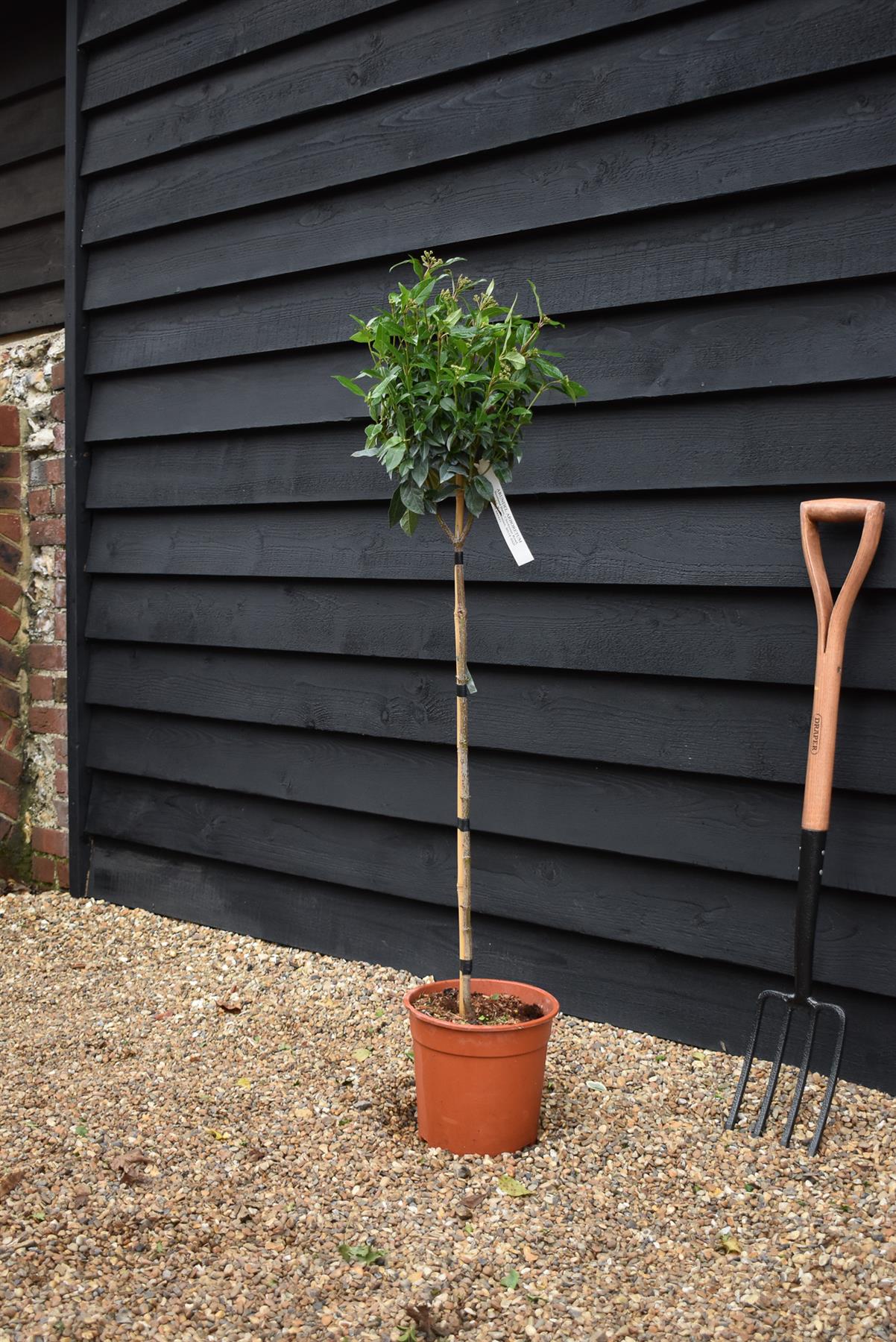
Viburnum tinus Spirit - Clear Stem 75cm - Height 110cm - 7lt
£72.00
Unit price perViburnum tinus Spirit - Clear Stem 75cm - Height 110cm - 7lt
£72.00
Unit price perViburnum tinus ‘Spirit’ is an evergreen shrub valued for its attractive year-round foliage and clusters of delicate flowers, making it a popular choice for UK gardens. This compact variety is especially appreciated for its hardiness and ability to thrive in a wide range of soils and light conditions, from full sun to partial shade. Reaching an average height and spread of about 1.5 to 2 metres, it’s well-suited for hedging, borders, or as a standalone feature in smaller garden spaces.
The foliage of Viburnum tinus ‘Spirit’ is lush, dense, and a rich dark green, providing an excellent backdrop for its flowers. The leaves are oval-shaped with a leathery texture, adding structure and depth to garden displays. Flowering from late autumn through to early spring, it produces rounded clusters of small, star-shaped flowers that open in pale pink buds and gradually transition to a bright, creamy white. This long blooming period makes it especially valuable for providing colour and interest during the colder months when many other plants are dormant.
The flowers of Viburnum tinus ‘Spirit’ are followed by metallic blue-black berries, which ripen in spring and attract birds to the garden. These berries add an extra visual appeal and make the plant a good choice for wildlife-friendly gardens. The shrub is relatively low-maintenance, requiring only occasional pruning to maintain shape, and it’s resistant to most pests and diseases. Additionally, Viburnum tinus ‘Spirit’ is tolerant of coastal conditions, making it a resilient option for seaside gardens.
Overall, Viburnum tinus ‘Spirit’ is a versatile, robust, and decorative shrub that brings a mix of evergreen foliage, seasonal flowers, and attractive berries to any garden, ensuring year-round interest with minimal effort.
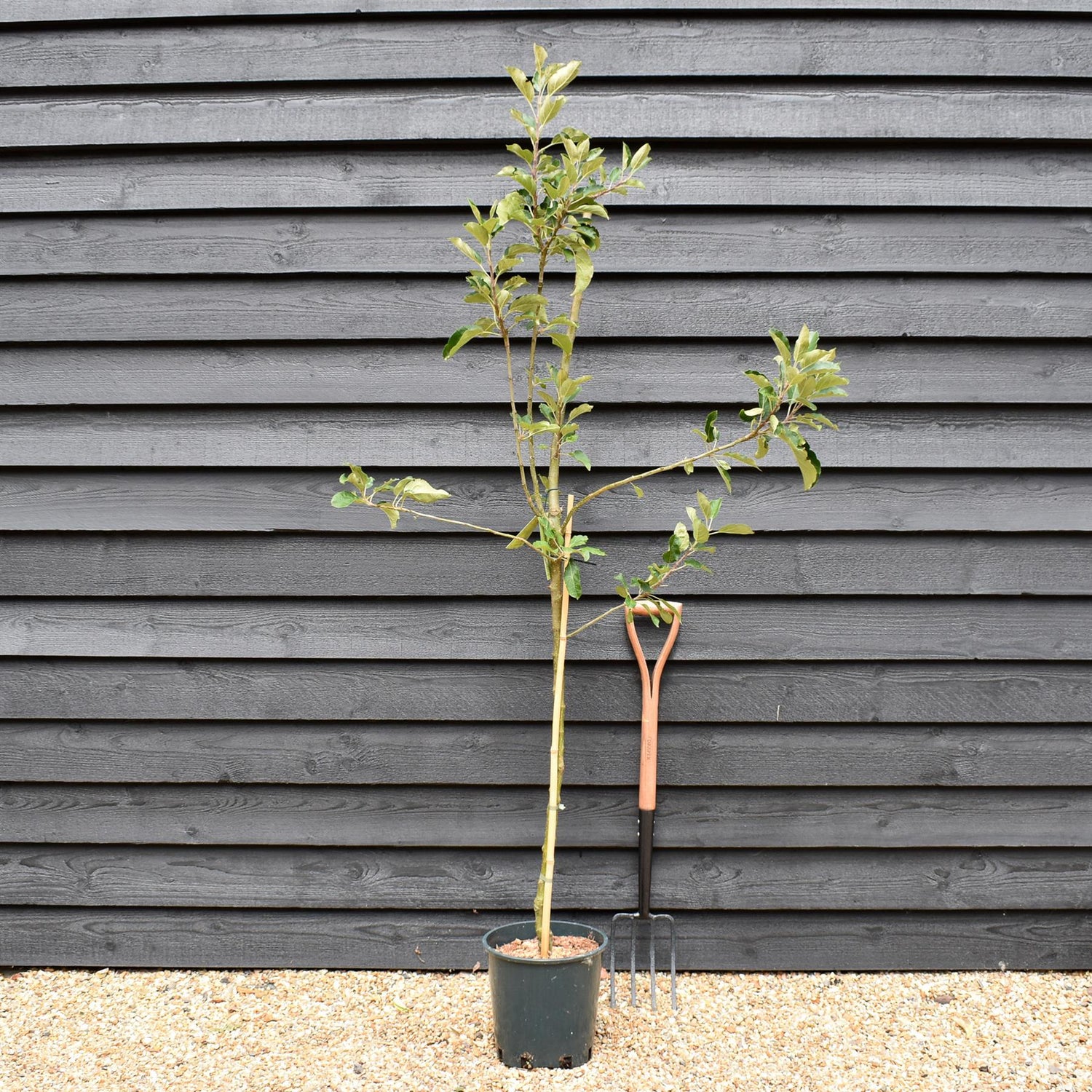


Apple tree 'Scrumptious' | Malus domestica - MM106 - Semi-Dwarfing - 150-160cm - 10lt
£72.00
Unit price perApple tree 'Scrumptious' | Malus domestica - MM106 - Semi-Dwarfing - 150-160cm - 10lt
£72.00
Unit price perMalus domestica 'Scrumptious' is an early-fruiting, dessert apple tree with ovate, dark green leaves and pale pink flowers blooming in spring. Flowers are followed by heavy crops of large, sweet, crisp, and aromatic apples with thin, red skin and tasty, white flesh, ready for harvesting in early autumn, usually September. Malus domestica 'Scrumptious' grows best in moderately fertile, moist, well-drained soils in full sun, but can adapt to a wide range of soils as long as they are well-drained. It can tolerate partial shade but the best cropping occurs if grown in full sun. It can withstand frost and, therefore, suitable for colder areas. Fairly resistant to pests and diseases. It is self-fertile and a good pollinator to other varieties. May require pruning and fruit thinning for better crops. Apple 'Scrumptious' is a modern English dessert apple, a cross between the Golden Delicious and the Discovery. Great option for small informal and cottage gardens and for growing in containers.
Root stock MM106 is a semi-dwarfing rootstock commonly used for apple trees. It offers a moderate growth rate, producing trees 10-15 feet tall when mature. Suitable for medium-sized gardens, MM106 ensures good fruit yield and adaptability to various soils. It's resistant to woolly apple aphid and moderately resistant to crown rot. Ideal for bush, cordons, and espalier forms. Ensure proper staking in early years.
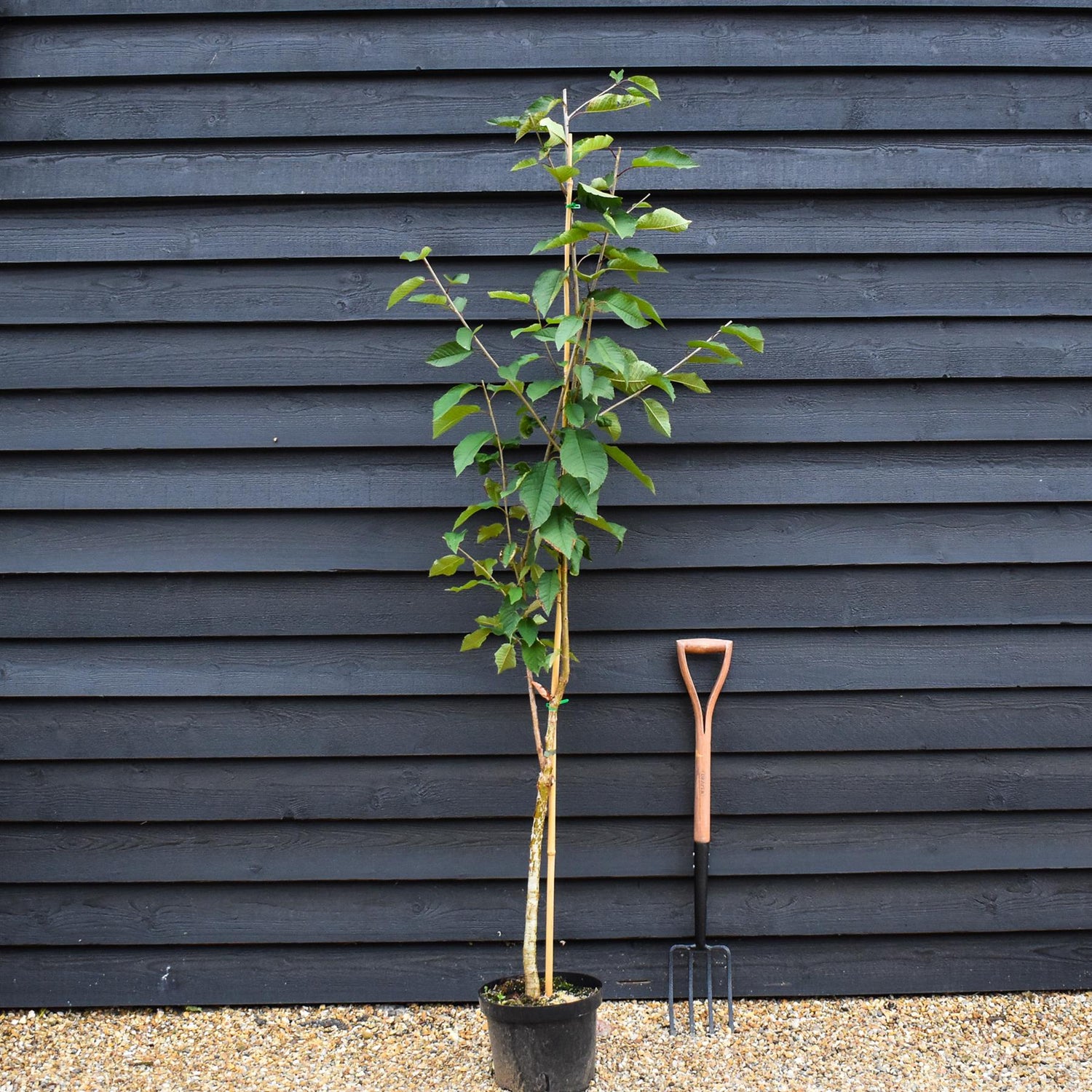
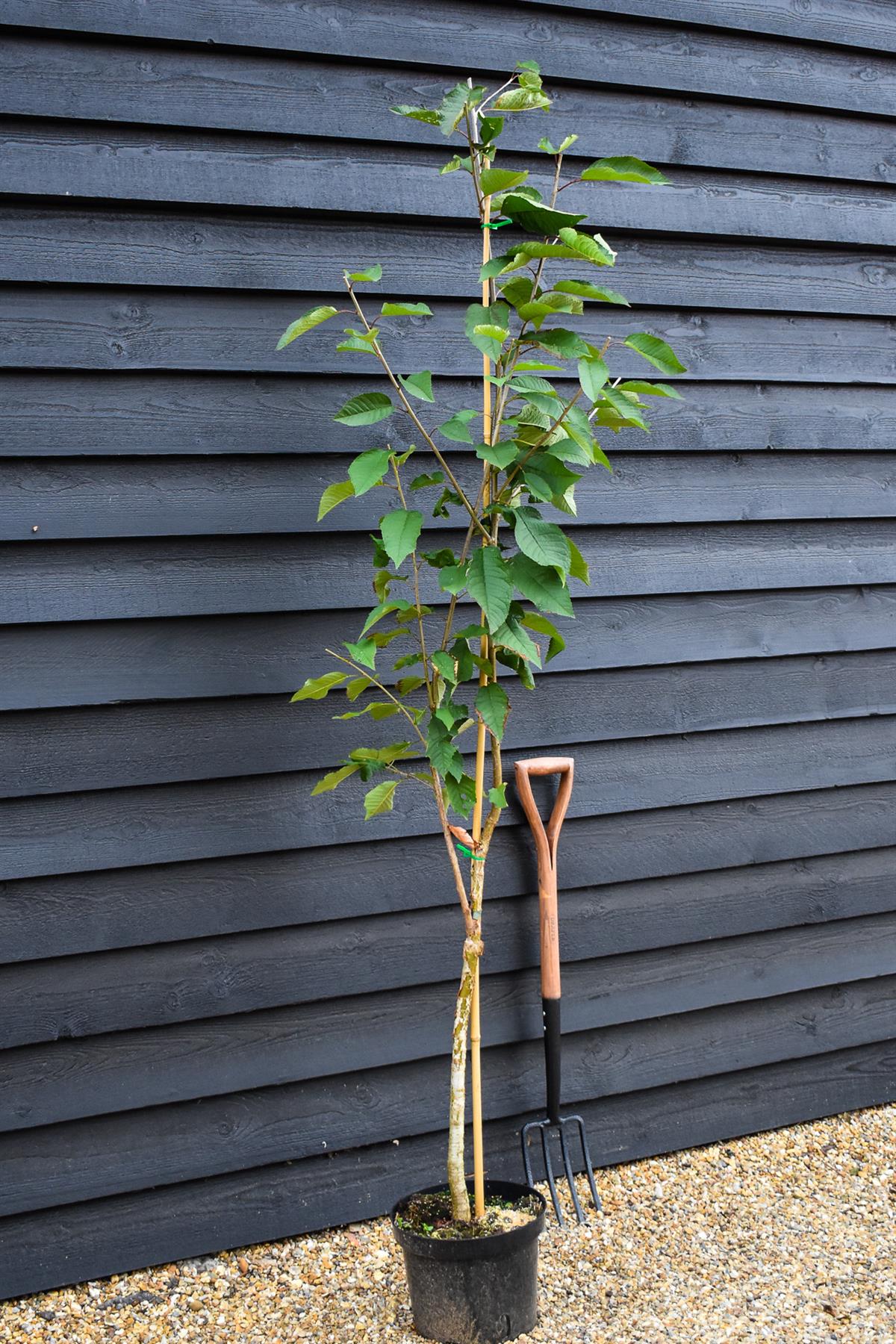
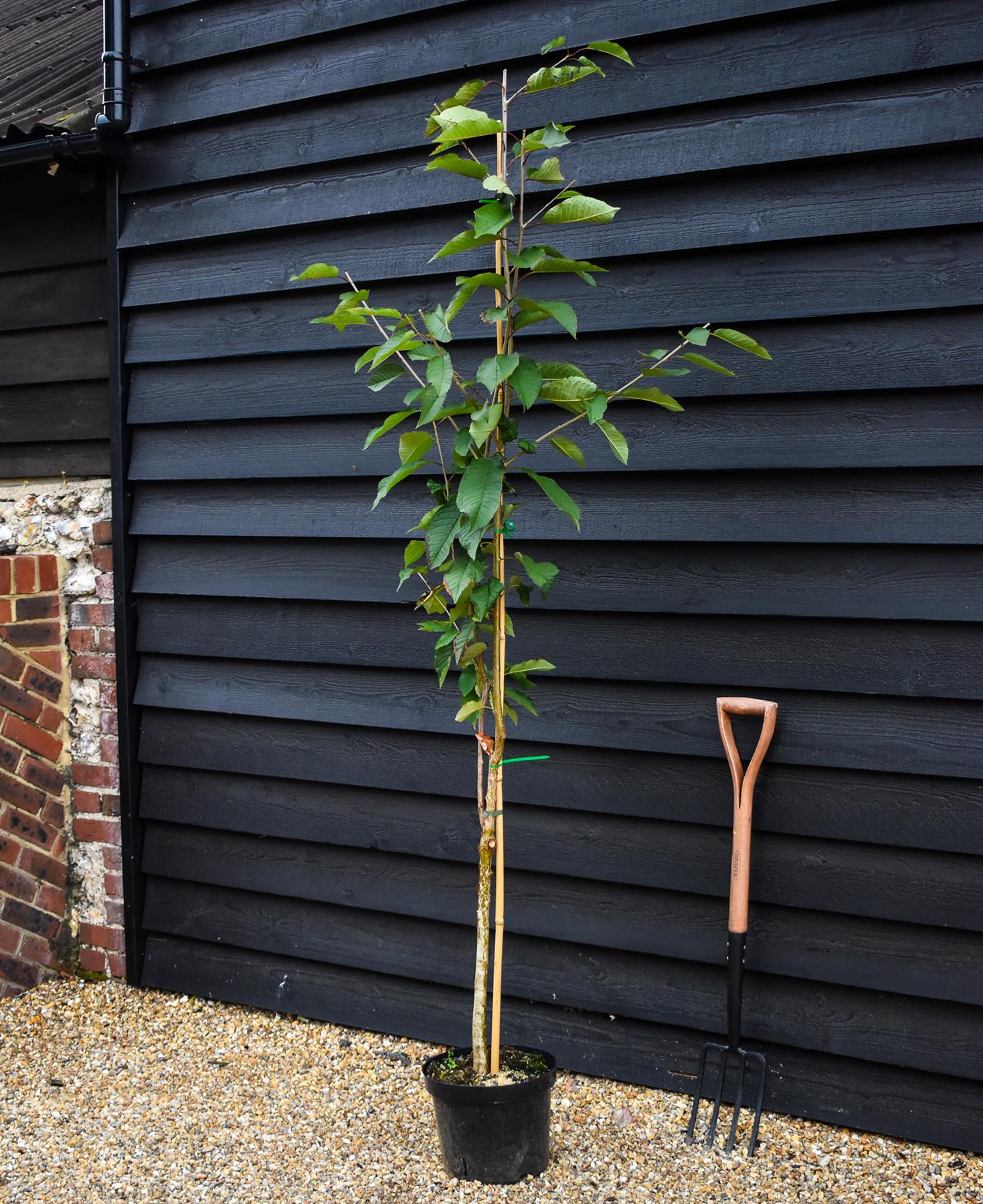
Wild cherry | Prunus avium 3-4yr - Height 160-180cm - 10lt
£72.00
Unit price perWild cherry | Prunus avium 3-4yr - Height 160-180cm - 10lt
£72.00
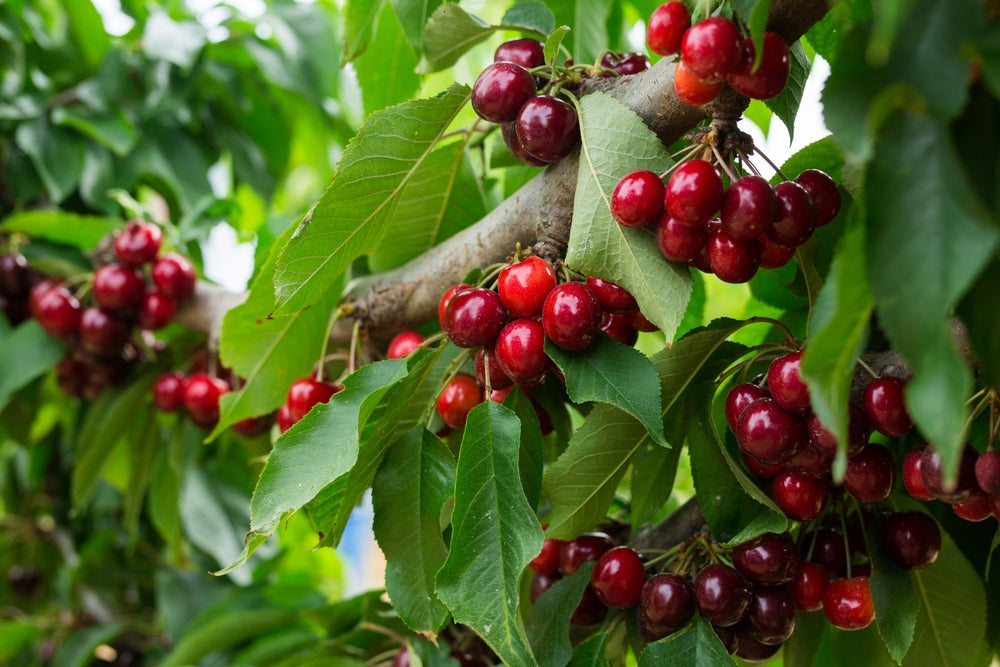
Unit price perPrunus avium, or Wild Cherry, is a medium-sized deciduous cherry tree, with brown bark, silvery when mature, and serrated, dark green leaves, yellow and orange in autumn. The clusters of pure white flowers bloom in late spring and are followed by small, glossy, red-purple cherries, edible but a bit bitter, ready for harvesting in summer or autumn. Attractive to bees and birds. Toxic for pets.
Wild Cherry thrives in average, medium moisture, well-drained soils, in full sun. It can adapt to a wide range of soils, but doesn’t tolerate too wet soils, therefore, good drainage is essential. It can withstand frost, but needs to be sheltered from harsh winds. Late frosts may damage the flower buds. Needs periodic chemical spraying. Low maintenance plant.
Prunus avium is a nice ornamental tree for large informal, cottage and wildlife gardens, great for beds and borders and wall-side borders.


Ligustrum lucidum Variegatum - Bush - Height 60-70cm - 7.5lt
£72.00
Unit price perLigustrum lucidum Variegatum - Bush - Height 60-70cm - 7.5lt
£72.00
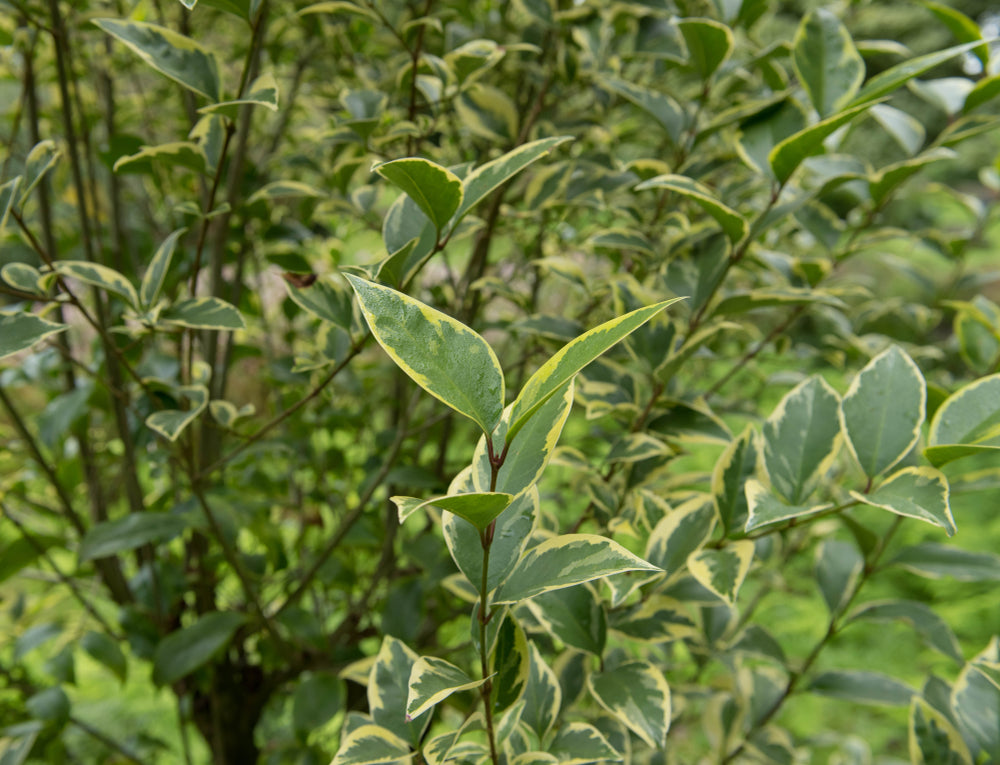
Unit price perLigustrum lucidum 'Variegatum' Standard, at approximately 300cm tall, is an ideal choice for gardens needing elegant structure and effective screening. This evergreen tree features a dense, rounded crown elevated on a clear stem, creating a formal, lollipop-shaped standard that brings height and architectural interest to the landscape. The variegated foliage—glossy green leaves edged in creamy white—adds year-round brightness and contrast, making it visually appealing in all seasons.
Well-suited to urban and suburban gardens, this Ligustrum tolerates pollution, pruning, and a variety of soil types, provided they are well-drained. It thrives in full sun to partial shade and is relatively low-maintenance once established. In summer, it produces small, fragrant white flowers that attract pollinators, followed by dark berries which add further seasonal interest.
Its dense canopy makes it excellent for privacy screening, windbreaks, or as a focal point in formal garden designs. Whether used in rows along boundaries or as standalone specimens in courtyards and patios, Ligustrum lucidum 'Variegatum' Standard trees provide reliable structure, year-round color, and an elegant solution for screening and ornamental planting.


Sweet Chestnut | Castanea sativa - Multistem - Height 150-200cm - 12lt
£72.00
Unit price perSweet Chestnut | Castanea sativa - Multistem - Height 150-200cm - 12lt
£72.00
Unit price perCastanea sativa, commonly known as the sweet chestnut tree, is a majestic and long-lived species native to Europe and parts of Asia Minor. Belonging to the Fagaceae family, it stands as a symbol of strength and resilience in many cultures, with its towering stature and deeply furrowed bark.
The leaves of Castanea sativa are distinctively long and lance-shaped, with serrated edges that give them a rough texture. During the spring and summer, the canopy is adorned with clusters of creamy-white flowers, which give way to spiky green husks containing the prized sweet chestnuts in autumn.
Sweet chestnuts, often referred to simply as "chestnuts," have been a staple food source for centuries, cherished for their rich, nutty flavor and versatile culinary applications. Whether roasted over an open fire, boiled and mashed into a creamy puree, or incorporated into hearty stews and stuffing recipes, chestnuts are celebrated in both sweet and savory dishes throughout the UK.
Beyond their culinary significance, sweet chestnut trees play a vital ecological role, providing habitat and sustenance for a diverse array of wildlife. Birds, such as blue tits and nuthatches, feast on the tree's seeds, while small mammals like squirrels rely on them as a seasonal food source.
Despite their resilience, sweet chestnut trees face threats from various pests and diseases, including chestnut blight and ink disease, which have impacted populations in some regions. Conservation efforts aim to preserve these iconic trees and their valuable genetic diversity for future generations to enjoy.
Showing 72/725
Related blog posts


