

-
Trees
Trees
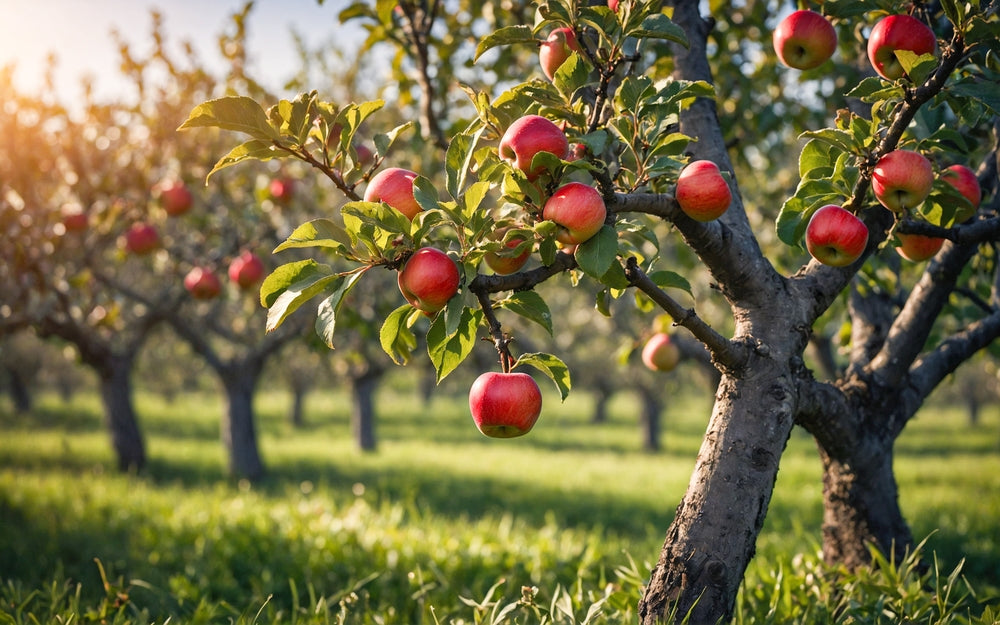 Fruit Trees
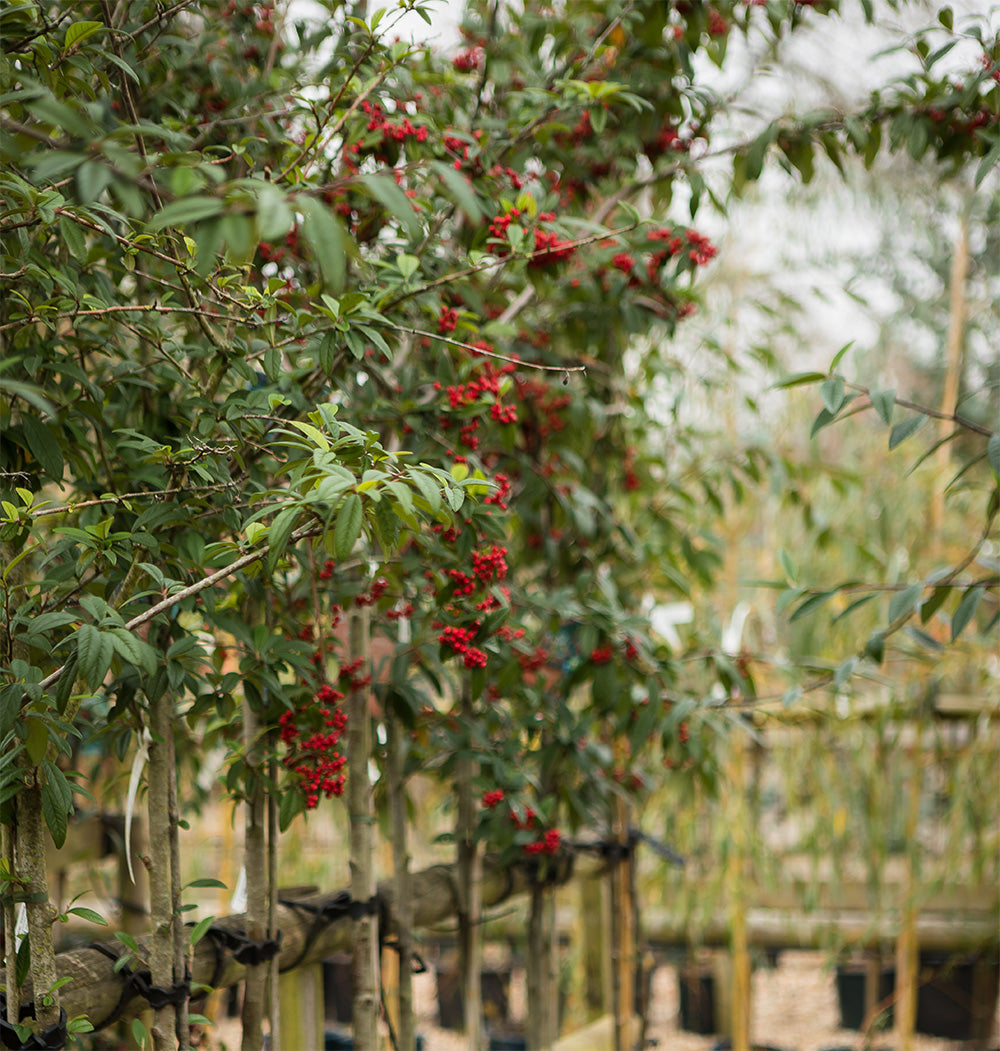 Ornamental
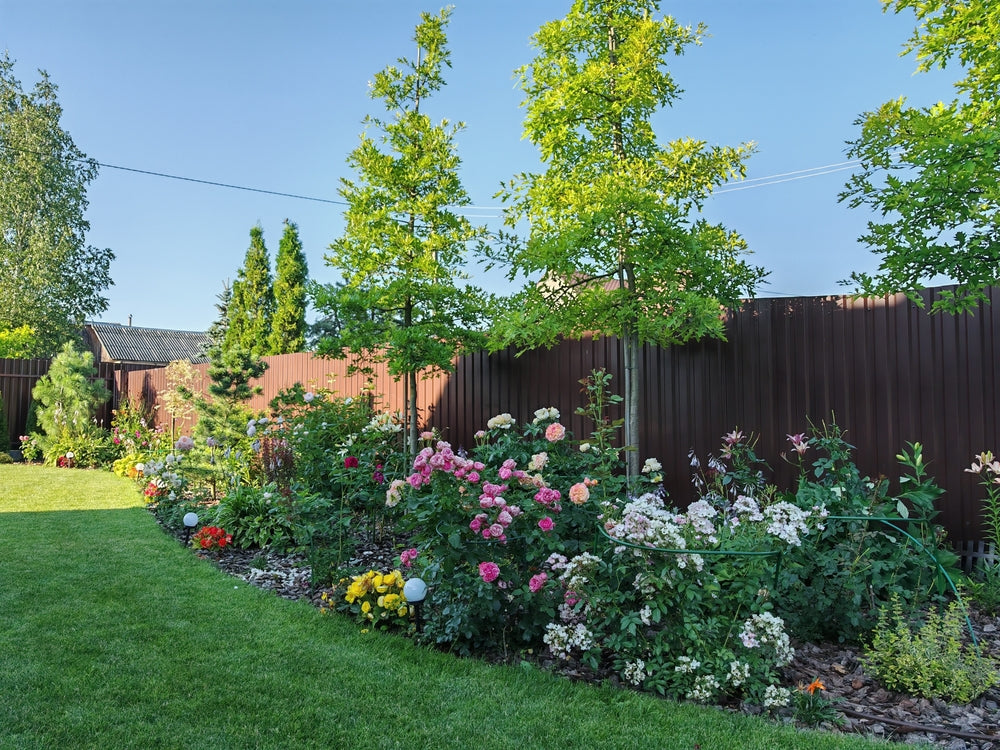 Screening
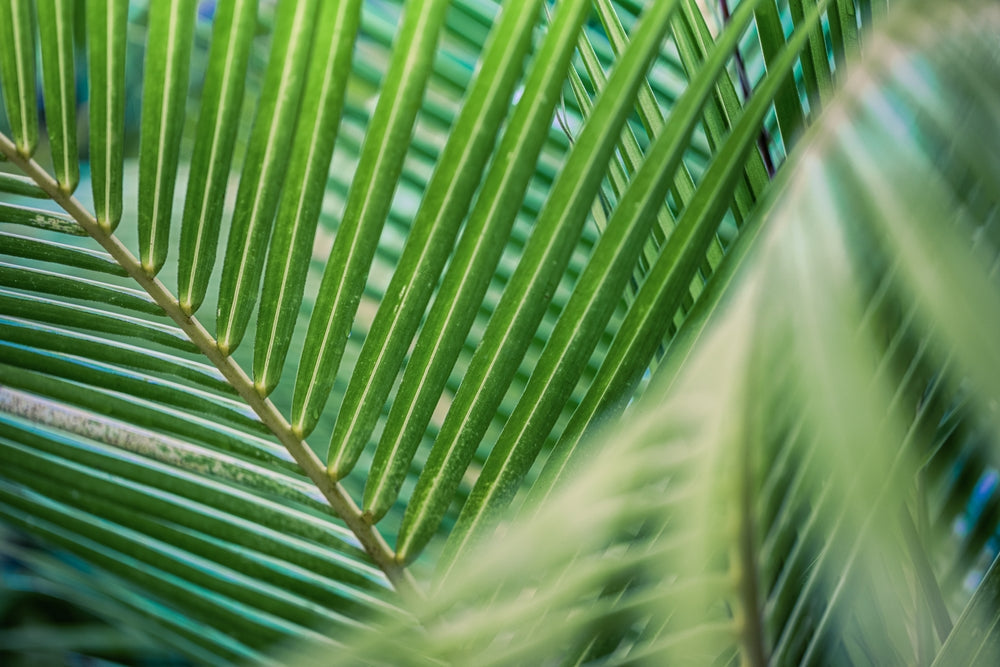 Palms
By FeaturesBy Shape
Palms
By FeaturesBy Shape -
Shrubs
Shrubs
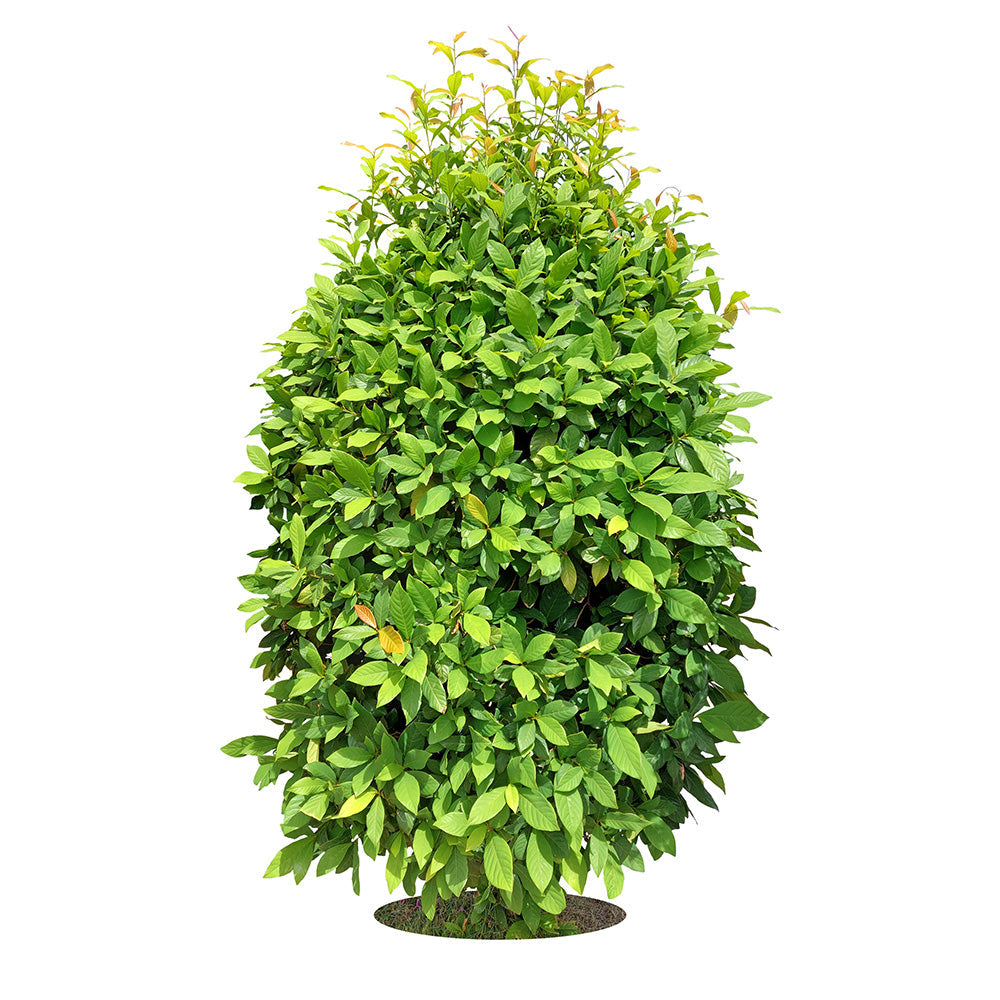 Large shrubs
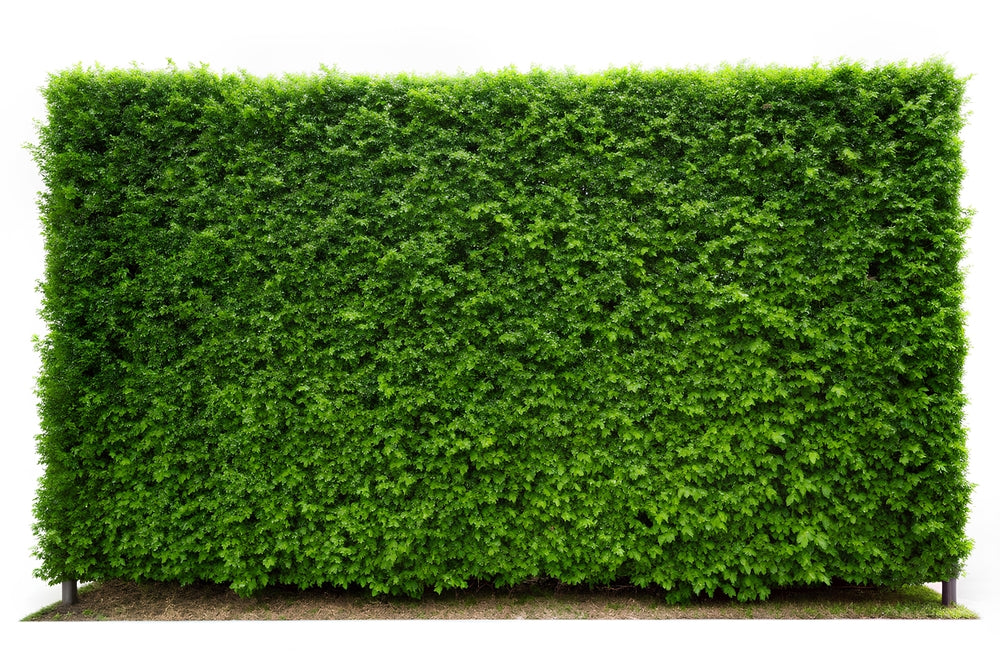 Hedging
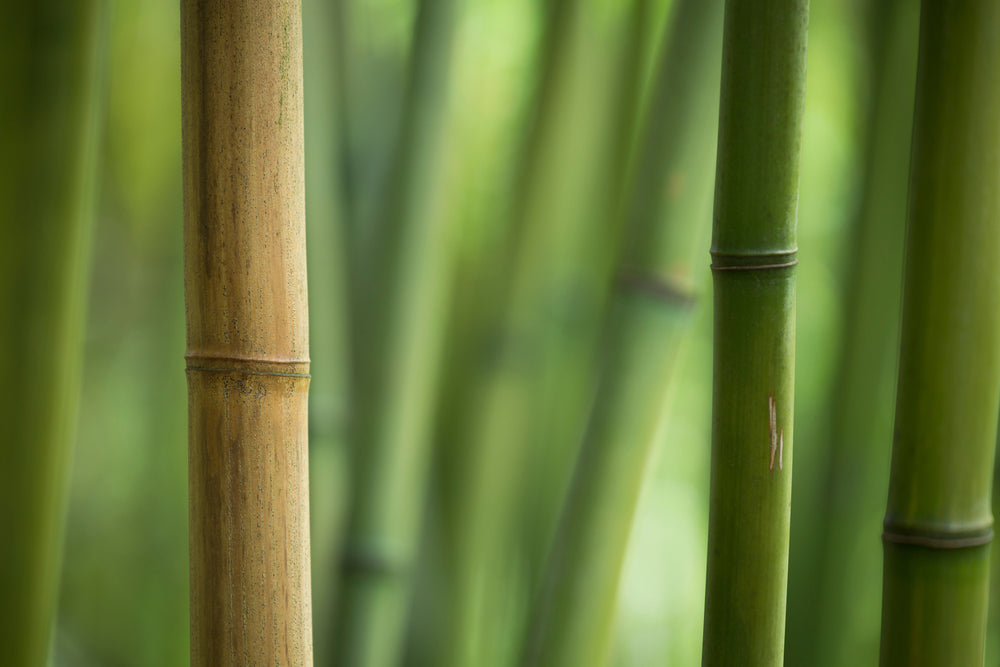 Bamboo
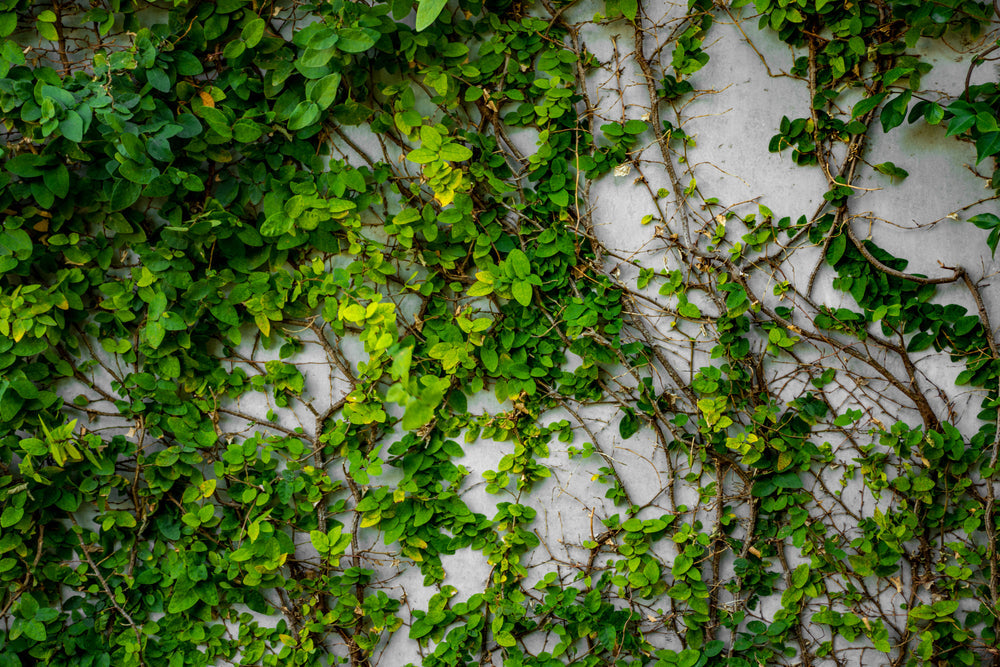 Climbers
 Flowering
 Grasses & Ferns
 Popular
-
Pines & Conifers
Pines & Conifers
 Pines
Pines
 Spruce & Fir
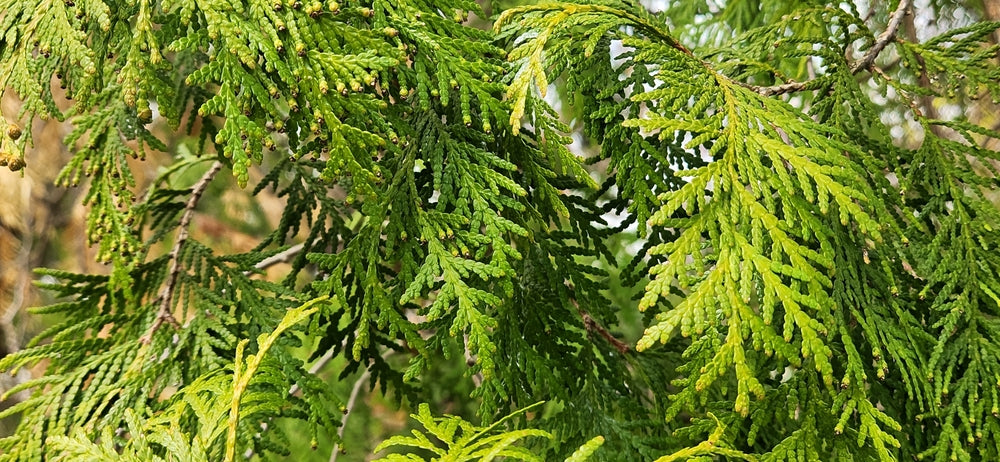 Cypress
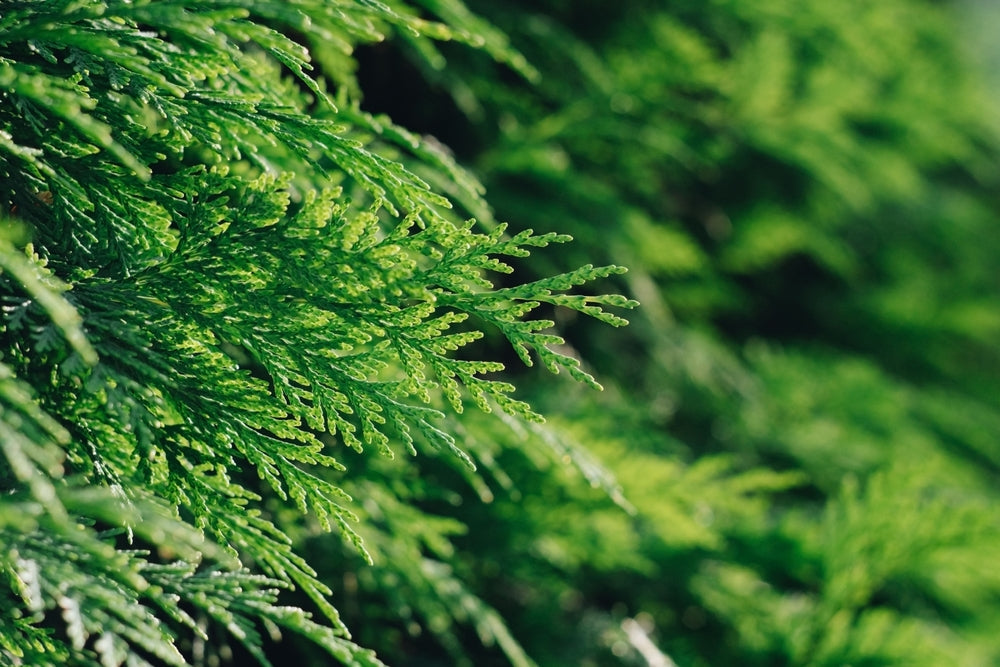 Thuja
Thuja
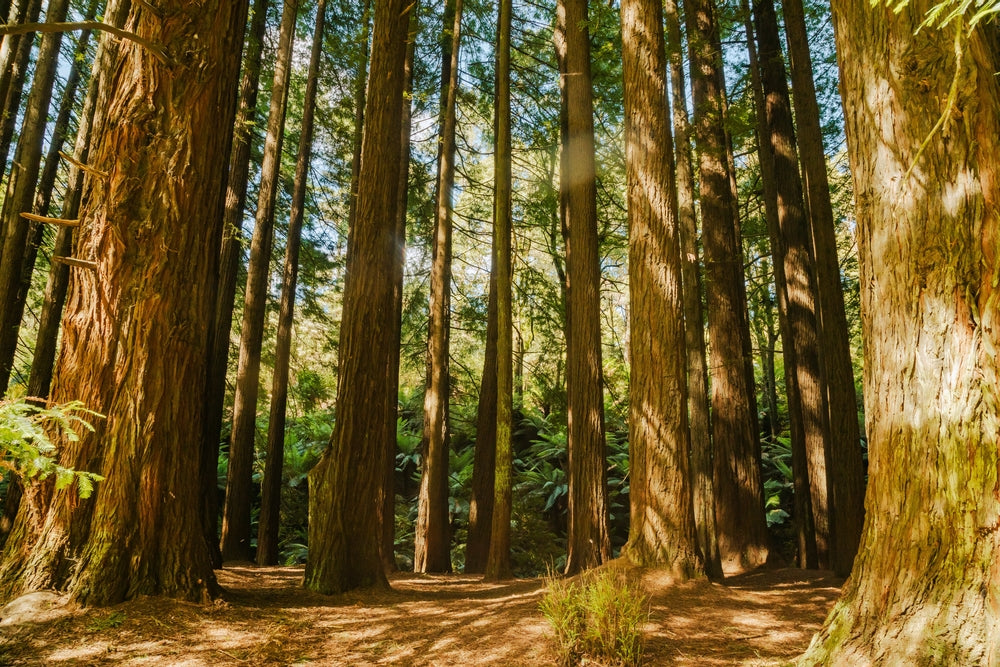 Redwood | Sequoia
-
Specimen
FREE DELIVERY OVER £350
2045 products
2045 products
Sort by:


Amelanchier canadensis | Juneberry - Clear Stem - Height 220-250cm - Girth 6-8cm - 40lt
£295.00
Unit price perAmelanchier canadensis | Juneberry - Clear Stem - Height 220-250cm - Girth 6-8cm - 40lt
£295.00
Unit price per


Sweet Chestnut | Castanea sativa - Height 250-300cm - Girth 10-12cm - 45lt
£255.00
Unit price perSweet Chestnut | Castanea sativa - Height 250-300cm - Girth 10-12cm - 45lt
£255.00
Unit price perCastanea sativa, commonly known as the Sweet Chestnut tree, is a majestic and long-lived species native to Europe and parts of Asia Minor. Belonging to the Fagaceae family, it stands as a symbol of strength and resilience in many cultures, with its towering stature and deeply furrowed bark.
The leaves of Castanea sativa are distinctively long and lance-shaped, with serrated edges that give them a rough texture. During the spring and summer, the canopy is adorned with clusters of creamy-white flowers, which give way to spiky green husks containing the prized sweet chestnuts in autumn.
Sweet chestnuts, often referred to simply as "chestnuts," have been a staple food source for centuries, cherished for their rich, nutty flavor and versatile culinary applications. Whether roasted over an open fire, boiled and mashed into a creamy puree, or incorporated into hearty stews and stuffing recipes, chestnuts are celebrated in both sweet and savory dishes throughout the UK.
Beyond their culinary significance, sweet chestnut trees play a vital ecological role, providing habitat and sustenance for a diverse array of wildlife. Birds, such as blue tits and nuthatches, feast on the tree's seeds, while small mammals like squirrels rely on them as a seasonal food source.
Despite their resilience, sweet chestnut trees face threats from various pests and diseases, including chestnut blight and ink disease, which have impacted populations in some regions. Conservation efforts aim to preserve these iconic trees and their valuable genetic diversity for future generations to enjoy.


European hop-hornbeam | Ostrya carpinifolia - Height 350-380cm - Girth 8-10cm - 45lt
£295.00
Unit price perEuropean hop-hornbeam | Ostrya carpinifolia - Height 350-380cm - Girth 8-10cm - 45lt
£295.00
Unit price perOstrya carpinifolia, commonly known as the European hop-hornbeam, is a graceful, medium-sized deciduous tree native to southern Europe and western Asia. It typically reaches a mature height of 15 to 20 meters with a spread of 10 to 15 meters. This elegant tree is valued for its attractive, serrated green leaves that turn yellow in autumn, and its distinctive hop-like fruit clusters that add seasonal interest. The bark is gray and becomes finely fissured with age, giving it a textured, ornamental appearance. Ostrya carpinifolia thrives in well-drained soils and sunny to partially shaded locations, making it a versatile choice for parks, large gardens, and naturalistic landscapes. It is also drought-tolerant once established and supports local wildlife.


Platanus hispanica | London plane - Height 170-200cm - Girth 6-8cm - 30lt
£125.00
Unit price perPlatanus hispanica | London plane - Height 170-200cm - Girth 6-8cm - 30lt
£125.00
Unit price perPlatanus Hispanica, commonly known as the London Plane tree, is a large deciduous tree that is highly valued for its ornamental qualities and tolerance to urban environments.
This tree can reach heights of up to 100 feet and has a spreading canopy that can be up to 70 feet wide, making it an excellent choice for providing shade in parks, gardens, and other public spaces. Its leaves are large, lobed, and glossy green, turning yellow in the fall before dropping.
Platanus Hispanica is highly tolerant of pollution, drought, and heat, making it an ideal choice for urban areas where other trees may struggle to survive. It is also resistant to disease and pests, which means it requires minimal maintenance.
At the tree nursery, we offer Platanus Hispanica in a range of sizes, from saplings to mature specimens. Our trees are carefully selected and grown to ensure they are healthy and ready to thrive in any environment. With its striking appearance and hardiness, Platanus Hispanica is an excellent choice for any landscape project.
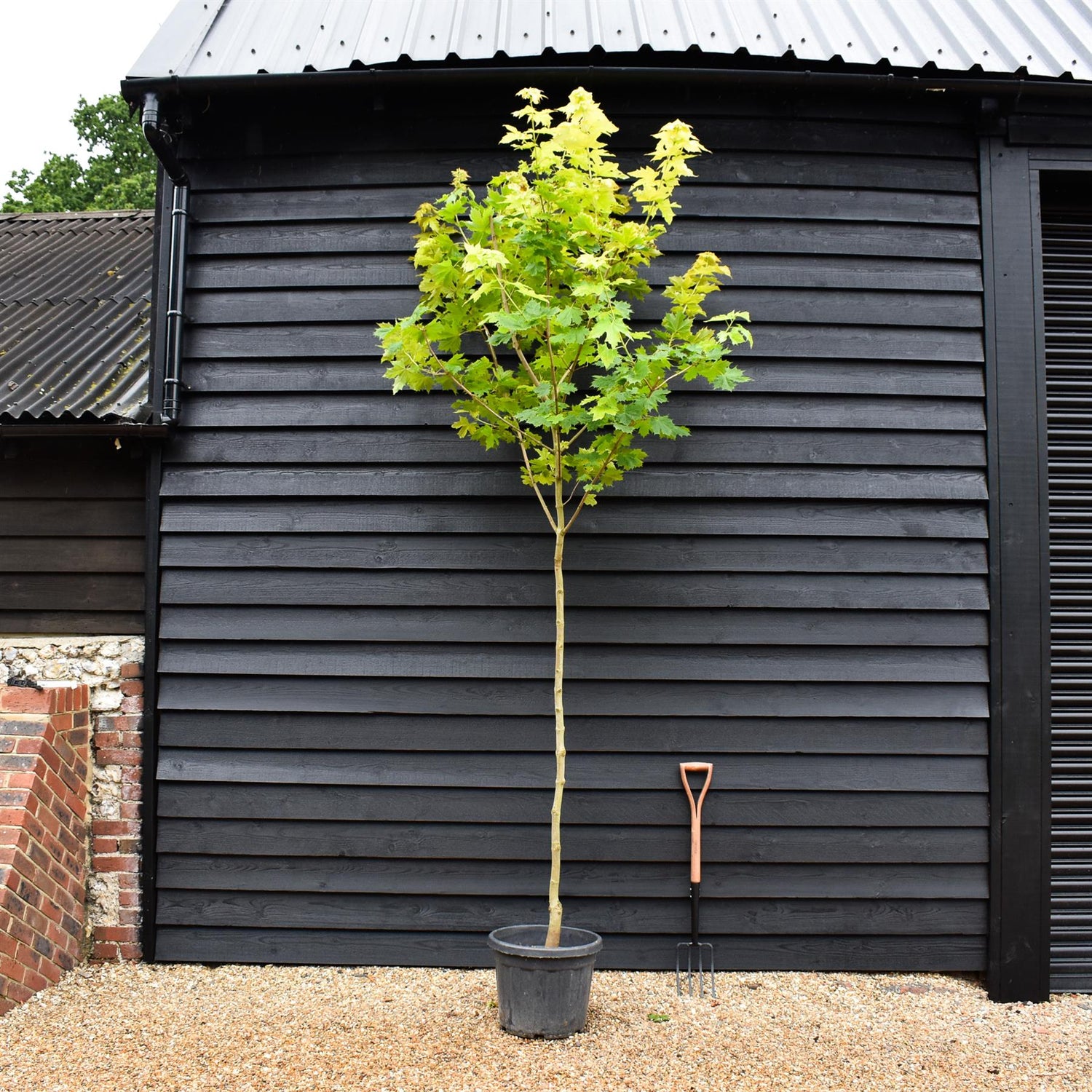


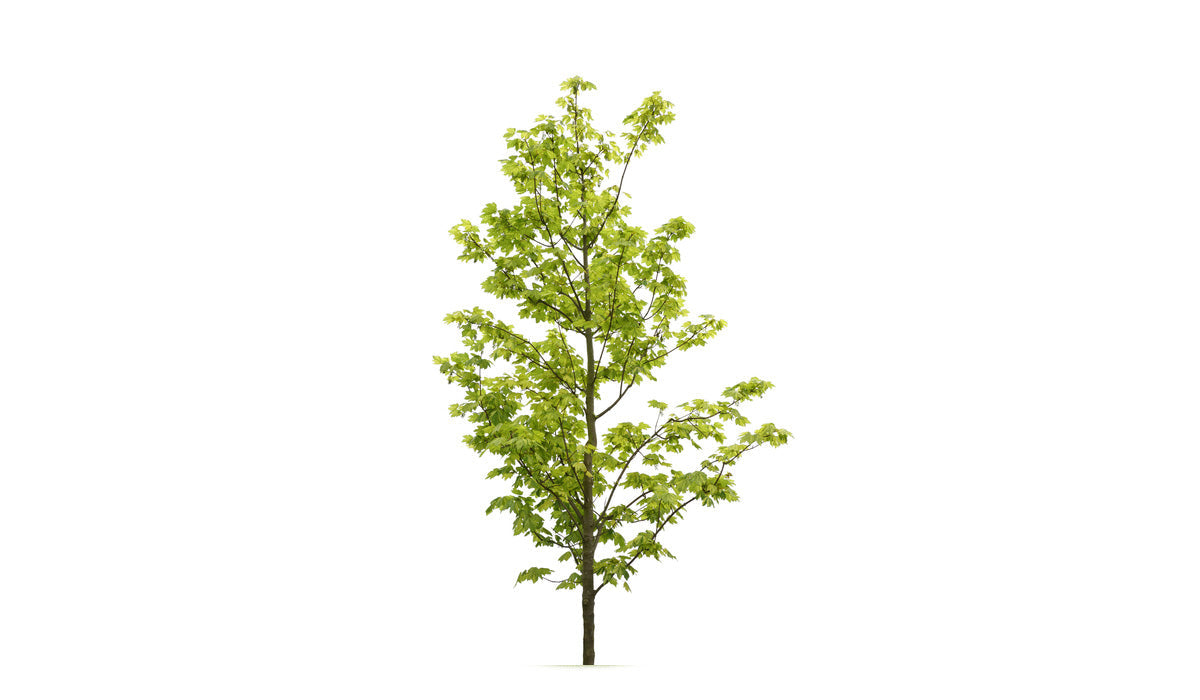
Gold Maple | Acer platanoides 'Princeton Gold' - Clear Stem - Height 300-350cm - Girth 8-10cm - 40lt
£190.00
Unit price perGold Maple | Acer platanoides 'Princeton Gold' - Clear Stem - Height 300-350cm - Girth 8-10cm - 40lt
£190.00
Unit price per


River Birch 'Heritage' | Black Birch Cully | Betula Nigra - Height - 500-550cm - Girth 8-10cm - 45lt
£340.00
Unit price perRiver Birch 'Heritage' | Black Birch Cully | Betula Nigra - Height - 500-550cm - Girth 8-10cm - 45lt
£340.00
Unit price perThe Betula nigra ‘Heritage’, commonly known as the Heritage River Birch or Black Birch, is a deciduous tree native to the eastern United States. It is celebrated for its distinctive, attractive bark and robust nature, making it a popular choice for ornamental planting in the UK.
The Heritage River Birch can grow to a height of 21 metres, with a spread of 9 to 12 metres. It has a rounded to pyramidal shape when young, maturing into an irregular oval or rounded form. The leaves are simple, ovate, and serrated, displaying a vibrant green colour during the growing season, which turns a striking yellow in autumn.
One of the most notable features of the Betula nigra ‘Heritage’ is its exfoliating bark. The bark peels away in layers, revealing a patchwork of colours ranging from creamy white and pinkish-tan to reddish-brown, providing year-round visual interest. This characteristic bark makes the tree particularly attractive in winter landscapes when foliage is absent.
This cultivar is highly tolerant of various soil conditions, including wet soils, which makes it ideal for planting near water bodies or in poorly drained areas.
Betula nigra ‘Heritage’ prefers full sun to partial shade. The tree is relatively low maintenance, requiring minimal pruning and care once established. Its resilience, ornamental bark, and attractive foliage make it a desirable choice for gardens, parks, and urban landscapes.


Amelanchier laevis 'Ballerina' | Serviceberry - Clear Stem - Height 220-250cm - Girth 6-8cm - 30lt
£235.00
Unit price perAmelanchier laevis 'Ballerina' | Serviceberry - Clear Stem - Height 220-250cm - Girth 6-8cm - 30lt
£235.00
Unit price per


Japanese Maple | Acer palmatum 'Bloodgood' - Bushy - Height 180-200cm - 90lt
£975.00
Unit price perJapanese Maple | Acer palmatum 'Bloodgood' - Bushy - Height 180-200cm - 90lt
£975.00
Unit price per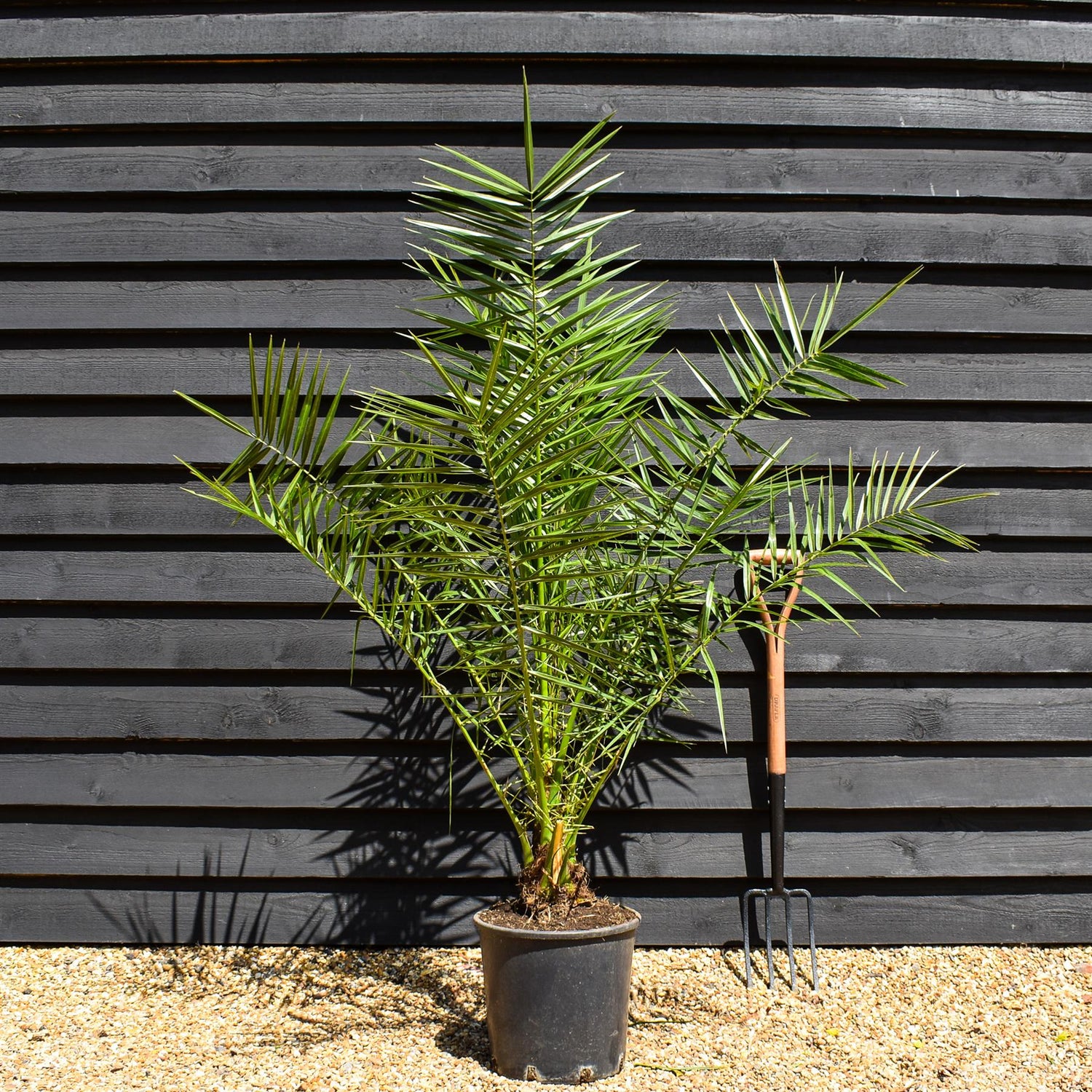


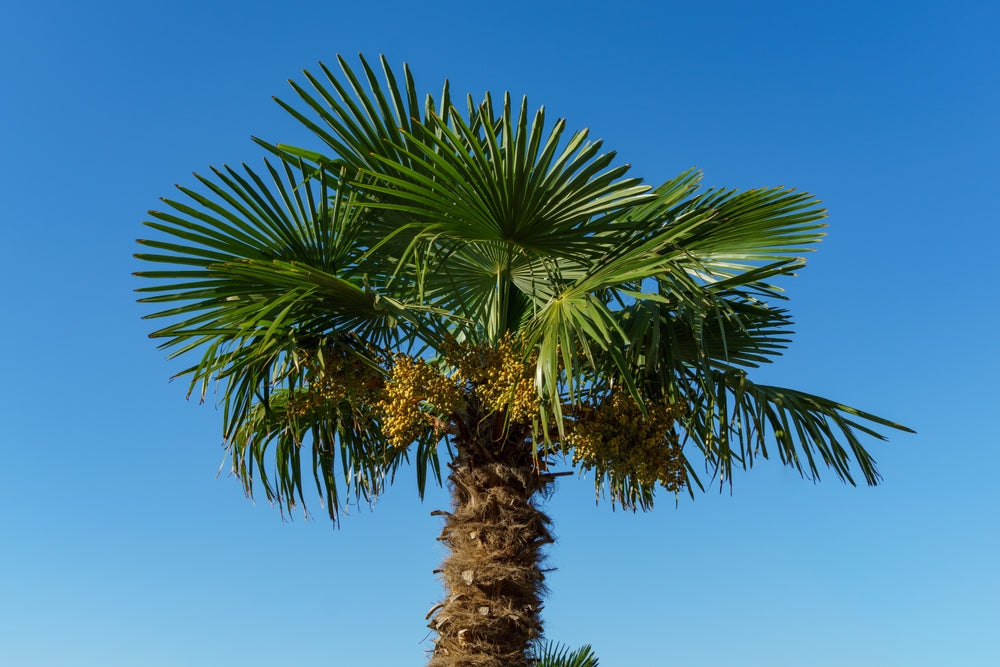
Canary Island Date Palm | Phoenix canariensis - Height 150-170cm - 30lt
£110.00
Unit price perCanary Island Date Palm | Phoenix canariensis - Height 150-170cm - 30lt
£110.00
Unit price perPhoenix canariensis, or Canary Island Date Palm, slow-growing, stunning evergreen palm tree with a massive, thick, columnar, grey-brown trunk with diamond-shaped leaf bases and rounded crown with elegant, arching, feathery, pinnately-divided leaves. Dense clusters of creamy-yellow flowers bloom in summer, and are followed by reddish-yellow, date-like, not very tasteful fruits on female trees.
Canary Island Date Palm thrives in fertile, loamy, medium moisture, well-drained soils in full sun. It can tolerate light shade. It can withstand some winter cold but prefers warm climates. It is resistant of heat, drought and salt, therefore, perfect for coastal areas. Generally, pest-free and disease-free. Low maintenance plant, doesn’t require regular pruning.
Phoenix canariensis is a majestic and very popular palm tree, perfect as a specimen or accent plant in coastal and Mediterranean gardens. Great as a street tree, planted along streets and in parks. Very adaptable to growing in containers. In colder climates, it has to be brought inside.
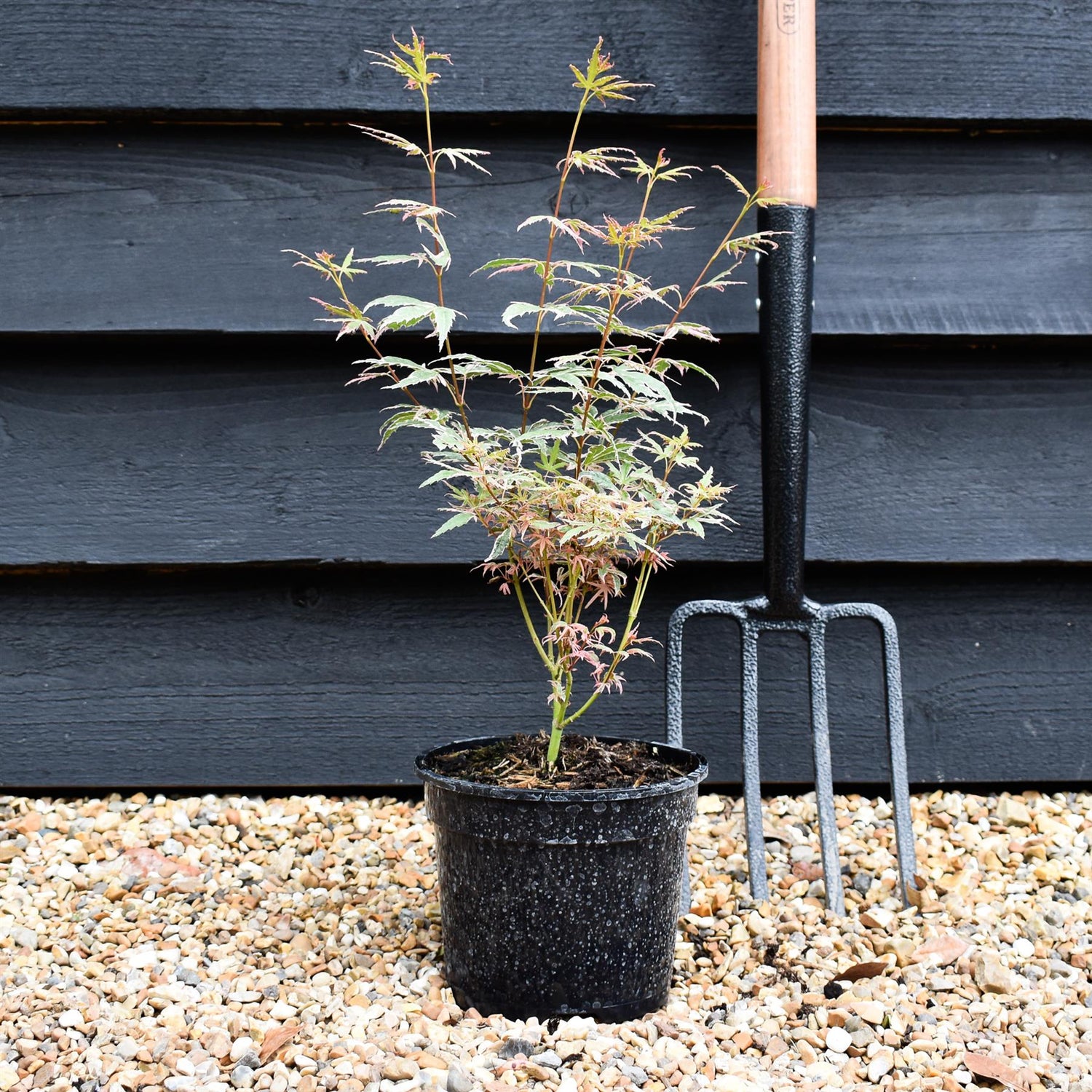
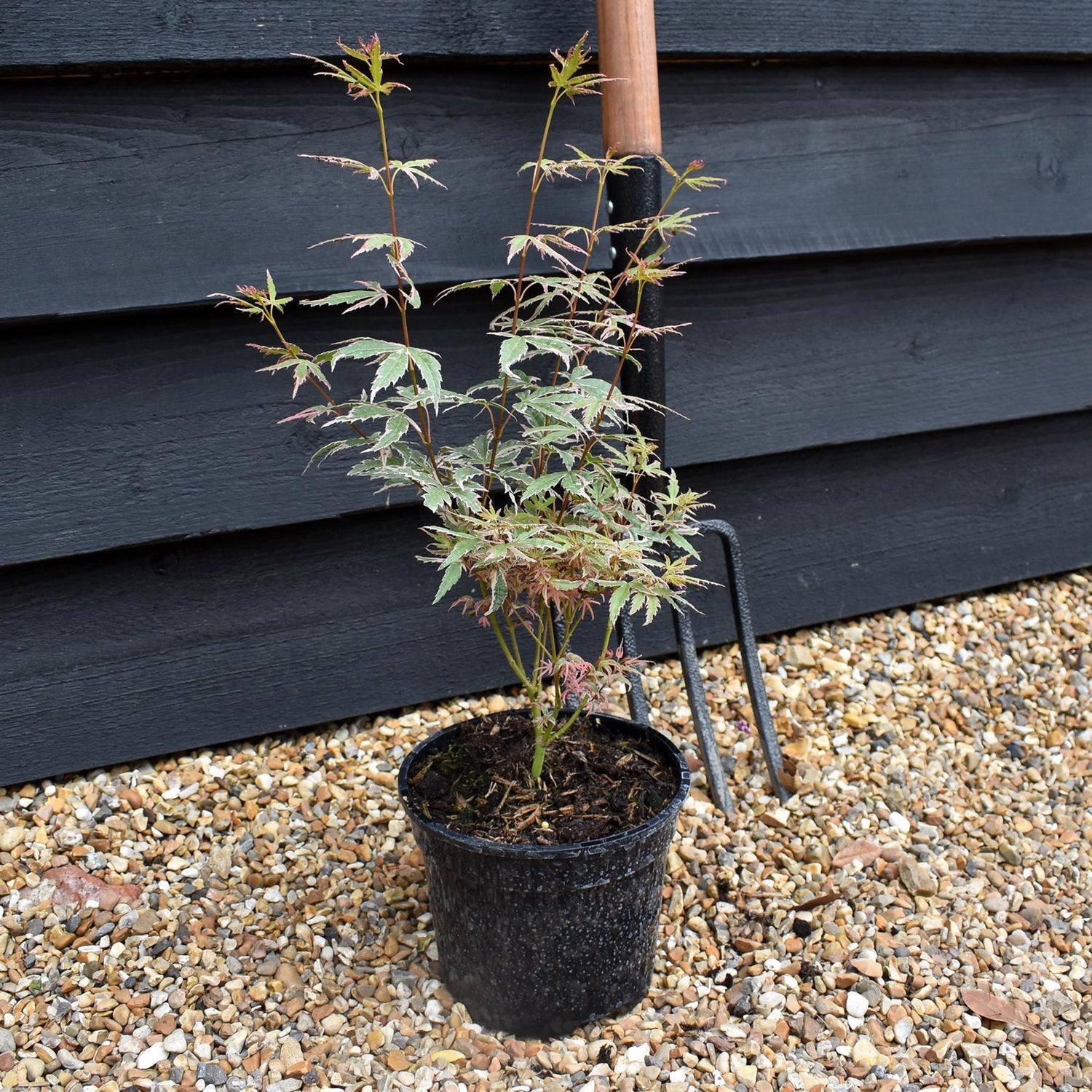
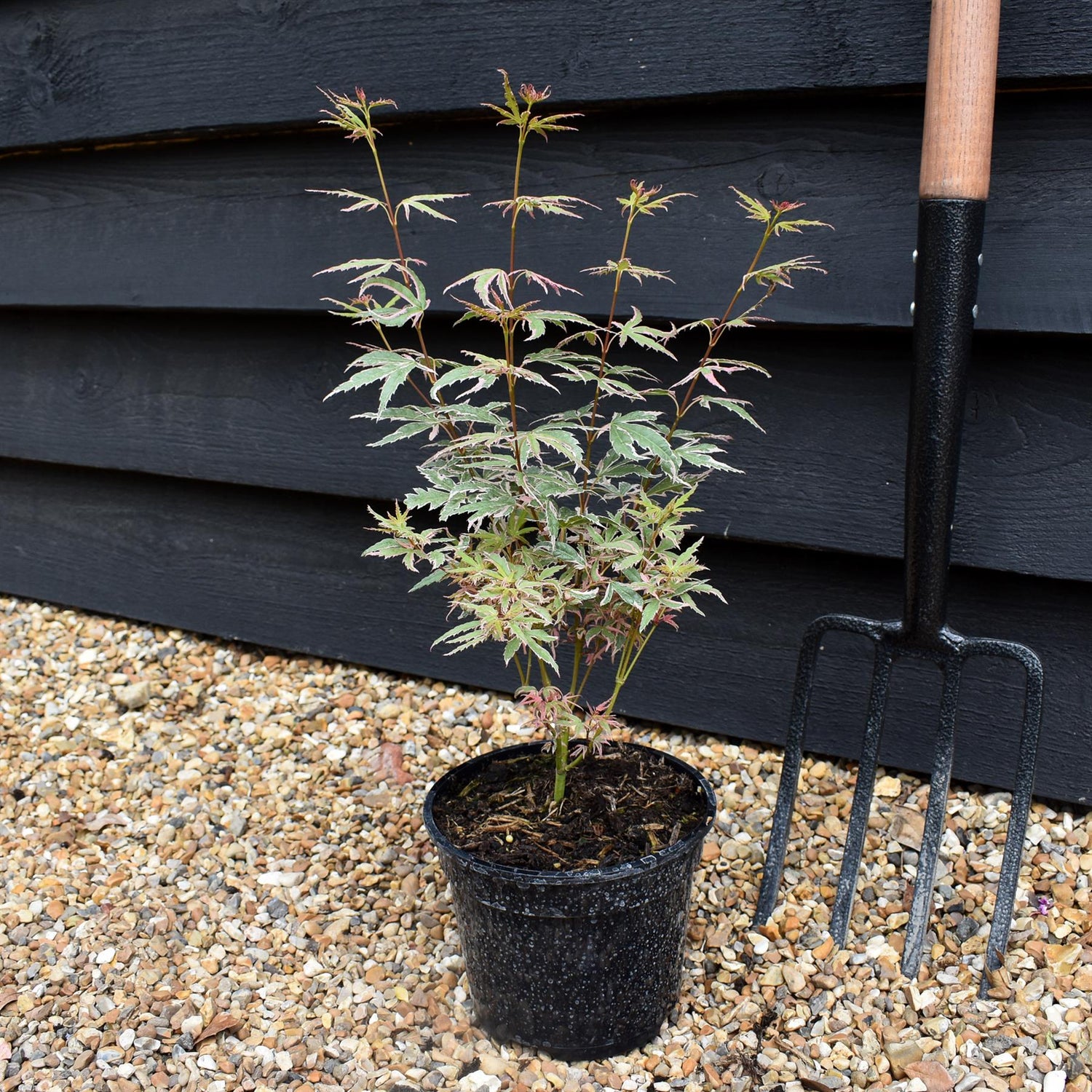
Acer palmatum 'Iyoshi' | Japanese Maple - Height 25-45cm - 2lt
£22.00
Unit price perAcer palmatum 'Iyoshi' | Japanese Maple - Height 25-45cm - 2lt
£22.00
Unit price perAcer palmatum 'Ijoshi' is a distinctive cultivar of the Japanese maple, prized for its elegant structure and unique seasonal colour changes. This small deciduous tree or large shrub is native to Japan, Korea, and parts of China, but is widely cultivated in temperate gardens across the UK due to its ornamental appeal and manageable size.
The 'Ijoshi' variety is particularly notable for its deeply divided, palmate leaves that emerge in spring with a soft, almost creamy-yellow hue. As the season progresses, the foliage transforms to shades of green with pinkish margins, eventually deepening into warm oranges and reds during the autumn months. This striking colour transition makes it a favourite among gardeners seeking year-round interest.
Growing typically to a height and spread of around 2 to 4 metres over ten years, Acer palmatum 'Ijoshi' is well-suited to smaller gardens, containers, or as a feature in Japanese-inspired landscapes. Its graceful, layered branching habit adds architectural interest, even during the winter when the tree is bare.
This cultivar prefers a sheltered position with dappled shade, protected from harsh winds and excessive sun, which can scorch the delicate leaves. Moist, well-drained, slightly acidic soils are ideal for healthy growth. Minimal pruning is required, though shaping in late summer can help maintain its form.
Acer palmatum 'Ijoshi' is a low-maintenance yet striking ornamental tree that rewards with changing beauty throughout the seasons. It is especially appreciated for its subtle spring tones and fiery autumn display, bringing both serenity and vibrancy to garden spaces. In the UK climate, it performs reliably given the right conditions, making it a valuable choice for discerning gardeners.
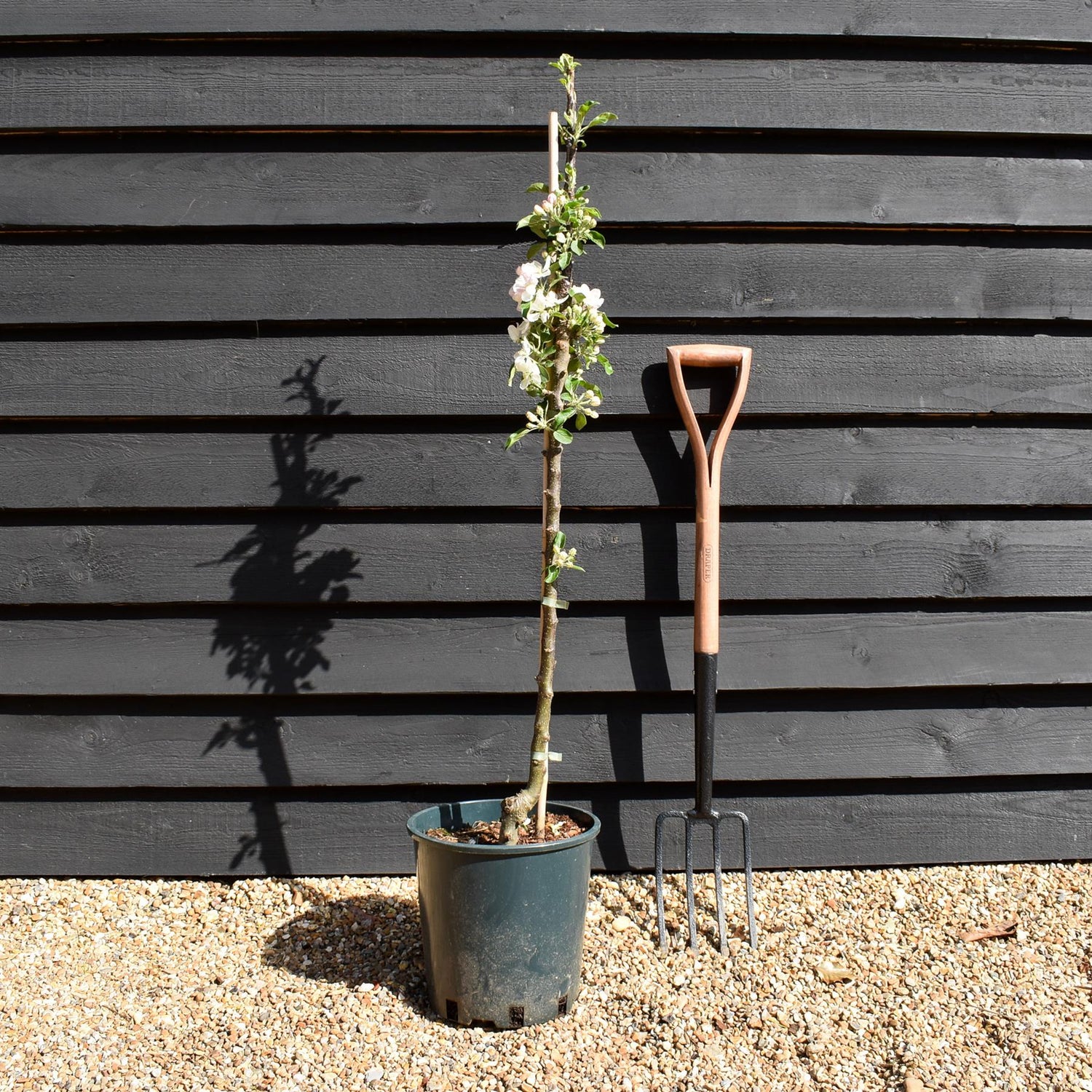
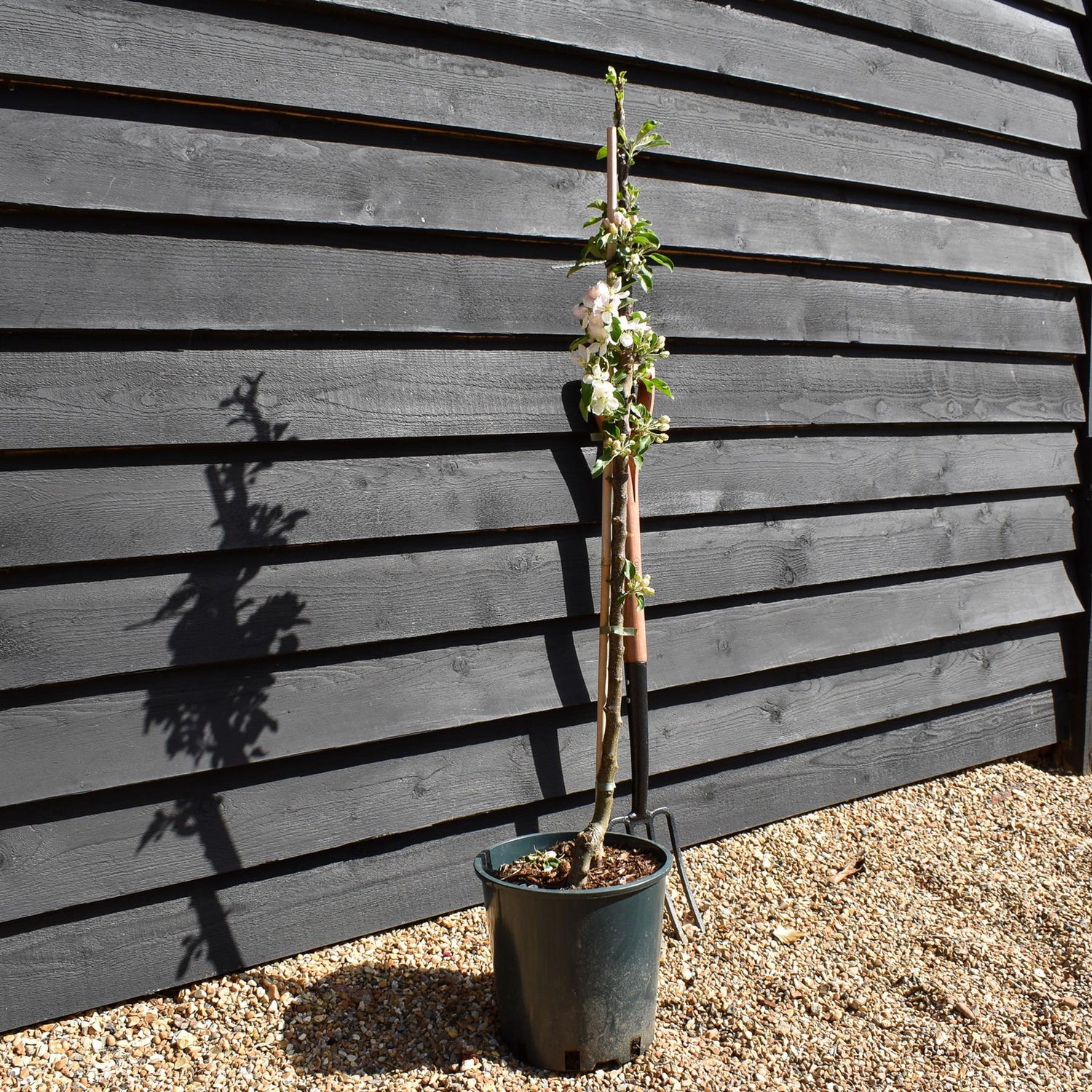
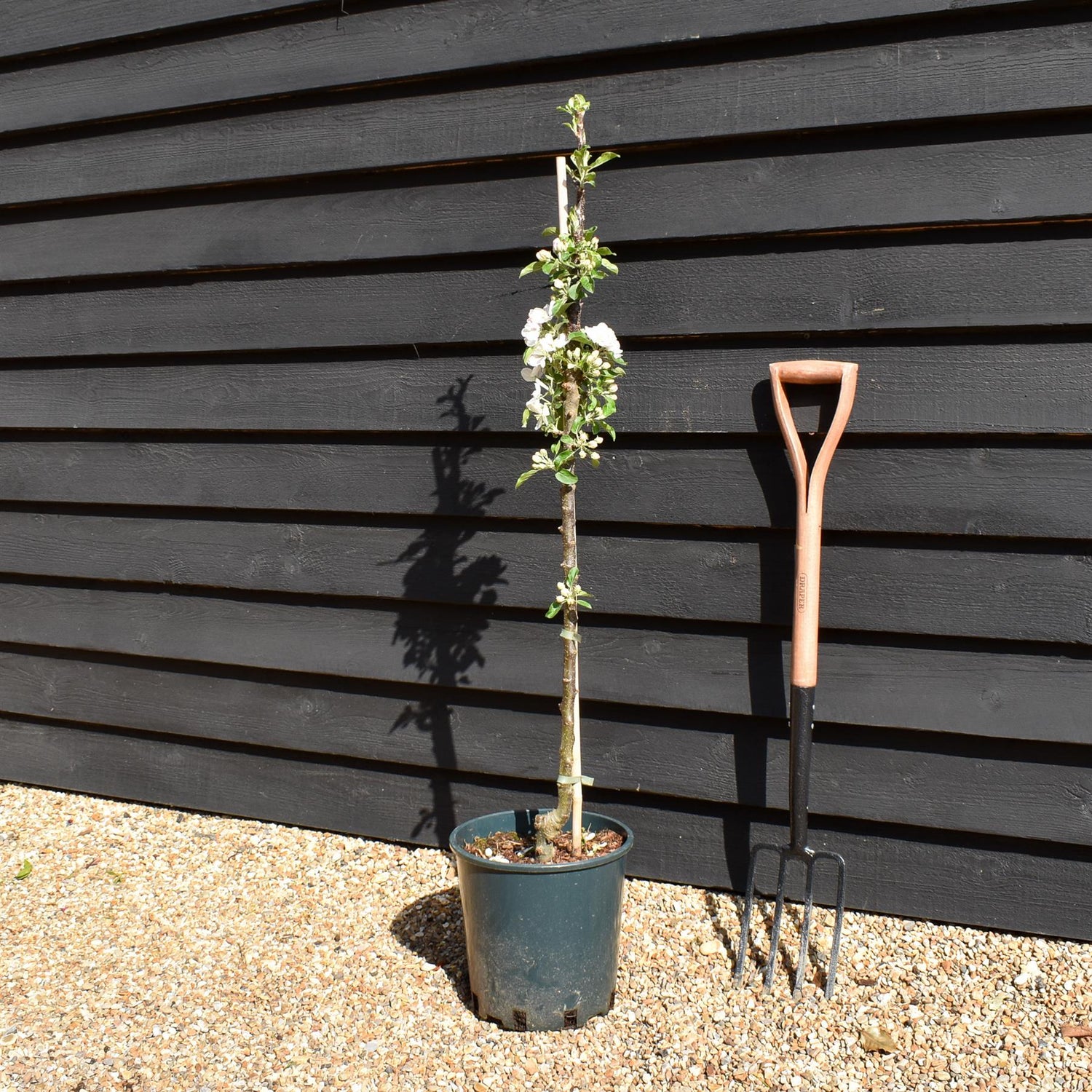
Apple tree 'Blue Moon' (Starline) | Malus domestica - 160-150cm - 10lt
£86.00
Unit price perApple tree 'Blue Moon' (Starline) | Malus domestica - 160-150cm - 10lt
£86.00
Unit price perCultivated as a concise, erect cordon, Starline 'Blue Moon' is a multifunctional apple tree perfectly suited for container growth or limited spaces. It's a prolific, contemporary apple cultivar yielding striking purple-blue apples. Harvesting in August and September, its apples offer a crunchy texture and succulent flesh, balancing sweet and tangy flavors.
This columnar apple tree, reaching 2 meters in height and 40cm in width, presents enchanting spring blossoms and visually appealing fruits, enhancing patio aesthetics. 'Blue Moon' excels in row planting, fostering your mini orchard creation, and boasts self-fertility and exceptional disease resistance.

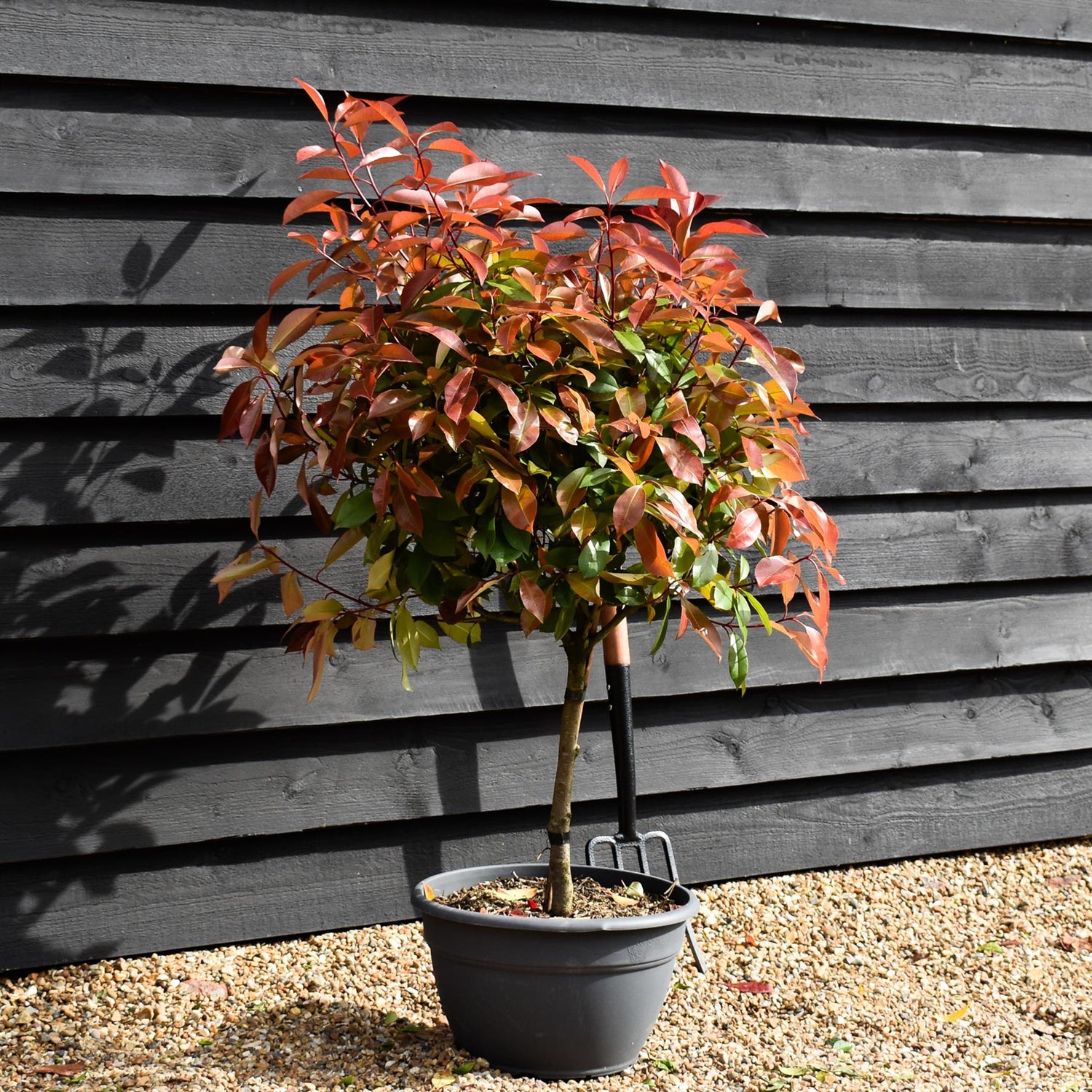
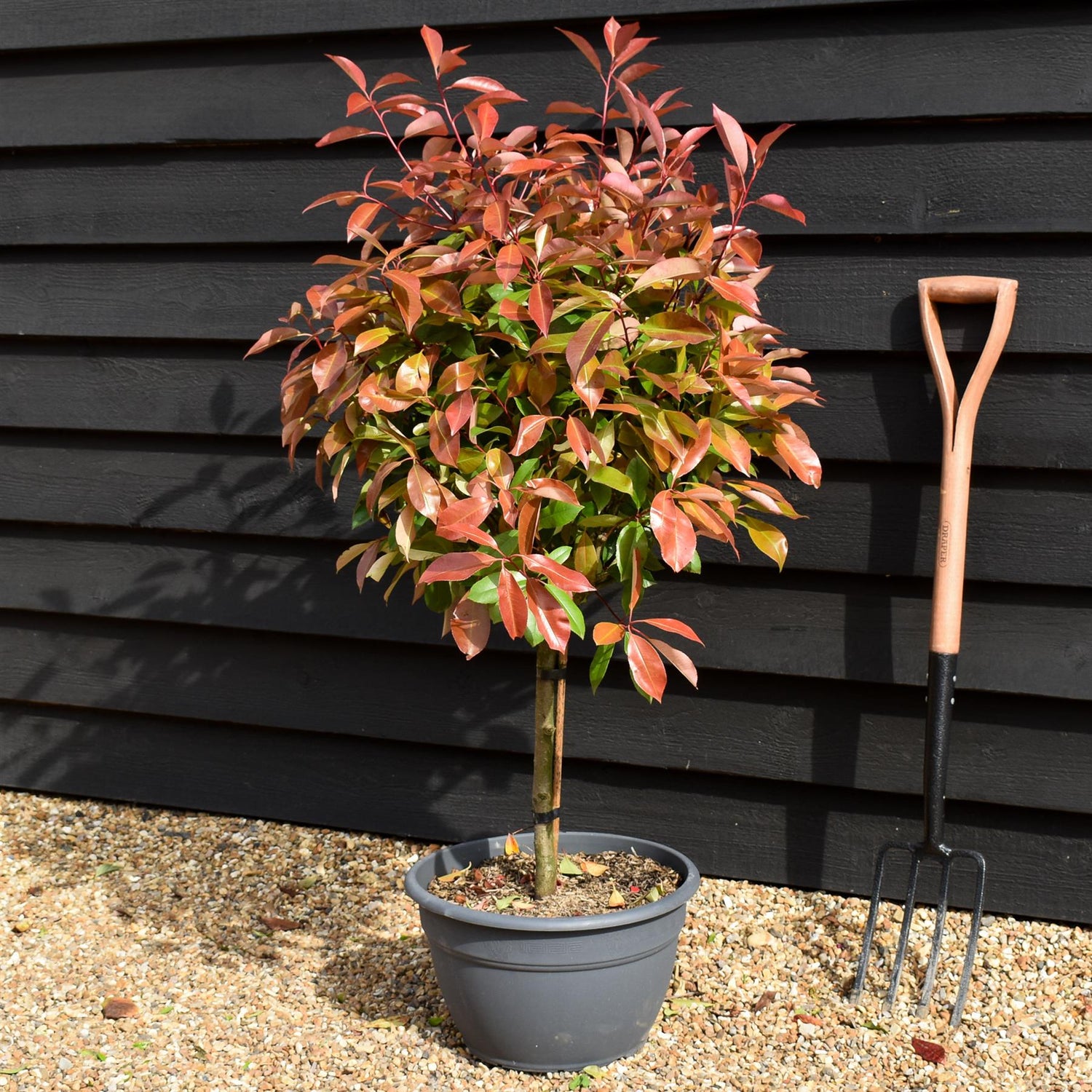
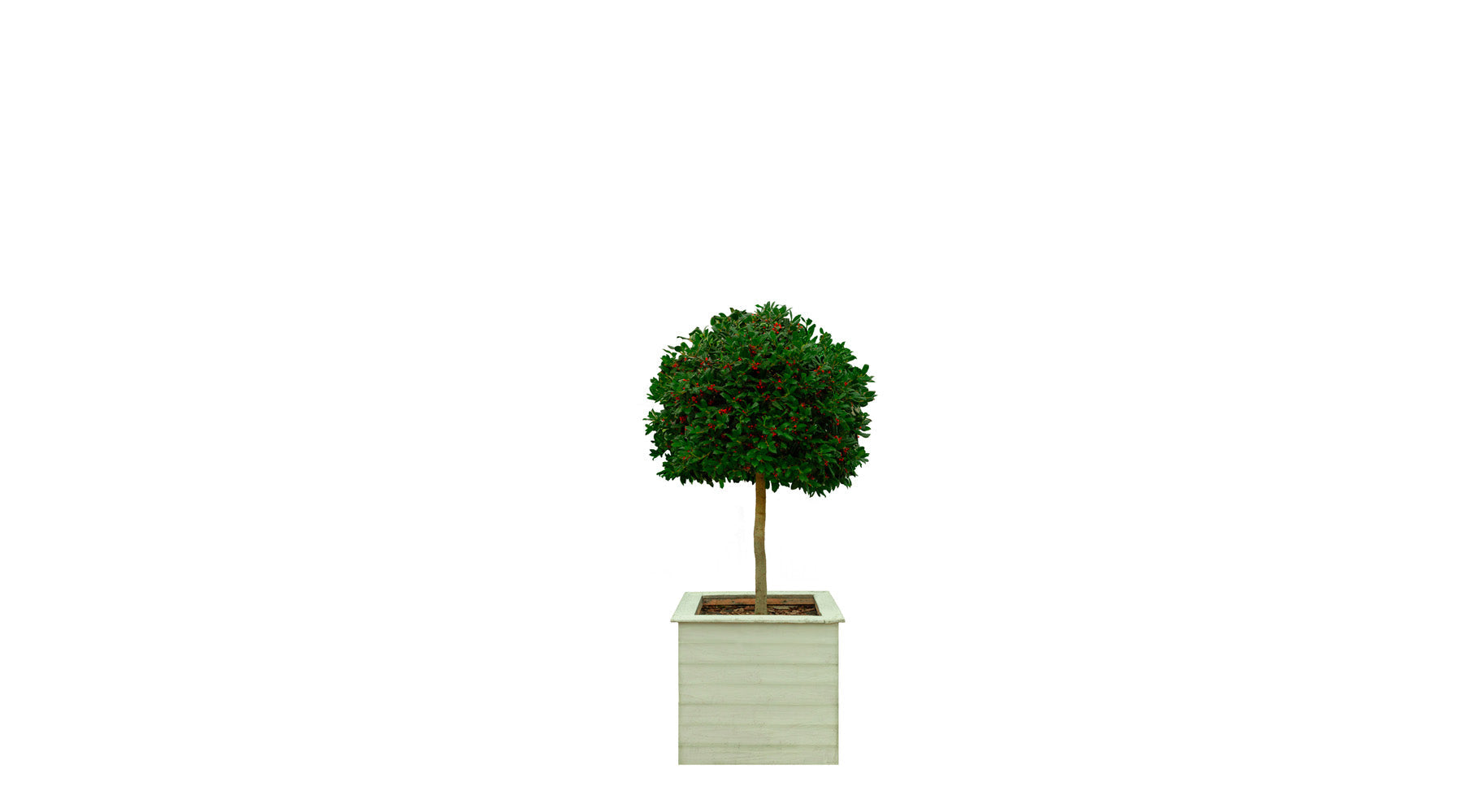
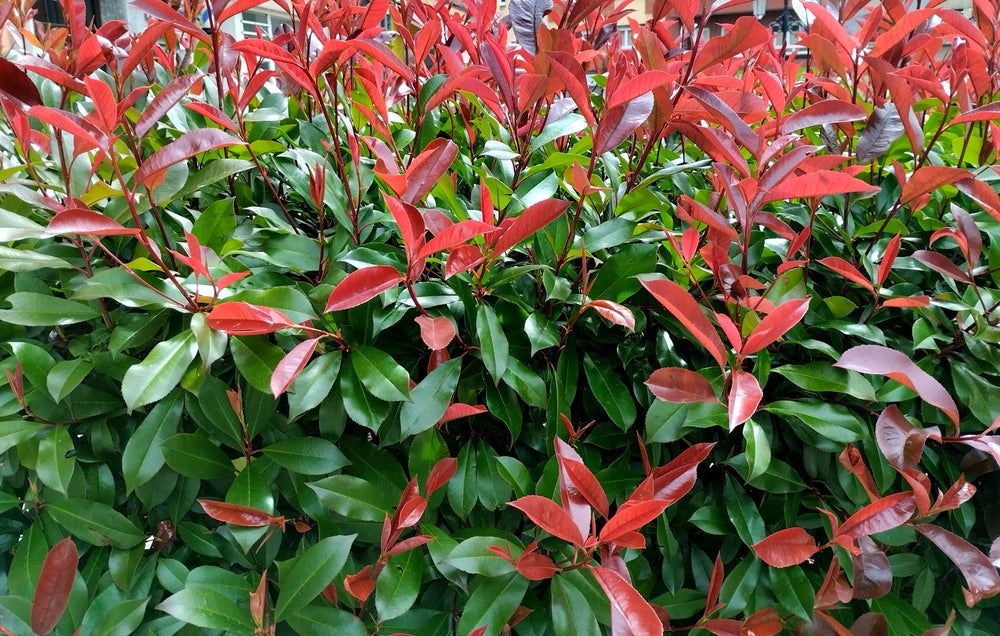
Photinia x fraseri Red Robin - Bowl - Stem 30-50cm - Height 90-100cm - 25lt
£85.00
Unit price perPhotinia x fraseri Red Robin - Bowl - Stem 30-50cm - Height 90-100cm - 25lt
£85.00
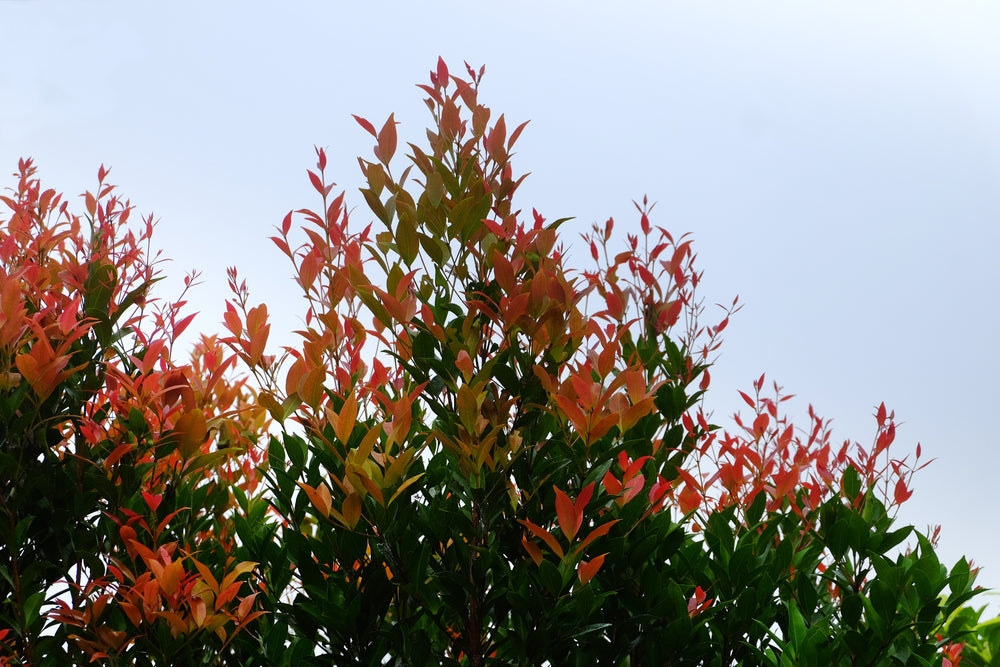
Unit price perThe Photinia × fraseri 'Red Robin' small tree, grown on a 40 cm stem in a stylish bowl pot, is perfect for patios, balconies, and small gardens. With its shallow root system, it thrives in containers, making it easy to manage and reposition. Its striking red young leaves, maturing to rich green, provide vibrant, year-round color and visual interest. Compact and easy to care for, it prefers full sun to partial shade and only requires occasional pruning to maintain its neat shape. Ideal for adding a touch of structure and brightness to outdoor living spaces, this potted 'Red Robin' is a low-maintenance, decorative choice for any modern or traditional garden setting.


The Malus domestica 'Starking' tree, commonly known as the Starking apple tree, is a cultivar prized for its exceptional qualities in home orchards and commercial fruit production. Belonging to the Rosaceae family, this deciduous tree bears the fruit that epitomizes the classic apple flavour profile – sweet with a hint of tartness, crisp, and juicy.
Starking apple trees are renowned for their moderate growth rate, reaching heights of around 12 to 15 feet at maturity, with a similar spread. Their sturdy, upright branches make them suitable for various climates and soil types, although they thrive best in well-drained, fertile soils with full sun exposure.
The tree produces an abundance of medium to large-sized apples, typically ripe for harvest in mid to late autumn. The Starking apple itself boasts a vibrant red skin, often with some green undertones, making it visually appealing. Its flesh is white, dense, and succulent, offering a satisfying crunch with each bite.
One of the notable characteristics of the Starking apple is its versatility in culinary applications. Whether eaten fresh, baked into pies, or pressed into cider, the Starking apple delivers a delightful blend of sweetness and acidity that enhances a wide array of dishes and beverages.
In Spring the Starking apple tree it bursts into a profusion of fragrant white blossoms. These blossoms not only beautify the landscape but also attract pollinators, ensuring abundant fruit set.
Caring for a Starking apple tree involves regular pruning to maintain its shape, promote airflow, and encourage fruit production. Adequate watering, especially during periods of drought, and annual fertilization are essential for optimal growth and fruit development.


Apple tree 'Golden Delicious' | Malus Domestica - Clear Stem 100cm - Height 200-230cm - Girth 14-16cm - 30lt
£250.00
Unit price perApple tree 'Golden Delicious' | Malus Domestica - Clear Stem 100cm - Height 200-230cm - Girth 14-16cm - 30lt
£250.00
Unit price perMalus Domestica 'Golden Delicious’ is a heavily-producing, deciduous apple tree, with oval, dark green leaves and lovely, fragrant, white flowers blooming in April. Attractive to bees, butterflies, and hummingbirds. Flowers are followed by heavy and regular crops of greenish-yellow to golden-yellow, delicious, sweet, crispy, juicy, and aromatic apples. Malus Domestica 'Golden Delicious’ grows best in moderately fertile, neutral, deep, loamy, moist, well-drained soils. It thrives in full sun, but can adapt to partial shade. It requires cold winters for good fruit production, but it has to be sheltered from harsh winter winds. It is self-fertile but needs a pollinator of anther variety blooming at the same time for better crops. Regular pruning and fruit thinning are required to improve fruit size and quality. 'Golden Delicious' Apple is a wonderful, ornamental tree, a nice addition to any garden. It is primarily grown for its delicious fruit, perfect for eating fresh and great for cooking. One of the best apple varieties.


Liquidambar styraciflua 'Gum Ball' - Clear Stem 50 cm - Girth 6-8cm - Height 140-160cm - 15lt
£128.00
Unit price perLiquidambar styraciflua 'Gum Ball' - Clear Stem 50 cm - Girth 6-8cm - Height 140-160cm - 15lt
£128.00
Unit price per


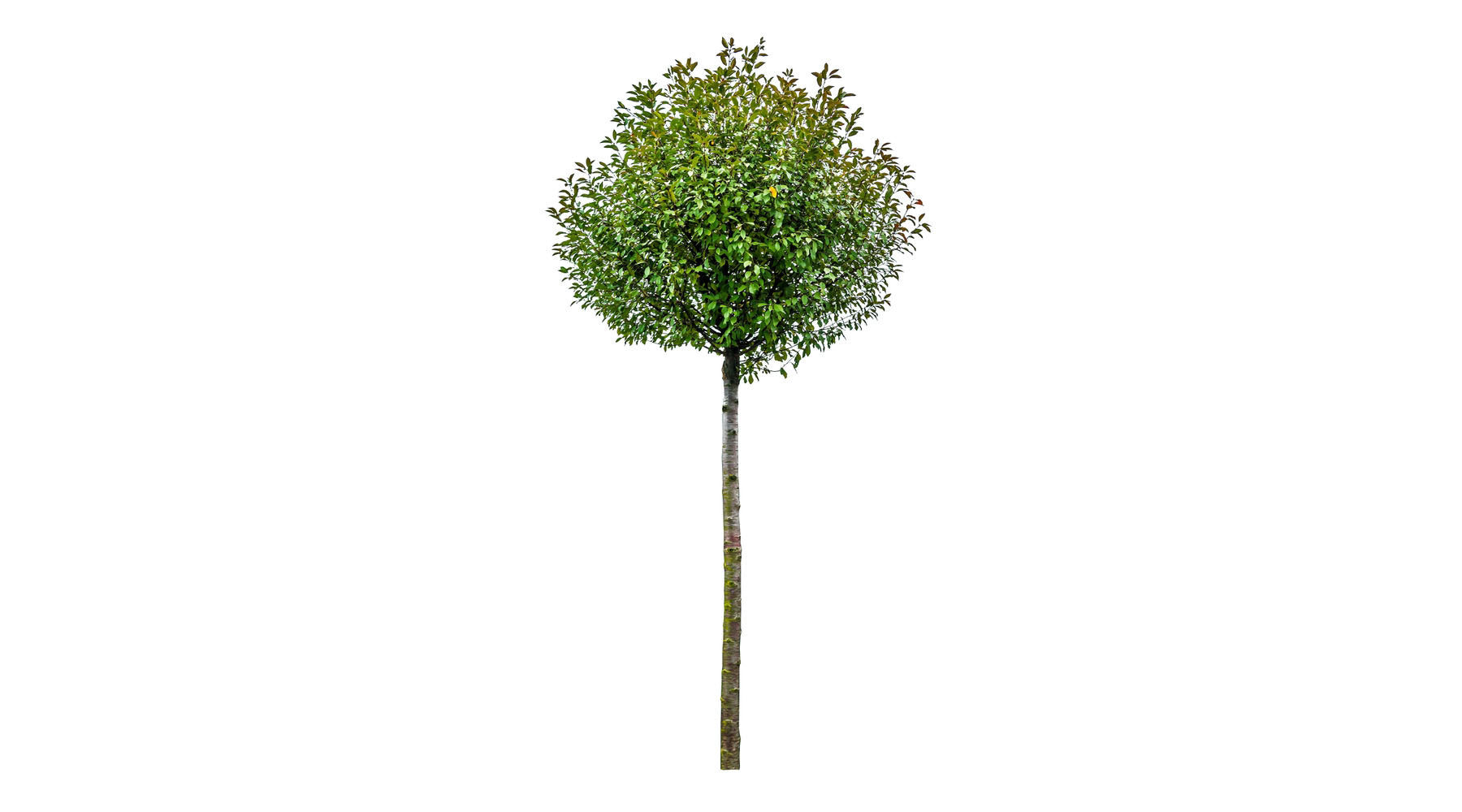
Prunus lusitanica 'Angustifolia' - Clear Stem 60cm - Height 130cm - Diameter 40-50cm - Girth 7cm - 12lt
£125.00
Unit price perPrunus lusitanica 'Angustifolia' - Clear Stem 60cm - Height 130cm - Diameter 40-50cm - Girth 7cm - 12lt
£125.00
Unit price per


Nerium oleander - Red - 80cm - 7lt
£49.00
Unit price perNerium oleander - Red - 80cm - 7lt
£49.00
Unit price perNerium oleander, commonly known as oleander, is a highly ornamental shrub renowned for its beauty and notorious for its toxicity. Native to the Mediterranean region, this evergreen plant thrives in warm climates and is widely cultivated across the globe, especially in subtropical and tropical areas.
Oleander grows to a height of about 2 to 6 meters (6 to 20 feet) and forms a dense, rounded bush with slender, grayish-brown branches. Its leaves are long and narrow, typically over 10 cm (4 inches) in length, with a leathery texture and a distinctive dark green color. These leaves grow in pairs or whorls of three along the stems, contributing to the plant's lush appearance.
The flowers of the oleander are its most striking feature. They bloom profusely from spring through fall, presenting a palette of colors such as pink, red, white, and yellow. Each flower is large and showy, with five petals that spread out to create a star-like shape. The flowers exude a subtle fragrance and are often clustered at the ends of the branches, enhancing the visual impact of the plant.
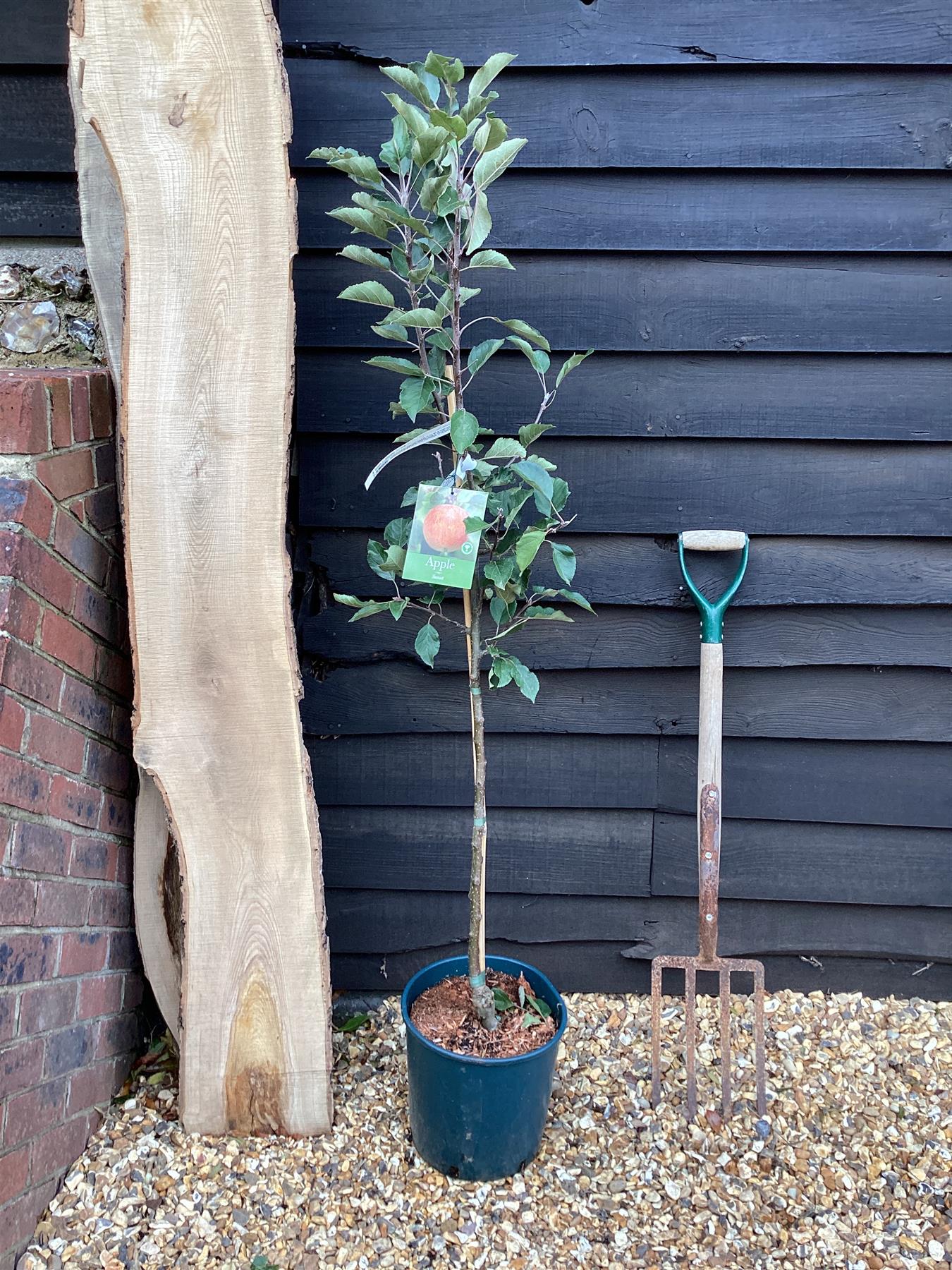


Apple tree 'Sunset' | Malus domestica - M27 - Ultra-Dwarfing - 130-140cm - 10lt
£70.00
Unit price perApple tree 'Sunset' | Malus domestica - M27 - Ultra-Dwarfing - 130-140cm - 10lt
£70.00
Unit price perSunset apple is a heavy-cropping garden apple with upright, compact habit and attractive pale pink flowers that bloom in March. They are followed by small, round to ovate, golden-yellow and green fruit with red and orange striping. A white to ivory flesh is crisp, firm and fine-grained, sometimes tinged with green. It has sweet, sharp, aromatic flavour. Sunset Apple was bred in approximately 1918 by G. C. Addy at Ightham, Kent. One of the parent varieties is Cox’s Orange Pippin Apple. Sunset Apple was meant to be similar to it, but easier to grow. It is very resilient, generally disease-free, cold and frost resistant, therefore, suitable for growing even in northern parts of Europe. Doesn’t need a pollinating partner because it is self-fertile. It is not commercially grown because of its small size. Sunset apples are crispy and juicy, great for eating or cooking. When cooked, they retain their shape.
M27 apple tree rootstock is a dwarfing rootstock, creating very small, manageable trees, ideal for small spaces. It induces early fruiting and is suitable for containers, requiring staking for support.
Showing 306/2045
Related blog posts


